

Understanding CDI System Robustness in Varied Environments
APR 21, 20269 MIN READ
Generate Your Research Report Instantly with AI Agent
PatSnap Eureka helps you evaluate technical feasibility & market potential.
CDI System Environmental Robustness Background and Objectives
Capacitive Discharge Ignition (CDI) systems have evolved significantly since their introduction in the 1960s, transitioning from simple automotive applications to sophisticated ignition solutions across diverse industries. Originally developed to overcome the limitations of conventional breaker-point ignition systems, CDI technology has undergone continuous refinement to address the growing demands for reliable ignition performance under increasingly challenging environmental conditions.
The historical development of CDI systems reveals a clear trajectory toward enhanced environmental adaptability. Early CDI implementations focused primarily on basic functionality, with limited consideration for extreme operating conditions. However, as applications expanded into aerospace, marine, industrial equipment, and specialized automotive sectors, the need for robust environmental performance became paramount. This evolution has been driven by the recognition that ignition system failures in harsh environments can result in catastrophic consequences, ranging from mission-critical failures to safety hazards.
Current technological trends in CDI system development emphasize multi-environmental compatibility, incorporating advanced materials science, sophisticated electronic control algorithms, and adaptive circuit designs. The integration of microprocessor-based control systems has enabled real-time environmental monitoring and automatic parameter adjustment, representing a significant leap from traditional fixed-parameter designs. Additionally, the adoption of wide-bandgap semiconductors and advanced packaging technologies has substantially improved temperature tolerance and electromagnetic interference resistance.
The primary technical objectives for CDI system environmental robustness center on achieving consistent ignition performance across extreme temperature ranges, typically spanning from -40°C to +125°C for automotive applications and extending to -55°C to +200°C for aerospace applications. Humidity resistance requirements demand reliable operation in conditions ranging from desert-dry environments to near-saturated atmospheric conditions, while maintaining electrical insulation integrity and preventing corrosion-induced failures.
Vibration and shock resistance objectives focus on maintaining precise timing accuracy and component integrity under mechanical stress conditions that can exceed 50G acceleration in automotive racing applications and reach even higher levels in aerospace and military contexts. Electromagnetic compatibility objectives require CDI systems to operate reliably in environments with high levels of electromagnetic interference while minimizing their own electromagnetic emissions to prevent interference with sensitive electronic systems.
The overarching goal of current CDI environmental robustness research is to develop universal ignition solutions capable of maintaining optimal performance characteristics regardless of environmental variations, ultimately enabling broader application deployment and improved system reliability across all operating conditions.
The historical development of CDI systems reveals a clear trajectory toward enhanced environmental adaptability. Early CDI implementations focused primarily on basic functionality, with limited consideration for extreme operating conditions. However, as applications expanded into aerospace, marine, industrial equipment, and specialized automotive sectors, the need for robust environmental performance became paramount. This evolution has been driven by the recognition that ignition system failures in harsh environments can result in catastrophic consequences, ranging from mission-critical failures to safety hazards.
Current technological trends in CDI system development emphasize multi-environmental compatibility, incorporating advanced materials science, sophisticated electronic control algorithms, and adaptive circuit designs. The integration of microprocessor-based control systems has enabled real-time environmental monitoring and automatic parameter adjustment, representing a significant leap from traditional fixed-parameter designs. Additionally, the adoption of wide-bandgap semiconductors and advanced packaging technologies has substantially improved temperature tolerance and electromagnetic interference resistance.
The primary technical objectives for CDI system environmental robustness center on achieving consistent ignition performance across extreme temperature ranges, typically spanning from -40°C to +125°C for automotive applications and extending to -55°C to +200°C for aerospace applications. Humidity resistance requirements demand reliable operation in conditions ranging from desert-dry environments to near-saturated atmospheric conditions, while maintaining electrical insulation integrity and preventing corrosion-induced failures.
Vibration and shock resistance objectives focus on maintaining precise timing accuracy and component integrity under mechanical stress conditions that can exceed 50G acceleration in automotive racing applications and reach even higher levels in aerospace and military contexts. Electromagnetic compatibility objectives require CDI systems to operate reliably in environments with high levels of electromagnetic interference while minimizing their own electromagnetic emissions to prevent interference with sensitive electronic systems.
The overarching goal of current CDI environmental robustness research is to develop universal ignition solutions capable of maintaining optimal performance characteristics regardless of environmental variations, ultimately enabling broader application deployment and improved system reliability across all operating conditions.
Market Demand for Reliable CDI Systems Across Environments
The global demand for reliable Capacitive Deionization (CDI) systems capable of operating across diverse environmental conditions has experienced substantial growth driven by increasing water scarcity challenges and stringent water quality regulations. Industrial sectors including semiconductor manufacturing, pharmaceutical production, and power generation require consistent water treatment performance regardless of ambient temperature fluctuations, humidity variations, or geographical location constraints.
Municipal water treatment facilities represent a significant market segment demanding robust CDI systems that can maintain operational efficiency across seasonal temperature variations and varying source water qualities. These facilities require systems that demonstrate consistent desalination performance whether operating in tropical climates with high humidity or arid regions with extreme temperature differentials. The reliability requirements extend beyond basic functionality to encompass long-term stability and predictable maintenance schedules.
The offshore and marine industries present unique market opportunities for environmentally robust CDI systems. Offshore platforms, naval vessels, and remote coastal installations require desalination technologies that can withstand harsh marine environments including salt spray exposure, vibration, and limited maintenance access. These applications demand systems with enhanced corrosion resistance and mechanical stability while maintaining consistent water production rates.
Agricultural applications in diverse climatic zones drive demand for CDI systems capable of treating brackish groundwater under varying environmental conditions. Greenhouse operations, livestock facilities, and crop irrigation systems require reliable water treatment that functions effectively across different seasons and weather patterns. The economic viability of these applications depends heavily on system reliability and consistent performance metrics.
Remote and off-grid applications constitute an emerging market segment requiring CDI systems with exceptional environmental resilience. Mining operations, research stations, and emergency response facilities often operate in extreme environments where system failure is not acceptable. These applications demand robust designs that can function reliably in temperature extremes, high altitude conditions, and areas with significant dust or particulate exposure.
The growing emphasis on decentralized water treatment solutions has created market demand for modular CDI systems that can be deployed across various environmental conditions without extensive site-specific modifications. This trend reflects the need for standardized yet adaptable technologies that can serve diverse geographical markets while maintaining consistent performance standards and operational reliability across different deployment scenarios.
Municipal water treatment facilities represent a significant market segment demanding robust CDI systems that can maintain operational efficiency across seasonal temperature variations and varying source water qualities. These facilities require systems that demonstrate consistent desalination performance whether operating in tropical climates with high humidity or arid regions with extreme temperature differentials. The reliability requirements extend beyond basic functionality to encompass long-term stability and predictable maintenance schedules.
The offshore and marine industries present unique market opportunities for environmentally robust CDI systems. Offshore platforms, naval vessels, and remote coastal installations require desalination technologies that can withstand harsh marine environments including salt spray exposure, vibration, and limited maintenance access. These applications demand systems with enhanced corrosion resistance and mechanical stability while maintaining consistent water production rates.
Agricultural applications in diverse climatic zones drive demand for CDI systems capable of treating brackish groundwater under varying environmental conditions. Greenhouse operations, livestock facilities, and crop irrigation systems require reliable water treatment that functions effectively across different seasons and weather patterns. The economic viability of these applications depends heavily on system reliability and consistent performance metrics.
Remote and off-grid applications constitute an emerging market segment requiring CDI systems with exceptional environmental resilience. Mining operations, research stations, and emergency response facilities often operate in extreme environments where system failure is not acceptable. These applications demand robust designs that can function reliably in temperature extremes, high altitude conditions, and areas with significant dust or particulate exposure.
The growing emphasis on decentralized water treatment solutions has created market demand for modular CDI systems that can be deployed across various environmental conditions without extensive site-specific modifications. This trend reflects the need for standardized yet adaptable technologies that can serve diverse geographical markets while maintaining consistent performance standards and operational reliability across different deployment scenarios.
Current CDI Performance Limitations in Harsh Conditions
CDI systems face significant performance degradation when deployed in harsh environmental conditions, with temperature extremes representing one of the most critical challenges. At elevated temperatures exceeding 85°C, semiconductor components within CDI modules experience increased leakage currents and thermal noise, leading to signal integrity deterioration. Conversely, sub-zero temperatures below -40°C cause material brittleness and altered electrical characteristics, resulting in reduced switching speeds and potential component failures.
Electromagnetic interference presents another substantial limitation, particularly in industrial environments with high-power machinery and wireless communication systems. CDI systems operating in frequencies above 1 GHz demonstrate susceptibility to external RF signals, causing false triggering and timing inaccuracies. The lack of adequate shielding in current designs allows interference penetration, compromising ignition precision and engine performance stability.
Vibration and mechanical stress impose severe constraints on CDI system reliability, especially in automotive and aerospace applications. Continuous exposure to vibrations exceeding 20G acceleration causes solder joint fatigue, component displacement, and internal wire bond failures. Current packaging technologies struggle to maintain structural integrity under prolonged mechanical stress, leading to intermittent failures and reduced operational lifespan.
Moisture and corrosive environments create additional performance barriers through oxidation and electrochemical degradation. CDI systems exposed to humidity levels above 95% relative humidity experience accelerated corrosion of metallic components and insulation breakdown. Salt spray environments, common in marine applications, exacerbate these effects, causing rapid deterioration of circuit board traces and connector interfaces.
Power supply variations in harsh conditions further compound CDI system limitations. Voltage fluctuations beyond ±10% of nominal values, common in mobile applications, cause timing drift and energy delivery inconsistencies. Current voltage regulation circuits lack sufficient robustness to maintain stable operation under extreme power supply conditions, resulting in compromised ignition performance.
Altitude-related challenges emerge in aerospace and high-elevation applications, where reduced atmospheric pressure affects arc formation and electrical breakdown characteristics. CDI systems operating above 10,000 feet altitude experience altered discharge patterns and reduced spark energy transfer efficiency, limiting their effectiveness in critical applications requiring consistent ignition performance across varying atmospheric conditions.
Electromagnetic interference presents another substantial limitation, particularly in industrial environments with high-power machinery and wireless communication systems. CDI systems operating in frequencies above 1 GHz demonstrate susceptibility to external RF signals, causing false triggering and timing inaccuracies. The lack of adequate shielding in current designs allows interference penetration, compromising ignition precision and engine performance stability.
Vibration and mechanical stress impose severe constraints on CDI system reliability, especially in automotive and aerospace applications. Continuous exposure to vibrations exceeding 20G acceleration causes solder joint fatigue, component displacement, and internal wire bond failures. Current packaging technologies struggle to maintain structural integrity under prolonged mechanical stress, leading to intermittent failures and reduced operational lifespan.
Moisture and corrosive environments create additional performance barriers through oxidation and electrochemical degradation. CDI systems exposed to humidity levels above 95% relative humidity experience accelerated corrosion of metallic components and insulation breakdown. Salt spray environments, common in marine applications, exacerbate these effects, causing rapid deterioration of circuit board traces and connector interfaces.
Power supply variations in harsh conditions further compound CDI system limitations. Voltage fluctuations beyond ±10% of nominal values, common in mobile applications, cause timing drift and energy delivery inconsistencies. Current voltage regulation circuits lack sufficient robustness to maintain stable operation under extreme power supply conditions, resulting in compromised ignition performance.
Altitude-related challenges emerge in aerospace and high-elevation applications, where reduced atmospheric pressure affects arc formation and electrical breakdown characteristics. CDI systems operating above 10,000 feet altitude experience altered discharge patterns and reduced spark energy transfer efficiency, limiting their effectiveness in critical applications requiring consistent ignition performance across varying atmospheric conditions.
Existing Environmental Hardening Solutions for CDI
01 Fuel injection control and timing optimization
CDI system robustness can be enhanced through precise control of fuel injection timing and duration. Advanced control algorithms monitor engine parameters and adjust injection timing to ensure optimal combustion under varying operating conditions. This includes compensation for temperature variations, fuel quality differences, and engine load changes to maintain consistent performance and reduce emissions.- Fuel injection control and timing optimization: CDI system robustness can be enhanced through precise control of fuel injection timing and duration. Advanced control algorithms monitor engine parameters and adjust injection timing to ensure optimal combustion under varying operating conditions. This includes compensation for temperature variations, fuel quality differences, and engine load changes to maintain consistent performance and reliability.
- Ignition system fault detection and diagnostics: Robust CDI systems incorporate comprehensive fault detection mechanisms to identify and diagnose ignition system failures. These systems monitor critical parameters such as spark timing, coil performance, and sensor signals to detect anomalies. Diagnostic capabilities enable early identification of component degradation or failure, allowing for preventive maintenance and ensuring system reliability across the operational lifespan.
- Environmental and thermal protection measures: CDI system robustness is improved through protective measures against environmental stresses including temperature extremes, moisture, vibration, and electromagnetic interference. Design features include thermal management systems, sealed enclosures, and shielding to protect sensitive electronic components. These measures ensure reliable operation across diverse environmental conditions and extend component service life.
- Power supply stability and voltage regulation: Maintaining stable power supply is critical for CDI system robustness. Advanced voltage regulation circuits protect against power fluctuations, voltage spikes, and electrical noise. These systems ensure consistent energy delivery to ignition components regardless of battery condition or alternator output variations, preventing misfires and maintaining reliable engine operation.
- Adaptive control and self-learning capabilities: Modern CDI systems employ adaptive control strategies that learn and adjust to engine characteristics over time. These systems continuously monitor performance parameters and automatically optimize ignition parameters to compensate for component aging, fuel variations, and changing operating conditions. Self-learning algorithms enhance long-term reliability and maintain optimal performance throughout the engine lifecycle.
02 Sensor feedback and diagnostic systems
Robust CDI systems incorporate multiple sensor inputs to monitor system health and performance. These diagnostic capabilities detect anomalies in ignition timing, fuel delivery, and combustion quality. The system can identify sensor failures, wiring issues, and component degradation, enabling predictive maintenance and preventing catastrophic failures through early warning systems.Expand Specific Solutions03 Electronic control unit hardening and protection
The electronic control unit in CDI systems requires protection against environmental stresses including electromagnetic interference, voltage fluctuations, and temperature extremes. Robust designs incorporate shielding, filtering circuits, and thermal management to ensure reliable operation. Hardware redundancy and fail-safe mechanisms prevent single-point failures from compromising system functionality.Expand Specific Solutions04 Adaptive calibration and learning algorithms
Modern CDI systems employ adaptive algorithms that learn from operating history and adjust parameters to maintain optimal performance over the vehicle lifetime. These systems compensate for component aging, fuel variations, and environmental changes. Self-calibration features reduce the need for manual adjustments and ensure consistent operation across different operating conditions and geographical regions.Expand Specific Solutions05 Multi-cylinder coordination and synchronization
In multi-cylinder engines, CDI system robustness depends on precise synchronization of injection and ignition events across all cylinders. Advanced systems monitor individual cylinder performance and make real-time adjustments to balance power output and reduce vibration. Cylinder-to-cylinder variation compensation ensures uniform combustion and minimizes emissions while maintaining engine smoothness under all operating conditions.Expand Specific Solutions
Major CDI System Manufacturers and Market Leaders
The CDI (Capacitive Discharge Ignition) system robustness technology landscape represents a mature market segment within the broader automotive and industrial ignition systems industry. The market demonstrates steady growth driven by increasing demand for reliable ignition solutions across automotive, marine, and industrial applications. Technology maturity varies significantly among key players, with established semiconductor companies like STMicroelectronics, Qualcomm, and Samsung Electronics leading in advanced electronic components and control systems integration. Traditional automotive suppliers such as Robert Bosch and Continental Teves leverage decades of automotive expertise to deliver robust CDI solutions. Meanwhile, companies like SEM AB specialize in dedicated ignition systems, while industrial giants including ABB and Hitachi focus on heavy-duty applications. The competitive landscape shows consolidation around companies with strong R&D capabilities and manufacturing scale, positioning the technology in a mature phase with incremental innovations focused on environmental adaptability and system reliability enhancements.
QUALCOMM, Inc.
Technical Solution: Qualcomm has developed wireless-enabled CDI systems that leverage their expertise in RF technology and signal processing. Their CDI solution incorporates remote monitoring capabilities allowing real-time assessment of ignition system performance across different environmental conditions. The system uses advanced digital signal processing to optimize ignition timing based on environmental sensors that monitor temperature, humidity, and atmospheric pressure. Qualcomm's approach includes predictive maintenance algorithms that analyze performance patterns to anticipate system degradation before failure occurs, particularly valuable in remote or harsh environment applications where maintenance access is limited.
Strengths: Wireless connectivity integration, advanced signal processing capabilities, predictive maintenance features. Weaknesses: Power consumption concerns for wireless features, complexity in traditional automotive applications.
Robert Bosch GmbH
Technical Solution: Bosch has developed comprehensive CDI (Capacitor Discharge Ignition) systems with advanced environmental adaptation capabilities. Their CDI systems incorporate temperature compensation algorithms that automatically adjust ignition timing based on ambient conditions ranging from -40°C to +125°C. The system features multi-layer EMI shielding and ruggedized components designed to withstand vibration, humidity, and electromagnetic interference in automotive environments. Bosch's CDI technology includes adaptive voltage regulation that maintains consistent spark energy across varying battery voltages and load conditions, ensuring reliable ignition performance in diverse operational scenarios.
Strengths: Proven automotive-grade reliability, extensive temperature range operation, strong EMI resistance. Weaknesses: Higher cost compared to basic CDI systems, complex calibration requirements.
Core Patents in CDI Environmental Robustness Technology
Capacitive deionization system
PatentInactiveUS20090045048A1
Innovation
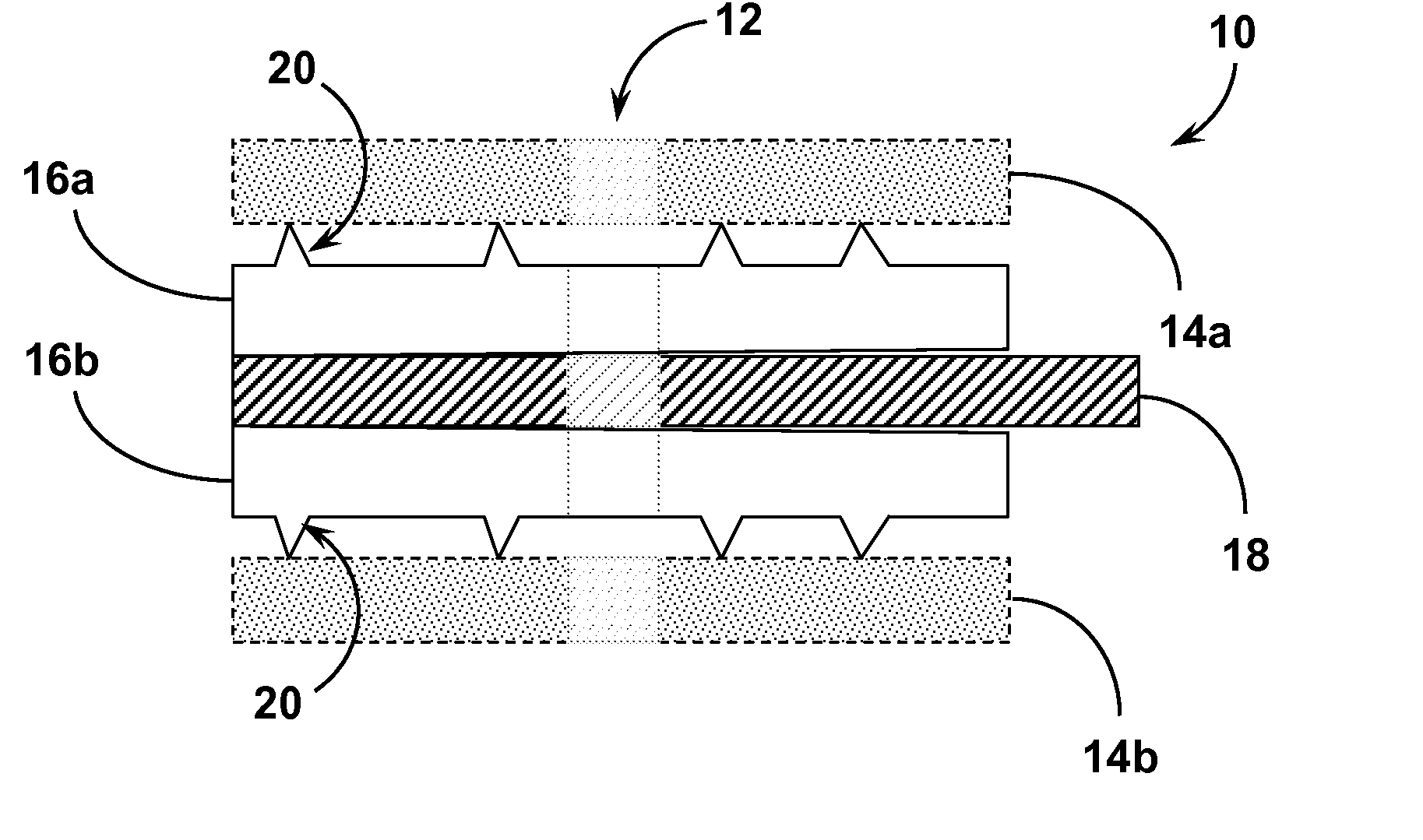
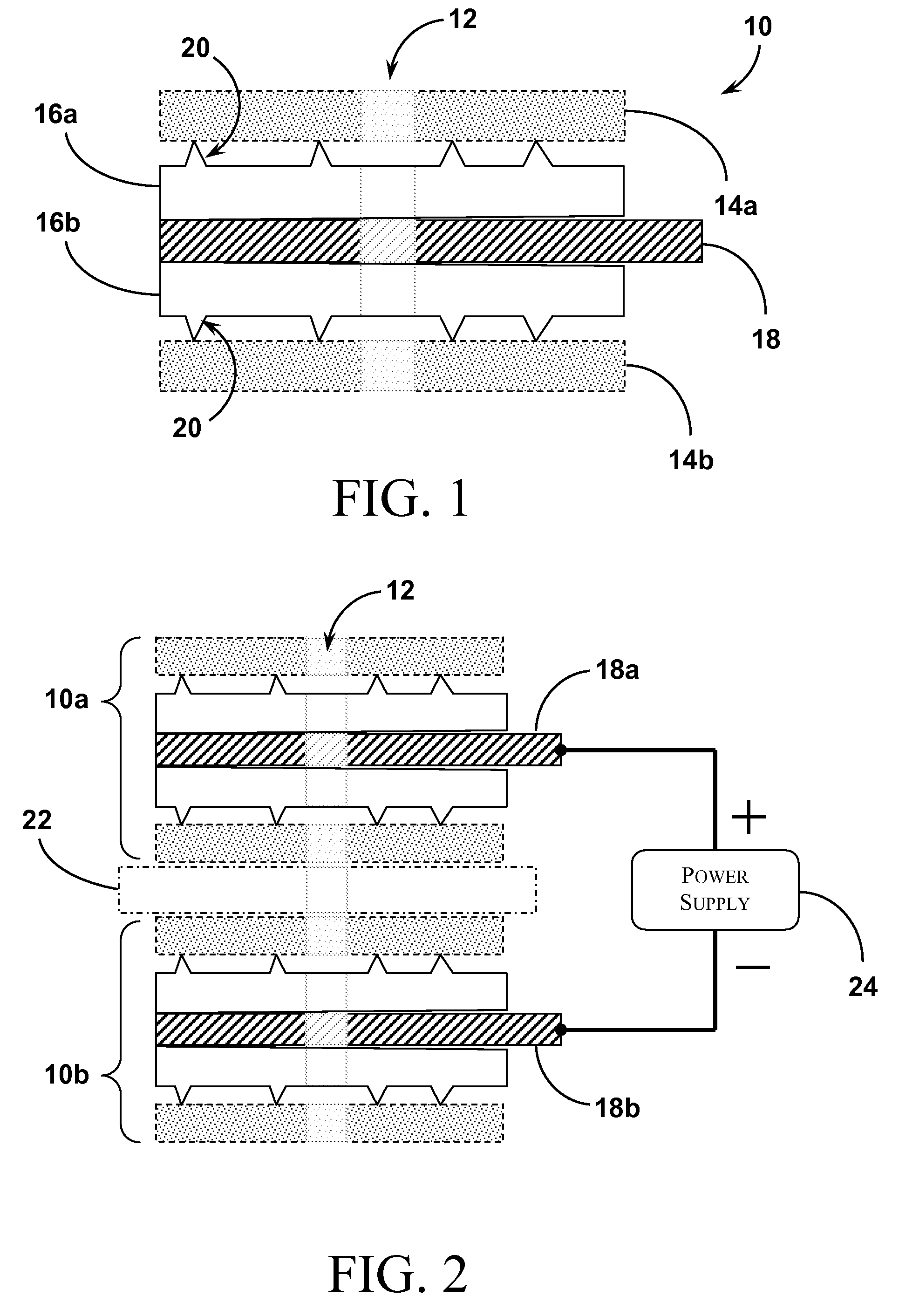
- A CDI system with programmable voltage and current control, utilizing sensors to monitor ion concentrations and electrical parameters, allowing for adjustable operation modes to optimize ion removal and energy efficiency through controlled charge and discharge cycles.


Hybrid Capacitive Deionization and Electro-Deionization (CDI-EDI) Electrochemical Cell for Fluid Purification
PatentInactiveUS20080078672A1
Innovation
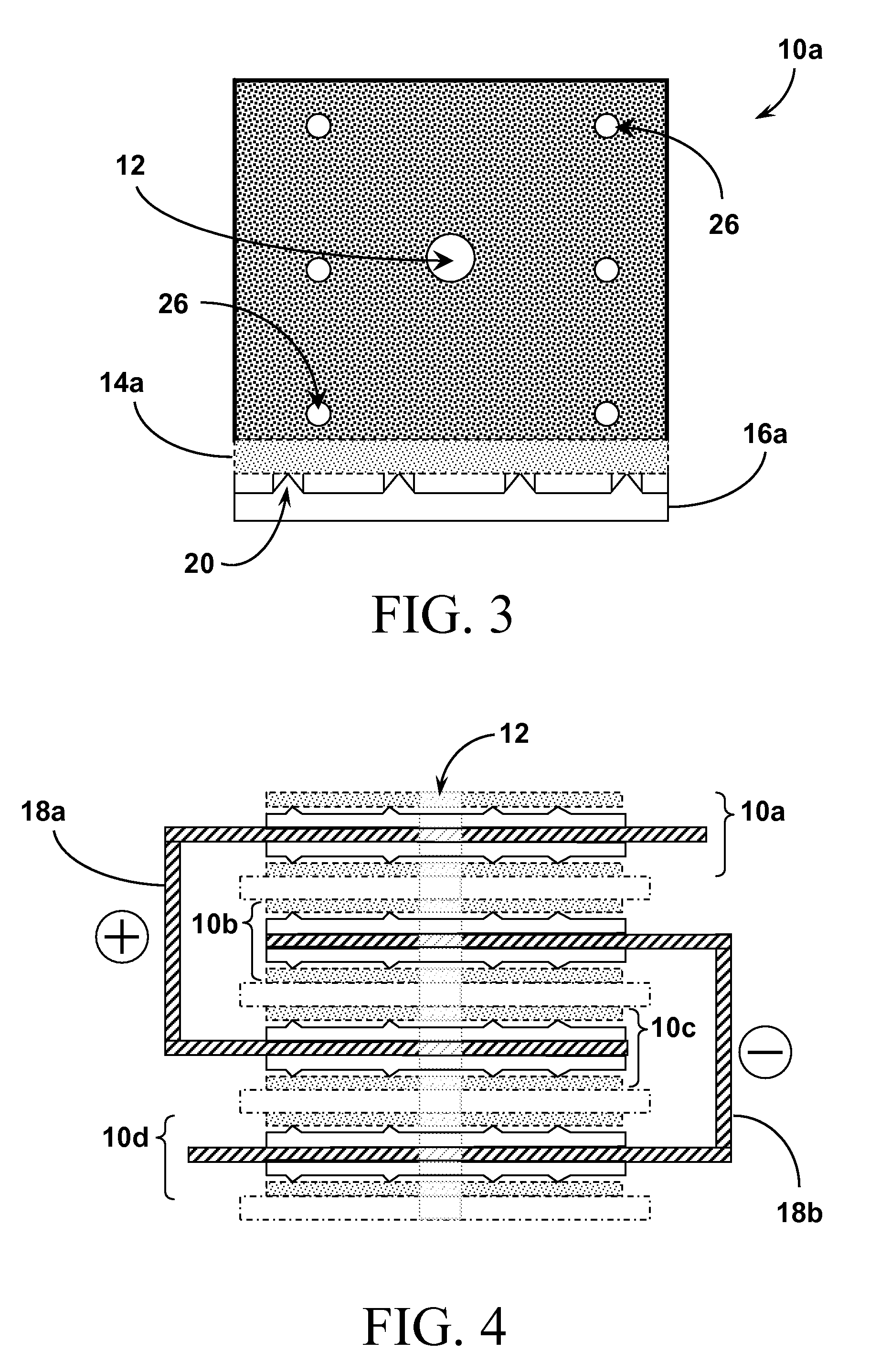
- A hybrid capacitive deionization/electro-deionization system is developed, featuring a perforated coating with pin holes and spacers to separate the coating from electrodes, optimizing ion expulsion and energy efficiency, using thin, low-resistance membranes with improved surface area and conductance, and efficient power source circuitry.

Environmental Testing Standards for CDI Systems
Environmental testing standards for Capacitive Deionization (CDI) systems represent a critical framework for evaluating system performance across diverse operational conditions. These standards establish comprehensive protocols that ensure CDI technologies can maintain consistent desalination efficiency, structural integrity, and operational reliability when deployed in challenging environmental scenarios ranging from industrial wastewater treatment to remote desalination applications.
The foundation of CDI environmental testing encompasses temperature cycling protocols that simulate real-world thermal variations. Standard testing procedures typically involve exposing systems to temperature ranges from -10°C to 60°C, with specific attention to thermal shock resistance and performance degradation assessment. These protocols evaluate electrode stability, membrane integrity, and electronic component functionality under extreme thermal conditions that CDI systems may encounter in desert installations or cold climate deployments.
Humidity and moisture resistance testing forms another cornerstone of environmental standards, particularly crucial for CDI systems operating in coastal or high-humidity environments. Testing protocols include salt spray exposure, condensation cycling, and prolonged high-humidity exposure to assess corrosion resistance of metallic components, seal effectiveness, and electrical insulation performance. These standards ensure that CDI systems maintain operational integrity in marine environments or tropical climates where moisture ingress could compromise system functionality.
Vibration and mechanical stress testing standards address the robustness requirements for mobile or transportation-based CDI applications. These protocols simulate mechanical stresses encountered during shipping, installation, and operation in industrial environments with significant vibration sources. Testing includes sinusoidal vibration, random vibration, and shock testing to validate structural integrity and component mounting effectiveness.
Chemical compatibility testing standards evaluate CDI system resistance to various water chemistries and potential contaminants. These protocols assess performance degradation when processing waters with varying pH levels, organic compounds, heavy metals, and other challenging constituents. Standards define exposure durations, concentration levels, and performance metrics to ensure long-term operational viability across diverse water treatment applications.
Electromagnetic compatibility (EMC) standards ensure CDI systems operate reliably in electrically noisy environments without interfering with other equipment. These testing protocols evaluate both electromagnetic immunity and emission characteristics, particularly important for CDI systems integrated into larger industrial facilities or sensitive electronic environments.
The foundation of CDI environmental testing encompasses temperature cycling protocols that simulate real-world thermal variations. Standard testing procedures typically involve exposing systems to temperature ranges from -10°C to 60°C, with specific attention to thermal shock resistance and performance degradation assessment. These protocols evaluate electrode stability, membrane integrity, and electronic component functionality under extreme thermal conditions that CDI systems may encounter in desert installations or cold climate deployments.
Humidity and moisture resistance testing forms another cornerstone of environmental standards, particularly crucial for CDI systems operating in coastal or high-humidity environments. Testing protocols include salt spray exposure, condensation cycling, and prolonged high-humidity exposure to assess corrosion resistance of metallic components, seal effectiveness, and electrical insulation performance. These standards ensure that CDI systems maintain operational integrity in marine environments or tropical climates where moisture ingress could compromise system functionality.
Vibration and mechanical stress testing standards address the robustness requirements for mobile or transportation-based CDI applications. These protocols simulate mechanical stresses encountered during shipping, installation, and operation in industrial environments with significant vibration sources. Testing includes sinusoidal vibration, random vibration, and shock testing to validate structural integrity and component mounting effectiveness.
Chemical compatibility testing standards evaluate CDI system resistance to various water chemistries and potential contaminants. These protocols assess performance degradation when processing waters with varying pH levels, organic compounds, heavy metals, and other challenging constituents. Standards define exposure durations, concentration levels, and performance metrics to ensure long-term operational viability across diverse water treatment applications.
Electromagnetic compatibility (EMC) standards ensure CDI systems operate reliably in electrically noisy environments without interfering with other equipment. These testing protocols evaluate both electromagnetic immunity and emission characteristics, particularly important for CDI systems integrated into larger industrial facilities or sensitive electronic environments.
Cost-Performance Trade-offs in Robust CDI Design
The development of robust CDI systems necessitates careful consideration of cost-performance trade-offs, particularly when designing for operation across diverse environmental conditions. Traditional CDI systems optimized for laboratory conditions often fail to maintain efficiency when deployed in real-world scenarios with varying water quality, temperature fluctuations, and operational demands. This challenge drives the need for strategic design decisions that balance system resilience with economic viability.
Material selection represents a critical trade-off point in robust CDI design. High-performance electrode materials such as activated carbon with enhanced surface area and conductivity offer superior desalination capacity but command premium prices. Alternative approaches include composite electrodes combining cost-effective base materials with selective high-performance coatings, achieving 70-80% of premium performance at 40-50% of the cost. This strategy proves particularly effective for applications requiring moderate robustness without extreme performance demands.
System architecture decisions significantly impact both cost and environmental adaptability. Modular designs with redundant electrode pairs increase initial capital expenditure by 25-35% but provide operational flexibility and maintenance advantages in challenging environments. Conversely, integrated single-unit systems minimize upfront costs but may require complete replacement when components fail under harsh conditions. The optimal choice depends on deployment scenarios and expected operational lifespan.
Control system sophistication presents another crucial trade-off dimension. Advanced monitoring and adaptive control algorithms can maintain performance across varying conditions but add 15-20% to system costs. Basic control systems reduce initial investment but may result in 20-30% performance degradation in non-optimal environments. Hybrid approaches utilizing predictive algorithms for critical parameters while maintaining simple controls for secondary functions offer balanced solutions.
Manufacturing and assembly considerations further influence cost-performance relationships. Precision-engineered components with tight tolerances enhance system reliability in varied environments but increase production costs exponentially. Standardized components with broader tolerances reduce manufacturing expenses while potentially compromising performance consistency. Strategic tolerance allocation, focusing precision on performance-critical components while accepting broader tolerances elsewhere, optimizes this trade-off.
Long-term operational economics must factor into design decisions, as robust systems with higher initial costs often demonstrate superior total cost of ownership through reduced maintenance requirements and extended operational life in challenging environments.
Material selection represents a critical trade-off point in robust CDI design. High-performance electrode materials such as activated carbon with enhanced surface area and conductivity offer superior desalination capacity but command premium prices. Alternative approaches include composite electrodes combining cost-effective base materials with selective high-performance coatings, achieving 70-80% of premium performance at 40-50% of the cost. This strategy proves particularly effective for applications requiring moderate robustness without extreme performance demands.
System architecture decisions significantly impact both cost and environmental adaptability. Modular designs with redundant electrode pairs increase initial capital expenditure by 25-35% but provide operational flexibility and maintenance advantages in challenging environments. Conversely, integrated single-unit systems minimize upfront costs but may require complete replacement when components fail under harsh conditions. The optimal choice depends on deployment scenarios and expected operational lifespan.
Control system sophistication presents another crucial trade-off dimension. Advanced monitoring and adaptive control algorithms can maintain performance across varying conditions but add 15-20% to system costs. Basic control systems reduce initial investment but may result in 20-30% performance degradation in non-optimal environments. Hybrid approaches utilizing predictive algorithms for critical parameters while maintaining simple controls for secondary functions offer balanced solutions.
Manufacturing and assembly considerations further influence cost-performance relationships. Precision-engineered components with tight tolerances enhance system reliability in varied environments but increase production costs exponentially. Standardized components with broader tolerances reduce manufacturing expenses while potentially compromising performance consistency. Strategic tolerance allocation, focusing precision on performance-critical components while accepting broader tolerances elsewhere, optimizes this trade-off.
Long-term operational economics must factor into design decisions, as robust systems with higher initial costs often demonstrate superior total cost of ownership through reduced maintenance requirements and extended operational life in challenging environments.
Unlock deeper insights with PatSnap Eureka Quick Research — get a full tech report to explore trends and direct your research. Try now!
Generate Your Research Report Instantly with AI Agent
Supercharge your innovation with PatSnap Eureka AI Agent Platform!