

CDI Operational Cost Analysis in Commercial Settings
APR 21, 20269 MIN READ
Generate Your Research Report Instantly with AI Agent
PatSnap Eureka helps you evaluate technical feasibility & market potential.
CDI Technology Background and Cost Optimization Goals
Capacitive Deionization (CDI) technology has emerged as a promising electrochemical water treatment method that removes ionic contaminants through electrostatic attraction. Unlike conventional desalination technologies such as reverse osmosis or thermal distillation, CDI operates at relatively low voltages and ambient temperatures, making it particularly suitable for brackish water treatment and water recycling applications in commercial environments.
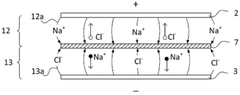
The fundamental principle of CDI involves applying an electric field across porous carbon electrodes, causing ions to migrate and adsorb onto oppositely charged electrode surfaces. This process creates deionized water while storing the removed ions in the electrical double layer of the electrode materials. The technology's reversible nature allows for electrode regeneration through voltage reversal or short-circuiting, releasing concentrated brine and restoring the system's capacity.
Commercial adoption of CDI technology has been driven by several key advantages including lower energy consumption compared to pressure-driven membrane processes, minimal chemical requirements, and reduced maintenance complexity. However, widespread implementation faces significant cost-related challenges that directly impact operational viability in competitive commercial markets.
The primary cost optimization goals for CDI systems in commercial settings center around three critical areas. Energy efficiency optimization represents the foremost priority, as electricity costs constitute the largest operational expense component. Current research focuses on developing advanced electrode materials with higher capacitance and improved charge efficiency to reduce the energy required per unit of water treated.
Electrode longevity and performance stability form the second major optimization target. Commercial viability depends heavily on extending electrode lifespan while maintaining consistent desalination performance. This involves addressing issues such as electrode fouling, capacity fade over cycling, and chemical degradation that increase replacement costs and system downtime.
System integration and automation constitute the third key optimization area, aiming to reduce labor costs and improve operational reliability. Advanced process control systems, predictive maintenance capabilities, and automated cleaning protocols are essential for minimizing operational intervention requirements while maximizing system uptime and performance consistency in commercial applications.
The fundamental principle of CDI involves applying an electric field across porous carbon electrodes, causing ions to migrate and adsorb onto oppositely charged electrode surfaces. This process creates deionized water while storing the removed ions in the electrical double layer of the electrode materials. The technology's reversible nature allows for electrode regeneration through voltage reversal or short-circuiting, releasing concentrated brine and restoring the system's capacity.
Commercial adoption of CDI technology has been driven by several key advantages including lower energy consumption compared to pressure-driven membrane processes, minimal chemical requirements, and reduced maintenance complexity. However, widespread implementation faces significant cost-related challenges that directly impact operational viability in competitive commercial markets.
The primary cost optimization goals for CDI systems in commercial settings center around three critical areas. Energy efficiency optimization represents the foremost priority, as electricity costs constitute the largest operational expense component. Current research focuses on developing advanced electrode materials with higher capacitance and improved charge efficiency to reduce the energy required per unit of water treated.
Electrode longevity and performance stability form the second major optimization target. Commercial viability depends heavily on extending electrode lifespan while maintaining consistent desalination performance. This involves addressing issues such as electrode fouling, capacity fade over cycling, and chemical degradation that increase replacement costs and system downtime.
System integration and automation constitute the third key optimization area, aiming to reduce labor costs and improve operational reliability. Advanced process control systems, predictive maintenance capabilities, and automated cleaning protocols are essential for minimizing operational intervention requirements while maximizing system uptime and performance consistency in commercial applications.
Commercial Market Demand for CDI Solutions
The commercial market for Capacitive Deionization (CDI) solutions is experiencing significant growth driven by increasing water scarcity concerns and stringent environmental regulations across multiple industries. Manufacturing sectors, particularly electronics, pharmaceuticals, and food processing, are actively seeking cost-effective water treatment alternatives to traditional reverse osmosis and ion exchange systems. These industries require consistent water quality standards while managing operational expenses, making CDI technology an attractive proposition due to its lower energy consumption and reduced chemical usage requirements.
Municipal water treatment facilities represent another substantial market segment, especially in regions facing water stress or contamination challenges. Local governments are increasingly investing in decentralized water treatment solutions that can provide reliable service while minimizing long-term operational costs. CDI systems offer particular advantages in these applications due to their modular design and ability to handle varying water quality conditions without extensive pre-treatment infrastructure.
The agricultural sector is emerging as a promising market for CDI solutions, particularly for greenhouse operations and precision farming applications. Water-intensive agricultural practices require efficient desalination and water recycling capabilities to maintain profitability while addressing sustainability concerns. CDI technology's ability to operate with renewable energy sources aligns well with the agricultural industry's growing focus on sustainable practices and reduced operational overhead.
Industrial wastewater treatment applications are driving significant demand, especially in chemical processing and mining operations where water reuse is becoming economically essential. Companies in these sectors are evaluating CDI systems as alternatives to conventional treatment methods that require extensive chemical inputs and generate substantial waste streams. The technology's regenerative capabilities and lower maintenance requirements make it particularly attractive for remote industrial operations.
Market adoption is further accelerated by corporate sustainability initiatives and environmental compliance requirements. Organizations are increasingly prioritizing water treatment solutions that demonstrate measurable environmental benefits while delivering competitive operational economics. CDI technology's reduced carbon footprint compared to energy-intensive alternatives positions it favorably in procurement decisions where environmental impact assessments are mandatory.
The commercial market demand is also influenced by technological advancements in electrode materials and system design, which have improved treatment efficiency and reduced capital costs. These improvements have expanded the addressable market to include smaller commercial operations that previously could not justify advanced water treatment investments due to economic constraints.
Municipal water treatment facilities represent another substantial market segment, especially in regions facing water stress or contamination challenges. Local governments are increasingly investing in decentralized water treatment solutions that can provide reliable service while minimizing long-term operational costs. CDI systems offer particular advantages in these applications due to their modular design and ability to handle varying water quality conditions without extensive pre-treatment infrastructure.
The agricultural sector is emerging as a promising market for CDI solutions, particularly for greenhouse operations and precision farming applications. Water-intensive agricultural practices require efficient desalination and water recycling capabilities to maintain profitability while addressing sustainability concerns. CDI technology's ability to operate with renewable energy sources aligns well with the agricultural industry's growing focus on sustainable practices and reduced operational overhead.
Industrial wastewater treatment applications are driving significant demand, especially in chemical processing and mining operations where water reuse is becoming economically essential. Companies in these sectors are evaluating CDI systems as alternatives to conventional treatment methods that require extensive chemical inputs and generate substantial waste streams. The technology's regenerative capabilities and lower maintenance requirements make it particularly attractive for remote industrial operations.
Market adoption is further accelerated by corporate sustainability initiatives and environmental compliance requirements. Organizations are increasingly prioritizing water treatment solutions that demonstrate measurable environmental benefits while delivering competitive operational economics. CDI technology's reduced carbon footprint compared to energy-intensive alternatives positions it favorably in procurement decisions where environmental impact assessments are mandatory.
The commercial market demand is also influenced by technological advancements in electrode materials and system design, which have improved treatment efficiency and reduced capital costs. These improvements have expanded the addressable market to include smaller commercial operations that previously could not justify advanced water treatment investments due to economic constraints.
Current CDI Operational Challenges and Cost Barriers
Capacitive Deionization technology faces significant operational challenges that substantially impact its commercial viability and widespread adoption. The primary cost barriers stem from membrane fouling, which necessitates frequent cleaning cycles and reduces overall system efficiency. Organic compounds, scaling minerals, and biological contaminants accumulate on electrode surfaces, leading to decreased ion removal capacity and increased energy consumption per unit of treated water.
Energy consumption represents another critical operational challenge, particularly during the charging and discharging phases of CDI systems. The energy recovery efficiency in current commercial systems typically ranges between 60-80%, meaning substantial energy losses occur during each cycle. This inefficiency directly translates to higher operational costs, especially in large-scale commercial applications where energy expenses constitute a significant portion of total operating expenditure.
Electrode degradation poses long-term cost implications for CDI operations. Carbon-based electrodes experience gradual capacity loss due to repeated charging cycles, chemical exposure, and physical stress. The replacement frequency of electrode materials varies significantly based on water quality and operational parameters, but typically ranges from 2-5 years in commercial settings, creating substantial maintenance costs and system downtime.
Water recovery rates in commercial CDI systems present another operational constraint. Current technologies typically achieve 70-85% water recovery, meaning 15-30% of feed water becomes concentrated brine that requires disposal. This limitation not only reduces the effective water production but also creates additional costs for brine management and disposal, particularly in regions with strict environmental regulations.
System complexity and maintenance requirements further contribute to operational cost barriers. CDI systems require sophisticated control mechanisms to optimize charging/discharging cycles, monitor water quality parameters, and manage fouling prevention protocols. The need for skilled technicians and specialized maintenance procedures increases labor costs and operational complexity compared to conventional water treatment technologies.
Pretreatment requirements add another layer of operational costs, as CDI systems are sensitive to suspended solids, hardness, and organic matter in feed water. Most commercial installations require comprehensive pretreatment systems including filtration, softening, and sometimes reverse osmosis, which increases both capital and operational expenditures while adding system complexity and maintenance requirements.
Energy consumption represents another critical operational challenge, particularly during the charging and discharging phases of CDI systems. The energy recovery efficiency in current commercial systems typically ranges between 60-80%, meaning substantial energy losses occur during each cycle. This inefficiency directly translates to higher operational costs, especially in large-scale commercial applications where energy expenses constitute a significant portion of total operating expenditure.
Electrode degradation poses long-term cost implications for CDI operations. Carbon-based electrodes experience gradual capacity loss due to repeated charging cycles, chemical exposure, and physical stress. The replacement frequency of electrode materials varies significantly based on water quality and operational parameters, but typically ranges from 2-5 years in commercial settings, creating substantial maintenance costs and system downtime.
Water recovery rates in commercial CDI systems present another operational constraint. Current technologies typically achieve 70-85% water recovery, meaning 15-30% of feed water becomes concentrated brine that requires disposal. This limitation not only reduces the effective water production but also creates additional costs for brine management and disposal, particularly in regions with strict environmental regulations.
System complexity and maintenance requirements further contribute to operational cost barriers. CDI systems require sophisticated control mechanisms to optimize charging/discharging cycles, monitor water quality parameters, and manage fouling prevention protocols. The need for skilled technicians and specialized maintenance procedures increases labor costs and operational complexity compared to conventional water treatment technologies.
Pretreatment requirements add another layer of operational costs, as CDI systems are sensitive to suspended solids, hardness, and organic matter in feed water. Most commercial installations require comprehensive pretreatment systems including filtration, softening, and sometimes reverse osmosis, which increases both capital and operational expenditures while adding system complexity and maintenance requirements.
Existing CDI Cost Reduction and Efficiency Solutions
01 Energy efficiency optimization in CDI systems
Capacitive deionization (CDI) operational costs can be reduced through energy efficiency optimization techniques. This includes implementing energy recovery systems, optimizing charging and discharging cycles, and utilizing advanced electrode materials that require lower energy input for ion removal. These approaches minimize power consumption during the desalination process, thereby reducing overall operational expenses.- Energy efficiency optimization in CDI systems: Capacitive deionization (CDI) operational costs can be reduced through energy efficiency optimization techniques. This includes implementing energy recovery systems, optimizing charging and discharging cycles, and utilizing advanced electrode materials that require lower energy input for ion removal. These improvements help minimize power consumption during the desalination process, thereby reducing overall operational expenses.
- Electrode material cost reduction: The operational cost of CDI systems can be significantly impacted by electrode material selection and longevity. Using cost-effective carbon-based materials, composite electrodes, or recycled materials can reduce initial investment and replacement costs. Enhanced electrode durability and resistance to fouling also decrease maintenance frequency and extend operational lifespan, contributing to lower overall costs.
- System design and modular configuration: Optimizing CDI system design through modular configurations and scalable architectures can reduce operational costs. Modular systems allow for flexible capacity adjustment based on demand, minimizing unnecessary energy consumption. Compact designs reduce footprint and associated infrastructure costs, while simplified maintenance procedures lower labor and downtime expenses.
- Automation and monitoring systems: Implementation of automated control systems and real-time monitoring technologies can significantly reduce CDI operational costs. These systems optimize process parameters, predict maintenance needs, and prevent system failures. Automated operation reduces labor costs and human error, while continuous monitoring ensures optimal performance and early detection of efficiency losses.
- Membrane and component longevity enhancement: Extending the service life of membranes and other critical components reduces replacement frequency and associated operational costs. This can be achieved through improved material selection, anti-fouling treatments, and optimized operating conditions. Enhanced component durability minimizes system downtime and maintenance requirements, leading to more cost-effective long-term operation.
02 Electrode material cost reduction
The operational cost of CDI systems can be significantly impacted by electrode material selection and longevity. Using cost-effective carbon-based materials, composite electrodes, or recycled materials can lower initial investment and replacement costs. Enhanced electrode durability and resistance to fouling also reduce maintenance frequency and extend operational lifespan, contributing to lower overall costs.Expand Specific Solutions03 System design and modular configuration
Optimizing CDI system design through modular configurations and scalable architectures can reduce operational costs. Modular systems allow for flexible capacity adjustment based on demand, minimizing unnecessary energy consumption. Compact designs reduce footprint and associated infrastructure costs, while simplified maintenance procedures lower labor and downtime expenses.Expand Specific Solutions04 Automation and monitoring systems
Implementation of automated control systems and real-time monitoring technologies can optimize CDI operational costs. These systems enable precise control of operating parameters, predictive maintenance scheduling, and early detection of performance degradation. Automation reduces labor costs and prevents costly system failures while maximizing efficiency through data-driven optimization.Expand Specific Solutions05 Water recovery and regeneration efficiency
Improving water recovery rates and electrode regeneration efficiency directly impacts CDI operational costs. Advanced regeneration protocols, optimized flushing cycles, and enhanced ion desorption methods reduce water waste and chemical consumption. Higher recovery rates decrease the volume of feedwater required, lowering pumping and pretreatment costs while improving overall system economics.Expand Specific Solutions
Major CDI Technology Providers and Market Players
The CDI operational cost analysis in commercial settings represents a mature technology domain experiencing steady growth, with the market driven by increasing demand for cost-effective infrastructure solutions across enterprise environments. The competitive landscape is dominated by established players including State Grid Corp. of China, IBM, and Huawei Technologies, who leverage their extensive operational experience and technological capabilities. Technology maturity is evidenced by the diverse ecosystem of participants, from major utilities like Guangdong Power Grid and Jiangsu Electric Power to technology integrators such as VMware and Oracle, alongside research institutions like China Electric Power Research Institute and Xi'an Jiaotong University. This multi-stakeholder environment indicates a well-developed market with standardized approaches to CDI cost optimization, though continued innovation in automation and analytics presents opportunities for competitive differentiation among commercial implementations.
International Business Machines Corp.
Technical Solution: IBM provides comprehensive CDI operational cost analysis through its Watson AI platform and cloud infrastructure services. Their approach integrates real-time data analytics with predictive modeling to optimize operational expenses in commercial environments. The solution includes automated cost monitoring, resource allocation optimization, and performance benchmarking tools that help enterprises reduce operational overhead by up to 25%. IBM's CDI framework leverages machine learning algorithms to identify cost inefficiencies and provides actionable insights for budget optimization across different business units and operational processes.
Strengths: Advanced AI-driven analytics, comprehensive enterprise integration capabilities, proven track record in large-scale commercial deployments. Weaknesses: High implementation costs, complex setup requirements, potential vendor lock-in concerns.
Huawei Technologies Co., Ltd.
Technical Solution: Huawei's CDI operational cost analysis solution focuses on telecommunications and enterprise infrastructure optimization. Their platform combines network performance monitoring with cost analytics to provide detailed operational expense breakdowns. The system utilizes edge computing capabilities to process cost data in real-time, enabling immediate identification of cost anomalies and optimization opportunities. Huawei's approach emphasizes energy efficiency optimization, which can reduce operational costs by 15-30% in commercial settings through intelligent resource management and automated scaling based on demand patterns and usage analytics.
Strengths: Strong telecommunications expertise, energy-efficient solutions, competitive pricing for hardware and software integration. Weaknesses: Limited market presence in certain regions, concerns about data security and compliance in some markets.
Key Innovations in CDI Operational Cost Management
Capacitive deionization using hybrid polar electrodes
PatentInactiveTW200942494A
Innovation
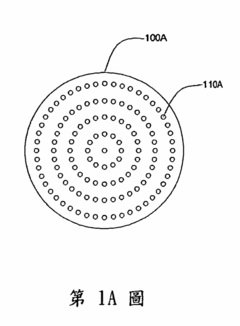
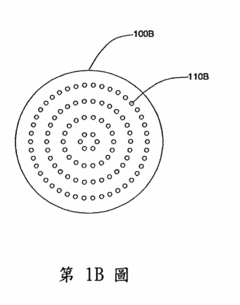
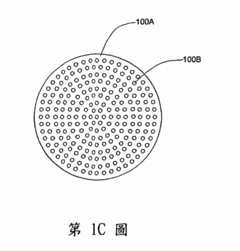
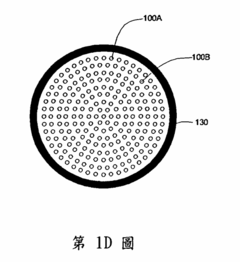
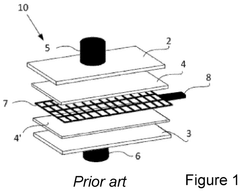
- A hybrid flow-through capacitor module incorporating both unipolar and bipolar electrodes, optimized fluid dynamics through perforated electrode plates, and supercapacitors for energy recovery, enabling balanced operating voltage and current while reducing energy costs and cycle times.
Capacitive deionization device
PatentWO2025114026A1
Innovation
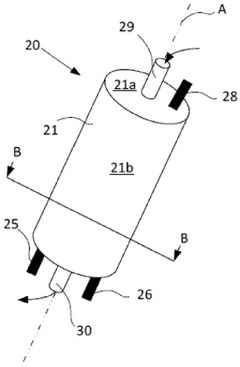
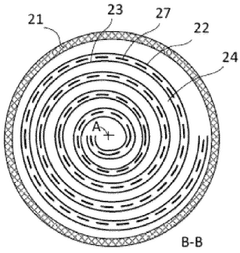
- The introduction of a third electrode arranged between the first and second electrodes in the CDI device, allowing for a greater distribution of voltage across a larger carbon mass, thereby reducing the voltage on the first electrode by 50% and extending its operational life.
Economic Policy Impact on CDI Commercial Deployment
Economic policies play a pivotal role in shaping the commercial deployment landscape for Capacitive Deionization (CDI) technology. Government regulations, subsidies, and environmental mandates directly influence the financial viability and market penetration of CDI systems across various industrial sectors. Carbon pricing mechanisms and water treatment regulations create economic incentives that favor energy-efficient desalination technologies like CDI over traditional reverse osmosis systems.
Tax incentives and research grants significantly impact CDI adoption rates in commercial settings. Countries implementing green technology tax credits have witnessed accelerated CDI deployment, particularly in water-intensive industries such as food processing and semiconductor manufacturing. The European Union's Green Deal and similar policy frameworks in Asia-Pacific regions have established favorable economic conditions for CDI technology investments through reduced corporate tax rates for sustainable water treatment solutions.
Environmental compliance costs imposed by regulatory bodies create additional economic drivers for CDI adoption. Stricter discharge standards for industrial wastewater and increasing penalties for environmental violations make CDI systems economically attractive due to their lower environmental footprint and reduced waste generation compared to conventional desalination methods. These regulatory pressures effectively shift the total cost of ownership calculations in favor of CDI technology.
International trade policies and tariff structures also influence CDI commercial deployment economics. Import duties on traditional desalination equipment versus preferential treatment for green technologies affect the competitive positioning of CDI systems in global markets. Export credit agencies in developed nations increasingly support CDI technology transfers to emerging markets through favorable financing terms.
Regional economic development policies targeting water security and industrial sustainability create localized market opportunities for CDI deployment. Special economic zones with relaxed regulations and financial incentives for water technology companies have become testing grounds for large-scale CDI implementations, generating valuable operational data and cost optimization insights for broader commercial applications.
Tax incentives and research grants significantly impact CDI adoption rates in commercial settings. Countries implementing green technology tax credits have witnessed accelerated CDI deployment, particularly in water-intensive industries such as food processing and semiconductor manufacturing. The European Union's Green Deal and similar policy frameworks in Asia-Pacific regions have established favorable economic conditions for CDI technology investments through reduced corporate tax rates for sustainable water treatment solutions.
Environmental compliance costs imposed by regulatory bodies create additional economic drivers for CDI adoption. Stricter discharge standards for industrial wastewater and increasing penalties for environmental violations make CDI systems economically attractive due to their lower environmental footprint and reduced waste generation compared to conventional desalination methods. These regulatory pressures effectively shift the total cost of ownership calculations in favor of CDI technology.
International trade policies and tariff structures also influence CDI commercial deployment economics. Import duties on traditional desalination equipment versus preferential treatment for green technologies affect the competitive positioning of CDI systems in global markets. Export credit agencies in developed nations increasingly support CDI technology transfers to emerging markets through favorable financing terms.
Regional economic development policies targeting water security and industrial sustainability create localized market opportunities for CDI deployment. Special economic zones with relaxed regulations and financial incentives for water technology companies have become testing grounds for large-scale CDI implementations, generating valuable operational data and cost optimization insights for broader commercial applications.
CDI Lifecycle Cost Assessment and ROI Analysis
CDI systems require comprehensive lifecycle cost assessment to determine their economic viability in commercial applications. The total cost of ownership encompasses initial capital expenditure, operational expenses, maintenance costs, and end-of-life considerations. Capital costs typically include equipment procurement, installation, commissioning, and integration with existing infrastructure. These upfront investments can range from $500,000 to $2 million for medium-scale commercial installations, depending on system capacity and complexity.
Operational expenditures constitute the largest portion of lifecycle costs, primarily driven by energy consumption for pumps, fans, and control systems. Energy costs typically account for 60-70% of total operational expenses over a 15-20 year system lifespan. Water consumption for electrode regeneration and system flushing represents another significant operational cost component, particularly in regions with high water pricing or scarcity concerns.
Maintenance costs include routine servicing, electrode replacement, membrane cleaning, and component repairs. Electrode replacement cycles typically occur every 3-5 years, representing 15-20% of initial capital investment per replacement cycle. Preventive maintenance programs can significantly reduce unexpected repair costs and extend system lifespan, though they require dedicated technical personnel or service contracts.
Return on investment analysis reveals that CDI systems achieve break-even points between 5-8 years in most commercial applications. Key ROI drivers include reduced water procurement costs, elimination of chemical treatment expenses, and potential revenue from water recycling. Systems treating high-salinity industrial wastewater demonstrate superior ROI profiles compared to general water treatment applications due to higher avoided disposal costs.
Financial modeling indicates that CDI systems generate positive net present value when discount rates remain below 8-10%. Sensitivity analysis shows that energy costs and system utilization rates most significantly impact ROI calculations. Commercial installations achieving 80% or higher capacity utilization demonstrate 20-30% better ROI performance compared to systems operating at lower utilization rates.
Government incentives and environmental regulations increasingly favor CDI adoption, providing additional financial benefits through tax credits, rebates, and avoided compliance costs. These factors can improve project IRR by 2-4 percentage points, making CDI systems more attractive for commercial deployment across various industrial sectors.
Operational expenditures constitute the largest portion of lifecycle costs, primarily driven by energy consumption for pumps, fans, and control systems. Energy costs typically account for 60-70% of total operational expenses over a 15-20 year system lifespan. Water consumption for electrode regeneration and system flushing represents another significant operational cost component, particularly in regions with high water pricing or scarcity concerns.
Maintenance costs include routine servicing, electrode replacement, membrane cleaning, and component repairs. Electrode replacement cycles typically occur every 3-5 years, representing 15-20% of initial capital investment per replacement cycle. Preventive maintenance programs can significantly reduce unexpected repair costs and extend system lifespan, though they require dedicated technical personnel or service contracts.
Return on investment analysis reveals that CDI systems achieve break-even points between 5-8 years in most commercial applications. Key ROI drivers include reduced water procurement costs, elimination of chemical treatment expenses, and potential revenue from water recycling. Systems treating high-salinity industrial wastewater demonstrate superior ROI profiles compared to general water treatment applications due to higher avoided disposal costs.
Financial modeling indicates that CDI systems generate positive net present value when discount rates remain below 8-10%. Sensitivity analysis shows that energy costs and system utilization rates most significantly impact ROI calculations. Commercial installations achieving 80% or higher capacity utilization demonstrate 20-30% better ROI performance compared to systems operating at lower utilization rates.
Government incentives and environmental regulations increasingly favor CDI adoption, providing additional financial benefits through tax credits, rebates, and avoided compliance costs. These factors can improve project IRR by 2-4 percentage points, making CDI systems more attractive for commercial deployment across various industrial sectors.
Unlock deeper insights with PatSnap Eureka Quick Research — get a full tech report to explore trends and direct your research. Try now!
Generate Your Research Report Instantly with AI Agent
Supercharge your innovation with PatSnap Eureka AI Agent Platform!