

ARM in Telecommunications: Bandwidth and Efficiency
MAR 25, 20269 MIN READ
Generate Your Research Report Instantly with AI Agent
PatSnap Eureka helps you evaluate technical feasibility & market potential.
ARM Telecom Background and Bandwidth Goals
ARM processors have fundamentally transformed the telecommunications landscape over the past two decades, evolving from simple embedded controllers to sophisticated system-on-chip solutions powering modern network infrastructure. The journey began in the early 2000s when telecommunications equipment manufacturers recognized the need for more energy-efficient processing solutions to handle increasing data traffic while managing operational costs and thermal constraints.
The telecommunications industry's adoption of ARM architecture gained significant momentum with the proliferation of mobile broadband networks and the subsequent demand for higher bandwidth efficiency. Traditional x86-based solutions, while powerful, presented challenges in terms of power consumption and heat dissipation, particularly in dense network deployments where space and cooling capabilities were limited. ARM's reduced instruction set computing (RISC) architecture offered a compelling alternative with its inherent power efficiency characteristics.
The evolution trajectory shows distinct phases of ARM integration in telecommunications. Initially, ARM processors were primarily deployed in control plane functions and management interfaces. As the architecture matured and processing capabilities increased, ARM began penetrating data plane applications, including packet processing, traffic management, and protocol handling. The introduction of ARM Cortex-A series processors marked a pivotal moment, enabling telecommunications equipment to achieve previously unattainable performance-per-watt ratios.
Current bandwidth optimization goals center around achieving maximum throughput while minimizing power consumption and latency. Modern telecommunications networks demand processing solutions capable of handling multi-gigabit data streams with microsecond-level latency requirements. ARM-based solutions are increasingly targeting these performance benchmarks through advanced architectural features including multi-core configurations, hardware acceleration units, and optimized memory subsystems.
The strategic objectives driving ARM adoption in telecommunications encompass several critical dimensions. Energy efficiency remains paramount, with network operators seeking to reduce operational expenditures while meeting stringent environmental sustainability targets. Bandwidth efficiency goals focus on maximizing data throughput per unit of power consumed, enabling more cost-effective network scaling. Additionally, the flexibility inherent in ARM's ecosystem allows for rapid adaptation to evolving telecommunications standards and protocols.
Contemporary bandwidth targets for ARM-based telecommunications solutions include support for 100Gbps and beyond processing capabilities, sub-millisecond packet processing latency, and dynamic bandwidth allocation with real-time quality of service management. These objectives align with the industry's transition toward software-defined networking architectures and network function virtualization, where ARM processors serve as the computational foundation for virtualized network services.
The telecommunications industry's adoption of ARM architecture gained significant momentum with the proliferation of mobile broadband networks and the subsequent demand for higher bandwidth efficiency. Traditional x86-based solutions, while powerful, presented challenges in terms of power consumption and heat dissipation, particularly in dense network deployments where space and cooling capabilities were limited. ARM's reduced instruction set computing (RISC) architecture offered a compelling alternative with its inherent power efficiency characteristics.
The evolution trajectory shows distinct phases of ARM integration in telecommunications. Initially, ARM processors were primarily deployed in control plane functions and management interfaces. As the architecture matured and processing capabilities increased, ARM began penetrating data plane applications, including packet processing, traffic management, and protocol handling. The introduction of ARM Cortex-A series processors marked a pivotal moment, enabling telecommunications equipment to achieve previously unattainable performance-per-watt ratios.
Current bandwidth optimization goals center around achieving maximum throughput while minimizing power consumption and latency. Modern telecommunications networks demand processing solutions capable of handling multi-gigabit data streams with microsecond-level latency requirements. ARM-based solutions are increasingly targeting these performance benchmarks through advanced architectural features including multi-core configurations, hardware acceleration units, and optimized memory subsystems.
The strategic objectives driving ARM adoption in telecommunications encompass several critical dimensions. Energy efficiency remains paramount, with network operators seeking to reduce operational expenditures while meeting stringent environmental sustainability targets. Bandwidth efficiency goals focus on maximizing data throughput per unit of power consumed, enabling more cost-effective network scaling. Additionally, the flexibility inherent in ARM's ecosystem allows for rapid adaptation to evolving telecommunications standards and protocols.
Contemporary bandwidth targets for ARM-based telecommunications solutions include support for 100Gbps and beyond processing capabilities, sub-millisecond packet processing latency, and dynamic bandwidth allocation with real-time quality of service management. These objectives align with the industry's transition toward software-defined networking architectures and network function virtualization, where ARM processors serve as the computational foundation for virtualized network services.
Market Demand for ARM-based Telecom Solutions
The telecommunications industry is experiencing unprecedented demand for ARM-based solutions driven by the sector's fundamental transformation toward software-defined networks, edge computing, and energy-efficient infrastructure. Network operators worldwide are actively seeking alternatives to traditional x86 architectures to address mounting pressures around power consumption, operational costs, and performance scalability in both core and edge network deployments.
5G network rollouts have created substantial market opportunities for ARM processors, particularly in base station equipment and small cell deployments where power efficiency directly impacts total cost of ownership. Mobile network operators are increasingly prioritizing solutions that can deliver high computational performance per watt, making ARM's architecture particularly attractive for radio access network functions and distributed antenna systems.
The edge computing revolution within telecommunications has generated significant demand for ARM-based processing units capable of handling real-time workloads with minimal latency. Network function virtualization initiatives require processors that can efficiently execute containerized applications and virtual network functions while maintaining strict service level agreements for bandwidth-intensive applications.
Cloud-native network architectures are driving adoption of ARM processors in telecommunications data centers and central offices. Service providers are transitioning from proprietary hardware appliances to commodity servers running virtualized network functions, creating opportunities for ARM-based server platforms that offer superior performance-per-dollar ratios compared to traditional architectures.
Internet of Things connectivity demands have expanded the market for ARM processors in telecommunications infrastructure, particularly in gateway devices and edge processing nodes that aggregate and process data from millions of connected devices. The massive scale of IoT deployments requires cost-effective processing solutions that can handle diverse communication protocols while maintaining low power consumption profiles.
Network slicing capabilities in modern telecommunications networks require flexible processing platforms capable of dynamically allocating resources across multiple virtual networks. ARM processors are increasingly viewed as optimal solutions for implementing software-defined networking controllers and orchestration platforms that manage these complex, multi-tenant network environments.
The growing emphasis on sustainability and carbon footprint reduction in telecommunications operations has intensified demand for energy-efficient ARM processors. Regulatory pressures and corporate sustainability commitments are driving network operators to prioritize equipment that reduces overall energy consumption while maintaining or improving network performance and reliability standards.
5G network rollouts have created substantial market opportunities for ARM processors, particularly in base station equipment and small cell deployments where power efficiency directly impacts total cost of ownership. Mobile network operators are increasingly prioritizing solutions that can deliver high computational performance per watt, making ARM's architecture particularly attractive for radio access network functions and distributed antenna systems.
The edge computing revolution within telecommunications has generated significant demand for ARM-based processing units capable of handling real-time workloads with minimal latency. Network function virtualization initiatives require processors that can efficiently execute containerized applications and virtual network functions while maintaining strict service level agreements for bandwidth-intensive applications.
Cloud-native network architectures are driving adoption of ARM processors in telecommunications data centers and central offices. Service providers are transitioning from proprietary hardware appliances to commodity servers running virtualized network functions, creating opportunities for ARM-based server platforms that offer superior performance-per-dollar ratios compared to traditional architectures.
Internet of Things connectivity demands have expanded the market for ARM processors in telecommunications infrastructure, particularly in gateway devices and edge processing nodes that aggregate and process data from millions of connected devices. The massive scale of IoT deployments requires cost-effective processing solutions that can handle diverse communication protocols while maintaining low power consumption profiles.
Network slicing capabilities in modern telecommunications networks require flexible processing platforms capable of dynamically allocating resources across multiple virtual networks. ARM processors are increasingly viewed as optimal solutions for implementing software-defined networking controllers and orchestration platforms that manage these complex, multi-tenant network environments.
The growing emphasis on sustainability and carbon footprint reduction in telecommunications operations has intensified demand for energy-efficient ARM processors. Regulatory pressures and corporate sustainability commitments are driving network operators to prioritize equipment that reduces overall energy consumption while maintaining or improving network performance and reliability standards.
Current ARM Telecom Performance and Efficiency Challenges
ARM processors in telecommunications infrastructure face significant performance bottlenecks that directly impact bandwidth utilization and operational efficiency. Current ARM-based telecom equipment struggles with packet processing throughput limitations, particularly when handling high-volume data streams in 5G networks and fiber-optic communications. These processors often exhibit suboptimal performance in deep packet inspection tasks, resulting in network latency increases of 15-25% compared to specialized networking silicon.
Power consumption remains a critical challenge for ARM implementations in telecom environments. While ARM architectures are traditionally energy-efficient, scaling up processing power to meet telecom bandwidth demands often negates these advantages. Base stations and network switches utilizing ARM processors frequently require additional cooling infrastructure, increasing total cost of ownership by approximately 20-30% over traditional solutions.
Memory bandwidth constraints significantly limit ARM processor effectiveness in telecommunications applications. Current ARM designs struggle with the memory-intensive operations required for real-time signal processing and network traffic management. This bottleneck becomes particularly pronounced in scenarios involving massive MIMO processing and beamforming calculations, where memory access patterns are irregular and bandwidth requirements exceed 100GB/s.
Interrupt handling and context switching overhead present substantial efficiency challenges in ARM-based telecom systems. The frequent interrupts generated by high-speed network interfaces create processing delays that accumulate across network hops. ARM processors typically require 200-400 clock cycles for context switching, compared to 50-100 cycles in specialized telecom processors, resulting in measurable throughput degradation.
Software optimization limitations further compound ARM performance challenges in telecommunications. Many telecom-specific software stacks were originally designed for x86 or specialized DSP architectures, requiring extensive porting and optimization efforts. Current ARM compiler toolchains often fail to fully exploit ARM-specific features like NEON SIMD instructions for telecommunications workloads, leaving significant performance potential unrealized.
Cache coherency issues in multi-core ARM configurations create additional efficiency barriers. Telecommunications applications frequently require data sharing between processing cores, but ARM's cache coherency protocols introduce latency penalties that can reduce overall system throughput by 10-15% in high-concurrency scenarios typical of modern network infrastructure.
Power consumption remains a critical challenge for ARM implementations in telecom environments. While ARM architectures are traditionally energy-efficient, scaling up processing power to meet telecom bandwidth demands often negates these advantages. Base stations and network switches utilizing ARM processors frequently require additional cooling infrastructure, increasing total cost of ownership by approximately 20-30% over traditional solutions.
Memory bandwidth constraints significantly limit ARM processor effectiveness in telecommunications applications. Current ARM designs struggle with the memory-intensive operations required for real-time signal processing and network traffic management. This bottleneck becomes particularly pronounced in scenarios involving massive MIMO processing and beamforming calculations, where memory access patterns are irregular and bandwidth requirements exceed 100GB/s.
Interrupt handling and context switching overhead present substantial efficiency challenges in ARM-based telecom systems. The frequent interrupts generated by high-speed network interfaces create processing delays that accumulate across network hops. ARM processors typically require 200-400 clock cycles for context switching, compared to 50-100 cycles in specialized telecom processors, resulting in measurable throughput degradation.
Software optimization limitations further compound ARM performance challenges in telecommunications. Many telecom-specific software stacks were originally designed for x86 or specialized DSP architectures, requiring extensive porting and optimization efforts. Current ARM compiler toolchains often fail to fully exploit ARM-specific features like NEON SIMD instructions for telecommunications workloads, leaving significant performance potential unrealized.
Cache coherency issues in multi-core ARM configurations create additional efficiency barriers. Telecommunications applications frequently require data sharing between processing cores, but ARM's cache coherency protocols introduce latency penalties that can reduce overall system throughput by 10-15% in high-concurrency scenarios typical of modern network infrastructure.
Existing ARM Solutions for Bandwidth Optimization
01 Memory access optimization and bandwidth management
Techniques for optimizing memory access patterns and managing bandwidth allocation in ARM-based systems. This includes methods for reducing memory access latency, improving data transfer efficiency, and implementing intelligent memory controllers that can prioritize critical data transfers. These approaches help maximize the utilization of available memory bandwidth while minimizing bottlenecks in data-intensive applications.- Memory access optimization and bandwidth management: Techniques for optimizing memory access patterns and managing bandwidth allocation in ARM-based systems. This includes methods for reducing memory access latency, improving data transfer efficiency, and implementing intelligent memory controllers that can prioritize critical data transfers. These approaches help maximize the utilization of available memory bandwidth while minimizing bottlenecks in data-intensive applications.
- Bus architecture and data transfer protocols: Advanced bus architectures and data transfer protocols designed to enhance bandwidth efficiency in ARM processors. This includes implementations of multi-layer bus systems, split-transaction buses, and optimized arbitration schemes that allow multiple masters to access shared resources efficiently. These solutions reduce bus contention and improve overall system throughput by enabling concurrent data transfers.
- Cache management and coherency mechanisms: Cache optimization strategies and coherency protocols that improve bandwidth utilization in multi-core ARM systems. These techniques include intelligent cache prefetching, write-back policies, and cache line management that reduce unnecessary memory accesses. Coherency mechanisms ensure data consistency across multiple processing units while minimizing bandwidth overhead associated with cache synchronization operations.
- DMA controllers and data streaming optimization: Direct Memory Access controller designs and data streaming techniques that offload data transfer tasks from the processor, thereby improving bandwidth efficiency. These solutions enable autonomous data movement between memory and peripherals without processor intervention, supporting burst transfers and scatter-gather operations. Advanced DMA implementations can handle multiple concurrent channels and prioritize transfers based on system requirements.
- Power-aware bandwidth allocation and quality of service: Methods for dynamically managing bandwidth allocation while considering power consumption constraints and quality of service requirements. These approaches implement adaptive bandwidth throttling, priority-based resource allocation, and power-performance trade-off mechanisms. The techniques enable systems to balance between maximizing data throughput and minimizing energy consumption based on workload characteristics and application demands.
02 Bus architecture and data transfer protocols
Advanced bus architectures and data transfer protocols designed to enhance bandwidth efficiency in ARM processors. This includes implementation of multi-layer bus systems, optimized arbitration schemes, and efficient data routing mechanisms. These solutions enable concurrent data transfers, reduce bus contention, and improve overall system throughput by allowing multiple masters to access different slaves simultaneously.Expand Specific Solutions03 Cache management and coherency protocols
Cache optimization strategies and coherency protocols that improve bandwidth utilization and reduce external memory accesses. This encompasses techniques for intelligent cache prefetching, write-back policies, and multi-level cache hierarchies. These methods minimize redundant data transfers and ensure data consistency across multiple processing cores while maximizing the effective use of available bandwidth.Expand Specific Solutions04 DMA controllers and data streaming mechanisms
Direct Memory Access controllers and streaming mechanisms that offload data transfer tasks from the processor, thereby improving bandwidth efficiency. These solutions include intelligent DMA engines with scatter-gather capabilities, burst transfer modes, and priority-based channel allocation. Such mechanisms enable efficient bulk data transfers without processor intervention, freeing up processing resources and reducing overall system latency.Expand Specific Solutions05 Power-aware bandwidth optimization
Power management techniques integrated with bandwidth optimization to achieve energy-efficient data transfers in ARM systems. This includes dynamic voltage and frequency scaling coordinated with bandwidth requirements, clock gating for unused bus segments, and adaptive power modes based on traffic patterns. These approaches balance performance requirements with power consumption, extending battery life in mobile devices while maintaining adequate bandwidth for application needs.Expand Specific Solutions
Key Players in ARM Telecom Infrastructure Market
The ARM telecommunications market is experiencing rapid growth driven by increasing demand for energy-efficient, high-performance solutions in 5G infrastructure and edge computing applications. The industry is in a mature expansion phase with significant market consolidation among major players. Leading telecommunications equipment manufacturers like Ericsson, Huawei, Samsung Electronics, and ZTE are heavily investing in ARM-based architectures to optimize bandwidth utilization and power efficiency in their network solutions. Technology maturity varies significantly across segments, with companies like Qualcomm and Apple demonstrating advanced ARM implementations in mobile processors, while infrastructure players including Nokia, Cisco Technology, and Fujitsu are integrating ARM cores into base stations and network equipment. The competitive landscape shows established giants like IBM and emerging specialized firms like Rambus driving innovation in memory interfaces and chip architectures, indicating a dynamic ecosystem where ARM's scalable architecture is becoming increasingly critical for next-generation telecommunications infrastructure requiring enhanced bandwidth management and operational efficiency.
Telefonaktiebolaget LM Ericsson
Technical Solution: Ericsson has implemented ARM-based solutions in their Radio Access Network (RAN) equipment and core network infrastructure, focusing on energy-efficient processing of telecommunications workloads. Their ARM implementation utilizes multi-cluster configurations with heterogeneous computing approaches, combining high-performance ARM Cortex-A cores for control plane functions with specialized ARM cores for data plane processing. The company's solution emphasizes real-time processing capabilities, achieving microsecond-level latency requirements for 5G applications while optimizing bandwidth utilization through intelligent traffic shaping algorithms. Their ARM-based platforms support advanced features like massive MIMO processing and beamforming calculations, essential for modern telecommunications networks.
Strengths: Deep telecommunications domain expertise, proven track record in network infrastructure, strong R&D capabilities. Weaknesses: Limited processor design capabilities compared to chip vendors, dependency on third-party ARM solutions, high development costs for custom implementations.
Huawei Technologies Co., Ltd.
Technical Solution: Huawei has developed proprietary ARM-based processors specifically for telecommunications infrastructure, including their Kunpeng series that utilizes ARM v8 architecture for base station and core network applications. Their solution emphasizes multi-core ARM configurations with up to 64 cores per processor, optimized for parallel processing of telecommunications protocols. The company's approach includes custom ARM implementations with enhanced instruction sets for signal processing and network packet handling, achieving significant improvements in bandwidth utilization and energy efficiency. Their ARM-based solutions support advanced features like network function virtualization (NFV) and software-defined networking (SDN), enabling flexible and scalable telecommunications infrastructure deployment.
Strengths: Custom ARM processor design capabilities, integrated hardware-software optimization, comprehensive telecommunications portfolio. Weaknesses: Geopolitical restrictions limiting market access, dependency on ARM licensing, challenges in global supply chain.
Core ARM Innovations for Telecom Efficiency
Methods and apparatus for bandwidth management in a telecommunications system
PatentActiveUS9455927B1
Innovation
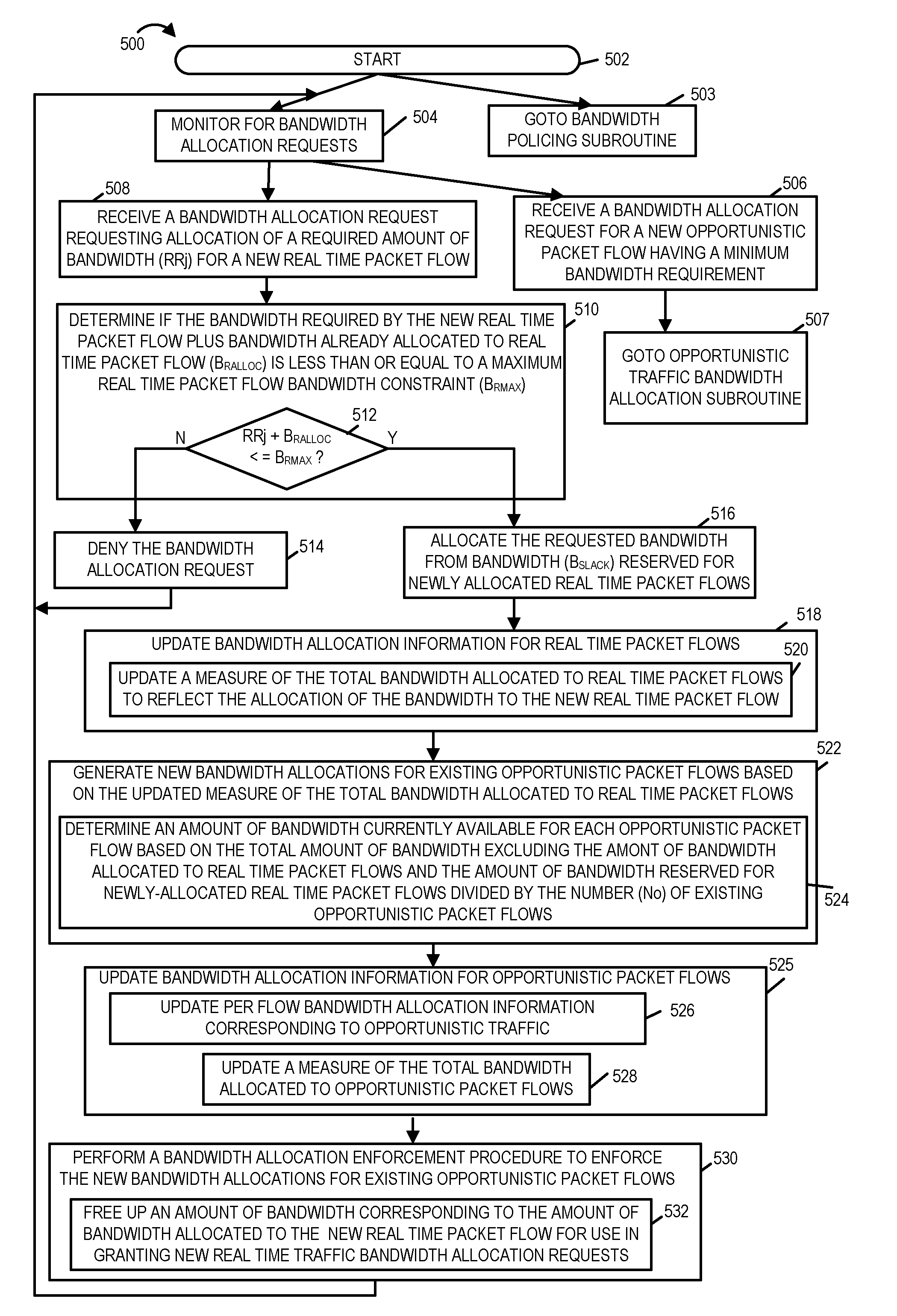
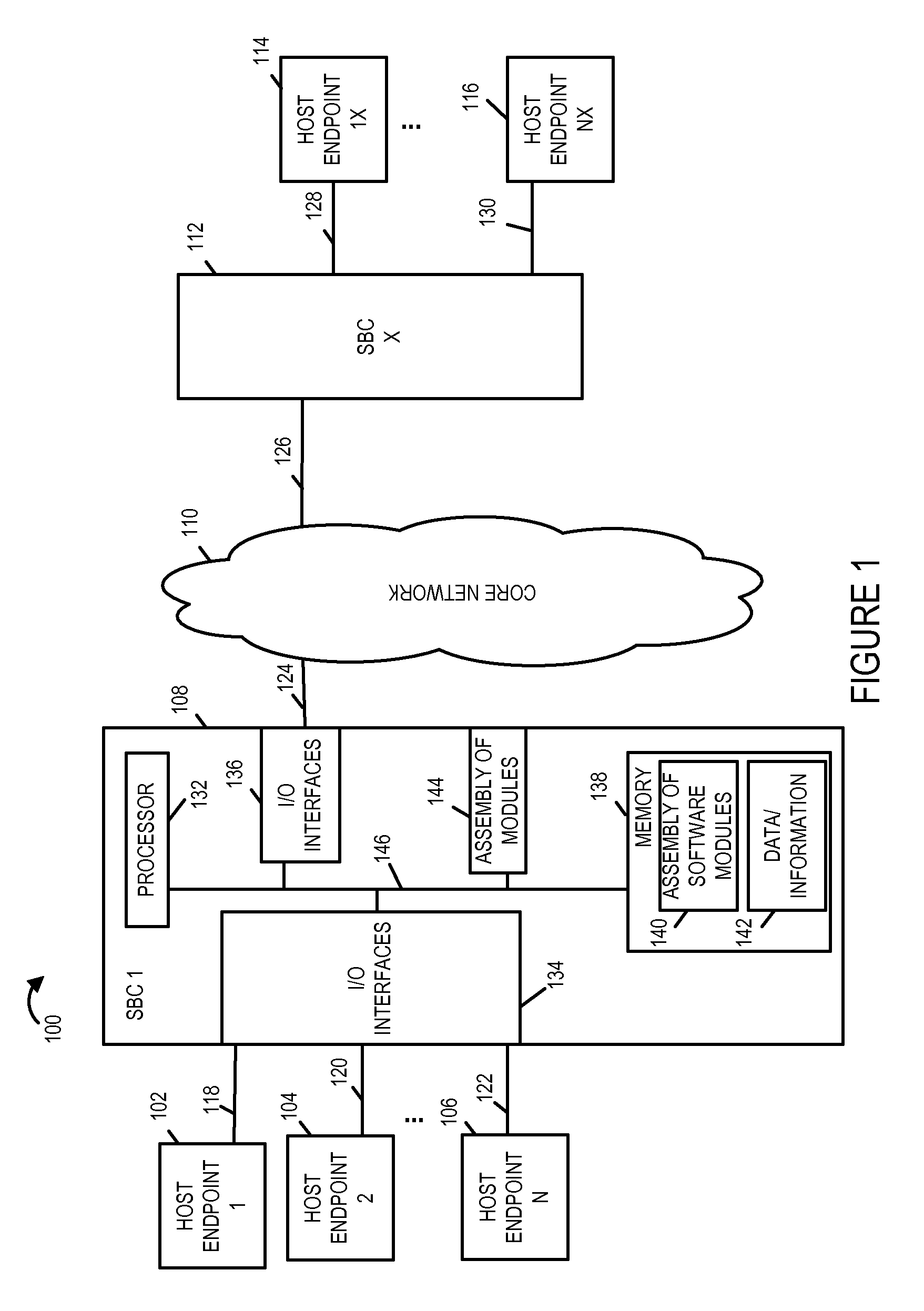
- Reserving bandwidth for new real-time traffic flows while allowing opportunistic rate traffic to utilize unused bandwidth, implementing rate control mechanisms to gradually adjust bandwidth allocation and minimize disruptions, and using policing mechanisms to enforce bandwidth policies.

Telecommunications system, method of managing a telecommunications system for optimized bandwidth usage during conference calls and program product therefor
PatentInactiveUS8009593B2
Innovation
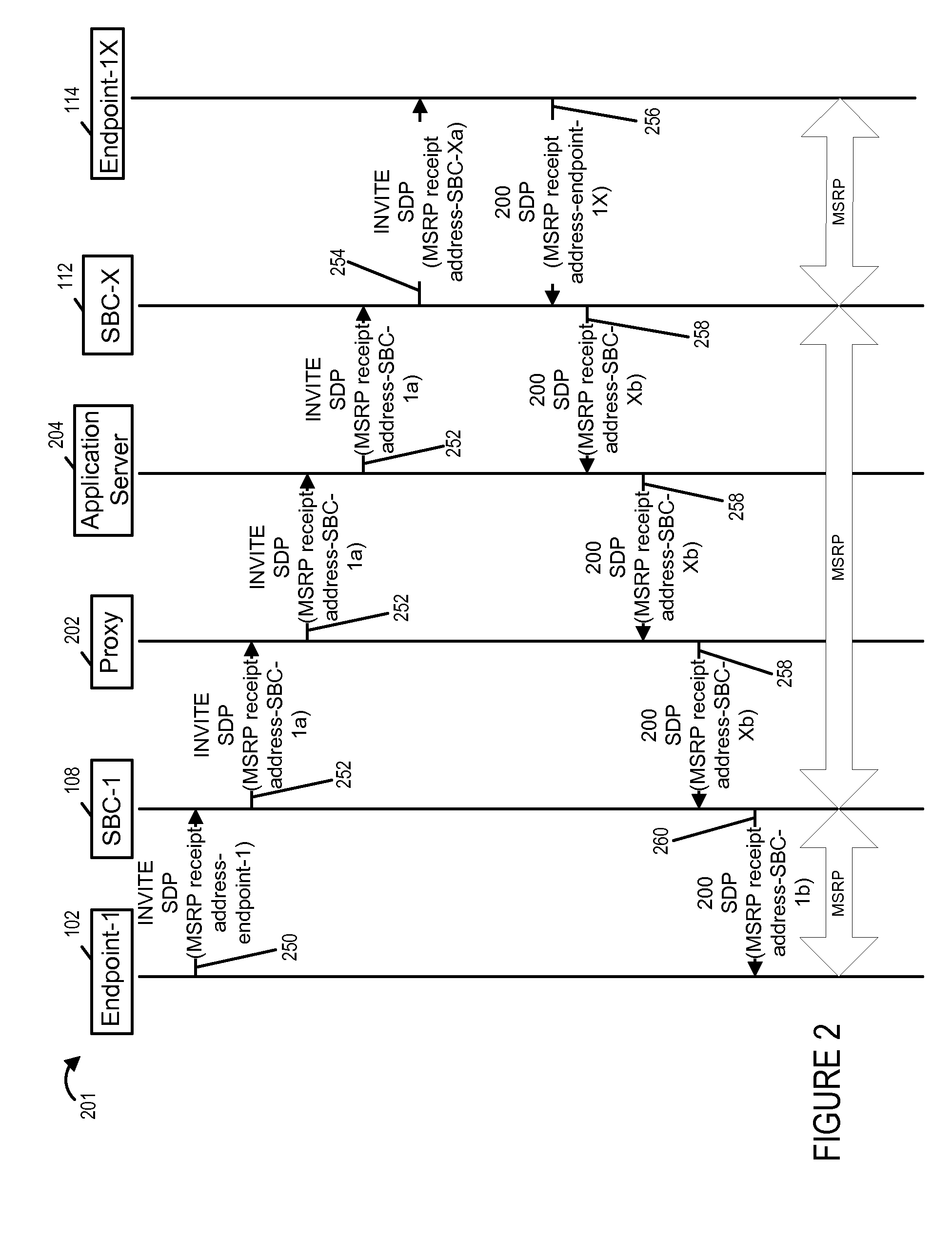
- A telecommunications system with a controller that selects media processing resources based on user location, Call Admission Control policy, and availability to aggregate media streams efficiently, reallocating ports and negotiating media resources using protocols like SIP/SDP, allowing for optimized bandwidth usage and increased conference call capacity across branches.


5G Standards and ARM Compliance Requirements
The integration of ARM processors in telecommunications infrastructure must align with stringent 5G standards established by international standardization bodies including 3GPP, ITU-R, and regional regulatory authorities. These standards define specific performance benchmarks for latency, throughput, reliability, and energy efficiency that directly impact ARM processor selection and implementation strategies.
ARM-based systems in 5G networks must comply with the IMT-2020 requirements, which mandate peak data rates of 20 Gbps downlink and 10 Gbps uplink, ultra-low latency below 1 millisecond for critical applications, and support for massive machine-type communications with up to one million devices per square kilometer. ARM processors must demonstrate sufficient computational capacity to handle these demanding specifications while maintaining power efficiency standards.
The 3GPP Release 15 and subsequent releases establish architectural requirements for 5G core networks and radio access networks that ARM processors must support. This includes compliance with network function virtualization standards, software-defined networking protocols, and cloud-native network functions. ARM processors must provide adequate processing power for real-time signal processing, beamforming calculations, and massive MIMO operations while adhering to thermal and power consumption constraints.
Regulatory compliance extends beyond technical performance to include security standards such as 3GPP Security Assurance Specification and regional cybersecurity frameworks. ARM processors must incorporate hardware security features including secure boot, trusted execution environments, and cryptographic acceleration to meet these requirements. The processors must also support network slicing capabilities as defined in 5G standards, enabling isolation and quality of service guarantees across different service categories.
Interoperability standards require ARM-based telecommunications equipment to seamlessly integrate with existing infrastructure and support backward compatibility with 4G networks during the transition period. This necessitates compliance with specific interface standards, protocol stacks, and testing procedures defined by telecommunications standards organizations, ensuring reliable network operation across diverse vendor ecosystems.
ARM-based systems in 5G networks must comply with the IMT-2020 requirements, which mandate peak data rates of 20 Gbps downlink and 10 Gbps uplink, ultra-low latency below 1 millisecond for critical applications, and support for massive machine-type communications with up to one million devices per square kilometer. ARM processors must demonstrate sufficient computational capacity to handle these demanding specifications while maintaining power efficiency standards.
The 3GPP Release 15 and subsequent releases establish architectural requirements for 5G core networks and radio access networks that ARM processors must support. This includes compliance with network function virtualization standards, software-defined networking protocols, and cloud-native network functions. ARM processors must provide adequate processing power for real-time signal processing, beamforming calculations, and massive MIMO operations while adhering to thermal and power consumption constraints.
Regulatory compliance extends beyond technical performance to include security standards such as 3GPP Security Assurance Specification and regional cybersecurity frameworks. ARM processors must incorporate hardware security features including secure boot, trusted execution environments, and cryptographic acceleration to meet these requirements. The processors must also support network slicing capabilities as defined in 5G standards, enabling isolation and quality of service guarantees across different service categories.
Interoperability standards require ARM-based telecommunications equipment to seamlessly integrate with existing infrastructure and support backward compatibility with 4G networks during the transition period. This necessitates compliance with specific interface standards, protocol stacks, and testing procedures defined by telecommunications standards organizations, ensuring reliable network operation across diverse vendor ecosystems.
Energy Efficiency Standards in ARM Telecom Design
Energy efficiency standards in ARM-based telecommunications design have emerged as critical benchmarks driving the industry toward sustainable and cost-effective infrastructure solutions. These standards encompass comprehensive frameworks that govern power consumption metrics, thermal management protocols, and performance-per-watt optimization across diverse telecom applications. The establishment of these standards reflects the industry's recognition that energy efficiency directly impacts operational expenditure, environmental sustainability, and network scalability.
The International Telecommunication Union (ITU) and European Telecommunications Standards Institute (ETSI) have developed specific energy efficiency guidelines for ARM-based telecom equipment. These standards define maximum power consumption thresholds for different processing loads, mandating that ARM processors in base stations achieve minimum efficiency ratings of 85% under typical operational conditions. Additionally, the standards specify dynamic voltage and frequency scaling requirements, ensuring processors can adapt power consumption based on real-time traffic demands.
Thermal design standards constitute another crucial component, establishing maximum junction temperatures and requiring sophisticated cooling solutions for high-density ARM processor deployments. These specifications ensure reliable operation while maintaining energy efficiency across varying environmental conditions. The standards also mandate comprehensive power monitoring capabilities, enabling real-time tracking of energy consumption patterns and facilitating predictive maintenance strategies.
Compliance certification processes have been streamlined to accelerate ARM telecom equipment deployment while maintaining rigorous efficiency standards. Manufacturers must demonstrate adherence through standardized testing protocols that simulate realistic network traffic scenarios and environmental conditions. These certification requirements ensure consistent performance across different ARM processor variants and telecom applications.
Recent updates to energy efficiency standards have incorporated machine learning-based power management techniques, recognizing ARM processors' capability to implement intelligent energy optimization algorithms. These enhanced standards promote adaptive power scaling based on network traffic patterns, weather conditions, and user behavior analytics, further improving overall system efficiency in telecommunications infrastructure.
The International Telecommunication Union (ITU) and European Telecommunications Standards Institute (ETSI) have developed specific energy efficiency guidelines for ARM-based telecom equipment. These standards define maximum power consumption thresholds for different processing loads, mandating that ARM processors in base stations achieve minimum efficiency ratings of 85% under typical operational conditions. Additionally, the standards specify dynamic voltage and frequency scaling requirements, ensuring processors can adapt power consumption based on real-time traffic demands.
Thermal design standards constitute another crucial component, establishing maximum junction temperatures and requiring sophisticated cooling solutions for high-density ARM processor deployments. These specifications ensure reliable operation while maintaining energy efficiency across varying environmental conditions. The standards also mandate comprehensive power monitoring capabilities, enabling real-time tracking of energy consumption patterns and facilitating predictive maintenance strategies.
Compliance certification processes have been streamlined to accelerate ARM telecom equipment deployment while maintaining rigorous efficiency standards. Manufacturers must demonstrate adherence through standardized testing protocols that simulate realistic network traffic scenarios and environmental conditions. These certification requirements ensure consistent performance across different ARM processor variants and telecom applications.
Recent updates to energy efficiency standards have incorporated machine learning-based power management techniques, recognizing ARM processors' capability to implement intelligent energy optimization algorithms. These enhanced standards promote adaptive power scaling based on network traffic patterns, weather conditions, and user behavior analytics, further improving overall system efficiency in telecommunications infrastructure.
Unlock deeper insights with PatSnap Eureka Quick Research — get a full tech report to explore trends and direct your research. Try now!
Generate Your Research Report Instantly with AI Agent
Supercharge your innovation with PatSnap Eureka AI Agent Platform!