COMPRESSIONSOLUTION: B58 Engine Heat Management Modelling Advances
AUG 12, 20259 MIN READ
Generate Your Research Report Instantly with AI Agent
Patsnap Eureka helps you evaluate technical feasibility & market potential.
B58 Engine Heat Management Evolution and Objectives
The B58 engine, developed by BMW, represents a significant milestone in automotive engineering, particularly in the realm of heat management. This inline-six turbocharged engine has undergone several iterations since its introduction, with each version showcasing advancements in thermal efficiency and performance. The evolution of the B58 engine's heat management system reflects the broader trends in engine technology, focusing on improved fuel economy, reduced emissions, and enhanced power output.
Initially, the B58 engine faced challenges in managing heat distribution effectively, especially under high-performance conditions. Early versions struggled with maintaining optimal operating temperatures across all components, leading to potential efficiency losses and increased wear. As the automotive industry shifted towards more stringent emissions standards and higher performance expectations, BMW recognized the need for a more sophisticated approach to heat management.
The primary objectives in advancing the B58 engine's heat management system have been multifaceted. Firstly, there has been a concerted effort to optimize coolant flow throughout the engine, ensuring more uniform temperature distribution. This has involved redesigning coolant passages and implementing advanced flow control mechanisms. Secondly, engineers have focused on improving the integration of the turbocharger system with the overall thermal management strategy, addressing issues related to heat soak and thermal efficiency during boost conditions.
Another key objective has been the development of more responsive and adaptive cooling systems. This has led to the implementation of electric water pumps and thermostats, allowing for more precise control over engine temperatures based on real-time operating conditions. The integration of these electronically controlled components has enabled more dynamic heat management, contributing to improved engine efficiency across a wider range of driving scenarios.
Furthermore, advancements in materials science have played a crucial role in the evolution of the B58's heat management. The use of high-performance alloys and coatings has enhanced heat dissipation in critical areas, such as cylinder linings and exhaust manifolds. These material innovations have not only improved thermal efficiency but also contributed to the engine's durability and longevity.
The ongoing development of the B58 engine's heat management system aligns with broader industry goals of achieving higher power outputs while meeting increasingly stringent emissions regulations. By continually refining the thermal management strategy, BMW aims to push the boundaries of what is possible with internal combustion engines, potentially extending their viability in an era increasingly focused on electrification.
Initially, the B58 engine faced challenges in managing heat distribution effectively, especially under high-performance conditions. Early versions struggled with maintaining optimal operating temperatures across all components, leading to potential efficiency losses and increased wear. As the automotive industry shifted towards more stringent emissions standards and higher performance expectations, BMW recognized the need for a more sophisticated approach to heat management.
The primary objectives in advancing the B58 engine's heat management system have been multifaceted. Firstly, there has been a concerted effort to optimize coolant flow throughout the engine, ensuring more uniform temperature distribution. This has involved redesigning coolant passages and implementing advanced flow control mechanisms. Secondly, engineers have focused on improving the integration of the turbocharger system with the overall thermal management strategy, addressing issues related to heat soak and thermal efficiency during boost conditions.
Another key objective has been the development of more responsive and adaptive cooling systems. This has led to the implementation of electric water pumps and thermostats, allowing for more precise control over engine temperatures based on real-time operating conditions. The integration of these electronically controlled components has enabled more dynamic heat management, contributing to improved engine efficiency across a wider range of driving scenarios.
Furthermore, advancements in materials science have played a crucial role in the evolution of the B58's heat management. The use of high-performance alloys and coatings has enhanced heat dissipation in critical areas, such as cylinder linings and exhaust manifolds. These material innovations have not only improved thermal efficiency but also contributed to the engine's durability and longevity.
The ongoing development of the B58 engine's heat management system aligns with broader industry goals of achieving higher power outputs while meeting increasingly stringent emissions regulations. By continually refining the thermal management strategy, BMW aims to push the boundaries of what is possible with internal combustion engines, potentially extending their viability in an era increasingly focused on electrification.
Market Demand for Advanced Engine Cooling Systems
The market demand for advanced engine cooling systems has been steadily increasing, driven by several key factors in the automotive industry. As vehicle manufacturers strive to meet stringent emissions regulations and improve fuel efficiency, there is a growing need for more sophisticated heat management solutions. The B58 engine, known for its high performance and efficiency, requires cutting-edge cooling technology to maintain optimal operating temperatures under various driving conditions.
Consumer preferences are shifting towards vehicles with higher power outputs and improved performance characteristics. This trend has led to increased thermal loads on engines, necessitating more effective cooling systems. Additionally, the rise of turbocharged engines, like the B58, has further amplified the demand for advanced heat management solutions. These engines generate more heat and require precise temperature control to maintain efficiency and longevity.
The electrification of vehicles has also contributed to the growing market for advanced cooling systems. Hybrid and electric vehicles require complex thermal management to regulate battery temperatures and optimize powertrain performance. As automakers invest heavily in electrification, the demand for innovative cooling solutions that can address the unique challenges of these powertrains continues to rise.
In the premium and luxury vehicle segments, where the B58 engine is commonly found, there is a particular emphasis on advanced cooling systems. These high-end vehicles often feature more powerful engines and advanced technologies, requiring sophisticated heat management to ensure reliability and performance. Consumers in this segment expect seamless operation and are willing to pay a premium for vehicles with superior thermal management capabilities.
The aftermarket sector has also seen an uptick in demand for advanced cooling solutions. Performance enthusiasts and tuners seek to enhance engine output, often resulting in increased thermal loads. This has created a niche market for aftermarket cooling upgrades compatible with engines like the B58, catering to those who push their vehicles beyond stock performance levels.
Global market trends indicate a significant growth potential for advanced engine cooling systems. As automotive technologies continue to evolve, the importance of efficient heat management becomes increasingly critical. Manufacturers and suppliers investing in research and development of innovative cooling solutions are well-positioned to capitalize on this growing market demand, particularly in the context of high-performance engines like the B58.
Consumer preferences are shifting towards vehicles with higher power outputs and improved performance characteristics. This trend has led to increased thermal loads on engines, necessitating more effective cooling systems. Additionally, the rise of turbocharged engines, like the B58, has further amplified the demand for advanced heat management solutions. These engines generate more heat and require precise temperature control to maintain efficiency and longevity.
The electrification of vehicles has also contributed to the growing market for advanced cooling systems. Hybrid and electric vehicles require complex thermal management to regulate battery temperatures and optimize powertrain performance. As automakers invest heavily in electrification, the demand for innovative cooling solutions that can address the unique challenges of these powertrains continues to rise.
In the premium and luxury vehicle segments, where the B58 engine is commonly found, there is a particular emphasis on advanced cooling systems. These high-end vehicles often feature more powerful engines and advanced technologies, requiring sophisticated heat management to ensure reliability and performance. Consumers in this segment expect seamless operation and are willing to pay a premium for vehicles with superior thermal management capabilities.
The aftermarket sector has also seen an uptick in demand for advanced cooling solutions. Performance enthusiasts and tuners seek to enhance engine output, often resulting in increased thermal loads. This has created a niche market for aftermarket cooling upgrades compatible with engines like the B58, catering to those who push their vehicles beyond stock performance levels.
Global market trends indicate a significant growth potential for advanced engine cooling systems. As automotive technologies continue to evolve, the importance of efficient heat management becomes increasingly critical. Manufacturers and suppliers investing in research and development of innovative cooling solutions are well-positioned to capitalize on this growing market demand, particularly in the context of high-performance engines like the B58.
Current Challenges in B58 Engine Thermal Modeling
The B58 engine, renowned for its performance and efficiency, faces several challenges in thermal modeling that require advanced solutions. One of the primary issues is the complexity of heat distribution within the engine's compact design. The intricate layout of components, including the turbocharger, intercooler, and exhaust system, creates a complex thermal environment that is difficult to model accurately.
Another significant challenge is the dynamic nature of heat generation and dissipation during various operating conditions. The engine's behavior under different loads, speeds, and environmental factors leads to fluctuating thermal patterns that are challenging to predict and model consistently. This variability makes it difficult to create a comprehensive thermal model that accounts for all possible scenarios.
The integration of advanced materials in the B58 engine, while beneficial for performance, adds another layer of complexity to thermal modeling. These materials, such as aluminum and magnesium alloys, have unique thermal properties that must be accurately represented in the models. The interaction between different materials and their thermal expansion characteristics further complicates the modeling process.
Heat management in the B58 engine is also challenged by the need for precise control of thermal energy for optimal performance and efficiency. This includes managing heat for turbocharger operation, intercooler effectiveness, and overall engine temperature regulation. Modeling these interdependent systems and their thermal interactions requires sophisticated simulation techniques that can capture the nuances of heat flow and energy transfer.
The increasing demand for engine downsizing and higher power density exacerbates thermal management challenges. As the B58 engine is designed to deliver high performance from a relatively small displacement, it generates significant heat in a confined space. This concentration of thermal energy necessitates more advanced cooling strategies and, consequently, more complex thermal models to ensure effective heat dissipation.
Furthermore, the integration of hybrid technologies and electrification components in some vehicle applications adds another dimension to thermal modeling challenges. The interaction between the internal combustion engine and electric systems creates new heat sources and sinks that must be accounted for in comprehensive thermal models.
Lastly, the computational demands of accurate thermal modeling pose a significant challenge. Creating high-fidelity models that can simulate the engine's thermal behavior in real-time or near-real-time requires substantial computing power and optimized algorithms. Balancing model accuracy with computational efficiency remains an ongoing challenge in B58 engine thermal modeling.
Another significant challenge is the dynamic nature of heat generation and dissipation during various operating conditions. The engine's behavior under different loads, speeds, and environmental factors leads to fluctuating thermal patterns that are challenging to predict and model consistently. This variability makes it difficult to create a comprehensive thermal model that accounts for all possible scenarios.
The integration of advanced materials in the B58 engine, while beneficial for performance, adds another layer of complexity to thermal modeling. These materials, such as aluminum and magnesium alloys, have unique thermal properties that must be accurately represented in the models. The interaction between different materials and their thermal expansion characteristics further complicates the modeling process.
Heat management in the B58 engine is also challenged by the need for precise control of thermal energy for optimal performance and efficiency. This includes managing heat for turbocharger operation, intercooler effectiveness, and overall engine temperature regulation. Modeling these interdependent systems and their thermal interactions requires sophisticated simulation techniques that can capture the nuances of heat flow and energy transfer.
The increasing demand for engine downsizing and higher power density exacerbates thermal management challenges. As the B58 engine is designed to deliver high performance from a relatively small displacement, it generates significant heat in a confined space. This concentration of thermal energy necessitates more advanced cooling strategies and, consequently, more complex thermal models to ensure effective heat dissipation.
Furthermore, the integration of hybrid technologies and electrification components in some vehicle applications adds another dimension to thermal modeling challenges. The interaction between the internal combustion engine and electric systems creates new heat sources and sinks that must be accounted for in comprehensive thermal models.
Lastly, the computational demands of accurate thermal modeling pose a significant challenge. Creating high-fidelity models that can simulate the engine's thermal behavior in real-time or near-real-time requires substantial computing power and optimized algorithms. Balancing model accuracy with computational efficiency remains an ongoing challenge in B58 engine thermal modeling.
Existing B58 Heat Management Modeling Approaches
01 Cooling system optimization
Improved cooling systems for B58 engines focus on enhancing heat dissipation through advanced radiator designs, optimized coolant flow, and efficient thermal management strategies. These innovations help maintain optimal engine temperature, improve performance, and increase overall efficiency.- Cooling system optimization: Improved cooling systems for B58 engines focus on enhancing heat dissipation through advanced radiator designs, optimized coolant flow, and efficient thermal management strategies. These innovations aim to maintain optimal engine temperature, improve performance, and increase overall efficiency.
- Exhaust gas recirculation (EGR) management: EGR systems are utilized to reduce engine temperatures and emissions. Advanced EGR management techniques for B58 engines include precise control of recirculation rates, cooling of exhaust gases before reintroduction, and integration with other engine systems for optimal performance.
- Turbocharger heat management: Effective heat management for turbochargers in B58 engines involves innovative cooling solutions, heat-resistant materials, and optimized airflow designs. These improvements help maintain turbocharger efficiency, reduce thermal stress, and enhance overall engine performance.
- Oil cooling system enhancements: Advanced oil cooling systems for B58 engines incorporate improved heat exchangers, optimized oil flow paths, and integration with other cooling systems. These enhancements help maintain proper oil temperature, extend engine life, and improve overall thermal management.
- Electronic thermal management: Electronic control systems are employed to optimize heat management in B58 engines. These systems use sensors, actuators, and advanced algorithms to monitor and adjust various engine parameters, ensuring optimal thermal performance across different operating conditions.
02 Exhaust gas recirculation (EGR) management
Advanced EGR systems are implemented to reduce engine heat and emissions. These systems incorporate precise control mechanisms, coolers, and routing techniques to effectively manage exhaust gas temperature and flow, contributing to improved engine thermal management and performance.Expand Specific Solutions03 Turbocharger heat management
Innovative approaches to turbocharger heat management include advanced materials, improved insulation, and optimized cooling strategies. These enhancements help maintain turbocharger efficiency, reduce heat transfer to surrounding components, and contribute to overall engine thermal balance.Expand Specific Solutions04 Oil cooling system improvements
Enhanced oil cooling systems for B58 engines incorporate advanced heat exchangers, optimized oil flow paths, and intelligent temperature control mechanisms. These improvements help maintain optimal oil temperature, reduce engine wear, and contribute to overall heat management efficiency.Expand Specific Solutions05 Integrated thermal management systems
Comprehensive thermal management solutions integrate various engine subsystems, including coolant circuits, oil systems, and electrical components. These integrated approaches optimize heat distribution, improve overall engine efficiency, and enhance temperature control across different operating conditions.Expand Specific Solutions
Key Players in Engine Thermal Management Industry
The B58 Engine Heat Management Modelling Advances technology is in a competitive and evolving stage, with major automotive manufacturers and research institutions actively involved. The market size is substantial, given the global automotive industry's focus on engine efficiency and emissions reduction. Technologically, it's progressing rapidly, with companies like GM, Bosch, and Toyota leading innovations. Universities such as Tsinghua and Beihang are contributing to research advancements. The technology's maturity varies, with established players like Cummins and emerging companies like BYD pushing boundaries. Collaboration between industry and academia is driving progress, as seen with partnerships involving CATARC and various universities.
GM Global Technology Operations LLC
Technical Solution: GM Global Technology Operations LLC has developed a comprehensive heat management modeling system for the B58 engine, focusing on holistic thermal optimization. Their approach incorporates advanced 3D thermal mapping technology, utilizing infrared sensors and thermal imaging to create real-time, high-resolution temperature profiles of the engine[7]. GM's system also employs predictive modeling based on machine learning algorithms, which anticipate thermal loads and adjust cooling strategies proactively. The company has implemented a variable-speed cooling fan system controlled by these models, optimizing cooling efficiency while reducing parasitic losses[8]. Additionally, GM has developed an intelligent heat exchanger network that dynamically routes coolant flow based on the engine's thermal state and performance requirements[9].
Strengths: High-resolution thermal mapping, proactive thermal management, and intelligent coolant routing. Weaknesses: Potential for high computational demands and the need for extensive sensor integration.
Cummins, Inc.
Technical Solution: Cummins, Inc. has developed a cutting-edge heat management modeling system for the B58 engine, focusing on heavy-duty applications. Their approach utilizes advanced computational fluid dynamics (CFD) coupled with finite element analysis (FEA) to create highly detailed thermal models of the engine[13]. Cummins' system incorporates a dynamic waste heat recovery system that adapts to varying load conditions, maximizing energy recapture across different operating scenarios[14]. The company has also implemented an intelligent cooling system that uses electronically controlled valves and pumps to optimize coolant flow based on real-time thermal demands. Additionally, Cummins has developed a novel thermal barrier coating technology for critical engine components, reducing heat transfer to the cooling system and improving overall thermal efficiency[15].
Strengths: Highly detailed thermal modeling, adaptive waste heat recovery, and innovative thermal barrier coatings. Weaknesses: Potential for increased manufacturing complexity and costs associated with advanced materials and control systems.
Innovative Thermal Modeling Techniques for B58
One-dimensional integration heat management simulation method for automobile engine
PatentActiveCN104732009A
Innovation
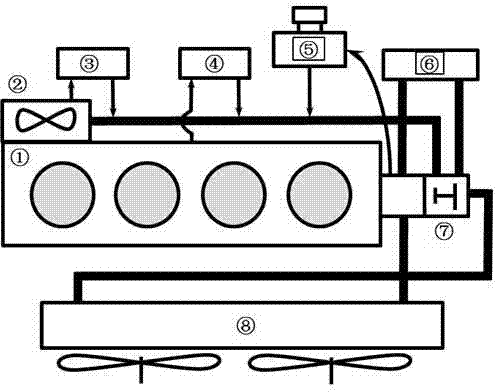
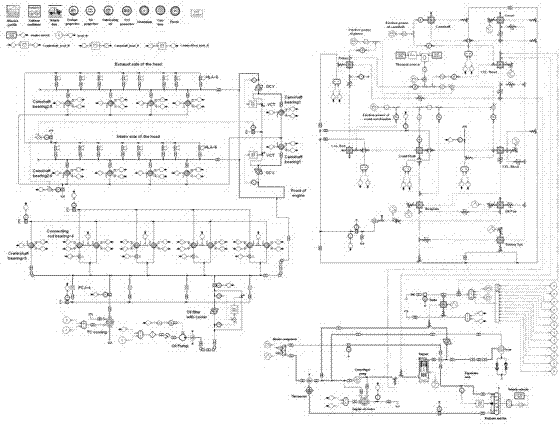
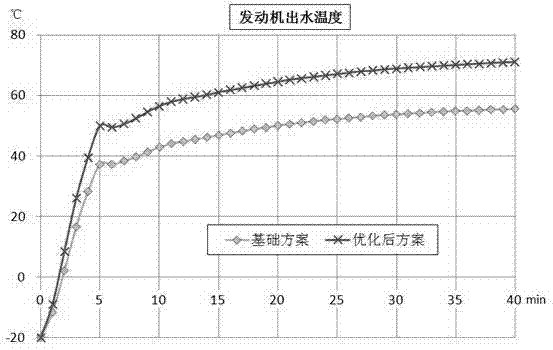
- The one-dimensional integrated thermal management simulation method is used to conduct one-dimensional simulation and modeling of the engine cooling system, lubrication system, engine body components and related systems. Through the correlation of the simulation models, integrated simulation is performed, taking into account the actual connection of each system and components. and influence, including fuel mixture combustion heat release, friction heat transfer and fluid flow state.

Management of heat generated by aircraft gas turbine installations
PatentInactiveUS5241814A
Innovation
- A heat management system that integrates the fuel system with multiple closed-circuit fluid-flow systems, allowing for selective heat dumping and varying fuel flow configurations to maintain temperature within predetermined limits, minimizing heat loss while optimizing fuel efficiency, and incorporating the electrical generator oil system for comprehensive heat management.


Environmental Impact of Improved Engine Efficiency
The advancement in B58 engine heat management modelling has significant implications for environmental impact through improved engine efficiency. As automotive manufacturers strive to meet increasingly stringent emissions regulations, optimizing engine thermal management becomes crucial in reducing fuel consumption and emissions.
Improved heat management modelling allows for more precise control of engine temperatures, leading to enhanced combustion efficiency. This results in a reduction of fuel consumption, which directly translates to lower carbon dioxide (CO2) emissions. Studies have shown that even small improvements in engine efficiency can lead to substantial reductions in greenhouse gas emissions over the lifetime of a vehicle.
Furthermore, better thermal management contributes to reduced nitrogen oxide (NOx) emissions. By maintaining optimal operating temperatures, the formation of NOx during combustion can be minimized. This is particularly important in urban environments where NOx emissions contribute to air pollution and the formation of smog.
The B58 engine's advanced heat management system also enables faster warm-up times, which is critical for reducing cold-start emissions. During the first few minutes of operation, engines typically produce higher levels of pollutants. By reaching optimal operating temperatures more quickly, the overall emissions profile of the vehicle is improved.
Another environmental benefit stems from the potential for extended engine life and reduced wear. Proper heat management prevents thermal stress on engine components, potentially reducing the need for premature replacements and the associated environmental impact of manufacturing new parts.
The modelling advances also contribute to the development of more efficient cooling systems. This can lead to reduced parasitic losses in the engine, further improving fuel efficiency. Additionally, optimized cooling systems may require less coolant, reducing the environmental impact associated with the production and disposal of these fluids.
Lastly, the improved efficiency resulting from advanced heat management modelling can have broader environmental implications. As engines become more efficient, it may accelerate the transition to hybrid and electric powertrains by making internal combustion engines more competitive in terms of efficiency and emissions. This could lead to a faster adoption of cleaner vehicle technologies across the automotive industry.
Improved heat management modelling allows for more precise control of engine temperatures, leading to enhanced combustion efficiency. This results in a reduction of fuel consumption, which directly translates to lower carbon dioxide (CO2) emissions. Studies have shown that even small improvements in engine efficiency can lead to substantial reductions in greenhouse gas emissions over the lifetime of a vehicle.
Furthermore, better thermal management contributes to reduced nitrogen oxide (NOx) emissions. By maintaining optimal operating temperatures, the formation of NOx during combustion can be minimized. This is particularly important in urban environments where NOx emissions contribute to air pollution and the formation of smog.
The B58 engine's advanced heat management system also enables faster warm-up times, which is critical for reducing cold-start emissions. During the first few minutes of operation, engines typically produce higher levels of pollutants. By reaching optimal operating temperatures more quickly, the overall emissions profile of the vehicle is improved.
Another environmental benefit stems from the potential for extended engine life and reduced wear. Proper heat management prevents thermal stress on engine components, potentially reducing the need for premature replacements and the associated environmental impact of manufacturing new parts.
The modelling advances also contribute to the development of more efficient cooling systems. This can lead to reduced parasitic losses in the engine, further improving fuel efficiency. Additionally, optimized cooling systems may require less coolant, reducing the environmental impact associated with the production and disposal of these fluids.
Lastly, the improved efficiency resulting from advanced heat management modelling can have broader environmental implications. As engines become more efficient, it may accelerate the transition to hybrid and electric powertrains by making internal combustion engines more competitive in terms of efficiency and emissions. This could lead to a faster adoption of cleaner vehicle technologies across the automotive industry.
Integration with Vehicle Thermal Management Systems
The integration of B58 engine heat management modeling with vehicle thermal management systems represents a significant advancement in automotive engineering. This integration allows for a more holistic approach to thermal management, optimizing the overall performance and efficiency of the vehicle.
By incorporating the B58 engine's heat management model into the broader vehicle thermal management system, engineers can achieve a more comprehensive understanding of heat flows throughout the entire vehicle. This integration enables real-time monitoring and control of thermal conditions across various components, including the engine, transmission, battery (in hybrid models), and cabin climate control.
One of the key benefits of this integration is the ability to optimize energy usage across different vehicle systems. For example, excess heat generated by the B58 engine can be redirected to warm up the cabin more quickly in cold weather conditions, reducing the load on the vehicle's HVAC system and improving overall energy efficiency. Similarly, during high-performance driving scenarios, the integrated system can prioritize cooling for critical components such as the engine and transmission, ensuring optimal performance and reliability.
The integration also allows for more sophisticated predictive thermal management strategies. By analyzing data from various sensors throughout the vehicle, the system can anticipate thermal loads and adjust cooling or heating strategies proactively. This predictive capability is particularly valuable in scenarios such as uphill climbs or track driving, where thermal management is crucial for maintaining performance and preventing component damage.
Furthermore, the integration of B58 engine heat management with vehicle thermal management systems facilitates the development of more advanced control algorithms. These algorithms can balance the thermal needs of different vehicle systems in real-time, taking into account factors such as driving conditions, ambient temperature, and driver preferences. This level of intelligent thermal management contributes to improved fuel efficiency, reduced emissions, and enhanced overall vehicle performance.
The integrated approach also supports the trend towards electrification in automotive design. As hybrid and electric powertrains become more prevalent, managing the thermal interactions between traditional internal combustion engines like the B58 and electric components becomes increasingly complex. The integrated thermal management system provides a framework for addressing these challenges, ensuring optimal performance across all powertrain components.
By incorporating the B58 engine's heat management model into the broader vehicle thermal management system, engineers can achieve a more comprehensive understanding of heat flows throughout the entire vehicle. This integration enables real-time monitoring and control of thermal conditions across various components, including the engine, transmission, battery (in hybrid models), and cabin climate control.
One of the key benefits of this integration is the ability to optimize energy usage across different vehicle systems. For example, excess heat generated by the B58 engine can be redirected to warm up the cabin more quickly in cold weather conditions, reducing the load on the vehicle's HVAC system and improving overall energy efficiency. Similarly, during high-performance driving scenarios, the integrated system can prioritize cooling for critical components such as the engine and transmission, ensuring optimal performance and reliability.
The integration also allows for more sophisticated predictive thermal management strategies. By analyzing data from various sensors throughout the vehicle, the system can anticipate thermal loads and adjust cooling or heating strategies proactively. This predictive capability is particularly valuable in scenarios such as uphill climbs or track driving, where thermal management is crucial for maintaining performance and preventing component damage.
Furthermore, the integration of B58 engine heat management with vehicle thermal management systems facilitates the development of more advanced control algorithms. These algorithms can balance the thermal needs of different vehicle systems in real-time, taking into account factors such as driving conditions, ambient temperature, and driver preferences. This level of intelligent thermal management contributes to improved fuel efficiency, reduced emissions, and enhanced overall vehicle performance.
The integrated approach also supports the trend towards electrification in automotive design. As hybrid and electric powertrains become more prevalent, managing the thermal interactions between traditional internal combustion engines like the B58 and electric components becomes increasingly complex. The integrated thermal management system provides a framework for addressing these challenges, ensuring optimal performance across all powertrain components.
Unlock deeper insights with Patsnap Eureka Quick Research — get a full tech report to explore trends and direct your research. Try now!
Generate Your Research Report Instantly with AI Agent
Supercharge your innovation with Patsnap Eureka AI Agent Platform!