Decane as an Insightful Tool in Environmental Analysis
JUL 28, 20259 MIN READ
Generate Your Research Report Instantly with AI Agent
Patsnap Eureka helps you evaluate technical feasibility & market potential.
Decane Analysis Background and Objectives
Decane, a straight-chain alkane hydrocarbon with the chemical formula C10H22, has emerged as a valuable tool in environmental analysis. The study of decane and its applications in this field has evolved significantly over the past few decades, driven by the increasing need for accurate and sensitive methods to detect and quantify environmental pollutants.
The development of decane as an analytical tool can be traced back to the early 1970s when researchers began exploring its potential in gas chromatography. Its unique properties, including low volatility and high stability, made it an ideal candidate for separating and identifying complex mixtures of organic compounds in environmental samples. As analytical techniques advanced, the role of decane in environmental analysis expanded, encompassing a wide range of applications from air and water quality assessment to soil contamination studies.
The primary objective of utilizing decane in environmental analysis is to enhance the detection, identification, and quantification of various organic pollutants in different environmental matrices. This includes persistent organic pollutants (POPs), polycyclic aromatic hydrocarbons (PAHs), and other hydrocarbons that pose significant risks to human health and ecosystems. By leveraging decane's chemical properties, researchers aim to develop more sensitive and selective analytical methods, thereby improving the accuracy and reliability of environmental monitoring and risk assessment processes.
Another crucial goal in the application of decane for environmental analysis is to standardize and optimize analytical procedures. This involves developing robust extraction and clean-up methods that can effectively isolate target analytes from complex environmental samples while minimizing interference from matrix components. The optimization of these procedures is essential for ensuring the comparability and reproducibility of analytical results across different laboratories and environmental studies.
Furthermore, the integration of decane-based analytical techniques with advanced instrumentation, such as high-resolution mass spectrometry and multidimensional chromatography, represents a key objective in pushing the boundaries of environmental analysis. These technological advancements aim to lower detection limits, improve compound identification capabilities, and enable the simultaneous analysis of a broader range of environmental contaminants.
As environmental regulations become increasingly stringent and new emerging contaminants are identified, the role of decane in environmental analysis continues to evolve. Current research efforts are focused on expanding its applicability to address emerging environmental challenges, such as the detection of microplastics, nanomaterials, and novel organic pollutants in complex environmental matrices. This ongoing development underscores the enduring importance of decane as a versatile and insightful tool in the field of environmental analysis.
The development of decane as an analytical tool can be traced back to the early 1970s when researchers began exploring its potential in gas chromatography. Its unique properties, including low volatility and high stability, made it an ideal candidate for separating and identifying complex mixtures of organic compounds in environmental samples. As analytical techniques advanced, the role of decane in environmental analysis expanded, encompassing a wide range of applications from air and water quality assessment to soil contamination studies.
The primary objective of utilizing decane in environmental analysis is to enhance the detection, identification, and quantification of various organic pollutants in different environmental matrices. This includes persistent organic pollutants (POPs), polycyclic aromatic hydrocarbons (PAHs), and other hydrocarbons that pose significant risks to human health and ecosystems. By leveraging decane's chemical properties, researchers aim to develop more sensitive and selective analytical methods, thereby improving the accuracy and reliability of environmental monitoring and risk assessment processes.
Another crucial goal in the application of decane for environmental analysis is to standardize and optimize analytical procedures. This involves developing robust extraction and clean-up methods that can effectively isolate target analytes from complex environmental samples while minimizing interference from matrix components. The optimization of these procedures is essential for ensuring the comparability and reproducibility of analytical results across different laboratories and environmental studies.
Furthermore, the integration of decane-based analytical techniques with advanced instrumentation, such as high-resolution mass spectrometry and multidimensional chromatography, represents a key objective in pushing the boundaries of environmental analysis. These technological advancements aim to lower detection limits, improve compound identification capabilities, and enable the simultaneous analysis of a broader range of environmental contaminants.
As environmental regulations become increasingly stringent and new emerging contaminants are identified, the role of decane in environmental analysis continues to evolve. Current research efforts are focused on expanding its applicability to address emerging environmental challenges, such as the detection of microplastics, nanomaterials, and novel organic pollutants in complex environmental matrices. This ongoing development underscores the enduring importance of decane as a versatile and insightful tool in the field of environmental analysis.
Environmental Analysis Market Demand
The market demand for environmental analysis tools, particularly those utilizing decane, has been steadily growing in recent years. This growth is driven by increasing environmental concerns, stricter regulations, and the need for more accurate and efficient analytical methods. Decane, as a hydrocarbon compound, has proven to be an insightful tool in various environmental applications, leading to a surge in demand across multiple sectors.
In the oil and gas industry, decane-based analysis tools are crucial for monitoring and assessing environmental impacts of exploration and production activities. These tools help in detecting and quantifying hydrocarbon contamination in soil and water samples, enabling companies to comply with environmental regulations and implement effective remediation strategies. The market for such tools is expected to expand further as the industry faces mounting pressure to reduce its environmental footprint.
The agricultural sector has also shown significant interest in decane-based environmental analysis tools. These instruments are used to detect and measure pesticide residues in soil and water, helping farmers optimize their pesticide use and minimize environmental contamination. As sustainable farming practices gain traction globally, the demand for these analytical tools is projected to increase substantially.
Environmental consulting firms and regulatory agencies represent another major market segment for decane-based analysis tools. These organizations require reliable and sensitive methods to assess environmental quality, investigate pollution incidents, and monitor compliance with environmental standards. The versatility of decane as an analytical tool makes it valuable for a wide range of environmental assessments, from air quality monitoring to soil contamination studies.
The academic and research sector contributes significantly to the market demand for decane-based environmental analysis tools. Universities and research institutions use these instruments for various environmental studies, including climate change research, ecosystem assessments, and pollution impact analyses. The ongoing need for advanced research capabilities in environmental science continues to drive demand in this sector.
Emerging markets, particularly in developing countries, present substantial growth opportunities for decane-based environmental analysis tools. As these nations implement more stringent environmental regulations and invest in environmental protection measures, the demand for sophisticated analytical instruments is expected to rise sharply.
The market for decane-based environmental analysis tools is also influenced by technological advancements. Innovations in analytical techniques, such as improved chromatography methods and more sensitive detection systems, are expanding the capabilities and applications of these tools. This technological progress is likely to stimulate market growth by opening up new areas of environmental analysis and improving the efficiency of existing applications.
In the oil and gas industry, decane-based analysis tools are crucial for monitoring and assessing environmental impacts of exploration and production activities. These tools help in detecting and quantifying hydrocarbon contamination in soil and water samples, enabling companies to comply with environmental regulations and implement effective remediation strategies. The market for such tools is expected to expand further as the industry faces mounting pressure to reduce its environmental footprint.
The agricultural sector has also shown significant interest in decane-based environmental analysis tools. These instruments are used to detect and measure pesticide residues in soil and water, helping farmers optimize their pesticide use and minimize environmental contamination. As sustainable farming practices gain traction globally, the demand for these analytical tools is projected to increase substantially.
Environmental consulting firms and regulatory agencies represent another major market segment for decane-based analysis tools. These organizations require reliable and sensitive methods to assess environmental quality, investigate pollution incidents, and monitor compliance with environmental standards. The versatility of decane as an analytical tool makes it valuable for a wide range of environmental assessments, from air quality monitoring to soil contamination studies.
The academic and research sector contributes significantly to the market demand for decane-based environmental analysis tools. Universities and research institutions use these instruments for various environmental studies, including climate change research, ecosystem assessments, and pollution impact analyses. The ongoing need for advanced research capabilities in environmental science continues to drive demand in this sector.
Emerging markets, particularly in developing countries, present substantial growth opportunities for decane-based environmental analysis tools. As these nations implement more stringent environmental regulations and invest in environmental protection measures, the demand for sophisticated analytical instruments is expected to rise sharply.
The market for decane-based environmental analysis tools is also influenced by technological advancements. Innovations in analytical techniques, such as improved chromatography methods and more sensitive detection systems, are expanding the capabilities and applications of these tools. This technological progress is likely to stimulate market growth by opening up new areas of environmental analysis and improving the efficiency of existing applications.
Current Challenges in Decane Detection
Despite the widespread use of decane as a tool in environmental analysis, several challenges persist in its detection and quantification. One of the primary obstacles is the low volatility of decane, which makes it difficult to detect using conventional gas chromatography methods. This characteristic often requires specialized sample preparation techniques or modified analytical procedures, increasing the complexity and time required for analysis.
Another significant challenge lies in the interference from other hydrocarbons present in environmental samples. Decane's structural similarity to other alkanes can lead to overlapping peaks in chromatographic analyses, making accurate identification and quantification problematic. This issue is particularly pronounced in complex environmental matrices such as soil or water samples, where a multitude of organic compounds may be present.
The low water solubility of decane presents additional difficulties in aqueous environmental samples. This property necessitates the use of extraction techniques or specialized sample preparation methods to effectively isolate decane from water-based matrices. Such procedures can be time-consuming and may introduce potential sources of error or contamination.
Sensitivity is another crucial concern in decane detection. Environmental concentrations of decane can be extremely low, often at trace levels, pushing the limits of detection for many analytical instruments. This challenge is compounded by the need for accurate quantification at these low concentrations, which is essential for meaningful environmental assessments and regulatory compliance.
The stability of decane during sample storage and analysis is also a notable issue. Like many hydrocarbons, decane can be susceptible to degradation or transformation, particularly in the presence of light or oxidizing agents. This instability can lead to inaccurate results if proper precautions are not taken throughout the analytical process.
Furthermore, the development of standardized methods for decane detection across various environmental matrices remains an ongoing challenge. The diversity of sample types encountered in environmental analysis, ranging from air and water to soil and biological tissues, necessitates adaptable and robust analytical protocols. Establishing universally applicable methods that maintain accuracy and precision across this range of matrices is a complex task that continues to engage researchers and analytical chemists.
Lastly, the cost and accessibility of advanced analytical instrumentation required for precise decane detection can be prohibitive for many laboratories, particularly in resource-limited settings. This economic barrier can hinder widespread adoption of state-of-the-art detection techniques, potentially limiting the scope and quality of environmental monitoring efforts in certain regions.
Another significant challenge lies in the interference from other hydrocarbons present in environmental samples. Decane's structural similarity to other alkanes can lead to overlapping peaks in chromatographic analyses, making accurate identification and quantification problematic. This issue is particularly pronounced in complex environmental matrices such as soil or water samples, where a multitude of organic compounds may be present.
The low water solubility of decane presents additional difficulties in aqueous environmental samples. This property necessitates the use of extraction techniques or specialized sample preparation methods to effectively isolate decane from water-based matrices. Such procedures can be time-consuming and may introduce potential sources of error or contamination.
Sensitivity is another crucial concern in decane detection. Environmental concentrations of decane can be extremely low, often at trace levels, pushing the limits of detection for many analytical instruments. This challenge is compounded by the need for accurate quantification at these low concentrations, which is essential for meaningful environmental assessments and regulatory compliance.
The stability of decane during sample storage and analysis is also a notable issue. Like many hydrocarbons, decane can be susceptible to degradation or transformation, particularly in the presence of light or oxidizing agents. This instability can lead to inaccurate results if proper precautions are not taken throughout the analytical process.
Furthermore, the development of standardized methods for decane detection across various environmental matrices remains an ongoing challenge. The diversity of sample types encountered in environmental analysis, ranging from air and water to soil and biological tissues, necessitates adaptable and robust analytical protocols. Establishing universally applicable methods that maintain accuracy and precision across this range of matrices is a complex task that continues to engage researchers and analytical chemists.
Lastly, the cost and accessibility of advanced analytical instrumentation required for precise decane detection can be prohibitive for many laboratories, particularly in resource-limited settings. This economic barrier can hinder widespread adoption of state-of-the-art detection techniques, potentially limiting the scope and quality of environmental monitoring efforts in certain regions.
Existing Decane Detection Methods
01 Synthesis and purification of decane
Decane can be synthesized through various chemical processes, including the reduction of fatty acids or their derivatives. Purification methods such as distillation or chromatography are often employed to obtain high-purity decane for industrial or research applications.- Synthesis and purification of decane: Decane can be synthesized through various chemical processes, including the reduction of fatty acids or the oligomerization of ethylene. Purification methods such as distillation or chromatography are often employed to obtain high-purity decane for industrial and research applications.
- Use of decane as a solvent or carrier: Decane is widely used as a solvent or carrier in various industrial applications, including the formulation of cleaning agents, lubricants, and personal care products. Its low reactivity and favorable physical properties make it suitable for dissolving or dispersing other substances.
- Decane in fuel compositions: Decane is an important component in many fuel compositions, particularly in diesel and jet fuels. It contributes to the overall performance and combustion characteristics of these fuels, influencing factors such as cetane number and energy content.
- Decane derivatives and their applications: Various derivatives of decane, such as decanol or decanoic acid, have important industrial and commercial applications. These derivatives are used in the production of plasticizers, surfactants, and other specialty chemicals.
- Decane in chemical reactions and processes: Decane serves as a model compound in various chemical reactions and processes, particularly in studies related to hydrocarbon chemistry. It is used in research on catalytic cracking, isomerization, and other transformations relevant to the petrochemical industry.
02 Use of decane in polymer production
Decane is utilized as a solvent or reactant in the production of various polymers. It can be incorporated into polymerization processes to control molecular weight, improve polymer properties, or serve as a chain transfer agent in certain reactions.Expand Specific Solutions03 Decane in fuel compositions
Decane is an important component in various fuel compositions, particularly in diesel and jet fuels. It contributes to the overall performance and combustion characteristics of these fuels, influencing factors such as cetane number and energy content.Expand Specific Solutions04 Applications of decane in chemical processes
Decane finds applications in various chemical processes as a solvent, reactant, or intermediate. It is used in the production of surfactants, lubricants, and other specialty chemicals. Its properties make it suitable for use in extraction processes and as a standard in analytical chemistry.Expand Specific Solutions05 Environmental and safety considerations of decane
The use and handling of decane require consideration of environmental and safety factors. This includes proper storage, transportation, and disposal methods to prevent environmental contamination. Safety measures are necessary due to its flammability and potential health hazards associated with exposure.Expand Specific Solutions
Key Players in Environmental Analysis
The competitive landscape for decane as an environmental analysis tool is evolving, with the market still in its early growth stage. The global market size for environmental analysis tools is expanding, driven by increasing environmental concerns and regulatory requirements. While the technology is advancing, its maturity level varies among key players. Companies like Hitachi Ltd., Canon, Inc., and Siemens Corp. are leveraging their expertise in analytical instruments to develop more sophisticated decane-based environmental analysis solutions. Emerging players such as Parahsol SRL and research institutions like Nanjing University are also contributing to technological advancements, potentially disrupting the market with innovative approaches to decane utilization in environmental analysis.
China Petroleum & Chemical Corp.
Technical Solution: China Petroleum & Chemical Corp. (Sinopec) has developed advanced decane-based environmental analysis techniques for oil exploration and refining. Their approach utilizes decane as a model compound to simulate and analyze the behavior of complex hydrocarbon mixtures in various environmental conditions. This includes using decane in gas chromatography-mass spectrometry (GC-MS) analysis to identify and quantify petroleum hydrocarbons in soil and water samples[1]. Sinopec has also implemented decane-based solvent extraction methods to assess oil contamination levels in environmental matrices, allowing for more accurate risk assessments and remediation strategies[3].
Strengths: Extensive experience in petroleum-related environmental analysis; large-scale application in real-world scenarios. Weaknesses: Potential bias towards petroleum industry needs; may overlook non-petroleum environmental concerns.
Halliburton Energy Services, Inc.
Technical Solution: Halliburton has developed a comprehensive environmental analysis toolkit incorporating decane as a key component. Their approach uses decane as a reference compound in the development of novel sensors for real-time monitoring of hydrocarbon contamination in soil and groundwater. The company has also pioneered the use of decane in tracer studies to track the movement and fate of hydrocarbons in subsurface environments[2]. Additionally, Halliburton has integrated decane-based analysis into their environmental impact assessment protocols for hydraulic fracturing operations, allowing for more accurate prediction and mitigation of potential environmental risks[4].
Strengths: Innovative application of decane in environmental monitoring and risk assessment; strong focus on practical field applications. Weaknesses: Technology may be primarily tailored to oil and gas industry needs; potential limitations in broader environmental contexts.
Innovative Decane Analysis Techniques
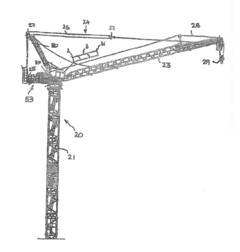
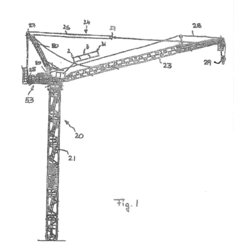
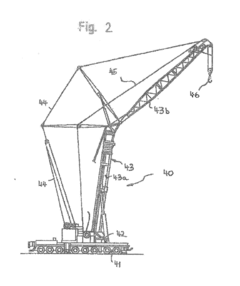
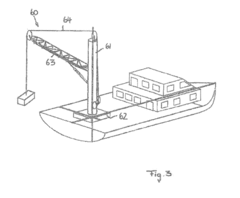
Device for determining the replacement state or wear of a rope during use in lifting gear
PatentActiveUS20170066631A1
Innovation
- A device that detects environmental influences and weather data, in addition to traditional rope parameters, using particle detectors, chemical detectors, lubricant detectors, and weather stations to evaluate the discard state, and considers these factors in determining the rope's service life, providing a more precise assessment of the discard state.
Regulatory Framework for Decane Use
The regulatory framework for decane use in environmental analysis is a complex and evolving landscape that reflects the growing importance of this compound in scientific and industrial applications. Decane, a straight-chain alkane hydrocarbon, is subject to various regulations due to its potential environmental and health impacts.
At the federal level in the United States, the Environmental Protection Agency (EPA) plays a crucial role in regulating decane under the Toxic Substances Control Act (TSCA). The TSCA requires manufacturers and importers to report chemical substances, including decane, that may pose a risk to human health or the environment. Additionally, the Occupational Safety and Health Administration (OSHA) sets permissible exposure limits for decane in workplace environments to protect workers from potential health hazards.
In the European Union, decane falls under the purview of the Registration, Evaluation, Authorization, and Restriction of Chemicals (REACH) regulation. REACH mandates that companies register chemical substances, including decane, and provide safety data to the European Chemicals Agency (ECHA). This regulation aims to ensure the safe use of chemicals throughout their lifecycle.
Many countries have implemented their own regulatory frameworks for decane use in environmental analysis. For instance, Canada's Chemical Management Plan includes decane in its assessment of petroleum sector stream substances. Japan's Chemical Substances Control Law also regulates decane as a chemical substance that requires notification and assessment.
The transportation of decane is subject to international regulations, such as those set by the International Maritime Organization (IMO) and the International Air Transport Association (IATA). These regulations ensure the safe handling and transport of decane across borders, considering its flammable properties.
As environmental concerns grow, regulatory bodies are increasingly focusing on the potential ecological impacts of decane. This has led to stricter guidelines for its use in environmental analysis, particularly in sensitive ecosystems. For example, some jurisdictions require specific permits for the use of decane in field studies or mandate the implementation of spill prevention and response plans.
The regulatory landscape for decane is not static, with ongoing research and risk assessments informing policy decisions. As analytical techniques advance and our understanding of decane's environmental fate and effects improves, regulations are likely to evolve. This dynamic nature of the regulatory framework underscores the importance of staying informed about current and emerging regulations for professionals involved in environmental analysis using decane.
At the federal level in the United States, the Environmental Protection Agency (EPA) plays a crucial role in regulating decane under the Toxic Substances Control Act (TSCA). The TSCA requires manufacturers and importers to report chemical substances, including decane, that may pose a risk to human health or the environment. Additionally, the Occupational Safety and Health Administration (OSHA) sets permissible exposure limits for decane in workplace environments to protect workers from potential health hazards.
In the European Union, decane falls under the purview of the Registration, Evaluation, Authorization, and Restriction of Chemicals (REACH) regulation. REACH mandates that companies register chemical substances, including decane, and provide safety data to the European Chemicals Agency (ECHA). This regulation aims to ensure the safe use of chemicals throughout their lifecycle.
Many countries have implemented their own regulatory frameworks for decane use in environmental analysis. For instance, Canada's Chemical Management Plan includes decane in its assessment of petroleum sector stream substances. Japan's Chemical Substances Control Law also regulates decane as a chemical substance that requires notification and assessment.
The transportation of decane is subject to international regulations, such as those set by the International Maritime Organization (IMO) and the International Air Transport Association (IATA). These regulations ensure the safe handling and transport of decane across borders, considering its flammable properties.
As environmental concerns grow, regulatory bodies are increasingly focusing on the potential ecological impacts of decane. This has led to stricter guidelines for its use in environmental analysis, particularly in sensitive ecosystems. For example, some jurisdictions require specific permits for the use of decane in field studies or mandate the implementation of spill prevention and response plans.
The regulatory landscape for decane is not static, with ongoing research and risk assessments informing policy decisions. As analytical techniques advance and our understanding of decane's environmental fate and effects improves, regulations are likely to evolve. This dynamic nature of the regulatory framework underscores the importance of staying informed about current and emerging regulations for professionals involved in environmental analysis using decane.
Ecological Impact of Decane Analysis
The ecological impact of decane analysis extends far beyond its immediate application in environmental studies. As a hydrocarbon compound, decane serves as a valuable indicator of various environmental processes and conditions, offering insights into ecosystem health and anthropogenic influences.
In aquatic environments, decane analysis can reveal the presence and extent of oil spills or other petroleum-based contamination. The persistence of decane in water bodies can have significant implications for aquatic life, potentially disrupting food chains and altering habitat conditions. By monitoring decane levels, researchers can assess the long-term effects of oil pollution on marine and freshwater ecosystems, including impacts on fish populations, plankton communities, and benthic organisms.
Terrestrial ecosystems are also affected by the presence of decane. Soil contamination by decane and related hydrocarbons can alter microbial communities, potentially impacting nutrient cycling and plant growth. The analysis of decane in soil samples provides valuable information about the extent of contamination and the effectiveness of bioremediation efforts. This data is crucial for assessing the recovery of ecosystems following oil spills or industrial accidents.
In the atmosphere, decane contributes to the formation of secondary organic aerosols, which play a role in climate change and air quality. By analyzing decane levels in air samples, researchers can better understand the sources and distribution of atmospheric pollutants, as well as their potential impacts on human health and the environment. This information is vital for developing effective air quality management strategies and policies.
The bioaccumulation of decane in organisms presents another significant ecological concern. As decane moves through food webs, it can concentrate in higher trophic levels, potentially causing long-term health effects in wildlife populations. Analyzing decane levels in various species provides insights into the movement of pollutants through ecosystems and helps identify species at risk of toxic exposure.
Furthermore, decane analysis contributes to our understanding of natural hydrocarbon cycling in the environment. By studying decane fluxes between different environmental compartments, researchers can gain insights into the global carbon cycle and the role of hydrocarbons in ecosystem processes. This knowledge is essential for developing accurate climate models and predicting the long-term impacts of human activities on the environment.
In conclusion, the ecological impact of decane analysis is multifaceted and far-reaching. It provides crucial information for assessing ecosystem health, monitoring pollution, and understanding complex environmental processes. As analytical techniques continue to improve, decane analysis will likely play an increasingly important role in environmental management and conservation efforts.
In aquatic environments, decane analysis can reveal the presence and extent of oil spills or other petroleum-based contamination. The persistence of decane in water bodies can have significant implications for aquatic life, potentially disrupting food chains and altering habitat conditions. By monitoring decane levels, researchers can assess the long-term effects of oil pollution on marine and freshwater ecosystems, including impacts on fish populations, plankton communities, and benthic organisms.
Terrestrial ecosystems are also affected by the presence of decane. Soil contamination by decane and related hydrocarbons can alter microbial communities, potentially impacting nutrient cycling and plant growth. The analysis of decane in soil samples provides valuable information about the extent of contamination and the effectiveness of bioremediation efforts. This data is crucial for assessing the recovery of ecosystems following oil spills or industrial accidents.
In the atmosphere, decane contributes to the formation of secondary organic aerosols, which play a role in climate change and air quality. By analyzing decane levels in air samples, researchers can better understand the sources and distribution of atmospheric pollutants, as well as their potential impacts on human health and the environment. This information is vital for developing effective air quality management strategies and policies.
The bioaccumulation of decane in organisms presents another significant ecological concern. As decane moves through food webs, it can concentrate in higher trophic levels, potentially causing long-term health effects in wildlife populations. Analyzing decane levels in various species provides insights into the movement of pollutants through ecosystems and helps identify species at risk of toxic exposure.
Furthermore, decane analysis contributes to our understanding of natural hydrocarbon cycling in the environment. By studying decane fluxes between different environmental compartments, researchers can gain insights into the global carbon cycle and the role of hydrocarbons in ecosystem processes. This knowledge is essential for developing accurate climate models and predicting the long-term impacts of human activities on the environment.
In conclusion, the ecological impact of decane analysis is multifaceted and far-reaching. It provides crucial information for assessing ecosystem health, monitoring pollution, and understanding complex environmental processes. As analytical techniques continue to improve, decane analysis will likely play an increasingly important role in environmental management and conservation efforts.
Unlock deeper insights with Patsnap Eureka Quick Research — get a full tech report to explore trends and direct your research. Try now!
Generate Your Research Report Instantly with AI Agent
Supercharge your innovation with Patsnap Eureka AI Agent Platform!