Differences in Direct vs. Indirect Injection in LS Engine Combustion
AUG 12, 20259 MIN READ
Generate Your Research Report Instantly with AI Agent
Patsnap Eureka helps you evaluate technical feasibility & market potential.
LS Engine Injection Evolution
The evolution of injection systems in LS engines represents a significant advancement in automotive technology, marking a shift from traditional indirect injection to more efficient direct injection methods. This progression has been driven by the need for improved fuel economy, reduced emissions, and enhanced engine performance.
In the early stages of LS engine development, indirect injection was the predominant method. This system involved injecting fuel into the intake port or manifold, where it would mix with air before entering the combustion chamber. While effective, this approach had limitations in terms of precise fuel control and atomization.
As technology advanced, the industry began to explore direct injection systems for LS engines. This transition was motivated by the potential for more accurate fuel delivery and better combustion efficiency. Direct injection allows fuel to be sprayed directly into the combustion chamber, offering greater control over the timing and quantity of fuel delivery.
The shift from indirect to direct injection in LS engines brought about several key improvements. Firstly, it enabled better fuel atomization, resulting in more complete combustion and reduced emissions. Secondly, the cooling effect of direct fuel injection allowed for higher compression ratios, leading to increased power output and improved thermal efficiency.
One of the major milestones in this evolution was the introduction of high-pressure direct injection systems. These systems could operate at pressures exceeding 2,000 bar, allowing for even finer fuel atomization and more precise injection timing. This development further enhanced fuel efficiency and reduced particulate emissions.
Another significant advancement was the implementation of multiple injection events per combustion cycle. This strategy allowed for pre-injection, main injection, and post-injection phases, offering greater flexibility in controlling the combustion process. It proved particularly beneficial in reducing noise and emissions while improving overall engine performance.
The integration of electronic control units (ECUs) played a crucial role in the evolution of LS engine injection systems. Advanced ECUs enabled real-time adjustments to injection parameters based on various engine operating conditions, further optimizing performance and efficiency.
As the technology matured, manufacturers began to explore variable geometry injectors and spray patterns. These innovations allowed for adaptive fuel delivery based on engine load and speed, further refining the combustion process and enhancing engine responsiveness across different operating conditions.
In the early stages of LS engine development, indirect injection was the predominant method. This system involved injecting fuel into the intake port or manifold, where it would mix with air before entering the combustion chamber. While effective, this approach had limitations in terms of precise fuel control and atomization.
As technology advanced, the industry began to explore direct injection systems for LS engines. This transition was motivated by the potential for more accurate fuel delivery and better combustion efficiency. Direct injection allows fuel to be sprayed directly into the combustion chamber, offering greater control over the timing and quantity of fuel delivery.
The shift from indirect to direct injection in LS engines brought about several key improvements. Firstly, it enabled better fuel atomization, resulting in more complete combustion and reduced emissions. Secondly, the cooling effect of direct fuel injection allowed for higher compression ratios, leading to increased power output and improved thermal efficiency.
One of the major milestones in this evolution was the introduction of high-pressure direct injection systems. These systems could operate at pressures exceeding 2,000 bar, allowing for even finer fuel atomization and more precise injection timing. This development further enhanced fuel efficiency and reduced particulate emissions.
Another significant advancement was the implementation of multiple injection events per combustion cycle. This strategy allowed for pre-injection, main injection, and post-injection phases, offering greater flexibility in controlling the combustion process. It proved particularly beneficial in reducing noise and emissions while improving overall engine performance.
The integration of electronic control units (ECUs) played a crucial role in the evolution of LS engine injection systems. Advanced ECUs enabled real-time adjustments to injection parameters based on various engine operating conditions, further optimizing performance and efficiency.
As the technology matured, manufacturers began to explore variable geometry injectors and spray patterns. These innovations allowed for adaptive fuel delivery based on engine load and speed, further refining the combustion process and enhancing engine responsiveness across different operating conditions.
Market Demand Analysis
The market demand for direct injection technology in LS engines has been steadily increasing over the past decade. This growth is primarily driven by the automotive industry's push for improved fuel efficiency and reduced emissions to meet stringent environmental regulations. Direct injection offers significant advantages over indirect injection in terms of precise fuel delivery, better atomization, and enhanced combustion control, which translate to improved engine performance and reduced fuel consumption.
In the passenger vehicle segment, there is a strong demand for direct injection systems, particularly in high-performance and luxury vehicles. Consumers are increasingly seeking vehicles that offer both power and efficiency, a combination that direct injection technology can deliver. The market for aftermarket direct injection upgrades for LS engines has also seen substantial growth, as enthusiasts and performance-oriented consumers look to enhance their vehicles' capabilities.
The commercial vehicle sector, including medium and heavy-duty trucks, has shown a growing interest in direct injection technology for LS engines. Fleet operators are recognizing the potential for significant fuel savings and reduced operating costs over the long term, despite the higher initial investment in direct injection systems.
The racing and motorsports industry has been a key driver of demand for advanced direct injection systems in LS engines. The technology's ability to provide precise fuel control and optimize combustion has made it highly desirable for competitive racing applications, where even marginal improvements in performance can make a significant difference.
Environmental concerns and government regulations have played a crucial role in shaping market demand. As emissions standards become more stringent globally, automakers are increasingly turning to direct injection as a means to comply with these regulations while maintaining or improving vehicle performance.
The aftermarket and tuning community has also contributed to the growing demand for direct injection technology in LS engines. Performance enthusiasts are seeking ways to extract more power and efficiency from their engines, and direct injection offers a pathway to achieve these goals.
Looking ahead, the market demand for direct injection in LS engines is expected to continue its upward trajectory. As the technology matures and becomes more cost-effective, it is likely to penetrate further into mid-range and entry-level vehicle segments. Additionally, the ongoing development of hybrid and electric powertrains may create new opportunities for advanced direct injection systems in range-extender applications or high-efficiency combustion engines paired with electrification.
In the passenger vehicle segment, there is a strong demand for direct injection systems, particularly in high-performance and luxury vehicles. Consumers are increasingly seeking vehicles that offer both power and efficiency, a combination that direct injection technology can deliver. The market for aftermarket direct injection upgrades for LS engines has also seen substantial growth, as enthusiasts and performance-oriented consumers look to enhance their vehicles' capabilities.
The commercial vehicle sector, including medium and heavy-duty trucks, has shown a growing interest in direct injection technology for LS engines. Fleet operators are recognizing the potential for significant fuel savings and reduced operating costs over the long term, despite the higher initial investment in direct injection systems.
The racing and motorsports industry has been a key driver of demand for advanced direct injection systems in LS engines. The technology's ability to provide precise fuel control and optimize combustion has made it highly desirable for competitive racing applications, where even marginal improvements in performance can make a significant difference.
Environmental concerns and government regulations have played a crucial role in shaping market demand. As emissions standards become more stringent globally, automakers are increasingly turning to direct injection as a means to comply with these regulations while maintaining or improving vehicle performance.
The aftermarket and tuning community has also contributed to the growing demand for direct injection technology in LS engines. Performance enthusiasts are seeking ways to extract more power and efficiency from their engines, and direct injection offers a pathway to achieve these goals.
Looking ahead, the market demand for direct injection in LS engines is expected to continue its upward trajectory. As the technology matures and becomes more cost-effective, it is likely to penetrate further into mid-range and entry-level vehicle segments. Additionally, the ongoing development of hybrid and electric powertrains may create new opportunities for advanced direct injection systems in range-extender applications or high-efficiency combustion engines paired with electrification.
Injection Tech Challenges
The development of direct and indirect injection systems for LS engines has presented several significant technical challenges. One of the primary hurdles is achieving optimal fuel atomization and distribution within the combustion chamber. Direct injection systems, while offering more precise control over fuel delivery, require higher injection pressures to overcome in-cylinder pressures. This necessitates the development of more robust and sophisticated fuel pumps and injectors capable of withstanding these increased pressures.
Another challenge lies in the timing and duration of fuel injection. Direct injection allows for multiple injection events per cycle, which can improve combustion efficiency and reduce emissions. However, this requires advanced engine control units (ECUs) with complex algorithms to manage injection timing across various engine speeds and loads. The integration of these control systems with other engine components adds another layer of complexity to the overall design.
Fuel mixing and air-fuel ratio control present unique challenges for both injection types. Indirect injection benefits from the pre-mixing of fuel and air in the intake port, but struggles with precise control at high engine speeds. Direct injection, while offering better control, faces challenges in ensuring complete fuel vaporization and mixing, especially during cold starts and low-load conditions. This has led to the development of specialized injector nozzle designs and spray patterns to optimize fuel dispersion.
Emissions control is a critical area where both injection systems face ongoing challenges. Direct injection engines are prone to increased particulate matter emissions due to fuel impingement on cylinder walls. This has necessitated the integration of gasoline particulate filters (GPFs) in some applications, adding cost and complexity. Indirect injection systems, while generally producing fewer particulates, may struggle to meet increasingly stringent NOx emission standards without additional aftertreatment systems.
Durability and reliability of injection components pose significant challenges, particularly for direct injection systems. The high-pressure environment and exposure to combustion byproducts can lead to injector fouling and premature wear. This has driven research into advanced materials and coatings for injector components to improve longevity and maintain performance over the engine's lifespan.
Lastly, the cost-effectiveness of these injection technologies remains a challenge. While direct injection offers performance and efficiency benefits, it comes at a higher manufacturing and maintenance cost compared to indirect injection systems. Balancing these costs against performance gains and regulatory requirements continues to be a key consideration for engine manufacturers in the development and implementation of injection technologies for LS engines.
Another challenge lies in the timing and duration of fuel injection. Direct injection allows for multiple injection events per cycle, which can improve combustion efficiency and reduce emissions. However, this requires advanced engine control units (ECUs) with complex algorithms to manage injection timing across various engine speeds and loads. The integration of these control systems with other engine components adds another layer of complexity to the overall design.
Fuel mixing and air-fuel ratio control present unique challenges for both injection types. Indirect injection benefits from the pre-mixing of fuel and air in the intake port, but struggles with precise control at high engine speeds. Direct injection, while offering better control, faces challenges in ensuring complete fuel vaporization and mixing, especially during cold starts and low-load conditions. This has led to the development of specialized injector nozzle designs and spray patterns to optimize fuel dispersion.
Emissions control is a critical area where both injection systems face ongoing challenges. Direct injection engines are prone to increased particulate matter emissions due to fuel impingement on cylinder walls. This has necessitated the integration of gasoline particulate filters (GPFs) in some applications, adding cost and complexity. Indirect injection systems, while generally producing fewer particulates, may struggle to meet increasingly stringent NOx emission standards without additional aftertreatment systems.
Durability and reliability of injection components pose significant challenges, particularly for direct injection systems. The high-pressure environment and exposure to combustion byproducts can lead to injector fouling and premature wear. This has driven research into advanced materials and coatings for injector components to improve longevity and maintain performance over the engine's lifespan.
Lastly, the cost-effectiveness of these injection technologies remains a challenge. While direct injection offers performance and efficiency benefits, it comes at a higher manufacturing and maintenance cost compared to indirect injection systems. Balancing these costs against performance gains and regulatory requirements continues to be a key consideration for engine manufacturers in the development and implementation of injection technologies for LS engines.
Current Injection Methods
01 Combustion control and optimization
Various methods and systems are employed to control and optimize the combustion process in LS engines. This includes advanced fuel injection strategies, air-fuel mixture management, and precise ignition timing control. These techniques aim to improve engine efficiency, reduce emissions, and enhance overall performance.- Combustion control and optimization: LS engine combustion can be improved through various control and optimization techniques. These include advanced fuel injection strategies, precise ignition timing, and adaptive combustion control systems. Such methods aim to enhance fuel efficiency, reduce emissions, and improve overall engine performance.
- Cylinder pressure measurement and analysis: Accurate measurement and analysis of cylinder pressure are crucial for understanding and optimizing LS engine combustion. Advanced sensors and data processing techniques are employed to monitor in-cylinder pressure in real-time, allowing for precise combustion diagnostics and control adjustments.
- Combustion chamber design improvements: Enhancements to the combustion chamber design can significantly impact LS engine performance. This includes optimizing the shape of the chamber, piston crown geometry, and valve positioning to promote better fuel-air mixing and more efficient combustion.
- Advanced ignition systems: Innovative ignition systems play a crucial role in LS engine combustion. These may include multi-spark technology, plasma ignition, or laser-induced ignition systems, which can improve ignition reliability, extend lean burn limits, and enhance combustion stability across various operating conditions.
- Emissions reduction strategies: Various strategies are employed to reduce emissions in LS engine combustion. These include exhaust gas recirculation (EGR), variable valve timing, and advanced aftertreatment systems. Such techniques aim to minimize harmful emissions while maintaining or improving engine performance and efficiency.
02 Sensor technology for combustion monitoring
Advanced sensor technologies are utilized to monitor and analyze the combustion process in real-time. These sensors measure parameters such as in-cylinder pressure, temperature, and exhaust gas composition. The data collected helps in fine-tuning engine performance and ensuring optimal combustion conditions.Expand Specific Solutions03 Combustion chamber design improvements
Innovations in combustion chamber design focus on enhancing fuel-air mixing, flame propagation, and thermal efficiency. This includes optimizing piston crown geometry, valve positioning, and cylinder head design to promote more complete and efficient combustion in LS engines.Expand Specific Solutions04 Emissions reduction strategies
Various techniques are implemented to reduce harmful emissions from LS engine combustion. These include exhaust gas recirculation (EGR), advanced catalytic converters, and combustion temperature control. The goal is to meet stringent emission standards while maintaining engine performance.Expand Specific Solutions05 Alternative fuel compatibility
Research and development efforts focus on adapting LS engines for compatibility with alternative fuels such as ethanol blends, natural gas, or hydrogen. This involves modifying fuel delivery systems, adjusting combustion parameters, and optimizing engine components to efficiently utilize these alternative energy sources.Expand Specific Solutions
Key Engine Manufacturers
The competition landscape for "Differences in Direct vs. Indirect Injection in LS Engine Combustion" is characterized by a mature market with established players and ongoing technological advancements. Major automotive manufacturers like GM, Toyota, Ford, and Mercedes-Benz are at the forefront, leveraging their extensive R&D capabilities. Tier 1 suppliers such as Bosch, DENSO, and Continental also play crucial roles in developing injection technologies. The market size is substantial, driven by the global automotive industry's demand for efficient combustion systems. While the technology is well-established, continuous improvements in fuel efficiency and emissions reduction keep the field dynamic and competitive.
GM Global Technology Operations LLC
Technical Solution: GM has developed advanced direct injection systems for their LS engines, focusing on optimizing fuel atomization and combustion efficiency. Their technology utilizes high-pressure fuel injectors (up to 2,900 psi) positioned centrally in the combustion chamber, allowing for precise fuel delivery and multiple injection events per cycle[1]. This system enables better fuel economy, reduced emissions, and improved performance compared to traditional port fuel injection. GM's direct injection technology incorporates sophisticated electronic controls to adjust injection timing and duration based on engine load, speed, and operating conditions[2]. The company has also implemented innovative piston designs with optimized bowl shapes to enhance fuel mixing and combustion dynamics[3].
Strengths: Improved fuel efficiency, reduced emissions, and enhanced performance. Weaknesses: Higher system complexity and cost, potential for increased particulate emissions.
Toyota Motor Corp.
Technical Solution: Toyota has developed a D-4S (Direct injection 4-stroke gasoline engine Superior version) system that combines both direct and port fuel injection. This hybrid approach allows for the benefits of both injection methods, optimizing fuel delivery based on engine operating conditions. At low engine speeds and loads, the system primarily uses port injection for smoother operation and reduced emissions. At higher speeds and loads, it transitions to direct injection for improved power output and efficiency[4]. Toyota's system utilizes high-pressure direct injectors (up to 2,900 psi) and sophisticated engine control units to manage the dual injection strategy. The D-4S technology also incorporates advanced piston designs with optimized crown shapes to enhance fuel mixing and combustion efficiency[5].
Strengths: Flexibility to optimize fuel delivery across various operating conditions, potentially combining benefits of both direct and port injection. Weaknesses: Increased system complexity and cost due to dual injection setup.
Core Injection Patents
Method for operating a direct-injection internal combustion engine and direct-injection internal combustion engine
PatentInactiveEP1639255A1
Innovation
- Optimizing the start of injection to occur between 220° and 300° before top dead center, with an atomization quality of 12 μm SMD droplet size or better, and using an injector with pressures up to 15 MPa to achieve efficient fuel-air exchange and improved cooling, while controlling injection time and pressure to minimize emissions and maximize torque.
Direct injection spark ignition internal combustion engine and fuel injection method for same
PatentInactiveUS20090133668A1
Innovation
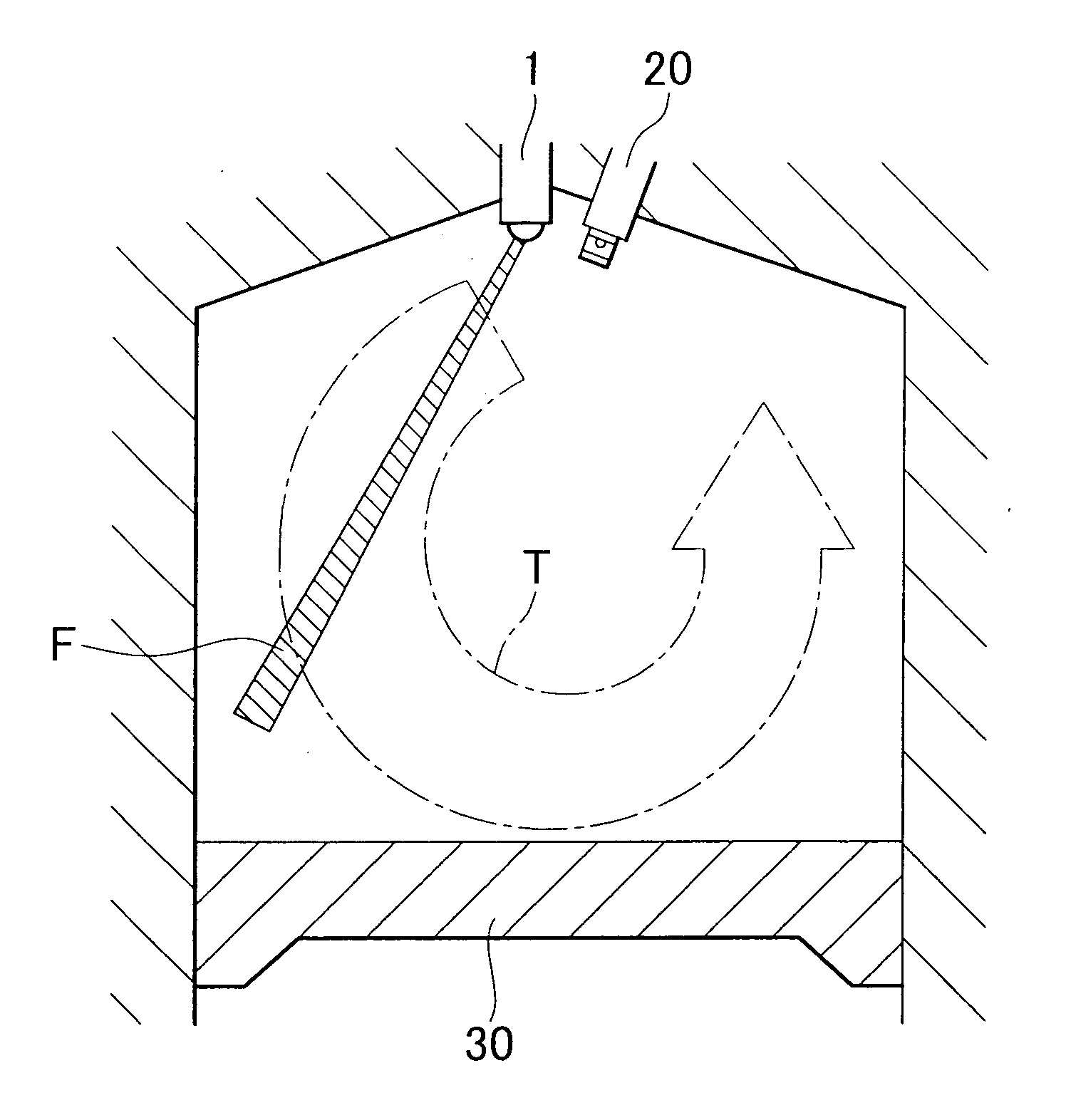
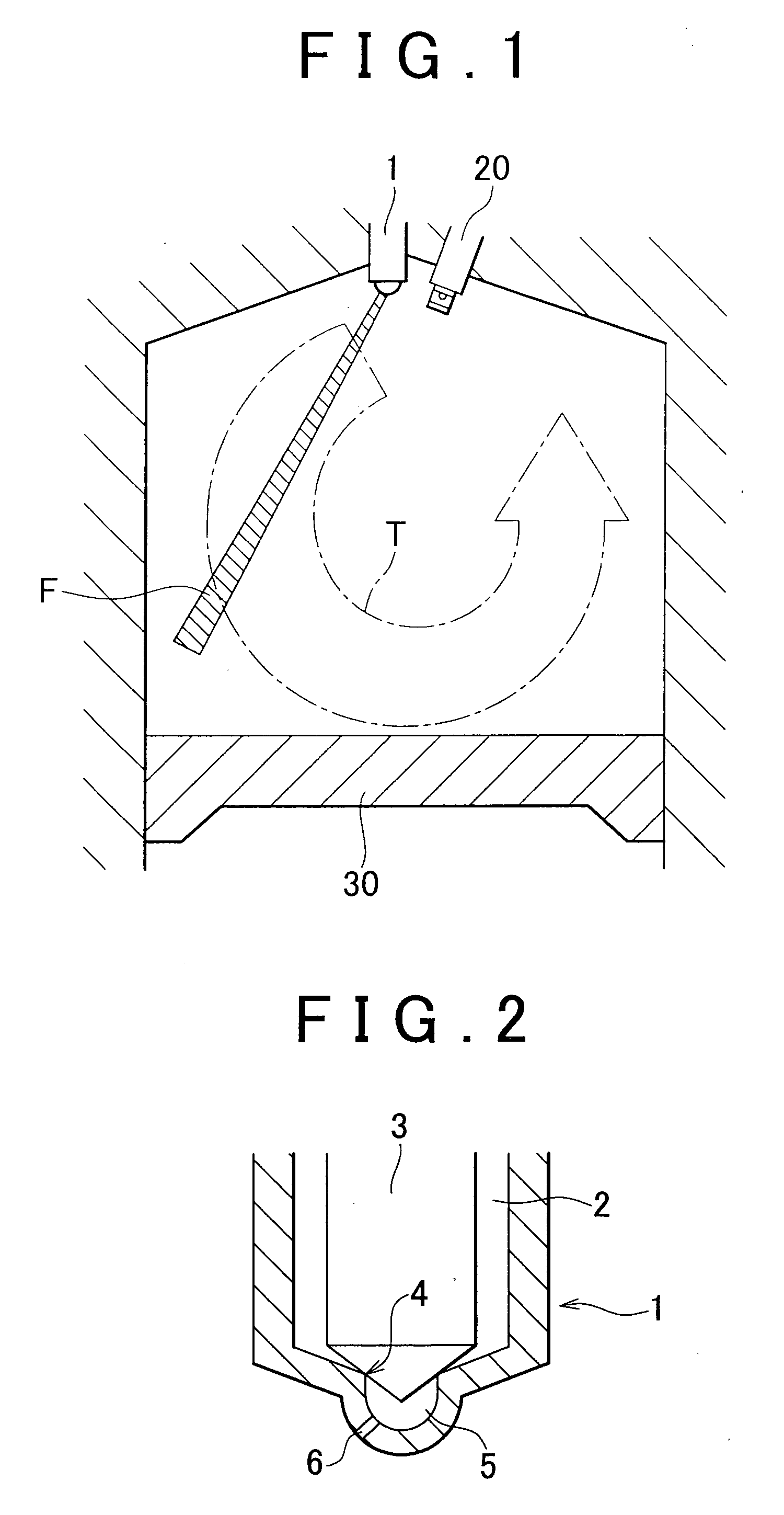
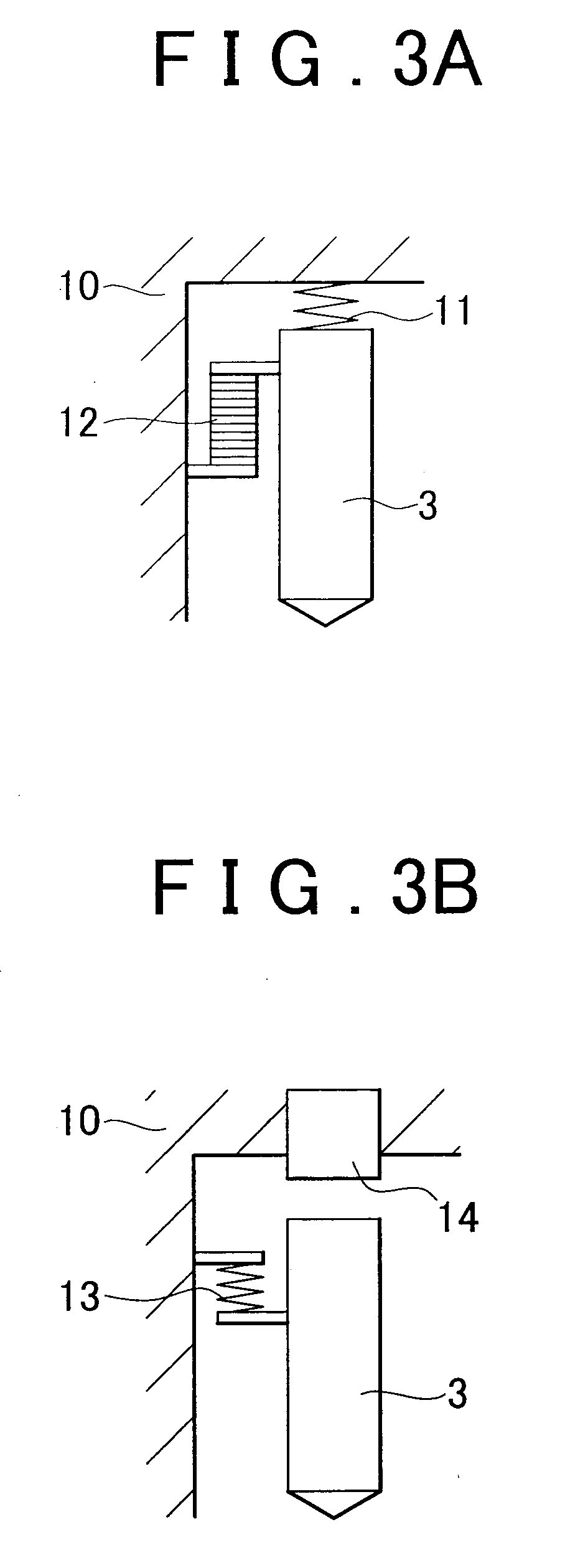
- The engine adjusts fuel injection thrust force based on combustion chamber state, fuel temperature, and injection hole orientation, with adaptive control of fuel injection pressure and temperature to optimize tumble flow intensity, including cooling the fuel injector with air flow and varying the lift of the valve element to manage fuel vaporization and distribution.

Emissions Regulations
Emissions regulations have played a significant role in shaping the development and adoption of direct and indirect injection systems in LS engine combustion. These regulations, aimed at reducing harmful emissions and improving air quality, have become increasingly stringent over the years, pushing manufacturers to innovate and refine their engine technologies.
In the United States, the Environmental Protection Agency (EPA) has been at the forefront of implementing emissions standards for vehicles. The Clean Air Act of 1970 and its subsequent amendments have set progressively tighter limits on pollutants such as carbon monoxide (CO), nitrogen oxides (NOx), and particulate matter (PM). These regulations have had a profound impact on engine design and fuel injection systems.
Direct injection technology has gained prominence in recent years due to its ability to meet stricter emissions standards while maintaining or improving engine performance. By precisely controlling fuel delivery and combustion timing, direct injection systems can reduce emissions of NOx and PM compared to traditional indirect injection systems. This advantage has made direct injection increasingly attractive to manufacturers seeking to comply with tightening regulations.
The European Union has also implemented stringent emissions standards through its Euro emissions regulations. These standards have progressively reduced allowable emissions levels for various pollutants, with Euro 6 being the current standard. The implementation of these regulations has further accelerated the adoption of direct injection technology in LS engines and other engine types.
China, another major automotive market, has introduced its own emissions standards based on European regulations. The China 6 standard, implemented in 2020, is comparable to Euro 6 in terms of stringency. This global trend towards stricter emissions regulations has created a unified push for more advanced fuel injection technologies across major markets.
As emissions regulations continue to evolve, manufacturers are exploring hybrid solutions that combine the benefits of both direct and indirect injection systems. These advanced systems aim to optimize fuel efficiency and emissions reduction across various operating conditions. The ongoing development of these technologies is directly influenced by the need to meet future emissions targets, which are expected to become even more demanding.
The impact of emissions regulations extends beyond just the choice between direct and indirect injection. It has also driven advancements in related technologies such as exhaust gas recirculation (EGR), catalytic converters, and particulate filters. These complementary systems work in conjunction with fuel injection technologies to further reduce emissions and meet regulatory requirements.
In the United States, the Environmental Protection Agency (EPA) has been at the forefront of implementing emissions standards for vehicles. The Clean Air Act of 1970 and its subsequent amendments have set progressively tighter limits on pollutants such as carbon monoxide (CO), nitrogen oxides (NOx), and particulate matter (PM). These regulations have had a profound impact on engine design and fuel injection systems.
Direct injection technology has gained prominence in recent years due to its ability to meet stricter emissions standards while maintaining or improving engine performance. By precisely controlling fuel delivery and combustion timing, direct injection systems can reduce emissions of NOx and PM compared to traditional indirect injection systems. This advantage has made direct injection increasingly attractive to manufacturers seeking to comply with tightening regulations.
The European Union has also implemented stringent emissions standards through its Euro emissions regulations. These standards have progressively reduced allowable emissions levels for various pollutants, with Euro 6 being the current standard. The implementation of these regulations has further accelerated the adoption of direct injection technology in LS engines and other engine types.
China, another major automotive market, has introduced its own emissions standards based on European regulations. The China 6 standard, implemented in 2020, is comparable to Euro 6 in terms of stringency. This global trend towards stricter emissions regulations has created a unified push for more advanced fuel injection technologies across major markets.
As emissions regulations continue to evolve, manufacturers are exploring hybrid solutions that combine the benefits of both direct and indirect injection systems. These advanced systems aim to optimize fuel efficiency and emissions reduction across various operating conditions. The ongoing development of these technologies is directly influenced by the need to meet future emissions targets, which are expected to become even more demanding.
The impact of emissions regulations extends beyond just the choice between direct and indirect injection. It has also driven advancements in related technologies such as exhaust gas recirculation (EGR), catalytic converters, and particulate filters. These complementary systems work in conjunction with fuel injection technologies to further reduce emissions and meet regulatory requirements.
Fuel Efficiency Impact
The impact of direct and indirect injection systems on fuel efficiency in LS engine combustion is significant and multifaceted. Direct injection (DI) technology has demonstrated superior fuel economy compared to its indirect injection (IDI) counterpart in LS engines. This improvement is primarily attributed to the precise control over fuel delivery and timing that DI systems offer.
In DI systems, fuel is injected directly into the combustion chamber at high pressure, allowing for more accurate fuel metering and better atomization. This results in a more homogeneous air-fuel mixture, leading to more complete combustion and reduced fuel waste. The ability to inject fuel later in the compression stroke also enables higher compression ratios, further enhancing thermal efficiency.
Conversely, IDI systems inject fuel into a pre-chamber or swirl chamber before it enters the main combustion chamber. While this method promotes better fuel mixing, it can lead to increased heat loss and reduced overall efficiency. The additional time and surface area exposure during the mixing process can result in fuel condensation on chamber walls, contributing to incomplete combustion and increased emissions.
DI systems in LS engines have shown fuel efficiency improvements of up to 15% compared to their IDI counterparts. This substantial gain is particularly evident in part-load conditions, where DI allows for stratified charge operation. By creating a fuel-rich zone near the spark plug and a leaner mixture elsewhere, engines can operate with overall leaner air-fuel ratios, significantly reducing fuel consumption.
Furthermore, DI technology enables more advanced combustion strategies such as lean-burn and homogeneous charge compression ignition (HCCI). These strategies push the boundaries of efficiency by operating at ultra-lean air-fuel ratios or achieving auto-ignition without spark assistance, respectively. Such advancements have the potential to yield even greater fuel economy benefits in future LS engine designs.
However, it is important to note that the fuel efficiency advantages of DI systems come with increased complexity and cost. The high-pressure fuel pumps, precision injectors, and sophisticated control systems required for DI add to the overall engine expense. Additionally, DI engines may be more susceptible to carbon buildup on intake valves due to the lack of fuel wash, potentially impacting long-term efficiency if not properly maintained.
In conclusion, while both injection systems have their merits, direct injection has emerged as the superior technology for fuel efficiency in LS engine combustion. As environmental regulations become increasingly stringent and consumer demand for fuel-efficient vehicles grows, the adoption of DI technology in LS engines is likely to continue its upward trend, driving further innovations in combustion efficiency and engine design.
In DI systems, fuel is injected directly into the combustion chamber at high pressure, allowing for more accurate fuel metering and better atomization. This results in a more homogeneous air-fuel mixture, leading to more complete combustion and reduced fuel waste. The ability to inject fuel later in the compression stroke also enables higher compression ratios, further enhancing thermal efficiency.
Conversely, IDI systems inject fuel into a pre-chamber or swirl chamber before it enters the main combustion chamber. While this method promotes better fuel mixing, it can lead to increased heat loss and reduced overall efficiency. The additional time and surface area exposure during the mixing process can result in fuel condensation on chamber walls, contributing to incomplete combustion and increased emissions.
DI systems in LS engines have shown fuel efficiency improvements of up to 15% compared to their IDI counterparts. This substantial gain is particularly evident in part-load conditions, where DI allows for stratified charge operation. By creating a fuel-rich zone near the spark plug and a leaner mixture elsewhere, engines can operate with overall leaner air-fuel ratios, significantly reducing fuel consumption.
Furthermore, DI technology enables more advanced combustion strategies such as lean-burn and homogeneous charge compression ignition (HCCI). These strategies push the boundaries of efficiency by operating at ultra-lean air-fuel ratios or achieving auto-ignition without spark assistance, respectively. Such advancements have the potential to yield even greater fuel economy benefits in future LS engine designs.
However, it is important to note that the fuel efficiency advantages of DI systems come with increased complexity and cost. The high-pressure fuel pumps, precision injectors, and sophisticated control systems required for DI add to the overall engine expense. Additionally, DI engines may be more susceptible to carbon buildup on intake valves due to the lack of fuel wash, potentially impacting long-term efficiency if not properly maintained.
In conclusion, while both injection systems have their merits, direct injection has emerged as the superior technology for fuel efficiency in LS engine combustion. As environmental regulations become increasingly stringent and consumer demand for fuel-efficient vehicles grows, the adoption of DI technology in LS engines is likely to continue its upward trend, driving further innovations in combustion efficiency and engine design.
Unlock deeper insights with Patsnap Eureka Quick Research — get a full tech report to explore trends and direct your research. Try now!
Generate Your Research Report Instantly with AI Agent
Supercharge your innovation with Patsnap Eureka AI Agent Platform!