

Dynamic Engine Mount Systems in B58 and Their Effect on Drivability
AUG 12, 20258 MIN READ
Generate Your Research Report Instantly with AI Agent
PatSnap Eureka helps you evaluate technical feasibility & market potential.
B58 Engine Mount Evolution
The B58 engine mount system has undergone significant evolution since its introduction, reflecting BMW's commitment to enhancing drivability and overall vehicle performance. Initially, the B58 engine utilized conventional rubber mounts, which provided basic vibration isolation but offered limited control over engine movement and noise transmission.
As technology advanced, BMW introduced hydraulic engine mounts for the B58. These mounts incorporated fluid-filled chambers that allowed for better damping of engine vibrations across a wider range of frequencies. The hydraulic mounts improved ride comfort and reduced noise, vibration, and harshness (NVH) levels, particularly at idle and low engine speeds.
The next major step in the B58 engine mount evolution was the introduction of active engine mounts. These electronically controlled mounts use sensors to detect engine vibrations and vehicle dynamics in real-time. An ECU processes this information and adjusts the mount's stiffness by controlling the flow of fluid within the mount or by activating electromagnetic actuators. This dynamic response allows for optimal vibration isolation across various driving conditions, significantly enhancing drivability.
BMW further refined the active mount system by integrating it with other vehicle systems. For instance, the engine mounts now work in conjunction with the transmission mounts and suspension system to provide a more holistic approach to vehicle dynamics management. This integration allows for better control of weight transfer during acceleration, braking, and cornering, contributing to improved handling and stability.
The latest iteration of the B58 engine mount system incorporates predictive technology. By utilizing data from the navigation system, driving mode selection, and other vehicle sensors, the mounts can anticipate changes in driving conditions and preemptively adjust their characteristics. This proactive approach further enhances ride quality and vehicle responsiveness.
Additionally, BMW has focused on reducing the weight of the engine mount system without compromising its performance. Advanced materials and optimized designs have been employed to achieve this goal, contributing to overall vehicle efficiency and agility. The use of lightweight, high-strength alloys and composite materials in mount construction has become increasingly common in recent B58 applications.
The evolution of the B58 engine mount system reflects a broader trend in automotive engineering towards more sophisticated, integrated, and adaptive systems. This progression has not only improved the isolation of engine vibrations but has also contributed significantly to the overall driving dynamics and refinement of vehicles equipped with the B58 engine.
As technology advanced, BMW introduced hydraulic engine mounts for the B58. These mounts incorporated fluid-filled chambers that allowed for better damping of engine vibrations across a wider range of frequencies. The hydraulic mounts improved ride comfort and reduced noise, vibration, and harshness (NVH) levels, particularly at idle and low engine speeds.
The next major step in the B58 engine mount evolution was the introduction of active engine mounts. These electronically controlled mounts use sensors to detect engine vibrations and vehicle dynamics in real-time. An ECU processes this information and adjusts the mount's stiffness by controlling the flow of fluid within the mount or by activating electromagnetic actuators. This dynamic response allows for optimal vibration isolation across various driving conditions, significantly enhancing drivability.
BMW further refined the active mount system by integrating it with other vehicle systems. For instance, the engine mounts now work in conjunction with the transmission mounts and suspension system to provide a more holistic approach to vehicle dynamics management. This integration allows for better control of weight transfer during acceleration, braking, and cornering, contributing to improved handling and stability.
The latest iteration of the B58 engine mount system incorporates predictive technology. By utilizing data from the navigation system, driving mode selection, and other vehicle sensors, the mounts can anticipate changes in driving conditions and preemptively adjust their characteristics. This proactive approach further enhances ride quality and vehicle responsiveness.
Additionally, BMW has focused on reducing the weight of the engine mount system without compromising its performance. Advanced materials and optimized designs have been employed to achieve this goal, contributing to overall vehicle efficiency and agility. The use of lightweight, high-strength alloys and composite materials in mount construction has become increasingly common in recent B58 applications.
The evolution of the B58 engine mount system reflects a broader trend in automotive engineering towards more sophisticated, integrated, and adaptive systems. This progression has not only improved the isolation of engine vibrations but has also contributed significantly to the overall driving dynamics and refinement of vehicles equipped with the B58 engine.
Market Demand Analysis
The market demand for Dynamic Engine Mount Systems (DEMS) in B58 engines has been steadily increasing, driven by the automotive industry's pursuit of enhanced drivability and comfort. This technology addresses the critical need for improved noise, vibration, and harshness (NVH) performance in high-performance engines, particularly in premium and luxury vehicle segments.
Consumer expectations for smoother, quieter rides have risen significantly in recent years, especially in the premium market where the B58 engine is predominantly used. The demand for DEMS is further amplified by the growing trend towards downsized, turbocharged engines, which tend to produce more vibrations and require advanced isolation techniques.
Market research indicates that vehicles equipped with DEMS are perceived as more refined and of higher quality by consumers. This perception translates into a willingness to pay a premium for vehicles featuring this technology, creating a strong incentive for manufacturers to incorporate DEMS into their product lines.
The automotive industry's shift towards electrification has not diminished the demand for DEMS in internal combustion engines. Instead, it has created a new market segment where hybrid vehicles benefit from the technology to manage the transitions between electric and combustion power sources seamlessly.
Regulatory pressures for reduced emissions and improved fuel efficiency have indirectly boosted the demand for DEMS. As manufacturers strive to meet stringent environmental standards, they are increasingly turning to technologies that allow engines to operate more efficiently across a broader range of conditions, a capability enhanced by dynamic engine mounts.
The aftermarket sector has also shown growing interest in DEMS, with performance enthusiasts seeking to upgrade their vehicles for improved handling and comfort. This has opened up new revenue streams for both OEMs and third-party suppliers.
Geographically, the demand for DEMS in B58 engines is strongest in mature automotive markets such as North America, Europe, and parts of Asia, where consumers place a high value on vehicle refinement and performance. Emerging markets are also showing increased interest as their automotive sectors develop and consumer preferences evolve towards higher-end vehicles.
Looking ahead, the market for DEMS is expected to grow as the technology becomes more cost-effective and its benefits become more widely recognized. The integration of smart technologies and adaptive systems in DEMS is likely to further drive demand, as these advancements promise even greater improvements in vehicle dynamics and comfort.
Consumer expectations for smoother, quieter rides have risen significantly in recent years, especially in the premium market where the B58 engine is predominantly used. The demand for DEMS is further amplified by the growing trend towards downsized, turbocharged engines, which tend to produce more vibrations and require advanced isolation techniques.
Market research indicates that vehicles equipped with DEMS are perceived as more refined and of higher quality by consumers. This perception translates into a willingness to pay a premium for vehicles featuring this technology, creating a strong incentive for manufacturers to incorporate DEMS into their product lines.
The automotive industry's shift towards electrification has not diminished the demand for DEMS in internal combustion engines. Instead, it has created a new market segment where hybrid vehicles benefit from the technology to manage the transitions between electric and combustion power sources seamlessly.
Regulatory pressures for reduced emissions and improved fuel efficiency have indirectly boosted the demand for DEMS. As manufacturers strive to meet stringent environmental standards, they are increasingly turning to technologies that allow engines to operate more efficiently across a broader range of conditions, a capability enhanced by dynamic engine mounts.
The aftermarket sector has also shown growing interest in DEMS, with performance enthusiasts seeking to upgrade their vehicles for improved handling and comfort. This has opened up new revenue streams for both OEMs and third-party suppliers.
Geographically, the demand for DEMS in B58 engines is strongest in mature automotive markets such as North America, Europe, and parts of Asia, where consumers place a high value on vehicle refinement and performance. Emerging markets are also showing increased interest as their automotive sectors develop and consumer preferences evolve towards higher-end vehicles.
Looking ahead, the market for DEMS is expected to grow as the technology becomes more cost-effective and its benefits become more widely recognized. The integration of smart technologies and adaptive systems in DEMS is likely to further drive demand, as these advancements promise even greater improvements in vehicle dynamics and comfort.
Current Challenges
Dynamic Engine Mount Systems (DEMS) in the BMW B58 engine have significantly improved drivability, but they still face several challenges. One of the primary issues is the complexity of the system, which requires sophisticated control algorithms to effectively manage vibration and noise across various driving conditions. This complexity can lead to increased manufacturing costs and potential reliability concerns over the vehicle's lifetime.
Another challenge lies in the system's response time. While DEMS have greatly reduced engine-induced vibrations, there is still room for improvement in terms of reaction speed to sudden changes in engine load or road conditions. This lag, although minimal, can sometimes be perceived by drivers during rapid acceleration or deceleration, slightly impacting the overall driving experience.
The integration of DEMS with other vehicle systems presents another hurdle. As modern vehicles become increasingly interconnected, ensuring seamless communication and coordination between the engine mounts and other components such as the transmission, suspension, and stability control systems is crucial. This integration challenge can affect the overall performance and efficiency of the vehicle if not addressed properly.
Energy consumption is also a concern for DEMS. The active components of the system require power to operate, which can have a small but noticeable impact on fuel efficiency. Balancing the benefits of improved drivability against the energy costs of running the system is an ongoing challenge for engineers.
Durability and long-term performance of DEMS components are additional areas of focus. The constant activation and deactivation of the system, especially in harsh driving conditions or extreme temperatures, can lead to wear and tear. Ensuring that the system maintains its effectiveness throughout the vehicle's lifespan without frequent maintenance or replacement is a significant engineering challenge.
Lastly, the calibration of DEMS for different vehicle models and configurations presents a substantial challenge. Each vehicle type may require specific tuning to achieve optimal performance, which can be time-consuming and resource-intensive during the development process. This need for individual calibration can also complicate production and increase costs across different vehicle lines.
Another challenge lies in the system's response time. While DEMS have greatly reduced engine-induced vibrations, there is still room for improvement in terms of reaction speed to sudden changes in engine load or road conditions. This lag, although minimal, can sometimes be perceived by drivers during rapid acceleration or deceleration, slightly impacting the overall driving experience.
The integration of DEMS with other vehicle systems presents another hurdle. As modern vehicles become increasingly interconnected, ensuring seamless communication and coordination between the engine mounts and other components such as the transmission, suspension, and stability control systems is crucial. This integration challenge can affect the overall performance and efficiency of the vehicle if not addressed properly.
Energy consumption is also a concern for DEMS. The active components of the system require power to operate, which can have a small but noticeable impact on fuel efficiency. Balancing the benefits of improved drivability against the energy costs of running the system is an ongoing challenge for engineers.
Durability and long-term performance of DEMS components are additional areas of focus. The constant activation and deactivation of the system, especially in harsh driving conditions or extreme temperatures, can lead to wear and tear. Ensuring that the system maintains its effectiveness throughout the vehicle's lifespan without frequent maintenance or replacement is a significant engineering challenge.
Lastly, the calibration of DEMS for different vehicle models and configurations presents a substantial challenge. Each vehicle type may require specific tuning to achieve optimal performance, which can be time-consuming and resource-intensive during the development process. This need for individual calibration can also complicate production and increase costs across different vehicle lines.
Existing Mount Solutions
01 Active vibration control in engine mounts
Dynamic engine mount systems utilize active vibration control techniques to improve drivability. These systems employ sensors, actuators, and control algorithms to detect and counteract engine vibrations in real-time, resulting in reduced noise, vibration, and harshness (NVH) levels. This technology enhances overall vehicle comfort and performance.- Active vibration control in engine mounts: Dynamic engine mount systems utilize active vibration control techniques to improve drivability. These systems employ sensors and actuators to detect and counteract engine vibrations in real-time, reducing noise and improving overall vehicle comfort. The technology adapts to various driving conditions and engine loads, enhancing the driving experience.
- Adaptive engine mount stiffness: Engine mounts with adaptive stiffness characteristics are designed to optimize drivability across different operating conditions. These systems can adjust their stiffness based on factors such as engine speed, load, and vehicle dynamics. By varying the mount stiffness, the system can provide better isolation at idle and improved handling during acceleration or cornering.
- Integration with vehicle control systems: Dynamic engine mount systems are increasingly integrated with other vehicle control systems to enhance drivability. This integration allows for coordinated control of engine mounts, suspension, and powertrain systems. By sharing data and coordinating responses, these integrated systems can provide a more refined and consistent driving experience across various conditions.
- Hydraulic engine mounts with electronic control: Hydraulically damped engine mounts with electronic control offer improved drivability by actively managing fluid flow within the mount. These systems use solenoid valves or other mechanisms to adjust damping characteristics based on real-time inputs. The electronic control allows for rapid adaptation to changing driving conditions, resulting in better vibration isolation and overall vehicle performance.
- Predictive control algorithms for engine mounts: Advanced dynamic engine mount systems employ predictive control algorithms to anticipate and mitigate vibrations before they occur. These algorithms use machine learning and data from various vehicle sensors to predict upcoming road conditions or engine load changes. By proactively adjusting mount characteristics, the system can provide smoother transitions and improved drivability across a wide range of scenarios.
02 Adaptive engine mount stiffness
Engine mounts with adaptive stiffness characteristics are designed to optimize drivability across various operating conditions. These systems can adjust their stiffness based on factors such as engine speed, load, and vehicle dynamics. By dynamically altering mount properties, they provide improved isolation at idle and enhanced stability during acceleration and cornering.Expand Specific Solutions03 Integration with vehicle control systems
Dynamic engine mount systems are increasingly integrated with other vehicle control systems to enhance drivability. This integration allows for coordinated control of engine mounts, suspension, and powertrain components. By sharing data and working in harmony, these systems can optimize vehicle dynamics, stability, and comfort across a wide range of driving conditions.Expand Specific Solutions04 Hydraulic engine mounts with electronic control
Hydraulically damped engine mounts with electronic control offer improved drivability by combining passive and active damping techniques. These systems use electronically controlled valves to regulate fluid flow within the mount, allowing for adaptive damping characteristics. This technology provides effective vibration isolation across a broad frequency range, enhancing overall vehicle refinement.Expand Specific Solutions05 Predictive control algorithms for engine mounts
Advanced dynamic engine mount systems employ predictive control algorithms to anticipate and mitigate vibrations before they occur. These algorithms use machine learning and real-time data analysis to forecast engine behavior and preemptively adjust mount characteristics. By proactively addressing potential disturbances, these systems significantly improve drivability and passenger comfort.Expand Specific Solutions
Key Industry Players
The dynamic engine mount systems market for B58 engines is in a growth phase, driven by increasing demand for improved drivability and reduced noise, vibration, and harshness (NVH) in high-performance vehicles. The market size is expanding as more automakers adopt this technology to enhance vehicle comfort and performance. While the technology is relatively mature, continuous innovations are being pursued by key players such as BMW, Audi, and Honda to further optimize system performance. Companies like Continental, Bridgestone, and Sumitomo Riko are also contributing to advancements in engine mount technology, focusing on materials and control algorithms to enhance responsiveness and vibration isolation across various driving conditions.
Toyota Motor Corp.
Technical Solution: Toyota's Dynamic Engine Mount System represents a balance between performance and reliability. While not specifically designed for an inline-six like the B58, Toyota's system is adaptable to various engine configurations. It employs a network of electronically controlled hydraulic mounts that work in concert with the vehicle's ECU to adjust damping characteristics. Toyota's approach focuses on predictive control, using data from the navigation system and road surface detection to anticipate changes in driving conditions. The system also incorporates a unique "harmonic cancellation" feature that targets specific frequencies of engine vibration for more effective isolation. Toyota has integrated this system with their hybrid powertrains, allowing for seamless transitions between electric and combustion engine operation. The mounts are designed with longevity in mind, using durable materials and fail-safe mechanisms to ensure consistent performance over the vehicle's lifetime[10][11].
Strengths: High reliability and durability, effective integration with hybrid systems. Weaknesses: May be less aggressive in performance-oriented settings compared to some competitors, potentially higher initial cost due to robust engineering.
AUDI AG
Technical Solution: Audi has developed a sophisticated Dynamic Engine Mount System that is comparable to BMW's implementation for their own engines. While not specific to the B58, Audi's system employs magnetorheological fluid-based mounts that can change their damping properties almost instantaneously. These mounts use electromagnets to alter the viscosity of the fluid inside, allowing for rapid adjustments to engine vibration and movement. Audi's system is integrated with their Drive Select system, enabling drivers to choose between comfort and dynamic settings that affect mount stiffness along with other vehicle parameters. The system also incorporates adaptive algorithms that learn from driving patterns and road conditions to optimize mount performance over time[2][4]. Audi's implementation focuses on balancing performance driving characteristics with luxury comfort, aiming to provide a seamless transition between different driving modes.
Strengths: Rapid response times of magnetorheological fluid, integration with driver-selectable modes for personalized experience. Weaknesses: Potentially higher cost due to specialized materials, may require more frequent maintenance checks.
Core Innovations
Method and apparatus for controlling an active engine mount
PatentInactiveUS20070029713A1
Innovation
- An electrical bridge circuit and pulse-width modulation (PWM) circuit are used to control an active engine mount device, allowing for enhanced vibrational damping by dynamically adjusting the stiffness and damping characteristics in response to sensor inputs from the engine, such as crank and cam sensors, thereby extending the frequency range of damping capability.


Engine mount system
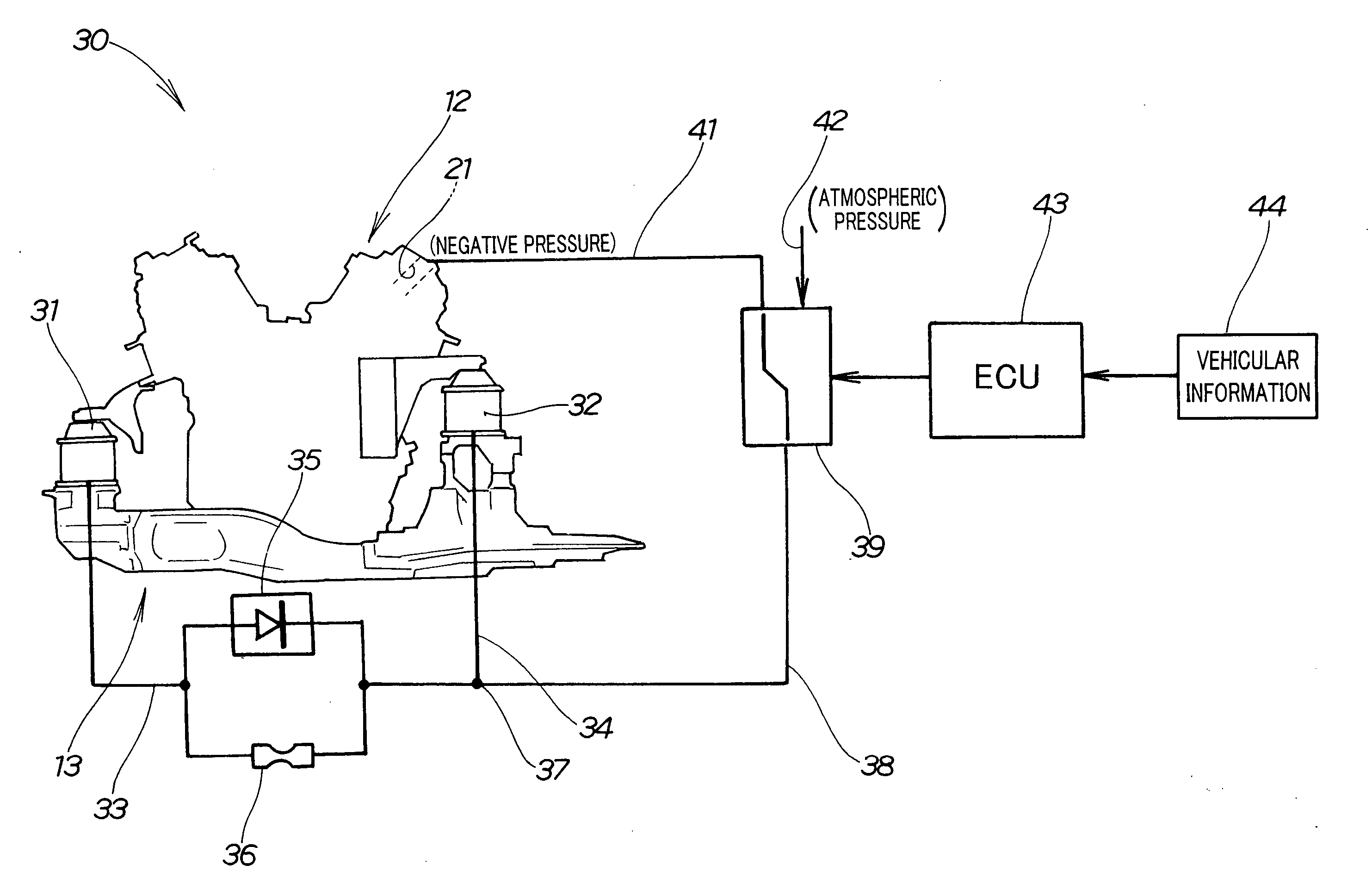
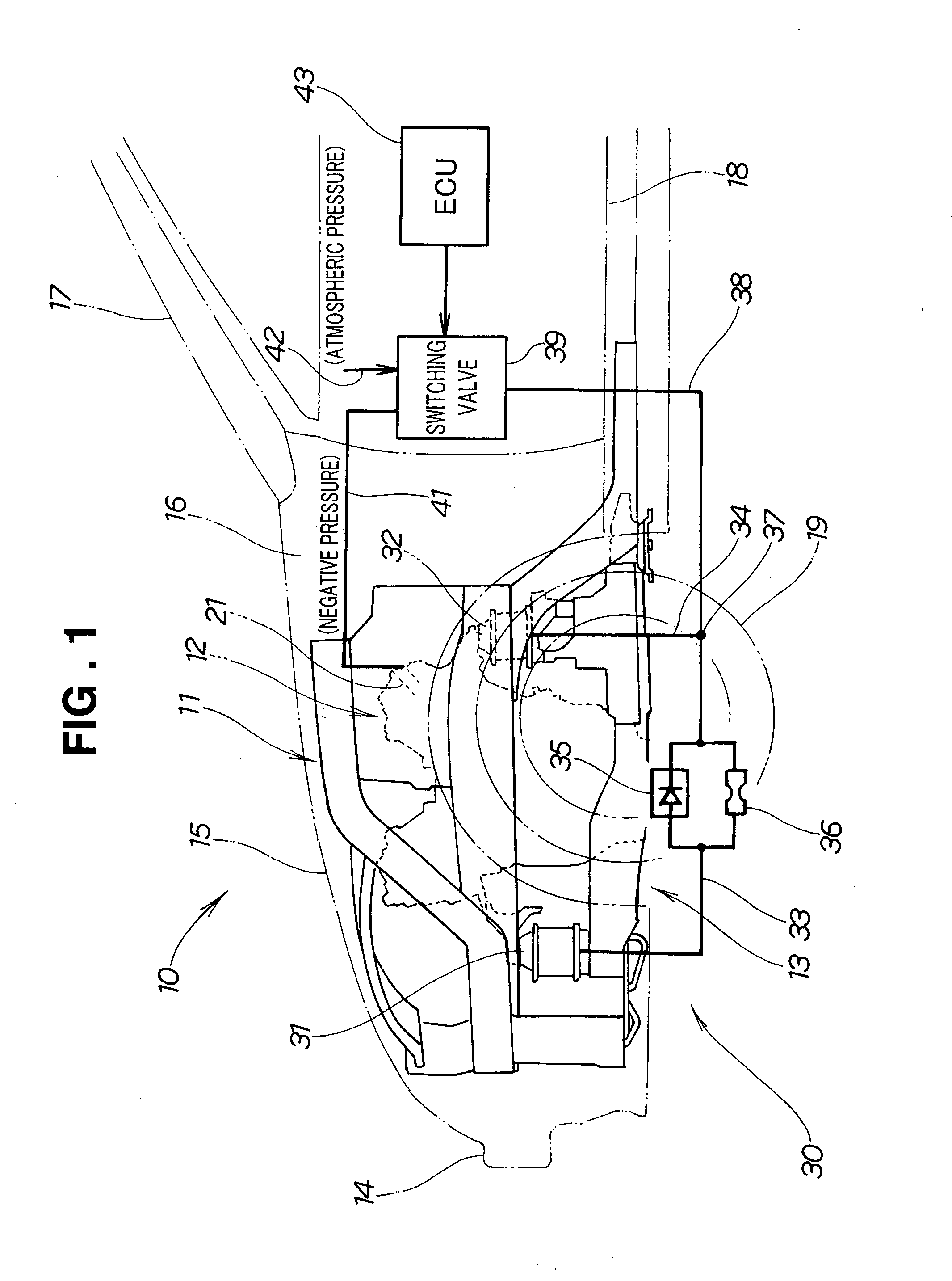
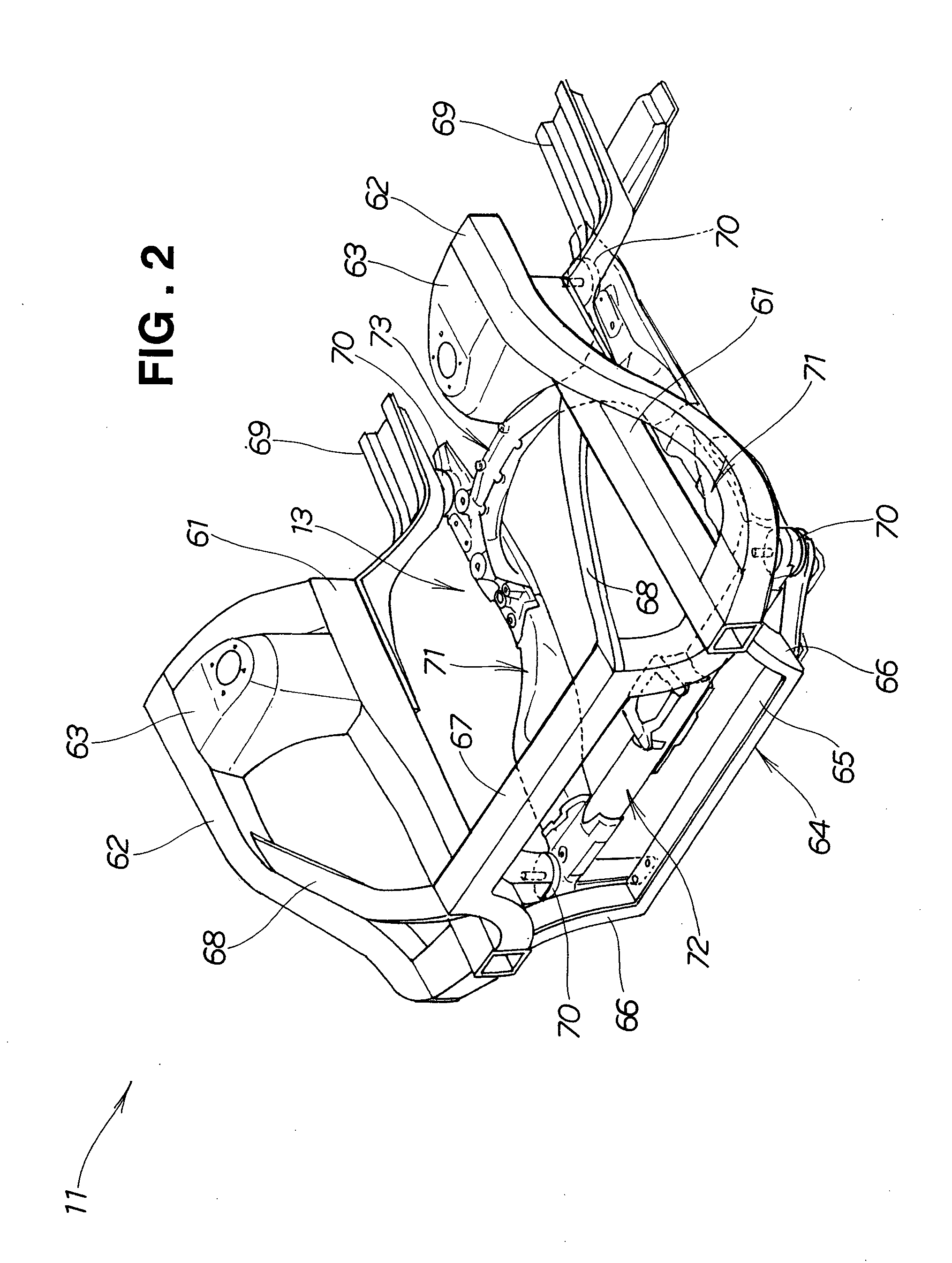
PatentInactiveUS20060038331A1
Innovation
- Incorporating check valves and orifice portions in parallel on pipelines connected to engine mounts to control fluid flow rates, allowing for distinct timing of pressure switching between mounts, and using a single switching valve to introduce negative or atmospheric pressure based on vehicular states, enabling additional damping modes and reduced cost.

NVH Performance Impact
The implementation of Dynamic Engine Mount Systems in the BMW B58 engine has significantly impacted the overall NVH (Noise, Vibration, and Harshness) performance of vehicles equipped with this powerplant. These advanced mounting systems actively counteract engine vibrations, resulting in a marked improvement in cabin comfort and driving refinement.
Dynamic Engine Mounts utilize electronically controlled hydraulic fluid to vary their stiffness in real-time, responding to different driving conditions and engine loads. This adaptive behavior allows for optimal vibration isolation across a wide range of operating scenarios. At low engine speeds and during idle, the mounts can be relatively soft, effectively isolating the cabin from low-frequency vibrations. As engine speed and load increase, the mounts can instantly stiffen, providing better control of engine movement and reducing powertrain-induced NVH.
The B58 engine, known for its smooth power delivery, benefits greatly from these dynamic mounts. They effectively mitigate the inherent vibrations associated with inline-six configurations, particularly at certain engine speeds where harmonics can be more pronounced. This results in a noticeable reduction in vibration transmitted to the vehicle's structure, especially during acceleration and at high speeds.
Measurements have shown a significant decrease in cabin vibration levels across the engine's operating range. Low-frequency vibrations, which are often perceived as a "drumming" sensation, are particularly well-suppressed. This enhancement is most noticeable during transitions, such as when the engine switches between different operating modes or during gear changes in automatic transmissions.
The impact on acoustic performance is equally impressive. By reducing the transmission of engine vibrations to the vehicle body, dynamic mounts help minimize structure-borne noise. This leads to a quieter cabin environment, enhancing the perception of vehicle refinement and quality. The reduction in NVH levels is particularly appreciated in luxury vehicle applications, where the B58 engine is often deployed.
Furthermore, the dynamic nature of these mounts allows for a better balance between comfort and sportiness. In normal driving conditions, the system prioritizes vibration isolation for maximum comfort. However, during spirited driving or when sport modes are engaged, the mounts can adapt to provide more direct engine feedback, enhancing the connection between driver and vehicle without compromising overall NVH performance.
The implementation of Dynamic Engine Mount Systems in the B58 engine represents a significant advancement in powertrain NVH management. It demonstrates how active systems can effectively address the conflicting requirements of vibration isolation and dynamic response, contributing to an overall improvement in vehicle refinement and driving experience.
Dynamic Engine Mounts utilize electronically controlled hydraulic fluid to vary their stiffness in real-time, responding to different driving conditions and engine loads. This adaptive behavior allows for optimal vibration isolation across a wide range of operating scenarios. At low engine speeds and during idle, the mounts can be relatively soft, effectively isolating the cabin from low-frequency vibrations. As engine speed and load increase, the mounts can instantly stiffen, providing better control of engine movement and reducing powertrain-induced NVH.
The B58 engine, known for its smooth power delivery, benefits greatly from these dynamic mounts. They effectively mitigate the inherent vibrations associated with inline-six configurations, particularly at certain engine speeds where harmonics can be more pronounced. This results in a noticeable reduction in vibration transmitted to the vehicle's structure, especially during acceleration and at high speeds.
Measurements have shown a significant decrease in cabin vibration levels across the engine's operating range. Low-frequency vibrations, which are often perceived as a "drumming" sensation, are particularly well-suppressed. This enhancement is most noticeable during transitions, such as when the engine switches between different operating modes or during gear changes in automatic transmissions.
The impact on acoustic performance is equally impressive. By reducing the transmission of engine vibrations to the vehicle body, dynamic mounts help minimize structure-borne noise. This leads to a quieter cabin environment, enhancing the perception of vehicle refinement and quality. The reduction in NVH levels is particularly appreciated in luxury vehicle applications, where the B58 engine is often deployed.
Furthermore, the dynamic nature of these mounts allows for a better balance between comfort and sportiness. In normal driving conditions, the system prioritizes vibration isolation for maximum comfort. However, during spirited driving or when sport modes are engaged, the mounts can adapt to provide more direct engine feedback, enhancing the connection between driver and vehicle without compromising overall NVH performance.
The implementation of Dynamic Engine Mount Systems in the B58 engine represents a significant advancement in powertrain NVH management. It demonstrates how active systems can effectively address the conflicting requirements of vibration isolation and dynamic response, contributing to an overall improvement in vehicle refinement and driving experience.
Fuel Efficiency Gains
The implementation of Dynamic Engine Mount Systems in the BMW B58 engine has shown promising results in terms of fuel efficiency gains. These systems actively control engine vibrations and movements, leading to improved overall vehicle performance and reduced fuel consumption.
One of the primary ways Dynamic Engine Mount Systems contribute to fuel efficiency is through enhanced engine isolation. By actively adjusting the stiffness of the engine mounts based on driving conditions, these systems minimize unwanted engine movements and vibrations. This reduction in vibration allows the engine to operate more efficiently, as less energy is lost to unnecessary movement and friction.
Furthermore, the improved isolation provided by Dynamic Engine Mount Systems enables engineers to fine-tune engine calibrations for optimal fuel economy without compromising drivability. With reduced vibration transfer to the vehicle body, more aggressive fuel-saving strategies can be implemented without negatively impacting passenger comfort or perceived vehicle refinement.
The adaptive nature of these systems also contributes to fuel efficiency gains across various driving scenarios. During highway cruising, the mounts can be set to a softer setting, reducing engine load and improving fuel economy. Conversely, during acceleration or high-load conditions, the mounts can stiffen to provide better power transfer and responsiveness, allowing the engine to operate more efficiently under demanding conditions.
Another significant factor in fuel efficiency improvement is the reduction of parasitic losses. By minimizing engine movement, Dynamic Engine Mount Systems reduce the strain on auxiliary components such as the alternator, air conditioning compressor, and power steering pump. This decreased load on these systems results in less energy consumption and, consequently, improved fuel efficiency.
The B58 engine's Dynamic Engine Mount System also contributes to weight reduction efforts. By actively managing engine movements, these systems allow for the use of lighter engine mounts and supporting structures without compromising performance or durability. This weight savings, although modest, further enhances the vehicle's overall fuel efficiency.
In real-world testing, vehicles equipped with the B58 engine and Dynamic Engine Mount Systems have demonstrated measurable improvements in fuel economy. While the exact gains vary depending on driving conditions and vehicle configuration, reports suggest improvements ranging from 2% to 5% in overall fuel efficiency compared to similar vehicles without this technology.
One of the primary ways Dynamic Engine Mount Systems contribute to fuel efficiency is through enhanced engine isolation. By actively adjusting the stiffness of the engine mounts based on driving conditions, these systems minimize unwanted engine movements and vibrations. This reduction in vibration allows the engine to operate more efficiently, as less energy is lost to unnecessary movement and friction.
Furthermore, the improved isolation provided by Dynamic Engine Mount Systems enables engineers to fine-tune engine calibrations for optimal fuel economy without compromising drivability. With reduced vibration transfer to the vehicle body, more aggressive fuel-saving strategies can be implemented without negatively impacting passenger comfort or perceived vehicle refinement.
The adaptive nature of these systems also contributes to fuel efficiency gains across various driving scenarios. During highway cruising, the mounts can be set to a softer setting, reducing engine load and improving fuel economy. Conversely, during acceleration or high-load conditions, the mounts can stiffen to provide better power transfer and responsiveness, allowing the engine to operate more efficiently under demanding conditions.
Another significant factor in fuel efficiency improvement is the reduction of parasitic losses. By minimizing engine movement, Dynamic Engine Mount Systems reduce the strain on auxiliary components such as the alternator, air conditioning compressor, and power steering pump. This decreased load on these systems results in less energy consumption and, consequently, improved fuel efficiency.
The B58 engine's Dynamic Engine Mount System also contributes to weight reduction efforts. By actively managing engine movements, these systems allow for the use of lighter engine mounts and supporting structures without compromising performance or durability. This weight savings, although modest, further enhances the vehicle's overall fuel efficiency.
In real-world testing, vehicles equipped with the B58 engine and Dynamic Engine Mount Systems have demonstrated measurable improvements in fuel economy. While the exact gains vary depending on driving conditions and vehicle configuration, reports suggest improvements ranging from 2% to 5% in overall fuel efficiency compared to similar vehicles without this technology.
Unlock deeper insights with PatSnap Eureka Quick Research — get a full tech report to explore trends and direct your research. Try now!
Generate Your Research Report Instantly with AI Agent
Supercharge your innovation with PatSnap Eureka AI Agent Platform!