Exploring All-Weather Design Techniques for Polypropylene Usage
JUL 21, 20259 MIN READ
Generate Your Research Report Instantly with AI Agent
Patsnap Eureka helps you evaluate technical feasibility & market potential.
PP All-Weather Design Background and Objectives
Polypropylene (PP) has been a cornerstone material in various industries for decades, known for its versatility, durability, and cost-effectiveness. However, as global climate patterns become increasingly unpredictable and extreme weather events more frequent, the need for all-weather design techniques in PP usage has become paramount. This technological evolution aims to enhance PP's performance across a wide range of environmental conditions, from scorching heat to freezing temperatures, and from arid to humid climates.
The primary objective of exploring all-weather design techniques for PP usage is to develop innovative solutions that can maintain or improve the material's properties under diverse and challenging weather conditions. This involves addressing key limitations such as thermal expansion, UV degradation, and moisture absorption, which can significantly affect PP's performance and longevity in outdoor applications.
Historically, PP has undergone several iterations of improvement since its discovery in the 1950s. Initial developments focused on enhancing its basic mechanical properties and processability. As the material found its way into more demanding applications, research shifted towards improving its resistance to environmental factors. The current push for all-weather design techniques represents the next frontier in PP technology, driven by the growing need for materials that can withstand increasingly extreme and variable climate conditions.
The technological trajectory in this field is closely aligned with global trends in sustainability and circular economy principles. As such, the development of all-weather PP solutions must not only focus on performance enhancement but also consider environmental impact, recyclability, and long-term sustainability. This holistic approach to material development reflects a broader shift in the industry towards more responsible and future-proof technologies.
Key areas of focus in the exploration of all-weather design techniques for PP include the development of advanced additives and stabilizers, novel composite formulations, and innovative surface treatment methods. These approaches aim to create PP variants that can maintain their structural integrity, appearance, and functionality across a broad spectrum of environmental conditions, without compromising the material's inherent advantages or recyclability.
The pursuit of these technological advancements is driven by market demands across multiple sectors, including automotive, construction, packaging, and outdoor equipment. Each of these industries faces unique challenges related to material performance in varying weather conditions, necessitating tailored solutions that can address specific application requirements while maintaining broad applicability.
The primary objective of exploring all-weather design techniques for PP usage is to develop innovative solutions that can maintain or improve the material's properties under diverse and challenging weather conditions. This involves addressing key limitations such as thermal expansion, UV degradation, and moisture absorption, which can significantly affect PP's performance and longevity in outdoor applications.
Historically, PP has undergone several iterations of improvement since its discovery in the 1950s. Initial developments focused on enhancing its basic mechanical properties and processability. As the material found its way into more demanding applications, research shifted towards improving its resistance to environmental factors. The current push for all-weather design techniques represents the next frontier in PP technology, driven by the growing need for materials that can withstand increasingly extreme and variable climate conditions.
The technological trajectory in this field is closely aligned with global trends in sustainability and circular economy principles. As such, the development of all-weather PP solutions must not only focus on performance enhancement but also consider environmental impact, recyclability, and long-term sustainability. This holistic approach to material development reflects a broader shift in the industry towards more responsible and future-proof technologies.
Key areas of focus in the exploration of all-weather design techniques for PP include the development of advanced additives and stabilizers, novel composite formulations, and innovative surface treatment methods. These approaches aim to create PP variants that can maintain their structural integrity, appearance, and functionality across a broad spectrum of environmental conditions, without compromising the material's inherent advantages or recyclability.
The pursuit of these technological advancements is driven by market demands across multiple sectors, including automotive, construction, packaging, and outdoor equipment. Each of these industries faces unique challenges related to material performance in varying weather conditions, necessitating tailored solutions that can address specific application requirements while maintaining broad applicability.
Market Analysis for All-Weather PP Products
The market for all-weather polypropylene (PP) products has shown significant growth in recent years, driven by increasing demand for durable and versatile materials across various industries. The global PP market size was valued at $126.03 billion in 2021 and is projected to reach $226.37 billion by 2030, growing at a CAGR of 6.7% during the forecast period. This growth is largely attributed to the expanding applications of PP in automotive, packaging, construction, and consumer goods sectors.
In the automotive industry, all-weather PP products are gaining traction due to their ability to withstand extreme temperatures and resist chemical degradation. The lightweight nature of PP also contributes to fuel efficiency, aligning with stringent environmental regulations. The automotive PP market is expected to grow at a CAGR of 5.8% from 2022 to 2030, with a particular focus on all-weather applications for exterior and interior components.
The packaging industry remains a key driver for all-weather PP products, especially in food and beverage packaging. The demand for PP packaging is projected to increase by 4.2% annually through 2025, with a growing emphasis on weather-resistant properties to ensure product integrity during transportation and storage. This trend is particularly evident in regions with extreme climates, where traditional packaging materials may fail under harsh weather conditions.
In the construction sector, all-weather PP products are increasingly used in roofing membranes, geotextiles, and outdoor furniture. The construction PP market is forecasted to grow at a CAGR of 7.2% from 2022 to 2028, with weather-resistant applications being a significant contributor to this growth. The ability of PP to maintain its properties in varying temperatures and moisture levels makes it an attractive option for outdoor construction materials.
Consumer goods represent another promising market for all-weather PP products. The demand for durable, weather-resistant outdoor furniture, storage containers, and recreational equipment is on the rise. This segment is expected to grow at a CAGR of 5.5% through 2027, with all-weather PP products capturing an increasing market share due to their superior performance in outdoor environments.
Geographically, Asia-Pacific dominates the PP market, accounting for over 40% of global consumption. The region's rapid industrialization, growing population, and increasing disposable income are driving the demand for all-weather PP products across various applications. North America and Europe follow, with a strong focus on innovative, high-performance PP materials for specialized all-weather applications.
In the automotive industry, all-weather PP products are gaining traction due to their ability to withstand extreme temperatures and resist chemical degradation. The lightweight nature of PP also contributes to fuel efficiency, aligning with stringent environmental regulations. The automotive PP market is expected to grow at a CAGR of 5.8% from 2022 to 2030, with a particular focus on all-weather applications for exterior and interior components.
The packaging industry remains a key driver for all-weather PP products, especially in food and beverage packaging. The demand for PP packaging is projected to increase by 4.2% annually through 2025, with a growing emphasis on weather-resistant properties to ensure product integrity during transportation and storage. This trend is particularly evident in regions with extreme climates, where traditional packaging materials may fail under harsh weather conditions.
In the construction sector, all-weather PP products are increasingly used in roofing membranes, geotextiles, and outdoor furniture. The construction PP market is forecasted to grow at a CAGR of 7.2% from 2022 to 2028, with weather-resistant applications being a significant contributor to this growth. The ability of PP to maintain its properties in varying temperatures and moisture levels makes it an attractive option for outdoor construction materials.
Consumer goods represent another promising market for all-weather PP products. The demand for durable, weather-resistant outdoor furniture, storage containers, and recreational equipment is on the rise. This segment is expected to grow at a CAGR of 5.5% through 2027, with all-weather PP products capturing an increasing market share due to their superior performance in outdoor environments.
Geographically, Asia-Pacific dominates the PP market, accounting for over 40% of global consumption. The region's rapid industrialization, growing population, and increasing disposable income are driving the demand for all-weather PP products across various applications. North America and Europe follow, with a strong focus on innovative, high-performance PP materials for specialized all-weather applications.
Current Challenges in PP All-Weather Performance
Polypropylene (PP) has gained widespread use across various industries due to its versatility and cost-effectiveness. However, its performance in extreme weather conditions remains a significant challenge. The primary issue lies in PP's inherent sensitivity to temperature fluctuations, which can lead to brittleness in cold environments and softening in high heat.
One of the most pressing challenges is maintaining PP's mechanical properties across a wide temperature range. At low temperatures, PP becomes brittle and prone to cracking, significantly reducing its impact resistance and overall durability. This limitation is particularly problematic in outdoor applications or in cold storage facilities where materials are exposed to sub-zero temperatures.
Conversely, high temperatures pose a different set of challenges. PP's relatively low melting point (around 160°C) makes it susceptible to deformation and loss of structural integrity in hot environments. This can lead to warping, sagging, or even complete failure of PP components, especially in automotive or industrial applications where high temperatures are common.
UV radiation presents another significant hurdle for PP's all-weather performance. Prolonged exposure to sunlight can cause photo-oxidation, leading to discoloration, embrittlement, and degradation of the polymer's physical properties. This is particularly problematic for outdoor applications such as garden furniture, automotive exteriors, and construction materials.
Moisture resistance is also a critical challenge for PP in all-weather applications. While PP is generally hydrophobic, prolonged exposure to moisture can lead to water absorption, albeit at a slower rate compared to other polymers. This can result in dimensional changes, reduced mechanical properties, and potential microbial growth in certain applications.
The combination of these environmental factors often leads to accelerated aging of PP materials, shortening their service life and necessitating more frequent replacements. This not only increases costs but also raises environmental concerns due to increased waste generation.
Furthermore, the additives and modifiers used to enhance PP's weather resistance can sometimes compromise other desirable properties or increase production costs. Balancing performance improvements with cost-effectiveness remains a significant challenge for manufacturers and material scientists.
Addressing these challenges requires innovative approaches in polymer science, including the development of advanced additives, novel copolymer formulations, and surface treatment technologies. The goal is to create PP materials that can maintain their desirable properties across a wide range of environmental conditions without significantly increasing production costs or compromising recyclability.
One of the most pressing challenges is maintaining PP's mechanical properties across a wide temperature range. At low temperatures, PP becomes brittle and prone to cracking, significantly reducing its impact resistance and overall durability. This limitation is particularly problematic in outdoor applications or in cold storage facilities where materials are exposed to sub-zero temperatures.
Conversely, high temperatures pose a different set of challenges. PP's relatively low melting point (around 160°C) makes it susceptible to deformation and loss of structural integrity in hot environments. This can lead to warping, sagging, or even complete failure of PP components, especially in automotive or industrial applications where high temperatures are common.
UV radiation presents another significant hurdle for PP's all-weather performance. Prolonged exposure to sunlight can cause photo-oxidation, leading to discoloration, embrittlement, and degradation of the polymer's physical properties. This is particularly problematic for outdoor applications such as garden furniture, automotive exteriors, and construction materials.
Moisture resistance is also a critical challenge for PP in all-weather applications. While PP is generally hydrophobic, prolonged exposure to moisture can lead to water absorption, albeit at a slower rate compared to other polymers. This can result in dimensional changes, reduced mechanical properties, and potential microbial growth in certain applications.
The combination of these environmental factors often leads to accelerated aging of PP materials, shortening their service life and necessitating more frequent replacements. This not only increases costs but also raises environmental concerns due to increased waste generation.
Furthermore, the additives and modifiers used to enhance PP's weather resistance can sometimes compromise other desirable properties or increase production costs. Balancing performance improvements with cost-effectiveness remains a significant challenge for manufacturers and material scientists.
Addressing these challenges requires innovative approaches in polymer science, including the development of advanced additives, novel copolymer formulations, and surface treatment technologies. The goal is to create PP materials that can maintain their desirable properties across a wide range of environmental conditions without significantly increasing production costs or compromising recyclability.
Existing All-Weather PP Design Strategies
01 Weather-resistant polypropylene composites
Development of polypropylene composites with enhanced weather resistance properties. These composites incorporate additives or are modified to improve their performance under various environmental conditions, including UV radiation, temperature fluctuations, and moisture exposure. The resulting materials offer improved durability and longevity for outdoor applications.- Weather-resistant polypropylene composites: Development of polypropylene composites with enhanced weather resistance properties. These composites incorporate additives or are modified to improve their performance under various environmental conditions, including UV radiation, temperature fluctuations, and moisture exposure. The resulting materials offer improved durability and longevity for outdoor applications.
- All-weather polypropylene fabric design: Creation of polypropylene fabrics engineered for all-weather use. These fabrics are designed to maintain their properties and performance across a wide range of weather conditions, including resistance to water, wind, and temperature changes. The fabrics may incorporate special weaving techniques or surface treatments to enhance their weather-resistant characteristics.
- Thermal management in polypropylene products: Implementation of thermal management techniques in polypropylene products for all-weather applications. This includes the use of additives or structural designs that enhance heat dissipation or retention, depending on the environmental conditions. The goal is to maintain optimal performance and comfort across varying temperatures.
- Moisture-resistant polypropylene formulations: Development of polypropylene formulations with improved moisture resistance for all-weather applications. These formulations may include hydrophobic additives or surface treatments that repel water and prevent moisture absorption. The resulting materials maintain their structural integrity and performance in wet or humid conditions.
- Impact-resistant polypropylene for extreme weather: Creation of impact-resistant polypropylene materials designed to withstand extreme weather conditions. These materials are engineered to maintain their mechanical properties and resist damage from hail, wind-borne debris, or other environmental impacts. The improved impact resistance ensures the longevity and reliability of products in harsh outdoor environments.
02 All-weather polypropylene fabric design
Creation of polypropylene fabrics engineered for all-weather use. These fabrics are designed to maintain their properties and performance across different weather conditions, including resistance to water, wind, and temperature changes. The fabrics may incorporate special weaving techniques or surface treatments to enhance their versatility and durability.Expand Specific Solutions03 Thermal management in polypropylene products
Implementation of thermal management techniques in polypropylene products for all-weather performance. This includes the incorporation of phase change materials, heat-reflective additives, or insulating layers to regulate temperature and improve comfort in varying weather conditions. These innovations enhance the adaptability of polypropylene products to different climates.Expand Specific Solutions04 Surface modification for all-weather polypropylene
Development of surface modification techniques for polypropylene to enhance its all-weather capabilities. These methods may include plasma treatment, chemical grafting, or application of functional coatings to improve properties such as water repellency, anti-fouling, and scratch resistance. The modified surfaces contribute to the overall durability and performance of polypropylene products in diverse weather conditions.Expand Specific Solutions05 Polypropylene blends for extreme weather resistance
Formulation of polypropylene blends specifically designed to withstand extreme weather conditions. These blends may incorporate other polymers, nanofillers, or specialized additives to enhance properties such as impact resistance at low temperatures, dimensional stability at high temperatures, and resistance to degradation from prolonged exposure to harsh environmental factors.Expand Specific Solutions
Key Players in PP All-Weather Solutions
The polypropylene industry is in a mature growth stage, with a global market size expected to reach $165 billion by 2027. The technology for all-weather polypropylene design is advancing rapidly, driven by increasing demand for durable and weather-resistant materials across various sectors. Key players like Borealis AG, Mitsui Chemicals, and Sumitomo Chemical are leading innovation in this field, developing advanced formulations and additives to enhance polypropylene's performance in extreme conditions. Emerging companies such as Kingfa Sci. & Tech. and Prime Polymer are also making significant strides, particularly in eco-friendly and high-performance variants. The competitive landscape is characterized by intense R&D efforts and strategic collaborations to gain a technological edge in this evolving market.
Kingfa Sci. & Tech. Co., Ltd.
Technical Solution: Kingfa has developed advanced all-weather polypropylene (PP) compounds utilizing nano-reinforcement technology. Their approach involves incorporating specially engineered nanoparticles into the PP matrix, enhancing its resistance to extreme temperatures and UV radiation[1]. The company has also implemented a proprietary cross-linking process that improves the material's dimensional stability across a wide temperature range[2]. Additionally, Kingfa has introduced moisture-resistant additives that maintain the PP's mechanical properties in high-humidity environments[3].
Strengths: Enhanced durability in extreme conditions, improved UV and moisture resistance. Weaknesses: Potentially higher production costs, may require specialized processing equipment.
China Petroleum & Chemical Corp.
Technical Solution: China Petroleum & Chemical Corp. (Sinopec) has focused on developing all-weather PP grades through advanced catalyst technology. Their approach utilizes metallocene catalysts to produce PP with a more uniform molecular weight distribution, resulting in improved impact resistance at low temperatures[4]. Sinopec has also implemented a multi-stage polymerization process that allows for the precise control of PP's crystallinity, enhancing its performance across a wide temperature range[5]. Furthermore, the company has developed a proprietary antioxidant package that significantly improves the PP's long-term weather resistance[6].
Strengths: Excellent low-temperature impact resistance, enhanced long-term durability. Weaknesses: Higher production costs compared to conventional PP, may require modifications to existing processing equipment.
Innovative PP Formulations for Extreme Conditions
Process for producing propylene resin composition
PatentInactiveUS8293843B2
Innovation
- A process involving the production of propylene-α-olefin block copolymers and propylene-ethylene block copolymers, with specific weight ratios and intrinsic viscosities, followed by a two-step melt-kneading process to create a final composition that minimizes fish eyes and enhances the appearance of molded articles.
Polyolefin fiber and method of producing the same
PatentActiveUS7867607B2
Innovation
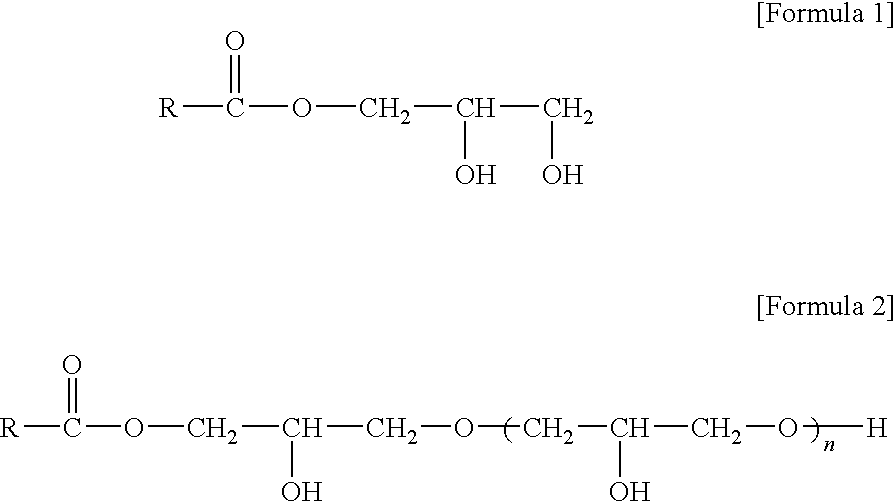
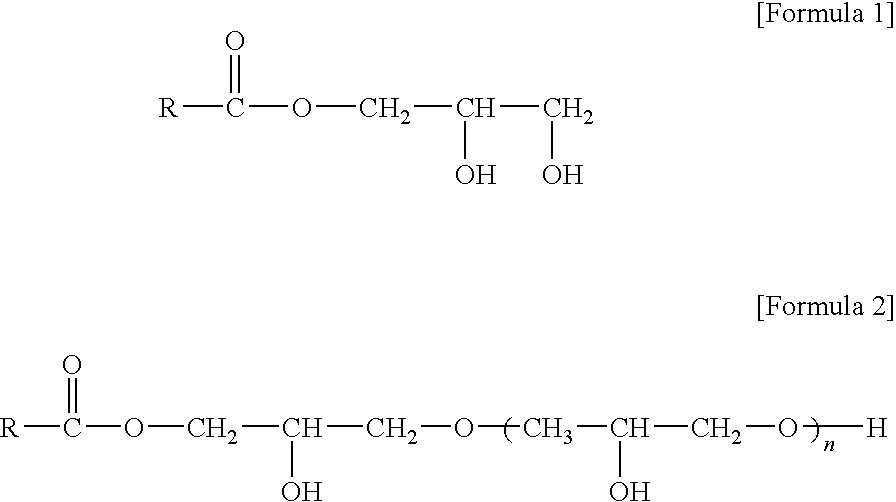
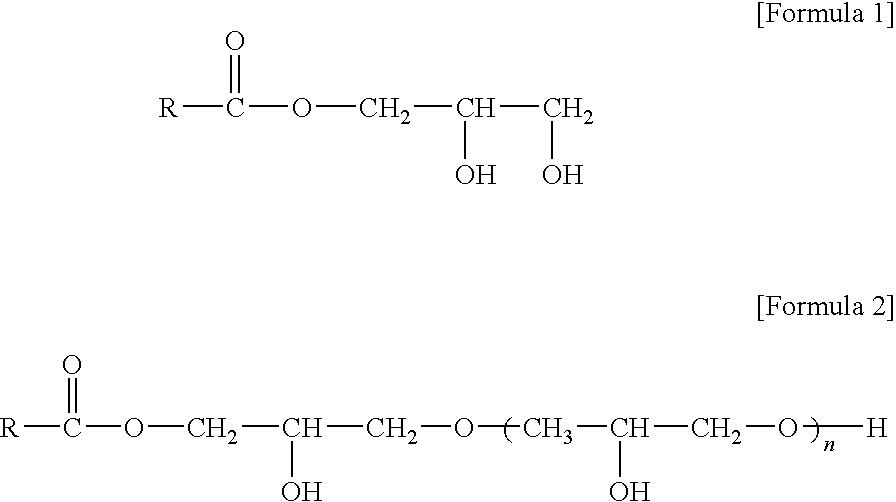
- Incorporating 0.2 to 5.0 wt% hydrophilic additives, such as monoglycerine fatty acid ester and polyglycerine fatty acid ester, and 0.05 to 3.0 wt% titanium dioxide into polyolefin fibers, along with a spin finish, to enhance hydrophilicity, whiteness, and carding workability, while maintaining physical properties and spinnability.

Environmental Impact of All-Weather PP
The environmental impact of all-weather polypropylene (PP) is a critical consideration in the development and application of this versatile material. All-weather PP, designed to withstand various environmental conditions, has both positive and negative implications for the ecosystem.
One of the primary environmental benefits of all-weather PP is its durability and longevity. By creating products that can withstand harsh weather conditions, manufacturers can reduce the frequency of replacement and disposal, ultimately decreasing waste generation. This extended lifespan contributes to resource conservation and reduces the overall carbon footprint associated with production and transportation of replacement items.
However, the enhanced durability of all-weather PP also presents challenges in terms of end-of-life management. The very properties that make it resistant to environmental degradation can also make it more persistent in ecosystems if not properly disposed of or recycled. This persistence can lead to long-term accumulation in landfills or, more concerningly, in natural environments such as oceans and waterways.
The production process of all-weather PP often involves additional additives and treatments to enhance its weather resistance. These additives may include UV stabilizers, antioxidants, and other chemical compounds. While these additives improve the material's performance, they can potentially leach into the environment over time, raising concerns about soil and water contamination.
Energy consumption during the manufacturing of all-weather PP is another environmental consideration. The additional processing required to achieve weather resistance may result in increased energy use compared to standard PP production. This higher energy demand could contribute to greater greenhouse gas emissions if not mitigated through the use of renewable energy sources or improved manufacturing efficiencies.
On the positive side, all-weather PP's resistance to degradation can prevent the release of microplastics into the environment, a growing concern with many plastic materials. By maintaining its structural integrity, all-weather PP may reduce the shedding of small plastic particles that can harm marine life and enter the food chain.
Recycling all-weather PP presents both opportunities and challenges. While the material is theoretically recyclable, the presence of specialized additives may complicate the recycling process or limit the potential applications for recycled content. Developing effective recycling technologies and infrastructure specifically tailored to all-weather PP is crucial for minimizing its environmental impact.
In conclusion, the environmental impact of all-weather PP is multifaceted, with potential benefits in terms of product longevity and reduced waste generation, but also challenges related to end-of-life management and production processes. Balancing these factors and continually improving the material's eco-friendly attributes will be essential for its sustainable use in various applications.
One of the primary environmental benefits of all-weather PP is its durability and longevity. By creating products that can withstand harsh weather conditions, manufacturers can reduce the frequency of replacement and disposal, ultimately decreasing waste generation. This extended lifespan contributes to resource conservation and reduces the overall carbon footprint associated with production and transportation of replacement items.
However, the enhanced durability of all-weather PP also presents challenges in terms of end-of-life management. The very properties that make it resistant to environmental degradation can also make it more persistent in ecosystems if not properly disposed of or recycled. This persistence can lead to long-term accumulation in landfills or, more concerningly, in natural environments such as oceans and waterways.
The production process of all-weather PP often involves additional additives and treatments to enhance its weather resistance. These additives may include UV stabilizers, antioxidants, and other chemical compounds. While these additives improve the material's performance, they can potentially leach into the environment over time, raising concerns about soil and water contamination.
Energy consumption during the manufacturing of all-weather PP is another environmental consideration. The additional processing required to achieve weather resistance may result in increased energy use compared to standard PP production. This higher energy demand could contribute to greater greenhouse gas emissions if not mitigated through the use of renewable energy sources or improved manufacturing efficiencies.
On the positive side, all-weather PP's resistance to degradation can prevent the release of microplastics into the environment, a growing concern with many plastic materials. By maintaining its structural integrity, all-weather PP may reduce the shedding of small plastic particles that can harm marine life and enter the food chain.
Recycling all-weather PP presents both opportunities and challenges. While the material is theoretically recyclable, the presence of specialized additives may complicate the recycling process or limit the potential applications for recycled content. Developing effective recycling technologies and infrastructure specifically tailored to all-weather PP is crucial for minimizing its environmental impact.
In conclusion, the environmental impact of all-weather PP is multifaceted, with potential benefits in terms of product longevity and reduced waste generation, but also challenges related to end-of-life management and production processes. Balancing these factors and continually improving the material's eco-friendly attributes will be essential for its sustainable use in various applications.
Standardization and Testing for All-Weather PP
Standardization and testing play a crucial role in ensuring the consistent performance and reliability of all-weather polypropylene (PP) products. The development of comprehensive standards and rigorous testing protocols is essential for validating the material's ability to withstand diverse environmental conditions and maintain its properties across a wide range of applications.
International organizations such as ASTM International, ISO, and DIN have established various standards for testing PP materials. These standards cover a broad spectrum of properties, including mechanical strength, thermal stability, chemical resistance, and weathering performance. For all-weather PP applications, specific attention is given to standards that evaluate the material's behavior under extreme temperature fluctuations, UV exposure, and moisture resistance.
One key aspect of standardization for all-weather PP is the development of accelerated weathering tests. These tests simulate long-term exposure to environmental factors in a compressed timeframe, allowing manufacturers to assess the material's durability and performance over its expected lifespan. Common accelerated weathering methods include xenon arc exposure (ASTM D2565), UV fluorescent exposure (ASTM D4329), and cyclic corrosion testing (ASTM D5894).
Temperature cycling tests are particularly important for all-weather PP applications. Standards such as ASTM D1435 and ISO 4892-3 provide guidelines for evaluating the material's resistance to thermal shock and its ability to maintain mechanical properties across a wide temperature range. These tests typically involve exposing PP samples to repeated cycles of extreme hot and cold conditions, often combined with humidity variations.
Mechanical property testing under various environmental conditions is another critical aspect of all-weather PP standardization. Standards like ASTM D638 and ISO 527 for tensile properties, ASTM D790 and ISO 178 for flexural properties, and ASTM D256 and ISO 180 for impact resistance are adapted to assess PP performance at different temperatures and after exposure to weathering conditions.
Chemical resistance testing is also essential, as all-weather PP may encounter various substances in outdoor applications. Standards such as ASTM D543 and ISO 175 provide methods for evaluating the material's resistance to chemicals, solvents, and environmental stress cracking.
To ensure the reliability of test results, it is crucial to establish standardized sample preparation methods and testing conditions. This includes specifying sample dimensions, conditioning procedures, and testing parameters such as temperature, humidity, and loading rates. Interlaboratory studies and round-robin testing programs are often conducted to validate the reproducibility and repeatability of test methods across different facilities.
As the demand for all-weather PP continues to grow, there is an ongoing effort to develop new standards and refine existing ones to address emerging applications and performance requirements. This includes the development of standards for specific end-use applications, such as automotive exteriors, outdoor furniture, and construction materials, where all-weather performance is critical.
International organizations such as ASTM International, ISO, and DIN have established various standards for testing PP materials. These standards cover a broad spectrum of properties, including mechanical strength, thermal stability, chemical resistance, and weathering performance. For all-weather PP applications, specific attention is given to standards that evaluate the material's behavior under extreme temperature fluctuations, UV exposure, and moisture resistance.
One key aspect of standardization for all-weather PP is the development of accelerated weathering tests. These tests simulate long-term exposure to environmental factors in a compressed timeframe, allowing manufacturers to assess the material's durability and performance over its expected lifespan. Common accelerated weathering methods include xenon arc exposure (ASTM D2565), UV fluorescent exposure (ASTM D4329), and cyclic corrosion testing (ASTM D5894).
Temperature cycling tests are particularly important for all-weather PP applications. Standards such as ASTM D1435 and ISO 4892-3 provide guidelines for evaluating the material's resistance to thermal shock and its ability to maintain mechanical properties across a wide temperature range. These tests typically involve exposing PP samples to repeated cycles of extreme hot and cold conditions, often combined with humidity variations.
Mechanical property testing under various environmental conditions is another critical aspect of all-weather PP standardization. Standards like ASTM D638 and ISO 527 for tensile properties, ASTM D790 and ISO 178 for flexural properties, and ASTM D256 and ISO 180 for impact resistance are adapted to assess PP performance at different temperatures and after exposure to weathering conditions.
Chemical resistance testing is also essential, as all-weather PP may encounter various substances in outdoor applications. Standards such as ASTM D543 and ISO 175 provide methods for evaluating the material's resistance to chemicals, solvents, and environmental stress cracking.
To ensure the reliability of test results, it is crucial to establish standardized sample preparation methods and testing conditions. This includes specifying sample dimensions, conditioning procedures, and testing parameters such as temperature, humidity, and loading rates. Interlaboratory studies and round-robin testing programs are often conducted to validate the reproducibility and repeatability of test methods across different facilities.
As the demand for all-weather PP continues to grow, there is an ongoing effort to develop new standards and refine existing ones to address emerging applications and performance requirements. This includes the development of standards for specific end-use applications, such as automotive exteriors, outdoor furniture, and construction materials, where all-weather performance is critical.
Unlock deeper insights with Patsnap Eureka Quick Research — get a full tech report to explore trends and direct your research. Try now!
Generate Your Research Report Instantly with AI Agent
Supercharge your innovation with Patsnap Eureka AI Agent Platform!