

Gate valve solutions addressing sanitary challenges in food processing
AUG 20, 20259 MIN READ
Generate Your Research Report Instantly with AI Agent
PatSnap Eureka helps you evaluate technical feasibility & market potential.
Gate Valve Evolution in Food Processing
Gate valves have undergone significant evolution in the food processing industry, driven by the need for improved sanitation and efficiency. The journey began with simple, manually operated valves that were prone to contamination and difficult to clean. As food safety regulations became more stringent, the industry recognized the need for more hygienic valve designs.
In the 1950s and 1960s, the introduction of stainless steel materials marked a crucial milestone in gate valve development. Stainless steel offered superior corrosion resistance and easier cleaning, addressing some of the sanitary concerns prevalent in food processing environments. This period also saw the emergence of basic clean-in-place (CIP) systems, which allowed for more thorough cleaning of valves without disassembly.
The 1970s and 1980s witnessed further advancements in valve design, with a focus on reducing crevices and dead spaces where bacteria could accumulate. Manufacturers began incorporating smoother internal surfaces and improved sealing mechanisms to enhance cleanability. During this era, pneumatic and hydraulic actuators were introduced, enabling more precise control and reducing the risk of contamination from manual handling.
The 1990s brought about a revolution in gate valve technology with the introduction of fully automated systems. These systems integrated advanced sensors and control mechanisms, allowing for real-time monitoring of valve performance and process conditions. This automation not only improved efficiency but also enhanced food safety by minimizing human intervention and ensuring consistent operation.
In the early 2000s, the concept of hygienic design gained prominence, leading to the development of gate valves specifically engineered for sanitary applications. These valves featured polished surfaces, FDA-approved materials, and designs that facilitated easy disassembly for thorough cleaning and inspection. The implementation of 3-A Sanitary Standards in valve design became increasingly common, ensuring compliance with stringent hygiene requirements.
Recent years have seen the integration of smart technologies into gate valve systems. IoT-enabled valves can now provide real-time data on their operational status, wear and tear, and cleaning effectiveness. This data-driven approach allows for predictive maintenance and optimization of cleaning processes, further enhancing food safety and operational efficiency.
Looking ahead, the evolution of gate valves in food processing continues to focus on improving sanitary design, incorporating advanced materials, and leveraging digital technologies. Emerging trends include the use of antimicrobial coatings, self-cleaning mechanisms, and AI-driven control systems that can adapt to changing process conditions and contamination risks.
In the 1950s and 1960s, the introduction of stainless steel materials marked a crucial milestone in gate valve development. Stainless steel offered superior corrosion resistance and easier cleaning, addressing some of the sanitary concerns prevalent in food processing environments. This period also saw the emergence of basic clean-in-place (CIP) systems, which allowed for more thorough cleaning of valves without disassembly.
The 1970s and 1980s witnessed further advancements in valve design, with a focus on reducing crevices and dead spaces where bacteria could accumulate. Manufacturers began incorporating smoother internal surfaces and improved sealing mechanisms to enhance cleanability. During this era, pneumatic and hydraulic actuators were introduced, enabling more precise control and reducing the risk of contamination from manual handling.
The 1990s brought about a revolution in gate valve technology with the introduction of fully automated systems. These systems integrated advanced sensors and control mechanisms, allowing for real-time monitoring of valve performance and process conditions. This automation not only improved efficiency but also enhanced food safety by minimizing human intervention and ensuring consistent operation.
In the early 2000s, the concept of hygienic design gained prominence, leading to the development of gate valves specifically engineered for sanitary applications. These valves featured polished surfaces, FDA-approved materials, and designs that facilitated easy disassembly for thorough cleaning and inspection. The implementation of 3-A Sanitary Standards in valve design became increasingly common, ensuring compliance with stringent hygiene requirements.
Recent years have seen the integration of smart technologies into gate valve systems. IoT-enabled valves can now provide real-time data on their operational status, wear and tear, and cleaning effectiveness. This data-driven approach allows for predictive maintenance and optimization of cleaning processes, further enhancing food safety and operational efficiency.
Looking ahead, the evolution of gate valves in food processing continues to focus on improving sanitary design, incorporating advanced materials, and leveraging digital technologies. Emerging trends include the use of antimicrobial coatings, self-cleaning mechanisms, and AI-driven control systems that can adapt to changing process conditions and contamination risks.
Sanitary Market Demands
The food processing industry is experiencing a growing demand for sanitary gate valve solutions due to increasingly stringent hygiene regulations and consumer expectations for food safety. This market trend is driven by several factors, including the need to prevent contamination, reduce product waste, and improve overall production efficiency.
One of the primary drivers of this demand is the heightened awareness of foodborne illnesses and the associated risks to public health. Regulatory bodies worldwide have implemented stricter guidelines for food processing equipment, emphasizing the importance of sanitary design in all components, including gate valves. This has led to a surge in demand for valves that can withstand rigorous cleaning and sterilization processes without compromising their integrity or performance.
The increasing complexity of food processing operations also contributes to the growing market for sanitary gate valves. As production lines become more automated and integrated, there is a need for valves that can handle a wide range of products, temperatures, and pressures while maintaining hygienic conditions. This versatility is crucial for food processors looking to maximize efficiency and minimize downtime associated with equipment changeovers or maintenance.
Another significant factor driving the market is the focus on reducing product waste and improving yield. Sanitary gate valves that offer precise flow control and minimal product retention help processors minimize losses during production, which is particularly important for high-value food products. This efficiency not only improves profitability but also aligns with sustainability goals by reducing overall resource consumption.
The dairy industry, in particular, has been a key driver of demand for sanitary gate valves. The sensitive nature of dairy products requires exceptionally high hygiene standards, and processors are investing in advanced valve technologies to ensure product integrity throughout the production process. Similar trends are observed in other sectors such as beverage production, confectionery, and ready-to-eat meals.
Emerging markets in Asia and Latin America are also contributing to the growth in demand for sanitary gate valves. As these regions experience rapid industrialization and urbanization, there is an increasing need for modern food processing facilities that meet international hygiene standards. This expansion of the global food processing industry is creating new opportunities for valve manufacturers to provide sanitary solutions tailored to diverse market needs.
In response to these market demands, valve manufacturers are focusing on developing innovative materials and designs that enhance cleanability, reduce maintenance requirements, and improve overall performance. Features such as CIP (Clean-in-Place) compatibility, polished surfaces, and advanced sealing technologies are becoming standard offerings in the sanitary gate valve market.
One of the primary drivers of this demand is the heightened awareness of foodborne illnesses and the associated risks to public health. Regulatory bodies worldwide have implemented stricter guidelines for food processing equipment, emphasizing the importance of sanitary design in all components, including gate valves. This has led to a surge in demand for valves that can withstand rigorous cleaning and sterilization processes without compromising their integrity or performance.
The increasing complexity of food processing operations also contributes to the growing market for sanitary gate valves. As production lines become more automated and integrated, there is a need for valves that can handle a wide range of products, temperatures, and pressures while maintaining hygienic conditions. This versatility is crucial for food processors looking to maximize efficiency and minimize downtime associated with equipment changeovers or maintenance.
Another significant factor driving the market is the focus on reducing product waste and improving yield. Sanitary gate valves that offer precise flow control and minimal product retention help processors minimize losses during production, which is particularly important for high-value food products. This efficiency not only improves profitability but also aligns with sustainability goals by reducing overall resource consumption.
The dairy industry, in particular, has been a key driver of demand for sanitary gate valves. The sensitive nature of dairy products requires exceptionally high hygiene standards, and processors are investing in advanced valve technologies to ensure product integrity throughout the production process. Similar trends are observed in other sectors such as beverage production, confectionery, and ready-to-eat meals.
Emerging markets in Asia and Latin America are also contributing to the growth in demand for sanitary gate valves. As these regions experience rapid industrialization and urbanization, there is an increasing need for modern food processing facilities that meet international hygiene standards. This expansion of the global food processing industry is creating new opportunities for valve manufacturers to provide sanitary solutions tailored to diverse market needs.
In response to these market demands, valve manufacturers are focusing on developing innovative materials and designs that enhance cleanability, reduce maintenance requirements, and improve overall performance. Features such as CIP (Clean-in-Place) compatibility, polished surfaces, and advanced sealing technologies are becoming standard offerings in the sanitary gate valve market.
Challenges in Hygienic Gate Valve Design
Gate valve design in food processing environments faces numerous challenges due to the stringent hygienic requirements of the industry. One of the primary concerns is the prevention of bacterial growth and contamination. Traditional gate valve designs often include crevices, dead spaces, and hard-to-clean areas that can harbor microorganisms, posing a significant risk to food safety. These design flaws can lead to the formation of biofilms, which are notoriously difficult to remove and can compromise the entire production line.
Another critical challenge is the selection of appropriate materials for valve construction. Materials must be non-toxic, non-absorbent, and resistant to corrosion from both food products and cleaning chemicals. Stainless steel is commonly used, but even this material can be susceptible to pitting and crevice corrosion under certain conditions. The choice of elastomers for seals and gaskets is equally crucial, as these components must withstand repeated cleaning cycles and maintain their integrity over time.
The need for frequent cleaning and sterilization presents additional design hurdles. Gate valves must be able to withstand high-temperature steam cleaning and aggressive chemical sanitizers without degradation. This requirement extends to all components of the valve, including actuators and position indicators, which must be protected from moisture ingress and chemical attack.
Achieving a smooth, polished surface finish on all product-contact surfaces is another significant challenge. Even microscopic imperfections can provide hiding places for bacteria. Achieving and maintaining the required surface roughness (typically Ra < 0.8 μm) across complex valve geometries is technically demanding and can significantly increase manufacturing costs.
The design must also address the issue of product entrapment. In traditional gate valve designs, product can become trapped between the gate and valve body, leading to waste and potential contamination. Innovative solutions are needed to ensure complete drainage and prevent product retention.
Seal design presents its own set of challenges. Seals must provide a tight closure to prevent leakage while also being easy to clean and replace. The dynamic nature of gate valve operation means that seals are subject to wear and must be designed for longevity in a harsh operating environment.
Finally, there is the challenge of validation and certification. Gate valves used in food processing must comply with stringent regulatory standards, such as those set by the FDA and 3-A Sanitary Standards. Demonstrating compliance often requires extensive testing and documentation, adding complexity to the design and manufacturing process.
Another critical challenge is the selection of appropriate materials for valve construction. Materials must be non-toxic, non-absorbent, and resistant to corrosion from both food products and cleaning chemicals. Stainless steel is commonly used, but even this material can be susceptible to pitting and crevice corrosion under certain conditions. The choice of elastomers for seals and gaskets is equally crucial, as these components must withstand repeated cleaning cycles and maintain their integrity over time.
The need for frequent cleaning and sterilization presents additional design hurdles. Gate valves must be able to withstand high-temperature steam cleaning and aggressive chemical sanitizers without degradation. This requirement extends to all components of the valve, including actuators and position indicators, which must be protected from moisture ingress and chemical attack.
Achieving a smooth, polished surface finish on all product-contact surfaces is another significant challenge. Even microscopic imperfections can provide hiding places for bacteria. Achieving and maintaining the required surface roughness (typically Ra < 0.8 μm) across complex valve geometries is technically demanding and can significantly increase manufacturing costs.
The design must also address the issue of product entrapment. In traditional gate valve designs, product can become trapped between the gate and valve body, leading to waste and potential contamination. Innovative solutions are needed to ensure complete drainage and prevent product retention.
Seal design presents its own set of challenges. Seals must provide a tight closure to prevent leakage while also being easy to clean and replace. The dynamic nature of gate valve operation means that seals are subject to wear and must be designed for longevity in a harsh operating environment.
Finally, there is the challenge of validation and certification. Gate valves used in food processing must comply with stringent regulatory standards, such as those set by the FDA and 3-A Sanitary Standards. Demonstrating compliance often requires extensive testing and documentation, adding complexity to the design and manufacturing process.
Current Sanitary Gate Valve Solutions
01 Sealing challenges in sanitary gate valves
Sanitary gate valves face challenges in maintaining effective seals to prevent contamination and leakage. Improved sealing mechanisms and materials are crucial for ensuring hygienic operation in food, beverage, and pharmaceutical industries. Advanced designs focus on eliminating crevices and dead spaces where bacteria can accumulate.- Sealing challenges in sanitary gate valves: Sanitary gate valves face challenges in maintaining effective seals to prevent contamination and leakage. Improved sealing mechanisms and materials are crucial for ensuring hygienic operation in food, beverage, and pharmaceutical industries. Advanced designs focus on eliminating crevices and dead spaces where bacteria can accumulate.
- Cleaning and sterilization of gate valves: Efficient cleaning and sterilization of gate valves in sanitary applications is essential. Designs that allow for easy disassembly, clean-in-place (CIP) compatibility, and steam-in-place (SIP) features are developed to address this challenge. Materials resistant to harsh cleaning chemicals and high temperatures are also crucial.
- Material selection for sanitary gate valves: Choosing appropriate materials for sanitary gate valves is critical. Materials must be corrosion-resistant, non-reactive with process fluids, and compliant with regulatory standards. Stainless steel, specialized alloys, and FDA-approved polymers are commonly used to meet these requirements.
- Design optimization for flow characteristics: Optimizing the design of sanitary gate valves to improve flow characteristics and reduce pressure drop is a significant challenge. Streamlined internal geometries and innovative gate designs are developed to minimize turbulence and prevent product retention areas.
- Automation and control integration: Integrating automation and advanced control systems into sanitary gate valves presents challenges. Developments focus on incorporating sensors, actuators, and communication interfaces while maintaining hygienic design principles. This enables better process control, monitoring, and validation in critical applications.
02 Cleaning and sterilization of gate valves
Efficient cleaning and sterilization of gate valves in sanitary applications is essential. Designs that allow for easy disassembly, clean-in-place (CIP) compatibility, and steam-in-place (SIP) features are developed to address this challenge. Materials resistant to harsh cleaning chemicals and high temperatures are also crucial.Expand Specific Solutions03 Material selection for sanitary gate valves
Choosing appropriate materials for sanitary gate valves is critical. Materials must be corrosion-resistant, non-reactive with process fluids, and compliant with regulatory standards. Stainless steel, specialized alloys, and FDA-approved polymers are commonly used to meet these requirements.Expand Specific Solutions04 Design optimization for flow characteristics
Improving flow characteristics in sanitary gate valves is a significant challenge. Designs aim to minimize pressure drop, reduce turbulence, and prevent product retention. Streamlined valve bodies and optimized gate geometries are developed to enhance flow performance while maintaining sanitary conditions.Expand Specific Solutions05 Automation and control integration
Integrating automation and advanced control systems into sanitary gate valves presents challenges. Developments focus on incorporating sensors, actuators, and communication interfaces while maintaining hygienic design principles. These innovations aim to improve process control, monitoring, and validation in sanitary applications.Expand Specific Solutions
Key Manufacturers Analysis
The gate valve solutions market for sanitary challenges in food processing is in a growth phase, driven by increasing food safety regulations and demand for hygienic processing equipment. The market size is expanding as food manufacturers invest in advanced valve technologies to meet stringent sanitary standards. While the technology is relatively mature, ongoing innovations focus on improving cleanability, reducing contamination risks, and enhancing operational efficiency. Key players like GEMÜ, Kitz SCT, and Armor Inox are leading development efforts, with companies such as Wipf AG and Ideal Standard International also contributing to advancements in sanitary valve solutions for the food industry.
Kitz SCT Corp.
Technical Solution: Kitz SCT Corp. has developed advanced sanitary gate valve solutions specifically for food processing applications. Their technology incorporates a unique seat design that minimizes product entrapment and enhances cleanability. The valves feature a polished surface finish of Ra 0.5 μm or better to prevent bacterial growth[1]. They utilize FDA-approved materials and employ a steam-in-place (SIP) compatible design for effective sterilization. The company's gate valves also incorporate a proprietary stem seal system that reduces the risk of contamination from the external environment[2].
Strengths: Specialized in sanitary applications, excellent cleanability, and sterilization capabilities. Weaknesses: May be more expensive than standard gate valves, potentially limited to specific food processing applications.
GEMÜ Gebr. Müller Apparatebau GmbH & Co. KG
Technical Solution: GEMÜ has innovated in the field of sanitary gate valves for food processing with their CleanStar series. These valves feature a patented PD design (plug diaphragm) that combines the advantages of diaphragm and globe valves. The design ensures complete drainability and eliminates dead spaces where bacteria could grow[3]. GEMÜ's valves incorporate a PTFE/EPDM diaphragm that provides excellent chemical resistance and durability. They also offer options for pneumatic, manual, or motorized actuation, allowing for flexible integration into various food processing systems[4].
Strengths: Innovative design eliminates dead spaces, excellent chemical resistance, and versatile actuation options. Weaknesses: May require specialized maintenance due to unique design, potentially higher initial cost compared to traditional gate valves.
Innovative Sealing Technologies
Valve and package for cooking food
PatentInactiveEP1198393A1
Innovation
- A valve with a gas-impermeable, liquid sealing compound that transitions from a solid or pasty state to a liquid state during heat treatment, allowing controlled degassing and re-sealing, using paraffins or compounds with paraffinic behavior, which ensures precise operating thresholds and effective sealing properties.
Clean line heated valve
PatentInactiveUS20060144443A1
Innovation
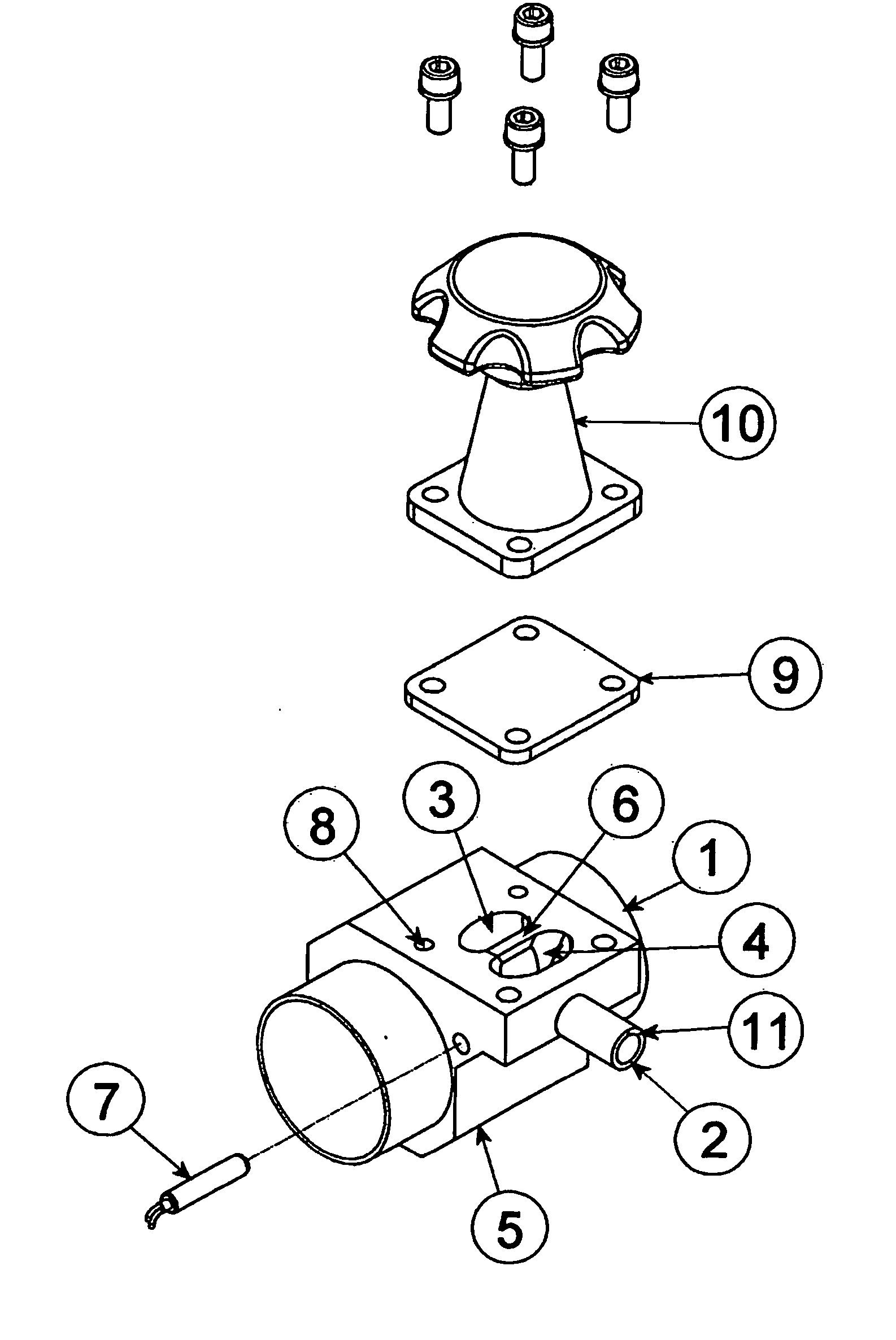
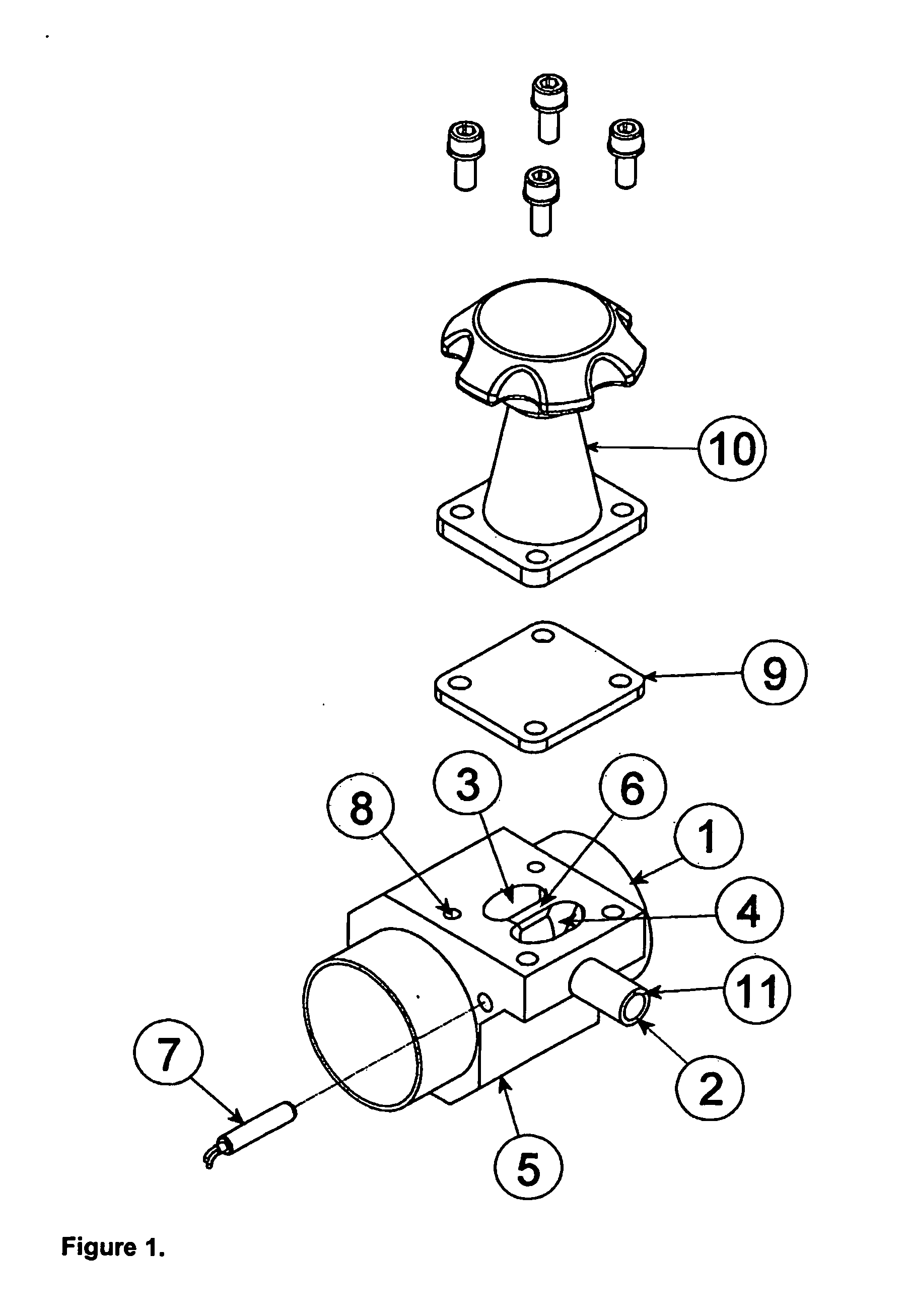
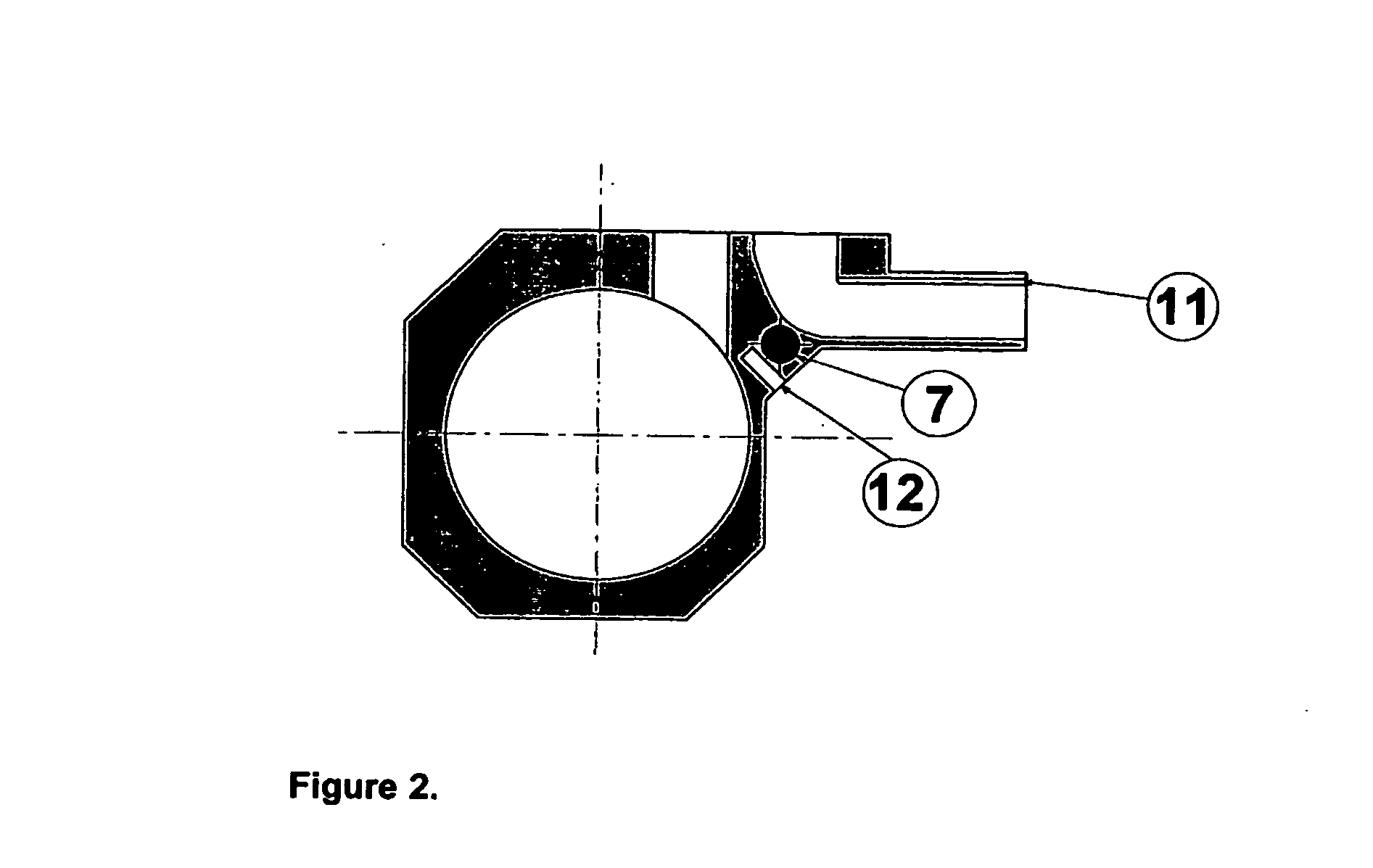
- A smooth and contoured heated valve design with an internal elongate heater that heats the valve body without contacting the fluid, combined with a flexible sealing membrane for fluid regulation and a polymeric color coating to enhance heat transfer and safety, ensuring thorough cleaning and efficient temperature distribution across the valve.
Regulatory Compliance for Food Equipment
Regulatory compliance is a critical aspect of food processing equipment, including gate valve solutions addressing sanitary challenges. In the United States, the Food and Drug Administration (FDA) sets forth stringent regulations for food contact surfaces and equipment used in food processing facilities. These regulations are outlined in the Code of Federal Regulations (CFR), specifically in 21 CFR Part 110 and 21 CFR Part 117, which cover current good manufacturing practices (cGMP) for food production.
Gate valves used in food processing must comply with FDA requirements for materials, design, and construction. The materials used in these valves must be food-grade and resistant to corrosion, with common choices including stainless steel 316L and specialized food-grade elastomers. The design of the valves should minimize areas where food particles or microorganisms can accumulate, promoting easy cleaning and sanitization.
In addition to FDA regulations, gate valves in food processing equipment must also adhere to 3-A Sanitary Standards. These standards, developed by the 3-A Sanitary Standards, Inc., provide detailed specifications for equipment design, materials, and cleanability in dairy and food processing. Gate valves meeting 3-A standards must have smooth, easily cleanable surfaces and be free of crevices or dead spaces where contaminants could collect.
The European Union has its own set of regulations for food processing equipment, including Regulation (EC) No 1935/2004 on materials and articles intended to come into contact with food. This regulation ensures that materials used in food processing equipment do not transfer harmful substances to food products. Gate valve manufacturers targeting the EU market must ensure compliance with these standards.
Internationally, the ISO 22000 family of standards provides a framework for food safety management systems, which includes requirements for equipment used in food processing. While not specifically focused on gate valves, these standards emphasize the importance of hygienic design and materials in all food processing equipment.
Compliance with these regulations and standards is typically demonstrated through third-party certification. Organizations such as NSF International and EHEDG (European Hygienic Engineering & Design Group) offer certification programs for food processing equipment, including valves. These certifications provide assurance to food processors that the equipment meets the necessary regulatory and hygienic requirements.
As regulations evolve to address emerging food safety concerns, gate valve manufacturers must stay informed and adapt their designs accordingly. This may involve incorporating new materials, improving cleanability features, or enhancing traceability measures to meet increasingly stringent regulatory demands in the global food processing industry.
Gate valves used in food processing must comply with FDA requirements for materials, design, and construction. The materials used in these valves must be food-grade and resistant to corrosion, with common choices including stainless steel 316L and specialized food-grade elastomers. The design of the valves should minimize areas where food particles or microorganisms can accumulate, promoting easy cleaning and sanitization.
In addition to FDA regulations, gate valves in food processing equipment must also adhere to 3-A Sanitary Standards. These standards, developed by the 3-A Sanitary Standards, Inc., provide detailed specifications for equipment design, materials, and cleanability in dairy and food processing. Gate valves meeting 3-A standards must have smooth, easily cleanable surfaces and be free of crevices or dead spaces where contaminants could collect.
The European Union has its own set of regulations for food processing equipment, including Regulation (EC) No 1935/2004 on materials and articles intended to come into contact with food. This regulation ensures that materials used in food processing equipment do not transfer harmful substances to food products. Gate valve manufacturers targeting the EU market must ensure compliance with these standards.
Internationally, the ISO 22000 family of standards provides a framework for food safety management systems, which includes requirements for equipment used in food processing. While not specifically focused on gate valves, these standards emphasize the importance of hygienic design and materials in all food processing equipment.
Compliance with these regulations and standards is typically demonstrated through third-party certification. Organizations such as NSF International and EHEDG (European Hygienic Engineering & Design Group) offer certification programs for food processing equipment, including valves. These certifications provide assurance to food processors that the equipment meets the necessary regulatory and hygienic requirements.
As regulations evolve to address emerging food safety concerns, gate valve manufacturers must stay informed and adapt their designs accordingly. This may involve incorporating new materials, improving cleanability features, or enhancing traceability measures to meet increasingly stringent regulatory demands in the global food processing industry.
Cleaning and Maintenance Strategies
Effective cleaning and maintenance strategies are crucial for gate valves in food processing applications to ensure sanitary conditions and prevent contamination. Regular cleaning protocols typically involve a combination of mechanical cleaning, chemical treatments, and sanitization procedures.
Mechanical cleaning methods often include disassembly of the valve components for thorough cleaning. This allows access to hard-to-reach areas where food residues may accumulate. High-pressure water jets or steam cleaning can be employed to remove stubborn deposits. Brushes and scrubbers designed for food-grade equipment are used to manually clean surfaces without causing damage.
Chemical treatments play a vital role in breaking down organic matter and eliminating microorganisms. Food-safe detergents and sanitizers are carefully selected based on their efficacy against specific contaminants and compatibility with valve materials. Caustic solutions may be used for removing protein-based residues, while acid-based cleaners are effective against mineral deposits. It is essential to follow proper dilution ratios and contact times to ensure optimal cleaning results.
Clean-in-place (CIP) systems have become increasingly popular for gate valves in food processing. These automated systems circulate cleaning solutions through the valve without the need for disassembly, saving time and reducing the risk of contamination during manual handling. CIP cycles typically include pre-rinse, detergent wash, intermediate rinse, sanitization, and final rinse stages.
Maintenance strategies for gate valves focus on preserving their functionality and extending their lifespan. Regular inspections are conducted to check for wear, corrosion, or damage to valve components. Seals, gaskets, and O-rings are particularly susceptible to degradation and require frequent examination and replacement as needed.
Lubrication is a critical aspect of valve maintenance in food processing environments. Food-grade lubricants that meet regulatory standards are used to ensure smooth operation of moving parts while preventing contamination. Proper lubrication schedules are established based on valve usage and environmental conditions.
Documentation and record-keeping are essential components of cleaning and maintenance strategies. Detailed logs of cleaning procedures, chemical usage, and maintenance activities are maintained to ensure compliance with food safety regulations and facilitate traceability in case of issues.
Training programs for personnel involved in cleaning and maintenance are crucial. Employees must be educated on proper techniques, safety precautions, and the importance of maintaining sanitary conditions. Regular refresher courses and updates on new cleaning technologies or regulations help maintain a high standard of cleanliness and operational efficiency.
Mechanical cleaning methods often include disassembly of the valve components for thorough cleaning. This allows access to hard-to-reach areas where food residues may accumulate. High-pressure water jets or steam cleaning can be employed to remove stubborn deposits. Brushes and scrubbers designed for food-grade equipment are used to manually clean surfaces without causing damage.
Chemical treatments play a vital role in breaking down organic matter and eliminating microorganisms. Food-safe detergents and sanitizers are carefully selected based on their efficacy against specific contaminants and compatibility with valve materials. Caustic solutions may be used for removing protein-based residues, while acid-based cleaners are effective against mineral deposits. It is essential to follow proper dilution ratios and contact times to ensure optimal cleaning results.
Clean-in-place (CIP) systems have become increasingly popular for gate valves in food processing. These automated systems circulate cleaning solutions through the valve without the need for disassembly, saving time and reducing the risk of contamination during manual handling. CIP cycles typically include pre-rinse, detergent wash, intermediate rinse, sanitization, and final rinse stages.
Maintenance strategies for gate valves focus on preserving their functionality and extending their lifespan. Regular inspections are conducted to check for wear, corrosion, or damage to valve components. Seals, gaskets, and O-rings are particularly susceptible to degradation and require frequent examination and replacement as needed.
Lubrication is a critical aspect of valve maintenance in food processing environments. Food-grade lubricants that meet regulatory standards are used to ensure smooth operation of moving parts while preventing contamination. Proper lubrication schedules are established based on valve usage and environmental conditions.
Documentation and record-keeping are essential components of cleaning and maintenance strategies. Detailed logs of cleaning procedures, chemical usage, and maintenance activities are maintained to ensure compliance with food safety regulations and facilitate traceability in case of issues.
Training programs for personnel involved in cleaning and maintenance are crucial. Employees must be educated on proper techniques, safety precautions, and the importance of maintaining sanitary conditions. Regular refresher courses and updates on new cleaning technologies or regulations help maintain a high standard of cleanliness and operational efficiency.
Unlock deeper insights with PatSnap Eureka Quick Research — get a full tech report to explore trends and direct your research. Try now!
Generate Your Research Report Instantly with AI Agent
Supercharge your innovation with PatSnap Eureka AI Agent Platform!