

How L92 engine reliability affects vehicle warranties
AUG 14, 20259 MIN READ
Generate Your Research Report Instantly with AI Agent
PatSnap Eureka helps you evaluate technical feasibility & market potential.
L92 Engine Background
The L92 engine, introduced by General Motors in 2006, is a 6.2-liter V8 engine that has been widely used in various high-performance vehicles. This engine is part of the GM small-block engine family and was designed to provide improved power output and efficiency compared to its predecessors. The L92 engine features an aluminum block and cylinder heads, which contribute to its lighter weight and better heat dissipation characteristics.
One of the key innovations in the L92 engine is the implementation of variable valve timing (VVT) technology. This system allows for optimized engine performance across different operating conditions, resulting in improved fuel efficiency and reduced emissions. The L92 engine also incorporates a high-flow cylinder head design, which enhances airflow and contributes to its impressive power output.
Initially, the L92 engine was primarily used in GM's full-size SUVs and trucks, including the Chevrolet Tahoe, GMC Yukon, and Cadillac Escalade. Its robust design and performance capabilities made it a popular choice for these larger vehicles, where power and towing capacity were essential. Over time, variations of the L92 engine found their way into other GM vehicles, including performance cars like the Chevrolet Camaro and Pontiac G8.
The L92 engine's reliability has been a topic of discussion among automotive enthusiasts and industry professionals. While it has generally been regarded as a robust and dependable engine, like any complex mechanical system, it is not without its potential issues. Common concerns that have been reported include problems with the active fuel management system, which can lead to increased oil consumption in some cases.
Understanding the reliability of the L92 engine is crucial when considering its impact on vehicle warranties. The engine's performance and durability directly influence the frequency and severity of warranty claims, which in turn affect the overall cost of warranty programs for manufacturers. Reliable engines typically result in fewer warranty claims, reducing costs for both manufacturers and consumers.
The L92 engine's design and manufacturing processes play a significant role in its reliability. GM's extensive experience in producing V8 engines, combined with the use of advanced materials and technologies, contributes to the engine's overall durability. However, the complexity of systems like VVT and active fuel management can introduce potential points of failure that may impact long-term reliability and warranty considerations.
As vehicle warranties often cover powertrain components for extended periods, the L92 engine's reliability becomes a critical factor in determining the financial implications for manufacturers. Improved reliability can lead to reduced warranty costs and increased customer satisfaction, while persistent issues could result in higher warranty expenses and potential damage to brand reputation.
One of the key innovations in the L92 engine is the implementation of variable valve timing (VVT) technology. This system allows for optimized engine performance across different operating conditions, resulting in improved fuel efficiency and reduced emissions. The L92 engine also incorporates a high-flow cylinder head design, which enhances airflow and contributes to its impressive power output.
Initially, the L92 engine was primarily used in GM's full-size SUVs and trucks, including the Chevrolet Tahoe, GMC Yukon, and Cadillac Escalade. Its robust design and performance capabilities made it a popular choice for these larger vehicles, where power and towing capacity were essential. Over time, variations of the L92 engine found their way into other GM vehicles, including performance cars like the Chevrolet Camaro and Pontiac G8.
The L92 engine's reliability has been a topic of discussion among automotive enthusiasts and industry professionals. While it has generally been regarded as a robust and dependable engine, like any complex mechanical system, it is not without its potential issues. Common concerns that have been reported include problems with the active fuel management system, which can lead to increased oil consumption in some cases.
Understanding the reliability of the L92 engine is crucial when considering its impact on vehicle warranties. The engine's performance and durability directly influence the frequency and severity of warranty claims, which in turn affect the overall cost of warranty programs for manufacturers. Reliable engines typically result in fewer warranty claims, reducing costs for both manufacturers and consumers.
The L92 engine's design and manufacturing processes play a significant role in its reliability. GM's extensive experience in producing V8 engines, combined with the use of advanced materials and technologies, contributes to the engine's overall durability. However, the complexity of systems like VVT and active fuel management can introduce potential points of failure that may impact long-term reliability and warranty considerations.
As vehicle warranties often cover powertrain components for extended periods, the L92 engine's reliability becomes a critical factor in determining the financial implications for manufacturers. Improved reliability can lead to reduced warranty costs and increased customer satisfaction, while persistent issues could result in higher warranty expenses and potential damage to brand reputation.
Market Demand Analysis
The market demand for reliable engines, particularly the L92 engine, has been steadily increasing in recent years. This trend is driven by consumers' growing emphasis on vehicle longevity and reduced maintenance costs. The L92 engine, known for its performance and efficiency, has become a focal point in the automotive industry's pursuit of enhanced reliability.
Vehicle warranties play a crucial role in shaping market demand. As consumers become more aware of the long-term costs associated with vehicle ownership, they are increasingly factoring warranty coverage into their purchasing decisions. The reliability of the L92 engine directly impacts the extent and duration of warranties offered by manufacturers, which in turn influences consumer confidence and market demand.
The automotive industry has witnessed a shift towards longer warranty periods, with some manufacturers offering up to 10-year powertrain warranties. This trend has put additional pressure on engine manufacturers to improve reliability, as extended warranties can significantly impact a company's financial performance if engine failures occur frequently.
Market research indicates that consumers are willing to pay a premium for vehicles with more reliable engines and comprehensive warranty coverage. This willingness has created a competitive advantage for manufacturers who can demonstrate superior engine reliability and offer more extensive warranties. As a result, the demand for vehicles equipped with reliable L92 engines has seen substantial growth in both the new and used car markets.
The commercial vehicle sector has also shown increased demand for reliable engines, as fleet operators prioritize vehicles with lower total cost of ownership. The L92 engine's reliability directly affects maintenance schedules, downtime, and overall operational costs, making it a critical factor in fleet purchasing decisions.
Environmental regulations and fuel efficiency standards have further amplified the market demand for reliable engines. As manufacturers strive to meet stringent emissions targets, the longevity and consistent performance of engines like the L92 become increasingly important. Consumers and businesses alike are seeking vehicles that can maintain their efficiency and low emissions over extended periods, aligning with both environmental concerns and economic interests.
The aftermarket parts and service industry is also influenced by engine reliability. As the L92 engine's reliability improves, there may be a shift in demand from repair services to preventive maintenance products and services. This change could reshape the aftermarket landscape, with businesses adapting their offerings to cater to engines with longer lifespans and different maintenance needs.
Vehicle warranties play a crucial role in shaping market demand. As consumers become more aware of the long-term costs associated with vehicle ownership, they are increasingly factoring warranty coverage into their purchasing decisions. The reliability of the L92 engine directly impacts the extent and duration of warranties offered by manufacturers, which in turn influences consumer confidence and market demand.
The automotive industry has witnessed a shift towards longer warranty periods, with some manufacturers offering up to 10-year powertrain warranties. This trend has put additional pressure on engine manufacturers to improve reliability, as extended warranties can significantly impact a company's financial performance if engine failures occur frequently.
Market research indicates that consumers are willing to pay a premium for vehicles with more reliable engines and comprehensive warranty coverage. This willingness has created a competitive advantage for manufacturers who can demonstrate superior engine reliability and offer more extensive warranties. As a result, the demand for vehicles equipped with reliable L92 engines has seen substantial growth in both the new and used car markets.
The commercial vehicle sector has also shown increased demand for reliable engines, as fleet operators prioritize vehicles with lower total cost of ownership. The L92 engine's reliability directly affects maintenance schedules, downtime, and overall operational costs, making it a critical factor in fleet purchasing decisions.
Environmental regulations and fuel efficiency standards have further amplified the market demand for reliable engines. As manufacturers strive to meet stringent emissions targets, the longevity and consistent performance of engines like the L92 become increasingly important. Consumers and businesses alike are seeking vehicles that can maintain their efficiency and low emissions over extended periods, aligning with both environmental concerns and economic interests.
The aftermarket parts and service industry is also influenced by engine reliability. As the L92 engine's reliability improves, there may be a shift in demand from repair services to preventive maintenance products and services. This change could reshape the aftermarket landscape, with businesses adapting their offerings to cater to engines with longer lifespans and different maintenance needs.
Reliability Challenges
The L92 engine, a high-performance V8 developed by General Motors, faces several reliability challenges that directly impact vehicle warranties. These challenges stem from the engine's complex design and the high-stress conditions under which it operates.
One of the primary reliability issues is related to the engine's Active Fuel Management (AFM) system. This system, designed to improve fuel efficiency by deactivating cylinders during low-load conditions, has been known to cause excessive wear on lifters and cam lobes. Over time, this wear can lead to engine misfires, reduced performance, and in severe cases, complete engine failure. Such failures often result in costly warranty claims for manufacturers.
Another significant challenge is the potential for oil consumption issues. Some L92 engines have exhibited higher-than-normal oil consumption rates, which can lead to premature engine wear and potential catastrophic failure if not addressed. This problem is often attributed to the piston ring design and the high-temperature operating conditions of the engine. Excessive oil consumption not only increases maintenance costs for vehicle owners but also raises the likelihood of warranty claims.
The L92's variable valve timing (VVT) system, while innovative, introduces additional complexity and potential points of failure. VVT solenoids and actuators can malfunction, leading to poor engine performance, reduced fuel efficiency, and increased emissions. These issues often manifest within the warranty period, resulting in increased warranty costs for manufacturers.
Heat management is another critical challenge for the L92 engine. The high-performance nature of the engine generates significant heat, which can lead to premature wear of various components, including gaskets, seals, and bearings. Inadequate cooling or thermal management can result in warped cylinder heads, blown head gaskets, or even engine block damage. These heat-related issues often surface during the warranty period, leading to expensive repairs and replacements.
Furthermore, the L92's direct fuel injection system, while offering improved performance and efficiency, introduces its own set of reliability concerns. Carbon buildup on intake valves is a common issue with direct injection engines, as fuel no longer washes over the valves to keep them clean. This buildup can lead to reduced performance, increased fuel consumption, and potential engine damage if left unaddressed.
Lastly, the engine's sophisticated electronic control systems, while essential for optimal performance, add another layer of complexity and potential failure points. Issues with sensors, wiring harnesses, or control modules can lead to erratic engine behavior, reduced performance, or even complete engine shutdown. Diagnosing and repairing these electronic issues can be time-consuming and expensive, often falling within the warranty period.
One of the primary reliability issues is related to the engine's Active Fuel Management (AFM) system. This system, designed to improve fuel efficiency by deactivating cylinders during low-load conditions, has been known to cause excessive wear on lifters and cam lobes. Over time, this wear can lead to engine misfires, reduced performance, and in severe cases, complete engine failure. Such failures often result in costly warranty claims for manufacturers.
Another significant challenge is the potential for oil consumption issues. Some L92 engines have exhibited higher-than-normal oil consumption rates, which can lead to premature engine wear and potential catastrophic failure if not addressed. This problem is often attributed to the piston ring design and the high-temperature operating conditions of the engine. Excessive oil consumption not only increases maintenance costs for vehicle owners but also raises the likelihood of warranty claims.
The L92's variable valve timing (VVT) system, while innovative, introduces additional complexity and potential points of failure. VVT solenoids and actuators can malfunction, leading to poor engine performance, reduced fuel efficiency, and increased emissions. These issues often manifest within the warranty period, resulting in increased warranty costs for manufacturers.
Heat management is another critical challenge for the L92 engine. The high-performance nature of the engine generates significant heat, which can lead to premature wear of various components, including gaskets, seals, and bearings. Inadequate cooling or thermal management can result in warped cylinder heads, blown head gaskets, or even engine block damage. These heat-related issues often surface during the warranty period, leading to expensive repairs and replacements.
Furthermore, the L92's direct fuel injection system, while offering improved performance and efficiency, introduces its own set of reliability concerns. Carbon buildup on intake valves is a common issue with direct injection engines, as fuel no longer washes over the valves to keep them clean. This buildup can lead to reduced performance, increased fuel consumption, and potential engine damage if left unaddressed.
Lastly, the engine's sophisticated electronic control systems, while essential for optimal performance, add another layer of complexity and potential failure points. Issues with sensors, wiring harnesses, or control modules can lead to erratic engine behavior, reduced performance, or even complete engine shutdown. Diagnosing and repairing these electronic issues can be time-consuming and expensive, often falling within the warranty period.
Current Solutions
01 Engine control and monitoring systems
Advanced control and monitoring systems are implemented to enhance the reliability of L92 engines. These systems include real-time performance monitoring, fault detection algorithms, and adaptive control strategies to optimize engine operation and prevent failures.- Engine control and monitoring systems: Advanced control and monitoring systems are implemented to enhance the reliability of L92 engines. These systems include real-time performance monitoring, fault detection algorithms, and adaptive control strategies to optimize engine operation and prevent failures.
- Improved combustion efficiency: Techniques are developed to improve the combustion efficiency of L92 engines, leading to increased reliability. These include optimized fuel injection timing, enhanced air-fuel mixture control, and advanced ignition systems to ensure consistent and efficient combustion across various operating conditions.
- Enhanced thermal management: Thermal management systems are designed to maintain optimal operating temperatures for L92 engines, improving overall reliability. This involves advanced cooling systems, heat dissipation techniques, and temperature-sensitive component designs to prevent overheating and thermal stress-related failures.
- Durability improvements through material science: Advanced materials and surface treatments are employed to enhance the durability of L92 engine components. This includes the use of high-strength alloys, wear-resistant coatings, and innovative manufacturing processes to improve component longevity and overall engine reliability.
- Predictive maintenance and diagnostics: Sophisticated predictive maintenance and diagnostic systems are implemented to proactively identify potential issues in L92 engines. These systems utilize machine learning algorithms, sensor data analysis, and historical performance trends to predict and prevent failures, thereby enhancing overall engine reliability.
02 Improved combustion efficiency
Enhancements in combustion efficiency contribute to the reliability of L92 engines. This includes optimized fuel injection timing, advanced ignition systems, and improved air-fuel mixture control to ensure consistent and efficient combustion across various operating conditions.Expand Specific Solutions03 Thermal management and cooling systems
Effective thermal management and cooling systems are crucial for maintaining L92 engine reliability. This involves advanced cooling strategies, temperature monitoring, and heat dissipation techniques to prevent overheating and ensure optimal operating temperatures.Expand Specific Solutions04 Durability enhancements
Various durability enhancements are incorporated to improve the overall reliability of L92 engines. These include the use of high-strength materials, improved lubrication systems, and wear-resistant coatings to extend component life and reduce the likelihood of mechanical failures.Expand Specific Solutions05 Diagnostic and predictive maintenance systems
Advanced diagnostic and predictive maintenance systems are implemented to enhance L92 engine reliability. These systems utilize sensor data, machine learning algorithms, and historical performance analysis to predict potential issues and schedule maintenance proactively, reducing unexpected failures and downtime.Expand Specific Solutions
Key Industry Players
The L92 engine reliability and its impact on vehicle warranties is a critical issue in the automotive industry, currently in a mature stage with established players. The market for reliable engines is substantial, driven by consumer demand for durable vehicles and manufacturers' need to minimize warranty costs. Technologically, engine reliability has seen significant advancements, with companies like AVL List GmbH, Caterpillar, Inc., and Hyundai Motor Co., Ltd. leading innovation. These firms, along with others like Ford Global Technologies LLC and GM Global Technology Operations LLC, are investing heavily in research and development to enhance engine performance and longevity, directly influencing warranty offerings and customer satisfaction in the competitive automotive landscape.
Hyundai Motor Co., Ltd.
Technical Solution: Hyundai's strategy for L92 engine reliability focuses on durability through innovative design and extensive testing. They have developed a reinforced engine block structure that enhances rigidity and reduces vibration, contributing to longer engine life[1]. Hyundai employs advanced coating technologies for critical engine components, such as diamond-like carbon (DLC) coatings on piston rings, significantly reducing friction and wear[3]. The company has implemented a comprehensive durability testing program that subjects engines to extreme conditions, including high-temperature endurance tests and accelerated wear simulations[5]. Hyundai also utilizes AI-driven predictive maintenance algorithms that analyze engine data to forecast potential issues and optimize service intervals[7]. Their warranty strategy includes one of the longest powertrain warranties in the industry, reflecting their confidence in the L92 engine's reliability[9].
Strengths: Innovative durability-focused design, extensive testing procedures, and industry-leading warranty coverage. Weaknesses: Potential for higher manufacturing costs due to advanced materials and extensive testing requirements.
Stellantis Auto SAS
Technical Solution: Stellantis focuses on modular design and advanced manufacturing techniques to enhance L92 engine reliability. They have developed a flexible engine architecture that allows for easy updates and improvements without complete redesigns[2]. The company utilizes state-of-the-art 3D printing technology for prototyping and producing complex components, enabling rapid iteration and optimization of engine parts[4]. Stellantis has also implemented a comprehensive supplier quality program, ensuring that all components meet stringent reliability standards[6]. Their approach includes the use of advanced sensors and real-time monitoring systems that provide early detection of potential issues, allowing for timely interventions[8]. Additionally, Stellantis has developed a unique warranty strategy that includes extended powertrain coverage, demonstrating their confidence in the L92 engine's long-term reliability[10].
Strengths: Flexible design approach, advanced manufacturing capabilities, and comprehensive supplier quality control. Weaknesses: Potential for increased complexity in inventory management due to modular design.
Core Innovations
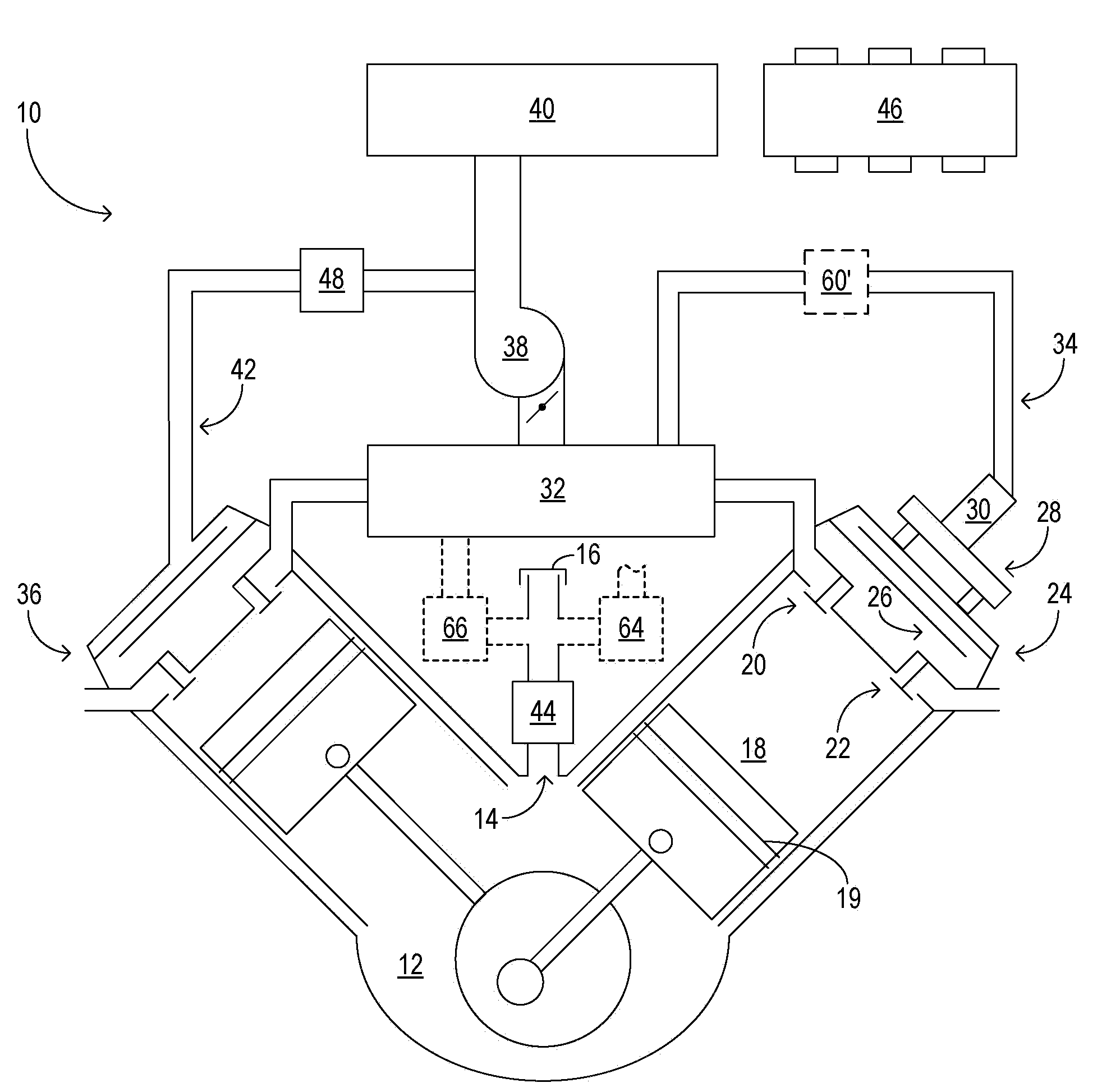
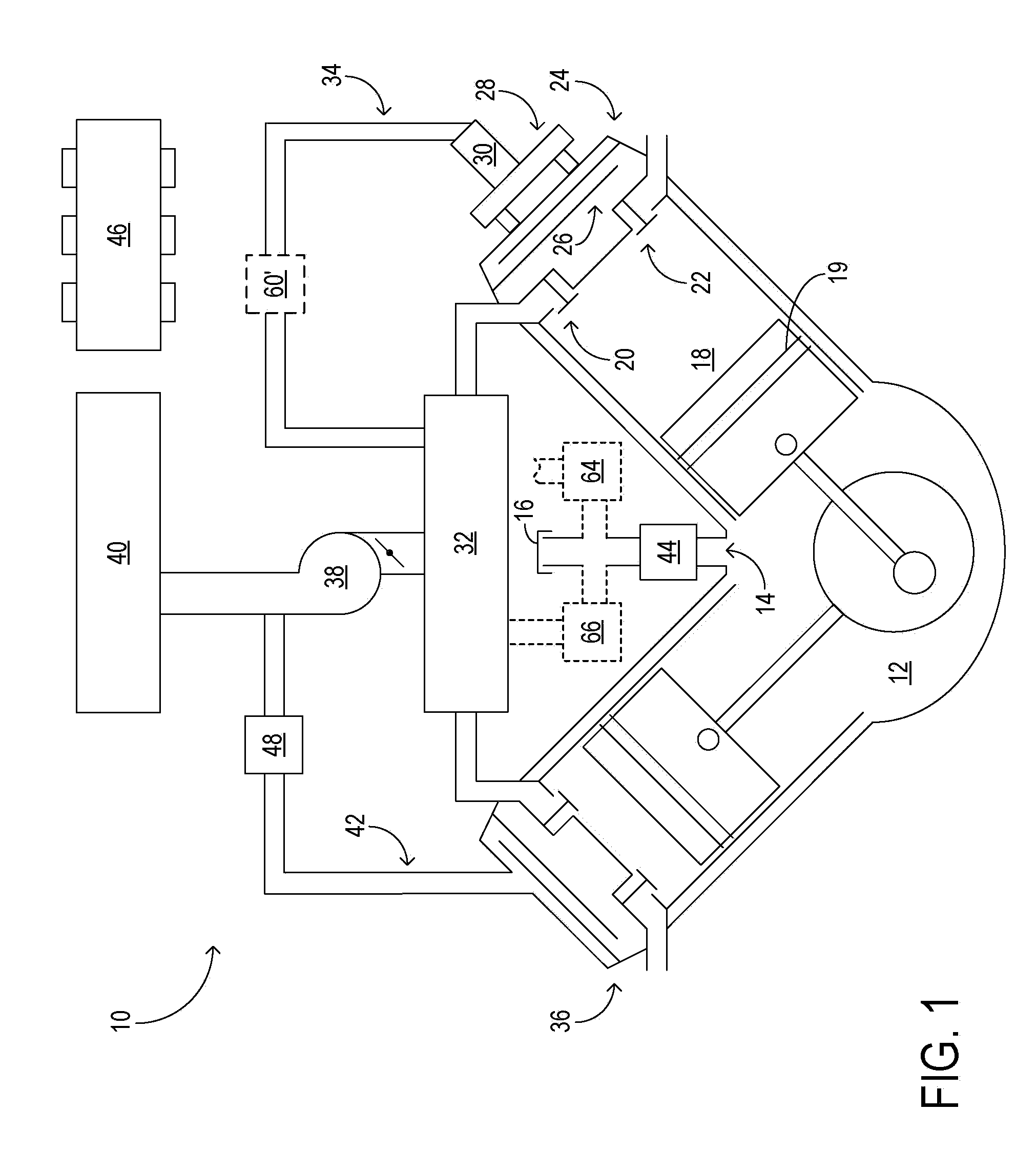
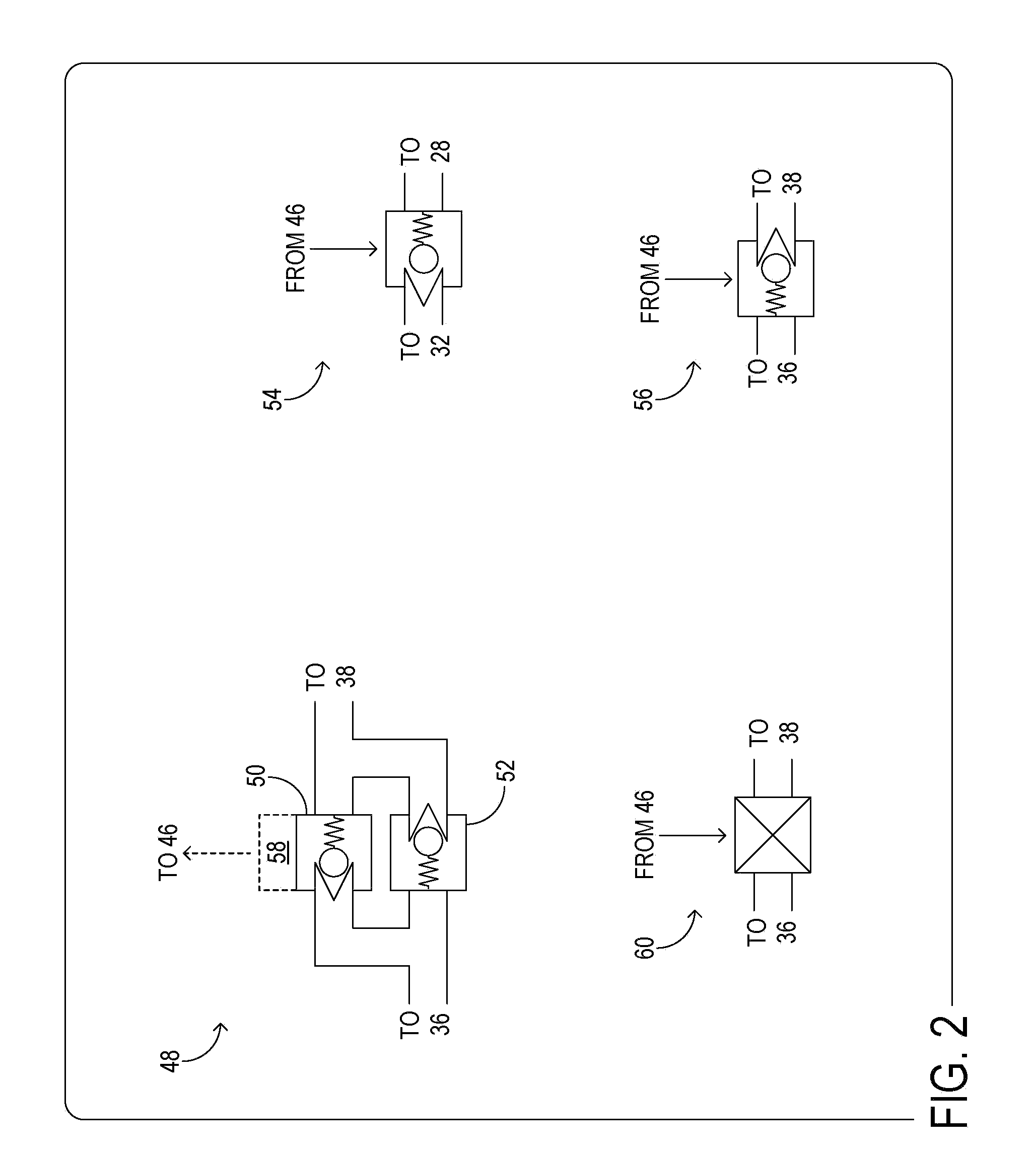
Crankcase breech detection for boosted engines
PatentInactiveUS20100147270A1
Innovation
- The implementation of methods to detect breaches in the crankcase by monitoring crankcase pressure and using flow-control components and an electronic control unit to indicate and mitigate lubricant loss, including restricting communication with the atmosphere and using sensors to sense pressure components.

Compositions for mitigating low speed pre-ignition events
PatentWO2022208250A1
Innovation
- A fuel and lubricating oil composition incorporating phenolic amine additives with specific structures, which can be used in spark-ignited internal combustion engines to prevent or minimize LSPI events by dissolving or dispersing them in the fuel or oil, thereby reducing engine knocking and pre-ignition problems.


Warranty Impact Analysis
The reliability of the L92 engine has significant implications for vehicle warranties, affecting both manufacturers and consumers. Engine reliability directly correlates with warranty claims, repair costs, and customer satisfaction. A highly reliable L92 engine reduces the frequency and severity of warranty claims, leading to lower warranty-related expenses for manufacturers. This, in turn, allows companies to offer more competitive warranty terms, potentially extending coverage periods or expanding the scope of covered components.
Conversely, if the L92 engine exhibits reliability issues, it can result in increased warranty claims and associated costs. Manufacturers may face higher expenses for repairs, replacements, and customer support. This financial burden could lead to more restrictive warranty terms or higher vehicle prices to offset the increased warranty-related expenditures. Additionally, frequent warranty claims can damage brand reputation and customer loyalty, potentially impacting future sales and market share.
The impact of L92 engine reliability on warranties extends beyond immediate financial considerations. It influences the overall ownership experience and long-term value proposition of vehicles equipped with this engine. Reliable engines contribute to lower total cost of ownership, as consumers face fewer out-of-pocket expenses for repairs after the warranty period expires. This can enhance customer satisfaction and brand loyalty, potentially leading to repeat purchases and positive word-of-mouth recommendations.
From a risk management perspective, manufacturers must carefully assess the reliability of the L92 engine when structuring their warranty programs. Robust reliability data allows for more accurate forecasting of warranty costs and helps in setting appropriate warranty terms. It also informs decisions on whether to offer extended warranty options or service contracts, which can be valuable additional revenue streams if the engine proves highly reliable.
The warranty impact analysis should consider various factors, including the specific failure modes of the L92 engine, their frequency, and severity. Common issues such as oil consumption, timing chain problems, or valve lifter failures can significantly influence warranty costs and customer perception. By identifying and addressing these issues proactively, manufacturers can mitigate warranty risks and improve overall customer satisfaction.
Conversely, if the L92 engine exhibits reliability issues, it can result in increased warranty claims and associated costs. Manufacturers may face higher expenses for repairs, replacements, and customer support. This financial burden could lead to more restrictive warranty terms or higher vehicle prices to offset the increased warranty-related expenditures. Additionally, frequent warranty claims can damage brand reputation and customer loyalty, potentially impacting future sales and market share.
The impact of L92 engine reliability on warranties extends beyond immediate financial considerations. It influences the overall ownership experience and long-term value proposition of vehicles equipped with this engine. Reliable engines contribute to lower total cost of ownership, as consumers face fewer out-of-pocket expenses for repairs after the warranty period expires. This can enhance customer satisfaction and brand loyalty, potentially leading to repeat purchases and positive word-of-mouth recommendations.
From a risk management perspective, manufacturers must carefully assess the reliability of the L92 engine when structuring their warranty programs. Robust reliability data allows for more accurate forecasting of warranty costs and helps in setting appropriate warranty terms. It also informs decisions on whether to offer extended warranty options or service contracts, which can be valuable additional revenue streams if the engine proves highly reliable.
The warranty impact analysis should consider various factors, including the specific failure modes of the L92 engine, their frequency, and severity. Common issues such as oil consumption, timing chain problems, or valve lifter failures can significantly influence warranty costs and customer perception. By identifying and addressing these issues proactively, manufacturers can mitigate warranty risks and improve overall customer satisfaction.
Regulatory Compliance
The reliability of the L92 engine has significant implications for vehicle warranties and regulatory compliance. As automotive manufacturers strive to meet increasingly stringent emissions and fuel efficiency standards, the L92 engine's performance and durability play a crucial role in ensuring compliance with various regulations.
In the United States, the Environmental Protection Agency (EPA) and the National Highway Traffic Safety Administration (NHTSA) set strict standards for vehicle emissions and fuel economy. The L92 engine's reliability directly impacts a vehicle's ability to meet these standards throughout its warranty period and beyond. Any premature engine failures or performance degradation could lead to increased emissions or reduced fuel efficiency, potentially resulting in non-compliance with regulatory requirements.
Furthermore, the California Air Resources Board (CARB) imposes even more stringent emissions standards, which many other states have adopted. The L92 engine's reliability is particularly critical for vehicles sold in these markets, as manufacturers must ensure compliance with these stricter regulations throughout the warranty period.
In the European Union, the Euro 6 emissions standards and CO2 emissions targets place additional pressure on engine reliability. The L92 engine's performance over time directly affects a manufacturer's ability to meet these targets and avoid potential fines or penalties for non-compliance.
Warranty periods for emissions-related components are often mandated by regulatory bodies. For example, in the United States, the EPA requires manufacturers to provide emissions warranties for a minimum of 2 years or 24,000 miles for all parts and 8 years or 80,000 miles for specific emissions control components. The reliability of the L92 engine is crucial in meeting these warranty obligations without incurring excessive costs for the manufacturer.
Moreover, the increasing focus on lifecycle emissions and sustainability in regulations worldwide emphasizes the importance of long-term engine reliability. Premature engine failures not only impact warranty costs but also contribute to increased resource consumption and waste, potentially conflicting with emerging regulations on product lifecycle and circular economy principles.
As governments worldwide continue to tighten regulations on vehicle emissions, fuel efficiency, and overall environmental impact, the reliability of engines like the L92 becomes increasingly critical. Manufacturers must carefully balance performance, efficiency, and durability to ensure compliance with current and future regulations while managing warranty costs and customer satisfaction.
In the United States, the Environmental Protection Agency (EPA) and the National Highway Traffic Safety Administration (NHTSA) set strict standards for vehicle emissions and fuel economy. The L92 engine's reliability directly impacts a vehicle's ability to meet these standards throughout its warranty period and beyond. Any premature engine failures or performance degradation could lead to increased emissions or reduced fuel efficiency, potentially resulting in non-compliance with regulatory requirements.
Furthermore, the California Air Resources Board (CARB) imposes even more stringent emissions standards, which many other states have adopted. The L92 engine's reliability is particularly critical for vehicles sold in these markets, as manufacturers must ensure compliance with these stricter regulations throughout the warranty period.
In the European Union, the Euro 6 emissions standards and CO2 emissions targets place additional pressure on engine reliability. The L92 engine's performance over time directly affects a manufacturer's ability to meet these targets and avoid potential fines or penalties for non-compliance.
Warranty periods for emissions-related components are often mandated by regulatory bodies. For example, in the United States, the EPA requires manufacturers to provide emissions warranties for a minimum of 2 years or 24,000 miles for all parts and 8 years or 80,000 miles for specific emissions control components. The reliability of the L92 engine is crucial in meeting these warranty obligations without incurring excessive costs for the manufacturer.
Moreover, the increasing focus on lifecycle emissions and sustainability in regulations worldwide emphasizes the importance of long-term engine reliability. Premature engine failures not only impact warranty costs but also contribute to increased resource consumption and waste, potentially conflicting with emerging regulations on product lifecycle and circular economy principles.
As governments worldwide continue to tighten regulations on vehicle emissions, fuel efficiency, and overall environmental impact, the reliability of engines like the L92 becomes increasingly critical. Manufacturers must carefully balance performance, efficiency, and durability to ensure compliance with current and future regulations while managing warranty costs and customer satisfaction.
Unlock deeper insights with PatSnap Eureka Quick Research — get a full tech report to explore trends and direct your research. Try now!
Generate Your Research Report Instantly with AI Agent
Supercharge your innovation with PatSnap Eureka AI Agent Platform!