

How LS Engine Valve Timing Can Be Electronically Controlled
AUG 12, 20259 MIN READ
Generate Your Research Report Instantly with AI Agent
PatSnap Eureka helps you evaluate technical feasibility & market potential.
LS Engine VVT Background
The LS engine, developed by General Motors, has been a cornerstone of high-performance automotive engineering since its introduction in 1997. Initially designed as a naturally aspirated V8 engine, the LS series has undergone significant evolution over the years, with variable valve timing (VVT) becoming a crucial advancement in its development.
Variable valve timing technology in LS engines represents a significant leap forward in engine management and performance optimization. This system allows for precise control of valve opening and closing events, adapting to different engine speeds and load conditions. The implementation of VVT in LS engines has been a gradual process, with early models utilizing fixed valve timing and later versions incorporating increasingly sophisticated electronic control systems.
The primary goal of VVT in LS engines is to enhance overall engine performance, improve fuel efficiency, and reduce emissions. By adjusting valve timing, the engine can optimize air intake and exhaust flow across a wide range of operating conditions. This flexibility allows for improved low-end torque, increased high-end power, and better fuel economy throughout the engine's operating range.
Electronic control of valve timing in LS engines is achieved through a complex interplay of mechanical components and electronic systems. The heart of this system is the engine control module (ECM), which uses input from various sensors to determine the optimal valve timing for current operating conditions. These sensors monitor factors such as engine speed, load, temperature, and throttle position.
The mechanical aspect of VVT in LS engines typically involves a camshaft phaser, which is capable of advancing or retarding the camshaft timing relative to the crankshaft. This phaser is actuated by oil pressure, which is controlled by a solenoid valve that receives signals from the ECM. The precise control of this oil pressure allows for smooth and continuous adjustment of valve timing.
As LS engine technology has progressed, the sophistication of VVT systems has increased. Early implementations focused on single camshaft phasing, typically on the intake side. However, later developments have seen the introduction of dual independent cam phasing, allowing for even greater control over engine breathing and combustion characteristics.
The evolution of VVT in LS engines has been driven by a combination of regulatory pressures for improved emissions and fuel economy, as well as market demands for enhanced performance. This technology has played a crucial role in keeping the LS engine family competitive and relevant in an era of increasingly stringent environmental regulations and performance expectations.
Variable valve timing technology in LS engines represents a significant leap forward in engine management and performance optimization. This system allows for precise control of valve opening and closing events, adapting to different engine speeds and load conditions. The implementation of VVT in LS engines has been a gradual process, with early models utilizing fixed valve timing and later versions incorporating increasingly sophisticated electronic control systems.
The primary goal of VVT in LS engines is to enhance overall engine performance, improve fuel efficiency, and reduce emissions. By adjusting valve timing, the engine can optimize air intake and exhaust flow across a wide range of operating conditions. This flexibility allows for improved low-end torque, increased high-end power, and better fuel economy throughout the engine's operating range.
Electronic control of valve timing in LS engines is achieved through a complex interplay of mechanical components and electronic systems. The heart of this system is the engine control module (ECM), which uses input from various sensors to determine the optimal valve timing for current operating conditions. These sensors monitor factors such as engine speed, load, temperature, and throttle position.
The mechanical aspect of VVT in LS engines typically involves a camshaft phaser, which is capable of advancing or retarding the camshaft timing relative to the crankshaft. This phaser is actuated by oil pressure, which is controlled by a solenoid valve that receives signals from the ECM. The precise control of this oil pressure allows for smooth and continuous adjustment of valve timing.
As LS engine technology has progressed, the sophistication of VVT systems has increased. Early implementations focused on single camshaft phasing, typically on the intake side. However, later developments have seen the introduction of dual independent cam phasing, allowing for even greater control over engine breathing and combustion characteristics.
The evolution of VVT in LS engines has been driven by a combination of regulatory pressures for improved emissions and fuel economy, as well as market demands for enhanced performance. This technology has played a crucial role in keeping the LS engine family competitive and relevant in an era of increasingly stringent environmental regulations and performance expectations.
Market Demand Analysis
The market demand for electronically controlled valve timing in LS engines has been steadily increasing due to the growing emphasis on fuel efficiency, emissions reduction, and performance optimization in the automotive industry. This technology offers significant advantages over traditional mechanical systems, including improved engine efficiency, reduced fuel consumption, and enhanced overall performance.
In recent years, stringent emissions regulations worldwide have driven automakers to seek advanced engine technologies. Electronically controlled valve timing systems have emerged as a crucial solution to meet these standards while maintaining or improving engine performance. The ability to precisely control valve timing throughout different engine operating conditions allows for optimized combustion, resulting in lower emissions and better fuel economy.
The performance car market, particularly in North America where LS engines are prevalent, has shown a strong interest in electronically controlled valve timing. Enthusiasts and aftermarket tuners are increasingly demanding this technology to extract maximum power and efficiency from their engines. This has created a significant aftermarket opportunity for retrofit kits and performance upgrades.
Furthermore, the commercial vehicle sector has recognized the potential of electronically controlled valve timing in LS engines to improve fuel efficiency and reduce operating costs. Fleet operators are particularly interested in technologies that can provide even marginal improvements in fuel consumption, as this translates to substantial savings over the lifetime of their vehicles.
The integration of electronically controlled valve timing with other advanced engine technologies, such as direct injection and turbocharging, has further expanded its market potential. This synergy allows for more comprehensive engine management strategies, leading to even greater improvements in performance and efficiency.
As the automotive industry continues its shift towards electrification, there is a growing demand for technologies that can bridge the gap between traditional internal combustion engines and fully electric powertrains. Electronically controlled valve timing in LS engines represents a key technology in this transition, offering improved efficiency and reduced emissions in hybrid and mild-hybrid applications.
The global market for variable valve timing systems, including electronically controlled systems, is projected to grow significantly in the coming years. This growth is driven by the increasing adoption of these technologies across various vehicle segments, from economy cars to high-performance vehicles and commercial trucks.
In recent years, stringent emissions regulations worldwide have driven automakers to seek advanced engine technologies. Electronically controlled valve timing systems have emerged as a crucial solution to meet these standards while maintaining or improving engine performance. The ability to precisely control valve timing throughout different engine operating conditions allows for optimized combustion, resulting in lower emissions and better fuel economy.
The performance car market, particularly in North America where LS engines are prevalent, has shown a strong interest in electronically controlled valve timing. Enthusiasts and aftermarket tuners are increasingly demanding this technology to extract maximum power and efficiency from their engines. This has created a significant aftermarket opportunity for retrofit kits and performance upgrades.
Furthermore, the commercial vehicle sector has recognized the potential of electronically controlled valve timing in LS engines to improve fuel efficiency and reduce operating costs. Fleet operators are particularly interested in technologies that can provide even marginal improvements in fuel consumption, as this translates to substantial savings over the lifetime of their vehicles.
The integration of electronically controlled valve timing with other advanced engine technologies, such as direct injection and turbocharging, has further expanded its market potential. This synergy allows for more comprehensive engine management strategies, leading to even greater improvements in performance and efficiency.
As the automotive industry continues its shift towards electrification, there is a growing demand for technologies that can bridge the gap between traditional internal combustion engines and fully electric powertrains. Electronically controlled valve timing in LS engines represents a key technology in this transition, offering improved efficiency and reduced emissions in hybrid and mild-hybrid applications.
The global market for variable valve timing systems, including electronically controlled systems, is projected to grow significantly in the coming years. This growth is driven by the increasing adoption of these technologies across various vehicle segments, from economy cars to high-performance vehicles and commercial trucks.
VVT Tech Challenges
Variable valve timing (VVT) technology in LS engines presents several significant challenges that engineers must overcome to achieve effective electronic control. One of the primary obstacles is the precise synchronization required between the camshaft and crankshaft. The system must accurately determine the engine's position and speed to adjust valve timing appropriately, which demands high-resolution sensors and robust control algorithms.
The durability and reliability of VVT components under extreme operating conditions pose another major challenge. The actuators and solenoids responsible for adjusting valve timing must withstand high temperatures, vibrations, and contaminants present in the engine environment. Ensuring consistent performance over the engine's lifespan requires advanced materials and design techniques.
Integration with existing engine management systems is a complex task. The VVT control module must seamlessly communicate with other engine control units, such as fuel injection and ignition systems, to optimize overall engine performance. This integration often requires sophisticated software development and extensive calibration efforts.
The response time of the VVT system is crucial for achieving desired performance benefits. Engineers must design actuators and control mechanisms that can rapidly adjust valve timing across a wide range of engine speeds and loads. This challenge is compounded by the need to maintain smooth operation during transitions, avoiding abrupt changes that could negatively impact drivability or emissions.
Power consumption and efficiency of the VVT system present another hurdle. The actuators and control electronics must operate with minimal energy draw to avoid placing excessive load on the engine's electrical system. This requirement often conflicts with the need for rapid response and precise control, necessitating careful design trade-offs.
Packaging constraints within the engine bay create additional challenges for VVT implementation. Engineers must design compact actuators and control components that fit within the limited space available, while still providing the necessary performance and reliability. This often requires innovative solutions in component layout and miniaturization.
Lastly, cost considerations play a significant role in VVT development. While electronic control offers numerous benefits, the system must be economically viable for mass production. Balancing performance improvements against manufacturing and material costs remains an ongoing challenge for engineers working on LS engine VVT systems.
The durability and reliability of VVT components under extreme operating conditions pose another major challenge. The actuators and solenoids responsible for adjusting valve timing must withstand high temperatures, vibrations, and contaminants present in the engine environment. Ensuring consistent performance over the engine's lifespan requires advanced materials and design techniques.
Integration with existing engine management systems is a complex task. The VVT control module must seamlessly communicate with other engine control units, such as fuel injection and ignition systems, to optimize overall engine performance. This integration often requires sophisticated software development and extensive calibration efforts.
The response time of the VVT system is crucial for achieving desired performance benefits. Engineers must design actuators and control mechanisms that can rapidly adjust valve timing across a wide range of engine speeds and loads. This challenge is compounded by the need to maintain smooth operation during transitions, avoiding abrupt changes that could negatively impact drivability or emissions.
Power consumption and efficiency of the VVT system present another hurdle. The actuators and control electronics must operate with minimal energy draw to avoid placing excessive load on the engine's electrical system. This requirement often conflicts with the need for rapid response and precise control, necessitating careful design trade-offs.
Packaging constraints within the engine bay create additional challenges for VVT implementation. Engineers must design compact actuators and control components that fit within the limited space available, while still providing the necessary performance and reliability. This often requires innovative solutions in component layout and miniaturization.
Lastly, cost considerations play a significant role in VVT development. While electronic control offers numerous benefits, the system must be economically viable for mass production. Balancing performance improvements against manufacturing and material costs remains an ongoing challenge for engineers working on LS engine VVT systems.
Current VVT Solutions
01 Variable valve timing mechanisms for LS engines
LS engines can be equipped with variable valve timing mechanisms to optimize engine performance across different operating conditions. These systems allow for adjustments in valve opening and closing times, improving fuel efficiency, power output, and emissions control. The mechanisms typically involve camshaft phasing devices that can advance or retard valve timing based on engine speed and load.- Variable valve timing mechanisms: LS engines employ variable valve timing mechanisms to optimize engine performance across different operating conditions. These systems adjust the timing of valve opening and closing relative to piston position, improving fuel efficiency, power output, and emissions control. Advanced control algorithms and hydraulic actuators are often used to achieve precise timing adjustments.
- Camshaft phasing systems: Camshaft phasing systems are utilized in LS engines to alter valve timing. These systems typically use hydraulic or electric actuators to rotate the camshaft relative to its drive, allowing for continuous adjustment of valve events. This technology enables improved low-end torque, high-end power, and better overall engine efficiency.
- Dual independent cam phasing: Some advanced LS engines feature dual independent cam phasing, which allows for separate control of intake and exhaust valve timing. This system provides greater flexibility in optimizing engine performance across a wider range of operating conditions, resulting in improved fuel economy and reduced emissions without sacrificing power output.
- Electronic control systems for valve timing: LS engines incorporate sophisticated electronic control systems to manage valve timing. These systems use input from various sensors to determine optimal valve timing based on factors such as engine load, speed, and temperature. The engine control module (ECM) processes this data and sends commands to the valve timing actuators for real-time adjustments.
- Integration with other engine systems: Valve timing in LS engines is integrated with other engine systems for optimal performance. This includes coordination with fuel injection timing, ignition timing, and turbocharging or supercharging systems. The integrated approach ensures that valve timing works in harmony with other engine functions to maximize efficiency, power, and emissions control across various operating conditions.
02 Camshaft control systems for LS engines
Advanced camshaft control systems are implemented in LS engines to precisely manage valve timing. These systems often incorporate electronic control units, hydraulic actuators, and position sensors to continuously adjust camshaft position. By fine-tuning valve events, these control systems can enhance engine breathing, reduce pumping losses, and improve overall engine efficiency across a wide range of operating conditions.Expand Specific Solutions03 Dual independent valve timing for LS engines
Some LS engine configurations feature dual independent valve timing, allowing separate control of intake and exhaust valve timing. This advanced setup provides greater flexibility in optimizing engine performance, as it enables more precise control over the combustion process. Dual independent valve timing can significantly improve low-end torque, high-end power, and overall engine efficiency.Expand Specific Solutions04 Integration of valve timing with other engine systems
LS engine valve timing systems are often integrated with other engine management components, such as fuel injection, ignition timing, and turbocharging systems. This holistic approach to engine control allows for synergistic optimization of various parameters, resulting in improved performance, fuel economy, and emissions control. Advanced control algorithms and sensors enable real-time adjustments based on driving conditions and driver inputs.Expand Specific Solutions05 Valve timing strategies for specific LS engine applications
Different LS engine applications may employ specific valve timing strategies to meet particular performance goals. For example, high-performance variants might prioritize maximum power output, while engines designed for fuel efficiency may focus on reducing pumping losses and optimizing combustion efficiency. These strategies can involve unique cam profiles, timing ranges, and control algorithms tailored to the specific application requirements.Expand Specific Solutions
Key VVT Players
The electronic control of LS Engine valve timing represents a mature technology in the automotive industry, with the market in a growth phase. The global market for variable valve timing systems is expected to reach significant size in the coming years, driven by increasing demand for fuel-efficient vehicles. Major players like Toyota, Ford, Hyundai, and Honda have well-established capabilities in this area. Tier 1 suppliers such as DENSO, Aisin, and Bosch also play crucial roles in developing and manufacturing these systems. Chinese companies like Chery and Geely are rapidly advancing their technologies to compete globally. The technology's maturity is evident from widespread adoption across various vehicle segments, with ongoing refinements focused on improving efficiency and performance.
Toyota Motor Corp.
Technical Solution: Toyota's approach to electronically controlled LS engine valve timing involves their VVT-i (Variable Valve Timing with intelligence) system. This technology uses an oil-pressure-activated variable valve timing controller on the camshaft to continuously adjust the intake valve timing[4]. In more advanced iterations, such as VVT-iE, Toyota employs an electric motor to control the intake camshaft phaser, allowing for more precise and responsive valve timing adjustments, even at low engine speeds or cold starts[5]. Toyota has also developed a Valvematic system, which combines VVT-i with a variable valve lift mechanism, providing even greater control over engine breathing and combustion efficiency[6]. The system can adjust both valve timing and lift, optimizing engine performance across a broader range of operating conditions.
Strengths: Precise control of valve timing, improved low-end torque, and better fuel efficiency. Electric actuation in VVT-iE allows for quicker response times. Weaknesses: Increased system complexity and potential for higher production costs.
Ford Global Technologies LLC
Technical Solution: Ford's electronically controlled LS engine valve timing system utilizes Variable Camshaft Timing (VCT) technology. This system employs oil-pressure actuated camshaft phasers controlled by the engine's ECU to adjust the timing of both intake and exhaust valves[1]. The ECU uses inputs from various sensors to determine optimal valve timing based on engine speed, load, and other parameters. Ford's system can advance or retard valve timing by up to 60 degrees of crankshaft rotation, allowing for improved engine performance, fuel efficiency, and emissions control across a wide range of operating conditions[2]. The system also incorporates a dual independent variable camshaft timing (Ti-VCT) feature, which allows for independent control of both intake and exhaust valve timing, further enhancing engine flexibility and efficiency[3].
Strengths: Improved engine performance, fuel efficiency, and emissions control. Flexibility to optimize valve timing across various operating conditions. Weaknesses: Complexity of the system may lead to higher maintenance costs and potential reliability issues over time.
Core VVT Innovations
Variable valve timing system and method for controlling the same
PatentInactiveEP2057363A2
Innovation
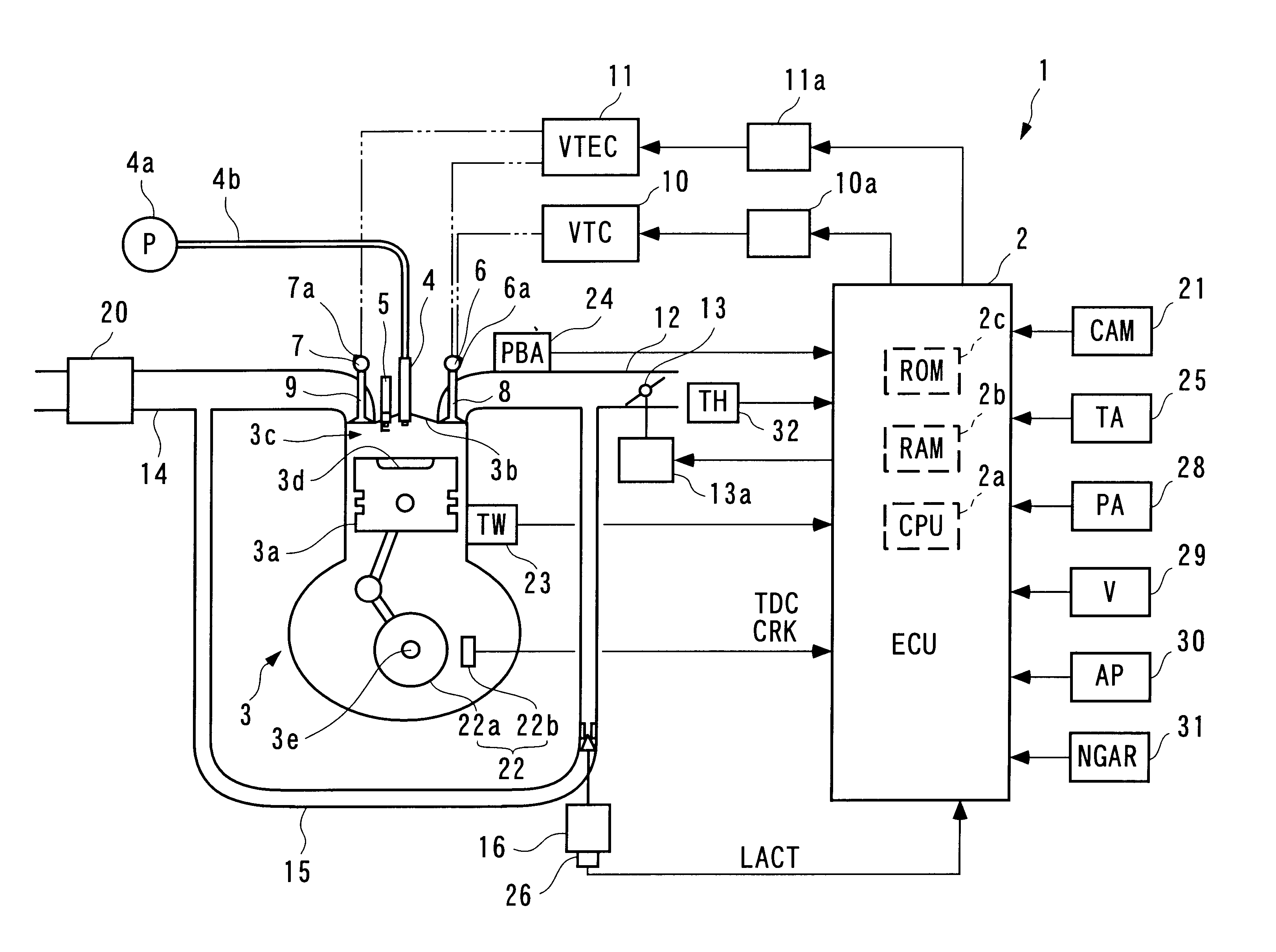
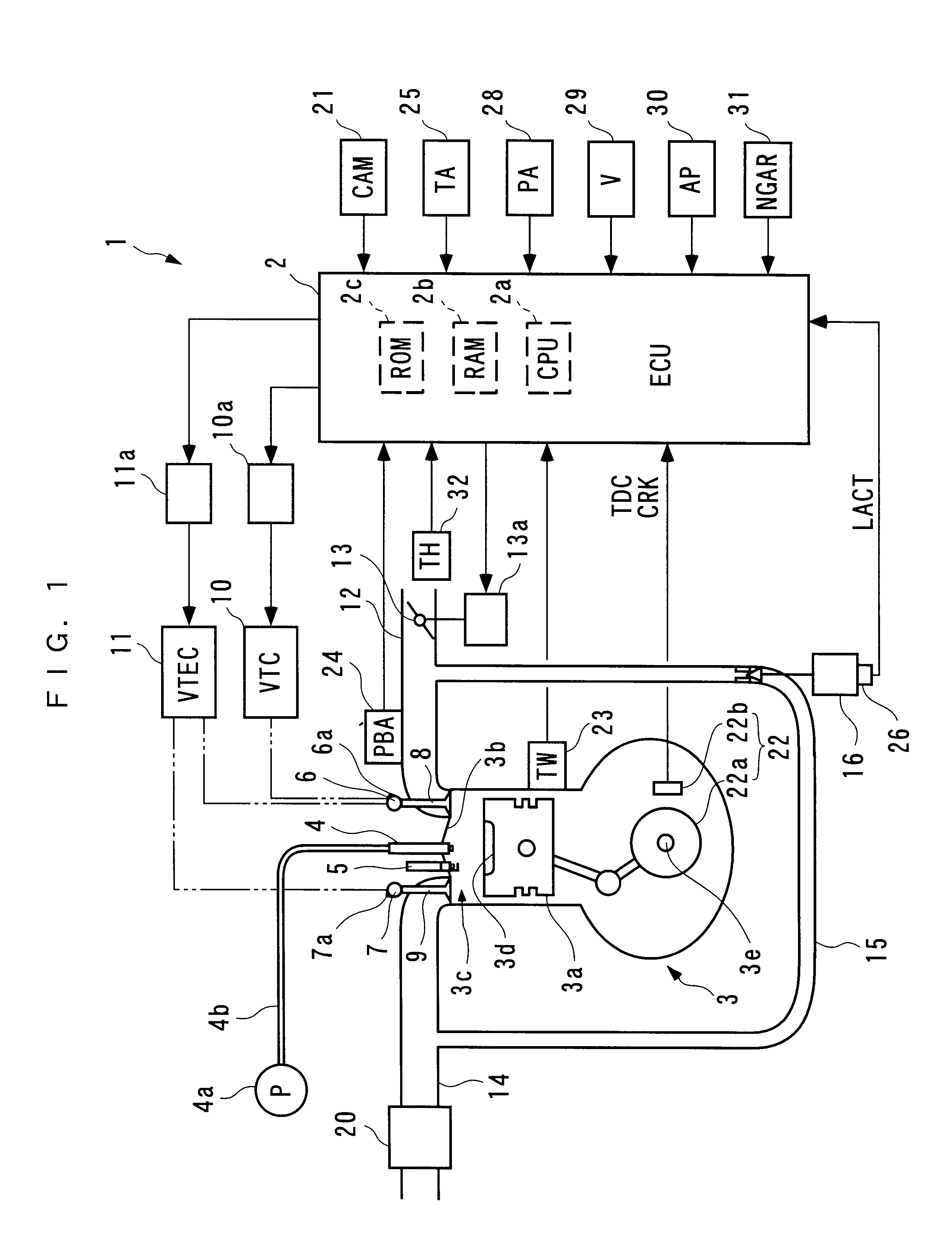
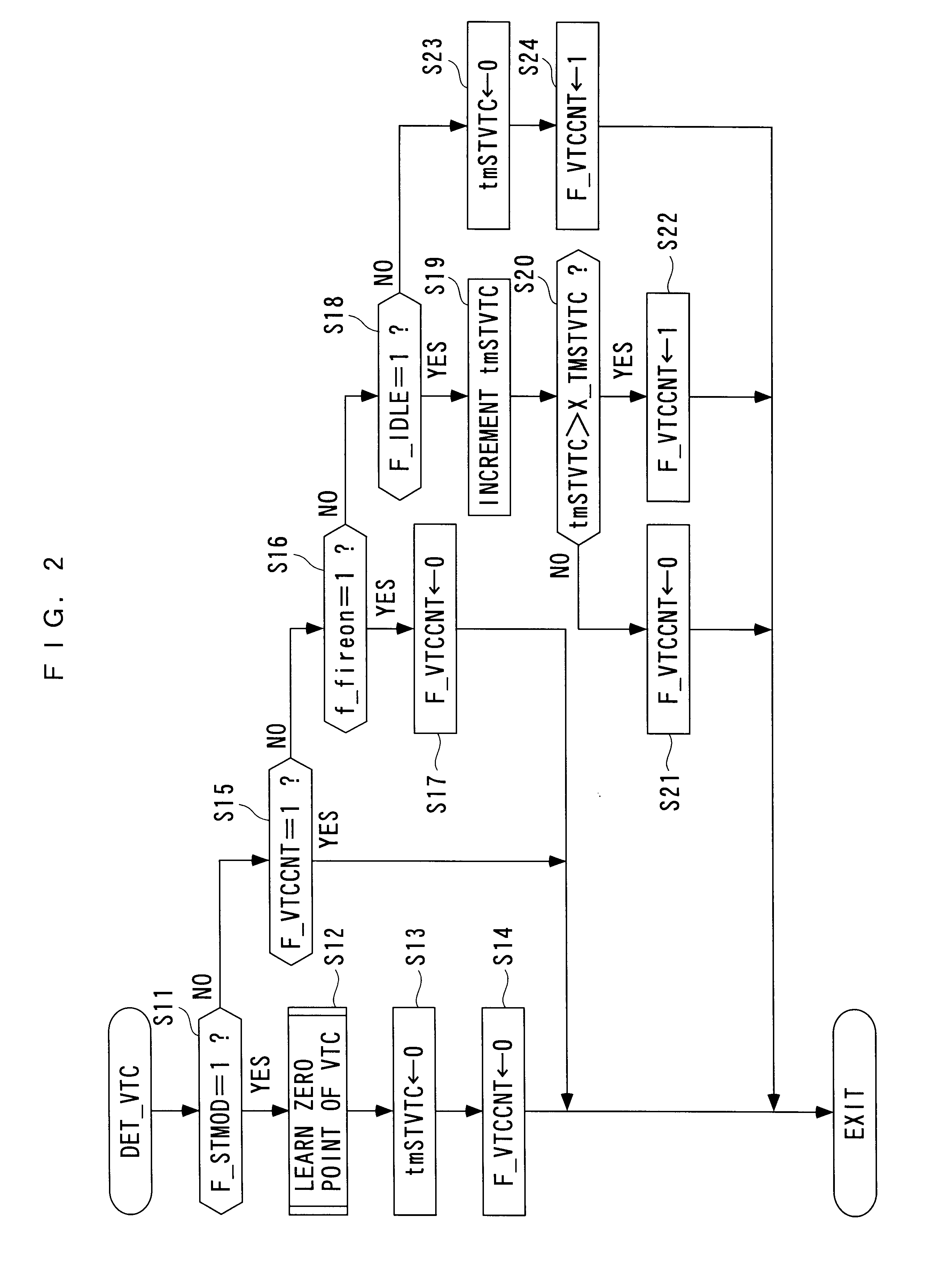
- A variable valve timing system utilizing an electric motor as an actuator, with a stop-time phase control unit that includes a mode changeover condition setting unit and a mode changeover determination unit to switch between high-speed and feedback control modes based on rotational speed and deviation from target valve timing, ensuring accurate valve timing setting when the engine is stopped.
Valve timing controller, valve timing control method and engine control unit for internal combustion engine
PatentInactiveUS6655345B2
Innovation
- A valve timing controller that detects engine rotational speed and accelerator pedal opening to determine required torque, and adjusts valve timing based on this information, independent of throttle valve opening and intake pipe pressure, using mechanisms like cam phase changing and profile switching to ensure optimal engine operation in both uniform and stratified combustion modes.

Emissions Regulations
Emissions regulations have played a significant role in driving the development of electronically controlled valve timing systems for LS engines. As environmental concerns have grown, governments worldwide have implemented increasingly stringent emissions standards for vehicles. These regulations aim to reduce harmful pollutants such as carbon monoxide, nitrogen oxides, and particulate matter emitted by internal combustion engines.
The introduction of more stringent emissions standards, such as Euro 6 in Europe and Tier 3 in the United States, has necessitated advanced engine control technologies. Electronically controlled valve timing systems have emerged as a crucial tool in meeting these regulatory requirements. By precisely controlling the opening and closing of engine valves, these systems can optimize combustion efficiency, reduce fuel consumption, and minimize emissions across various operating conditions.
One of the primary benefits of electronically controlled valve timing in LS engines is its ability to adjust valve overlap dynamically. This feature allows for improved exhaust gas recirculation (EGR), which is essential for reducing nitrogen oxide emissions. By precisely controlling the amount of exhaust gas that remains in the cylinder, engineers can lower combustion temperatures and minimize the formation of nitrogen oxides.
Furthermore, electronic valve timing control enables more accurate fuel metering and improved air-fuel mixture formation. This precision contributes to more complete combustion, reducing unburned hydrocarbons and carbon monoxide emissions. The system's ability to adapt to different engine loads and speeds also helps maintain optimal emissions performance across a wide range of driving conditions.
Another critical aspect of emissions regulations addressed by electronically controlled valve timing is cold-start emissions. During engine warm-up, traditional fixed valve timing systems struggle to maintain efficient combustion and emissions control. Electronic control allows for rapid adjustments to valve timing during these critical first few minutes of operation, significantly reducing cold-start emissions that are often targeted by regulatory bodies.
As emissions standards continue to evolve, the role of electronically controlled valve timing in LS engines is likely to become even more crucial. Future regulations may focus on real-world driving emissions and lifecycle carbon footprint, areas where advanced valve control can provide substantial benefits. The flexibility offered by electronic systems also allows for easier software updates and calibration changes to meet new regulatory requirements without significant hardware modifications.
In conclusion, emissions regulations have been a primary driver for the development and implementation of electronically controlled valve timing in LS engines. These systems have proven instrumental in meeting increasingly stringent standards while maintaining or improving engine performance and efficiency. As regulatory pressures continue to mount, further advancements in electronic valve control technology are expected to play a vital role in the future of internal combustion engines.
The introduction of more stringent emissions standards, such as Euro 6 in Europe and Tier 3 in the United States, has necessitated advanced engine control technologies. Electronically controlled valve timing systems have emerged as a crucial tool in meeting these regulatory requirements. By precisely controlling the opening and closing of engine valves, these systems can optimize combustion efficiency, reduce fuel consumption, and minimize emissions across various operating conditions.
One of the primary benefits of electronically controlled valve timing in LS engines is its ability to adjust valve overlap dynamically. This feature allows for improved exhaust gas recirculation (EGR), which is essential for reducing nitrogen oxide emissions. By precisely controlling the amount of exhaust gas that remains in the cylinder, engineers can lower combustion temperatures and minimize the formation of nitrogen oxides.
Furthermore, electronic valve timing control enables more accurate fuel metering and improved air-fuel mixture formation. This precision contributes to more complete combustion, reducing unburned hydrocarbons and carbon monoxide emissions. The system's ability to adapt to different engine loads and speeds also helps maintain optimal emissions performance across a wide range of driving conditions.
Another critical aspect of emissions regulations addressed by electronically controlled valve timing is cold-start emissions. During engine warm-up, traditional fixed valve timing systems struggle to maintain efficient combustion and emissions control. Electronic control allows for rapid adjustments to valve timing during these critical first few minutes of operation, significantly reducing cold-start emissions that are often targeted by regulatory bodies.
As emissions standards continue to evolve, the role of electronically controlled valve timing in LS engines is likely to become even more crucial. Future regulations may focus on real-world driving emissions and lifecycle carbon footprint, areas where advanced valve control can provide substantial benefits. The flexibility offered by electronic systems also allows for easier software updates and calibration changes to meet new regulatory requirements without significant hardware modifications.
In conclusion, emissions regulations have been a primary driver for the development and implementation of electronically controlled valve timing in LS engines. These systems have proven instrumental in meeting increasingly stringent standards while maintaining or improving engine performance and efficiency. As regulatory pressures continue to mount, further advancements in electronic valve control technology are expected to play a vital role in the future of internal combustion engines.
VVT Performance Impact
Variable valve timing (VVT) technology has revolutionized engine performance in modern vehicles, particularly in LS engines. The implementation of electronically controlled valve timing has led to significant improvements in power output, fuel efficiency, and emissions reduction. By optimizing valve opening and closing events based on engine speed and load, VVT systems can enhance engine performance across a wide range of operating conditions.
One of the primary benefits of VVT in LS engines is increased power output. By adjusting valve timing, the engine can achieve better volumetric efficiency, allowing for improved cylinder filling at different engine speeds. This results in a broader torque curve and higher peak horsepower. Studies have shown that VVT can increase power output by up to 10% compared to fixed valve timing systems.
Fuel efficiency is another area where VVT demonstrates substantial improvements. By optimizing valve events, the engine can reduce pumping losses and improve combustion efficiency. This leads to better fuel economy, especially during part-load conditions. Real-world testing has indicated that VVT can contribute to fuel consumption reductions of 3-5% in typical driving scenarios.
Emissions reduction is a crucial aspect of modern engine design, and VVT plays a significant role in meeting stringent environmental regulations. By precisely controlling exhaust gas recirculation (EGR) through valve timing adjustments, VVT systems can reduce nitrogen oxide (NOx) emissions. Additionally, improved combustion efficiency results in lower hydrocarbon (HC) and carbon monoxide (CO) emissions.
The impact of VVT on engine responsiveness and drivability is noteworthy. By adjusting valve overlap, VVT can enhance low-end torque and improve throttle response. This translates to better acceleration and a more engaging driving experience. Furthermore, VVT allows for smoother idle and reduced NVH (Noise, Vibration, and Harshness) characteristics.
In high-performance applications, VVT enables engineers to design camshaft profiles that optimize both low-end torque and high-rpm power. This dual-nature capability eliminates the traditional compromise between these two performance aspects, resulting in engines that perform well across the entire RPM range.
The integration of VVT with other advanced engine technologies, such as direct injection and turbocharging, has led to even greater performance gains. These synergistic effects have allowed LS engines to achieve remarkable power density and efficiency levels, pushing the boundaries of internal combustion engine capabilities.
One of the primary benefits of VVT in LS engines is increased power output. By adjusting valve timing, the engine can achieve better volumetric efficiency, allowing for improved cylinder filling at different engine speeds. This results in a broader torque curve and higher peak horsepower. Studies have shown that VVT can increase power output by up to 10% compared to fixed valve timing systems.
Fuel efficiency is another area where VVT demonstrates substantial improvements. By optimizing valve events, the engine can reduce pumping losses and improve combustion efficiency. This leads to better fuel economy, especially during part-load conditions. Real-world testing has indicated that VVT can contribute to fuel consumption reductions of 3-5% in typical driving scenarios.
Emissions reduction is a crucial aspect of modern engine design, and VVT plays a significant role in meeting stringent environmental regulations. By precisely controlling exhaust gas recirculation (EGR) through valve timing adjustments, VVT systems can reduce nitrogen oxide (NOx) emissions. Additionally, improved combustion efficiency results in lower hydrocarbon (HC) and carbon monoxide (CO) emissions.
The impact of VVT on engine responsiveness and drivability is noteworthy. By adjusting valve overlap, VVT can enhance low-end torque and improve throttle response. This translates to better acceleration and a more engaging driving experience. Furthermore, VVT allows for smoother idle and reduced NVH (Noise, Vibration, and Harshness) characteristics.
In high-performance applications, VVT enables engineers to design camshaft profiles that optimize both low-end torque and high-rpm power. This dual-nature capability eliminates the traditional compromise between these two performance aspects, resulting in engines that perform well across the entire RPM range.
The integration of VVT with other advanced engine technologies, such as direct injection and turbocharging, has led to even greater performance gains. These synergistic effects have allowed LS engines to achieve remarkable power density and efficiency levels, pushing the boundaries of internal combustion engine capabilities.
Unlock deeper insights with PatSnap Eureka Quick Research — get a full tech report to explore trends and direct your research. Try now!
Generate Your Research Report Instantly with AI Agent
Supercharge your innovation with PatSnap Eureka AI Agent Platform!