
How Luminol Stabilizes Performance in Testing Protocols?
AUG 19, 20259 MIN READ
Generate Your Research Report Instantly with AI Agent
Patsnap Eureka helps you evaluate technical feasibility & market potential.
Luminol Stability Background and Objectives
Luminol, a chemiluminescent compound, has been widely used in forensic science and biochemical research for decades. Its ability to emit light when oxidized has made it an invaluable tool in various testing protocols, particularly in the detection of blood traces and the measurement of cellular activity. However, the stability of luminol's performance has been a persistent challenge, affecting the reliability and reproducibility of test results.
The evolution of luminol-based testing techniques has been marked by continuous efforts to enhance its stability and sensitivity. Early applications of luminol in forensic investigations were often hampered by inconsistent results due to environmental factors and chemical degradation. As the technology progressed, researchers focused on developing more robust formulations and standardized protocols to mitigate these issues.
The primary objective in stabilizing luminol's performance is to ensure consistent and reliable results across different testing conditions and over extended periods. This goal encompasses several key aspects, including maintaining the chemical integrity of luminol solutions, controlling the reaction kinetics, and minimizing interference from external factors such as temperature, pH, and the presence of contaminants.
Recent advancements in luminol stability have been driven by the increasing demands for more sensitive and accurate detection methods in both forensic and biomedical fields. The push for lower detection limits and higher specificity has necessitated a deeper understanding of the factors influencing luminol's chemiluminescent properties and the development of innovative stabilization techniques.
The quest for improved luminol stability has led to multidisciplinary research efforts, combining insights from chemistry, biochemistry, and materials science. These collaborations have resulted in novel approaches to luminol formulation, including the use of nanoparticles as carriers, the development of encapsulation techniques, and the exploration of synergistic effects with other compounds to enhance both stability and sensitivity.
As the applications of luminol continue to expand beyond traditional forensic use into areas such as environmental monitoring and medical diagnostics, the importance of stable and reliable performance becomes even more critical. The ongoing research in this field aims not only to overcome current limitations but also to unlock new possibilities for luminol-based assays, potentially revolutionizing detection methodologies across various scientific disciplines.
The evolution of luminol-based testing techniques has been marked by continuous efforts to enhance its stability and sensitivity. Early applications of luminol in forensic investigations were often hampered by inconsistent results due to environmental factors and chemical degradation. As the technology progressed, researchers focused on developing more robust formulations and standardized protocols to mitigate these issues.
The primary objective in stabilizing luminol's performance is to ensure consistent and reliable results across different testing conditions and over extended periods. This goal encompasses several key aspects, including maintaining the chemical integrity of luminol solutions, controlling the reaction kinetics, and minimizing interference from external factors such as temperature, pH, and the presence of contaminants.
Recent advancements in luminol stability have been driven by the increasing demands for more sensitive and accurate detection methods in both forensic and biomedical fields. The push for lower detection limits and higher specificity has necessitated a deeper understanding of the factors influencing luminol's chemiluminescent properties and the development of innovative stabilization techniques.
The quest for improved luminol stability has led to multidisciplinary research efforts, combining insights from chemistry, biochemistry, and materials science. These collaborations have resulted in novel approaches to luminol formulation, including the use of nanoparticles as carriers, the development of encapsulation techniques, and the exploration of synergistic effects with other compounds to enhance both stability and sensitivity.
As the applications of luminol continue to expand beyond traditional forensic use into areas such as environmental monitoring and medical diagnostics, the importance of stable and reliable performance becomes even more critical. The ongoing research in this field aims not only to overcome current limitations but also to unlock new possibilities for luminol-based assays, potentially revolutionizing detection methodologies across various scientific disciplines.
Market Analysis for Luminol-Based Testing
The luminol-based testing market has experienced significant growth in recent years, driven by increasing demand for sensitive and reliable detection methods across various industries. Luminol, a chemiluminescent compound, has found widespread applications in forensic science, medical diagnostics, and environmental monitoring due to its ability to produce a bright blue light when oxidized.
In the forensic science sector, luminol-based testing has become a crucial tool for crime scene investigators. The market for forensic luminol kits has shown steady growth, with law enforcement agencies and private forensic laboratories being the primary consumers. This growth is attributed to the increasing emphasis on evidence-based investigations and the need for non-destructive testing methods.
The medical diagnostics industry has also embraced luminol-based testing, particularly in the detection of blood and other biological fluids. The market for luminol-based diagnostic kits has expanded, driven by the need for rapid and sensitive testing methods in clinical laboratories and point-of-care settings. This growth is further supported by advancements in luminol formulations that enhance stability and sensitivity.
Environmental monitoring represents another significant market segment for luminol-based testing. The ability of luminol to detect trace amounts of certain metals and oxidizing agents has made it valuable in water quality testing and industrial pollution monitoring. As environmental regulations become more stringent globally, the demand for sensitive and cost-effective testing methods has increased, benefiting the luminol market.
The global market for luminol and related chemiluminescent compounds is characterized by a mix of established players and emerging companies. Key market players include major chemical suppliers, forensic equipment manufacturers, and specialized diagnostic companies. These companies are investing in research and development to improve luminol formulations and develop new applications, driving innovation in the field.
Market trends indicate a growing preference for luminol-based testing kits that offer improved stability and longer shelf life. This trend is particularly important in forensic applications, where the reliability and consistency of test results are crucial. Manufacturers are focusing on developing stabilized luminol formulations that maintain their performance over extended periods, even under varying environmental conditions.
The market analysis reveals that the Asia-Pacific region is emerging as a significant growth area for luminol-based testing. This growth is attributed to increasing investments in forensic infrastructure, rising healthcare expenditure, and growing environmental concerns in countries like China and India. North America and Europe continue to be major markets, driven by established forensic and healthcare systems.
In the forensic science sector, luminol-based testing has become a crucial tool for crime scene investigators. The market for forensic luminol kits has shown steady growth, with law enforcement agencies and private forensic laboratories being the primary consumers. This growth is attributed to the increasing emphasis on evidence-based investigations and the need for non-destructive testing methods.
The medical diagnostics industry has also embraced luminol-based testing, particularly in the detection of blood and other biological fluids. The market for luminol-based diagnostic kits has expanded, driven by the need for rapid and sensitive testing methods in clinical laboratories and point-of-care settings. This growth is further supported by advancements in luminol formulations that enhance stability and sensitivity.
Environmental monitoring represents another significant market segment for luminol-based testing. The ability of luminol to detect trace amounts of certain metals and oxidizing agents has made it valuable in water quality testing and industrial pollution monitoring. As environmental regulations become more stringent globally, the demand for sensitive and cost-effective testing methods has increased, benefiting the luminol market.
The global market for luminol and related chemiluminescent compounds is characterized by a mix of established players and emerging companies. Key market players include major chemical suppliers, forensic equipment manufacturers, and specialized diagnostic companies. These companies are investing in research and development to improve luminol formulations and develop new applications, driving innovation in the field.
Market trends indicate a growing preference for luminol-based testing kits that offer improved stability and longer shelf life. This trend is particularly important in forensic applications, where the reliability and consistency of test results are crucial. Manufacturers are focusing on developing stabilized luminol formulations that maintain their performance over extended periods, even under varying environmental conditions.
The market analysis reveals that the Asia-Pacific region is emerging as a significant growth area for luminol-based testing. This growth is attributed to increasing investments in forensic infrastructure, rising healthcare expenditure, and growing environmental concerns in countries like China and India. North America and Europe continue to be major markets, driven by established forensic and healthcare systems.
Current Challenges in Luminol Performance
Luminol, a key component in forensic science and chemiluminescence applications, faces several challenges in maintaining consistent performance across various testing protocols. One of the primary issues is the instability of luminol solutions over time. The chemical composition of luminol tends to degrade rapidly, leading to decreased sensitivity and reliability in forensic investigations.
Environmental factors significantly impact luminol's performance. Temperature fluctuations can alter the reaction kinetics, affecting the intensity and duration of the chemiluminescent signal. Humidity levels also play a crucial role, as excessive moisture can dilute the solution, while low humidity may lead to premature drying and reduced effectiveness.
The pH sensitivity of luminol poses another challenge. The optimal pH range for luminol reactions is narrow, typically between 10 and 11. Slight deviations from this range can dramatically reduce the luminescence intensity, potentially leading to false negatives in forensic tests. Maintaining a stable pH throughout the testing process is often difficult, especially in field conditions.
Interference from other substances presents a significant hurdle in luminol performance. Many common household chemicals and biological materials can produce false-positive results or inhibit the luminol reaction. This interference can compromise the accuracy and reliability of forensic evidence, necessitating additional confirmatory tests.
The concentration of luminol and its reaction catalysts (such as hydrogen peroxide) is critical for optimal performance. However, achieving and maintaining the ideal concentration ratio is challenging, particularly in pre-mixed solutions. Over time, these components can degrade or react with each other, altering the solution's efficacy.
Light exposure is another factor affecting luminol stability. Prolonged exposure to light, especially UV radiation, can cause photodegradation of luminol molecules, reducing their chemiluminescent properties. This necessitates careful storage and handling procedures to preserve the reagent's potency.
The presence of metal ions, particularly iron, can significantly influence luminol reactions. While iron is essential for the classic luminol test in blood detection, excessive amounts of metal ions can lead to non-specific reactions, potentially obscuring true positive results or causing false positives.
Lastly, the shelf life of luminol solutions remains a persistent challenge. Even under optimal storage conditions, the effectiveness of luminol decreases over time, necessitating frequent preparation of fresh solutions. This not only impacts the cost-effectiveness of forensic operations but also introduces variability in test results based on the age of the reagent.
Environmental factors significantly impact luminol's performance. Temperature fluctuations can alter the reaction kinetics, affecting the intensity and duration of the chemiluminescent signal. Humidity levels also play a crucial role, as excessive moisture can dilute the solution, while low humidity may lead to premature drying and reduced effectiveness.
The pH sensitivity of luminol poses another challenge. The optimal pH range for luminol reactions is narrow, typically between 10 and 11. Slight deviations from this range can dramatically reduce the luminescence intensity, potentially leading to false negatives in forensic tests. Maintaining a stable pH throughout the testing process is often difficult, especially in field conditions.
Interference from other substances presents a significant hurdle in luminol performance. Many common household chemicals and biological materials can produce false-positive results or inhibit the luminol reaction. This interference can compromise the accuracy and reliability of forensic evidence, necessitating additional confirmatory tests.
The concentration of luminol and its reaction catalysts (such as hydrogen peroxide) is critical for optimal performance. However, achieving and maintaining the ideal concentration ratio is challenging, particularly in pre-mixed solutions. Over time, these components can degrade or react with each other, altering the solution's efficacy.
Light exposure is another factor affecting luminol stability. Prolonged exposure to light, especially UV radiation, can cause photodegradation of luminol molecules, reducing their chemiluminescent properties. This necessitates careful storage and handling procedures to preserve the reagent's potency.
The presence of metal ions, particularly iron, can significantly influence luminol reactions. While iron is essential for the classic luminol test in blood detection, excessive amounts of metal ions can lead to non-specific reactions, potentially obscuring true positive results or causing false positives.
Lastly, the shelf life of luminol solutions remains a persistent challenge. Even under optimal storage conditions, the effectiveness of luminol decreases over time, necessitating frequent preparation of fresh solutions. This not only impacts the cost-effectiveness of forensic operations but also introduces variability in test results based on the age of the reagent.
Existing Luminol Stabilization Techniques
01 Stabilization of luminol in alkaline solutions
Techniques for improving the stability of luminol in alkaline solutions, which are crucial for maintaining its performance in various applications. This may involve the use of specific buffer systems or additives that prevent degradation of luminol under alkaline conditions, ensuring consistent chemiluminescent properties over time.- Stabilization of luminol in alkaline solutions: Techniques for improving the stability of luminol in alkaline solutions, which are crucial for maintaining its performance in various applications. This may involve the use of specific buffer systems or additives that prevent degradation of luminol under alkaline conditions, ensuring consistent chemiluminescent properties over time.
- Enhancement of luminol chemiluminescence intensity: Methods to increase the intensity and duration of luminol chemiluminescence, which is essential for improving its performance in detection and imaging applications. This can include the addition of catalysts, co-oxidants, or other enhancing agents that amplify the light emission from the luminol reaction.
- Temperature and pH control for optimal luminol performance: Strategies for maintaining optimal temperature and pH conditions to ensure consistent and reliable luminol performance. This involves developing formulations or systems that can buffer against environmental changes and maintain ideal reaction conditions for luminol chemiluminescence.
- Encapsulation and controlled release of luminol: Techniques for encapsulating luminol or its reaction components to improve stability and control its release. This approach can protect luminol from degradation, extend its shelf life, and allow for more precise control over the chemiluminescent reaction, enhancing overall performance stability.
- Development of luminol derivatives for improved stability: Research into the synthesis and application of luminol derivatives that offer enhanced stability and performance compared to the parent compound. These modified forms of luminol may have improved resistance to degradation, higher quantum yields, or better solubility properties, leading to more stable and efficient chemiluminescent reactions.
02 Enhancement of luminol chemiluminescence intensity
Methods to increase the intensity and duration of luminol chemiluminescence, which is essential for improving its performance in detection and imaging applications. This can include the use of catalysts, co-reactants, or specific reaction conditions that optimize the light emission process.Expand Specific Solutions03 Formulation of luminol-based detection reagents
Development of stable formulations containing luminol for use in various detection kits and assays. These formulations may incorporate stabilizers, preservatives, or other components that maintain the reactivity and shelf-life of luminol-based reagents, ensuring reliable performance in analytical and forensic applications.Expand Specific Solutions04 Luminol derivatives with improved stability
Synthesis and characterization of luminol derivatives or analogs that exhibit enhanced stability while maintaining or improving chemiluminescent properties. These modified compounds may offer better resistance to environmental factors or extended shelf-life compared to standard luminol.Expand Specific Solutions05 Storage and handling methods for luminol reagents
Techniques for proper storage, handling, and preparation of luminol-containing solutions or dry formulations to maintain their performance stability. This may include specific packaging materials, storage conditions, or reconstitution protocols that preserve the activity of luminol over extended periods.Expand Specific Solutions
Key Players in Luminol Research and Development
The competitive landscape for luminol stabilization in testing protocols is characterized by a mature market with established players and ongoing innovation. The industry is in a growth phase, driven by increasing demand for sensitive and reliable diagnostic tests across various sectors. Market size is substantial, with key players like Promega Corp., FUJIFILM Corp., and Alverix, Inc. leading in technology development. The technical maturity varies, with companies like Chemclin Diagnostics Co., Ltd. and Zhejiang Quark Biotechnology Co., Ltd. focusing on advanced chemiluminescence techniques. Emerging players such as Jiangsu Haosi Biotechnology Co., Ltd. and Xinyi Health Technology Co., Ltd. are also contributing to the field's evolution, indicating a dynamic and competitive environment.
Promega Corp.
Technical Solution: Promega has developed advanced luminol-based chemiluminescence systems for enhancing performance in testing protocols. Their technology utilizes optimized formulations of luminol and enhancers to produce a more stable and intense light output. The company's luminol reagents are designed to maintain signal intensity over extended periods, allowing for improved sensitivity and reproducibility in various assays[1]. Promega's luminol systems incorporate proprietary stabilizers that prevent auto-oxidation and extend the shelf-life of the reagents, ensuring consistent performance across multiple experiments[3]. Additionally, they have engineered luminol derivatives with enhanced quantum yield and lower background noise, enabling detection of low abundance analytes in complex biological samples[5].
Strengths: High sensitivity, long-lasting signal stability, and improved reproducibility. Weaknesses: May require specialized detection equipment and can be more expensive than traditional colorimetric assays.
FUJIFILM Corp.
Technical Solution: FUJIFILM has developed a novel approach to stabilizing luminol performance in testing protocols through their proprietary nanoparticle technology. Their method involves encapsulating luminol molecules within specially designed nanoparticles, which protect the luminol from environmental factors that could degrade its performance[2]. These nanoparticles are surface-modified to enhance solubility and cellular uptake, allowing for more efficient delivery of luminol to target sites in biological assays. FUJIFILM's technology also incorporates a controlled release mechanism, which helps maintain a steady concentration of active luminol over time, resulting in more consistent signal output during extended testing periods[4]. Furthermore, the company has optimized the nanoparticle composition to minimize interference with other assay components, ensuring compatibility with a wide range of testing protocols[6].
Strengths: Enhanced stability, controlled release, and improved cellular uptake. Weaknesses: May require additional processing steps and could potentially alter the kinetics of some reactions.
Innovative Approaches to Luminol Stability
Method and apparatus for reducing luminescent test result intereferences (continuation)
PatentActiveUS20120231483A1
Innovation
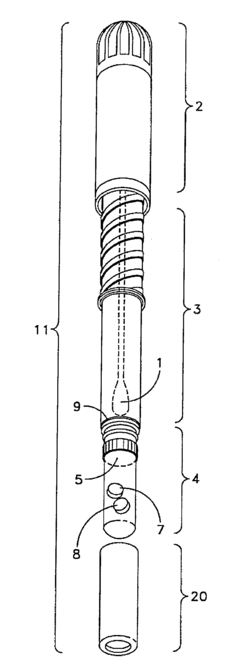
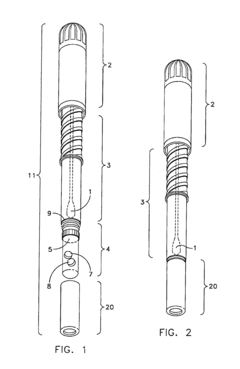
- The use of a test vial with UV-blocking material and a removable light-blocking cover to minimize UV radiation exposure, combined with optimized reagents and detection instruments, reduces background noise and enhances luminescence detection accuracy.
Bioluminescence imaging of myeloperoxidase activity in VIVO, methods, compositions and apparatuses therefor
PatentWO2010062787A1
Innovation
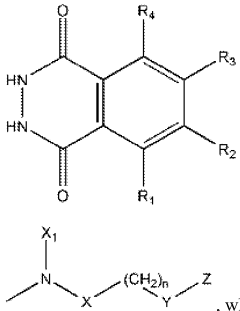
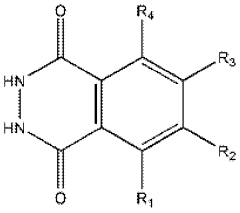
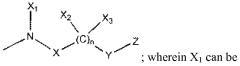
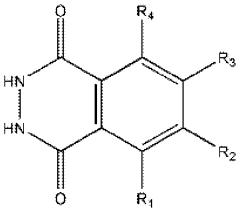
- The use of bioluminescent probes, like luminol and its derivatives, which emit light upon contact with oxidizing agents produced by MPO, allowing for non-invasive imaging of MPO activity through bioluminescence imaging (BLI) to visualize and quantify MPO activity in real-time, enabling diagnosis and monitoring of MPO-related diseases.
Regulatory Framework for Luminol Testing
The regulatory framework for luminol testing is a critical aspect of ensuring the reliability and consistency of forensic investigations. Luminol, a chemiluminescent compound widely used in crime scene analysis, is subject to various regulations and guidelines to maintain its efficacy and standardize its application across different jurisdictions.
At the federal level in the United States, the use of luminol in forensic testing is governed by guidelines set forth by the Federal Bureau of Investigation (FBI) and the National Institute of Standards and Technology (NIST). These agencies provide comprehensive protocols for the proper handling, storage, and application of luminol in crime scene investigations. The guidelines emphasize the importance of maintaining the chemical stability of luminol to ensure accurate and reproducible results.
State and local law enforcement agencies often adopt these federal guidelines, adapting them to their specific needs and resources. Many states have established forensic science commissions that oversee the implementation of luminol testing protocols and ensure compliance with national standards. These commissions play a crucial role in maintaining the integrity of forensic evidence and promoting best practices in the field.
Internationally, organizations such as the International Association for Identification (IAI) and the European Network of Forensic Science Institutes (ENFSI) have developed guidelines for luminol testing that are widely recognized and adopted by forensic laboratories worldwide. These guidelines address issues such as quality control, documentation, and the interpretation of luminol test results.
The regulatory framework also extends to the manufacturing and distribution of luminol and related reagents. Suppliers of forensic chemicals are required to adhere to strict quality control measures and provide detailed documentation on the composition and stability of their products. This ensures that forensic laboratories have access to reliable and consistent luminol formulations for their testing protocols.
To maintain the stability of luminol in testing protocols, regulatory bodies emphasize the importance of proper storage conditions, including temperature control and protection from light exposure. Standard operating procedures (SOPs) for luminol testing typically include specific instructions for reagent preparation, application techniques, and documentation of results. These SOPs are regularly reviewed and updated to incorporate new research findings and technological advancements in the field of forensic science.
At the federal level in the United States, the use of luminol in forensic testing is governed by guidelines set forth by the Federal Bureau of Investigation (FBI) and the National Institute of Standards and Technology (NIST). These agencies provide comprehensive protocols for the proper handling, storage, and application of luminol in crime scene investigations. The guidelines emphasize the importance of maintaining the chemical stability of luminol to ensure accurate and reproducible results.
State and local law enforcement agencies often adopt these federal guidelines, adapting them to their specific needs and resources. Many states have established forensic science commissions that oversee the implementation of luminol testing protocols and ensure compliance with national standards. These commissions play a crucial role in maintaining the integrity of forensic evidence and promoting best practices in the field.
Internationally, organizations such as the International Association for Identification (IAI) and the European Network of Forensic Science Institutes (ENFSI) have developed guidelines for luminol testing that are widely recognized and adopted by forensic laboratories worldwide. These guidelines address issues such as quality control, documentation, and the interpretation of luminol test results.
The regulatory framework also extends to the manufacturing and distribution of luminol and related reagents. Suppliers of forensic chemicals are required to adhere to strict quality control measures and provide detailed documentation on the composition and stability of their products. This ensures that forensic laboratories have access to reliable and consistent luminol formulations for their testing protocols.
To maintain the stability of luminol in testing protocols, regulatory bodies emphasize the importance of proper storage conditions, including temperature control and protection from light exposure. Standard operating procedures (SOPs) for luminol testing typically include specific instructions for reagent preparation, application techniques, and documentation of results. These SOPs are regularly reviewed and updated to incorporate new research findings and technological advancements in the field of forensic science.
Environmental Impact of Luminol Usage
The use of luminol in testing protocols has significant environmental implications that warrant careful consideration. Luminol, a chemiluminescent compound widely employed in forensic science and medical diagnostics, can have both direct and indirect impacts on the environment throughout its lifecycle.
During the production phase, the synthesis of luminol involves various chemical processes that may generate waste products and emissions. These byproducts, if not properly managed, can potentially contaminate soil and water sources. Additionally, the energy consumption associated with luminol production contributes to the overall carbon footprint of its usage in testing protocols.
In laboratory settings, the application of luminol solutions often results in the generation of hazardous waste. The mixture of luminol with other reagents, such as hydrogen peroxide and sodium hydroxide, creates a chemically active solution that requires proper disposal to prevent environmental contamination. Improper handling or disposal of these solutions can lead to the release of harmful substances into wastewater systems or natural ecosystems.
The persistence of luminol and its breakdown products in the environment is another area of concern. While luminol itself is not considered highly toxic, its degradation products may have varying levels of environmental persistence and potential ecological effects. The accumulation of these compounds in soil or aquatic environments could potentially impact microbial communities and aquatic organisms.
Furthermore, the widespread use of luminol in forensic investigations and crime scene analysis may result in the inadvertent release of the compound into outdoor environments. This can occur during on-site testing or through the disposal of contaminated materials. The potential for luminol to interact with natural substances and organisms in these settings is not fully understood and requires further research to assess long-term ecological consequences.
On a positive note, the high sensitivity of luminol-based testing protocols allows for the detection of trace amounts of target substances, potentially reducing the need for larger quantities of chemicals in analytical procedures. This efficiency can contribute to a decrease in overall chemical usage and waste generation in laboratory settings.
To mitigate the environmental impact of luminol usage, several strategies can be implemented. These include optimizing production processes to minimize waste, developing more environmentally friendly formulations, implementing strict waste management protocols in laboratories, and exploring alternative detection methods that may have lower environmental footprints.
During the production phase, the synthesis of luminol involves various chemical processes that may generate waste products and emissions. These byproducts, if not properly managed, can potentially contaminate soil and water sources. Additionally, the energy consumption associated with luminol production contributes to the overall carbon footprint of its usage in testing protocols.
In laboratory settings, the application of luminol solutions often results in the generation of hazardous waste. The mixture of luminol with other reagents, such as hydrogen peroxide and sodium hydroxide, creates a chemically active solution that requires proper disposal to prevent environmental contamination. Improper handling or disposal of these solutions can lead to the release of harmful substances into wastewater systems or natural ecosystems.
The persistence of luminol and its breakdown products in the environment is another area of concern. While luminol itself is not considered highly toxic, its degradation products may have varying levels of environmental persistence and potential ecological effects. The accumulation of these compounds in soil or aquatic environments could potentially impact microbial communities and aquatic organisms.
Furthermore, the widespread use of luminol in forensic investigations and crime scene analysis may result in the inadvertent release of the compound into outdoor environments. This can occur during on-site testing or through the disposal of contaminated materials. The potential for luminol to interact with natural substances and organisms in these settings is not fully understood and requires further research to assess long-term ecological consequences.
On a positive note, the high sensitivity of luminol-based testing protocols allows for the detection of trace amounts of target substances, potentially reducing the need for larger quantities of chemicals in analytical procedures. This efficiency can contribute to a decrease in overall chemical usage and waste generation in laboratory settings.
To mitigate the environmental impact of luminol usage, several strategies can be implemented. These include optimizing production processes to minimize waste, developing more environmentally friendly formulations, implementing strict waste management protocols in laboratories, and exploring alternative detection methods that may have lower environmental footprints.
Unlock deeper insights with Patsnap Eureka Quick Research — get a full tech report to explore trends and direct your research. Try now!
Generate Your Research Report Instantly with AI Agent
Supercharge your innovation with Patsnap Eureka AI Agent Platform!