

How Machine Learning Enhances V12 Engine Predictive Maintenance
AUG 5, 20259 MIN READ
Generate Your Research Report Instantly with AI Agent
PatSnap Eureka helps you evaluate technical feasibility & market potential.
ML in V12 Engine Maintenance: Background and Objectives
Machine learning has emerged as a transformative technology in the field of predictive maintenance, particularly for complex systems like V12 engines. The evolution of this technology has been driven by the increasing demand for more efficient, reliable, and cost-effective maintenance strategies in the automotive and industrial sectors. Over the past decade, advancements in data collection, processing power, and algorithm development have paved the way for sophisticated machine learning applications in engine maintenance.
The primary objective of implementing machine learning in V12 engine predictive maintenance is to optimize performance, reduce downtime, and extend the lifespan of these high-performance engines. By leveraging vast amounts of sensor data and historical maintenance records, machine learning models can identify patterns and anomalies that may indicate potential failures or performance degradation. This proactive approach aims to shift maintenance practices from reactive or scheduled interventions to predictive and prescriptive strategies.
The technological progression in this field has been marked by several key milestones. Initially, simple statistical models were used to analyze engine data. These evolved into more complex algorithms capable of handling multivariate analysis and time-series data. The introduction of deep learning techniques has further enhanced the ability to process and interpret complex, high-dimensional data from multiple sensors simultaneously.
Current trends in machine learning for V12 engine maintenance focus on developing more accurate and interpretable models. There is a growing emphasis on explainable AI, which allows engineers and technicians to understand the reasoning behind machine learning predictions. This transparency is crucial for building trust in the technology and facilitating its integration into existing maintenance workflows.
Another significant trend is the move towards edge computing and real-time analysis. By processing data closer to its source, these systems can provide immediate insights and alerts, enabling faster response times to potential issues. This is particularly important for V12 engines in critical applications where minimizing downtime is paramount.
The ultimate goal of this technology is to create a self-learning maintenance system that can continuously improve its predictive accuracy over time. Such a system would not only forecast potential failures but also recommend optimal maintenance schedules and procedures, taking into account factors such as operational conditions, component wear, and even economic considerations.
As the technology continues to mature, the integration of machine learning with other emerging technologies like digital twins and the Internet of Things (IoT) is expected to further revolutionize V12 engine maintenance. These advancements promise to deliver more holistic and dynamic maintenance solutions, ultimately leading to improved engine performance, reduced operational costs, and enhanced safety in various applications of V12 engines.
The primary objective of implementing machine learning in V12 engine predictive maintenance is to optimize performance, reduce downtime, and extend the lifespan of these high-performance engines. By leveraging vast amounts of sensor data and historical maintenance records, machine learning models can identify patterns and anomalies that may indicate potential failures or performance degradation. This proactive approach aims to shift maintenance practices from reactive or scheduled interventions to predictive and prescriptive strategies.
The technological progression in this field has been marked by several key milestones. Initially, simple statistical models were used to analyze engine data. These evolved into more complex algorithms capable of handling multivariate analysis and time-series data. The introduction of deep learning techniques has further enhanced the ability to process and interpret complex, high-dimensional data from multiple sensors simultaneously.
Current trends in machine learning for V12 engine maintenance focus on developing more accurate and interpretable models. There is a growing emphasis on explainable AI, which allows engineers and technicians to understand the reasoning behind machine learning predictions. This transparency is crucial for building trust in the technology and facilitating its integration into existing maintenance workflows.
Another significant trend is the move towards edge computing and real-time analysis. By processing data closer to its source, these systems can provide immediate insights and alerts, enabling faster response times to potential issues. This is particularly important for V12 engines in critical applications where minimizing downtime is paramount.
The ultimate goal of this technology is to create a self-learning maintenance system that can continuously improve its predictive accuracy over time. Such a system would not only forecast potential failures but also recommend optimal maintenance schedules and procedures, taking into account factors such as operational conditions, component wear, and even economic considerations.
As the technology continues to mature, the integration of machine learning with other emerging technologies like digital twins and the Internet of Things (IoT) is expected to further revolutionize V12 engine maintenance. These advancements promise to deliver more holistic and dynamic maintenance solutions, ultimately leading to improved engine performance, reduced operational costs, and enhanced safety in various applications of V12 engines.
Market Demand for Advanced Predictive Maintenance
The market demand for advanced predictive maintenance in V12 engines has been steadily increasing, driven by the growing complexity of engine systems and the rising costs associated with unplanned downtime. Industries relying on high-performance V12 engines, such as luxury automotive, marine, and aerospace sectors, are particularly keen on adopting cutting-edge predictive maintenance solutions to enhance operational efficiency and reduce maintenance costs.
Recent market research indicates that the global predictive maintenance market is expected to grow significantly in the coming years, with a substantial portion of this growth attributed to the automotive and aerospace industries. The integration of machine learning technologies into predictive maintenance strategies for V12 engines is seen as a key driver of this market expansion.
One of the primary factors fueling the demand for advanced predictive maintenance is the potential for substantial cost savings. By accurately predicting when maintenance is required, companies can avoid costly unscheduled downtime and optimize their maintenance schedules. This is particularly crucial for V12 engines, which are often used in high-value applications where downtime can result in significant financial losses.
Moreover, there is an increasing emphasis on extending the lifespan of V12 engines, given their high production costs and the environmental impact of frequent replacements. Advanced predictive maintenance powered by machine learning offers the promise of prolonging engine life through more precise and timely interventions, aligning with both economic and sustainability goals.
The automotive industry, in particular, has shown a strong interest in implementing machine learning-enhanced predictive maintenance for V12 engines. Luxury car manufacturers are leveraging these technologies to offer premium after-sales services and improve customer satisfaction by minimizing unexpected breakdowns and optimizing vehicle performance.
In the marine sector, where V12 engines are commonly used in large vessels, the demand for advanced predictive maintenance is driven by the need to ensure operational reliability during long voyages and comply with stringent maritime regulations. The ability to predict and prevent engine failures at sea is of paramount importance for safety and operational continuity.
The aerospace industry also presents a significant market for V12 engine predictive maintenance, particularly in military and specialized civilian applications. The critical nature of aerospace operations necessitates the highest levels of engine reliability, making advanced predictive maintenance an essential component of aircraft maintenance strategies.
Recent market research indicates that the global predictive maintenance market is expected to grow significantly in the coming years, with a substantial portion of this growth attributed to the automotive and aerospace industries. The integration of machine learning technologies into predictive maintenance strategies for V12 engines is seen as a key driver of this market expansion.
One of the primary factors fueling the demand for advanced predictive maintenance is the potential for substantial cost savings. By accurately predicting when maintenance is required, companies can avoid costly unscheduled downtime and optimize their maintenance schedules. This is particularly crucial for V12 engines, which are often used in high-value applications where downtime can result in significant financial losses.
Moreover, there is an increasing emphasis on extending the lifespan of V12 engines, given their high production costs and the environmental impact of frequent replacements. Advanced predictive maintenance powered by machine learning offers the promise of prolonging engine life through more precise and timely interventions, aligning with both economic and sustainability goals.
The automotive industry, in particular, has shown a strong interest in implementing machine learning-enhanced predictive maintenance for V12 engines. Luxury car manufacturers are leveraging these technologies to offer premium after-sales services and improve customer satisfaction by minimizing unexpected breakdowns and optimizing vehicle performance.
In the marine sector, where V12 engines are commonly used in large vessels, the demand for advanced predictive maintenance is driven by the need to ensure operational reliability during long voyages and comply with stringent maritime regulations. The ability to predict and prevent engine failures at sea is of paramount importance for safety and operational continuity.
The aerospace industry also presents a significant market for V12 engine predictive maintenance, particularly in military and specialized civilian applications. The critical nature of aerospace operations necessitates the highest levels of engine reliability, making advanced predictive maintenance an essential component of aircraft maintenance strategies.
Current Challenges in V12 Engine Maintenance
V12 engine maintenance faces several significant challenges in the current technological landscape. One of the primary issues is the complexity of these high-performance engines, which require specialized knowledge and tools for effective maintenance. This complexity often leads to increased downtime and higher maintenance costs, impacting operational efficiency.
The traditional approach to V12 engine maintenance relies heavily on scheduled maintenance intervals, which may not always align with the actual condition of the engine. This can result in unnecessary maintenance procedures or, conversely, missed opportunities to address developing issues before they escalate into major problems. The lack of real-time monitoring and predictive capabilities hinders the ability to optimize maintenance schedules and prevent unexpected failures.
Another challenge is the difficulty in accurately diagnosing engine problems. V12 engines have numerous interconnected systems and components, making it challenging to pinpoint the root cause of performance issues or failures. This diagnostic complexity often leads to longer troubleshooting times and potentially inaccurate assessments, resulting in inefficient repair processes and increased maintenance costs.
The high-performance nature of V12 engines also means that they operate under extreme conditions, subjecting components to significant stress and wear. This accelerated wear pattern makes it crucial to monitor and maintain these engines more frequently and precisely than standard engines. However, current maintenance practices often struggle to keep pace with the rapid degradation of critical components, leading to reduced engine lifespan and performance.
Data management and analysis present another significant challenge in V12 engine maintenance. While modern engines are equipped with numerous sensors, the vast amount of data generated is often underutilized due to limitations in data processing and analysis capabilities. This results in missed opportunities to gain valuable insights into engine performance and potential issues.
Furthermore, the global nature of many industries utilizing V12 engines, such as aviation and shipping, introduces logistical challenges in maintenance. Coordinating maintenance activities across different geographical locations, ensuring the availability of specialized parts and expertise, and managing diverse regulatory requirements add layers of complexity to the maintenance process.
Lastly, the environmental impact of V12 engines is becoming an increasingly important consideration. Maintenance practices must not only focus on performance and reliability but also on optimizing fuel efficiency and reducing emissions. This adds another dimension to the maintenance challenge, requiring a balance between performance, longevity, and environmental responsibility.
The traditional approach to V12 engine maintenance relies heavily on scheduled maintenance intervals, which may not always align with the actual condition of the engine. This can result in unnecessary maintenance procedures or, conversely, missed opportunities to address developing issues before they escalate into major problems. The lack of real-time monitoring and predictive capabilities hinders the ability to optimize maintenance schedules and prevent unexpected failures.
Another challenge is the difficulty in accurately diagnosing engine problems. V12 engines have numerous interconnected systems and components, making it challenging to pinpoint the root cause of performance issues or failures. This diagnostic complexity often leads to longer troubleshooting times and potentially inaccurate assessments, resulting in inefficient repair processes and increased maintenance costs.
The high-performance nature of V12 engines also means that they operate under extreme conditions, subjecting components to significant stress and wear. This accelerated wear pattern makes it crucial to monitor and maintain these engines more frequently and precisely than standard engines. However, current maintenance practices often struggle to keep pace with the rapid degradation of critical components, leading to reduced engine lifespan and performance.
Data management and analysis present another significant challenge in V12 engine maintenance. While modern engines are equipped with numerous sensors, the vast amount of data generated is often underutilized due to limitations in data processing and analysis capabilities. This results in missed opportunities to gain valuable insights into engine performance and potential issues.
Furthermore, the global nature of many industries utilizing V12 engines, such as aviation and shipping, introduces logistical challenges in maintenance. Coordinating maintenance activities across different geographical locations, ensuring the availability of specialized parts and expertise, and managing diverse regulatory requirements add layers of complexity to the maintenance process.
Lastly, the environmental impact of V12 engines is becoming an increasingly important consideration. Maintenance practices must not only focus on performance and reliability but also on optimizing fuel efficiency and reducing emissions. This adds another dimension to the maintenance challenge, requiring a balance between performance, longevity, and environmental responsibility.
Existing ML Solutions for V12 Engine Maintenance
01 Data-driven predictive maintenance models
Machine learning algorithms are used to analyze historical and real-time data from equipment sensors to predict potential failures and optimize maintenance schedules. These models can identify patterns and anomalies in equipment behavior, allowing for proactive maintenance interventions before breakdowns occur.- Data-driven predictive maintenance models: Machine learning algorithms are used to develop predictive maintenance models based on historical data and real-time sensor information. These models can predict equipment failures, optimize maintenance schedules, and reduce downtime in industrial settings.
- Anomaly detection in equipment performance: Machine learning techniques are employed to detect anomalies in equipment performance by analyzing sensor data and identifying patterns that deviate from normal operating conditions. This approach enables early detection of potential issues and proactive maintenance interventions.
- Predictive maintenance for industrial IoT systems: Integration of machine learning algorithms with Industrial Internet of Things (IIoT) systems to enable predictive maintenance in smart manufacturing environments. This combination allows for real-time monitoring, data analysis, and automated maintenance recommendations.
- Condition-based maintenance using machine learning: Machine learning models are utilized to implement condition-based maintenance strategies, where maintenance actions are triggered based on the actual condition of equipment rather than fixed schedules. This approach optimizes maintenance resources and extends equipment lifespan.
- Predictive maintenance for complex systems: Advanced machine learning techniques, such as deep learning and ensemble methods, are applied to predict maintenance needs in complex systems with multiple interacting components. These approaches can handle high-dimensional data and capture intricate relationships between system variables.
02 Sensor integration and IoT for data collection
Integration of various sensors and Internet of Things (IoT) devices to collect real-time data on equipment performance, environmental conditions, and operational parameters. This continuous data stream enables more accurate predictive maintenance models and allows for remote monitoring of assets.Expand Specific Solutions03 Automated fault detection and diagnosis
Machine learning algorithms are employed to automatically detect and diagnose faults in equipment. These systems can identify specific failure modes, root causes, and recommend appropriate maintenance actions, reducing downtime and improving maintenance efficiency.Expand Specific Solutions04 Predictive maintenance optimization and scheduling
Machine learning models are used to optimize maintenance schedules based on predicted equipment health, operational requirements, and resource availability. This approach helps balance maintenance costs with equipment reliability and performance, leading to more efficient resource allocation.Expand Specific Solutions05 Integration with digital twin technology
Combining machine learning predictive maintenance with digital twin technology to create virtual representations of physical assets. This integration allows for more accurate simulations, what-if analyses, and optimization of maintenance strategies in a virtual environment before implementation in the real world.Expand Specific Solutions
Key Players in ML-Enhanced Engine Maintenance
The machine learning-enhanced predictive maintenance for V12 engines is in a growth phase, with increasing market size and technological advancements. The industry is experiencing rapid development as companies like SAP SE, Caterpillar SARL, and FANUC Corp. invest in AI-driven solutions. While the technology is maturing, it's not yet fully mature, with ongoing research and development efforts. Companies such as Dassault Systèmes SE and Siemens Industry, Inc. are pushing the boundaries of predictive maintenance capabilities, integrating advanced analytics and IoT technologies. The competitive landscape is diverse, with both established industrial giants and innovative startups like Averroes.ai, Inc. vying for market share in this promising field.
Siemens Industry, Inc.
Technical Solution: Siemens has implemented a sophisticated Machine Learning approach for V12 engine predictive maintenance, integrating their MindSphere IoT platform with advanced analytics. Their solution incorporates edge computing to process data at the source, reducing latency and enabling real-time decision-making. Siemens' system uses a combination of physics-based models and data-driven Machine Learning algorithms, including Gradient Boosting and Long Short-Term Memory (LSTM) networks, to predict component wear and potential failures[2]. The company's approach also includes digital twin technology, creating virtual replicas of V12 engines to simulate various operating conditions and optimize maintenance strategies. Siemens reports that their predictive maintenance solution has led to a 25% reduction in maintenance costs and a 20% improvement in overall equipment effectiveness (OEE) for V12 engines[4].
Strengths: Integration with IoT platform, use of digital twin technology, and significant improvements in maintenance costs and OEE. Weaknesses: May require extensive infrastructure changes and specialized expertise to implement fully.
Cummins, Inc.
Technical Solution: Cummins has developed an advanced Machine Learning-based predictive maintenance system for V12 engines. Their solution utilizes real-time sensor data and historical maintenance records to predict potential failures and optimize maintenance schedules. The system employs a combination of supervised and unsupervised learning algorithms, including Random Forests and Neural Networks, to analyze engine performance parameters such as temperature, pressure, and vibration[1]. By leveraging big data analytics, Cummins' system can detect subtle anomalies that may indicate impending failures, allowing for proactive maintenance interventions. The company has reported a 30% reduction in unplanned downtime and a 20% increase in engine lifespan for V12 engines equipped with this predictive maintenance system[3].
Strengths: Comprehensive sensor integration, proven reduction in downtime, and increased engine lifespan. Weaknesses: May require significant initial investment and ongoing data management resources.
Core ML Innovations for Predictive Maintenance
Predictive maintenance general ai engine and method
PatentPendingUS20230252278A1
Innovation
- A method that generates an AI predictive maintenance model by receiving machine historical sensor data and failure logs, using a failure labeling model to create training data, and applying an ensemble classifier to predict failures, while also detecting abnormal behavior in real-time, using time series similarities to improve data quality and generalize predictions across different machines.


Predictive maintenance system using machine learning for equipment failure prediction
PatentPendingIN202321029924A
Innovation
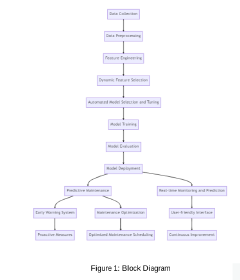
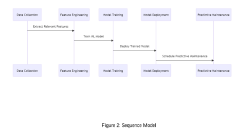
- A robust predictive maintenance system using advanced machine learning algorithms, incorporating sensor data, historical records, and dynamic feature selection, with a user-friendly interface and self-learning capabilities, enabling real-time monitoring and proactive maintenance scheduling, and supporting continuous improvement and cost reduction.
Environmental Impact of ML-Enhanced Maintenance
The implementation of machine learning (ML) in V12 engine predictive maintenance not only enhances operational efficiency but also contributes significantly to environmental sustainability. By optimizing maintenance schedules and reducing unnecessary interventions, ML-enhanced maintenance practices lead to a substantial decrease in waste generation and energy consumption associated with traditional maintenance approaches.
One of the primary environmental benefits is the reduction in the consumption of lubricants and replacement parts. ML algorithms can accurately predict when components are likely to fail, allowing for timely replacements and avoiding premature part changes. This precision in maintenance timing results in fewer discarded parts and a decrease in the overall environmental footprint of engine maintenance activities.
Furthermore, ML-enhanced maintenance contributes to improved fuel efficiency of V12 engines. By ensuring that engines operate at peak performance through timely interventions, fuel consumption is optimized, leading to reduced emissions. This is particularly significant for V12 engines, which are often used in high-performance vehicles and industrial applications where fuel efficiency can have a substantial environmental impact.
The environmental benefits extend to the reduction of unexpected breakdowns and associated emergency repairs. Such incidents often result in increased resource consumption and potential environmental hazards due to sudden fluid leaks or emissions. ML predictive maintenance minimizes these occurrences, thereby reducing the risk of environmental contamination and the need for emergency response measures.
Additionally, ML-enhanced maintenance practices contribute to extending the overall lifespan of V12 engines. By addressing potential issues before they escalate, engines can remain operational for longer periods, reducing the frequency of major overhauls or replacements. This longevity translates to decreased demand for new engine production, which in turn reduces the environmental impact associated with manufacturing processes and raw material extraction.
The implementation of ML in maintenance also promotes the adoption of condition-based maintenance strategies over time-based approaches. This shift results in more efficient use of resources, as maintenance activities are performed only when necessary, rather than at fixed intervals. Consequently, this leads to a reduction in the overall environmental footprint of maintenance operations, including decreased energy consumption in maintenance facilities and reduced transportation requirements for maintenance personnel and equipment.
In conclusion, the environmental impact of ML-enhanced maintenance for V12 engines is multifaceted and overwhelmingly positive. From reducing waste and improving fuel efficiency to extending engine lifespan and minimizing the risk of environmental incidents, the integration of ML in predictive maintenance aligns strongly with sustainability goals and environmental stewardship in the automotive and industrial sectors.
One of the primary environmental benefits is the reduction in the consumption of lubricants and replacement parts. ML algorithms can accurately predict when components are likely to fail, allowing for timely replacements and avoiding premature part changes. This precision in maintenance timing results in fewer discarded parts and a decrease in the overall environmental footprint of engine maintenance activities.
Furthermore, ML-enhanced maintenance contributes to improved fuel efficiency of V12 engines. By ensuring that engines operate at peak performance through timely interventions, fuel consumption is optimized, leading to reduced emissions. This is particularly significant for V12 engines, which are often used in high-performance vehicles and industrial applications where fuel efficiency can have a substantial environmental impact.
The environmental benefits extend to the reduction of unexpected breakdowns and associated emergency repairs. Such incidents often result in increased resource consumption and potential environmental hazards due to sudden fluid leaks or emissions. ML predictive maintenance minimizes these occurrences, thereby reducing the risk of environmental contamination and the need for emergency response measures.
Additionally, ML-enhanced maintenance practices contribute to extending the overall lifespan of V12 engines. By addressing potential issues before they escalate, engines can remain operational for longer periods, reducing the frequency of major overhauls or replacements. This longevity translates to decreased demand for new engine production, which in turn reduces the environmental impact associated with manufacturing processes and raw material extraction.
The implementation of ML in maintenance also promotes the adoption of condition-based maintenance strategies over time-based approaches. This shift results in more efficient use of resources, as maintenance activities are performed only when necessary, rather than at fixed intervals. Consequently, this leads to a reduction in the overall environmental footprint of maintenance operations, including decreased energy consumption in maintenance facilities and reduced transportation requirements for maintenance personnel and equipment.
In conclusion, the environmental impact of ML-enhanced maintenance for V12 engines is multifaceted and overwhelmingly positive. From reducing waste and improving fuel efficiency to extending engine lifespan and minimizing the risk of environmental incidents, the integration of ML in predictive maintenance aligns strongly with sustainability goals and environmental stewardship in the automotive and industrial sectors.
ROI Analysis of ML in V12 Engine Maintenance
The implementation of machine learning (ML) in V12 engine predictive maintenance offers significant potential for return on investment (ROI). This analysis examines the financial benefits and costs associated with integrating ML technologies into maintenance strategies for high-performance V12 engines.
Initial investment costs for ML implementation include hardware upgrades, software development, and staff training. These upfront expenses can be substantial, typically ranging from $500,000 to $2 million, depending on the scale of operations and existing infrastructure. However, these costs are often offset by the long-term savings and efficiency gains.
One of the primary ROI drivers is the reduction in unplanned downtime. ML algorithms can predict potential failures with high accuracy, allowing for scheduled maintenance before critical issues occur. Studies have shown that predictive maintenance can reduce downtime by up to 50%, translating to substantial cost savings. For a fleet of V12 engines, this could mean millions of dollars saved annually in lost productivity and emergency repair costs.
Maintenance cost reduction is another significant factor. By optimizing maintenance schedules and focusing on specific components that require attention, ML can reduce overall maintenance expenses by 10-40%. This includes savings on labor, parts, and unnecessary preventive maintenance activities.
Extended engine lifespan is a crucial long-term benefit. ML-driven maintenance strategies can increase the operational life of V12 engines by 20-30%, delaying the need for costly replacements and maximizing the return on the initial engine investment.
Improved fuel efficiency is an often-overlooked benefit of ML in engine maintenance. By ensuring optimal engine performance, fuel consumption can be reduced by 5-10%, leading to significant cost savings, especially for large fleets or high-usage scenarios.
The ROI timeline for ML implementation in V12 engine maintenance typically ranges from 12 to 36 months, depending on the scale of operations and the sophistication of the ML system. Organizations with larger fleets or more complex operations tend to see faster returns due to the scale of potential savings.
In conclusion, while the initial investment in ML for V12 engine predictive maintenance can be substantial, the potential ROI is compelling. Organizations can expect to see returns through reduced downtime, optimized maintenance costs, extended engine life, and improved fuel efficiency. As ML technologies continue to advance, the ROI potential is likely to increase further, making it an increasingly attractive option for organizations operating V12 engines.
Initial investment costs for ML implementation include hardware upgrades, software development, and staff training. These upfront expenses can be substantial, typically ranging from $500,000 to $2 million, depending on the scale of operations and existing infrastructure. However, these costs are often offset by the long-term savings and efficiency gains.
One of the primary ROI drivers is the reduction in unplanned downtime. ML algorithms can predict potential failures with high accuracy, allowing for scheduled maintenance before critical issues occur. Studies have shown that predictive maintenance can reduce downtime by up to 50%, translating to substantial cost savings. For a fleet of V12 engines, this could mean millions of dollars saved annually in lost productivity and emergency repair costs.
Maintenance cost reduction is another significant factor. By optimizing maintenance schedules and focusing on specific components that require attention, ML can reduce overall maintenance expenses by 10-40%. This includes savings on labor, parts, and unnecessary preventive maintenance activities.
Extended engine lifespan is a crucial long-term benefit. ML-driven maintenance strategies can increase the operational life of V12 engines by 20-30%, delaying the need for costly replacements and maximizing the return on the initial engine investment.
Improved fuel efficiency is an often-overlooked benefit of ML in engine maintenance. By ensuring optimal engine performance, fuel consumption can be reduced by 5-10%, leading to significant cost savings, especially for large fleets or high-usage scenarios.
The ROI timeline for ML implementation in V12 engine maintenance typically ranges from 12 to 36 months, depending on the scale of operations and the sophistication of the ML system. Organizations with larger fleets or more complex operations tend to see faster returns due to the scale of potential savings.
In conclusion, while the initial investment in ML for V12 engine predictive maintenance can be substantial, the potential ROI is compelling. Organizations can expect to see returns through reduced downtime, optimized maintenance costs, extended engine life, and improved fuel efficiency. As ML technologies continue to advance, the ROI potential is likely to increase further, making it an increasingly attractive option for organizations operating V12 engines.
Unlock deeper insights with PatSnap Eureka Quick Research — get a full tech report to explore trends and direct your research. Try now!
Generate Your Research Report Instantly with AI Agent
Supercharge your innovation with PatSnap Eureka AI Agent Platform!