How to Develop Robust LDPE Supply Chains?
JUN 30, 20259 MIN READ
Generate Your Research Report Instantly with AI Agent
Patsnap Eureka helps you evaluate technical feasibility & market potential.
LDPE Supply Chain Evolution and Objectives
Low-density polyethylene (LDPE) supply chains have undergone significant evolution since the material's commercial introduction in the 1930s. Initially, LDPE production was concentrated in a few industrialized nations, with limited global distribution networks. As demand grew, particularly in the packaging industry, the supply chain expanded to include more diverse production locations and complex logistics systems.
The development of LDPE supply chains has been driven by several key factors. Technological advancements in production processes have led to increased efficiency and capacity, allowing for greater economies of scale. Globalization has played a crucial role, with multinational corporations establishing production facilities in strategic locations worldwide to serve regional markets more effectively.
Environmental concerns and sustainability initiatives have also shaped the evolution of LDPE supply chains. There has been a growing emphasis on recycling and circular economy principles, leading to the integration of recycling facilities and the development of more sustainable production methods. This shift has necessitated changes in supply chain management to accommodate the collection, sorting, and reprocessing of post-consumer LDPE materials.
The primary objective in developing robust LDPE supply chains is to ensure a stable, cost-effective, and reliable supply of materials to meet global demand. This involves optimizing production capacity, streamlining logistics, and implementing risk management strategies to mitigate potential disruptions. Supply chain resilience has become increasingly important, particularly in light of recent global events that have highlighted vulnerabilities in international trade and transportation networks.
Another key objective is to enhance supply chain transparency and traceability. This is crucial for ensuring product quality, meeting regulatory requirements, and addressing growing consumer demand for information about the origin and environmental impact of materials. Implementing advanced tracking technologies and data management systems has become a priority for many LDPE suppliers and manufacturers.
Sustainability remains a central goal in the evolution of LDPE supply chains. Objectives include reducing the carbon footprint of production and transportation, increasing the use of renewable energy sources, and improving the recyclability and biodegradability of LDPE products. These efforts are driven by both regulatory pressures and market demands for more environmentally friendly materials.
Looking ahead, the development of robust LDPE supply chains will likely focus on further integration of digital technologies, such as artificial intelligence and blockchain, to enhance efficiency and transparency. There will also be continued efforts to diversify supply sources and production locations to reduce dependency on any single region or supplier, thereby increasing overall supply chain resilience.
The development of LDPE supply chains has been driven by several key factors. Technological advancements in production processes have led to increased efficiency and capacity, allowing for greater economies of scale. Globalization has played a crucial role, with multinational corporations establishing production facilities in strategic locations worldwide to serve regional markets more effectively.
Environmental concerns and sustainability initiatives have also shaped the evolution of LDPE supply chains. There has been a growing emphasis on recycling and circular economy principles, leading to the integration of recycling facilities and the development of more sustainable production methods. This shift has necessitated changes in supply chain management to accommodate the collection, sorting, and reprocessing of post-consumer LDPE materials.
The primary objective in developing robust LDPE supply chains is to ensure a stable, cost-effective, and reliable supply of materials to meet global demand. This involves optimizing production capacity, streamlining logistics, and implementing risk management strategies to mitigate potential disruptions. Supply chain resilience has become increasingly important, particularly in light of recent global events that have highlighted vulnerabilities in international trade and transportation networks.
Another key objective is to enhance supply chain transparency and traceability. This is crucial for ensuring product quality, meeting regulatory requirements, and addressing growing consumer demand for information about the origin and environmental impact of materials. Implementing advanced tracking technologies and data management systems has become a priority for many LDPE suppliers and manufacturers.
Sustainability remains a central goal in the evolution of LDPE supply chains. Objectives include reducing the carbon footprint of production and transportation, increasing the use of renewable energy sources, and improving the recyclability and biodegradability of LDPE products. These efforts are driven by both regulatory pressures and market demands for more environmentally friendly materials.
Looking ahead, the development of robust LDPE supply chains will likely focus on further integration of digital technologies, such as artificial intelligence and blockchain, to enhance efficiency and transparency. There will also be continued efforts to diversify supply sources and production locations to reduce dependency on any single region or supplier, thereby increasing overall supply chain resilience.
LDPE Market Demand Analysis
The global demand for Low-Density Polyethylene (LDPE) continues to grow steadily, driven by its versatile applications across various industries. LDPE's unique properties, including flexibility, durability, and chemical resistance, make it a preferred choice in packaging, agriculture, and construction sectors.
In the packaging industry, LDPE remains a dominant material for food packaging, shrink wrap, and plastic bags. The increasing consumer preference for convenient, lightweight packaging solutions has fueled the demand for LDPE in this sector. Additionally, the growth of e-commerce has further boosted the need for protective packaging materials, where LDPE plays a crucial role.
The agricultural sector represents another significant market for LDPE. Its use in greenhouse films, mulch films, and silage bags has become indispensable for modern farming practices. As global food demand rises and agricultural technologies advance, the demand for LDPE in this sector is expected to maintain a strong growth trajectory.
In the construction industry, LDPE finds applications in vapor barriers, geomembranes, and insulation materials. The ongoing urbanization and infrastructure development in emerging economies are key drivers for LDPE demand in this sector. Moreover, the increasing focus on energy-efficient buildings has led to a higher adoption of LDPE-based insulation solutions.
The automotive industry also contributes to the LDPE market demand, particularly in the production of fuel tanks, interior trims, and wire coatings. As vehicle production continues to grow globally, especially in developing markets, the demand for LDPE in automotive applications is expected to rise.
Geographically, Asia-Pacific remains the largest consumer of LDPE, with China and India leading the demand. The rapid industrialization, growing population, and increasing disposable incomes in these countries are driving factors. North America and Europe, while mature markets, continue to show steady demand, particularly in high-value applications and specialty LDPE grades.
However, the LDPE market faces challenges from environmental concerns and regulatory pressures. The growing awareness of plastic pollution has led to increased scrutiny of single-use plastics, many of which are made from LDPE. This has prompted the industry to focus on recycling initiatives and the development of bio-based alternatives.
Despite these challenges, the overall market outlook for LDPE remains positive. The industry's efforts in improving recycling technologies and developing more sustainable production methods are expected to address environmental concerns while maintaining the material's economic viability. As supply chains evolve to meet these changing demands, the LDPE market is poised for continued growth and innovation in the coming years.
In the packaging industry, LDPE remains a dominant material for food packaging, shrink wrap, and plastic bags. The increasing consumer preference for convenient, lightweight packaging solutions has fueled the demand for LDPE in this sector. Additionally, the growth of e-commerce has further boosted the need for protective packaging materials, where LDPE plays a crucial role.
The agricultural sector represents another significant market for LDPE. Its use in greenhouse films, mulch films, and silage bags has become indispensable for modern farming practices. As global food demand rises and agricultural technologies advance, the demand for LDPE in this sector is expected to maintain a strong growth trajectory.
In the construction industry, LDPE finds applications in vapor barriers, geomembranes, and insulation materials. The ongoing urbanization and infrastructure development in emerging economies are key drivers for LDPE demand in this sector. Moreover, the increasing focus on energy-efficient buildings has led to a higher adoption of LDPE-based insulation solutions.
The automotive industry also contributes to the LDPE market demand, particularly in the production of fuel tanks, interior trims, and wire coatings. As vehicle production continues to grow globally, especially in developing markets, the demand for LDPE in automotive applications is expected to rise.
Geographically, Asia-Pacific remains the largest consumer of LDPE, with China and India leading the demand. The rapid industrialization, growing population, and increasing disposable incomes in these countries are driving factors. North America and Europe, while mature markets, continue to show steady demand, particularly in high-value applications and specialty LDPE grades.
However, the LDPE market faces challenges from environmental concerns and regulatory pressures. The growing awareness of plastic pollution has led to increased scrutiny of single-use plastics, many of which are made from LDPE. This has prompted the industry to focus on recycling initiatives and the development of bio-based alternatives.
Despite these challenges, the overall market outlook for LDPE remains positive. The industry's efforts in improving recycling technologies and developing more sustainable production methods are expected to address environmental concerns while maintaining the material's economic viability. As supply chains evolve to meet these changing demands, the LDPE market is poised for continued growth and innovation in the coming years.
LDPE Supply Chain Challenges
The LDPE (Low-Density Polyethylene) supply chain faces numerous challenges that impact its robustness and efficiency. One of the primary issues is the volatility of raw material prices, particularly ethylene, which is the main feedstock for LDPE production. Fluctuations in oil and natural gas prices directly affect ethylene costs, leading to unpredictable production expenses and potential supply disruptions.
Global supply chain disruptions, exacerbated by recent events such as the COVID-19 pandemic and geopolitical tensions, have exposed vulnerabilities in the LDPE supply chain. These disruptions have led to shortages, increased lead times, and logistical bottlenecks, affecting the entire value chain from manufacturers to end-users.
Environmental concerns and regulatory pressures pose significant challenges to the LDPE industry. Increasing focus on sustainability and plastic waste reduction has led to stricter regulations and potential bans on single-use plastics in many regions. This shift in consumer preferences and regulatory landscape necessitates adaptations in production processes and product offerings.
Capacity imbalances across different regions present another challenge. While some areas experience overcapacity, others face shortages, leading to inefficiencies in global supply distribution. This imbalance is often influenced by factors such as regional demand patterns, production costs, and trade policies.
Technological limitations in LDPE production and recycling processes also contribute to supply chain challenges. The need for more efficient and environmentally friendly production methods, as well as improved recycling technologies, requires significant investment and innovation.
Competition from alternative materials, such as bio-based plastics and other polymer types, puts pressure on the LDPE market. This competition drives the need for continuous improvement in LDPE properties and applications to maintain market share.
Quality control and consistency across the supply chain remain critical challenges. Ensuring uniform product quality from various suppliers and maintaining it through different stages of the supply chain is essential for meeting customer specifications and regulatory requirements.
Lastly, the complexity of the LDPE supply chain, involving multiple stakeholders across different countries, makes it vulnerable to various risks. These include currency fluctuations, trade disputes, and changes in local regulations, all of which can significantly impact the stability and efficiency of the supply chain.
Global supply chain disruptions, exacerbated by recent events such as the COVID-19 pandemic and geopolitical tensions, have exposed vulnerabilities in the LDPE supply chain. These disruptions have led to shortages, increased lead times, and logistical bottlenecks, affecting the entire value chain from manufacturers to end-users.
Environmental concerns and regulatory pressures pose significant challenges to the LDPE industry. Increasing focus on sustainability and plastic waste reduction has led to stricter regulations and potential bans on single-use plastics in many regions. This shift in consumer preferences and regulatory landscape necessitates adaptations in production processes and product offerings.
Capacity imbalances across different regions present another challenge. While some areas experience overcapacity, others face shortages, leading to inefficiencies in global supply distribution. This imbalance is often influenced by factors such as regional demand patterns, production costs, and trade policies.
Technological limitations in LDPE production and recycling processes also contribute to supply chain challenges. The need for more efficient and environmentally friendly production methods, as well as improved recycling technologies, requires significant investment and innovation.
Competition from alternative materials, such as bio-based plastics and other polymer types, puts pressure on the LDPE market. This competition drives the need for continuous improvement in LDPE properties and applications to maintain market share.
Quality control and consistency across the supply chain remain critical challenges. Ensuring uniform product quality from various suppliers and maintaining it through different stages of the supply chain is essential for meeting customer specifications and regulatory requirements.
Lastly, the complexity of the LDPE supply chain, involving multiple stakeholders across different countries, makes it vulnerable to various risks. These include currency fluctuations, trade disputes, and changes in local regulations, all of which can significantly impact the stability and efficiency of the supply chain.
Current LDPE Supply Chain Strategies
01 Supply chain risk management and optimization
Implementing risk management strategies and optimization techniques to enhance the robustness of LDPE supply chains. This includes developing models for assessing and mitigating risks, improving supply chain visibility, and optimizing inventory management to ensure continuity of supply.- Supply chain risk management and optimization: Implementing risk management strategies and optimization techniques to enhance the robustness of LDPE supply chains. This includes developing models for assessing and mitigating risks, improving supply chain visibility, and optimizing inventory management to ensure continuity of supply.
- Advanced manufacturing processes for LDPE: Developing and implementing advanced manufacturing processes to improve the production efficiency and quality of LDPE. This includes innovations in polymerization techniques, process control, and equipment design to enhance the reliability and flexibility of LDPE production.
- Digital transformation in LDPE supply chains: Leveraging digital technologies such as artificial intelligence, blockchain, and Internet of Things (IoT) to enhance the transparency, traceability, and efficiency of LDPE supply chains. This includes implementing digital platforms for real-time monitoring and decision-making.
- Sustainable and circular economy approaches: Incorporating sustainable practices and circular economy principles in LDPE supply chains to improve long-term robustness. This includes developing recycling technologies, implementing eco-friendly production methods, and designing products for easier recycling and reuse.
- Collaborative supply chain networks: Establishing collaborative networks and partnerships among suppliers, manufacturers, and distributors in the LDPE industry. This approach aims to improve information sharing, resource allocation, and joint risk management, thereby enhancing the overall robustness of the supply chain.
02 Digital transformation and data analytics
Leveraging digital technologies and data analytics to improve LDPE supply chain robustness. This involves implementing advanced analytics, machine learning, and artificial intelligence to predict and respond to supply chain disruptions, enhance forecasting accuracy, and optimize decision-making processes.Expand Specific Solutions03 Sustainable and resilient LDPE production
Developing sustainable and resilient LDPE production methods to enhance supply chain robustness. This includes exploring alternative feedstocks, improving energy efficiency, and implementing circular economy principles to reduce dependency on traditional raw materials and minimize environmental impact.Expand Specific Solutions04 Collaborative supply chain networks
Establishing collaborative networks and partnerships across the LDPE supply chain to improve overall robustness. This involves developing integrated platforms for information sharing, joint planning, and coordinated decision-making among suppliers, manufacturers, distributors, and customers.Expand Specific Solutions05 Adaptive and flexible supply chain design
Creating adaptive and flexible LDPE supply chain designs to enhance robustness against disruptions. This includes developing modular production systems, diversifying supplier networks, and implementing agile logistics strategies to quickly respond to changing market conditions and unforeseen events.Expand Specific Solutions
Key LDPE Suppliers and Manufacturers
The development of robust LDPE supply chains is currently in a mature phase, with a global market size expected to reach $33 billion by 2027. The industry is characterized by intense competition among major players, including Dow Global Technologies, ExxonMobil, and LyondellBasell. These companies are focusing on technological advancements to improve production efficiency and product quality. The market is also seeing increased interest in sustainable and bio-based LDPE alternatives, with companies like Braskem leading in this area. Regional players such as Sinopec and PetroChina are expanding their presence, particularly in the Asia-Pacific region, which is experiencing rapid growth in LDPE demand.
Dow Global Technologies LLC
Technical Solution: Dow has developed a robust LDPE supply chain strategy focusing on vertical integration and advanced process technologies. They utilize their proprietary UNIPOL™ PE Process for efficient LDPE production, which allows for flexible production of various polyethylene grades[1]. Dow has also implemented digital twin technology to optimize supply chain operations, enabling real-time monitoring and predictive maintenance[2]. Additionally, they have invested in sustainable feedstock sources and circular economy initiatives to enhance the resilience of their LDPE supply chain[3].
Strengths: Vertical integration, proprietary technology, and digital innovation. Weaknesses: Dependence on fossil fuel feedstocks and potential vulnerability to market volatility.
China Petroleum & Chemical Corp.
Technical Solution: Sinopec has developed a comprehensive LDPE supply chain strategy leveraging its vast petrochemical infrastructure in China. They have implemented advanced catalytic technologies for LDPE production, improving yield and energy efficiency[4]. Sinopec has also invested in smart logistics systems, utilizing IoT and big data analytics to optimize inventory management and distribution[5]. Furthermore, they have established strategic partnerships with international suppliers to diversify their feedstock sources and mitigate supply chain risks[6].
Strengths: Extensive domestic infrastructure and government support. Weaknesses: Reliance on imported technology and potential geopolitical risks.
Innovations in LDPE Logistics
Process for producing low density polyethylene compositions and polymers produced therefrom
PatentWO2006049783A1
Innovation
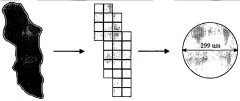
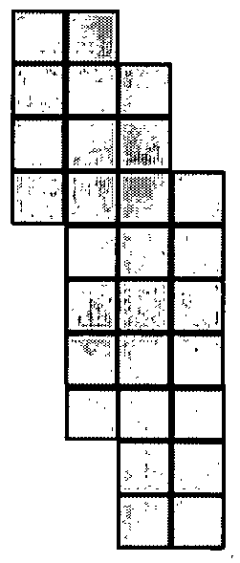
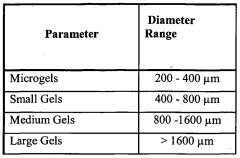
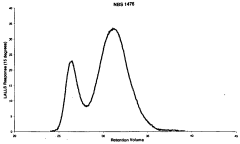
- A novel high-pressure free radical initiation polymerization process using a combination of autoclave and tubular reactors, where monomers are fed in multiple streams, with at least one stream consisting of unreacted monomers, and chain transfer agents are used to control molecular weight and microgel content, resulting in polymers with specific molecular weight distribution and zero shear viscosity characteristics.
A process for the preparation of ethylene HOMO- or copolymers in a tubular reactor
PatentWO2020094449A1
Innovation
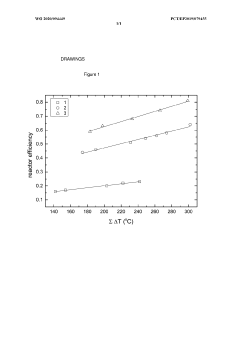
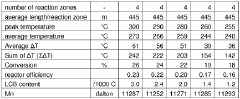
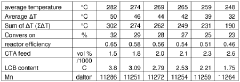
- A process for LDPE production in a tubular reactor at peak temperatures of 180-350 °C and pressures of 150-350 MPa, with a total effective reactor length divided by the number of reaction zones in the range of 230-350 m, optimizing peak and valley temperatures to enhance LCB and conversion without increasing reactor length or energy consumption.

Sustainability in LDPE Supply Chains
Sustainability in LDPE supply chains has become a critical focus for the plastics industry, driven by increasing environmental concerns and regulatory pressures. The development of robust and sustainable LDPE supply chains requires a multifaceted approach that addresses environmental, social, and economic aspects throughout the entire value chain.
One of the primary challenges in achieving sustainability in LDPE supply chains is reducing the carbon footprint associated with production and transportation. This involves optimizing energy efficiency in manufacturing processes, transitioning to renewable energy sources, and implementing more efficient logistics and distribution systems. Companies are increasingly investing in advanced technologies such as AI-driven predictive maintenance and IoT-enabled real-time monitoring to minimize energy consumption and reduce waste in production facilities.
Material sourcing is another crucial aspect of sustainability in LDPE supply chains. The industry is exploring alternatives to traditional fossil fuel-based feedstocks, including bio-based materials and recycled content. Incorporating recycled LDPE into the supply chain not only reduces reliance on virgin materials but also addresses the growing issue of plastic waste. However, ensuring consistent quality and performance of recycled materials remains a challenge that requires ongoing research and development efforts.
Circular economy principles are being integrated into LDPE supply chains to extend the lifecycle of products and materials. This involves designing products for recyclability, implementing effective collection and sorting systems, and developing advanced recycling technologies. Chemical recycling, in particular, shows promise in breaking down LDPE into its chemical components, allowing for the production of new, high-quality materials.
Collaboration across the supply chain is essential for achieving sustainability goals. Manufacturers, suppliers, distributors, and end-users must work together to implement standardized sustainability metrics, share best practices, and develop innovative solutions. This collaborative approach extends to partnerships with research institutions and technology providers to drive continuous improvement in sustainable practices.
Transparency and traceability are becoming increasingly important in sustainable LDPE supply chains. Blockchain technology is being explored as a means to provide end-to-end visibility, allowing stakeholders to track the origin and journey of materials throughout the supply chain. This not only helps in ensuring compliance with sustainability standards but also builds trust with consumers who are increasingly demanding environmentally responsible products.
As the industry moves towards more sustainable practices, there is a growing need for standardization and certification of sustainable LDPE products and processes. Organizations are working to develop comprehensive sustainability frameworks that consider factors such as carbon emissions, water usage, and social impact throughout the supply chain. These standards will help drive consistency and enable meaningful comparisons across different suppliers and products.
One of the primary challenges in achieving sustainability in LDPE supply chains is reducing the carbon footprint associated with production and transportation. This involves optimizing energy efficiency in manufacturing processes, transitioning to renewable energy sources, and implementing more efficient logistics and distribution systems. Companies are increasingly investing in advanced technologies such as AI-driven predictive maintenance and IoT-enabled real-time monitoring to minimize energy consumption and reduce waste in production facilities.
Material sourcing is another crucial aspect of sustainability in LDPE supply chains. The industry is exploring alternatives to traditional fossil fuel-based feedstocks, including bio-based materials and recycled content. Incorporating recycled LDPE into the supply chain not only reduces reliance on virgin materials but also addresses the growing issue of plastic waste. However, ensuring consistent quality and performance of recycled materials remains a challenge that requires ongoing research and development efforts.
Circular economy principles are being integrated into LDPE supply chains to extend the lifecycle of products and materials. This involves designing products for recyclability, implementing effective collection and sorting systems, and developing advanced recycling technologies. Chemical recycling, in particular, shows promise in breaking down LDPE into its chemical components, allowing for the production of new, high-quality materials.
Collaboration across the supply chain is essential for achieving sustainability goals. Manufacturers, suppliers, distributors, and end-users must work together to implement standardized sustainability metrics, share best practices, and develop innovative solutions. This collaborative approach extends to partnerships with research institutions and technology providers to drive continuous improvement in sustainable practices.
Transparency and traceability are becoming increasingly important in sustainable LDPE supply chains. Blockchain technology is being explored as a means to provide end-to-end visibility, allowing stakeholders to track the origin and journey of materials throughout the supply chain. This not only helps in ensuring compliance with sustainability standards but also builds trust with consumers who are increasingly demanding environmentally responsible products.
As the industry moves towards more sustainable practices, there is a growing need for standardization and certification of sustainable LDPE products and processes. Organizations are working to develop comprehensive sustainability frameworks that consider factors such as carbon emissions, water usage, and social impact throughout the supply chain. These standards will help drive consistency and enable meaningful comparisons across different suppliers and products.
Risk Management in LDPE Procurement
Risk management is a critical component in developing robust LDPE supply chains. The volatile nature of the petrochemical industry, coupled with the widespread use of LDPE in various sectors, necessitates a comprehensive approach to mitigate potential disruptions and ensure a stable supply.
One of the primary risks in LDPE procurement is price volatility. LDPE prices are closely tied to crude oil and natural gas prices, which can fluctuate significantly due to geopolitical events, supply-demand imbalances, and economic factors. To manage this risk, companies often employ hedging strategies, such as futures contracts or long-term supply agreements with price adjustment clauses. These mechanisms help stabilize costs and protect against sudden price spikes.
Supply chain disruptions pose another significant risk. Natural disasters, geopolitical tensions, or unforeseen events like the COVID-19 pandemic can severely impact LDPE production and distribution. To mitigate this risk, companies should diversify their supplier base geographically and maintain strategic inventory levels. Implementing a multi-sourcing strategy ensures that if one supplier faces difficulties, alternative sources can be quickly activated to maintain supply continuity.
Quality control is another crucial aspect of risk management in LDPE procurement. Inconsistent or substandard LDPE can lead to production issues, product defects, and potential recalls. Establishing rigorous quality assurance protocols, including regular supplier audits and incoming material inspections, is essential to maintain product integrity and minimize quality-related risks.
Regulatory compliance presents an additional challenge in LDPE procurement. Environmental regulations, trade policies, and safety standards can impact the availability and cost of LDPE. Staying informed about regulatory changes and proactively adapting procurement strategies is vital to avoid compliance-related disruptions and potential legal issues.
Transportation and logistics risks also warrant attention in LDPE supply chains. Delays, damage during transit, or capacity constraints can lead to production interruptions. Implementing real-time tracking systems, diversifying transportation modes, and maintaining relationships with multiple logistics providers can help mitigate these risks and ensure timely delivery of LDPE materials.
Lastly, cybersecurity risks in the digital age cannot be overlooked. As supply chains become increasingly digitized, protecting sensitive procurement data and maintaining the integrity of digital transactions is crucial. Implementing robust cybersecurity measures, including secure communication channels and regular system audits, is essential to safeguard against data breaches and cyber-attacks that could disrupt LDPE procurement processes.
One of the primary risks in LDPE procurement is price volatility. LDPE prices are closely tied to crude oil and natural gas prices, which can fluctuate significantly due to geopolitical events, supply-demand imbalances, and economic factors. To manage this risk, companies often employ hedging strategies, such as futures contracts or long-term supply agreements with price adjustment clauses. These mechanisms help stabilize costs and protect against sudden price spikes.
Supply chain disruptions pose another significant risk. Natural disasters, geopolitical tensions, or unforeseen events like the COVID-19 pandemic can severely impact LDPE production and distribution. To mitigate this risk, companies should diversify their supplier base geographically and maintain strategic inventory levels. Implementing a multi-sourcing strategy ensures that if one supplier faces difficulties, alternative sources can be quickly activated to maintain supply continuity.
Quality control is another crucial aspect of risk management in LDPE procurement. Inconsistent or substandard LDPE can lead to production issues, product defects, and potential recalls. Establishing rigorous quality assurance protocols, including regular supplier audits and incoming material inspections, is essential to maintain product integrity and minimize quality-related risks.
Regulatory compliance presents an additional challenge in LDPE procurement. Environmental regulations, trade policies, and safety standards can impact the availability and cost of LDPE. Staying informed about regulatory changes and proactively adapting procurement strategies is vital to avoid compliance-related disruptions and potential legal issues.
Transportation and logistics risks also warrant attention in LDPE supply chains. Delays, damage during transit, or capacity constraints can lead to production interruptions. Implementing real-time tracking systems, diversifying transportation modes, and maintaining relationships with multiple logistics providers can help mitigate these risks and ensure timely delivery of LDPE materials.
Lastly, cybersecurity risks in the digital age cannot be overlooked. As supply chains become increasingly digitized, protecting sensitive procurement data and maintaining the integrity of digital transactions is crucial. Implementing robust cybersecurity measures, including secure communication channels and regular system audits, is essential to safeguard against data breaches and cyber-attacks that could disrupt LDPE procurement processes.
Unlock deeper insights with Patsnap Eureka Quick Research — get a full tech report to explore trends and direct your research. Try now!
Generate Your Research Report Instantly with AI Agent
Supercharge your innovation with Patsnap Eureka AI Agent Platform!