

L92 engine durability in off-road vehicles
AUG 14, 20259 MIN READ
Generate Your Research Report Instantly with AI Agent
PatSnap Eureka helps you evaluate technical feasibility & market potential.
L92 Engine Background
The L92 engine, a member of General Motors' renowned LS engine family, has been a cornerstone in the automotive industry since its introduction in 2006. Initially designed for high-performance applications in luxury vehicles, the L92 has found its way into a variety of off-road vehicles due to its robust design and impressive power output. This 6.2-liter V8 engine is characterized by its aluminum block and heads, which contribute to a favorable power-to-weight ratio, making it particularly suitable for off-road applications where weight distribution is crucial.
The L92 engine's development was driven by the need for a powerful yet efficient powerplant that could meet increasingly stringent emissions standards while delivering the performance expected in premium vehicles. Its design incorporates advanced features such as variable valve timing and high-flow cylinder heads, which contribute to its impressive output of around 403 horsepower and 417 lb-ft of torque in its stock configuration.
In the context of off-road vehicles, the L92 engine has gained popularity due to its adaptability and potential for modification. Off-road enthusiasts and vehicle manufacturers have recognized the engine's inherent strengths, including its strong bottom end, efficient combustion chamber design, and compatibility with a wide range of aftermarket parts. These characteristics make the L92 an attractive option for those seeking to enhance the performance and durability of their off-road vehicles.
However, the transition from luxury road vehicles to rugged off-road applications presents unique challenges for the L92 engine. Off-road environments subject engines to extreme conditions, including severe temperature fluctuations, high-angle operation, and exposure to dust and debris. These factors can significantly impact engine durability, necessitating careful consideration of how the L92's design can be optimized for such demanding use cases.
The evolution of the L92 engine in off-road applications has led to a focus on enhancing its durability without compromising its performance advantages. This has involved addressing potential weak points in the stock configuration, such as improving oil control systems, reinforcing critical components, and developing specialized cooling solutions to manage the increased thermal stress encountered in off-road scenarios.
As the automotive industry continues to evolve, with a growing emphasis on electrification and alternative powertrains, the role of high-performance internal combustion engines like the L92 in off-road vehicles is at a critical juncture. The ongoing development and adaptation of the L92 for off-road use represent a fascinating case study in how traditional engine technologies can be reimagined and optimized for specialized applications, even as the broader industry shifts towards new propulsion technologies.
The L92 engine's development was driven by the need for a powerful yet efficient powerplant that could meet increasingly stringent emissions standards while delivering the performance expected in premium vehicles. Its design incorporates advanced features such as variable valve timing and high-flow cylinder heads, which contribute to its impressive output of around 403 horsepower and 417 lb-ft of torque in its stock configuration.
In the context of off-road vehicles, the L92 engine has gained popularity due to its adaptability and potential for modification. Off-road enthusiasts and vehicle manufacturers have recognized the engine's inherent strengths, including its strong bottom end, efficient combustion chamber design, and compatibility with a wide range of aftermarket parts. These characteristics make the L92 an attractive option for those seeking to enhance the performance and durability of their off-road vehicles.
However, the transition from luxury road vehicles to rugged off-road applications presents unique challenges for the L92 engine. Off-road environments subject engines to extreme conditions, including severe temperature fluctuations, high-angle operation, and exposure to dust and debris. These factors can significantly impact engine durability, necessitating careful consideration of how the L92's design can be optimized for such demanding use cases.
The evolution of the L92 engine in off-road applications has led to a focus on enhancing its durability without compromising its performance advantages. This has involved addressing potential weak points in the stock configuration, such as improving oil control systems, reinforcing critical components, and developing specialized cooling solutions to manage the increased thermal stress encountered in off-road scenarios.
As the automotive industry continues to evolve, with a growing emphasis on electrification and alternative powertrains, the role of high-performance internal combustion engines like the L92 in off-road vehicles is at a critical juncture. The ongoing development and adaptation of the L92 for off-road use represent a fascinating case study in how traditional engine technologies can be reimagined and optimized for specialized applications, even as the broader industry shifts towards new propulsion technologies.
Off-Road Market Analysis
The off-road vehicle market has experienced significant growth in recent years, driven by increasing demand for recreational activities, adventure tourism, and specialized industrial applications. This market segment encompasses a wide range of vehicles, including all-terrain vehicles (ATVs), utility task vehicles (UTVs), and off-road trucks, all of which require robust and durable engines to withstand harsh operating conditions.
The global off-road vehicle market was valued at approximately $26 billion in 2020 and is projected to reach $33 billion by 2025, growing at a compound annual growth rate (CAGR) of 4.8%. This growth is attributed to rising disposable incomes, expanding outdoor recreational activities, and increasing demand for off-road vehicles in agriculture, construction, and military applications.
North America dominates the off-road vehicle market, accounting for over 40% of the global market share. The region's strong off-road culture, vast wilderness areas, and well-established manufacturers contribute to its market leadership. Europe and Asia-Pacific follow as key markets, with emerging economies in these regions showing rapid growth potential.
The demand for more powerful and durable engines, such as the L92 engine, in off-road vehicles is driven by several factors. Consumers are increasingly seeking vehicles with higher performance capabilities, improved fuel efficiency, and enhanced durability to tackle challenging terrains. This trend is particularly evident in the premium segment of the market, where buyers are willing to pay more for advanced engine technologies that offer superior performance and longevity.
Environmental regulations and sustainability concerns are also shaping the off-road vehicle market. Manufacturers are under pressure to develop engines that meet stringent emissions standards while maintaining or improving performance. This has led to increased investment in research and development of cleaner, more efficient engine technologies, including hybrid and electric powertrains for off-road applications.
The industrial and commercial sectors represent a significant portion of the off-road vehicle market, with applications in agriculture, construction, mining, and forestry. These sectors require vehicles with exceptional durability and reliability, as downtime can result in substantial financial losses. The L92 engine's potential for improved durability makes it particularly attractive for these demanding applications.
As the off-road vehicle market continues to evolve, manufacturers are focusing on developing engines that can withstand extreme conditions while providing optimal performance. The L92 engine's durability enhancements could position it as a preferred choice for off-road vehicle manufacturers looking to gain a competitive edge in this growing market.
The global off-road vehicle market was valued at approximately $26 billion in 2020 and is projected to reach $33 billion by 2025, growing at a compound annual growth rate (CAGR) of 4.8%. This growth is attributed to rising disposable incomes, expanding outdoor recreational activities, and increasing demand for off-road vehicles in agriculture, construction, and military applications.
North America dominates the off-road vehicle market, accounting for over 40% of the global market share. The region's strong off-road culture, vast wilderness areas, and well-established manufacturers contribute to its market leadership. Europe and Asia-Pacific follow as key markets, with emerging economies in these regions showing rapid growth potential.
The demand for more powerful and durable engines, such as the L92 engine, in off-road vehicles is driven by several factors. Consumers are increasingly seeking vehicles with higher performance capabilities, improved fuel efficiency, and enhanced durability to tackle challenging terrains. This trend is particularly evident in the premium segment of the market, where buyers are willing to pay more for advanced engine technologies that offer superior performance and longevity.
Environmental regulations and sustainability concerns are also shaping the off-road vehicle market. Manufacturers are under pressure to develop engines that meet stringent emissions standards while maintaining or improving performance. This has led to increased investment in research and development of cleaner, more efficient engine technologies, including hybrid and electric powertrains for off-road applications.
The industrial and commercial sectors represent a significant portion of the off-road vehicle market, with applications in agriculture, construction, mining, and forestry. These sectors require vehicles with exceptional durability and reliability, as downtime can result in substantial financial losses. The L92 engine's potential for improved durability makes it particularly attractive for these demanding applications.
As the off-road vehicle market continues to evolve, manufacturers are focusing on developing engines that can withstand extreme conditions while providing optimal performance. The L92 engine's durability enhancements could position it as a preferred choice for off-road vehicle manufacturers looking to gain a competitive edge in this growing market.
Durability Challenges
The L92 engine, renowned for its performance in high-end vehicles, faces significant durability challenges when adapted for off-road use. These challenges stem from the harsh operating conditions typical of off-road environments, which subject the engine to extreme stresses not encountered in standard road applications.
One of the primary durability issues is the increased exposure to dust, dirt, and debris. Off-road vehicles operate in environments where these particulates are abundant, leading to accelerated wear on engine components. The air intake system is particularly vulnerable, as fine particles can bypass air filters and enter the combustion chamber, causing abrasive damage to cylinder walls, pistons, and valves.
Thermal management presents another critical challenge. Off-road driving often involves prolonged periods of high-load operation, coupled with frequent changes in engine speed and load. This results in rapid temperature fluctuations and sustained high temperatures, which can lead to thermal fatigue of engine components. The cylinder heads, valves, and pistons are especially susceptible to heat-related stress and deformation.
Vibration and shock loads pose a significant threat to engine durability in off-road applications. The uneven terrain and sudden impacts experienced during off-road driving transmit severe mechanical stresses through the vehicle's structure to the engine. These forces can lead to fatigue failure of engine mounts, cracking of the engine block or cylinder heads, and accelerated wear of bearings and other moving parts.
Lubrication system integrity is also challenged in off-road conditions. Extreme angles of operation can cause oil starvation in critical areas of the engine, while the increased presence of contaminants can compromise oil quality more rapidly than in on-road applications. This can result in increased friction, accelerated wear, and potential engine failure.
The fuel system faces unique challenges in off-road use as well. Fuel tanks and lines are more susceptible to damage from rocks and debris, while the varying quality of fuel available in remote areas can introduce contaminants or cause inconsistent engine performance. Additionally, the frequent acceleration and deceleration typical of off-road driving can lead to fuel foaming and potential fuel delivery issues.
Sealing and gasket integrity become more critical in off-road applications due to the increased exposure to water, mud, and other contaminants. Engine seals and gaskets must withstand not only the mechanical stresses of off-road use but also resist degradation from environmental factors, preventing ingress of harmful substances into the engine.
Addressing these durability challenges requires a comprehensive approach to engine design and material selection. Engineers must consider reinforcing critical components, improving filtration systems, enhancing cooling capacity, and developing more robust sealing solutions. The integration of advanced materials, such as ceramic coatings for thermal protection and high-strength alloys for structural components, may be necessary to meet the demanding requirements of off-road durability.
One of the primary durability issues is the increased exposure to dust, dirt, and debris. Off-road vehicles operate in environments where these particulates are abundant, leading to accelerated wear on engine components. The air intake system is particularly vulnerable, as fine particles can bypass air filters and enter the combustion chamber, causing abrasive damage to cylinder walls, pistons, and valves.
Thermal management presents another critical challenge. Off-road driving often involves prolonged periods of high-load operation, coupled with frequent changes in engine speed and load. This results in rapid temperature fluctuations and sustained high temperatures, which can lead to thermal fatigue of engine components. The cylinder heads, valves, and pistons are especially susceptible to heat-related stress and deformation.
Vibration and shock loads pose a significant threat to engine durability in off-road applications. The uneven terrain and sudden impacts experienced during off-road driving transmit severe mechanical stresses through the vehicle's structure to the engine. These forces can lead to fatigue failure of engine mounts, cracking of the engine block or cylinder heads, and accelerated wear of bearings and other moving parts.
Lubrication system integrity is also challenged in off-road conditions. Extreme angles of operation can cause oil starvation in critical areas of the engine, while the increased presence of contaminants can compromise oil quality more rapidly than in on-road applications. This can result in increased friction, accelerated wear, and potential engine failure.
The fuel system faces unique challenges in off-road use as well. Fuel tanks and lines are more susceptible to damage from rocks and debris, while the varying quality of fuel available in remote areas can introduce contaminants or cause inconsistent engine performance. Additionally, the frequent acceleration and deceleration typical of off-road driving can lead to fuel foaming and potential fuel delivery issues.
Sealing and gasket integrity become more critical in off-road applications due to the increased exposure to water, mud, and other contaminants. Engine seals and gaskets must withstand not only the mechanical stresses of off-road use but also resist degradation from environmental factors, preventing ingress of harmful substances into the engine.
Addressing these durability challenges requires a comprehensive approach to engine design and material selection. Engineers must consider reinforcing critical components, improving filtration systems, enhancing cooling capacity, and developing more robust sealing solutions. The integration of advanced materials, such as ceramic coatings for thermal protection and high-strength alloys for structural components, may be necessary to meet the demanding requirements of off-road durability.
Current Solutions
01 Improved engine component design
Enhancing the durability of L92 engines through improved design of critical components such as pistons, cylinder liners, and valve train systems. These design improvements focus on reducing wear, increasing heat resistance, and optimizing material selection to extend engine life and performance under various operating conditions.- Improved engine component design: Enhancing the durability of L92 engines through improved design of critical components. This includes optimizing the structure of pistons, cylinders, and other key parts to withstand high temperatures and pressures, reducing wear and extending engine life.
- Advanced lubrication systems: Implementing advanced lubrication systems to reduce friction and wear in L92 engines. This involves developing more efficient oil circulation methods, using high-performance lubricants, and incorporating innovative oil filtration technologies to maintain engine cleanliness and longevity.
- Thermal management solutions: Developing effective thermal management solutions to control engine temperature and prevent overheating. This includes designing improved cooling systems, utilizing advanced materials with better heat dissipation properties, and optimizing airflow to critical engine components.
- Electronic control systems: Integrating advanced electronic control systems to optimize engine performance and durability. This involves implementing sophisticated engine management software, real-time monitoring of engine parameters, and adaptive control strategies to maintain optimal operating conditions.
- Material innovations: Utilizing innovative materials and coatings to enhance engine durability. This includes incorporating wear-resistant alloys, ceramic coatings, and composite materials in engine components to improve strength, reduce friction, and increase resistance to high temperatures and corrosion.
02 Advanced lubrication systems
Implementing advanced lubrication systems specifically tailored for L92 engines to reduce friction, minimize wear, and improve overall engine durability. These systems may include optimized oil flow paths, enhanced oil filtration, and the use of high-performance lubricants designed for high-output engines.Expand Specific Solutions03 Thermal management solutions
Developing innovative thermal management solutions to maintain optimal operating temperatures and prevent overheating in L92 engines. This includes advanced cooling systems, heat-resistant materials, and improved heat dissipation techniques to enhance engine durability and performance under demanding conditions.Expand Specific Solutions04 Electronic control and monitoring systems
Integrating sophisticated electronic control and monitoring systems to optimize L92 engine performance and durability. These systems can include real-time diagnostics, adaptive engine management, and predictive maintenance features to prevent potential issues and extend engine life.Expand Specific Solutions05 Material innovations for engine components
Utilizing advanced materials and coatings for L92 engine components to improve durability and performance. This includes the application of wear-resistant coatings, lightweight alloys, and composite materials to critical engine parts, enhancing their longevity and resistance to extreme operating conditions.Expand Specific Solutions
Key Manufacturers
The L92 engine durability in off-road vehicles market is in a growth phase, driven by increasing demand for high-performance engines in recreational and utility vehicles. The market size is expanding as manufacturers focus on developing more durable and efficient engines for challenging terrains. Technologically, the field is advancing rapidly, with companies like Arctic Cat, Textron, and BRP-Rotax leading innovation. These firms are investing in research and development to enhance engine longevity, power output, and fuel efficiency. Collaborations between engine manufacturers and vehicle producers are accelerating technological progress, pushing the boundaries of L92 engine performance and reliability in off-road applications.
NSK Ltd.
Technical Solution: NSK Ltd. has contributed to L92 engine durability in off-road vehicles by focusing on advanced bearing and sealing technologies. The company has developed high-performance bearings specifically designed to withstand the extreme loads and contamination encountered in off-road environments. NSK's technology includes the use of specially formulated lubricants and surface treatments that significantly reduce friction and wear in critical engine components. They have also introduced innovative sealing solutions that effectively prevent dust and debris ingress into the engine, a common cause of premature wear in off-road applications. Furthermore, NSK has implemented advanced simulation and testing methodologies to optimize bearing designs for specific off-road vehicle applications, ensuring maximum durability under various operating conditions[9][10].
Strengths: Specialized expertise in bearing technology, advanced sealing solutions, and comprehensive testing capabilities. Weaknesses: Focus primarily on specific engine components rather than overall engine design.
The Boeing Co.
Technical Solution: While primarily known for aerospace applications, Boeing has applied its extensive engineering expertise to develop technologies that can enhance L92 engine durability for off-road vehicles. The company has leveraged its experience in high-performance, lightweight materials to create engine components that offer superior strength-to-weight ratios. Boeing has also adapted its advanced thermal management systems, originally designed for aircraft engines, to improve cooling efficiency in L92 engines used in extreme off-road conditions. Additionally, the company has implemented predictive maintenance algorithms, utilizing data analytics and sensor technology to monitor engine health and predict potential failures before they occur. This approach allows for proactive maintenance, significantly extending engine life in harsh off-road environments[7][8].
Strengths: Cutting-edge materials science, advanced thermal management expertise, and predictive maintenance capabilities. Weaknesses: Less direct experience in off-road vehicle markets compared to specialized manufacturers.
Core Technologies
Induction system for a four cycle engine
PatentInactiveUS7152706B2
Innovation
- A four-cycle engine design with a transverse crankshaft axis, V-configured cylinders, and strategically positioned components to minimize the center of gravity, combined with a CVT and charger assembly on opposite sides of the longitudinal axis, along with a fuel injection system and optimized induction and exhaust systems to reduce emissions.


vehicle
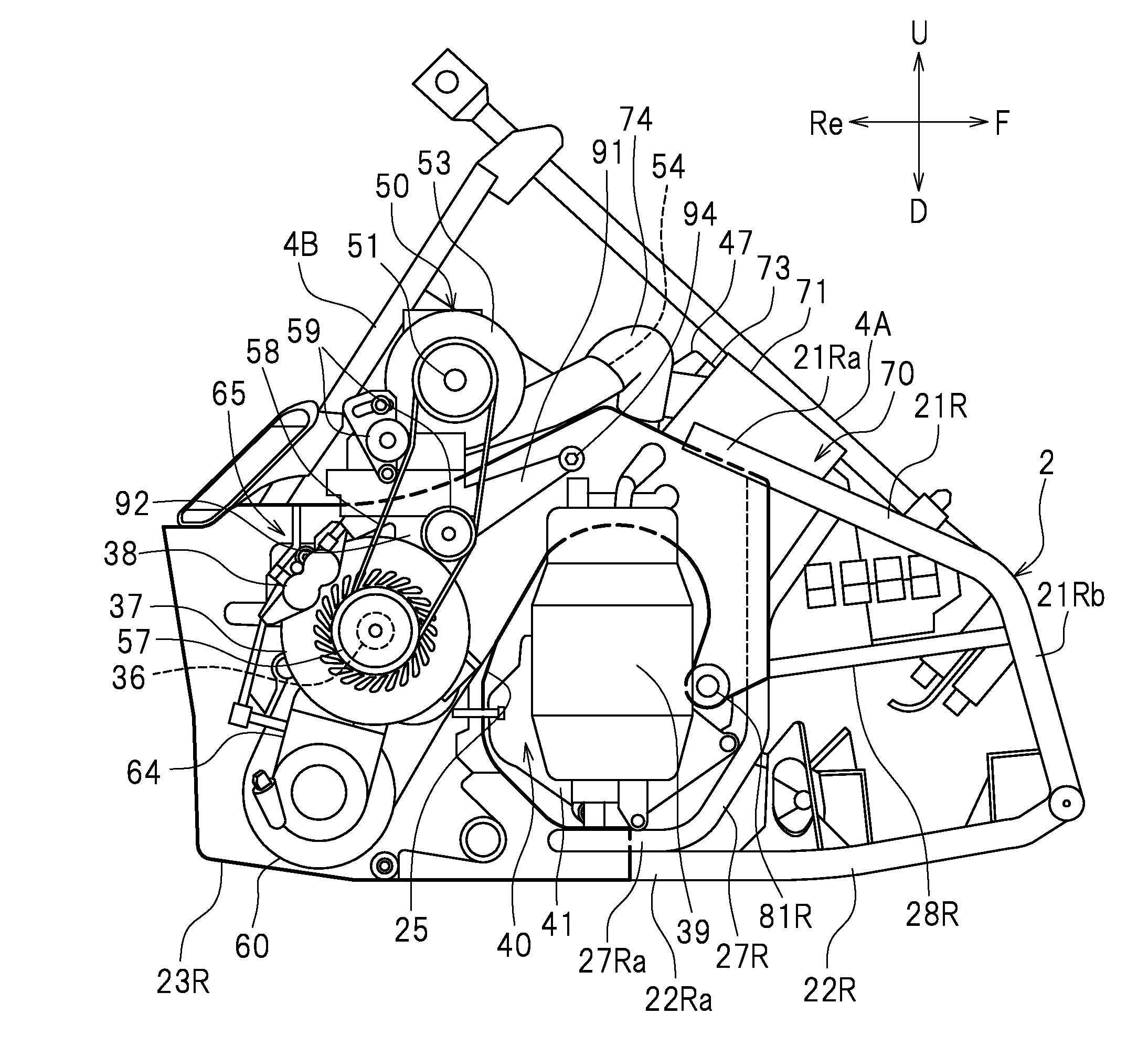
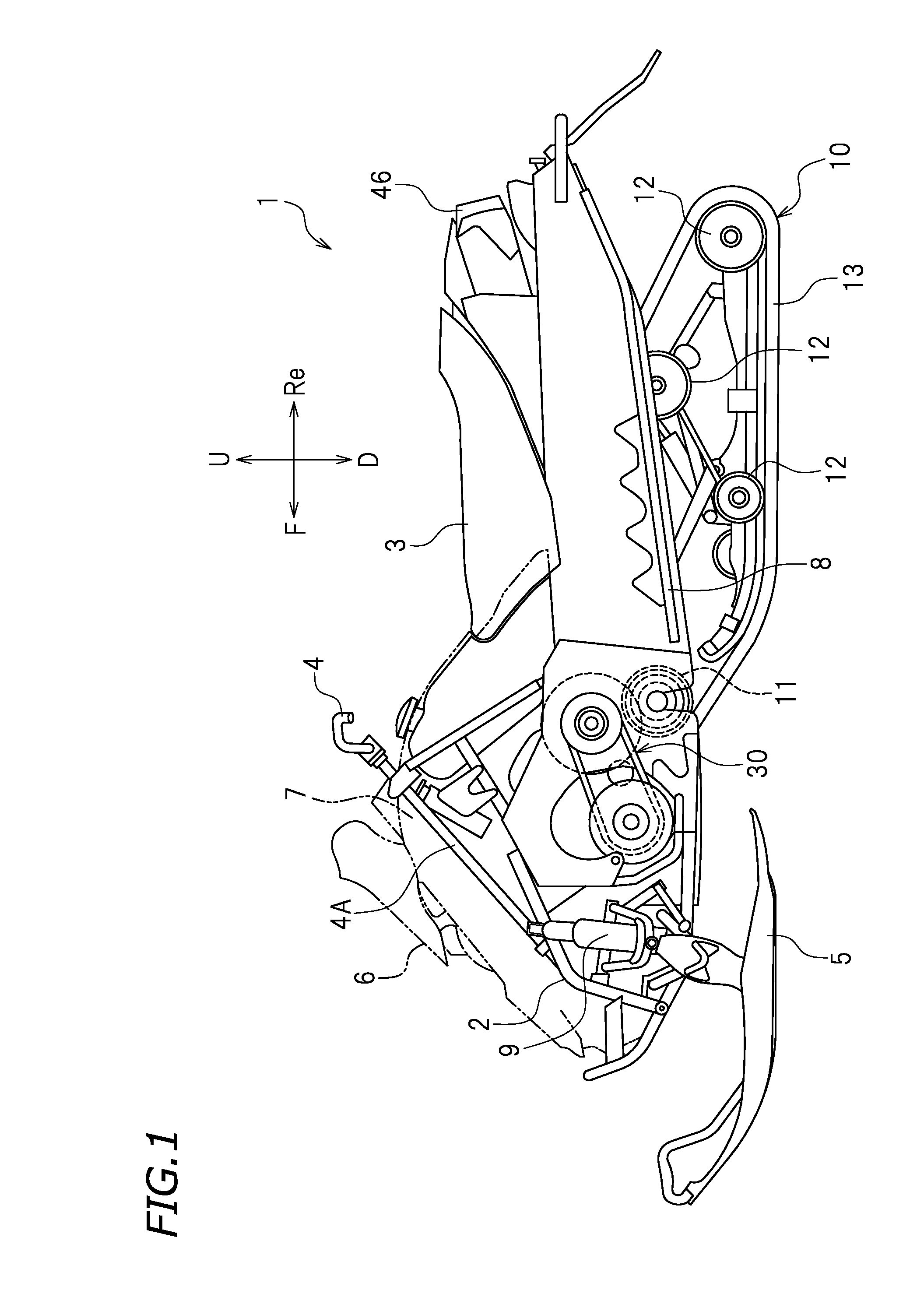
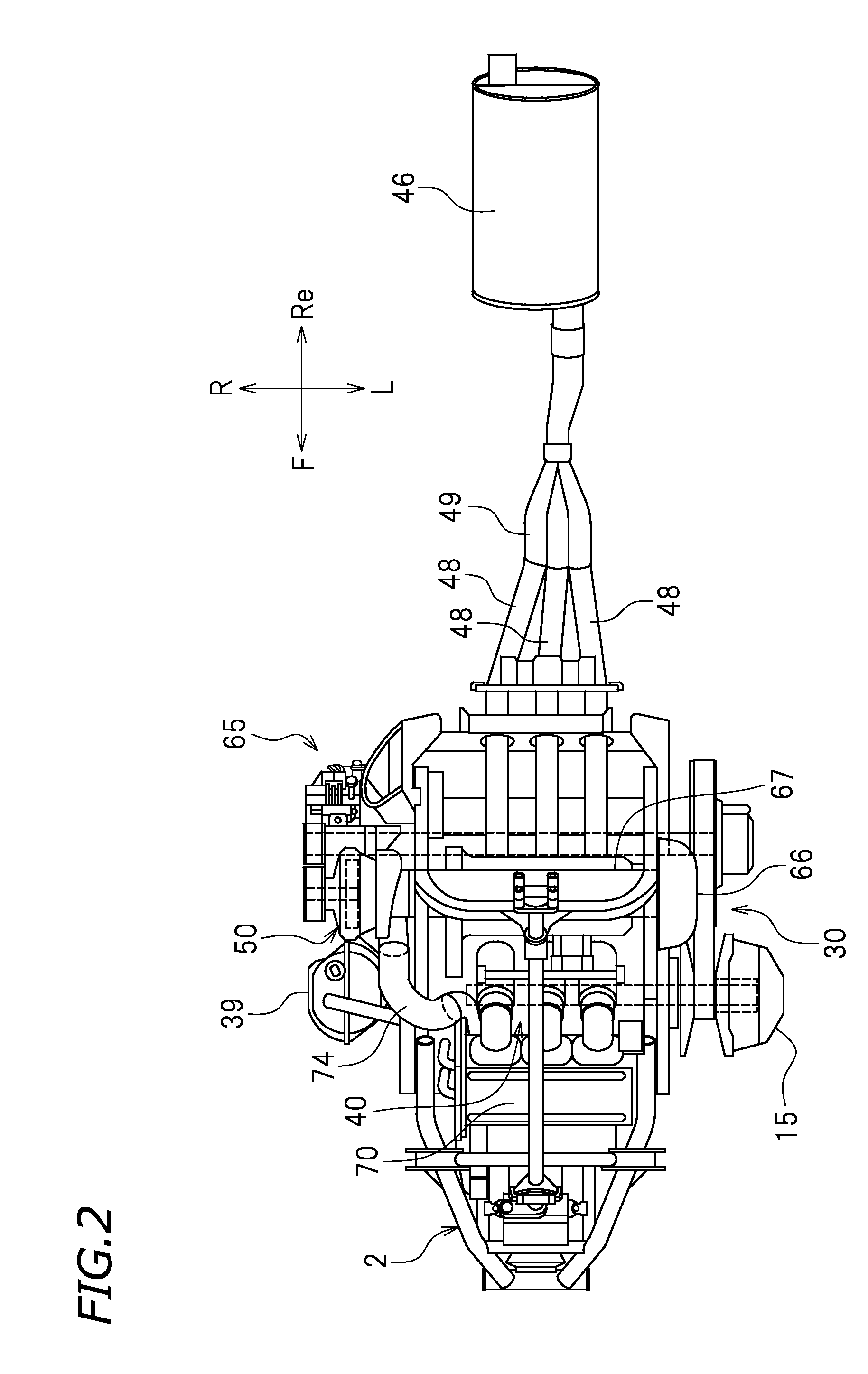
PatentActiveUS20160090905A1
Innovation
- A vehicle design incorporating a supercharger driven by the output shaft of a belt-type continuously variable transmission, with a centrifugal clutch located between the crankshaft and the input shaft, allowing power transmission only at higher rotational speeds, reducing crankshaft load and maintaining stable supercharging pressure.

Environmental Impact
The environmental impact of L92 engine durability in off-road vehicles is a critical consideration in the automotive industry. These engines, designed for high performance and longevity in challenging terrains, have both direct and indirect effects on the environment throughout their lifecycle.
Emissions from L92 engines in off-road vehicles are a primary concern. While these engines are engineered for durability, their extended lifespan can lead to prolonged emission periods. However, advancements in engine technology have resulted in improved fuel efficiency and reduced emissions over time. Modern L92 engines incorporate sophisticated emission control systems, such as catalytic converters and particulate filters, which significantly reduce harmful pollutants like carbon monoxide, nitrogen oxides, and particulate matter.
The durability of L92 engines also impacts resource consumption. On one hand, the longevity of these engines means fewer replacements are needed over time, potentially reducing the overall environmental footprint associated with manufacturing new engines. This durability can lead to a decrease in raw material extraction and energy consumption required for production. On the other hand, the robust nature of these engines may encourage more frequent use of off-road vehicles, potentially increasing overall fuel consumption and emissions.
Off-road vehicle usage powered by L92 engines can have significant impacts on ecosystems. These vehicles often traverse sensitive natural habitats, potentially causing soil compaction, vegetation damage, and disruption to wildlife. The durability of L92 engines enables vehicles to access remote areas more frequently, which could exacerbate these environmental pressures. However, the reliability of these engines also means fewer breakdowns in remote locations, reducing the risk of oil spills or other environmental contamination incidents.
The end-of-life phase of L92 engines presents both challenges and opportunities for environmental management. The robust construction of these engines often means they contain substantial amounts of recyclable materials, particularly metals. Proper recycling and disposal practices can recover valuable resources and minimize waste. However, the complexity of these engines, including various alloys and electronic components, can make the recycling process more challenging and energy-intensive.
Advancements in L92 engine technology have led to the integration of more environmentally friendly materials and manufacturing processes. This includes the use of lighter materials to improve fuel efficiency, as well as the adoption of cleaner production methods that reduce waste and energy consumption during manufacturing. These improvements contribute to a reduced overall environmental impact throughout the engine's lifecycle.
In conclusion, while L92 engine durability in off-road vehicles presents some environmental challenges, particularly in terms of long-term emissions and ecosystem impacts, it also offers benefits through resource conservation and technological advancements. The ongoing development of these engines continues to focus on balancing performance and durability with environmental responsibility, aiming to minimize negative impacts while maximizing efficiency and longevity.
Emissions from L92 engines in off-road vehicles are a primary concern. While these engines are engineered for durability, their extended lifespan can lead to prolonged emission periods. However, advancements in engine technology have resulted in improved fuel efficiency and reduced emissions over time. Modern L92 engines incorporate sophisticated emission control systems, such as catalytic converters and particulate filters, which significantly reduce harmful pollutants like carbon monoxide, nitrogen oxides, and particulate matter.
The durability of L92 engines also impacts resource consumption. On one hand, the longevity of these engines means fewer replacements are needed over time, potentially reducing the overall environmental footprint associated with manufacturing new engines. This durability can lead to a decrease in raw material extraction and energy consumption required for production. On the other hand, the robust nature of these engines may encourage more frequent use of off-road vehicles, potentially increasing overall fuel consumption and emissions.
Off-road vehicle usage powered by L92 engines can have significant impacts on ecosystems. These vehicles often traverse sensitive natural habitats, potentially causing soil compaction, vegetation damage, and disruption to wildlife. The durability of L92 engines enables vehicles to access remote areas more frequently, which could exacerbate these environmental pressures. However, the reliability of these engines also means fewer breakdowns in remote locations, reducing the risk of oil spills or other environmental contamination incidents.
The end-of-life phase of L92 engines presents both challenges and opportunities for environmental management. The robust construction of these engines often means they contain substantial amounts of recyclable materials, particularly metals. Proper recycling and disposal practices can recover valuable resources and minimize waste. However, the complexity of these engines, including various alloys and electronic components, can make the recycling process more challenging and energy-intensive.
Advancements in L92 engine technology have led to the integration of more environmentally friendly materials and manufacturing processes. This includes the use of lighter materials to improve fuel efficiency, as well as the adoption of cleaner production methods that reduce waste and energy consumption during manufacturing. These improvements contribute to a reduced overall environmental impact throughout the engine's lifecycle.
In conclusion, while L92 engine durability in off-road vehicles presents some environmental challenges, particularly in terms of long-term emissions and ecosystem impacts, it also offers benefits through resource conservation and technological advancements. The ongoing development of these engines continues to focus on balancing performance and durability with environmental responsibility, aiming to minimize negative impacts while maximizing efficiency and longevity.
Regulatory Compliance
Regulatory compliance plays a crucial role in the development and implementation of L92 engine durability solutions for off-road vehicles. The off-road vehicle industry is subject to stringent regulations aimed at ensuring safety, environmental protection, and performance standards. These regulations vary across different regions and jurisdictions, necessitating a comprehensive understanding of the global regulatory landscape.
In the United States, the Environmental Protection Agency (EPA) and the California Air Resources Board (CARB) set strict emissions standards for off-road vehicles. The L92 engine must comply with these regulations, which include limits on particulate matter, nitrogen oxides, and carbon monoxide emissions. Additionally, the EPA's Tier 4 emissions standards for non-road diesel engines have significantly impacted the design and durability requirements of engines used in off-road applications.
The European Union has its own set of regulations, including the Non-Road Mobile Machinery (NRMM) Regulation, which establishes emission limits for engines used in off-road equipment. The L92 engine must meet these standards to be marketable in the EU, requiring manufacturers to invest in advanced emission control technologies and durability testing.
Durability testing protocols are also subject to regulatory oversight. The Society of Automotive Engineers (SAE) provides guidelines for engine durability testing, which are often referenced in regulatory frameworks. These protocols typically involve extended running hours, simulated harsh conditions, and accelerated wear testing to ensure the engine meets longevity requirements.
Safety regulations, such as those enforced by the Occupational Safety and Health Administration (OSHA) in the United States, also impact L92 engine design and durability. These regulations mandate certain safety features and performance characteristics, which must be maintained throughout the engine's operational life.
Compliance with noise regulations is another critical aspect of L92 engine durability in off-road vehicles. Many jurisdictions have specific noise emission limits for off-road equipment, requiring manufacturers to implement noise reduction technologies that must remain effective over the engine's lifespan.
As environmental concerns grow, regulations are becoming increasingly stringent. Future regulatory trends indicate a move towards zero-emission technologies, which may impact the long-term viability of traditional combustion engines like the L92 in off-road applications. Manufacturers must consider these evolving regulations when developing durability solutions, potentially incorporating hybrid or alternative fuel technologies to ensure compliance in the coming years.
To maintain regulatory compliance throughout the L92 engine's operational life, manufacturers must implement robust quality control processes and conduct regular field testing. This ensures that engines continue to meet emissions, safety, and performance standards even after extended use in challenging off-road conditions.
In the United States, the Environmental Protection Agency (EPA) and the California Air Resources Board (CARB) set strict emissions standards for off-road vehicles. The L92 engine must comply with these regulations, which include limits on particulate matter, nitrogen oxides, and carbon monoxide emissions. Additionally, the EPA's Tier 4 emissions standards for non-road diesel engines have significantly impacted the design and durability requirements of engines used in off-road applications.
The European Union has its own set of regulations, including the Non-Road Mobile Machinery (NRMM) Regulation, which establishes emission limits for engines used in off-road equipment. The L92 engine must meet these standards to be marketable in the EU, requiring manufacturers to invest in advanced emission control technologies and durability testing.
Durability testing protocols are also subject to regulatory oversight. The Society of Automotive Engineers (SAE) provides guidelines for engine durability testing, which are often referenced in regulatory frameworks. These protocols typically involve extended running hours, simulated harsh conditions, and accelerated wear testing to ensure the engine meets longevity requirements.
Safety regulations, such as those enforced by the Occupational Safety and Health Administration (OSHA) in the United States, also impact L92 engine design and durability. These regulations mandate certain safety features and performance characteristics, which must be maintained throughout the engine's operational life.
Compliance with noise regulations is another critical aspect of L92 engine durability in off-road vehicles. Many jurisdictions have specific noise emission limits for off-road equipment, requiring manufacturers to implement noise reduction technologies that must remain effective over the engine's lifespan.
As environmental concerns grow, regulations are becoming increasingly stringent. Future regulatory trends indicate a move towards zero-emission technologies, which may impact the long-term viability of traditional combustion engines like the L92 in off-road applications. Manufacturers must consider these evolving regulations when developing durability solutions, potentially incorporating hybrid or alternative fuel technologies to ensure compliance in the coming years.
To maintain regulatory compliance throughout the L92 engine's operational life, manufacturers must implement robust quality control processes and conduct regular field testing. This ensures that engines continue to meet emissions, safety, and performance standards even after extended use in challenging off-road conditions.
Unlock deeper insights with PatSnap Eureka Quick Research — get a full tech report to explore trends and direct your research. Try now!
Generate Your Research Report Instantly with AI Agent
Supercharge your innovation with PatSnap Eureka AI Agent Platform!