LDPE Applications: Key Trends in Flexible Packaging
JUN 30, 20259 MIN READ
Generate Your Research Report Instantly with AI Agent
PatSnap Eureka helps you evaluate technical feasibility & market potential.
LDPE Evolution and Objectives
Low-density polyethylene (LDPE) has been a cornerstone in the flexible packaging industry since its introduction in the 1930s. The evolution of LDPE applications in this sector has been driven by continuous improvements in material properties and processing techniques, as well as changing market demands for more sustainable and efficient packaging solutions.
Initially developed as an insulation material for electrical cables, LDPE quickly found its way into the packaging industry due to its excellent flexibility, transparency, and moisture barrier properties. The 1950s and 1960s saw a rapid expansion of LDPE use in flexible packaging, particularly in food packaging applications, as consumers embraced the convenience of lightweight, easily sealable plastic bags and wraps.
Throughout the following decades, LDPE technology continued to advance, with manufacturers focusing on enhancing its strength, clarity, and processability. The introduction of linear low-density polyethylene (LLDPE) in the 1970s marked a significant milestone, offering improved mechanical properties and allowing for thinner, stronger films. This development aligned with the growing emphasis on material efficiency and waste reduction in packaging design.
In recent years, the objectives for LDPE applications in flexible packaging have shifted towards addressing environmental concerns and meeting stringent regulatory requirements. The industry is now focused on developing LDPE formulations that maintain high performance while improving recyclability and reducing overall environmental impact. This includes efforts to incorporate recycled content, enhance material compatibility for recycling streams, and explore bio-based alternatives.
Another key trend shaping the evolution of LDPE in flexible packaging is the demand for advanced barrier properties. As food preservation and shelf-life extension become increasingly important, manufacturers are working on multi-layer LDPE films that provide superior oxygen and moisture barriers without compromising flexibility or recyclability.
The current objectives for LDPE applications in flexible packaging center around several key areas. First, there is a push for increased sustainability, with goals to develop fully recyclable LDPE packaging solutions and reduce the carbon footprint of production processes. Second, manufacturers are striving to enhance the functional properties of LDPE films, including improved puncture resistance, better seal integrity, and advanced printability for high-quality graphics.
Additionally, there is a growing focus on smart packaging solutions, with LDPE serving as a base material for incorporating active and intelligent features. This includes the development of LDPE films with embedded sensors for monitoring food freshness or integrating QR codes for enhanced traceability and consumer engagement.
As the flexible packaging industry continues to evolve, LDPE remains a critical material, adapting to new challenges and opportunities. The future objectives for LDPE applications will likely involve further advancements in circular economy principles, bio-based alternatives, and innovative functionalities that meet the changing needs of consumers and regulatory landscapes.
Initially developed as an insulation material for electrical cables, LDPE quickly found its way into the packaging industry due to its excellent flexibility, transparency, and moisture barrier properties. The 1950s and 1960s saw a rapid expansion of LDPE use in flexible packaging, particularly in food packaging applications, as consumers embraced the convenience of lightweight, easily sealable plastic bags and wraps.
Throughout the following decades, LDPE technology continued to advance, with manufacturers focusing on enhancing its strength, clarity, and processability. The introduction of linear low-density polyethylene (LLDPE) in the 1970s marked a significant milestone, offering improved mechanical properties and allowing for thinner, stronger films. This development aligned with the growing emphasis on material efficiency and waste reduction in packaging design.
In recent years, the objectives for LDPE applications in flexible packaging have shifted towards addressing environmental concerns and meeting stringent regulatory requirements. The industry is now focused on developing LDPE formulations that maintain high performance while improving recyclability and reducing overall environmental impact. This includes efforts to incorporate recycled content, enhance material compatibility for recycling streams, and explore bio-based alternatives.
Another key trend shaping the evolution of LDPE in flexible packaging is the demand for advanced barrier properties. As food preservation and shelf-life extension become increasingly important, manufacturers are working on multi-layer LDPE films that provide superior oxygen and moisture barriers without compromising flexibility or recyclability.
The current objectives for LDPE applications in flexible packaging center around several key areas. First, there is a push for increased sustainability, with goals to develop fully recyclable LDPE packaging solutions and reduce the carbon footprint of production processes. Second, manufacturers are striving to enhance the functional properties of LDPE films, including improved puncture resistance, better seal integrity, and advanced printability for high-quality graphics.
Additionally, there is a growing focus on smart packaging solutions, with LDPE serving as a base material for incorporating active and intelligent features. This includes the development of LDPE films with embedded sensors for monitoring food freshness or integrating QR codes for enhanced traceability and consumer engagement.
As the flexible packaging industry continues to evolve, LDPE remains a critical material, adapting to new challenges and opportunities. The future objectives for LDPE applications will likely involve further advancements in circular economy principles, bio-based alternatives, and innovative functionalities that meet the changing needs of consumers and regulatory landscapes.
Flexible Packaging Market Analysis
The flexible packaging market has experienced significant growth in recent years, driven by changing consumer preferences, technological advancements, and sustainability concerns. This segment of the packaging industry has shown remarkable resilience and adaptability, particularly in the face of global challenges such as the COVID-19 pandemic.
The market for flexible packaging is characterized by its versatility and wide-ranging applications across various industries, including food and beverage, pharmaceuticals, personal care, and household products. The demand for convenient, lightweight, and portable packaging solutions has been a key driver of market growth. Consumers increasingly prefer products that offer ease of use, extended shelf life, and reduced environmental impact, all of which are attributes associated with flexible packaging.
In terms of materials, Low-Density Polyethylene (LDPE) has emerged as a dominant player in the flexible packaging market. LDPE's popularity can be attributed to its excellent flexibility, transparency, and moisture barrier properties. These characteristics make it particularly suitable for applications in food packaging, where maintaining product freshness and extending shelf life are crucial.
The food and beverage sector remains the largest end-user of flexible packaging, accounting for a substantial portion of market share. This is primarily due to the increasing demand for packaged and convenience foods, as well as the growing trend of on-the-go consumption. The pharmaceutical and healthcare sectors have also shown significant growth in flexible packaging adoption, driven by the need for sterile, tamper-evident, and child-resistant packaging solutions.
Geographically, Asia-Pacific has emerged as the fastest-growing region in the flexible packaging market. This growth is fueled by rapid urbanization, increasing disposable incomes, and changing lifestyles in countries like China and India. North America and Europe continue to be significant markets, with a focus on innovative and sustainable packaging solutions.
Sustainability has become a critical factor shaping the flexible packaging market. Consumers and regulatory bodies are increasingly demanding environmentally friendly packaging options. This has led to the development of recyclable and biodegradable flexible packaging materials, as well as the implementation of circular economy principles in packaging design and production.
The market is also witnessing a shift towards smart and active packaging solutions. These include features such as QR codes for product information, temperature indicators for perishable goods, and oxygen scavengers to extend shelf life. Such innovations are adding value to flexible packaging products and opening up new opportunities for market growth.
The market for flexible packaging is characterized by its versatility and wide-ranging applications across various industries, including food and beverage, pharmaceuticals, personal care, and household products. The demand for convenient, lightweight, and portable packaging solutions has been a key driver of market growth. Consumers increasingly prefer products that offer ease of use, extended shelf life, and reduced environmental impact, all of which are attributes associated with flexible packaging.
In terms of materials, Low-Density Polyethylene (LDPE) has emerged as a dominant player in the flexible packaging market. LDPE's popularity can be attributed to its excellent flexibility, transparency, and moisture barrier properties. These characteristics make it particularly suitable for applications in food packaging, where maintaining product freshness and extending shelf life are crucial.
The food and beverage sector remains the largest end-user of flexible packaging, accounting for a substantial portion of market share. This is primarily due to the increasing demand for packaged and convenience foods, as well as the growing trend of on-the-go consumption. The pharmaceutical and healthcare sectors have also shown significant growth in flexible packaging adoption, driven by the need for sterile, tamper-evident, and child-resistant packaging solutions.
Geographically, Asia-Pacific has emerged as the fastest-growing region in the flexible packaging market. This growth is fueled by rapid urbanization, increasing disposable incomes, and changing lifestyles in countries like China and India. North America and Europe continue to be significant markets, with a focus on innovative and sustainable packaging solutions.
Sustainability has become a critical factor shaping the flexible packaging market. Consumers and regulatory bodies are increasingly demanding environmentally friendly packaging options. This has led to the development of recyclable and biodegradable flexible packaging materials, as well as the implementation of circular economy principles in packaging design and production.
The market is also witnessing a shift towards smart and active packaging solutions. These include features such as QR codes for product information, temperature indicators for perishable goods, and oxygen scavengers to extend shelf life. Such innovations are adding value to flexible packaging products and opening up new opportunities for market growth.
LDPE Technical Challenges
Low-density polyethylene (LDPE) has been a cornerstone material in flexible packaging for decades. However, as the industry evolves and sustainability concerns grow, LDPE faces several technical challenges that need to be addressed to maintain its relevance in the market.
One of the primary challenges is improving the barrier properties of LDPE films. While LDPE offers excellent moisture resistance, its gas barrier properties, particularly for oxygen and carbon dioxide, are relatively poor. This limitation can lead to reduced shelf life for packaged products, especially in food applications. Researchers are exploring various methods to enhance these properties, including the development of multi-layer structures and the incorporation of nanoparticles.
Another significant challenge is the need to reduce the overall thickness of LDPE films without compromising their performance. Thinner films are desirable for both economic and environmental reasons, as they require less material and energy to produce. However, maintaining the necessary strength, puncture resistance, and seal integrity in thinner films presents a considerable technical hurdle.
The recyclability of LDPE packaging is also a major concern. While LDPE is theoretically recyclable, the presence of additives, inks, and adhesives in flexible packaging often complicates the recycling process. Developing LDPE formulations that are more compatible with existing recycling streams, or creating new recycling technologies specifically for flexible packaging, is crucial for improving the material's sustainability profile.
Furthermore, there is a growing demand for bio-based and biodegradable alternatives to traditional LDPE. While some progress has been made in developing bio-based polyethylene, achieving the same performance characteristics as petroleum-based LDPE remains challenging. Additionally, creating truly biodegradable versions of LDPE that maintain its desirable properties is an area of ongoing research and development.
The processing of LDPE for flexible packaging applications also presents technical challenges. Improving the material's heat resistance to allow for higher processing temperatures could lead to faster production speeds and enhanced productivity. Additionally, optimizing the material's flow properties and melt strength is crucial for maintaining consistent film quality across various processing methods.
Lastly, enhancing the compatibility of LDPE with other materials used in flexible packaging is an ongoing challenge. This includes improving adhesion to printing inks and coatings, as well as developing better tie layers for multi-material structures. Such advancements would expand the design possibilities for flexible packaging and potentially improve the overall performance of LDPE-based products.
One of the primary challenges is improving the barrier properties of LDPE films. While LDPE offers excellent moisture resistance, its gas barrier properties, particularly for oxygen and carbon dioxide, are relatively poor. This limitation can lead to reduced shelf life for packaged products, especially in food applications. Researchers are exploring various methods to enhance these properties, including the development of multi-layer structures and the incorporation of nanoparticles.
Another significant challenge is the need to reduce the overall thickness of LDPE films without compromising their performance. Thinner films are desirable for both economic and environmental reasons, as they require less material and energy to produce. However, maintaining the necessary strength, puncture resistance, and seal integrity in thinner films presents a considerable technical hurdle.
The recyclability of LDPE packaging is also a major concern. While LDPE is theoretically recyclable, the presence of additives, inks, and adhesives in flexible packaging often complicates the recycling process. Developing LDPE formulations that are more compatible with existing recycling streams, or creating new recycling technologies specifically for flexible packaging, is crucial for improving the material's sustainability profile.
Furthermore, there is a growing demand for bio-based and biodegradable alternatives to traditional LDPE. While some progress has been made in developing bio-based polyethylene, achieving the same performance characteristics as petroleum-based LDPE remains challenging. Additionally, creating truly biodegradable versions of LDPE that maintain its desirable properties is an area of ongoing research and development.
The processing of LDPE for flexible packaging applications also presents technical challenges. Improving the material's heat resistance to allow for higher processing temperatures could lead to faster production speeds and enhanced productivity. Additionally, optimizing the material's flow properties and melt strength is crucial for maintaining consistent film quality across various processing methods.
Lastly, enhancing the compatibility of LDPE with other materials used in flexible packaging is an ongoing challenge. This includes improving adhesion to printing inks and coatings, as well as developing better tie layers for multi-material structures. Such advancements would expand the design possibilities for flexible packaging and potentially improve the overall performance of LDPE-based products.
Current LDPE Solutions
01 Composition and properties of LDPE
Low-Density Polyethylene (LDPE) is a thermoplastic polymer with a low density and high flexibility. It is characterized by its branched structure, which results in lower crystallinity and density compared to other polyethylene types. LDPE exhibits good chemical resistance, electrical insulation properties, and processability, making it suitable for various applications.- Composition and properties of LDPE: Low-Density Polyethylene (LDPE) is a thermoplastic polymer with a low density and high flexibility. It is characterized by its branched structure, which results in lower crystallinity and density compared to other polyethylene types. LDPE exhibits good chemical resistance, electrical insulation properties, and processability, making it suitable for various applications.
- Manufacturing processes for LDPE: LDPE is typically produced through high-pressure polymerization of ethylene using free-radical initiators. Various manufacturing techniques have been developed to improve the production efficiency and control the properties of LDPE. These may include modifications to reactor design, catalyst systems, and process conditions to achieve desired molecular weight distribution and branching characteristics.
- Applications of LDPE in packaging: LDPE is widely used in packaging applications due to its flexibility, transparency, and moisture resistance. It is commonly employed in the production of plastic bags, food packaging films, and squeeze bottles. Recent developments focus on improving the barrier properties and recyclability of LDPE packaging materials to meet environmental concerns and regulatory requirements.
- LDPE blends and composites: Research in LDPE technology includes the development of blends and composites to enhance its properties. By combining LDPE with other polymers, fillers, or additives, improved mechanical strength, thermal stability, or specific functionalities can be achieved. These modified LDPE materials find applications in areas such as automotive parts, construction materials, and specialty films.
- Recycling and sustainability of LDPE: With increasing focus on environmental sustainability, efforts are being made to improve the recycling and biodegradability of LDPE. This includes developing more efficient recycling processes, incorporating biodegradable additives, and exploring bio-based alternatives to traditional LDPE. These advancements aim to reduce the environmental impact of LDPE while maintaining its desirable properties for various applications.
02 Manufacturing processes for LDPE
LDPE is typically produced through high-pressure polymerization of ethylene using free-radical initiators. Various manufacturing techniques have been developed to improve the production efficiency and control the properties of LDPE. These may include modifications to reactor design, catalyst systems, and process conditions to achieve desired molecular weight distribution and branching characteristics.Expand Specific Solutions03 Applications of LDPE in packaging
LDPE is widely used in the packaging industry due to its flexibility, transparency, and moisture resistance. It is commonly employed in the production of plastic bags, food packaging films, and squeeze bottles. Recent innovations focus on improving the barrier properties and recyclability of LDPE packaging materials to meet sustainability requirements.Expand Specific Solutions04 LDPE blends and composites
To enhance the performance of LDPE, it is often blended with other polymers or reinforced with various fillers and additives. These blends and composites can exhibit improved mechanical properties, thermal stability, or specific functionalities. Research in this area aims to develop novel LDPE-based materials with tailored characteristics for specialized applications.Expand Specific Solutions05 Recycling and sustainability of LDPE
As environmental concerns grow, there is an increasing focus on the recycling and sustainable use of LDPE. Efforts are being made to develop more efficient recycling processes, improve the quality of recycled LDPE, and explore biodegradable alternatives. Research also aims to reduce the environmental impact of LDPE production and enhance its overall lifecycle sustainability.Expand Specific Solutions
Key LDPE Manufacturers
The LDPE flexible packaging market is in a mature growth stage, characterized by steady demand and established applications. The global market size for LDPE in flexible packaging is substantial, driven by increasing consumer goods consumption and e-commerce growth. Technologically, LDPE is well-established, but innovations continue in areas like improved barrier properties and sustainability. Key players like ExxonMobil, Dow, and SABIC are focusing on developing advanced LDPE grades with enhanced performance characteristics. Emerging companies such as Borealis and Japan Polyethylene are also contributing to technological advancements, while regional players like PetroChina and Sinopec are expanding their market presence. The competitive landscape is marked by ongoing R&D efforts to meet evolving industry demands for more sustainable and high-performance LDPE solutions in flexible packaging applications.
ExxonMobil Chemical Patents, Inc.
Technical Solution: ExxonMobil has developed Exceed™ XP performance polymers, which offer exceptional toughness and processability for flexible packaging applications. These materials enable the production of thinner, yet stronger films, reducing overall material usage[6]. The company's Vistamaxx™ performance polymers provide enhanced sealing performance and improved optical properties, making them ideal for food packaging and industrial films[7]. ExxonMobil has also introduced Enable™ metallocene polyethylene resins, which offer a balance of stiffness and toughness, allowing for downgauging opportunities in flexible packaging without compromising performance[8].
Strengths: Advanced metallocene catalyst technology, broad range of specialized resins. Weaknesses: Higher cost of specialty resins compared to commodity LDPE, potential limitations in biodegradability.
Dow Global Technologies LLC
Technical Solution: Dow has developed advanced LDPE resins specifically for flexible packaging applications. Their ELITE™ Enhanced Polyethylene Resins offer improved toughness, stiffness, and optical properties[1]. These resins are designed for high-speed film extrusion, enabling manufacturers to produce thinner films without sacrificing performance. Dow's AGILITY™ EC series provides excellent sealability and hot tack strength, crucial for form-fill-seal packaging applications[2]. The company has also introduced sustainable solutions, such as REVOLOOP™ recycled plastic resins, which incorporate post-consumer recycled (PCR) content while maintaining performance comparable to virgin materials[3].
Strengths: Wide range of specialized LDPE products, focus on sustainability, strong R&D capabilities. Weaknesses: Potential higher costs compared to standard LDPE, may require equipment upgrades for optimal processing.
LDPE Innovation Highlights
Polyethylene compositions for improved collation shrink films
PatentPendingEP4545594A1
Innovation
- A polymer blend comprising low-density polyethylene (LDPE) with a density of 0.910 to 0.925 g/cc and less than 10 wt.% high-density polyethylene (HDPE), which balances film mechanical and optical properties.


Processing aid of polyolefine for food flexible packing, preparation method and application thereof, and modified polyolefine adopting processing aid
PatentInactiveCN101724176A
Innovation
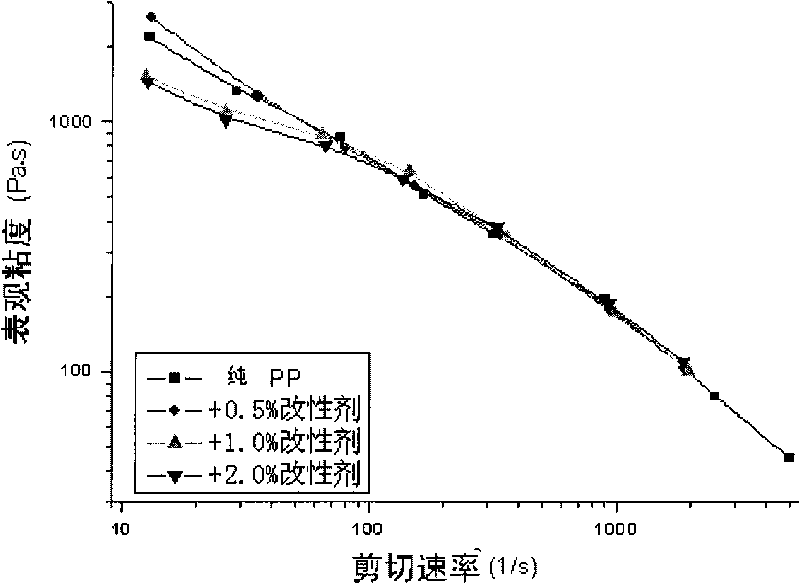
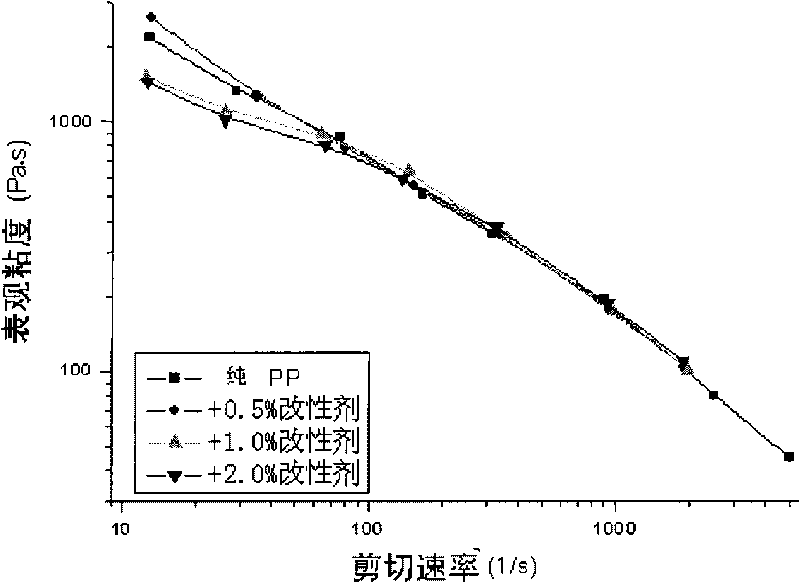
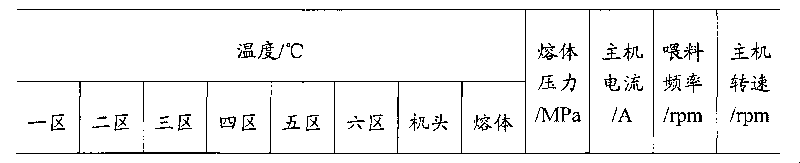
- Nano-silica is prepared by co-precipitation method, and modified nano-SiO2 is wrapped with ethylene-vinyl acetate copolymer (EVA) as a release agent. Combined with the melt blending method, it is added to polyolefin to improve its polarity and phase. Capacitive, forming processing aids to improve the mechanical properties and printing composite properties of the film.

Sustainability in LDPE Packaging
Sustainability has become a critical focus in the LDPE packaging industry, driven by increasing environmental concerns and regulatory pressures. The flexible packaging sector, where LDPE is widely used, is actively pursuing eco-friendly solutions to address the environmental impact of plastic waste.
One of the key trends in sustainable LDPE packaging is the development of recyclable mono-material structures. By eliminating multi-layer films that combine different polymers, manufacturers are creating packaging solutions that are easier to recycle. This approach not only improves the recyclability of LDPE packaging but also aligns with the circular economy principles.
Another significant trend is the incorporation of recycled content into LDPE packaging. Many companies are investing in advanced recycling technologies to produce high-quality recycled LDPE that can be used in food-grade packaging applications. This closed-loop system helps reduce the demand for virgin plastics and minimizes waste.
Biodegradable and compostable LDPE alternatives are also gaining traction in the market. While not technically LDPE, these materials offer similar properties and are designed to break down more readily in natural environments. However, challenges remain in terms of performance, cost, and the availability of appropriate disposal infrastructure.
Light-weighting continues to be a focus area for sustainable LDPE packaging. By reducing the amount of material used without compromising performance, manufacturers can decrease the overall environmental footprint of their products. This approach not only conserves resources but also reduces transportation-related emissions.
The industry is also exploring bio-based LDPE derived from renewable sources such as sugarcane. These materials offer a lower carbon footprint compared to traditional petroleum-based LDPE while maintaining similar performance characteristics. However, scalability and cost remain challenges for widespread adoption.
Improved barrier properties in LDPE packaging are contributing to sustainability efforts by extending product shelf life and reducing food waste. Innovations in LDPE film technology are enabling better protection against moisture, oxygen, and other factors that can lead to product spoilage.
Lastly, the development of smart LDPE packaging solutions is enhancing sustainability through improved supply chain efficiency and reduced waste. Features such as QR codes and RFID tags embedded in LDPE packaging can provide real-time information on product freshness and optimal consumption times, helping to minimize unnecessary disposal.
One of the key trends in sustainable LDPE packaging is the development of recyclable mono-material structures. By eliminating multi-layer films that combine different polymers, manufacturers are creating packaging solutions that are easier to recycle. This approach not only improves the recyclability of LDPE packaging but also aligns with the circular economy principles.
Another significant trend is the incorporation of recycled content into LDPE packaging. Many companies are investing in advanced recycling technologies to produce high-quality recycled LDPE that can be used in food-grade packaging applications. This closed-loop system helps reduce the demand for virgin plastics and minimizes waste.
Biodegradable and compostable LDPE alternatives are also gaining traction in the market. While not technically LDPE, these materials offer similar properties and are designed to break down more readily in natural environments. However, challenges remain in terms of performance, cost, and the availability of appropriate disposal infrastructure.
Light-weighting continues to be a focus area for sustainable LDPE packaging. By reducing the amount of material used without compromising performance, manufacturers can decrease the overall environmental footprint of their products. This approach not only conserves resources but also reduces transportation-related emissions.
The industry is also exploring bio-based LDPE derived from renewable sources such as sugarcane. These materials offer a lower carbon footprint compared to traditional petroleum-based LDPE while maintaining similar performance characteristics. However, scalability and cost remain challenges for widespread adoption.
Improved barrier properties in LDPE packaging are contributing to sustainability efforts by extending product shelf life and reducing food waste. Innovations in LDPE film technology are enabling better protection against moisture, oxygen, and other factors that can lead to product spoilage.
Lastly, the development of smart LDPE packaging solutions is enhancing sustainability through improved supply chain efficiency and reduced waste. Features such as QR codes and RFID tags embedded in LDPE packaging can provide real-time information on product freshness and optimal consumption times, helping to minimize unnecessary disposal.
Regulatory Framework for LDPE
The regulatory framework for LDPE in flexible packaging applications is complex and multifaceted, encompassing various aspects of safety, environmental impact, and quality control. At the global level, organizations such as the World Health Organization (WHO) and the Food and Agriculture Organization (FAO) provide guidelines for the use of plastics in food contact materials, which significantly influence LDPE regulations in many countries.
In the United States, the Food and Drug Administration (FDA) plays a crucial role in regulating LDPE for food packaging applications. The FDA's Code of Federal Regulations Title 21, Part 177 specifically addresses the use of LDPE in food contact materials, outlining requirements for composition, manufacturing processes, and permissible additives. Additionally, the Environmental Protection Agency (EPA) regulates aspects of LDPE production and disposal under various environmental protection acts.
The European Union has implemented stringent regulations through the European Food Safety Authority (EFSA) and the European Commission. Regulation (EC) No 1935/2004 sets the overarching framework for all food contact materials, including LDPE. More specifically, Regulation (EU) No 10/2011 on plastic materials and articles intended to come into contact with food provides detailed requirements for LDPE used in flexible packaging.
In Asia, countries like Japan and China have their own regulatory bodies and standards. Japan's Ministry of Health, Labour and Welfare enforces the Food Sanitation Act, which includes specific provisions for plastic food packaging materials. China's GB standards, administered by the National Medical Products Administration, govern the use of LDPE in food contact applications.
Environmental concerns have led to increased regulatory focus on the recyclability and sustainability of LDPE packaging. Many jurisdictions have implemented or are considering extended producer responsibility (EPR) schemes, which hold manufacturers accountable for the entire lifecycle of their packaging products. The EU's Circular Economy Action Plan and similar initiatives in other regions are driving the development of more sustainable LDPE formulations and recycling technologies.
Compliance with these diverse regulatory frameworks presents both challenges and opportunities for LDPE manufacturers and users in the flexible packaging industry. Companies must navigate a complex landscape of material specifications, migration limits, and testing requirements. However, this regulatory environment also drives innovation in LDPE formulations, encouraging the development of safer, more environmentally friendly, and higher-performing materials.
As global awareness of plastic pollution grows, it is likely that regulatory frameworks for LDPE will continue to evolve, with an increasing emphasis on sustainability, recyclability, and reduction of environmental impact. This ongoing regulatory development will shape the future of LDPE applications in flexible packaging, influencing material design, manufacturing processes, and end-of-life management strategies.
In the United States, the Food and Drug Administration (FDA) plays a crucial role in regulating LDPE for food packaging applications. The FDA's Code of Federal Regulations Title 21, Part 177 specifically addresses the use of LDPE in food contact materials, outlining requirements for composition, manufacturing processes, and permissible additives. Additionally, the Environmental Protection Agency (EPA) regulates aspects of LDPE production and disposal under various environmental protection acts.
The European Union has implemented stringent regulations through the European Food Safety Authority (EFSA) and the European Commission. Regulation (EC) No 1935/2004 sets the overarching framework for all food contact materials, including LDPE. More specifically, Regulation (EU) No 10/2011 on plastic materials and articles intended to come into contact with food provides detailed requirements for LDPE used in flexible packaging.
In Asia, countries like Japan and China have their own regulatory bodies and standards. Japan's Ministry of Health, Labour and Welfare enforces the Food Sanitation Act, which includes specific provisions for plastic food packaging materials. China's GB standards, administered by the National Medical Products Administration, govern the use of LDPE in food contact applications.
Environmental concerns have led to increased regulatory focus on the recyclability and sustainability of LDPE packaging. Many jurisdictions have implemented or are considering extended producer responsibility (EPR) schemes, which hold manufacturers accountable for the entire lifecycle of their packaging products. The EU's Circular Economy Action Plan and similar initiatives in other regions are driving the development of more sustainable LDPE formulations and recycling technologies.
Compliance with these diverse regulatory frameworks presents both challenges and opportunities for LDPE manufacturers and users in the flexible packaging industry. Companies must navigate a complex landscape of material specifications, migration limits, and testing requirements. However, this regulatory environment also drives innovation in LDPE formulations, encouraging the development of safer, more environmentally friendly, and higher-performing materials.
As global awareness of plastic pollution grows, it is likely that regulatory frameworks for LDPE will continue to evolve, with an increasing emphasis on sustainability, recyclability, and reduction of environmental impact. This ongoing regulatory development will shape the future of LDPE applications in flexible packaging, influencing material design, manufacturing processes, and end-of-life management strategies.
Unlock deeper insights with PatSnap Eureka Quick Research — get a full tech report to explore trends and direct your research. Try now!
Generate Your Research Report Instantly with AI Agent
Supercharge your innovation with PatSnap Eureka AI Agent Platform!