

LDPE's Influence on Packaging Industry Trends
JUN 30, 20259 MIN READ
Generate Your Research Report Instantly with AI Agent
PatSnap Eureka helps you evaluate technical feasibility & market potential.
LDPE Packaging Evolution
Low-density polyethylene (LDPE) has played a pivotal role in shaping the packaging industry since its introduction in the 1930s. The evolution of LDPE packaging has been marked by continuous innovation and adaptation to changing market demands, environmental concerns, and technological advancements.
In the early stages, LDPE was primarily used for simple applications such as plastic bags and food wraps due to its flexibility, transparency, and moisture resistance. As manufacturing processes improved, LDPE found its way into more diverse packaging solutions, including bottles, containers, and industrial packaging materials.
The 1960s and 1970s saw a significant expansion in LDPE usage, driven by the growing consumer goods market and the need for lightweight, cost-effective packaging. During this period, LDPE became a staple in the food packaging industry, revolutionizing food preservation and distribution methods.
The 1980s and 1990s marked a period of refinement in LDPE packaging technology. Manufacturers focused on enhancing the material's properties, such as improving barrier characteristics and developing multi-layer structures to meet specific packaging requirements. This era also saw the introduction of recycled LDPE in packaging applications, responding to emerging environmental concerns.
The turn of the millennium brought new challenges and opportunities for LDPE packaging. Increased awareness of environmental issues led to a push for more sustainable packaging solutions. In response, the industry began developing bio-based LDPE alternatives and improving recycling technologies for conventional LDPE products.
Recent years have witnessed a surge in innovative LDPE packaging designs, focusing on resource efficiency and circular economy principles. Smart packaging incorporating LDPE, such as those with enhanced traceability features or improved shelf-life properties, has gained traction in various sectors.
The COVID-19 pandemic has further accelerated certain trends in LDPE packaging, particularly in e-commerce and healthcare applications. The demand for hygienic, single-use packaging has increased, prompting new developments in antimicrobial LDPE formulations.
Looking ahead, the evolution of LDPE packaging is likely to be shaped by ongoing sustainability efforts, technological advancements in material science, and changing consumer preferences. The industry is exploring novel recycling methods, such as chemical recycling, to address end-of-life challenges associated with LDPE packaging. Additionally, the integration of digital technologies and LDPE packaging is expected to open new frontiers in smart, interactive packaging solutions.
In the early stages, LDPE was primarily used for simple applications such as plastic bags and food wraps due to its flexibility, transparency, and moisture resistance. As manufacturing processes improved, LDPE found its way into more diverse packaging solutions, including bottles, containers, and industrial packaging materials.
The 1960s and 1970s saw a significant expansion in LDPE usage, driven by the growing consumer goods market and the need for lightweight, cost-effective packaging. During this period, LDPE became a staple in the food packaging industry, revolutionizing food preservation and distribution methods.
The 1980s and 1990s marked a period of refinement in LDPE packaging technology. Manufacturers focused on enhancing the material's properties, such as improving barrier characteristics and developing multi-layer structures to meet specific packaging requirements. This era also saw the introduction of recycled LDPE in packaging applications, responding to emerging environmental concerns.
The turn of the millennium brought new challenges and opportunities for LDPE packaging. Increased awareness of environmental issues led to a push for more sustainable packaging solutions. In response, the industry began developing bio-based LDPE alternatives and improving recycling technologies for conventional LDPE products.
Recent years have witnessed a surge in innovative LDPE packaging designs, focusing on resource efficiency and circular economy principles. Smart packaging incorporating LDPE, such as those with enhanced traceability features or improved shelf-life properties, has gained traction in various sectors.
The COVID-19 pandemic has further accelerated certain trends in LDPE packaging, particularly in e-commerce and healthcare applications. The demand for hygienic, single-use packaging has increased, prompting new developments in antimicrobial LDPE formulations.
Looking ahead, the evolution of LDPE packaging is likely to be shaped by ongoing sustainability efforts, technological advancements in material science, and changing consumer preferences. The industry is exploring novel recycling methods, such as chemical recycling, to address end-of-life challenges associated with LDPE packaging. Additionally, the integration of digital technologies and LDPE packaging is expected to open new frontiers in smart, interactive packaging solutions.
Market Demand Analysis
The global packaging industry has witnessed a significant shift towards sustainable and eco-friendly materials, with Low-Density Polyethylene (LDPE) playing a crucial role in this transformation. Market demand for LDPE in packaging applications has been steadily increasing due to its versatility, cost-effectiveness, and recyclability. The packaging sector, particularly in food and beverage, consumer goods, and e-commerce, has been the primary driver of LDPE demand growth.
In the food and beverage industry, LDPE's excellent moisture barrier properties and flexibility make it an ideal choice for packaging perishable goods. The rise of convenience foods and ready-to-eat meals has further boosted the demand for LDPE packaging solutions. Additionally, the growing awareness of food safety and hygiene has led to increased adoption of LDPE packaging materials that offer superior protection against contamination.
The e-commerce boom has significantly impacted the packaging industry, with LDPE playing a vital role in protective packaging and shipping materials. The surge in online shopping, accelerated by the global pandemic, has created a substantial demand for lightweight, durable, and cost-effective packaging solutions. LDPE's ability to provide cushioning and protection during transit while minimizing shipping costs has made it a preferred choice for e-commerce businesses.
Consumer goods manufacturers are increasingly turning to LDPE packaging to meet the growing demand for sustainable and recyclable products. The material's recyclability and potential for incorporation into circular economy models have positioned it as a favorable option for brands looking to improve their environmental credentials. This trend is particularly evident in the personal care and household products sectors, where LDPE is widely used for bottles, tubes, and flexible packaging.
The pharmaceutical industry has also contributed to the rising demand for LDPE packaging. The material's chemical resistance, barrier properties, and ability to maintain product integrity make it suitable for various pharmaceutical packaging applications, including blister packs, bottles, and medical device packaging.
Despite the growing demand, the LDPE packaging market faces challenges from increasing environmental concerns and regulatory pressures. Governments and environmental organizations worldwide are implementing stricter regulations on single-use plastics, which could potentially impact LDPE usage in certain applications. However, this challenge has also spurred innovation in the industry, leading to the development of more sustainable LDPE formulations and improved recycling technologies.
The market demand for LDPE in packaging is expected to continue its upward trajectory, driven by technological advancements, changing consumer preferences, and the material's adaptability to evolving industry needs. As manufacturers and brands strive to balance functionality, cost-effectiveness, and sustainability, LDPE is likely to remain a key player in shaping packaging industry trends for the foreseeable future.
In the food and beverage industry, LDPE's excellent moisture barrier properties and flexibility make it an ideal choice for packaging perishable goods. The rise of convenience foods and ready-to-eat meals has further boosted the demand for LDPE packaging solutions. Additionally, the growing awareness of food safety and hygiene has led to increased adoption of LDPE packaging materials that offer superior protection against contamination.
The e-commerce boom has significantly impacted the packaging industry, with LDPE playing a vital role in protective packaging and shipping materials. The surge in online shopping, accelerated by the global pandemic, has created a substantial demand for lightweight, durable, and cost-effective packaging solutions. LDPE's ability to provide cushioning and protection during transit while minimizing shipping costs has made it a preferred choice for e-commerce businesses.
Consumer goods manufacturers are increasingly turning to LDPE packaging to meet the growing demand for sustainable and recyclable products. The material's recyclability and potential for incorporation into circular economy models have positioned it as a favorable option for brands looking to improve their environmental credentials. This trend is particularly evident in the personal care and household products sectors, where LDPE is widely used for bottles, tubes, and flexible packaging.
The pharmaceutical industry has also contributed to the rising demand for LDPE packaging. The material's chemical resistance, barrier properties, and ability to maintain product integrity make it suitable for various pharmaceutical packaging applications, including blister packs, bottles, and medical device packaging.
Despite the growing demand, the LDPE packaging market faces challenges from increasing environmental concerns and regulatory pressures. Governments and environmental organizations worldwide are implementing stricter regulations on single-use plastics, which could potentially impact LDPE usage in certain applications. However, this challenge has also spurred innovation in the industry, leading to the development of more sustainable LDPE formulations and improved recycling technologies.
The market demand for LDPE in packaging is expected to continue its upward trajectory, driven by technological advancements, changing consumer preferences, and the material's adaptability to evolving industry needs. As manufacturers and brands strive to balance functionality, cost-effectiveness, and sustainability, LDPE is likely to remain a key player in shaping packaging industry trends for the foreseeable future.
LDPE Technical Challenges
Low-density polyethylene (LDPE) has been a cornerstone in the packaging industry for decades, but it faces several technical challenges that impact its performance and sustainability. One of the primary issues is its limited barrier properties, particularly against oxygen and moisture. This limitation restricts LDPE's use in applications requiring high-performance barrier packaging, such as for sensitive food products or pharmaceuticals.
Another significant challenge is LDPE's recyclability. While it is technically recyclable, the process is often complicated by contamination from food residues and other materials in mixed waste streams. This leads to downcycling rather than true recycling, where the material quality degrades with each cycle. The industry is grappling with developing more efficient sorting and cleaning technologies to improve LDPE recycling rates and quality.
LDPE's mechanical properties also present challenges in certain applications. Its relatively low tensile strength and puncture resistance compared to other packaging materials like PET or PP can limit its use in heavy-duty packaging scenarios. This necessitates the use of thicker films or multi-layer structures, which can increase material usage and complicate recycling efforts.
The environmental impact of LDPE production and disposal remains a significant concern. The material's persistence in the environment, particularly in marine ecosystems, has led to increased scrutiny and regulatory pressure. The industry is challenged to develop more environmentally friendly alternatives or improve LDPE's biodegradability without compromising its desirable packaging properties.
Heat sealing and processing temperatures pose another technical hurdle. LDPE's relatively low melting point can lead to challenges in high-speed packaging lines or in applications where heat resistance is crucial. This limitation often requires careful process control or the use of specialized equipment, increasing production complexity and costs.
Lastly, the industry faces the challenge of improving LDPE's compatibility with emerging sustainable packaging trends. This includes enhancing its ability to incorporate recycled content without significant property loss, developing bio-based LDPE alternatives, and improving its overall carbon footprint throughout its lifecycle. These challenges are driving research into new catalyst technologies, polymer blends, and processing techniques to create next-generation LDPE materials that can meet evolving industry demands while addressing environmental concerns.
Another significant challenge is LDPE's recyclability. While it is technically recyclable, the process is often complicated by contamination from food residues and other materials in mixed waste streams. This leads to downcycling rather than true recycling, where the material quality degrades with each cycle. The industry is grappling with developing more efficient sorting and cleaning technologies to improve LDPE recycling rates and quality.
LDPE's mechanical properties also present challenges in certain applications. Its relatively low tensile strength and puncture resistance compared to other packaging materials like PET or PP can limit its use in heavy-duty packaging scenarios. This necessitates the use of thicker films or multi-layer structures, which can increase material usage and complicate recycling efforts.
The environmental impact of LDPE production and disposal remains a significant concern. The material's persistence in the environment, particularly in marine ecosystems, has led to increased scrutiny and regulatory pressure. The industry is challenged to develop more environmentally friendly alternatives or improve LDPE's biodegradability without compromising its desirable packaging properties.
Heat sealing and processing temperatures pose another technical hurdle. LDPE's relatively low melting point can lead to challenges in high-speed packaging lines or in applications where heat resistance is crucial. This limitation often requires careful process control or the use of specialized equipment, increasing production complexity and costs.
Lastly, the industry faces the challenge of improving LDPE's compatibility with emerging sustainable packaging trends. This includes enhancing its ability to incorporate recycled content without significant property loss, developing bio-based LDPE alternatives, and improving its overall carbon footprint throughout its lifecycle. These challenges are driving research into new catalyst technologies, polymer blends, and processing techniques to create next-generation LDPE materials that can meet evolving industry demands while addressing environmental concerns.
Current LDPE Solutions
01 LDPE in packaging applications
Low-Density Polyethylene (LDPE) is widely used in packaging applications due to its flexibility, transparency, and moisture resistance. It is particularly suitable for food packaging, plastic bags, and shrink wrap. LDPE's influence in this sector is significant, as it provides cost-effective and versatile packaging solutions for various industries.- LDPE in packaging applications: Low-Density Polyethylene (LDPE) is widely used in packaging applications due to its flexibility, transparency, and moisture resistance. It is particularly suitable for food packaging, shrink wrap, and plastic bags. LDPE's influence in this sector is significant, as it provides cost-effective and versatile packaging solutions for various industries.
- LDPE in agricultural films: LDPE plays a crucial role in agricultural applications, particularly in the production of greenhouse and mulch films. Its influence extends to improving crop yields, conserving water, and controlling weed growth. The material's durability and UV resistance make it ideal for long-term outdoor use in agricultural settings.
- LDPE in composite materials: The influence of LDPE in composite materials is significant, as it can be blended with other polymers or materials to enhance specific properties. These composites find applications in various industries, including automotive, construction, and consumer goods. LDPE contributes to improved flexibility, impact resistance, and processability in these composite formulations.
- LDPE in medical and pharmaceutical applications: LDPE's influence extends to the medical and pharmaceutical sectors, where it is used in the production of medical devices, drug packaging, and disposable medical supplies. Its biocompatibility, chemical resistance, and ease of sterilization make it a preferred material for various healthcare applications.
- LDPE recycling and environmental impact: The influence of LDPE on the environment has led to increased focus on recycling and sustainable practices. Efforts are being made to improve LDPE recycling processes, develop biodegradable alternatives, and reduce its environmental footprint. This includes research into chemical recycling methods and the incorporation of recycled LDPE into new products.
02 LDPE in agricultural films
LDPE plays a crucial role in agricultural applications, particularly in the production of greenhouse and mulch films. Its influence extends to improving crop yields, conserving water, and controlling weed growth. The material's durability and UV resistance make it ideal for long-term outdoor use in agricultural settings.Expand Specific Solutions03 LDPE blends and composites
The influence of LDPE in polymer blends and composites is significant. It is often combined with other materials to enhance properties such as strength, flexibility, or biodegradability. These blends find applications in various industries, including automotive, construction, and consumer goods manufacturing.Expand Specific Solutions04 LDPE in wire and cable insulation
LDPE's influence in the electrical industry is notable, particularly in wire and cable insulation. Its excellent electrical insulation properties, combined with flexibility and chemical resistance, make it a preferred material for various electrical applications, including power distribution and telecommunications cables.Expand Specific Solutions05 Recycling and sustainability of LDPE
The influence of LDPE on environmental sustainability is a growing concern. Efforts are being made to improve LDPE recycling processes and develop more eco-friendly alternatives. This includes research into biodegradable additives, improved recycling technologies, and the development of circular economy models for LDPE products.Expand Specific Solutions
Key LDPE Manufacturers
The LDPE packaging industry is in a mature growth phase, characterized by steady demand and ongoing technological advancements. The global market size for LDPE packaging is substantial, driven by its versatility and cost-effectiveness across various sectors. Technologically, LDPE packaging is well-established, but innovation continues, particularly in sustainability and performance enhancement. Key players like Dow Global Technologies, ExxonMobil Chemical, and SABIC are at the forefront, leveraging their extensive R&D capabilities to develop advanced LDPE solutions. Regional players such as LG Chem and PetroChina are also making significant contributions, especially in Asian markets. The competitive landscape is marked by a mix of global petrochemical giants and specialized packaging companies, all striving to meet evolving consumer and regulatory demands for more sustainable packaging options.
Dow Global Technologies LLC
Technical Solution: Dow has developed advanced LDPE resins specifically tailored for packaging applications. Their AGILITY™ CE LDPE resins offer enhanced processability and improved optical properties[1]. These resins are designed to provide excellent sealability and hot tack strength, crucial for packaging integrity. Dow's LDPE innovations focus on sustainability, with resins that enable downgauging of packaging films, reducing material usage while maintaining performance[2]. They have also introduced LDPE grades with improved recyclability, addressing the growing demand for circular economy solutions in the packaging industry[3].
Strengths: Strong R&D capabilities, wide product portfolio, focus on sustainability. Weaknesses: Potential higher costs compared to standard LDPE, may require specialized processing equipment.
Borealis AG
Technical Solution: Borealis has developed a range of LDPE products under their Borstar® technology platform, specifically designed for packaging applications. Their LDPE grades offer enhanced processability and optical properties, crucial for the packaging industry[4]. Borealis has focused on developing LDPE resins that enable the production of thinner films without compromising strength, contributing to material reduction in packaging[5]. They have also introduced LDPE grades with improved recyclability, aligning with circular economy principles. Borealis' LDPE innovations include grades optimized for high-speed packaging lines and those with enhanced seal integrity for food packaging applications[6].
Strengths: Advanced proprietary technology, focus on sustainability and circular economy. Weaknesses: May have limited market presence in some regions compared to larger competitors.
LDPE Patent Landscape
Laminated packaging material for paper container
PatentWO2000044632A1
Innovation
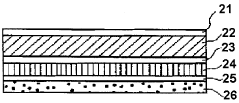
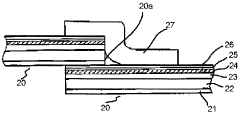
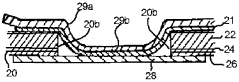
- A packaging material comprising a thermoplastic layer, a paper layer, and a barrier layer, with an innermost thermoplastic layer made of linear low-density polyethylene (LLDPE) having specific molecular weight distribution and melting properties, enhancing sealability and preventing leakage while maintaining quality.
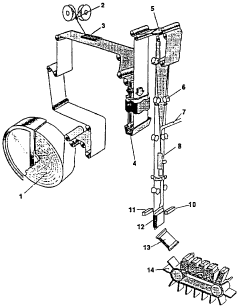
Laminated packaging material, packaging containers manufactured therefrom and a method for manufacturing the laminate material
PatentWO2018220134A1
Innovation
- A laminated packaging material structure comprising a bulk layer of paperboard, a barrier layer, and specific polymer layers including a center layer of metallocene-catalysed linear low density polyethylene (mLLDPE) supported by LDPE layers, which allows for optimized thickness and melting point combinations to enhance package integrity and openability without increasing raw material usage.


Sustainability Factors
Sustainability has become a critical factor in shaping the packaging industry trends, particularly in relation to the use of Low-Density Polyethylene (LDPE). As environmental concerns continue to grow, the packaging sector is under increasing pressure to adopt more sustainable practices and materials. LDPE, a widely used plastic in packaging, is at the center of this sustainability debate.
The environmental impact of LDPE has led to a shift in consumer preferences and regulatory landscapes. Many consumers now prioritize eco-friendly packaging options, driving demand for alternatives to traditional LDPE packaging. This shift has prompted packaging manufacturers to explore more sustainable materials and designs, including recyclable and biodegradable options.
Regulatory bodies worldwide are implementing stricter guidelines on plastic usage, particularly single-use plastics. These regulations are forcing the packaging industry to reconsider its reliance on LDPE and seek more environmentally friendly alternatives. Some countries have introduced taxes on plastic packaging or set targets for reducing plastic waste, directly impacting the use of LDPE in packaging applications.
In response to these pressures, the packaging industry is investing in research and development of sustainable LDPE alternatives. This includes the development of bio-based plastics, which offer similar properties to LDPE but with a reduced environmental footprint. Additionally, efforts are being made to improve the recyclability of LDPE packaging, with innovations in design and material composition aimed at facilitating easier recycling processes.
The concept of circular economy is gaining traction in the packaging industry, with a focus on reducing waste and maximizing resource efficiency. This approach is influencing how LDPE is used and disposed of, with increased emphasis on recycling and reuse. Some companies are implementing take-back programs for LDPE packaging, while others are exploring ways to incorporate recycled LDPE into new packaging products.
Despite these sustainability challenges, LDPE continues to play a significant role in the packaging industry due to its versatility and cost-effectiveness. The industry is thus faced with the task of balancing the functional benefits of LDPE with growing sustainability requirements. This has led to the development of thinner LDPE films that maintain performance while using less material, as well as the exploration of multi-layer packaging that combines LDPE with more easily recyclable materials.
The sustainability factor is also driving innovation in packaging design, with a focus on minimizing material use without compromising product protection. This includes the development of LDPE packaging that is designed for reuse or that can be easily separated into its component materials for recycling. Such innovations are crucial in addressing the environmental concerns associated with LDPE while maintaining its utility in the packaging industry.
The environmental impact of LDPE has led to a shift in consumer preferences and regulatory landscapes. Many consumers now prioritize eco-friendly packaging options, driving demand for alternatives to traditional LDPE packaging. This shift has prompted packaging manufacturers to explore more sustainable materials and designs, including recyclable and biodegradable options.
Regulatory bodies worldwide are implementing stricter guidelines on plastic usage, particularly single-use plastics. These regulations are forcing the packaging industry to reconsider its reliance on LDPE and seek more environmentally friendly alternatives. Some countries have introduced taxes on plastic packaging or set targets for reducing plastic waste, directly impacting the use of LDPE in packaging applications.
In response to these pressures, the packaging industry is investing in research and development of sustainable LDPE alternatives. This includes the development of bio-based plastics, which offer similar properties to LDPE but with a reduced environmental footprint. Additionally, efforts are being made to improve the recyclability of LDPE packaging, with innovations in design and material composition aimed at facilitating easier recycling processes.
The concept of circular economy is gaining traction in the packaging industry, with a focus on reducing waste and maximizing resource efficiency. This approach is influencing how LDPE is used and disposed of, with increased emphasis on recycling and reuse. Some companies are implementing take-back programs for LDPE packaging, while others are exploring ways to incorporate recycled LDPE into new packaging products.
Despite these sustainability challenges, LDPE continues to play a significant role in the packaging industry due to its versatility and cost-effectiveness. The industry is thus faced with the task of balancing the functional benefits of LDPE with growing sustainability requirements. This has led to the development of thinner LDPE films that maintain performance while using less material, as well as the exploration of multi-layer packaging that combines LDPE with more easily recyclable materials.
The sustainability factor is also driving innovation in packaging design, with a focus on minimizing material use without compromising product protection. This includes the development of LDPE packaging that is designed for reuse or that can be easily separated into its component materials for recycling. Such innovations are crucial in addressing the environmental concerns associated with LDPE while maintaining its utility in the packaging industry.
Regulatory Compliance
The regulatory landscape surrounding Low-Density Polyethylene (LDPE) in the packaging industry is complex and evolving, reflecting growing environmental concerns and sustainability initiatives. Governments and international bodies are implementing stricter regulations to address the environmental impact of plastic packaging, particularly single-use plastics.
In the European Union, the Single-Use Plastics Directive aims to reduce the consumption of certain plastic products, including those made from LDPE. This directive mandates that member states implement measures to achieve a significant reduction in the consumption of single-use plastic products by 2026. Additionally, the EU's Circular Economy Action Plan sets targets for plastic packaging recycling and reuse, directly impacting LDPE usage in the packaging sector.
In the United States, regulations vary by state, but there is a growing trend towards restricting single-use plastics. California, for instance, has implemented a comprehensive single-use plastic reduction law, which includes requirements for recyclable or compostable packaging materials. This legislation has implications for LDPE usage in packaging applications.
Many countries are introducing Extended Producer Responsibility (EPR) schemes, which hold manufacturers accountable for the entire lifecycle of their products, including disposal and recycling. These regulations often include specific targets for plastic packaging recovery and recycling rates, influencing the choice of materials used in packaging design.
The food packaging industry faces particularly stringent regulations regarding LDPE use. Food contact materials must comply with specific migration limits and overall migration limits to ensure food safety. In the EU, Regulation (EC) No 1935/2004 sets out the general principles of safety and inertness for all food contact materials, including LDPE packaging.
Emerging regulations are also focusing on the chemical composition of plastics used in packaging. There is increasing scrutiny on additives and potential contaminants in LDPE, with some jurisdictions implementing bans or restrictions on certain chemicals commonly used in plastic production.
As sustainability becomes a key focus, many countries are implementing or considering plastic taxes or levies. These fiscal measures aim to discourage the use of virgin plastics and promote recycled content, potentially affecting the cost-effectiveness of LDPE in packaging applications.
The regulatory landscape is driving innovation in the packaging industry, pushing manufacturers to explore alternative materials or improve the recyclability and reusability of LDPE packaging. This regulatory pressure is likely to continue shaping industry trends, influencing material choices, design practices, and end-of-life management strategies for packaging products.
In the European Union, the Single-Use Plastics Directive aims to reduce the consumption of certain plastic products, including those made from LDPE. This directive mandates that member states implement measures to achieve a significant reduction in the consumption of single-use plastic products by 2026. Additionally, the EU's Circular Economy Action Plan sets targets for plastic packaging recycling and reuse, directly impacting LDPE usage in the packaging sector.
In the United States, regulations vary by state, but there is a growing trend towards restricting single-use plastics. California, for instance, has implemented a comprehensive single-use plastic reduction law, which includes requirements for recyclable or compostable packaging materials. This legislation has implications for LDPE usage in packaging applications.
Many countries are introducing Extended Producer Responsibility (EPR) schemes, which hold manufacturers accountable for the entire lifecycle of their products, including disposal and recycling. These regulations often include specific targets for plastic packaging recovery and recycling rates, influencing the choice of materials used in packaging design.
The food packaging industry faces particularly stringent regulations regarding LDPE use. Food contact materials must comply with specific migration limits and overall migration limits to ensure food safety. In the EU, Regulation (EC) No 1935/2004 sets out the general principles of safety and inertness for all food contact materials, including LDPE packaging.
Emerging regulations are also focusing on the chemical composition of plastics used in packaging. There is increasing scrutiny on additives and potential contaminants in LDPE, with some jurisdictions implementing bans or restrictions on certain chemicals commonly used in plastic production.
As sustainability becomes a key focus, many countries are implementing or considering plastic taxes or levies. These fiscal measures aim to discourage the use of virgin plastics and promote recycled content, potentially affecting the cost-effectiveness of LDPE in packaging applications.
The regulatory landscape is driving innovation in the packaging industry, pushing manufacturers to explore alternative materials or improve the recyclability and reusability of LDPE packaging. This regulatory pressure is likely to continue shaping industry trends, influencing material choices, design practices, and end-of-life management strategies for packaging products.
Unlock deeper insights with PatSnap Eureka Quick Research — get a full tech report to explore trends and direct your research. Try now!
Generate Your Research Report Instantly with AI Agent
Supercharge your innovation with PatSnap Eureka AI Agent Platform!