Lewis Acid in Coordination Polymers Formation
AUG 26, 20259 MIN READ
Generate Your Research Report Instantly with AI Agent
PatSnap Eureka helps you evaluate technical feasibility & market potential.
Lewis Acid Catalysis Background and Objectives
Lewis acid catalysis has evolved significantly since its conceptualization by Gilbert N. Lewis in 1923, who defined acids as electron pair acceptors. This fundamental understanding has transformed into a powerful synthetic tool across multiple chemical disciplines. The integration of Lewis acids in coordination polymer formation represents a fascinating intersection of catalysis and materials science that has gained momentum over the past two decades.
The historical trajectory of Lewis acid applications shows a progression from simple organic transformations to sophisticated materials synthesis. Initially utilized primarily in Friedel-Crafts reactions and other classical organic syntheses, Lewis acids have gradually found application in increasingly complex systems, including coordination polymers—crystalline materials formed through the coordination of metal centers with organic linkers.
Current research trends indicate a growing interest in utilizing Lewis acidic metal centers not merely as structural components in coordination polymers but as active catalytic sites. This dual functionality approach represents a paradigm shift in material design philosophy, moving from passive structural frameworks toward multifunctional materials with inherent catalytic capabilities.
The technological evolution in this field has been accelerated by advances in characterization techniques, particularly single-crystal X-ray diffraction and solid-state NMR spectroscopy, which have enabled researchers to precisely determine the coordination environments and Lewis acidic properties of metal nodes within these polymeric structures.
The primary objective of research in this domain is to develop rational design principles for incorporating Lewis acidic sites into coordination polymers with predictable catalytic outcomes. This includes understanding the relationship between the metal center's electronic properties, the coordination geometry, and the resulting Lewis acidity, as well as how these factors influence catalytic performance.
Another critical goal is to establish structure-property relationships that connect the molecular architecture of coordination polymers with their macroscopic properties, particularly focusing on how Lewis acidic sites can be modulated through ligand design and synthetic conditions.
Furthermore, researchers aim to expand the application scope of Lewis acid-containing coordination polymers beyond traditional catalysis into emerging areas such as sensing, gas separation, and energy storage. This diversification represents a strategic move toward multifunctional materials that can address multiple technological challenges simultaneously.
The ultimate technological objective is to develop scalable, sustainable synthesis methods for these materials, ensuring their transition from laboratory curiosities to industrially relevant catalysts and functional materials with real-world applications.
The historical trajectory of Lewis acid applications shows a progression from simple organic transformations to sophisticated materials synthesis. Initially utilized primarily in Friedel-Crafts reactions and other classical organic syntheses, Lewis acids have gradually found application in increasingly complex systems, including coordination polymers—crystalline materials formed through the coordination of metal centers with organic linkers.
Current research trends indicate a growing interest in utilizing Lewis acidic metal centers not merely as structural components in coordination polymers but as active catalytic sites. This dual functionality approach represents a paradigm shift in material design philosophy, moving from passive structural frameworks toward multifunctional materials with inherent catalytic capabilities.
The technological evolution in this field has been accelerated by advances in characterization techniques, particularly single-crystal X-ray diffraction and solid-state NMR spectroscopy, which have enabled researchers to precisely determine the coordination environments and Lewis acidic properties of metal nodes within these polymeric structures.
The primary objective of research in this domain is to develop rational design principles for incorporating Lewis acidic sites into coordination polymers with predictable catalytic outcomes. This includes understanding the relationship between the metal center's electronic properties, the coordination geometry, and the resulting Lewis acidity, as well as how these factors influence catalytic performance.
Another critical goal is to establish structure-property relationships that connect the molecular architecture of coordination polymers with their macroscopic properties, particularly focusing on how Lewis acidic sites can be modulated through ligand design and synthetic conditions.
Furthermore, researchers aim to expand the application scope of Lewis acid-containing coordination polymers beyond traditional catalysis into emerging areas such as sensing, gas separation, and energy storage. This diversification represents a strategic move toward multifunctional materials that can address multiple technological challenges simultaneously.
The ultimate technological objective is to develop scalable, sustainable synthesis methods for these materials, ensuring their transition from laboratory curiosities to industrially relevant catalysts and functional materials with real-world applications.
Market Applications of Coordination Polymers
Coordination polymers have emerged as versatile materials with significant market applications across multiple industries due to their unique structural properties and tunable functionalities. The incorporation of Lewis acids in their formation has further expanded their potential applications by enhancing catalytic properties and creating materials with specific binding capabilities.
In the pharmaceutical industry, coordination polymers are increasingly utilized as drug delivery systems, where Lewis acid sites can facilitate controlled release mechanisms through reversible binding interactions with drug molecules. This application has shown particular promise for targeted cancer therapies, with market projections indicating growth rates exceeding traditional drug delivery systems due to improved efficacy and reduced side effects.
The environmental remediation sector represents another substantial market for coordination polymers. Their high surface area and selective binding properties, enhanced by Lewis acid incorporation, make them excellent candidates for removing heavy metals and organic pollutants from water. Companies like BASF and Dow Chemical have already commercialized coordination polymer-based filtration systems, capturing a growing segment of the water treatment market valued in billions.
In catalysis applications, Lewis acid-containing coordination polymers serve as heterogeneous catalysts for various industrial processes, including petroleum refining, fine chemical synthesis, and polymerization reactions. Their recyclability and selectivity provide significant cost advantages over homogeneous catalysts, driving adoption in manufacturing processes where catalyst recovery is economically critical.
The electronics industry has begun incorporating coordination polymers into next-generation devices. Their conductive properties, which can be modulated through Lewis acid-base interactions, make them suitable for sensors, displays, and energy storage applications. Market analysts have identified this as a rapidly growing application area, particularly in flexible electronics and wearable technology.
Gas storage and separation represent another promising market application. Coordination polymers with Lewis acid sites demonstrate exceptional selectivity for gas molecules like hydrogen, carbon dioxide, and methane, making them valuable for clean energy applications and carbon capture technologies. Several major energy companies have initiated pilot projects utilizing these materials for natural gas purification and hydrogen storage.
The textile industry has also found applications for coordination polymers as functional coatings that provide antimicrobial, flame-retardant, or self-cleaning properties. These value-added treatments command premium pricing in specialized textile markets, particularly in medical, military, and high-performance sportswear applications.
In the pharmaceutical industry, coordination polymers are increasingly utilized as drug delivery systems, where Lewis acid sites can facilitate controlled release mechanisms through reversible binding interactions with drug molecules. This application has shown particular promise for targeted cancer therapies, with market projections indicating growth rates exceeding traditional drug delivery systems due to improved efficacy and reduced side effects.
The environmental remediation sector represents another substantial market for coordination polymers. Their high surface area and selective binding properties, enhanced by Lewis acid incorporation, make them excellent candidates for removing heavy metals and organic pollutants from water. Companies like BASF and Dow Chemical have already commercialized coordination polymer-based filtration systems, capturing a growing segment of the water treatment market valued in billions.
In catalysis applications, Lewis acid-containing coordination polymers serve as heterogeneous catalysts for various industrial processes, including petroleum refining, fine chemical synthesis, and polymerization reactions. Their recyclability and selectivity provide significant cost advantages over homogeneous catalysts, driving adoption in manufacturing processes where catalyst recovery is economically critical.
The electronics industry has begun incorporating coordination polymers into next-generation devices. Their conductive properties, which can be modulated through Lewis acid-base interactions, make them suitable for sensors, displays, and energy storage applications. Market analysts have identified this as a rapidly growing application area, particularly in flexible electronics and wearable technology.
Gas storage and separation represent another promising market application. Coordination polymers with Lewis acid sites demonstrate exceptional selectivity for gas molecules like hydrogen, carbon dioxide, and methane, making them valuable for clean energy applications and carbon capture technologies. Several major energy companies have initiated pilot projects utilizing these materials for natural gas purification and hydrogen storage.
The textile industry has also found applications for coordination polymers as functional coatings that provide antimicrobial, flame-retardant, or self-cleaning properties. These value-added treatments command premium pricing in specialized textile markets, particularly in medical, military, and high-performance sportswear applications.
Current Challenges in Lewis Acid-Mediated Synthesis
Despite significant advancements in Lewis acid-mediated synthesis for coordination polymers, several critical challenges continue to impede progress in this field. One of the primary obstacles is the precise control of Lewis acid strength and selectivity. The interaction between Lewis acids and ligands often exhibits unpredictable behavior under varying reaction conditions, making it difficult to achieve consistent coordination polymer structures with desired properties.
The stability of Lewis acid catalysts presents another significant challenge. Many Lewis acids are highly sensitive to moisture and oxygen, necessitating stringent reaction conditions that complicate scalability and industrial application. This sensitivity frequently leads to catalyst degradation and reduced efficiency in prolonged synthesis processes, particularly when attempting to form extended coordination networks.
Structural characterization of intermediates in Lewis acid-mediated coordination polymer formation remains problematic. The transient nature of these intermediates makes them difficult to isolate and analyze, creating a knowledge gap in understanding reaction mechanisms. This limitation hinders the rational design of improved synthetic protocols and more efficient catalytic systems.
Heterogeneity in Lewis acid distribution within reaction mixtures often results in non-uniform coordination polymer growth. This challenge is particularly pronounced in the synthesis of large-scale or hierarchically structured coordination polymers, where consistent Lewis acid availability throughout the reaction medium is crucial for maintaining structural integrity and uniformity.
The compatibility of Lewis acids with diverse functional groups presents ongoing difficulties. Many coordination polymer ligands contain multiple functional moieties that may interact differently with Lewis acids, leading to competitive coordination and unpredictable polymer architectures. This challenge is exacerbated when attempting to incorporate multiple types of metal centers or mixed-ligand systems.
Environmental and sustainability concerns also pose significant challenges. Traditional Lewis acids often include toxic metal compounds that present disposal issues and environmental hazards. The development of greener alternatives with comparable catalytic efficiency remains an active area of research but has yet to yield widely applicable solutions for coordination polymer synthesis.
Computational prediction of Lewis acid behavior in complex coordination environments continues to be limited by current modeling capabilities. The multifaceted interactions between Lewis acids, ligands, solvents, and counter-ions create computational complexity that exceeds the predictive power of many existing models, hampering theory-guided synthetic approaches.
The stability of Lewis acid catalysts presents another significant challenge. Many Lewis acids are highly sensitive to moisture and oxygen, necessitating stringent reaction conditions that complicate scalability and industrial application. This sensitivity frequently leads to catalyst degradation and reduced efficiency in prolonged synthesis processes, particularly when attempting to form extended coordination networks.
Structural characterization of intermediates in Lewis acid-mediated coordination polymer formation remains problematic. The transient nature of these intermediates makes them difficult to isolate and analyze, creating a knowledge gap in understanding reaction mechanisms. This limitation hinders the rational design of improved synthetic protocols and more efficient catalytic systems.
Heterogeneity in Lewis acid distribution within reaction mixtures often results in non-uniform coordination polymer growth. This challenge is particularly pronounced in the synthesis of large-scale or hierarchically structured coordination polymers, where consistent Lewis acid availability throughout the reaction medium is crucial for maintaining structural integrity and uniformity.
The compatibility of Lewis acids with diverse functional groups presents ongoing difficulties. Many coordination polymer ligands contain multiple functional moieties that may interact differently with Lewis acids, leading to competitive coordination and unpredictable polymer architectures. This challenge is exacerbated when attempting to incorporate multiple types of metal centers or mixed-ligand systems.
Environmental and sustainability concerns also pose significant challenges. Traditional Lewis acids often include toxic metal compounds that present disposal issues and environmental hazards. The development of greener alternatives with comparable catalytic efficiency remains an active area of research but has yet to yield widely applicable solutions for coordination polymer synthesis.
Computational prediction of Lewis acid behavior in complex coordination environments continues to be limited by current modeling capabilities. The multifaceted interactions between Lewis acids, ligands, solvents, and counter-ions create computational complexity that exceeds the predictive power of many existing models, hampering theory-guided synthetic approaches.
Established Methodologies for Coordination Polymer Formation
01 Lewis acid catalysts in organic synthesis
Lewis acids serve as effective catalysts in various organic synthesis reactions, facilitating transformations such as alkylation, acylation, and polymerization. These electron-pair acceptors coordinate with electron-rich substrates to activate them for subsequent reactions. Common Lewis acid catalysts include metal halides like aluminum chloride, boron trifluoride, and titanium tetrachloride, which are widely used in industrial and laboratory settings for synthesizing complex organic molecules.- Lewis acid catalysts in polymerization reactions: Lewis acids are widely used as catalysts in various polymerization processes. These catalysts facilitate the formation of polymer chains by activating monomers and promoting their reaction. The Lewis acid catalysts can control the molecular weight, stereochemistry, and other properties of the resulting polymers. Common Lewis acids used in polymerization include metal halides and organometallic compounds that can accept electron pairs from reactants.
- Lewis acids in petroleum and hydrocarbon processing: Lewis acids play a crucial role in petroleum refining and hydrocarbon processing technologies. They are employed in catalytic cracking, isomerization, alkylation, and other transformation processes of hydrocarbons. These acids facilitate the rearrangement of carbon skeletons and promote the formation of carbocations as reaction intermediates. The selectivity and activity of these processes can be tuned by selecting appropriate Lewis acid catalysts and reaction conditions.
- Lewis acid-mediated organic synthesis reactions: Lewis acids are essential catalysts in various organic synthesis reactions, including Friedel-Crafts reactions, Diels-Alder reactions, and aldol condensations. They function by coordinating with electron-rich functional groups, thereby increasing their electrophilicity and reactivity toward nucleophilic attack. This coordination activates substrates for subsequent transformations, enabling the formation of new carbon-carbon bonds and other structural modifications under mild conditions.
- Novel Lewis acid compounds and their preparation: Various novel Lewis acid compounds have been developed with enhanced catalytic properties, stability, or selectivity. These include modified metal halides, supported Lewis acids, and Lewis acid-surfactant combined catalysts. The preparation methods involve techniques such as immobilization on solid supports, chemical modification of known Lewis acids, and the development of recyclable catalytic systems. These innovations aim to improve catalytic efficiency while reducing environmental impact.
- Lewis acids in material science applications: Lewis acids are utilized in various material science applications, including the synthesis of advanced materials, surface modifications, and the development of functional materials. They can be incorporated into composite materials to enhance specific properties or used in the preparation of nanomaterials with controlled morphology and composition. Lewis acid-base interactions are also exploited in the design of sensors, adsorbents, and other functional materials with specific recognition properties.
02 Lewis acid applications in polymerization processes
Lewis acids play a crucial role in polymerization reactions, particularly in cationic and coordination polymerization mechanisms. They activate monomers by forming complexes that facilitate chain growth and control molecular weight distribution. These catalysts enable the production of various polymers with specific properties, including polyolefins, polyesters, and specialty polymers. The catalyst structure and reaction conditions can be tailored to achieve desired polymer architectures and properties.Expand Specific Solutions03 Lewis acid-based catalysts for petroleum refining
Lewis acids are extensively used in petroleum refining processes, particularly in catalytic cracking, isomerization, and alkylation reactions. These catalysts enhance the conversion of heavy hydrocarbons into more valuable lighter products by promoting carbocation formation. Modified Lewis acids with specific supports or promoters can improve selectivity and stability under harsh refining conditions, leading to more efficient fuel production processes.Expand Specific Solutions04 Novel Lewis acid structures and compositions
Research has led to the development of novel Lewis acid structures with enhanced catalytic properties. These include supported Lewis acids, Lewis acid-surfactant combined catalysts, and heterogeneous Lewis acid systems. Innovations in Lewis acid design focus on improving selectivity, recyclability, and environmental compatibility. Some novel structures incorporate transition metals, lanthanides, or main group elements with specialized ligands to achieve unique reactivity patterns and catalytic performance.Expand Specific Solutions05 Lewis acid applications in fine chemical manufacturing
Lewis acids are crucial in the manufacturing of fine chemicals, pharmaceuticals, and specialty materials. They enable key transformations such as Friedel-Crafts reactions, Diels-Alder cycloadditions, and various carbon-carbon bond forming processes. The selectivity and efficiency of these catalysts allow for the synthesis of complex molecules with multiple functional groups. Recent developments include immobilized Lewis acids that combine high activity with easy separation and reusability, addressing environmental and economic concerns in chemical production.Expand Specific Solutions
Leading Research Groups and Industrial Players
The Lewis Acid in Coordination Polymers Formation field is currently in a growth phase, with an expanding market driven by applications in catalysis, materials science, and chemical synthesis. The global market size for coordination polymers is estimated to reach several billion dollars by 2025, with significant research momentum. Leading industrial players like ExxonMobil Chemical, DuPont, and LG Chem are advancing commercial applications, while academic institutions such as North Carolina State University, Arizona State University, and Zhejiang University are pioneering fundamental research. The technology shows varying maturity levels across sectors, with established applications in petrochemicals (China Petroleum & Chemical Corp., Reliance Industries) and emerging innovations in electronics (Samsung, Panasonic) and specialty materials (Eastman Chemical, Sekisui Chemical).
Dalian Institute of Chemical Physics Chinese Academy of Sci
Technical Solution: Dalian Institute has pioneered innovative approaches to Lewis acid-catalyzed coordination polymer formation, focusing on metal-organic frameworks (MOFs) with tunable porosity and functionality. Their research utilizes various metal centers (Al3+, Fe3+, Cr3+) as Lewis acid sites within coordination polymers to create materials with enhanced catalytic properties. Their proprietary synthesis methods involve solvothermal reactions under precisely controlled temperature and pressure conditions, allowing for the formation of highly crystalline structures with uniform pore distribution. The institute has developed post-synthetic modification techniques to introduce additional Lewis acid sites into existing frameworks, significantly improving catalytic performance in various industrial processes including hydrocarbon conversion and fine chemical synthesis. Their coordination polymers demonstrate exceptional thermal stability (up to 400°C) and chemical resistance in harsh reaction environments, making them suitable for continuous flow catalytic applications in petrochemical industries.
Strengths: Superior control over Lewis acid site density and distribution within the polymer framework, allowing for targeted catalytic activity. Exceptional thermal and chemical stability compared to conventional homogeneous Lewis acid catalysts. Weaknesses: Complex synthesis procedures requiring specialized equipment and expertise, potentially limiting large-scale industrial application. Some coordination polymers show decreased activity after multiple catalytic cycles due to framework degradation.
Zhejiang University
Technical Solution: Zhejiang University has developed a groundbreaking approach to Lewis acid-mediated coordination polymer synthesis focusing on hierarchical structures with multiple functional domains. Their technology employs lanthanide metal ions (particularly Eu3+, Tb3+, and Yb3+) as Lewis acid centers that simultaneously serve as structural nodes and catalytic sites within the polymer framework. The university's research team has pioneered a one-pot synthesis method that utilizes ionic liquids as structure-directing agents, resulting in coordination polymers with unprecedented morphological control and crystallinity. Their materials exhibit dual functionality, combining Lewis acid catalysis with luminescent sensing capabilities, enabling real-time monitoring of catalytic reactions through spectroscopic changes. The coordination polymers developed at Zhejiang University demonstrate exceptional selectivity for challenging transformations such as Diels-Alder reactions, Friedel-Crafts acylations, and ring-opening polymerizations. Recent advancements include the incorporation of chiral ligands to create asymmetric Lewis acid sites capable of enantioselective catalysis with enantiomeric excesses exceeding 95% for selected reactions.
Strengths: Multifunctional materials combining catalytic activity with sensing capabilities, providing valuable reaction monitoring tools. Highly selective catalysis with tunable activity through ligand modification and metal center selection. Weaknesses: Relatively high production costs compared to traditional catalysts due to the use of lanthanide metals and specialized ligands. Limited scalability of current synthesis protocols, with challenges in maintaining structural integrity in larger batch productions.
Key Mechanisms of Lewis Acid Coordination Chemistry
Compound, oxide or lewis acid of metal carried on crosslinked polymer
PatentInactiveUS6716792B2
Innovation
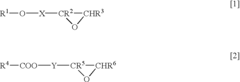
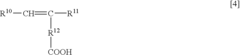
- A metal oxide or metallic Lewis acid composition is developed by carrying the metal oxide or Lewis acid on a cross-linked polymer compound, utilizing a non-cross-linked polymer with cross-linkable condensing functional groups or polymerizable double bonds, which are then cross-linked to enhance solvent and heat resistance.


Polymers with new sequence distributions
PatentInactiveUS7425601B2
Innovation
- The use of hydrofluorocarbons (HFCs) as diluents in polymerization processes to produce novel polymers with new sequence distributions, specifically copolymers of isobutylene and para-methylstyrene, which reduces particle agglomeration and reactor fouling, allowing for higher molecular weights and longer reactor run lengths.


Sustainable Synthesis Approaches
The development of sustainable synthesis approaches for Lewis acid-based coordination polymers represents a critical frontier in green chemistry. Traditional synthesis methods often involve harsh conditions, toxic solvents, and energy-intensive processes that contradict modern sustainability principles. Recent advances have focused on developing environmentally benign alternatives that maintain or enhance the structural integrity and functional properties of these important materials.
Solvent-free mechanochemical synthesis has emerged as a particularly promising approach, eliminating the need for organic solvents while significantly reducing energy consumption. Ball milling techniques enable the formation of coordination bonds through mechanical force, with Lewis acid centers effectively coordinating with organic linkers to form extended networks. This approach typically reduces reaction times from days to hours or even minutes, while producing materials with comparable or superior properties to solution-based methods.
Hydrothermal and solvothermal syntheses using water or bio-derived solvents have also gained traction. These methods utilize moderate temperatures (80-200°C) and self-generated pressures to facilitate the formation of coordination bonds between Lewis acidic metal centers and organic ligands. The use of microwave assistance further enhances efficiency by providing rapid, uniform heating that accelerates reaction kinetics while minimizing energy consumption.
Bioinspired approaches represent another sustainable frontier, drawing inspiration from natural processes that occur under ambient conditions. Biomolecule-assisted synthesis, utilizing proteins, peptides, or polysaccharides as structure-directing agents, enables the formation of coordination polymers under mild conditions. These biomolecules can temporarily coordinate with Lewis acidic centers, guiding the assembly process before being replaced by permanent ligands.
Continuous flow chemistry has revolutionized the scalable production of coordination polymers. This approach enables precise control over reaction parameters, minimizing reagent use and waste generation. The continuous nature of the process facilitates heat and mass transfer, resulting in more uniform products with consistent properties. Several industrial applications have already adopted flow synthesis for Lewis acid-based materials, reporting significant reductions in environmental impact.
Electrochemical synthesis methods offer another sustainable alternative, where metal ions are generated in situ through controlled oxidation of metal electrodes. This approach eliminates the need for metal salts and provides precise control over the coordination environment of Lewis acidic centers. The electrical energy required can be sourced from renewable resources, further enhancing the sustainability profile of these materials.
Solvent-free mechanochemical synthesis has emerged as a particularly promising approach, eliminating the need for organic solvents while significantly reducing energy consumption. Ball milling techniques enable the formation of coordination bonds through mechanical force, with Lewis acid centers effectively coordinating with organic linkers to form extended networks. This approach typically reduces reaction times from days to hours or even minutes, while producing materials with comparable or superior properties to solution-based methods.
Hydrothermal and solvothermal syntheses using water or bio-derived solvents have also gained traction. These methods utilize moderate temperatures (80-200°C) and self-generated pressures to facilitate the formation of coordination bonds between Lewis acidic metal centers and organic ligands. The use of microwave assistance further enhances efficiency by providing rapid, uniform heating that accelerates reaction kinetics while minimizing energy consumption.
Bioinspired approaches represent another sustainable frontier, drawing inspiration from natural processes that occur under ambient conditions. Biomolecule-assisted synthesis, utilizing proteins, peptides, or polysaccharides as structure-directing agents, enables the formation of coordination polymers under mild conditions. These biomolecules can temporarily coordinate with Lewis acidic centers, guiding the assembly process before being replaced by permanent ligands.
Continuous flow chemistry has revolutionized the scalable production of coordination polymers. This approach enables precise control over reaction parameters, minimizing reagent use and waste generation. The continuous nature of the process facilitates heat and mass transfer, resulting in more uniform products with consistent properties. Several industrial applications have already adopted flow synthesis for Lewis acid-based materials, reporting significant reductions in environmental impact.
Electrochemical synthesis methods offer another sustainable alternative, where metal ions are generated in situ through controlled oxidation of metal electrodes. This approach eliminates the need for metal salts and provides precise control over the coordination environment of Lewis acidic centers. The electrical energy required can be sourced from renewable resources, further enhancing the sustainability profile of these materials.
Scale-up Considerations and Industrial Implementation
The transition from laboratory-scale synthesis to industrial production of Lewis acid-based coordination polymers presents significant engineering challenges. Process scalability requires careful consideration of reaction kinetics, as the coordination between Lewis acids and organic linkers often exhibits different behavior in large-scale reactors compared to laboratory conditions. Temperature gradients and mixing efficiency become critical factors that can dramatically affect product uniformity and structural integrity.
Material handling systems must be designed to accommodate the sensitivity of many Lewis acid precursors to moisture and oxygen. Industrial implementation typically necessitates closed-loop systems with inert gas environments, particularly when working with highly reactive Lewis acids such as aluminum chloride or boron trifluoride. These requirements substantially increase production costs and complexity compared to conventional polymer manufacturing.
Reactor design represents another crucial consideration, with continuous flow reactors often preferred over batch processes for better control of reaction parameters. The exothermic nature of many Lewis acid-mediated coordination reactions demands sophisticated heat management systems to prevent thermal runaway scenarios that could compromise product quality or pose safety risks.
Economic viability hinges on optimizing precursor utilization efficiency. Lewis acid catalysts and metal-organic building blocks frequently represent significant cost components in the production chain. Recovery and recycling systems for unreacted Lewis acids can substantially improve process economics, though separation technologies must be carefully selected to avoid degradation of the coordination polymer structure.
Quality control methodologies require adaptation for industrial settings, with in-line monitoring techniques becoming essential for real-time assessment of structural parameters and compositional uniformity. Techniques such as automated X-ray diffraction and spectroscopic methods must be integrated into production lines to ensure batch-to-batch consistency.
Regulatory considerations also impact scale-up strategies, particularly for coordination polymers intended for biomedical or environmental applications. Compliance with good manufacturing practices (GMP) and environmental regulations often necessitates additional purification steps and waste treatment protocols that must be factored into process design and economic assessments.
The development of modular manufacturing approaches has emerged as a promising strategy to address scalability challenges, allowing for more flexible production volumes while maintaining quality standards. These systems can be particularly valuable during market entry phases when demand forecasting remains uncertain.
Material handling systems must be designed to accommodate the sensitivity of many Lewis acid precursors to moisture and oxygen. Industrial implementation typically necessitates closed-loop systems with inert gas environments, particularly when working with highly reactive Lewis acids such as aluminum chloride or boron trifluoride. These requirements substantially increase production costs and complexity compared to conventional polymer manufacturing.
Reactor design represents another crucial consideration, with continuous flow reactors often preferred over batch processes for better control of reaction parameters. The exothermic nature of many Lewis acid-mediated coordination reactions demands sophisticated heat management systems to prevent thermal runaway scenarios that could compromise product quality or pose safety risks.
Economic viability hinges on optimizing precursor utilization efficiency. Lewis acid catalysts and metal-organic building blocks frequently represent significant cost components in the production chain. Recovery and recycling systems for unreacted Lewis acids can substantially improve process economics, though separation technologies must be carefully selected to avoid degradation of the coordination polymer structure.
Quality control methodologies require adaptation for industrial settings, with in-line monitoring techniques becoming essential for real-time assessment of structural parameters and compositional uniformity. Techniques such as automated X-ray diffraction and spectroscopic methods must be integrated into production lines to ensure batch-to-batch consistency.
Regulatory considerations also impact scale-up strategies, particularly for coordination polymers intended for biomedical or environmental applications. Compliance with good manufacturing practices (GMP) and environmental regulations often necessitates additional purification steps and waste treatment protocols that must be factored into process design and economic assessments.
The development of modular manufacturing approaches has emerged as a promising strategy to address scalability challenges, allowing for more flexible production volumes while maintaining quality standards. These systems can be particularly valuable during market entry phases when demand forecasting remains uncertain.
Unlock deeper insights with PatSnap Eureka Quick Research — get a full tech report to explore trends and direct your research. Try now!
Generate Your Research Report Instantly with AI Agent
Supercharge your innovation with PatSnap Eureka AI Agent Platform!