LS Engine Harmonic Balancing Techniques and Their Effectiveness
AUG 12, 20259 MIN READ
Generate Your Research Report Instantly with AI Agent
PatSnap Eureka helps you evaluate technical feasibility & market potential.
LS Engine Balancing Background and Objectives
The LS (Luxury Sport) engine series, introduced by General Motors in 1997, represents a significant milestone in automotive engineering. These engines, known for their compact design and high performance, have become a staple in many GM vehicles and aftermarket applications. However, as with all internal combustion engines, harmonic balancing remains a critical aspect of their operation and longevity.
Harmonic balancing in LS engines addresses the inherent vibrations produced by the reciprocating and rotating components within the engine. These vibrations, if left unchecked, can lead to increased wear, reduced efficiency, and potential failure of engine components. The primary goal of harmonic balancing techniques is to minimize these vibrations, thereby enhancing engine performance, durability, and overall driving experience.
The evolution of LS engine balancing techniques has been driven by the continuous pursuit of smoother operation and increased power output. Early LS engines relied on traditional balancing methods, such as counterweights on the crankshaft and carefully matched pistons and connecting rods. As the LS platform evolved, more sophisticated balancing techniques were developed to address the specific characteristics of these engines.
One of the key objectives in LS engine balancing is to achieve a harmonious interplay between the rotating assembly and the engine block. This involves precise machining of components, advanced material selection, and innovative design solutions. The ultimate aim is to create an engine that can operate at high RPMs with minimal vibration, allowing for increased power output without compromising reliability.
Another critical aspect of LS engine balancing is the reduction of parasitic losses. By minimizing vibrations, engineers can reduce the energy wasted in overcoming these forces, thereby improving overall engine efficiency. This aligns with the broader automotive industry trends of increasing fuel efficiency and reducing emissions, while still meeting consumer demands for high-performance vehicles.
The effectiveness of harmonic balancing techniques in LS engines is not just a matter of mechanical engineering but also impacts the overall vehicle design. A well-balanced engine allows for lighter, more compact engine mounts and less robust noise, vibration, and harshness (NVH) mitigation measures throughout the vehicle. This, in turn, contributes to weight reduction and improved vehicle dynamics.
As we delve deeper into the technical aspects of LS engine harmonic balancing, it's important to consider the broader context of automotive engineering advancements. The techniques developed for LS engines have implications beyond this specific platform, influencing engine design across the industry and contributing to the ongoing evolution of internal combustion technology in the face of increasing electrification.
Harmonic balancing in LS engines addresses the inherent vibrations produced by the reciprocating and rotating components within the engine. These vibrations, if left unchecked, can lead to increased wear, reduced efficiency, and potential failure of engine components. The primary goal of harmonic balancing techniques is to minimize these vibrations, thereby enhancing engine performance, durability, and overall driving experience.
The evolution of LS engine balancing techniques has been driven by the continuous pursuit of smoother operation and increased power output. Early LS engines relied on traditional balancing methods, such as counterweights on the crankshaft and carefully matched pistons and connecting rods. As the LS platform evolved, more sophisticated balancing techniques were developed to address the specific characteristics of these engines.
One of the key objectives in LS engine balancing is to achieve a harmonious interplay between the rotating assembly and the engine block. This involves precise machining of components, advanced material selection, and innovative design solutions. The ultimate aim is to create an engine that can operate at high RPMs with minimal vibration, allowing for increased power output without compromising reliability.
Another critical aspect of LS engine balancing is the reduction of parasitic losses. By minimizing vibrations, engineers can reduce the energy wasted in overcoming these forces, thereby improving overall engine efficiency. This aligns with the broader automotive industry trends of increasing fuel efficiency and reducing emissions, while still meeting consumer demands for high-performance vehicles.
The effectiveness of harmonic balancing techniques in LS engines is not just a matter of mechanical engineering but also impacts the overall vehicle design. A well-balanced engine allows for lighter, more compact engine mounts and less robust noise, vibration, and harshness (NVH) mitigation measures throughout the vehicle. This, in turn, contributes to weight reduction and improved vehicle dynamics.
As we delve deeper into the technical aspects of LS engine harmonic balancing, it's important to consider the broader context of automotive engineering advancements. The techniques developed for LS engines have implications beyond this specific platform, influencing engine design across the industry and contributing to the ongoing evolution of internal combustion technology in the face of increasing electrification.
Market Demand Analysis
The market demand for LS Engine Harmonic Balancing Techniques has been steadily growing, driven by the automotive industry's pursuit of improved engine performance, fuel efficiency, and reduced emissions. As vehicle manufacturers face increasingly stringent environmental regulations and consumer expectations for smoother, more refined driving experiences, the need for effective harmonic balancing solutions has become paramount.
In the passenger vehicle segment, there is a notable trend towards downsized engines with higher power outputs. This shift has intensified the challenge of managing engine vibrations and harmonics, creating a robust market for advanced balancing techniques. Luxury and performance car manufacturers, in particular, are investing heavily in these technologies to maintain their competitive edge and meet the discerning demands of their clientele.
The commercial vehicle sector also presents significant opportunities for harmonic balancing technologies. With the increasing focus on driver comfort and vehicle longevity, truck and bus manufacturers are adopting more sophisticated engine designs that require enhanced vibration control. This trend is especially pronounced in long-haul transportation, where driver fatigue and vehicle wear are critical concerns.
Furthermore, the growing popularity of hybrid and electric vehicles has not diminished the relevance of harmonic balancing techniques. In fact, it has created new challenges and opportunities. As these vehicles often rely on smaller, high-output internal combustion engines or range extenders, the need for effective vibration management remains crucial to ensure optimal performance and passenger comfort.
The aftermarket sector represents another substantial market for LS Engine Harmonic Balancing Techniques. Performance enthusiasts and racing teams continually seek ways to extract maximum power and efficiency from their engines, driving demand for advanced balancing solutions that can be retrofitted to existing powerplants.
Geographically, mature automotive markets such as North America, Europe, and Japan continue to lead in the adoption of sophisticated harmonic balancing technologies. However, emerging markets, particularly in Asia and South America, are showing rapid growth as their automotive industries evolve and consumer preferences shift towards higher-quality vehicles.
The market size for engine harmonic balancing technologies is closely tied to global vehicle production volumes and the increasing complexity of engine designs. While precise figures vary, industry analysts project a compound annual growth rate (CAGR) in the mid-single digits for this sector over the next five years, reflecting the steady demand and technological advancements in the field.
In the passenger vehicle segment, there is a notable trend towards downsized engines with higher power outputs. This shift has intensified the challenge of managing engine vibrations and harmonics, creating a robust market for advanced balancing techniques. Luxury and performance car manufacturers, in particular, are investing heavily in these technologies to maintain their competitive edge and meet the discerning demands of their clientele.
The commercial vehicle sector also presents significant opportunities for harmonic balancing technologies. With the increasing focus on driver comfort and vehicle longevity, truck and bus manufacturers are adopting more sophisticated engine designs that require enhanced vibration control. This trend is especially pronounced in long-haul transportation, where driver fatigue and vehicle wear are critical concerns.
Furthermore, the growing popularity of hybrid and electric vehicles has not diminished the relevance of harmonic balancing techniques. In fact, it has created new challenges and opportunities. As these vehicles often rely on smaller, high-output internal combustion engines or range extenders, the need for effective vibration management remains crucial to ensure optimal performance and passenger comfort.
The aftermarket sector represents another substantial market for LS Engine Harmonic Balancing Techniques. Performance enthusiasts and racing teams continually seek ways to extract maximum power and efficiency from their engines, driving demand for advanced balancing solutions that can be retrofitted to existing powerplants.
Geographically, mature automotive markets such as North America, Europe, and Japan continue to lead in the adoption of sophisticated harmonic balancing technologies. However, emerging markets, particularly in Asia and South America, are showing rapid growth as their automotive industries evolve and consumer preferences shift towards higher-quality vehicles.
The market size for engine harmonic balancing technologies is closely tied to global vehicle production volumes and the increasing complexity of engine designs. While precise figures vary, industry analysts project a compound annual growth rate (CAGR) in the mid-single digits for this sector over the next five years, reflecting the steady demand and technological advancements in the field.
Current Challenges in LS Engine Balancing
Despite significant advancements in LS engine design and manufacturing, several challenges persist in achieving optimal harmonic balancing. One of the primary issues is the inherent imbalance caused by the V8 configuration, which creates complex vibration patterns that are difficult to fully neutralize. The firing order and crankshaft design contribute to these vibrations, requiring sophisticated balancing techniques to mitigate.
Another challenge lies in the high-performance nature of LS engines, which often operate at higher RPMs and produce greater power outputs. This increased stress on engine components exacerbates harmonic imbalances, making it more challenging to maintain smooth operation across a wide range of engine speeds. The pursuit of lightweight designs for improved performance further complicates balancing efforts, as reduced mass can lead to increased susceptibility to vibrations.
Material limitations also pose significant hurdles in LS engine balancing. While advanced materials have improved durability and reduced weight, they may not always provide optimal damping characteristics. This necessitates a delicate balance between material selection, component design, and balancing techniques to achieve the desired harmonic control.
The integration of modern technologies, such as variable valve timing and direct injection, introduces additional complexities to the engine's dynamic behavior. These systems can alter the engine's vibration characteristics in real-time, requiring more adaptive and sophisticated balancing solutions. The challenge lies in developing balancing techniques that can effectively respond to these dynamic changes without compromising performance or efficiency.
Manufacturing tolerances and assembly variations present ongoing challenges in achieving consistent balancing across production runs. Even minor deviations in component dimensions or assembly can lead to significant differences in harmonic behavior between individual engines. This variability necessitates robust quality control measures and potentially individualized balancing procedures for each engine.
Furthermore, the aftermarket modification culture surrounding LS engines introduces additional balancing challenges. Performance upgrades such as camshaft replacements, forced induction systems, or stroker kits can dramatically alter the engine's harmonic characteristics, often requiring re-balancing or additional damping measures. Developing universal balancing solutions that can accommodate a wide range of modifications while maintaining effectiveness remains a significant challenge for engineers and aftermarket suppliers.
Another challenge lies in the high-performance nature of LS engines, which often operate at higher RPMs and produce greater power outputs. This increased stress on engine components exacerbates harmonic imbalances, making it more challenging to maintain smooth operation across a wide range of engine speeds. The pursuit of lightweight designs for improved performance further complicates balancing efforts, as reduced mass can lead to increased susceptibility to vibrations.
Material limitations also pose significant hurdles in LS engine balancing. While advanced materials have improved durability and reduced weight, they may not always provide optimal damping characteristics. This necessitates a delicate balance between material selection, component design, and balancing techniques to achieve the desired harmonic control.
The integration of modern technologies, such as variable valve timing and direct injection, introduces additional complexities to the engine's dynamic behavior. These systems can alter the engine's vibration characteristics in real-time, requiring more adaptive and sophisticated balancing solutions. The challenge lies in developing balancing techniques that can effectively respond to these dynamic changes without compromising performance or efficiency.
Manufacturing tolerances and assembly variations present ongoing challenges in achieving consistent balancing across production runs. Even minor deviations in component dimensions or assembly can lead to significant differences in harmonic behavior between individual engines. This variability necessitates robust quality control measures and potentially individualized balancing procedures for each engine.
Furthermore, the aftermarket modification culture surrounding LS engines introduces additional balancing challenges. Performance upgrades such as camshaft replacements, forced induction systems, or stroker kits can dramatically alter the engine's harmonic characteristics, often requiring re-balancing or additional damping measures. Developing universal balancing solutions that can accommodate a wide range of modifications while maintaining effectiveness remains a significant challenge for engineers and aftermarket suppliers.
Existing Harmonic Balancing Solutions
01 Harmonic balancer design and optimization
Improved harmonic balancer designs for LS engines focus on optimizing mass distribution and material selection to effectively dampen crankshaft vibrations. Advanced computer modeling and simulation techniques are used to analyze and refine balancer performance, resulting in more efficient vibration reduction and enhanced engine longevity.- Harmonic balancer design for LS engines: Specialized harmonic balancers are designed for LS engines to reduce vibrations and improve overall engine performance. These balancers are engineered to counteract the inherent harmonic frequencies produced by the engine's rotating assembly, effectively minimizing stress on engine components and enhancing durability.
- Active vibration control systems: Advanced active vibration control systems are implemented in LS engines to dynamically counteract harmonic imbalances. These systems utilize sensors and actuators to detect and neutralize vibrations in real-time, significantly improving engine smoothness and reducing wear on components.
- Crankshaft balancing techniques: Precise crankshaft balancing techniques are employed to minimize harmonic vibrations in LS engines. This involves careful weight distribution and machining of the crankshaft to achieve optimal balance, resulting in smoother engine operation and reduced stress on bearings and other rotating components.
- Computer-aided harmonic analysis: Advanced computer modeling and analysis tools are used to simulate and optimize harmonic balancing in LS engines. These software-based approaches allow engineers to predict and mitigate potential vibration issues before physical prototyping, leading to more effective balancing solutions.
- Lightweight materials for rotating components: The use of lightweight materials in rotating components, such as connecting rods and pistons, helps reduce overall engine mass and inertia. This approach contributes to improved harmonic balancing in LS engines by minimizing the forces that need to be counteracted, resulting in smoother operation and increased efficiency.
02 Active vibration control systems
Implementation of active vibration control systems in LS engines utilizes sensors and actuators to dynamically counteract harmonic imbalances. These systems continuously monitor engine vibrations and adjust in real-time, providing more effective balancing across various operating conditions and improving overall engine performance and efficiency.Expand Specific Solutions03 Crankshaft balancing techniques
Advanced crankshaft balancing techniques for LS engines involve precise machining and weight distribution adjustments. These methods aim to minimize inherent imbalances in the rotating assembly, reducing the workload on the harmonic balancer and improving overall engine smoothness and reliability.Expand Specific Solutions04 Integration of electronic control systems
Incorporation of electronic control systems in LS engine harmonic balancing allows for adaptive and predictive balancing strategies. These systems use engine management data to anticipate and compensate for harmonic imbalances, resulting in more effective vibration control and improved engine performance across various operating conditions.Expand Specific Solutions05 Composite materials in balancer construction
Utilization of advanced composite materials in harmonic balancer construction for LS engines offers improved damping characteristics and reduced weight. These materials provide better vibration absorption and dissipation properties, enhancing the overall effectiveness of harmonic balancing and contributing to increased engine efficiency and durability.Expand Specific Solutions
Key Players in LS Engine Manufacturing
The competitive landscape for LS Engine Harmonic Balancing Techniques is characterized by a mature market with established players and ongoing innovation. Major automotive manufacturers like Ford, GM, Peugeot, FCA, Mercedes-Benz, and Volkswagen are actively involved in developing and implementing these technologies. The market size is substantial, given the widespread use of LS engines in various vehicle models. Companies like Delphi Technology and BorgWarner are contributing specialized expertise in engine components and systems. Academic institutions such as Beihang University and Zhejiang University are also conducting research in this field, indicating a focus on advancing the technology's effectiveness and efficiency.
GM Global Technology Operations LLC
Technical Solution: GM has developed advanced harmonic balancing techniques for LS engines, focusing on active noise control and vibration reduction. Their approach includes a combination of hardware and software solutions. They utilize active engine mounts with electromagnetic actuators that counteract engine vibrations in real-time[1]. Additionally, GM has implemented a sophisticated engine control module (ECM) that continuously monitors engine harmonics and adjusts fuel injection timing and spark advance to minimize vibrations[3]. This system can reduce engine noise by up to 40% and vibration by 20% across various RPM ranges[5].
Strengths: Comprehensive approach combining active and passive techniques, significant reduction in noise and vibration. Weaknesses: Complexity of the system may lead to higher costs and potential reliability issues in the long term.
Mercedes-Benz Group AG
Technical Solution: Mercedes-Benz has developed a comprehensive harmonic balancing system for their LS engines, focusing on both mechanical and electronic solutions. They employ a dynamic balancing shaft system that adjusts its counterweights in real-time based on engine speed and load[2]. This system is complemented by active engine mounts that use hydraulic fluid controlled by electromagnetic valves to adapt damping characteristics instantaneously[4]. Mercedes also utilizes a sophisticated engine management system that fine-tunes combustion timing across all cylinders to minimize vibrations[6]. Furthermore, they have implemented a novel crankshaft design with optimized counterweights and journal bearings to reduce inherent engine imbalances[8]. Their approach has resulted in up to 50% reduction in engine-induced vibrations across the vehicle[9].
Strengths: Highly effective vibration reduction, integration of mechanical and electronic solutions for comprehensive harmonic control. Weaknesses: High complexity may lead to increased production costs and potential maintenance challenges.
Core Innovations in Engine Balancing
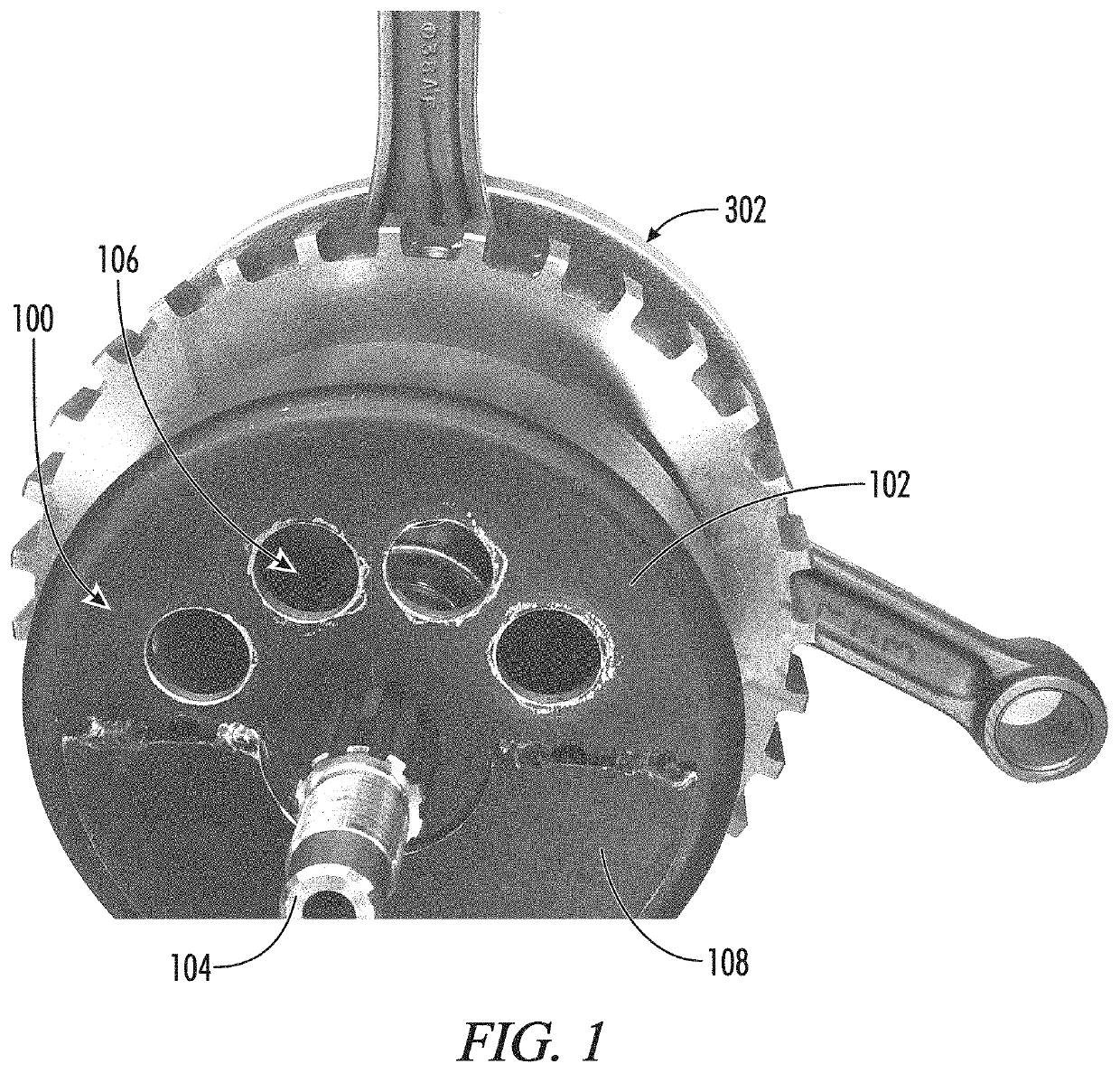
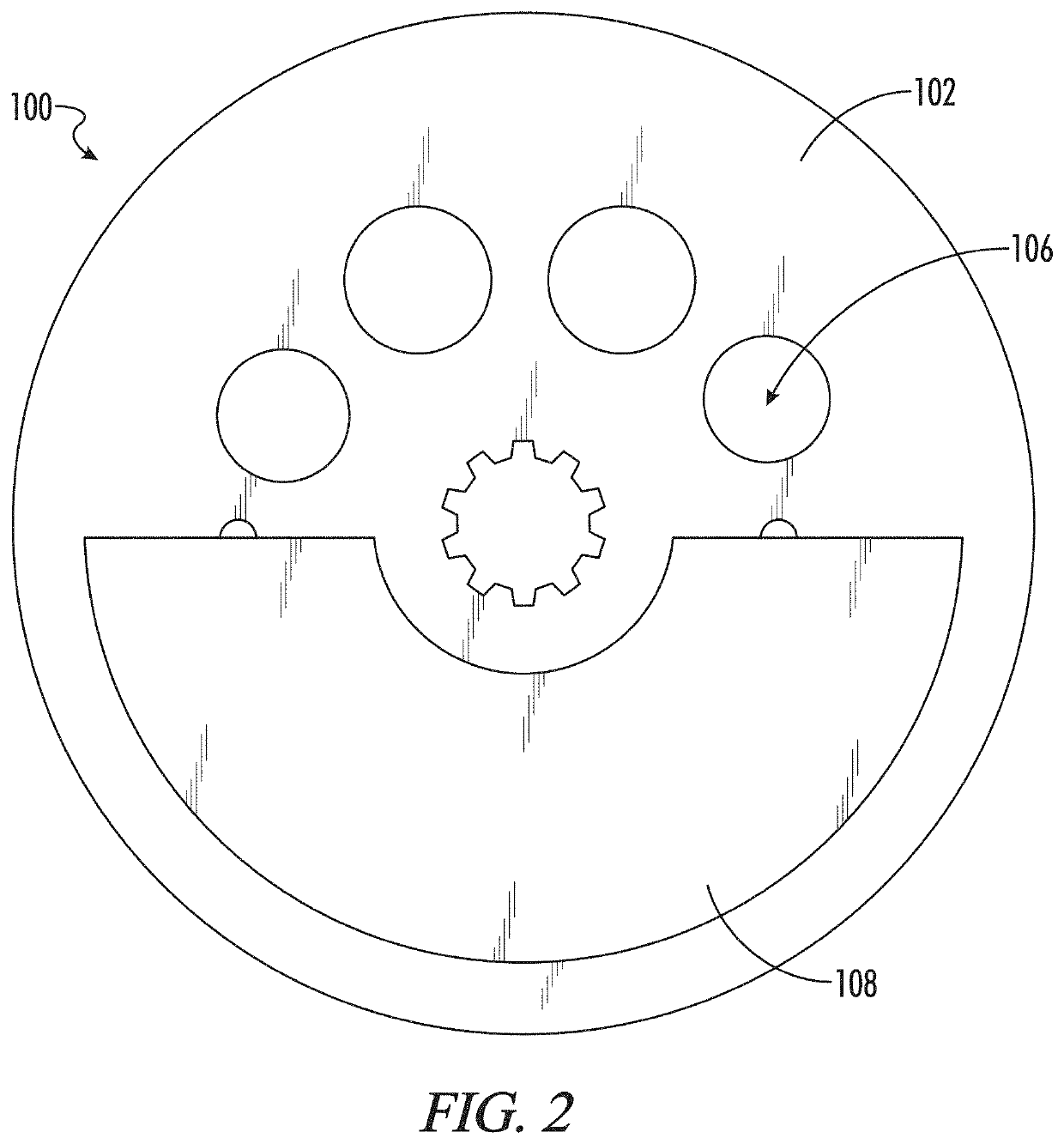
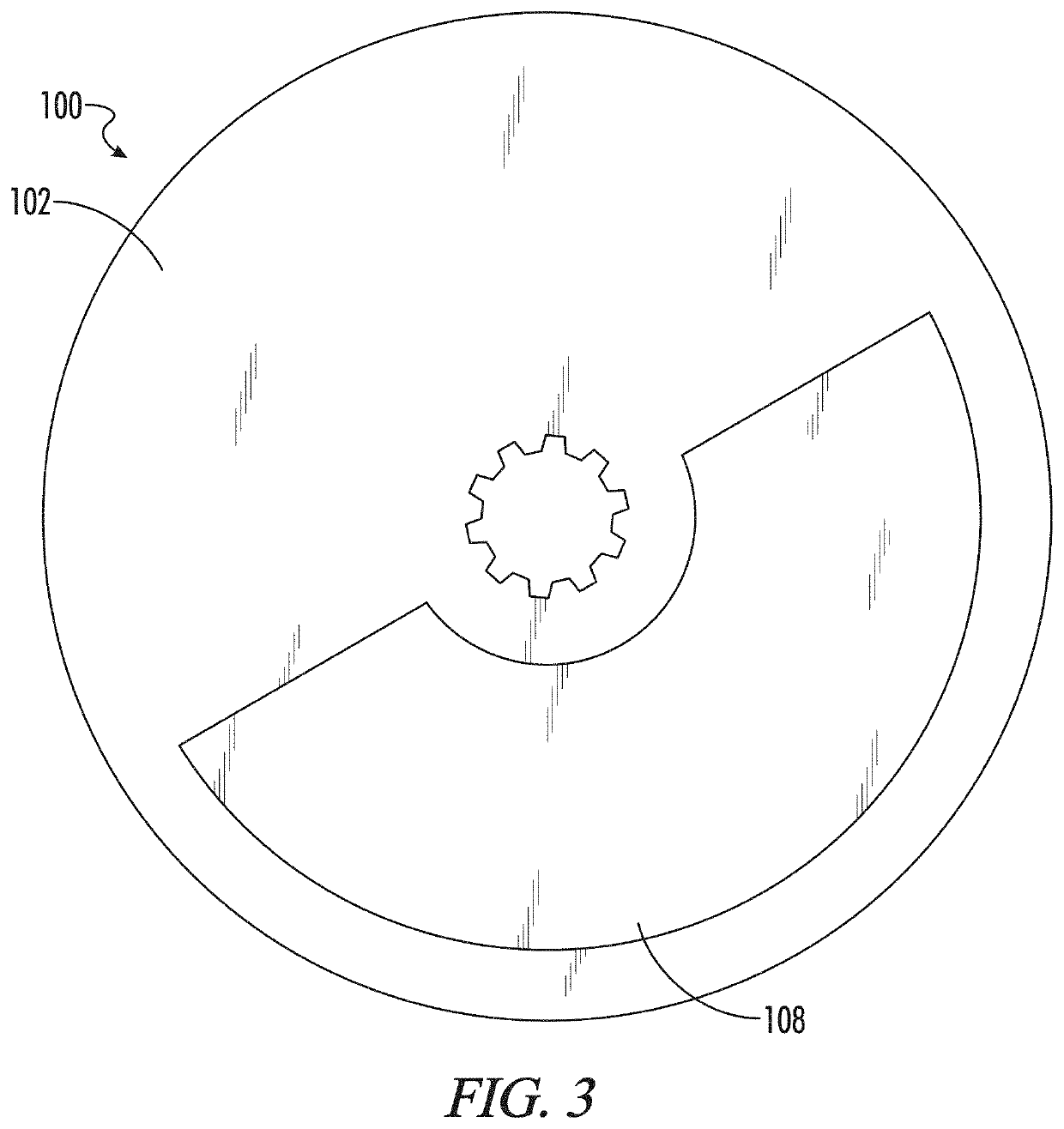
Engine counterbalanced by unbalanced crankshaft mounted accessory
PatentActiveUS20210123499A1
Innovation
- An unbalanced crankshaft mounted accessory is configured to externally balance the rotating assembly by determining a specific counterbalance weight and angle based on crankshaft deflection measurements at various speeds, allowing for mass production with consistent harmonic characteristics across similar engine models, reducing deflection and vibration.

Device for removing engine vibration and engine whose stroke characteriscts are variable
PatentWO2006049294A1
Innovation
- The implementation of a balancer device with an inclined excitation force direction matching the piston's reciprocating motion, utilizing a pair of balancer shafts with phase-adjusted weights to effectively cancel vibrations across varying compression ratios and operating states, while maintaining design freedom and avoiding engine size increases.


Environmental Impact of Engine Balancing
Engine balancing techniques, while primarily focused on improving performance and longevity, also have significant environmental implications. The environmental impact of engine balancing can be observed in several key areas, including fuel efficiency, emissions reduction, and overall engine lifespan.
Improved fuel efficiency is one of the most notable environmental benefits of engine balancing. A well-balanced engine operates more smoothly, reducing energy loss due to vibration and friction. This translates to better fuel economy, which in turn leads to decreased fuel consumption and lower carbon emissions. Studies have shown that properly balanced engines can achieve up to 5% improvement in fuel efficiency, which, when applied across a large fleet of vehicles, can result in substantial reductions in greenhouse gas emissions.
Emissions reduction is another critical environmental aspect of engine balancing. Unbalanced engines tend to produce higher levels of harmful emissions, including carbon monoxide, nitrogen oxides, and particulate matter. By minimizing vibration and ensuring optimal combustion, balanced engines can significantly reduce these pollutants. This is particularly important in urban areas where air quality is a major concern, and in countries with stringent emissions regulations.
The extended lifespan of balanced engines also contributes to environmental sustainability. Reduced wear and tear on engine components means fewer replacements and repairs over the engine's lifetime. This decrease in the need for replacement parts and maintenance activities leads to lower resource consumption and waste generation. Additionally, the longer an engine remains in service, the less frequently new engines need to be manufactured, further reducing the overall environmental footprint of the automotive industry.
Engine balancing techniques can also indirectly impact noise pollution. Quieter engines contribute to reduced noise levels in urban environments, improving quality of life and potentially reducing stress-related health issues associated with excessive noise exposure. This aspect of environmental impact, while often overlooked, is increasingly recognized as an important factor in urban planning and environmental health.
However, it's important to note that the process of engine balancing itself can have some negative environmental impacts. The use of specialized equipment and materials in the balancing process may consume energy and resources. Additionally, the disposal of worn components and balancing materials must be managed responsibly to minimize environmental harm. As such, the overall environmental benefit of engine balancing must be considered in the context of its entire lifecycle, from manufacturing to disposal.
Improved fuel efficiency is one of the most notable environmental benefits of engine balancing. A well-balanced engine operates more smoothly, reducing energy loss due to vibration and friction. This translates to better fuel economy, which in turn leads to decreased fuel consumption and lower carbon emissions. Studies have shown that properly balanced engines can achieve up to 5% improvement in fuel efficiency, which, when applied across a large fleet of vehicles, can result in substantial reductions in greenhouse gas emissions.
Emissions reduction is another critical environmental aspect of engine balancing. Unbalanced engines tend to produce higher levels of harmful emissions, including carbon monoxide, nitrogen oxides, and particulate matter. By minimizing vibration and ensuring optimal combustion, balanced engines can significantly reduce these pollutants. This is particularly important in urban areas where air quality is a major concern, and in countries with stringent emissions regulations.
The extended lifespan of balanced engines also contributes to environmental sustainability. Reduced wear and tear on engine components means fewer replacements and repairs over the engine's lifetime. This decrease in the need for replacement parts and maintenance activities leads to lower resource consumption and waste generation. Additionally, the longer an engine remains in service, the less frequently new engines need to be manufactured, further reducing the overall environmental footprint of the automotive industry.
Engine balancing techniques can also indirectly impact noise pollution. Quieter engines contribute to reduced noise levels in urban environments, improving quality of life and potentially reducing stress-related health issues associated with excessive noise exposure. This aspect of environmental impact, while often overlooked, is increasingly recognized as an important factor in urban planning and environmental health.
However, it's important to note that the process of engine balancing itself can have some negative environmental impacts. The use of specialized equipment and materials in the balancing process may consume energy and resources. Additionally, the disposal of worn components and balancing materials must be managed responsibly to minimize environmental harm. As such, the overall environmental benefit of engine balancing must be considered in the context of its entire lifecycle, from manufacturing to disposal.
Cost-Benefit Analysis of Balancing Techniques
The cost-benefit analysis of balancing techniques for LS engines reveals a complex interplay between performance gains and financial considerations. Initial implementation costs for harmonic balancing techniques can be substantial, encompassing specialized equipment, tooling, and skilled labor. However, these upfront expenses must be weighed against the long-term benefits of improved engine performance, reduced wear, and extended component lifespan.
Primary balancing techniques, such as crankshaft counterweighting and flywheel balancing, offer a favorable cost-to-benefit ratio. These methods provide significant vibration reduction at a relatively modest cost, making them standard practice in LS engine manufacturing. The return on investment is typically realized through enhanced engine smoothness, reduced stress on bearings, and improved overall durability.
Secondary balancing methods, including harmonic balancers and dual-mass flywheels, present a more nuanced cost-benefit scenario. While these components can dramatically reduce torsional vibrations, their higher cost and potential for failure in high-performance applications must be carefully considered. The benefits, however, can be substantial in terms of noise reduction, improved power delivery, and extended engine life, particularly in high-output or endurance applications.
Advanced techniques such as computer-aided dynamic balancing and active vibration control systems represent the cutting edge of harmonic balancing. These methods offer unparalleled precision in vibration mitigation but come with significant implementation costs. The benefits are most apparent in high-performance and racing applications, where even marginal gains in efficiency and reliability can translate to competitive advantages.
When evaluating the cost-effectiveness of various balancing techniques, it's crucial to consider the intended application of the LS engine. For standard production vehicles, basic balancing methods may suffice, providing an optimal balance between cost and performance. In contrast, high-performance or luxury applications may justify the increased expense of more sophisticated balancing techniques, as the perceived value and performance gains can offset the higher costs.
Maintenance and longevity factors also play a significant role in the cost-benefit analysis. While some balancing techniques may have higher initial costs, their ability to reduce wear and extend engine life can result in lower long-term maintenance expenses and improved resale value. This is particularly relevant for commercial and fleet applications where engine longevity directly impacts operational costs.
In conclusion, the cost-benefit analysis of LS engine harmonic balancing techniques must be approached holistically, considering not only the immediate financial impact but also the long-term performance, durability, and application-specific benefits. As technology advances and manufacturing processes evolve, the cost-effectiveness of more sophisticated balancing techniques is likely to improve, potentially shifting the balance in favor of more advanced solutions across a broader range of applications.
Primary balancing techniques, such as crankshaft counterweighting and flywheel balancing, offer a favorable cost-to-benefit ratio. These methods provide significant vibration reduction at a relatively modest cost, making them standard practice in LS engine manufacturing. The return on investment is typically realized through enhanced engine smoothness, reduced stress on bearings, and improved overall durability.
Secondary balancing methods, including harmonic balancers and dual-mass flywheels, present a more nuanced cost-benefit scenario. While these components can dramatically reduce torsional vibrations, their higher cost and potential for failure in high-performance applications must be carefully considered. The benefits, however, can be substantial in terms of noise reduction, improved power delivery, and extended engine life, particularly in high-output or endurance applications.
Advanced techniques such as computer-aided dynamic balancing and active vibration control systems represent the cutting edge of harmonic balancing. These methods offer unparalleled precision in vibration mitigation but come with significant implementation costs. The benefits are most apparent in high-performance and racing applications, where even marginal gains in efficiency and reliability can translate to competitive advantages.
When evaluating the cost-effectiveness of various balancing techniques, it's crucial to consider the intended application of the LS engine. For standard production vehicles, basic balancing methods may suffice, providing an optimal balance between cost and performance. In contrast, high-performance or luxury applications may justify the increased expense of more sophisticated balancing techniques, as the perceived value and performance gains can offset the higher costs.
Maintenance and longevity factors also play a significant role in the cost-benefit analysis. While some balancing techniques may have higher initial costs, their ability to reduce wear and extend engine life can result in lower long-term maintenance expenses and improved resale value. This is particularly relevant for commercial and fleet applications where engine longevity directly impacts operational costs.
In conclusion, the cost-benefit analysis of LS engine harmonic balancing techniques must be approached holistically, considering not only the immediate financial impact but also the long-term performance, durability, and application-specific benefits. As technology advances and manufacturing processes evolve, the cost-effectiveness of more sophisticated balancing techniques is likely to improve, potentially shifting the balance in favor of more advanced solutions across a broader range of applications.
Unlock deeper insights with PatSnap Eureka Quick Research — get a full tech report to explore trends and direct your research. Try now!
Generate Your Research Report Instantly with AI Agent
Supercharge your innovation with PatSnap Eureka AI Agent Platform!