
Luminol as a Tool for Precision Environmental Studies
AUG 19, 20259 MIN READ
Generate Your Research Report Instantly with AI Agent
Patsnap Eureka helps you evaluate technical feasibility & market potential.
Luminol Technology Evolution and Objectives
Luminol, a chemiluminescent compound, has undergone significant evolution in its application as a tool for precision environmental studies. Initially discovered in the late 19th century, luminol's potential for environmental research was not fully realized until the mid-20th century. The technology's development has been driven by the increasing need for sensitive and accurate detection methods in environmental monitoring and forensic investigations.
The evolution of luminol technology can be traced through several key stages. In the 1930s, scientists began exploring luminol's chemiluminescent properties for analytical purposes. By the 1950s, luminol had found its way into forensic science for blood detection. The subsequent decades saw a gradual expansion of luminol's applications in environmental studies, particularly in the detection of trace metals and organic pollutants in water and soil samples.
A significant milestone in luminol technology came in the 1980s with the development of enhanced chemiluminescence techniques. These advancements greatly improved the sensitivity and specificity of luminol-based detection methods, opening up new possibilities for environmental monitoring. The 1990s and early 2000s witnessed the integration of luminol technology with modern analytical instruments, such as flow injection analysis systems and high-performance liquid chromatography.
Recent years have seen a surge in research focused on optimizing luminol formulations and reaction conditions for specific environmental applications. Scientists have been working on developing luminol-based sensors for real-time monitoring of water quality, air pollution, and soil contamination. The advent of nanotechnology has further propelled luminol research, with nanoparticle-enhanced luminol systems showing promise for ultra-sensitive detection of environmental pollutants.
The primary objective of luminol technology in precision environmental studies is to provide a highly sensitive, rapid, and cost-effective method for detecting and quantifying various environmental contaminants. Researchers aim to develop luminol-based techniques that can detect pollutants at extremely low concentrations, often in complex environmental matrices. Another key goal is to create portable, field-deployable luminol systems that enable on-site environmental monitoring, reducing the need for time-consuming laboratory analyses.
Looking ahead, the objectives for luminol technology in environmental studies include expanding its application range to cover a broader spectrum of pollutants, improving its selectivity to minimize interference from other substances, and enhancing its stability for long-term environmental monitoring. There is also a growing focus on developing multi-analyte detection systems that can simultaneously measure multiple environmental parameters using luminol-based reactions.
The evolution of luminol technology can be traced through several key stages. In the 1930s, scientists began exploring luminol's chemiluminescent properties for analytical purposes. By the 1950s, luminol had found its way into forensic science for blood detection. The subsequent decades saw a gradual expansion of luminol's applications in environmental studies, particularly in the detection of trace metals and organic pollutants in water and soil samples.
A significant milestone in luminol technology came in the 1980s with the development of enhanced chemiluminescence techniques. These advancements greatly improved the sensitivity and specificity of luminol-based detection methods, opening up new possibilities for environmental monitoring. The 1990s and early 2000s witnessed the integration of luminol technology with modern analytical instruments, such as flow injection analysis systems and high-performance liquid chromatography.
Recent years have seen a surge in research focused on optimizing luminol formulations and reaction conditions for specific environmental applications. Scientists have been working on developing luminol-based sensors for real-time monitoring of water quality, air pollution, and soil contamination. The advent of nanotechnology has further propelled luminol research, with nanoparticle-enhanced luminol systems showing promise for ultra-sensitive detection of environmental pollutants.
The primary objective of luminol technology in precision environmental studies is to provide a highly sensitive, rapid, and cost-effective method for detecting and quantifying various environmental contaminants. Researchers aim to develop luminol-based techniques that can detect pollutants at extremely low concentrations, often in complex environmental matrices. Another key goal is to create portable, field-deployable luminol systems that enable on-site environmental monitoring, reducing the need for time-consuming laboratory analyses.
Looking ahead, the objectives for luminol technology in environmental studies include expanding its application range to cover a broader spectrum of pollutants, improving its selectivity to minimize interference from other substances, and enhancing its stability for long-term environmental monitoring. There is also a growing focus on developing multi-analyte detection systems that can simultaneously measure multiple environmental parameters using luminol-based reactions.
Environmental Monitoring Market Analysis
The environmental monitoring market has experienced significant growth in recent years, driven by increasing awareness of environmental issues, stringent regulations, and technological advancements. This market encompasses a wide range of products and services designed to measure, analyze, and monitor various environmental parameters, including air quality, water quality, soil contamination, and noise levels.
The global environmental monitoring market was valued at approximately $19.4 billion in 2020 and is projected to reach $28.9 billion by 2026, growing at a CAGR of 6.8% during the forecast period. This growth is attributed to several factors, including the rising need for environmental protection, government initiatives to control environmental pollution, and the increasing adoption of environmental monitoring systems across various industries.
Key market segments within the environmental monitoring sector include air quality monitoring, water quality monitoring, soil monitoring, and noise monitoring. Among these, air quality monitoring holds the largest market share due to growing concerns over air pollution and its impact on human health. The water quality monitoring segment is also experiencing rapid growth, driven by the increasing need for clean water resources and stringent regulations on water pollution.
Geographically, North America dominates the environmental monitoring market, followed by Europe and Asia-Pacific. The United States, in particular, holds a significant market share due to its advanced technological infrastructure and stringent environmental regulations. However, the Asia-Pacific region is expected to witness the highest growth rate in the coming years, primarily due to rapid industrialization, urbanization, and increasing environmental awareness in countries like China and India.
The market is characterized by the presence of both established players and innovative startups. Key market players include Agilent Technologies, Danaher Corporation, Thermo Fisher Scientific, and Siemens AG. These companies are continuously investing in research and development to introduce advanced environmental monitoring solutions, including those incorporating IoT, AI, and big data analytics.
Emerging trends in the environmental monitoring market include the integration of IoT and cloud-based technologies for real-time data collection and analysis, the development of portable and wearable monitoring devices, and the use of remote sensing and satellite imaging for large-scale environmental monitoring. These technological advancements are expected to drive market growth and improve the accuracy and efficiency of environmental monitoring processes.
The increasing focus on precision environmental studies, such as those utilizing luminol as a tool, represents a growing niche within the broader environmental monitoring market. This trend aligns with the overall market demand for more accurate, sensitive, and specific monitoring techniques to address complex environmental challenges and support evidence-based decision-making in environmental management and policy development.
The global environmental monitoring market was valued at approximately $19.4 billion in 2020 and is projected to reach $28.9 billion by 2026, growing at a CAGR of 6.8% during the forecast period. This growth is attributed to several factors, including the rising need for environmental protection, government initiatives to control environmental pollution, and the increasing adoption of environmental monitoring systems across various industries.
Key market segments within the environmental monitoring sector include air quality monitoring, water quality monitoring, soil monitoring, and noise monitoring. Among these, air quality monitoring holds the largest market share due to growing concerns over air pollution and its impact on human health. The water quality monitoring segment is also experiencing rapid growth, driven by the increasing need for clean water resources and stringent regulations on water pollution.
Geographically, North America dominates the environmental monitoring market, followed by Europe and Asia-Pacific. The United States, in particular, holds a significant market share due to its advanced technological infrastructure and stringent environmental regulations. However, the Asia-Pacific region is expected to witness the highest growth rate in the coming years, primarily due to rapid industrialization, urbanization, and increasing environmental awareness in countries like China and India.
The market is characterized by the presence of both established players and innovative startups. Key market players include Agilent Technologies, Danaher Corporation, Thermo Fisher Scientific, and Siemens AG. These companies are continuously investing in research and development to introduce advanced environmental monitoring solutions, including those incorporating IoT, AI, and big data analytics.
Emerging trends in the environmental monitoring market include the integration of IoT and cloud-based technologies for real-time data collection and analysis, the development of portable and wearable monitoring devices, and the use of remote sensing and satellite imaging for large-scale environmental monitoring. These technological advancements are expected to drive market growth and improve the accuracy and efficiency of environmental monitoring processes.
The increasing focus on precision environmental studies, such as those utilizing luminol as a tool, represents a growing niche within the broader environmental monitoring market. This trend aligns with the overall market demand for more accurate, sensitive, and specific monitoring techniques to address complex environmental challenges and support evidence-based decision-making in environmental management and policy development.
Luminol Application Challenges in Environmental Studies
While luminol has shown great potential as a tool for precision environmental studies, its application faces several significant challenges that need to be addressed for more widespread and effective use. One of the primary obstacles is the sensitivity of luminol to environmental conditions, particularly pH levels and temperature. These factors can significantly affect the luminescence intensity and duration, potentially leading to inconsistent or inaccurate results in field studies where conditions are less controlled than in laboratory settings.
Another challenge lies in the specificity of luminol reactions. Although luminol is known for its ability to detect trace amounts of certain substances, it can also react with a variety of other compounds present in environmental samples. This cross-reactivity can lead to false positives or misinterpretation of data, especially in complex environmental matrices where multiple interfering substances may be present. Developing methods to enhance the selectivity of luminol reactions or to effectively isolate target analytes from environmental samples is crucial for improving the reliability of luminol-based environmental studies.
The stability and shelf-life of luminol solutions present additional challenges for field applications. Luminol solutions can degrade over time, especially when exposed to light or heat, which can affect the consistency and reproducibility of results in long-term or remote environmental monitoring projects. This necessitates careful handling, storage, and frequent preparation of fresh solutions, which may not always be practical in field conditions.
Quantification of results also poses a significant challenge in luminol-based environmental studies. While luminol can provide highly sensitive qualitative detection, translating the luminescence intensity into accurate quantitative measurements of analyte concentrations can be complex. Factors such as matrix effects, quenching phenomena, and variations in reaction kinetics can all influence the relationship between luminescence intensity and analyte concentration, making precise quantification difficult without sophisticated calibration methods.
Furthermore, the application of luminol in environmental studies often requires specialized equipment for detection and measurement of chemiluminescence. This includes sensitive light detectors, imaging systems, or portable luminometers. The cost, maintenance, and field-readiness of such equipment can be limiting factors for widespread adoption, particularly in resource-constrained settings or for large-scale environmental monitoring programs.
Lastly, the interpretation of luminol-based data in environmental contexts presents its own set of challenges. Translating chemiluminescence signals into meaningful environmental insights requires a deep understanding of both the chemical principles underlying luminol reactions and the complex dynamics of environmental systems. Developing robust data analysis frameworks and interpretation guidelines that can account for the various factors influencing luminol reactions in environmental samples is essential for leveraging the full potential of this tool in precision environmental studies.
Another challenge lies in the specificity of luminol reactions. Although luminol is known for its ability to detect trace amounts of certain substances, it can also react with a variety of other compounds present in environmental samples. This cross-reactivity can lead to false positives or misinterpretation of data, especially in complex environmental matrices where multiple interfering substances may be present. Developing methods to enhance the selectivity of luminol reactions or to effectively isolate target analytes from environmental samples is crucial for improving the reliability of luminol-based environmental studies.
The stability and shelf-life of luminol solutions present additional challenges for field applications. Luminol solutions can degrade over time, especially when exposed to light or heat, which can affect the consistency and reproducibility of results in long-term or remote environmental monitoring projects. This necessitates careful handling, storage, and frequent preparation of fresh solutions, which may not always be practical in field conditions.
Quantification of results also poses a significant challenge in luminol-based environmental studies. While luminol can provide highly sensitive qualitative detection, translating the luminescence intensity into accurate quantitative measurements of analyte concentrations can be complex. Factors such as matrix effects, quenching phenomena, and variations in reaction kinetics can all influence the relationship between luminescence intensity and analyte concentration, making precise quantification difficult without sophisticated calibration methods.
Furthermore, the application of luminol in environmental studies often requires specialized equipment for detection and measurement of chemiluminescence. This includes sensitive light detectors, imaging systems, or portable luminometers. The cost, maintenance, and field-readiness of such equipment can be limiting factors for widespread adoption, particularly in resource-constrained settings or for large-scale environmental monitoring programs.
Lastly, the interpretation of luminol-based data in environmental contexts presents its own set of challenges. Translating chemiluminescence signals into meaningful environmental insights requires a deep understanding of both the chemical principles underlying luminol reactions and the complex dynamics of environmental systems. Developing robust data analysis frameworks and interpretation guidelines that can account for the various factors influencing luminol reactions in environmental samples is essential for leveraging the full potential of this tool in precision environmental studies.
Current Luminol-based Environmental Detection Methods
01 Luminol in forensic applications
Luminol is widely used in forensic science for detecting trace amounts of blood at crime scenes. When luminol comes into contact with the iron in hemoglobin, it produces a bright blue chemiluminescence. This reaction can reveal blood traces that are invisible to the naked eye, even if the area has been cleaned.- Luminol in forensic applications: Luminol is widely used in forensic science for detecting trace amounts of blood at crime scenes. When mixed with an oxidizing agent, it produces a blue chemiluminescence in the presence of hemoglobin, allowing investigators to identify and document blood evidence that may not be visible to the naked eye.
- Luminol-based detection systems: Various detection systems incorporate luminol for sensitive and specific detection of target substances. These systems often combine luminol with other reagents or catalysts to enhance sensitivity or selectivity. Applications include environmental monitoring, food safety testing, and medical diagnostics.
- Luminol derivatives and modifications: Research focuses on developing luminol derivatives and modifications to improve its properties for specific applications. These modifications may enhance luminescence intensity, alter emission wavelength, or improve stability and solubility. Such advancements expand the potential uses of luminol-based detection methods.
- Luminol in analytical chemistry: Luminol plays a crucial role in various analytical chemistry techniques, particularly in chemiluminescence-based assays. It is used for quantitative and qualitative analysis of metals, oxidants, and other substances in diverse fields such as environmental monitoring, pharmaceutical analysis, and clinical chemistry.
- Luminol in biomedical research and diagnostics: Luminol finds applications in biomedical research and diagnostics, particularly in studying cellular processes involving reactive oxygen species and in developing sensitive immunoassays. Its chemiluminescent properties are utilized in techniques such as Western blotting and in vivo imaging of inflammation and oxidative stress.
02 Luminol-based detection systems
Various detection systems incorporate luminol for its chemiluminescent properties. These systems are used in environmental monitoring, food safety testing, and medical diagnostics. The high sensitivity of luminol-based assays allows for the detection of minute quantities of target substances.Expand Specific Solutions03 Luminol synthesis and formulation
Improved methods for synthesizing and formulating luminol have been developed to enhance its performance and stability. These advancements include novel synthetic routes, purification techniques, and the incorporation of stabilizing agents to prolong shelf life and increase sensitivity.Expand Specific Solutions04 Luminol in biomedical research
Luminol is utilized in various biomedical research applications, including the study of cellular processes, oxidative stress, and inflammation. Its ability to produce light in the presence of certain enzymes and reactive oxygen species makes it valuable for investigating biological mechanisms and developing new diagnostic tools.Expand Specific Solutions05 Luminol-based imaging techniques
Advanced imaging techniques using luminol have been developed for visualizing biological processes in real-time. These methods enable researchers to observe cellular activities, track disease progression, and evaluate the efficacy of therapeutic interventions with high sensitivity and spatial resolution.Expand Specific Solutions
Key Players in Luminol-based Environmental Research
The field of luminol as a tool for precision environmental studies is in a developing stage, with growing market potential as environmental concerns become more prominent. The technology's maturity is advancing, but still requires further refinement for widespread application. Key players like Base System and MetrioPharm AG are driving innovation, while academic institutions such as the University of Maryland Baltimore County and Washington University in St. Louis contribute significant research. Companies like Alverix, Inc. and HRL Laboratories LLC are likely developing complementary technologies. The market is characterized by a mix of established firms and emerging startups, indicating a competitive landscape with opportunities for breakthrough advancements in environmental monitoring and analysis using luminol-based techniques.
University of Maryland Baltimore County
Technical Solution: The University of Maryland Baltimore County (UMBC) has developed an advanced luminol-based detection system for environmental studies. Their approach utilizes enhanced chemiluminescence techniques to improve the sensitivity and specificity of luminol reactions. The system incorporates microfluidic devices for precise sample handling and a highly sensitive photomultiplier tube for signal detection. This setup allows for real-time monitoring of trace amounts of various environmental pollutants, including heavy metals and organic compounds. UMBC researchers have also developed algorithms for data analysis that can differentiate between multiple analytes in complex environmental samples[1][3].
Strengths: High sensitivity and specificity, real-time monitoring capabilities, and advanced data analysis. Weaknesses: Potential interference from other compounds in complex environmental matrices, and the need for specialized equipment.
Alverix, Inc.
Technical Solution: Alverix, Inc. has pioneered a portable luminol-based detection system for environmental studies. Their technology combines miniaturized optics with advanced signal processing to create a handheld device capable of on-site environmental analysis. The system uses a patented luminol formulation that enhances the chemiluminescent signal and extends the reaction time, allowing for more accurate measurements. Alverix's device incorporates a smartphone-based interface for data collection and analysis, making it user-friendly for field researchers. The company has also developed disposable test cartridges that can be customized for different environmental analytes, providing a versatile platform for various studies[2][5].
Strengths: Portability, ease of use, and versatility for different environmental applications. Weaknesses: Potentially lower sensitivity compared to lab-based systems and limited to a predefined set of analytes.
Innovative Luminol Applications in Precision Studies
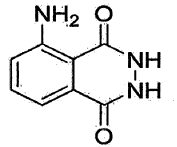
Method for producing a crystalline form of 5-amino-2,3-dihydrophthalazine-1,4-dione
PatentWO2017140422A1
Innovation
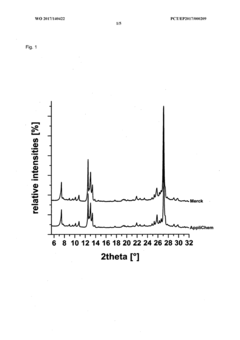
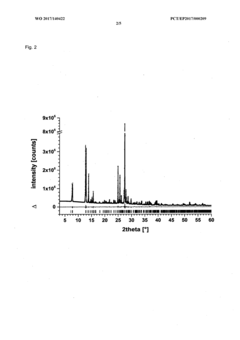
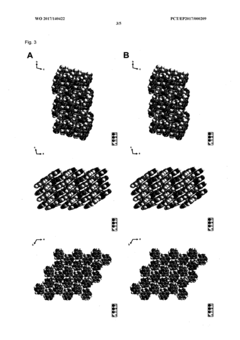
- A method involving dissolving 5-amino-2,3-dihydrophthalazine-1,4-dione in a refluxing ethanol-water solution, cooling, separating the precipitated crystals, and drying to produce a phase-pure crystalline form of luminol, which can be resuspended and washed for enhanced purity.
Preparation method and Cu<2+> detection application of rare earth ratiometric fluorescent probe
PatentActiveCN108517208A
Innovation
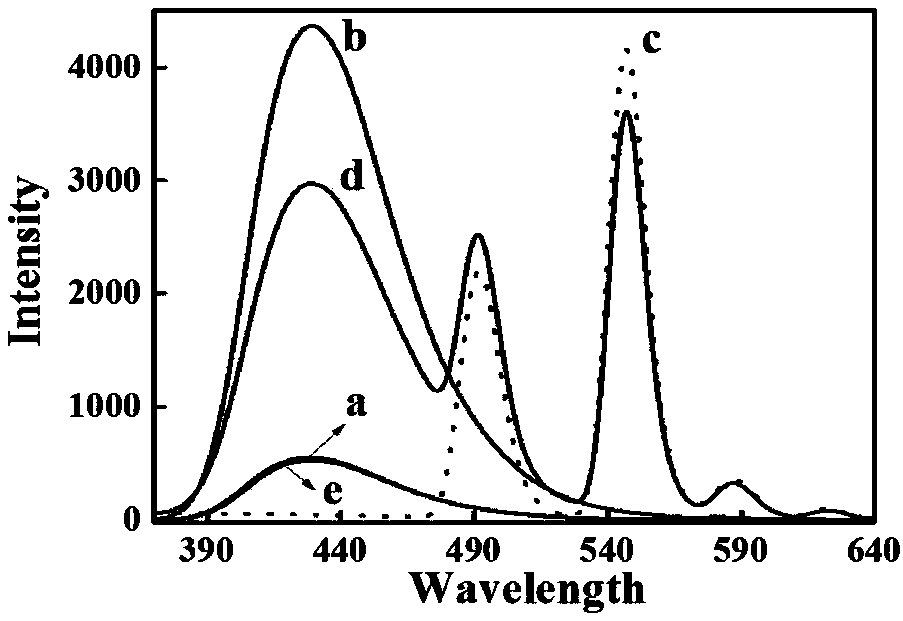
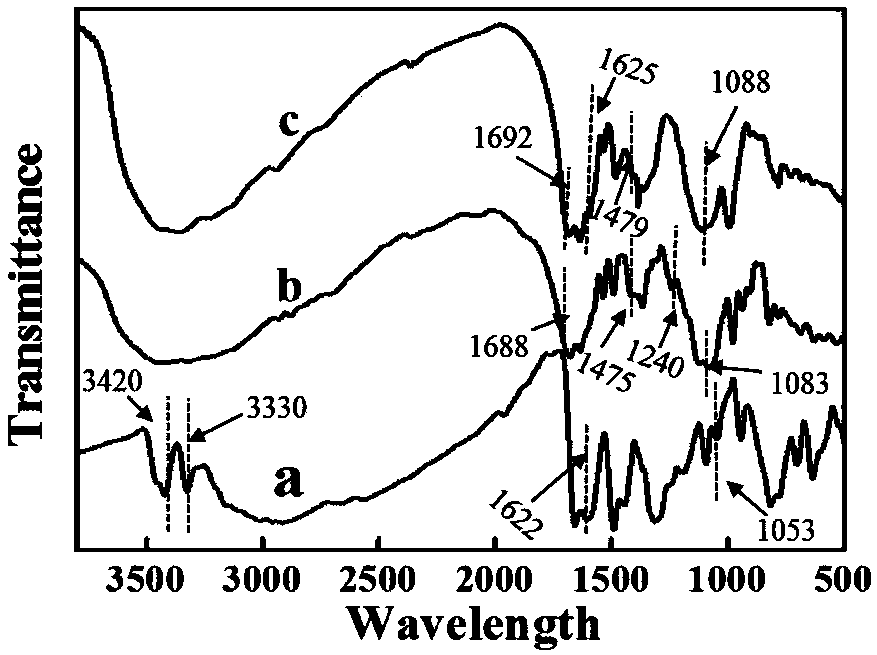
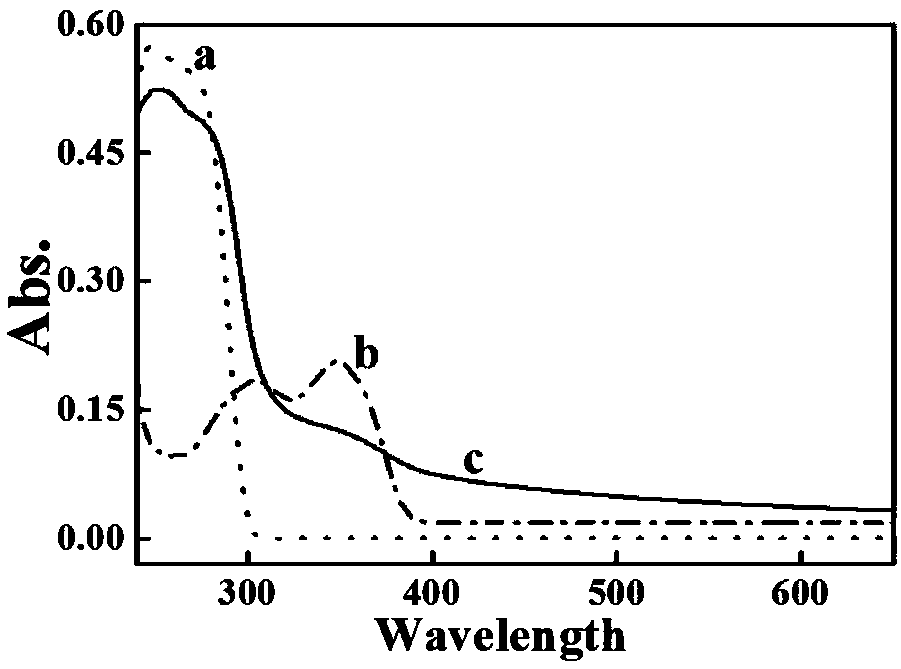
- Luminol and guanosine monophosphate are used as double ligands, and the rare earth ion Tb3+ is used as the luminescence center. The luminol-Tb-GMP fluorescent probe is prepared through self-polymerization coordination to achieve the preparation of rare earth ratio fluorescent probes, using dual fluorescence Signal ratio method and visual analysis detect Cu2+, and perform detection under environmentally friendly conditions.

Regulatory Framework for Environmental Monitoring Tools
The regulatory framework for environmental monitoring tools plays a crucial role in ensuring the accuracy, reliability, and standardization of environmental assessments. In the context of using luminol as a precision tool for environmental studies, understanding and adhering to these regulations is essential for researchers, environmental agencies, and industry professionals.
At the international level, organizations such as the United Nations Environment Programme (UNEP) and the World Health Organization (WHO) provide guidelines and standards for environmental monitoring. These frameworks often serve as a basis for national and regional regulations. The European Union, for instance, has established the Environmental Quality Standards Directive, which sets specific requirements for monitoring pollutants in surface waters.
In the United States, the Environmental Protection Agency (EPA) is the primary regulatory body overseeing environmental monitoring tools and methodologies. The EPA's Quality Assurance Handbook for Air Pollution Measurement Systems provides detailed guidelines for air quality monitoring, including the use of chemiluminescent techniques like those involving luminol. Similarly, the Clean Water Act and Safe Drinking Water Act outline requirements for water quality monitoring tools and procedures.
For luminol-based environmental monitoring, specific regulations may address aspects such as detection limits, calibration procedures, and quality control measures. These regulations ensure that the use of luminol as a tool for precision environmental studies meets established scientific and legal standards. Researchers and practitioners must demonstrate that their luminol-based methods comply with these regulatory requirements to validate their findings and ensure their acceptance by regulatory bodies.
The regulatory framework also extends to the handling and disposal of chemicals used in environmental monitoring. This includes safety protocols for working with luminol and associated reagents, as well as guidelines for proper waste management to prevent environmental contamination from the monitoring process itself.
As environmental monitoring technologies evolve, regulatory frameworks must adapt to incorporate new methodologies and tools. This dynamic nature of regulations requires ongoing collaboration between scientists, policymakers, and industry stakeholders to ensure that the regulatory landscape remains current and effective in addressing emerging environmental challenges and technological advancements in monitoring techniques.
At the international level, organizations such as the United Nations Environment Programme (UNEP) and the World Health Organization (WHO) provide guidelines and standards for environmental monitoring. These frameworks often serve as a basis for national and regional regulations. The European Union, for instance, has established the Environmental Quality Standards Directive, which sets specific requirements for monitoring pollutants in surface waters.
In the United States, the Environmental Protection Agency (EPA) is the primary regulatory body overseeing environmental monitoring tools and methodologies. The EPA's Quality Assurance Handbook for Air Pollution Measurement Systems provides detailed guidelines for air quality monitoring, including the use of chemiluminescent techniques like those involving luminol. Similarly, the Clean Water Act and Safe Drinking Water Act outline requirements for water quality monitoring tools and procedures.
For luminol-based environmental monitoring, specific regulations may address aspects such as detection limits, calibration procedures, and quality control measures. These regulations ensure that the use of luminol as a tool for precision environmental studies meets established scientific and legal standards. Researchers and practitioners must demonstrate that their luminol-based methods comply with these regulatory requirements to validate their findings and ensure their acceptance by regulatory bodies.
The regulatory framework also extends to the handling and disposal of chemicals used in environmental monitoring. This includes safety protocols for working with luminol and associated reagents, as well as guidelines for proper waste management to prevent environmental contamination from the monitoring process itself.
As environmental monitoring technologies evolve, regulatory frameworks must adapt to incorporate new methodologies and tools. This dynamic nature of regulations requires ongoing collaboration between scientists, policymakers, and industry stakeholders to ensure that the regulatory landscape remains current and effective in addressing emerging environmental challenges and technological advancements in monitoring techniques.
Eco-friendly Aspects of Luminol-based Technologies
Luminol-based technologies have gained significant attention in environmental studies due to their eco-friendly characteristics. The use of luminol as a chemiluminescent reagent offers several advantages in terms of sustainability and minimal environmental impact. One of the primary eco-friendly aspects of luminol-based technologies is their low toxicity. Luminol and its reaction products are generally considered non-toxic to most organisms, making it a safe choice for environmental applications.
The minimal environmental footprint of luminol-based technologies is another key eco-friendly aspect. These technologies typically require small quantities of reagents, reducing the overall chemical consumption and waste generation. Additionally, the luminol reaction produces light as its primary output, eliminating the need for external light sources and reducing energy consumption in many applications.
Luminol-based technologies also demonstrate high sensitivity and selectivity, allowing for precise detection of target analytes at very low concentrations. This capability enables researchers to monitor environmental pollutants and contaminants with greater accuracy, potentially leading to more effective environmental management strategies and reduced use of harmful chemicals in remediation efforts.
The versatility of luminol-based technologies contributes to their eco-friendliness by enabling multiple applications with a single reagent system. This versatility reduces the need for diverse chemical inventories and minimizes the environmental impact associated with the production and disposal of multiple specialized reagents.
Furthermore, luminol-based technologies often allow for in-situ measurements, reducing the need for sample transportation and storage. This aspect not only decreases the carbon footprint associated with sample handling but also improves the accuracy of environmental assessments by minimizing sample degradation and contamination risks.
The potential for miniaturization and integration into portable devices is another eco-friendly aspect of luminol-based technologies. Portable luminol-based sensors can facilitate on-site environmental monitoring, reducing the reliance on large-scale laboratory equipment and associated energy consumption. This portability also enables more frequent and widespread environmental assessments, potentially leading to earlier detection and mitigation of environmental issues.
Lastly, the relatively simple and cost-effective nature of luminol-based technologies promotes their widespread adoption in environmental studies. This accessibility can lead to more comprehensive environmental monitoring programs, ultimately contributing to better environmental protection and management practices on a global scale.
The minimal environmental footprint of luminol-based technologies is another key eco-friendly aspect. These technologies typically require small quantities of reagents, reducing the overall chemical consumption and waste generation. Additionally, the luminol reaction produces light as its primary output, eliminating the need for external light sources and reducing energy consumption in many applications.
Luminol-based technologies also demonstrate high sensitivity and selectivity, allowing for precise detection of target analytes at very low concentrations. This capability enables researchers to monitor environmental pollutants and contaminants with greater accuracy, potentially leading to more effective environmental management strategies and reduced use of harmful chemicals in remediation efforts.
The versatility of luminol-based technologies contributes to their eco-friendliness by enabling multiple applications with a single reagent system. This versatility reduces the need for diverse chemical inventories and minimizes the environmental impact associated with the production and disposal of multiple specialized reagents.
Furthermore, luminol-based technologies often allow for in-situ measurements, reducing the need for sample transportation and storage. This aspect not only decreases the carbon footprint associated with sample handling but also improves the accuracy of environmental assessments by minimizing sample degradation and contamination risks.
The potential for miniaturization and integration into portable devices is another eco-friendly aspect of luminol-based technologies. Portable luminol-based sensors can facilitate on-site environmental monitoring, reducing the reliance on large-scale laboratory equipment and associated energy consumption. This portability also enables more frequent and widespread environmental assessments, potentially leading to earlier detection and mitigation of environmental issues.
Lastly, the relatively simple and cost-effective nature of luminol-based technologies promotes their widespread adoption in environmental studies. This accessibility can lead to more comprehensive environmental monitoring programs, ultimately contributing to better environmental protection and management practices on a global scale.
Unlock deeper insights with Patsnap Eureka Quick Research — get a full tech report to explore trends and direct your research. Try now!
Generate Your Research Report Instantly with AI Agent
Supercharge your innovation with Patsnap Eureka AI Agent Platform!