

Maintenance challenges unique to L92 engine cooling systems
AUG 14, 20259 MIN READ
Generate Your Research Report Instantly with AI Agent
PatSnap Eureka helps you evaluate technical feasibility & market potential.
L92 Cooling System Background and Objectives
The L92 engine, a member of General Motors' renowned LS engine family, represents a significant advancement in automotive engineering. Introduced in the mid-2000s, this 6.2-liter V8 engine was designed to deliver high performance while maintaining efficiency. The cooling system of the L92 engine plays a crucial role in its overall performance and longevity, making it a critical area of focus for maintenance and engineering considerations.
The L92 engine cooling system is designed to maintain optimal operating temperatures under various conditions, from idle to high-performance driving scenarios. It utilizes a pressurized coolant system that circulates a mixture of water and ethylene glycol throughout the engine block and cylinder heads. This system is responsible for dissipating heat generated during combustion and reducing thermal stress on engine components.
One of the primary objectives of the L92 cooling system is to maintain a consistent engine temperature, typically around 195-220°F (90-104°C), to ensure optimal combustion efficiency and prevent overheating. This temperature range is critical for maintaining proper oil viscosity, reducing emissions, and maximizing fuel efficiency. The system must also be capable of rapid warm-up to reduce engine wear and improve fuel economy during cold starts.
The L92 cooling system incorporates several advanced features, including a thermostat-controlled coolant flow, an electric water pump, and a sophisticated radiator design. These components work in tandem to provide precise temperature control and improved overall engine efficiency. The electric water pump, in particular, represents a departure from traditional belt-driven pumps, offering more precise control over coolant flow and reducing parasitic power loss.
As engine technology has evolved, so too have the challenges associated with cooling system maintenance. The L92 engine's cooling system must contend with higher operating temperatures and pressures compared to its predecessors, necessitating more robust components and advanced coolant formulations. Additionally, the integration of electronic controls and sensors has introduced new complexities in diagnosing and addressing cooling system issues.
The ongoing development of the L92 engine cooling system aims to address several key objectives. These include improving thermal efficiency, reducing weight, enhancing reliability, and minimizing environmental impact. Engineers are continually exploring new materials, such as lightweight alloys and advanced polymers, to optimize heat transfer and reduce overall system mass. Furthermore, there is a growing focus on developing more environmentally friendly coolants that offer improved heat dissipation properties while reducing the risk of environmental contamination.
The L92 engine cooling system is designed to maintain optimal operating temperatures under various conditions, from idle to high-performance driving scenarios. It utilizes a pressurized coolant system that circulates a mixture of water and ethylene glycol throughout the engine block and cylinder heads. This system is responsible for dissipating heat generated during combustion and reducing thermal stress on engine components.
One of the primary objectives of the L92 cooling system is to maintain a consistent engine temperature, typically around 195-220°F (90-104°C), to ensure optimal combustion efficiency and prevent overheating. This temperature range is critical for maintaining proper oil viscosity, reducing emissions, and maximizing fuel efficiency. The system must also be capable of rapid warm-up to reduce engine wear and improve fuel economy during cold starts.
The L92 cooling system incorporates several advanced features, including a thermostat-controlled coolant flow, an electric water pump, and a sophisticated radiator design. These components work in tandem to provide precise temperature control and improved overall engine efficiency. The electric water pump, in particular, represents a departure from traditional belt-driven pumps, offering more precise control over coolant flow and reducing parasitic power loss.
As engine technology has evolved, so too have the challenges associated with cooling system maintenance. The L92 engine's cooling system must contend with higher operating temperatures and pressures compared to its predecessors, necessitating more robust components and advanced coolant formulations. Additionally, the integration of electronic controls and sensors has introduced new complexities in diagnosing and addressing cooling system issues.
The ongoing development of the L92 engine cooling system aims to address several key objectives. These include improving thermal efficiency, reducing weight, enhancing reliability, and minimizing environmental impact. Engineers are continually exploring new materials, such as lightweight alloys and advanced polymers, to optimize heat transfer and reduce overall system mass. Furthermore, there is a growing focus on developing more environmentally friendly coolants that offer improved heat dissipation properties while reducing the risk of environmental contamination.
Market Demand Analysis for L92 Engine Maintenance
The market demand for L92 engine maintenance, particularly focusing on its unique cooling system challenges, has been steadily increasing in recent years. This growth is primarily driven by the engine's widespread adoption in high-performance vehicles and the critical role of efficient cooling systems in maintaining optimal engine performance and longevity.
The L92 engine, known for its robust power output and reliability, has become a popular choice in the automotive industry, especially in luxury SUVs and performance cars. As these vehicles age, the demand for specialized maintenance services, particularly for the cooling system, has seen a significant uptick. The complexity of the L92's cooling system, which includes advanced features like active fuel management and variable valve timing, requires specialized knowledge and equipment for proper maintenance and repair.
Industry reports indicate that the global automotive cooling system market, which encompasses L92 engine cooling systems, is projected to grow at a compound annual growth rate (CAGR) of over 3% in the coming years. This growth is attributed to the increasing vehicle production, rising demand for fuel-efficient vehicles, and stringent emission norms that necessitate more efficient cooling systems.
The aftermarket segment for L92 engine cooling system maintenance is particularly robust. As these engines age, the need for replacement parts and specialized repair services increases. This trend is further amplified by the growing awareness among vehicle owners about the importance of regular cooling system maintenance in preventing catastrophic engine failures and ensuring optimal performance.
Moreover, the shift towards electrification in the automotive industry has not diminished the demand for L92 engine maintenance. Instead, it has created a niche market for high-performance internal combustion engines, where the L92 continues to hold a significant position. This niche market demands high-quality maintenance services, especially for critical components like the cooling system.
The market analysis also reveals a growing trend towards preventive maintenance in the automotive sector. Vehicle owners are increasingly opting for regular check-ups and maintenance of their L92 engines, with a particular focus on the cooling system. This proactive approach is driving the demand for specialized diagnostic tools and services tailored to the L92's unique cooling system architecture.
In conclusion, the market demand for L92 engine maintenance, especially concerning its cooling system, shows strong growth potential. The combination of the engine's popularity, the increasing age of vehicles equipped with L92 engines, and the growing awareness of preventive maintenance all contribute to a robust and expanding market for specialized cooling system maintenance services and products.
The L92 engine, known for its robust power output and reliability, has become a popular choice in the automotive industry, especially in luxury SUVs and performance cars. As these vehicles age, the demand for specialized maintenance services, particularly for the cooling system, has seen a significant uptick. The complexity of the L92's cooling system, which includes advanced features like active fuel management and variable valve timing, requires specialized knowledge and equipment for proper maintenance and repair.
Industry reports indicate that the global automotive cooling system market, which encompasses L92 engine cooling systems, is projected to grow at a compound annual growth rate (CAGR) of over 3% in the coming years. This growth is attributed to the increasing vehicle production, rising demand for fuel-efficient vehicles, and stringent emission norms that necessitate more efficient cooling systems.
The aftermarket segment for L92 engine cooling system maintenance is particularly robust. As these engines age, the need for replacement parts and specialized repair services increases. This trend is further amplified by the growing awareness among vehicle owners about the importance of regular cooling system maintenance in preventing catastrophic engine failures and ensuring optimal performance.
Moreover, the shift towards electrification in the automotive industry has not diminished the demand for L92 engine maintenance. Instead, it has created a niche market for high-performance internal combustion engines, where the L92 continues to hold a significant position. This niche market demands high-quality maintenance services, especially for critical components like the cooling system.
The market analysis also reveals a growing trend towards preventive maintenance in the automotive sector. Vehicle owners are increasingly opting for regular check-ups and maintenance of their L92 engines, with a particular focus on the cooling system. This proactive approach is driving the demand for specialized diagnostic tools and services tailored to the L92's unique cooling system architecture.
In conclusion, the market demand for L92 engine maintenance, especially concerning its cooling system, shows strong growth potential. The combination of the engine's popularity, the increasing age of vehicles equipped with L92 engines, and the growing awareness of preventive maintenance all contribute to a robust and expanding market for specialized cooling system maintenance services and products.
Current Challenges in L92 Cooling System Maintenance
The L92 engine cooling system, while advanced in its design, presents several unique maintenance challenges that require careful attention and specialized knowledge. One of the primary issues is the complexity of the system itself, which integrates multiple components such as the radiator, water pump, thermostat, and various sensors. This intricate design makes diagnostics and repairs more time-consuming and potentially costly.
A significant challenge lies in the system's high-pressure operation, which is necessary for maintaining optimal engine temperature but also increases the risk of leaks and component failures. The pressurized coolant can cause rapid wear on hoses, gaskets, and seals, leading to more frequent replacements compared to traditional cooling systems. Additionally, the high pressure makes it crucial to follow precise procedures when servicing the system to prevent injuries and ensure proper functionality.
The L92's cooling system also incorporates advanced materials and alloys to enhance heat dissipation and reduce weight. While beneficial for performance, these materials can be more susceptible to corrosion and chemical reactions, especially if the wrong type of coolant is used. Maintaining the correct coolant chemistry and concentration is critical, as deviations can lead to accelerated wear, deposits, and reduced cooling efficiency.
Another unique challenge is the integration of electronic controls and sensors within the cooling system. These components improve temperature regulation but add another layer of complexity to maintenance. Technicians must be equipped with specialized diagnostic tools and software to accurately interpret sensor data and troubleshoot electronic issues, which can be both time-consuming and require ongoing training to stay current with system updates.
The L92's compact engine bay design, while beneficial for overall vehicle packaging, creates accessibility issues for maintenance. Some cooling system components may be difficult to reach, necessitating partial disassembly of other engine parts for routine maintenance tasks. This not only increases service time but also the potential for errors during reassembly.
Lastly, the L92's cooling system operates at higher temperatures than many conventional engines to improve efficiency. This places additional stress on components and requires more frequent inspections to catch potential failures before they occur. The higher operating temperatures also necessitate the use of specific coolant formulations that can withstand these conditions without breaking down or forming deposits, further complicating maintenance procedures.
A significant challenge lies in the system's high-pressure operation, which is necessary for maintaining optimal engine temperature but also increases the risk of leaks and component failures. The pressurized coolant can cause rapid wear on hoses, gaskets, and seals, leading to more frequent replacements compared to traditional cooling systems. Additionally, the high pressure makes it crucial to follow precise procedures when servicing the system to prevent injuries and ensure proper functionality.
The L92's cooling system also incorporates advanced materials and alloys to enhance heat dissipation and reduce weight. While beneficial for performance, these materials can be more susceptible to corrosion and chemical reactions, especially if the wrong type of coolant is used. Maintaining the correct coolant chemistry and concentration is critical, as deviations can lead to accelerated wear, deposits, and reduced cooling efficiency.
Another unique challenge is the integration of electronic controls and sensors within the cooling system. These components improve temperature regulation but add another layer of complexity to maintenance. Technicians must be equipped with specialized diagnostic tools and software to accurately interpret sensor data and troubleshoot electronic issues, which can be both time-consuming and require ongoing training to stay current with system updates.
The L92's compact engine bay design, while beneficial for overall vehicle packaging, creates accessibility issues for maintenance. Some cooling system components may be difficult to reach, necessitating partial disassembly of other engine parts for routine maintenance tasks. This not only increases service time but also the potential for errors during reassembly.
Lastly, the L92's cooling system operates at higher temperatures than many conventional engines to improve efficiency. This places additional stress on components and requires more frequent inspections to catch potential failures before they occur. The higher operating temperatures also necessitate the use of specific coolant formulations that can withstand these conditions without breaking down or forming deposits, further complicating maintenance procedures.
Existing L92 Cooling System Maintenance Solutions
01 Cooling system design and components
The L92 engine cooling system incorporates various components and design features to maintain optimal operating temperatures. These may include radiators, water pumps, thermostats, and coolant passages. The design aims to efficiently dissipate heat and prevent overheating, which is crucial for engine performance and longevity.- Cooling system design and components: The L92 engine cooling system incorporates various components and design features to maintain optimal operating temperatures. These may include radiators, water pumps, thermostats, and coolant passages. The design aims to efficiently dissipate heat and prevent overheating, which is crucial for engine performance and longevity.
- Coolant management and circulation: Proper coolant management is essential for the L92 engine cooling system. This includes maintaining the correct coolant level, ensuring proper circulation, and preventing air pockets. Challenges may arise from coolant leaks, blockages, or degradation over time, which can lead to reduced cooling efficiency and potential engine damage.
- Temperature monitoring and control: Effective temperature monitoring and control are critical for the L92 engine cooling system. This involves the use of sensors, thermostats, and electronic control units to regulate coolant flow and maintain optimal engine temperatures. Maintenance challenges may include sensor failures, thermostat malfunctions, or control system issues that can affect cooling performance.
- Corrosion and deposit prevention: Preventing corrosion and deposit buildup in the L92 engine cooling system is crucial for long-term reliability. This involves using appropriate coolant formulations, regular flushing, and inspection of cooling system components. Challenges may arise from the use of incompatible coolants, neglecting maintenance intervals, or environmental factors that accelerate corrosion.
- Maintenance procedures and schedules: Adhering to proper maintenance procedures and schedules is essential for the L92 engine cooling system. This includes regular inspections, coolant changes, pressure testing, and component replacements as needed. Challenges may arise from inadequate maintenance knowledge, difficulty accessing certain components, or neglecting recommended service intervals, which can lead to reduced cooling efficiency and potential system failures.
02 Coolant management and circulation
Proper coolant management and circulation are essential for the L92 engine cooling system. This involves maintaining the correct coolant level, ensuring proper flow through the engine block and radiator, and preventing air pockets or blockages. Regular checks and maintenance of the coolant system are necessary to avoid overheating and potential engine damage.Expand Specific Solutions03 Temperature monitoring and control
Effective temperature monitoring and control are crucial for the L92 engine cooling system. This may involve the use of sensors, thermostats, and electronic control units to regulate coolant flow and fan operation. Maintaining the engine within its optimal temperature range is essential for performance, fuel efficiency, and emissions control.Expand Specific Solutions04 Maintenance and servicing challenges
Maintaining the L92 engine cooling system presents several challenges. These may include accessing components in tight spaces, dealing with corrosion or scale buildup, and diagnosing complex issues. Regular maintenance tasks such as coolant replacement, leak detection, and component inspection are essential but can be time-consuming and require specialized knowledge.Expand Specific Solutions05 Cooling system upgrades and modifications
Upgrades and modifications to the L92 engine cooling system may be necessary to address specific performance or reliability issues. This could involve installing high-performance radiators, electric water pumps, or improved coolant formulations. Such modifications aim to enhance cooling efficiency, reduce maintenance requirements, or adapt the system for specific operating conditions.Expand Specific Solutions
Key Players in L92 Engine Cooling Industry
The L92 engine cooling system maintenance landscape is evolving rapidly, reflecting the automotive industry's transition towards more advanced and efficient technologies. The market is experiencing moderate growth, driven by increasing demand for high-performance engines and stringent emission regulations. While the technology is maturing, challenges remain in optimizing cooling efficiency and reducing maintenance costs. Key players like Volkswagen AG, BMW, and Toyota Motor Corp. are investing heavily in R&D to address these issues, focusing on innovative materials and smart cooling systems. Emerging companies such as Weichai Power and Guangxi Yuchai Machinery are also making significant strides, particularly in the commercial vehicle segment, contributing to a competitive and dynamic market environment.
Ford Global Technologies LLC
Technical Solution: Ford has developed advanced cooling systems for the L92 engine, focusing on improving efficiency and reducing maintenance challenges. Their approach includes a dual-circuit cooling system that separates engine block and cylinder head cooling[1]. This allows for more precise temperature control and reduces thermal stress on engine components. Ford has also implemented an electric water pump, which provides better control over coolant flow and eliminates the need for a mechanical pump driven by the engine[2]. To address corrosion issues, Ford uses advanced coolant formulations and corrosion-resistant materials in the cooling system components[3]. Additionally, they have integrated smart sensors and diagnostic systems to monitor coolant levels, temperature, and system performance, enabling predictive maintenance and early detection of potential issues[4].
Strengths: Improved temperature control, reduced thermal stress, and enhanced efficiency. The electric water pump and smart diagnostic systems contribute to better performance and easier maintenance. Weaknesses: Higher initial cost due to advanced components and potential complexity in repairs for non-specialized mechanics.
Caterpillar, Inc.
Technical Solution: Caterpillar has developed innovative solutions for L92 engine cooling systems, focusing on durability and efficiency in heavy-duty applications. Their approach includes a high-efficiency radiator design with optimized fin density and core thickness to maximize heat dissipation[5]. Caterpillar has implemented a variable-speed fan drive system that adjusts cooling capacity based on engine load and ambient conditions, reducing parasitic power loss and improving fuel efficiency[6]. To address maintenance challenges, they have developed a modular cooling system design that allows for easier component replacement and servicing[7]. Caterpillar also uses advanced coolant formulations with extended life properties, reducing the frequency of coolant changes and minimizing the risk of corrosion and scale buildup[8]. Their cooling systems incorporate advanced filtration technologies to remove contaminants and extend component life[9].
Strengths: Robust design for heavy-duty applications, improved efficiency through variable-speed fan drive, and extended maintenance intervals. Weaknesses: Potentially higher upfront costs and specialized knowledge required for some maintenance tasks.
Innovative Approaches to L92 Cooling System Servicing
Cooling device for engine
PatentWO2012070149A1
Innovation
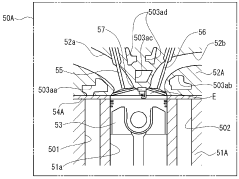
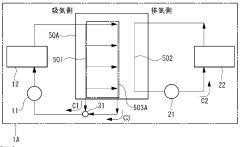
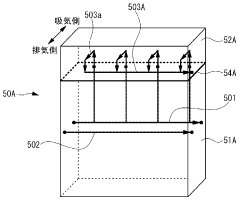
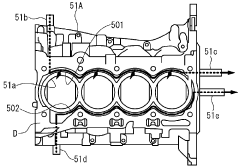
- The engine cooling device incorporates a unique configuration with intake-side and exhaust-side cooling medium passages, a branch cooling medium passage, and a state changing section, along with a high thermal conductivity portion on the cylinder block, to optimize cooling medium circulation and heat transfer, reducing cooling loss while suppressing knocking.
Environmental Impact of L92 Cooling System Maintenance
The environmental impact of L92 cooling system maintenance is a critical consideration in the overall lifecycle assessment of these engines. The L92 engine, known for its high performance and efficiency, requires specialized cooling systems to maintain optimal operating temperatures. However, the maintenance of these systems can have significant environmental implications.
One of the primary environmental concerns is the disposal of coolant fluids. The L92 engine cooling system typically uses a mixture of ethylene glycol and water, which can be harmful to ecosystems if not properly managed. Regular maintenance often involves draining and replacing these fluids, creating a potential source of environmental contamination. Proper disposal and recycling protocols are essential to mitigate this risk, but the infrastructure for such processes is not universally available.
The production and replacement of cooling system components also contribute to the environmental footprint. Radiators, water pumps, and hoses have limited lifespans and require periodic replacement. The manufacturing of these parts involves resource extraction, energy consumption, and emissions associated with production and transportation. Additionally, the disposal of old components can lead to increased landfill waste if not properly recycled.
Energy consumption during maintenance procedures is another factor to consider. Diagnostic equipment, power tools, and facility operations all contribute to increased energy usage during maintenance activities. This indirectly impacts carbon emissions, especially in regions where the energy grid relies heavily on fossil fuels.
The use of chemical cleaners and descaling agents in cooling system maintenance can also pose environmental risks. These substances, while effective in removing mineral deposits and preventing corrosion, may contain harmful compounds that can leach into soil and water systems if not handled correctly. Proper training and adherence to environmental regulations are crucial to minimize these risks.
Leaks and spills during maintenance procedures present another environmental challenge. Even small amounts of coolant or lubricants can contaminate soil and water sources. Implementing stringent spill prevention and response protocols is essential to protect local ecosystems and comply with environmental regulations.
On a broader scale, the frequency of required maintenance for L92 cooling systems impacts the overall environmental sustainability of the engine. More frequent maintenance not only increases the consumption of resources and energy but also potentially shortens the operational lifespan of the engine, leading to earlier replacement and increased waste generation.
However, it's important to note that proper maintenance of L92 cooling systems can also have positive environmental impacts. Well-maintained engines operate more efficiently, reducing fuel consumption and emissions over their lifetime. This efficiency gain can partially offset the environmental costs associated with maintenance activities.
One of the primary environmental concerns is the disposal of coolant fluids. The L92 engine cooling system typically uses a mixture of ethylene glycol and water, which can be harmful to ecosystems if not properly managed. Regular maintenance often involves draining and replacing these fluids, creating a potential source of environmental contamination. Proper disposal and recycling protocols are essential to mitigate this risk, but the infrastructure for such processes is not universally available.
The production and replacement of cooling system components also contribute to the environmental footprint. Radiators, water pumps, and hoses have limited lifespans and require periodic replacement. The manufacturing of these parts involves resource extraction, energy consumption, and emissions associated with production and transportation. Additionally, the disposal of old components can lead to increased landfill waste if not properly recycled.
Energy consumption during maintenance procedures is another factor to consider. Diagnostic equipment, power tools, and facility operations all contribute to increased energy usage during maintenance activities. This indirectly impacts carbon emissions, especially in regions where the energy grid relies heavily on fossil fuels.
The use of chemical cleaners and descaling agents in cooling system maintenance can also pose environmental risks. These substances, while effective in removing mineral deposits and preventing corrosion, may contain harmful compounds that can leach into soil and water systems if not handled correctly. Proper training and adherence to environmental regulations are crucial to minimize these risks.
Leaks and spills during maintenance procedures present another environmental challenge. Even small amounts of coolant or lubricants can contaminate soil and water sources. Implementing stringent spill prevention and response protocols is essential to protect local ecosystems and comply with environmental regulations.
On a broader scale, the frequency of required maintenance for L92 cooling systems impacts the overall environmental sustainability of the engine. More frequent maintenance not only increases the consumption of resources and energy but also potentially shortens the operational lifespan of the engine, leading to earlier replacement and increased waste generation.
However, it's important to note that proper maintenance of L92 cooling systems can also have positive environmental impacts. Well-maintained engines operate more efficiently, reducing fuel consumption and emissions over their lifetime. This efficiency gain can partially offset the environmental costs associated with maintenance activities.
Cost-Benefit Analysis of L92 Cooling System Upgrades
The cost-benefit analysis of L92 cooling system upgrades requires a comprehensive evaluation of the potential improvements against the associated expenses. The L92 engine, known for its high performance and efficiency, demands a robust cooling system to maintain optimal operating temperatures. However, the unique design of this engine presents specific maintenance challenges that necessitate careful consideration of upgrade options.
Upgrading the cooling system can lead to significant performance enhancements and reduced maintenance costs in the long run. Improved coolant flow and heat dissipation can result in more consistent engine temperatures, potentially extending the life of critical components and reducing the frequency of overheating incidents. This, in turn, can lead to fewer unexpected breakdowns and lower repair costs over time.
One of the primary upgrades to consider is the installation of a high-capacity radiator. While the initial cost may be substantial, the benefits of improved cooling efficiency can justify the investment. A larger radiator with enhanced fin design can increase heat dissipation by up to 30%, reducing the strain on other cooling system components and potentially extending their lifespan.
Another cost-effective upgrade is the implementation of a more efficient water pump. Modern, high-flow water pumps can significantly improve coolant circulation, ensuring more uniform temperature distribution throughout the engine. Although the upfront cost is moderate, the improved cooling performance can lead to reduced wear on engine components, potentially saving thousands in repair costs over the engine's lifetime.
Upgrading to a programmable electric fan system is another option that merits consideration. While more expensive than traditional mechanical fans, electric fans offer precise temperature control and can be programmed to operate only when needed. This not only improves cooling efficiency but also reduces parasitic power loss, potentially improving fuel economy and engine performance.
The cost-benefit analysis must also factor in the potential downsides of not upgrading. Continued use of the stock cooling system may lead to more frequent overheating issues, increased wear on engine components, and higher maintenance costs over time. In severe cases, catastrophic engine failure due to inadequate cooling could result in expenses far exceeding the cost of upgrades.
It's crucial to consider the labor costs associated with these upgrades. While some modifications can be relatively straightforward, others may require significant disassembly and specialized skills. The complexity of the L92 engine's design means that labor costs could form a substantial portion of the overall upgrade expense.
In conclusion, while the upfront costs of L92 cooling system upgrades can be significant, the long-term benefits in terms of improved performance, reduced maintenance, and extended engine life often outweigh the initial investment. A detailed analysis of specific upgrade options, tailored to the particular use case and operating conditions of the engine, is essential for making an informed decision on the most cost-effective improvements.
Upgrading the cooling system can lead to significant performance enhancements and reduced maintenance costs in the long run. Improved coolant flow and heat dissipation can result in more consistent engine temperatures, potentially extending the life of critical components and reducing the frequency of overheating incidents. This, in turn, can lead to fewer unexpected breakdowns and lower repair costs over time.
One of the primary upgrades to consider is the installation of a high-capacity radiator. While the initial cost may be substantial, the benefits of improved cooling efficiency can justify the investment. A larger radiator with enhanced fin design can increase heat dissipation by up to 30%, reducing the strain on other cooling system components and potentially extending their lifespan.
Another cost-effective upgrade is the implementation of a more efficient water pump. Modern, high-flow water pumps can significantly improve coolant circulation, ensuring more uniform temperature distribution throughout the engine. Although the upfront cost is moderate, the improved cooling performance can lead to reduced wear on engine components, potentially saving thousands in repair costs over the engine's lifetime.
Upgrading to a programmable electric fan system is another option that merits consideration. While more expensive than traditional mechanical fans, electric fans offer precise temperature control and can be programmed to operate only when needed. This not only improves cooling efficiency but also reduces parasitic power loss, potentially improving fuel economy and engine performance.
The cost-benefit analysis must also factor in the potential downsides of not upgrading. Continued use of the stock cooling system may lead to more frequent overheating issues, increased wear on engine components, and higher maintenance costs over time. In severe cases, catastrophic engine failure due to inadequate cooling could result in expenses far exceeding the cost of upgrades.
It's crucial to consider the labor costs associated with these upgrades. While some modifications can be relatively straightforward, others may require significant disassembly and specialized skills. The complexity of the L92 engine's design means that labor costs could form a substantial portion of the overall upgrade expense.
In conclusion, while the upfront costs of L92 cooling system upgrades can be significant, the long-term benefits in terms of improved performance, reduced maintenance, and extended engine life often outweigh the initial investment. A detailed analysis of specific upgrade options, tailored to the particular use case and operating conditions of the engine, is essential for making an informed decision on the most cost-effective improvements.
Unlock deeper insights with PatSnap Eureka Quick Research — get a full tech report to explore trends and direct your research. Try now!
Generate Your Research Report Instantly with AI Agent
Supercharge your innovation with PatSnap Eureka AI Agent Platform!