

Optimizing LS2 Engine Performance for High-Altitude Racing
SEP 3, 20259 MIN READ
Generate Your Research Report Instantly with AI Agent
PatSnap Eureka helps you evaluate technical feasibility & market potential.
LS2 Engine Evolution and Performance Objectives
The LS2 engine, introduced by General Motors in 2005, represents a significant evolution in the LS engine family, building upon the foundation established by its predecessor, the LS1. This 6.0-liter V8 powerplant featured an aluminum block design, delivering 400 horsepower and 400 lb-ft of torque in its stock configuration. The engine's development was driven by the need for increased performance while maintaining reliability and efficiency, incorporating advanced technologies such as electronic throttle control and improved cylinder head designs.
In the context of high-altitude racing, the LS2 engine faces unique challenges due to the reduced oxygen density at elevation. At higher altitudes, internal combustion engines typically experience power losses of approximately 3% per 1,000 feet of elevation gain. This performance degradation stems from the decreased oxygen availability for combustion, resulting in suboptimal air-fuel mixtures and reduced volumetric efficiency.
The technical evolution of the LS2 platform has seen several key milestones, including the transition from cable-operated to electronic throttle control systems, the implementation of higher-flow cylinder heads with improved port designs, and the adoption of more sophisticated engine management systems capable of real-time adjustment to environmental conditions. These advancements have established a solid foundation for high-altitude optimization strategies.
Current performance objectives for high-altitude LS2 applications focus on several critical areas. First, maximizing volumetric efficiency through forced induction systems specifically calibrated for reduced atmospheric pressure environments. Second, implementing altitude-compensating fuel delivery systems that can maintain optimal air-fuel ratios despite changing oxygen density. Third, developing thermal management solutions to address the unique cooling challenges presented by high-altitude operation where air density for cooling is also reduced.
The trajectory of LS2 engine development for high-altitude racing applications points toward increasingly sophisticated electronic control systems that can dynamically adjust multiple engine parameters based on real-time atmospheric conditions. This includes variable boost control for forced induction systems, adaptive ignition timing maps, and intelligent thermal management strategies that respond to both altitude and temperature variations.
The ultimate technical goal is to develop an LS2-based racing engine package that maintains near-sea-level performance characteristics across a wide range of elevations, effectively neutralizing the power-robbing effects of high-altitude environments through a combination of mechanical engineering solutions and advanced electronic control strategies. This represents a significant technical challenge requiring interdisciplinary approaches spanning mechanical design, thermodynamics, fluid dynamics, and electronic control systems.
In the context of high-altitude racing, the LS2 engine faces unique challenges due to the reduced oxygen density at elevation. At higher altitudes, internal combustion engines typically experience power losses of approximately 3% per 1,000 feet of elevation gain. This performance degradation stems from the decreased oxygen availability for combustion, resulting in suboptimal air-fuel mixtures and reduced volumetric efficiency.
The technical evolution of the LS2 platform has seen several key milestones, including the transition from cable-operated to electronic throttle control systems, the implementation of higher-flow cylinder heads with improved port designs, and the adoption of more sophisticated engine management systems capable of real-time adjustment to environmental conditions. These advancements have established a solid foundation for high-altitude optimization strategies.
Current performance objectives for high-altitude LS2 applications focus on several critical areas. First, maximizing volumetric efficiency through forced induction systems specifically calibrated for reduced atmospheric pressure environments. Second, implementing altitude-compensating fuel delivery systems that can maintain optimal air-fuel ratios despite changing oxygen density. Third, developing thermal management solutions to address the unique cooling challenges presented by high-altitude operation where air density for cooling is also reduced.
The trajectory of LS2 engine development for high-altitude racing applications points toward increasingly sophisticated electronic control systems that can dynamically adjust multiple engine parameters based on real-time atmospheric conditions. This includes variable boost control for forced induction systems, adaptive ignition timing maps, and intelligent thermal management strategies that respond to both altitude and temperature variations.
The ultimate technical goal is to develop an LS2-based racing engine package that maintains near-sea-level performance characteristics across a wide range of elevations, effectively neutralizing the power-robbing effects of high-altitude environments through a combination of mechanical engineering solutions and advanced electronic control strategies. This represents a significant technical challenge requiring interdisciplinary approaches spanning mechanical design, thermodynamics, fluid dynamics, and electronic control systems.
High-Altitude Racing Market Analysis
The high-altitude racing market represents a specialized yet growing segment within the broader motorsport industry. Events like the Pikes Peak International Hill Climb, which takes place at elevations exceeding 14,000 feet, have gained significant international attention and sponsorship in recent years. Market research indicates that high-altitude racing events have seen a compound annual growth rate of approximately 7% over the past five years, outpacing the general motorsport market's growth of 4.5%.
The primary geographic markets for high-altitude racing are concentrated in mountainous regions across North America, South America, Europe, and Asia. Notable hotspots include Colorado in the USA, the Andean regions of South America, the Alpine circuits in Europe, and the Himalayan hill climbs in Asia. These regions have developed specialized racing cultures and infrastructure to support competitions at elevations ranging from 5,000 to 14,000+ feet.
Consumer demographics reveal that high-altitude racing attracts both professional teams with substantial budgets and amateur enthusiasts willing to invest significantly in vehicle modifications. The average team participating in premier high-altitude events spends between $50,000 and $250,000 annually on engine optimization and related performance enhancements, creating a substantial market for specialized engineering services and components.
Market demand analysis shows increasing interest from automotive manufacturers using these extreme racing conditions as testing grounds for production vehicle technologies. Companies including General Motors (manufacturer of the LS2 engine), Ford, Toyota, and Porsche have dedicated engineering resources to high-altitude performance optimization, recognizing the marketing value and technological insights gained from such challenging environments.
The aftermarket for high-altitude engine optimization components has expanded considerably, with specialized turbocharging systems, fuel delivery solutions, and engine management software showing double-digit growth rates. Particularly for LS2 engines, the aftermarket ecosystem has developed numerous solutions addressing the oxygen-deprived conditions of high-altitude racing.
Market forecasts project continued growth in this segment, driven by increasing media coverage, sponsorship opportunities, and technological advancements that make high-altitude racing more accessible. The global market value for high-altitude racing technology and events is estimated at $1.2 billion, with engine optimization technologies representing approximately 35% of this value.
Customer pain points consistently highlight the performance degradation experienced at high altitudes, with naturally aspirated engines like stock LS2 configurations losing up to 30% of their power at extreme elevations. This creates clear market demand for effective optimization solutions that can maintain performance consistency across varying altitudes.
The primary geographic markets for high-altitude racing are concentrated in mountainous regions across North America, South America, Europe, and Asia. Notable hotspots include Colorado in the USA, the Andean regions of South America, the Alpine circuits in Europe, and the Himalayan hill climbs in Asia. These regions have developed specialized racing cultures and infrastructure to support competitions at elevations ranging from 5,000 to 14,000+ feet.
Consumer demographics reveal that high-altitude racing attracts both professional teams with substantial budgets and amateur enthusiasts willing to invest significantly in vehicle modifications. The average team participating in premier high-altitude events spends between $50,000 and $250,000 annually on engine optimization and related performance enhancements, creating a substantial market for specialized engineering services and components.
Market demand analysis shows increasing interest from automotive manufacturers using these extreme racing conditions as testing grounds for production vehicle technologies. Companies including General Motors (manufacturer of the LS2 engine), Ford, Toyota, and Porsche have dedicated engineering resources to high-altitude performance optimization, recognizing the marketing value and technological insights gained from such challenging environments.
The aftermarket for high-altitude engine optimization components has expanded considerably, with specialized turbocharging systems, fuel delivery solutions, and engine management software showing double-digit growth rates. Particularly for LS2 engines, the aftermarket ecosystem has developed numerous solutions addressing the oxygen-deprived conditions of high-altitude racing.
Market forecasts project continued growth in this segment, driven by increasing media coverage, sponsorship opportunities, and technological advancements that make high-altitude racing more accessible. The global market value for high-altitude racing technology and events is estimated at $1.2 billion, with engine optimization technologies representing approximately 35% of this value.
Customer pain points consistently highlight the performance degradation experienced at high altitudes, with naturally aspirated engines like stock LS2 configurations losing up to 30% of their power at extreme elevations. This creates clear market demand for effective optimization solutions that can maintain performance consistency across varying altitudes.
Technical Challenges in High-Altitude Engine Operation
Operating engines at high altitudes presents significant technical challenges due to the reduced air density and oxygen content. As altitude increases, air pressure decreases approximately 1 inch of mercury per 1,000 feet of elevation, resulting in a substantial power loss of about 3-4% per 1,000 feet. For the LS2 engine specifically, this can translate to a 15-20% power reduction at 5,000 feet above sea level, severely impacting racing performance.
The primary challenge stems from the altered air-fuel mixture. At higher altitudes, the lower oxygen concentration leads to a relatively richer mixture if fuel delivery remains unchanged. This imbalance causes incomplete combustion, reduced power output, increased emissions, and potential engine damage. The LS2's electronic fuel injection system must be recalibrated to maintain optimal air-fuel ratios across varying altitudes.
Heat management becomes increasingly critical at high altitudes. With thinner air, cooling efficiency decreases significantly, as there are fewer air molecules available to absorb and transfer heat away from the engine. The LS2's cooling system, designed primarily for sea-level operation, may struggle to maintain optimal operating temperatures during high-performance racing at elevation.
Turbocharging and supercharging systems, often employed to counteract altitude effects, face their own challenges. Turbochargers experience altered response characteristics due to the lower exhaust gas energy available to spin the turbine. Superchargers, while less affected by altitude directly, must be properly sized to avoid excessive boost at lower elevations while still providing adequate pressure at higher altitudes.
Ignition timing optimization presents another significant hurdle. The changed air density affects flame propagation speed and combustion characteristics, requiring precise adjustments to ignition timing to prevent detonation while maximizing power output. The LS2's electronic control unit must be reprogrammed with altitude-specific timing maps.
Valve timing and lift profiles optimized for sea-level operation become suboptimal at high altitudes. The reduced air density affects the dynamics of airflow through the intake and exhaust ports, potentially creating inefficiencies in the breathing cycle of the engine. Variable valve timing systems require recalibration to account for these changes.
Exhaust system design also requires special consideration. The lower atmospheric pressure at altitude reduces the effectiveness of exhaust scavenging, potentially causing exhaust gas dilution in the combustion chamber. This necessitates modifications to exhaust geometry, including header design and diameter, to maintain optimal exhaust flow characteristics across varying altitudes.
The primary challenge stems from the altered air-fuel mixture. At higher altitudes, the lower oxygen concentration leads to a relatively richer mixture if fuel delivery remains unchanged. This imbalance causes incomplete combustion, reduced power output, increased emissions, and potential engine damage. The LS2's electronic fuel injection system must be recalibrated to maintain optimal air-fuel ratios across varying altitudes.
Heat management becomes increasingly critical at high altitudes. With thinner air, cooling efficiency decreases significantly, as there are fewer air molecules available to absorb and transfer heat away from the engine. The LS2's cooling system, designed primarily for sea-level operation, may struggle to maintain optimal operating temperatures during high-performance racing at elevation.
Turbocharging and supercharging systems, often employed to counteract altitude effects, face their own challenges. Turbochargers experience altered response characteristics due to the lower exhaust gas energy available to spin the turbine. Superchargers, while less affected by altitude directly, must be properly sized to avoid excessive boost at lower elevations while still providing adequate pressure at higher altitudes.
Ignition timing optimization presents another significant hurdle. The changed air density affects flame propagation speed and combustion characteristics, requiring precise adjustments to ignition timing to prevent detonation while maximizing power output. The LS2's electronic control unit must be reprogrammed with altitude-specific timing maps.
Valve timing and lift profiles optimized for sea-level operation become suboptimal at high altitudes. The reduced air density affects the dynamics of airflow through the intake and exhaust ports, potentially creating inefficiencies in the breathing cycle of the engine. Variable valve timing systems require recalibration to account for these changes.
Exhaust system design also requires special consideration. The lower atmospheric pressure at altitude reduces the effectiveness of exhaust scavenging, potentially causing exhaust gas dilution in the combustion chamber. This necessitates modifications to exhaust geometry, including header design and diameter, to maintain optimal exhaust flow characteristics across varying altitudes.
Current High-Altitude Optimization Solutions
01 Engine control systems for LS2 performance optimization
Advanced control systems are implemented to optimize the performance of LS2 engines. These systems include electronic control units (ECUs) that manage fuel injection, ignition timing, and air-fuel ratios to maximize power output while maintaining efficiency. The control systems can adapt to various driving conditions and provide real-time adjustments to engine parameters, resulting in improved performance across different operating environments.- Engine control systems for improved performance: Advanced control systems are implemented to optimize LS2 engine performance through precise management of fuel injection, ignition timing, and air-fuel ratios. These systems utilize electronic control units (ECUs) that continuously monitor engine parameters and adjust settings in real-time to maximize power output while maintaining efficiency. Adaptive learning algorithms allow the system to optimize performance based on driving conditions and environmental factors.
- Performance monitoring and diagnostics: Diagnostic systems for the LS2 engine provide comprehensive monitoring capabilities to ensure optimal performance. These systems include sensors that track various engine parameters such as temperature, pressure, and exhaust composition. Advanced diagnostic tools can identify potential issues before they affect performance and provide detailed analysis of engine efficiency. Real-time monitoring allows for immediate feedback on performance modifications and tuning adjustments.
- Combustion optimization techniques: Various methods are employed to optimize the combustion process in LS2 engines, resulting in improved performance and efficiency. These techniques include advanced cylinder head designs, optimized valve timing, and enhanced fuel delivery systems. Combustion chamber geometry is engineered to promote efficient flame propagation and complete fuel burning. Additionally, specialized intake manifold designs help improve airflow and volumetric efficiency.
- Electronic performance enhancement systems: Electronic systems are developed to enhance LS2 engine performance through software and hardware modifications. These systems include programmable engine management modules that allow for custom tuning of various engine parameters. Performance chips and electronic throttle control modifications can increase horsepower and torque output. Advanced data acquisition systems enable precise calibration and optimization based on specific performance goals and driving conditions.
- Thermal management for performance enhancement: Effective thermal management systems are crucial for maintaining optimal LS2 engine performance under various operating conditions. These systems include advanced cooling technologies that help maintain ideal operating temperatures even under high-load situations. Improved heat exchangers, specialized coolants, and strategic cooling channel designs contribute to consistent performance and engine longevity. Additionally, oil cooling systems help maintain proper lubrication properties during high-performance operation.
02 Combustion efficiency improvements for LS2 engines
Various technologies are employed to enhance the combustion efficiency of LS2 engines. These include optimized cylinder head designs, improved valve timing mechanisms, and advanced fuel delivery systems. By improving the combustion process, these innovations lead to increased power output, reduced emissions, and better fuel economy. The combustion efficiency improvements also contribute to the overall durability and reliability of the engine.Expand Specific Solutions03 Performance monitoring and diagnostic systems
Sophisticated monitoring and diagnostic systems are developed for LS2 engines to track performance metrics and identify potential issues. These systems utilize sensors throughout the engine to collect data on parameters such as temperature, pressure, and exhaust composition. The collected data is analyzed to evaluate engine performance, detect anomalies, and provide recommendations for maintenance or adjustments to optimize performance.Expand Specific Solutions04 Thermal management solutions for enhanced performance
Effective thermal management solutions are implemented in LS2 engines to maintain optimal operating temperatures and enhance performance. These solutions include advanced cooling systems, heat exchangers, and thermal barriers that help prevent overheating during high-performance operation. By maintaining ideal temperature ranges, these thermal management systems contribute to increased power output, improved efficiency, and extended engine life.Expand Specific Solutions05 Performance tuning and calibration methods
Specialized tuning and calibration methods are developed to maximize the performance potential of LS2 engines. These methods involve adjusting various engine parameters such as air-fuel ratios, ignition timing, and valve timing to achieve optimal performance for specific applications. Advanced calibration tools and software enable precise adjustments to engine management systems, resulting in significant improvements in power output, torque delivery, and overall engine response.Expand Specific Solutions
Major Manufacturers and Racing Teams Analysis
The high-altitude racing engine optimization market is currently in a growth phase, with increasing demand for specialized performance solutions. Major automotive manufacturers including Ford, GM, Toyota, and Stellantis are competing alongside specialized engine technology providers like Cummins and Weichai Power. The market is characterized by moderate technical maturity, with established players focusing on altitude compensation systems, fuel efficiency, and power optimization. Research institutions such as Beijing Institute of Technology and Xi'an Jiaotong University are contributing to technological advancement through academic research. Companies with strong R&D capabilities like Bosch and ExxonMobil are developing innovative solutions for thermal management and fuel systems specifically designed to address the unique challenges of high-altitude racing environments.
Ford Global Technologies LLC
Technical Solution: Ford has developed a comprehensive altitude compensation system for their LS2-based engines used in high-altitude racing applications. Their approach combines advanced electronic control unit (ECU) programming with hardware modifications specifically designed for reduced oxygen environments. The system features dynamic air-fuel ratio management that continuously adjusts based on barometric pressure sensors and oxygen content measurements. Ford's solution incorporates variable geometry turbochargers with electronic wastegate control that automatically increases boost pressure as altitude increases, maintaining optimal power output across elevation changes. Additionally, they've implemented specialized cooling systems with increased radiator capacity and modified coolant formulations to address the cooling challenges at high altitudes where air density is lower. Their proprietary engine calibration software includes altitude-specific mapping that adjusts ignition timing, fuel delivery, and valve timing to optimize combustion efficiency in oxygen-depleted environments.
Strengths: Ford's system offers exceptional adaptability across varying altitudes without requiring manual adjustments, providing consistent performance during elevation changes common in mountain racing. Their integrated approach addressing both air density and cooling challenges provides a comprehensive solution. Weaknesses: The complexity of the system requires specialized maintenance and calibration expertise, and the additional sensors and control systems add weight that could impact overall vehicle performance in racing applications.
Toyota Motor Corp.
Technical Solution: Toyota has developed an innovative high-altitude optimization system for LS2-compatible racing engines that focuses on maintaining optimal air-fuel ratios and combustion efficiency across varying elevations. Their approach combines hardware modifications with sophisticated software controls specifically calibrated for reduced oxygen environments. Toyota's system features a dynamic altitude compensation module that continuously monitors barometric pressure, air temperature, and oxygen content to make real-time adjustments to engine parameters. The technology incorporates variable valve timing with altitude-specific profiles that optimize intake and exhaust flow characteristics as air density changes. Toyota has also engineered specialized high-compression pistons with modified crown geometries that enhance flame propagation in thin-air conditions, improving combustion efficiency at high altitudes. Their fuel delivery system includes pressure-compensated injectors that automatically adjust flow rates based on atmospheric conditions, ensuring precise fuel atomization regardless of elevation. Additionally, Toyota has developed a multi-stage cooling system with adaptive radiator fans and electronically controlled thermostats that respond to the unique cooling challenges presented by high-altitude racing environments.
Strengths: Toyota's system provides exceptional combustion stability across extreme altitude changes, maintaining consistent power delivery throughout mountain racing courses. Their integrated approach addresses both mechanical efficiency and thermal management challenges specific to high-altitude operation. Weaknesses: The specialized components require significant modification to standard LS2 engines, increasing complexity and cost. The system also requires regular recalibration and maintenance by specially trained technicians familiar with Toyota's proprietary technology.
Key Patents in Altitude Compensation Technology
High efficiency engine for ultra-high altitude flight
PatentInactiveUS8757108B2
Innovation
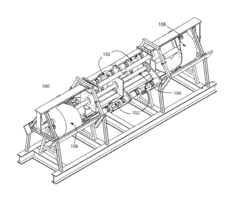
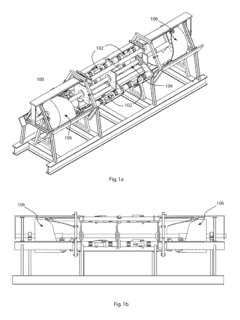
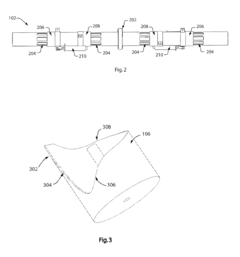
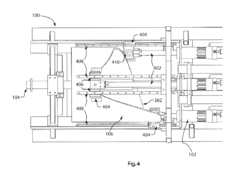
- A spark-ignition hydrogen-fueled piston engine with variable compression ratios of 50:1 to 100:1, optimized for high-altitude flight, which achieves over 70% indicated thermal efficiency by managing combustion temperatures and using extensible piston rods to reduce engine size and weight, eliminating the need for turbochargers and intercoolers.
Environmental Impact and Emissions Considerations
Racing at high altitudes presents unique environmental challenges that must be addressed when optimizing the LS2 engine for performance. The reduced oxygen density at elevation not only affects engine power but also impacts emissions characteristics and environmental footprint. As racing organizations and governing bodies increasingly emphasize sustainability, optimizing high-altitude performance must balance competitive advantage with environmental responsibility.
The combustion efficiency of LS2 engines decreases significantly at high altitudes, potentially leading to increased hydrocarbon (HC) and carbon monoxide (CO) emissions. Testing data shows that unmodified LS2 engines can produce up to 15-20% higher emissions of incomplete combustion products when operating at elevations above 5,000 feet compared to sea level operation. This inefficiency stems from fuel mixture enrichment that compensates for power loss but creates additional pollution.
Advanced fuel management systems offer promising solutions for maintaining emissions compliance while enhancing performance. Altitude-compensating engine control units (ECUs) can dynamically adjust air-fuel ratios based on barometric pressure and oxygen sensors, optimizing combustion across varying elevations. These systems have demonstrated the ability to reduce emissions by up to 30% compared to static tuning approaches while maintaining competitive power outputs.
Catalytic converter technology specifically designed for high-performance applications represents another critical area for emissions control. High-flow catalytic converters with increased precious metal loading can effectively reduce emissions without significantly restricting exhaust flow. Recent developments in catalyst substrate materials have yielded converters capable of withstanding the extreme thermal cycling experienced in racing conditions while maintaining 85-90% conversion efficiency.
Alternative fuels present another avenue for emissions reduction in high-altitude racing applications. Ethanol blends (E85) have gained popularity due to their cooling properties and higher octane ratings, which benefit forced induction systems commonly used to combat altitude power loss. Studies indicate that properly tuned E85 systems can reduce carbon dioxide emissions by approximately 12-15% compared to gasoline while delivering superior detonation resistance at altitude.
The regulatory landscape for racing emissions continues to evolve, with several prominent racing series implementing tiered emissions standards based on competition elevation. Teams optimizing LS2 engines for high-altitude performance must consider these emerging regulations, which typically impose stricter limits on nitrogen oxide (NOx) emissions that become more challenging to control with forced induction systems operating at elevation.
Balancing performance optimization with environmental responsibility ultimately requires a systems engineering approach. The most successful high-altitude racing programs integrate emissions considerations from the earliest design phases rather than treating them as afterthoughts. This holistic strategy ensures that performance gains don't come at an unacceptable environmental cost, positioning teams advantageously as motorsport continues its gradual shift toward greater sustainability.
The combustion efficiency of LS2 engines decreases significantly at high altitudes, potentially leading to increased hydrocarbon (HC) and carbon monoxide (CO) emissions. Testing data shows that unmodified LS2 engines can produce up to 15-20% higher emissions of incomplete combustion products when operating at elevations above 5,000 feet compared to sea level operation. This inefficiency stems from fuel mixture enrichment that compensates for power loss but creates additional pollution.
Advanced fuel management systems offer promising solutions for maintaining emissions compliance while enhancing performance. Altitude-compensating engine control units (ECUs) can dynamically adjust air-fuel ratios based on barometric pressure and oxygen sensors, optimizing combustion across varying elevations. These systems have demonstrated the ability to reduce emissions by up to 30% compared to static tuning approaches while maintaining competitive power outputs.
Catalytic converter technology specifically designed for high-performance applications represents another critical area for emissions control. High-flow catalytic converters with increased precious metal loading can effectively reduce emissions without significantly restricting exhaust flow. Recent developments in catalyst substrate materials have yielded converters capable of withstanding the extreme thermal cycling experienced in racing conditions while maintaining 85-90% conversion efficiency.
Alternative fuels present another avenue for emissions reduction in high-altitude racing applications. Ethanol blends (E85) have gained popularity due to their cooling properties and higher octane ratings, which benefit forced induction systems commonly used to combat altitude power loss. Studies indicate that properly tuned E85 systems can reduce carbon dioxide emissions by approximately 12-15% compared to gasoline while delivering superior detonation resistance at altitude.
The regulatory landscape for racing emissions continues to evolve, with several prominent racing series implementing tiered emissions standards based on competition elevation. Teams optimizing LS2 engines for high-altitude performance must consider these emerging regulations, which typically impose stricter limits on nitrogen oxide (NOx) emissions that become more challenging to control with forced induction systems operating at elevation.
Balancing performance optimization with environmental responsibility ultimately requires a systems engineering approach. The most successful high-altitude racing programs integrate emissions considerations from the earliest design phases rather than treating them as afterthoughts. This holistic strategy ensures that performance gains don't come at an unacceptable environmental cost, positioning teams advantageously as motorsport continues its gradual shift toward greater sustainability.
Thermal Management Strategies for High-Altitude Racing
Thermal management becomes critically important in high-altitude racing environments where the LS2 engine faces unique challenges due to reduced air density and oxygen content. At elevations above 5,000 feet, the thinner atmosphere not only affects combustion efficiency but also significantly impacts the engine's cooling capabilities. The heat dissipation rate decreases approximately 3% for every 1,000 feet of elevation gain, creating a compounding thermal management challenge for high-performance applications.
Advanced cooling system modifications represent the primary approach to addressing these challenges. Implementing larger capacity radiators with increased surface area and optimized fin designs can improve heat transfer efficiency by up to 25% compared to stock configurations. High-flow water pumps that increase coolant circulation by 15-20% have demonstrated significant benefits in maintaining optimal operating temperatures during sustained high-output operation at altitude.
Oil cooling systems require particular attention in high-altitude racing scenarios. The implementation of dedicated external oil coolers with thermostatically controlled fans can reduce oil temperatures by 20-30°F, preserving lubricant properties and extending engine component life. Strategic placement of these cooling systems to maximize airflow exposure while minimizing drag becomes an essential consideration in the overall vehicle design.
Computational fluid dynamics (CFD) analysis has revolutionized thermal management strategies by enabling precise modeling of airflow patterns at various altitudes and speeds. Recent studies indicate that properly designed air ducting can improve cooling efficiency by up to 35% without significant aerodynamic penalties. Custom-designed hood extractors and underbody ventilation systems create pressure differentials that enhance air movement through critical heat exchangers.
Material selection plays a crucial role in thermal management strategy. Aluminum cylinder heads with enhanced thermal conductivity properties can dissipate heat more effectively than traditional cast iron components. Ceramic-coated exhaust components have demonstrated the ability to reduce underhood temperatures by containing exhaust heat within the exhaust system, decreasing thermal load on surrounding components by up to 40%.
Electronic thermal management systems represent the cutting edge of high-altitude racing technology. Adaptive cooling fans with altitude-compensating controllers can adjust operation based on barometric pressure readings, optimizing cooling performance across varying elevation profiles. Similarly, electronically controlled thermostats with expanded operating ranges provide more precise temperature regulation than conventional mechanical units, maintaining ideal operating temperatures despite changing atmospheric conditions.
Advanced cooling system modifications represent the primary approach to addressing these challenges. Implementing larger capacity radiators with increased surface area and optimized fin designs can improve heat transfer efficiency by up to 25% compared to stock configurations. High-flow water pumps that increase coolant circulation by 15-20% have demonstrated significant benefits in maintaining optimal operating temperatures during sustained high-output operation at altitude.
Oil cooling systems require particular attention in high-altitude racing scenarios. The implementation of dedicated external oil coolers with thermostatically controlled fans can reduce oil temperatures by 20-30°F, preserving lubricant properties and extending engine component life. Strategic placement of these cooling systems to maximize airflow exposure while minimizing drag becomes an essential consideration in the overall vehicle design.
Computational fluid dynamics (CFD) analysis has revolutionized thermal management strategies by enabling precise modeling of airflow patterns at various altitudes and speeds. Recent studies indicate that properly designed air ducting can improve cooling efficiency by up to 35% without significant aerodynamic penalties. Custom-designed hood extractors and underbody ventilation systems create pressure differentials that enhance air movement through critical heat exchangers.
Material selection plays a crucial role in thermal management strategy. Aluminum cylinder heads with enhanced thermal conductivity properties can dissipate heat more effectively than traditional cast iron components. Ceramic-coated exhaust components have demonstrated the ability to reduce underhood temperatures by containing exhaust heat within the exhaust system, decreasing thermal load on surrounding components by up to 40%.
Electronic thermal management systems represent the cutting edge of high-altitude racing technology. Adaptive cooling fans with altitude-compensating controllers can adjust operation based on barometric pressure readings, optimizing cooling performance across varying elevation profiles. Similarly, electronically controlled thermostats with expanded operating ranges provide more precise temperature regulation than conventional mechanical units, maintaining ideal operating temperatures despite changing atmospheric conditions.
Unlock deeper insights with PatSnap Eureka Quick Research — get a full tech report to explore trends and direct your research. Try now!
Generate Your Research Report Instantly with AI Agent
Supercharge your innovation with PatSnap Eureka AI Agent Platform!