Role of Glycerol in Modulating Redox Reactions in Cells
JUL 24, 20258 MIN READ
Generate Your Research Report Instantly with AI Agent
Patsnap Eureka helps you evaluate technical feasibility & market potential.
Glycerol in Redox Biology
Glycerol plays a crucial role in cellular redox biology, acting as a key modulator of redox reactions within cells. This polyol compound, with its three hydroxyl groups, serves as both a structural component and a functional molecule in various cellular processes. The importance of glycerol in redox biology stems from its ability to influence the balance between oxidative and reductive states within cellular environments.
In the context of redox reactions, glycerol acts as a potent antioxidant, helping to neutralize reactive oxygen species (ROS) and free radicals. Its antioxidant properties are attributed to its capacity to donate hydrogen atoms, effectively scavenging harmful oxidative molecules. This protective mechanism is particularly significant in maintaining cellular homeostasis and preventing oxidative stress-induced damage to cellular components such as proteins, lipids, and nucleic acids.
Glycerol's role extends beyond its direct antioxidant function. It serves as a precursor for the synthesis of important redox-active molecules, including glycerol-3-phosphate and dihydroxyacetone phosphate. These metabolites are integral to the glycerol phosphate shuttle, a system that facilitates the transfer of reducing equivalents between the cytosol and mitochondria. This shuttle mechanism is crucial for maintaining the NAD+/NADH ratio, a key indicator of cellular redox state.
Furthermore, glycerol influences cellular redox status through its involvement in lipid metabolism. As a backbone for triglyceride synthesis, glycerol indirectly affects the cellular lipid composition, which in turn impacts membrane fluidity and the susceptibility of cells to oxidative damage. The interplay between glycerol metabolism and lipid homeostasis contributes to the overall redox balance within cells.
Recent research has highlighted glycerol's role in modulating the activity of redox-sensitive enzymes and transcription factors. By altering the cellular redox environment, glycerol can influence the expression of genes involved in antioxidant defense mechanisms and stress response pathways. This regulatory function underscores the compound's importance in cellular adaptation to oxidative challenges.
In the broader context of cellular physiology, glycerol's redox-modulating properties have implications for various biological processes, including energy metabolism, cell signaling, and apoptosis. The compound's ability to fine-tune redox reactions contributes to the maintenance of cellular health and resilience against oxidative insults, making it a critical player in the complex network of redox biology.
In the context of redox reactions, glycerol acts as a potent antioxidant, helping to neutralize reactive oxygen species (ROS) and free radicals. Its antioxidant properties are attributed to its capacity to donate hydrogen atoms, effectively scavenging harmful oxidative molecules. This protective mechanism is particularly significant in maintaining cellular homeostasis and preventing oxidative stress-induced damage to cellular components such as proteins, lipids, and nucleic acids.
Glycerol's role extends beyond its direct antioxidant function. It serves as a precursor for the synthesis of important redox-active molecules, including glycerol-3-phosphate and dihydroxyacetone phosphate. These metabolites are integral to the glycerol phosphate shuttle, a system that facilitates the transfer of reducing equivalents between the cytosol and mitochondria. This shuttle mechanism is crucial for maintaining the NAD+/NADH ratio, a key indicator of cellular redox state.
Furthermore, glycerol influences cellular redox status through its involvement in lipid metabolism. As a backbone for triglyceride synthesis, glycerol indirectly affects the cellular lipid composition, which in turn impacts membrane fluidity and the susceptibility of cells to oxidative damage. The interplay between glycerol metabolism and lipid homeostasis contributes to the overall redox balance within cells.
Recent research has highlighted glycerol's role in modulating the activity of redox-sensitive enzymes and transcription factors. By altering the cellular redox environment, glycerol can influence the expression of genes involved in antioxidant defense mechanisms and stress response pathways. This regulatory function underscores the compound's importance in cellular adaptation to oxidative challenges.
In the broader context of cellular physiology, glycerol's redox-modulating properties have implications for various biological processes, including energy metabolism, cell signaling, and apoptosis. The compound's ability to fine-tune redox reactions contributes to the maintenance of cellular health and resilience against oxidative insults, making it a critical player in the complex network of redox biology.
Market for Glycerol-Based Products
The market for glycerol-based products has experienced significant growth in recent years, driven by the increasing demand for sustainable and bio-based alternatives across various industries. Glycerol, a byproduct of biodiesel production, has emerged as a versatile raw material with applications in pharmaceuticals, personal care, food and beverages, and industrial sectors.
In the pharmaceutical industry, glycerol plays a crucial role in drug formulations, serving as a solvent, humectant, and preservative. The growing emphasis on healthcare and the rising prevalence of chronic diseases have contributed to the expansion of this market segment. Glycerol-based pharmaceuticals are particularly valued for their ability to enhance drug stability and improve patient compliance.
The personal care and cosmetics industry represents another major market for glycerol-based products. Glycerol's moisturizing properties make it an essential ingredient in skincare products, lotions, and hair care formulations. The increasing consumer preference for natural and organic personal care products has further boosted the demand for glycerol in this sector.
In the food and beverage industry, glycerol finds applications as a sweetener, humectant, and preservative. The growing awareness of health and wellness among consumers has led to an increased demand for low-calorie and sugar-free products, where glycerol serves as an excellent alternative sweetener.
The industrial sector utilizes glycerol in various applications, including lubricants, antifreeze, and polymer production. The shift towards environmentally friendly and bio-based industrial products has created new opportunities for glycerol-based solutions in this market segment.
The global glycerol market has witnessed steady growth, with Asia-Pacific emerging as the fastest-growing region due to rapid industrialization and increasing consumer awareness. North America and Europe continue to be significant markets, driven by stringent regulations promoting the use of bio-based products and sustainable manufacturing practices.
Key market players in the glycerol industry include Emery Oleochemicals, Kuala Lumpur Kepong Berhad, and Wilmar International Ltd. These companies are investing in research and development to expand their product portfolios and cater to evolving customer needs.
The future of the glycerol-based products market looks promising, with ongoing research into novel applications and the development of advanced glycerol derivatives. The market is expected to benefit from the growing trend towards circular economy principles and the increasing adoption of bio-based materials across industries.
In the pharmaceutical industry, glycerol plays a crucial role in drug formulations, serving as a solvent, humectant, and preservative. The growing emphasis on healthcare and the rising prevalence of chronic diseases have contributed to the expansion of this market segment. Glycerol-based pharmaceuticals are particularly valued for their ability to enhance drug stability and improve patient compliance.
The personal care and cosmetics industry represents another major market for glycerol-based products. Glycerol's moisturizing properties make it an essential ingredient in skincare products, lotions, and hair care formulations. The increasing consumer preference for natural and organic personal care products has further boosted the demand for glycerol in this sector.
In the food and beverage industry, glycerol finds applications as a sweetener, humectant, and preservative. The growing awareness of health and wellness among consumers has led to an increased demand for low-calorie and sugar-free products, where glycerol serves as an excellent alternative sweetener.
The industrial sector utilizes glycerol in various applications, including lubricants, antifreeze, and polymer production. The shift towards environmentally friendly and bio-based industrial products has created new opportunities for glycerol-based solutions in this market segment.
The global glycerol market has witnessed steady growth, with Asia-Pacific emerging as the fastest-growing region due to rapid industrialization and increasing consumer awareness. North America and Europe continue to be significant markets, driven by stringent regulations promoting the use of bio-based products and sustainable manufacturing practices.
Key market players in the glycerol industry include Emery Oleochemicals, Kuala Lumpur Kepong Berhad, and Wilmar International Ltd. These companies are investing in research and development to expand their product portfolios and cater to evolving customer needs.
The future of the glycerol-based products market looks promising, with ongoing research into novel applications and the development of advanced glycerol derivatives. The market is expected to benefit from the growing trend towards circular economy principles and the increasing adoption of bio-based materials across industries.
Current Understanding of Glycerol's Redox Role
Glycerol plays a crucial role in modulating redox reactions within cellular environments. Recent research has shed light on its multifaceted functions in maintaining cellular redox homeostasis. Primarily, glycerol acts as a potent osmolyte, helping cells regulate their internal water content and protect against osmotic stress. This function indirectly supports redox balance by maintaining cellular integrity and preventing oxidative damage caused by osmotic imbalances.
Furthermore, glycerol serves as a precursor for various metabolic pathways that are integral to redox regulation. It can be converted to glyceraldehyde 3-phosphate, a key intermediate in glycolysis, which feeds into the pentose phosphate pathway. This pathway is crucial for generating NADPH, a major cellular reducing agent that counteracts oxidative stress and supports antioxidant systems.
Recent studies have also revealed glycerol's direct involvement in the regeneration of reducing equivalents. It has been observed that glycerol can act as an electron donor in certain metabolic processes, contributing to the maintenance of the NAD+/NADH ratio. This ratio is fundamental to cellular redox state and influences numerous enzymatic reactions and signaling pathways.
In addition, glycerol has been found to interact with and stabilize proteins, potentially protecting them from oxidative damage. This chaperone-like activity may help preserve the function of redox-sensitive enzymes and transcription factors, thereby indirectly supporting cellular redox homeostasis.
Emerging evidence suggests that glycerol may also play a role in modulating the activity of certain antioxidant enzymes. For instance, some studies have reported that glycerol can enhance the activity of catalase and superoxide dismutase, two key enzymes in the cellular antioxidant defense system. This enhancement could potentially boost the cell's capacity to neutralize reactive oxygen species and maintain redox balance.
Moreover, glycerol has been implicated in the regulation of mitochondrial function, which is closely tied to cellular redox state. By influencing mitochondrial metabolism and energy production, glycerol may indirectly affect the generation and management of reactive oxygen species within the cell.
Recent research has also highlighted glycerol's potential role in redox signaling pathways. It has been proposed that changes in intracellular glycerol concentrations may serve as a signal for activating stress response mechanisms, including those related to oxidative stress. This suggests that glycerol may act as a molecular sensor, helping cells adapt to changing redox conditions.
Furthermore, glycerol serves as a precursor for various metabolic pathways that are integral to redox regulation. It can be converted to glyceraldehyde 3-phosphate, a key intermediate in glycolysis, which feeds into the pentose phosphate pathway. This pathway is crucial for generating NADPH, a major cellular reducing agent that counteracts oxidative stress and supports antioxidant systems.
Recent studies have also revealed glycerol's direct involvement in the regeneration of reducing equivalents. It has been observed that glycerol can act as an electron donor in certain metabolic processes, contributing to the maintenance of the NAD+/NADH ratio. This ratio is fundamental to cellular redox state and influences numerous enzymatic reactions and signaling pathways.
In addition, glycerol has been found to interact with and stabilize proteins, potentially protecting them from oxidative damage. This chaperone-like activity may help preserve the function of redox-sensitive enzymes and transcription factors, thereby indirectly supporting cellular redox homeostasis.
Emerging evidence suggests that glycerol may also play a role in modulating the activity of certain antioxidant enzymes. For instance, some studies have reported that glycerol can enhance the activity of catalase and superoxide dismutase, two key enzymes in the cellular antioxidant defense system. This enhancement could potentially boost the cell's capacity to neutralize reactive oxygen species and maintain redox balance.
Moreover, glycerol has been implicated in the regulation of mitochondrial function, which is closely tied to cellular redox state. By influencing mitochondrial metabolism and energy production, glycerol may indirectly affect the generation and management of reactive oxygen species within the cell.
Recent research has also highlighted glycerol's potential role in redox signaling pathways. It has been proposed that changes in intracellular glycerol concentrations may serve as a signal for activating stress response mechanisms, including those related to oxidative stress. This suggests that glycerol may act as a molecular sensor, helping cells adapt to changing redox conditions.
Existing Glycerol Applications
01 Glycerol oxidation reactions
Glycerol can undergo oxidation reactions to produce various valuable chemicals. These reactions typically involve the use of catalysts and oxidizing agents to convert glycerol into compounds such as dihydroxyacetone, glyceric acid, or tartronic acid. The oxidation process can be controlled to selectively produce desired products by adjusting reaction conditions and catalyst properties.- Glycerol oxidation reactions: Glycerol can undergo oxidation reactions to produce various valuable chemicals. These reactions typically involve the use of catalysts and oxidizing agents to convert glycerol into compounds such as glyceric acid, dihydroxyacetone, or glyceraldehyde. The oxidation process can be controlled to selectively produce desired products, making it an important area of research in the field of glycerol valorization.
- Glycerol reduction reactions: Reduction reactions of glycerol involve the conversion of glycerol to other compounds through the addition of hydrogen or removal of oxygen. These reactions can produce valuable chemicals such as propylene glycol or 1,3-propanediol. Catalysts play a crucial role in these reactions, and research focuses on developing efficient and selective catalytic systems for glycerol reduction.
- Electrochemical redox reactions of glycerol: Electrochemical methods can be employed to carry out redox reactions of glycerol. These processes involve the use of electrodes and electrical current to drive oxidation or reduction reactions. Electrochemical approaches offer advantages such as mild reaction conditions and the potential for selective product formation. Research in this area focuses on developing efficient electrode materials and optimizing reaction conditions.
- Catalytic systems for glycerol redox reactions: The development of catalytic systems is crucial for efficient and selective glycerol redox reactions. Various types of catalysts, including homogeneous and heterogeneous catalysts, are being investigated. Research focuses on designing catalysts with high activity, selectivity, and stability. Novel catalyst materials, such as supported metal nanoparticles or bimetallic catalysts, are being explored to improve the performance of glycerol redox reactions.
- Applications of glycerol redox reactions: Glycerol redox reactions have various applications in the chemical industry and biotechnology. The products of these reactions can be used as building blocks for the synthesis of polymers, pharmaceuticals, and other valuable chemicals. Additionally, some glycerol redox reactions are being explored for energy applications, such as the production of hydrogen or the development of glycerol-based fuel cells. Research in this area aims to optimize reaction conditions and develop scalable processes for industrial applications.
02 Glycerol reduction reactions
Reduction of glycerol can lead to the formation of propylene glycol and other valuable chemicals. These reactions often involve hydrogenation processes using metal catalysts. The reduction of glycerol can be an important pathway for converting this renewable resource into industrially useful compounds, particularly in the context of biodiesel production where glycerol is a byproduct.Expand Specific Solutions03 Electrochemical conversion of glycerol
Electrochemical methods can be employed to convert glycerol through redox reactions. These processes involve the use of electrodes and electrolytes to facilitate the oxidation or reduction of glycerol. Electrochemical conversion can offer advantages such as mild reaction conditions and the potential for selective product formation.Expand Specific Solutions04 Catalytic systems for glycerol redox reactions
Various catalytic systems have been developed to enhance the efficiency and selectivity of glycerol redox reactions. These may include heterogeneous catalysts, such as supported metal nanoparticles, as well as homogeneous catalysts. The design and optimization of these catalytic systems play a crucial role in improving the yield and selectivity of desired products from glycerol conversion.Expand Specific Solutions05 Applications of glycerol redox products
The products obtained from glycerol redox reactions have diverse applications in various industries. These include the use of oxidation products in cosmetics and pharmaceuticals, and reduction products as antifreeze agents or polymer precursors. The development of efficient redox processes for glycerol can contribute to the valorization of this renewable resource and promote sustainable chemical production.Expand Specific Solutions
Key Players in Glycerol Research
The role of glycerol in modulating redox reactions in cells represents a dynamic field with significant potential for therapeutic applications. The market is in an early growth stage, characterized by increasing research activities and emerging commercial opportunities. While the exact market size is not well-defined, it is expected to expand as understanding of glycerol's cellular functions deepens. Technologically, the field is progressing rapidly, with companies like Amgen, Dr. Reddy's Laboratories, and Chugai Pharmaceutical leading research efforts. Academic institutions such as Beijing University of Chemical Technology and City of Hope National Cancer Institute are also contributing significantly to advancing the knowledge base in this area.
Amgen, Inc.
Technical Solution: Amgen has made significant strides in understanding the role of glycerol in modulating redox reactions within cells. Their research has revealed that glycerol acts as a crucial osmoprotectant and antioxidant in cellular systems[3]. Amgen's scientists have developed a proprietary technology that leverages glycerol's redox-modulating properties to enhance the stability and efficacy of biopharmaceuticals. This technology involves incorporating glycerol into protein formulations to protect them from oxidative damage during manufacturing and storage[4]. Furthermore, Amgen is exploring the use of glycerol-based compounds as potential treatments for diseases characterized by redox imbalances, such as neurodegenerative disorders and certain types of cancer[5].
Strengths: Advanced understanding of glycerol's role in cellular redox processes, innovative applications in biopharmaceutical stabilization. Weaknesses: May face challenges in translating glycerol-based therapies to clinical settings due to complex cellular redox mechanisms.
BASF Plant Science LLC
Technical Solution: BASF Plant Science has been investigating the role of glycerol in modulating redox reactions in plant cells, with potential applications in agriculture and biotechnology. Their research has demonstrated that glycerol plays a crucial role in plant stress responses, particularly in maintaining redox homeostasis under adverse environmental conditions[12]. BASF has developed transgenic plant lines with enhanced glycerol biosynthesis and metabolism, resulting in improved stress tolerance and yield stability[13]. Additionally, the company is exploring the use of glycerol-based formulations as foliar sprays to enhance crop resilience to oxidative stress caused by factors such as drought, salinity, and extreme temperatures. These formulations are designed to boost the plant's natural redox defense mechanisms and improve overall crop performance[14].
Strengths: Unique focus on plant-based applications, potential for significant impact in agriculture and food security. Weaknesses: May face regulatory and public acceptance challenges associated with genetically modified crops and novel agricultural technologies.
Core Glycerol Redox Mechanisms
Methods for producing isopropanol and acetone in a microorganism
PatentPendingUS20220090045A1
Innovation
- Engineering recombinant microorganisms to uptake extracellular glycerol, overexpress glycerol import proteins like STL1, and downregulate or delete glycerol production genes, while introducing alternative metabolic pathways to convert carbohydrates to alcohols, such as ethanol or isopropanol, thereby reducing intracellular glycerol production.
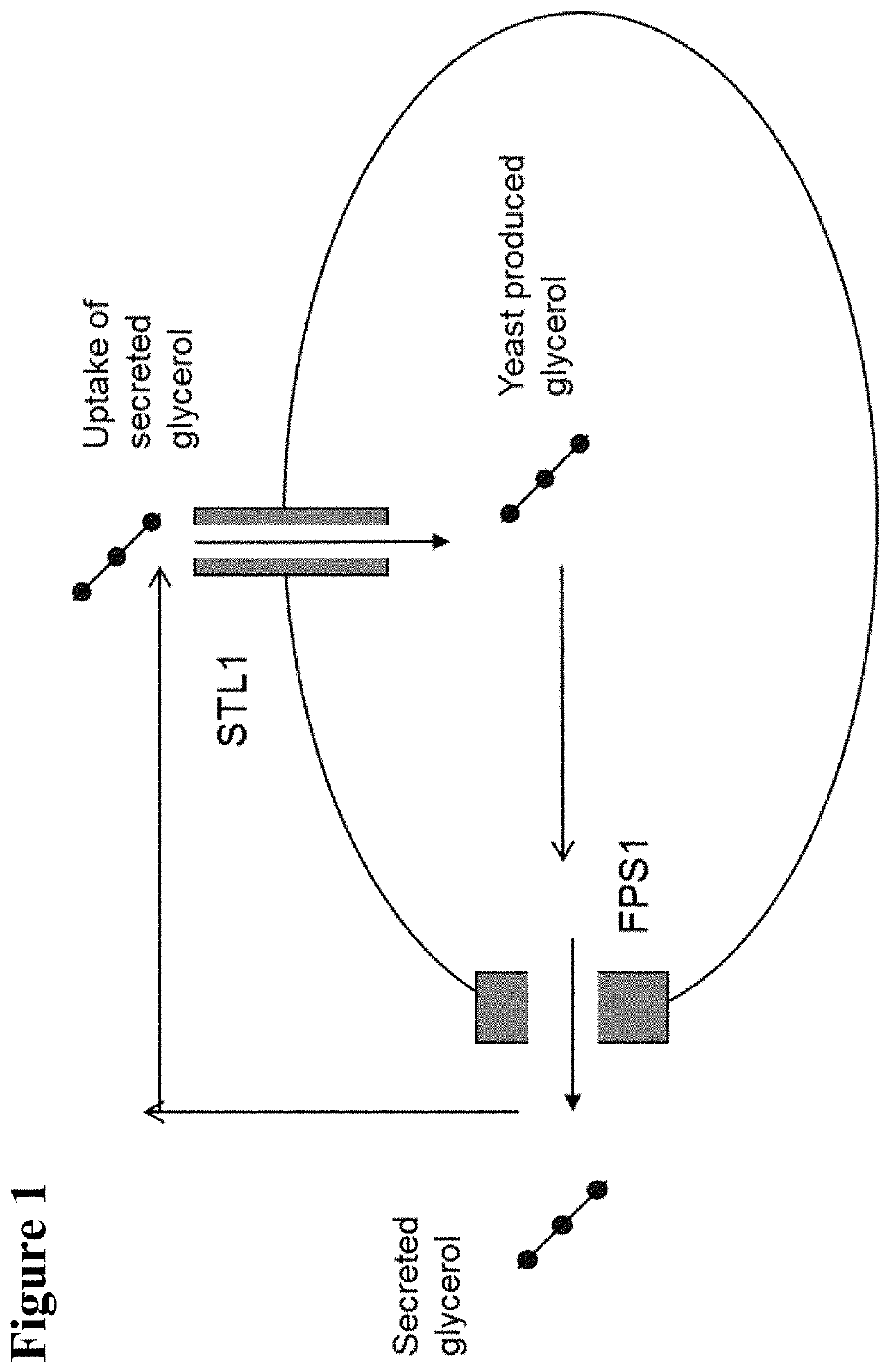
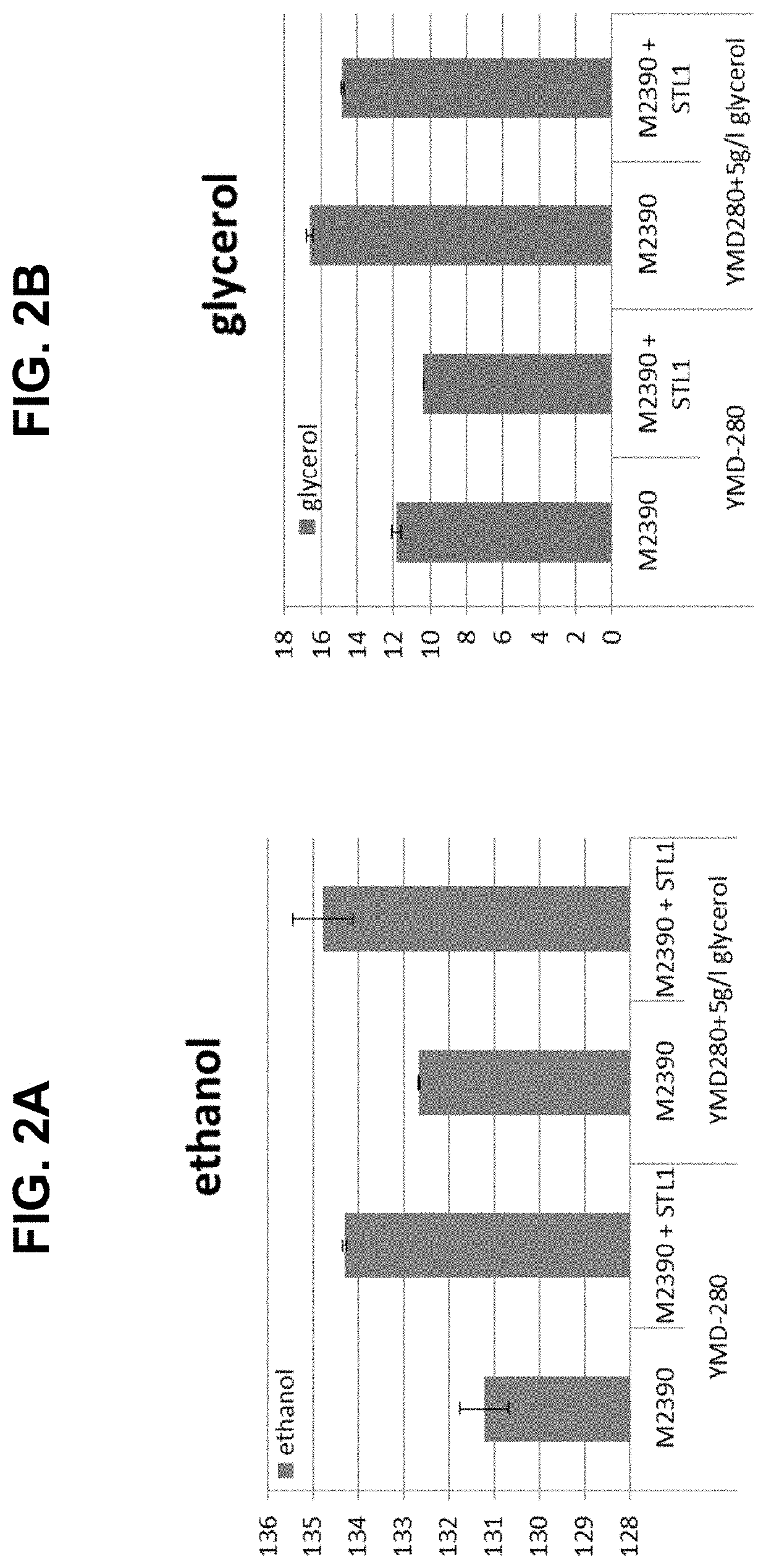
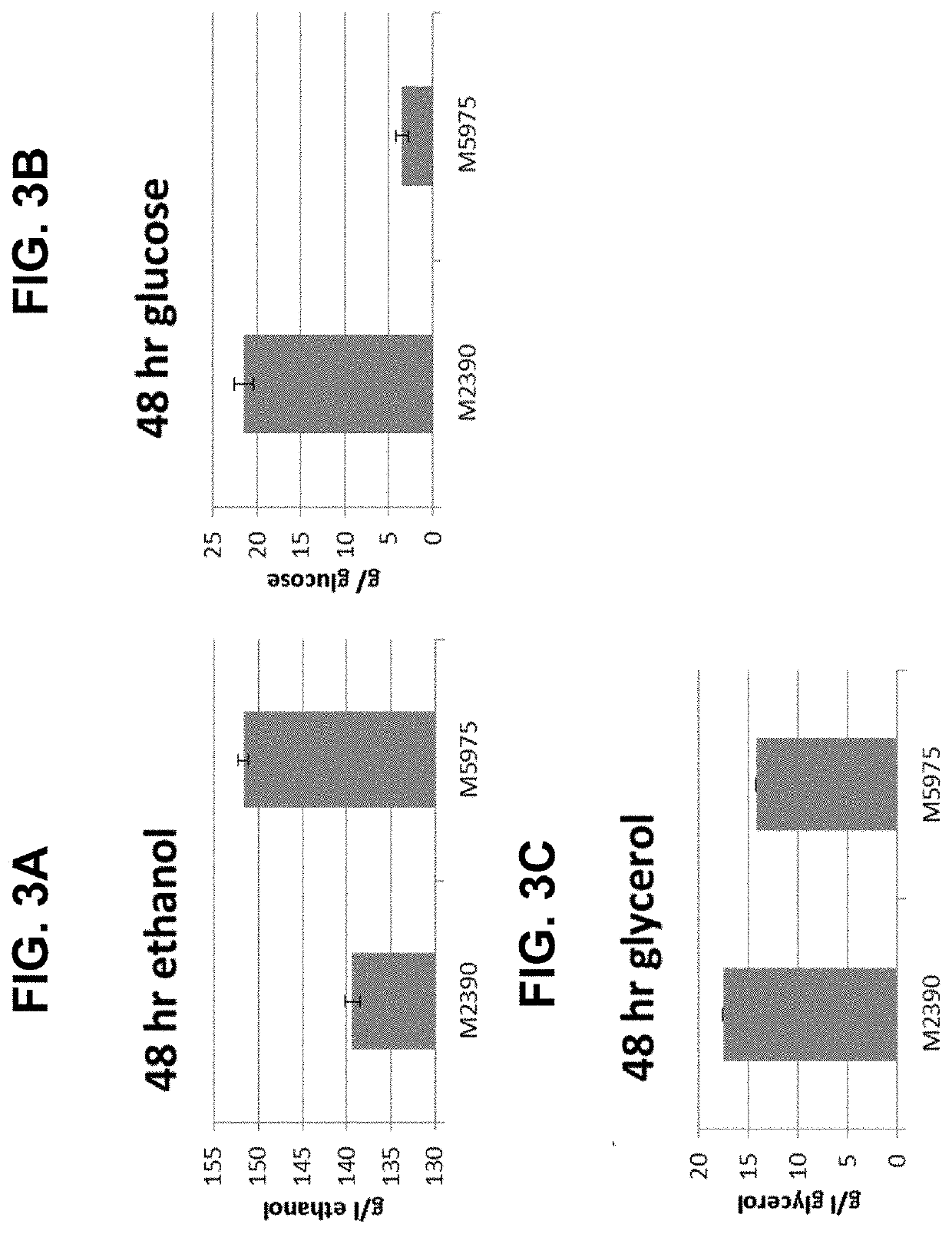
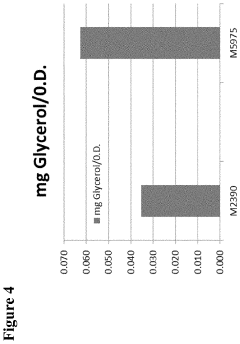
Combination comprising n-acetyl-l-cysteine and its use
PatentPendingUS20220110907A1
Innovation
- A combination of N-acetyl-L-cysteine, selenium in the form of selenomethionine, and melatonin is administered together to enhance NAC's efficacy, reducing the required NAC concentration and minimizing undesirable effects, thereby improving treatment outcomes for various diseases and conditions.


Glycerol in Metabolic Engineering
Glycerol plays a crucial role in metabolic engineering, offering numerous opportunities for enhancing cellular processes and improving industrial biotechnology applications. As a versatile molecule, glycerol serves as both a carbon source and a redox balancing agent in cellular metabolism. Its ability to modulate redox reactions makes it an attractive target for metabolic engineering strategies aimed at optimizing cellular performance and product yields.
In the context of metabolic engineering, glycerol can be utilized to manipulate the intracellular redox state, thereby influencing various metabolic pathways. By altering the NADH/NAD+ ratio, glycerol metabolism can redirect carbon flux towards desired products and enhance the overall efficiency of bioprocesses. This property has been exploited in the production of valuable compounds such as 1,3-propanediol, succinic acid, and ethanol.
The integration of glycerol into metabolic engineering approaches often involves the overexpression or modification of key enzymes involved in glycerol metabolism. For instance, engineering the glycerol dehydrogenase and dihydroxyacetone kinase pathways can enhance glycerol utilization and improve product formation. Additionally, the manipulation of glycerol-3-phosphate dehydrogenase can affect the redox balance and influence the production of reduced metabolites.
Metabolic engineering strategies involving glycerol have been successfully applied in various microorganisms, including Escherichia coli, Saccharomyces cerevisiae, and Clostridium species. These efforts have resulted in improved production of biofuels, organic acids, and other value-added chemicals. For example, engineered E. coli strains have demonstrated enhanced production of 1,3-propanediol from glycerol, while modified S. cerevisiae strains have shown increased ethanol yields using glycerol as a substrate.
The use of glycerol in metabolic engineering also extends to the development of more robust and stress-tolerant strains. By modulating the intracellular redox state, glycerol can enhance cellular resistance to various environmental stresses, such as oxidative stress and osmotic pressure. This property is particularly valuable in industrial fermentation processes, where microorganisms often face challenging conditions.
Furthermore, the integration of glycerol metabolism with other metabolic pathways offers opportunities for developing novel bioprocesses and expanding the range of products that can be efficiently produced through metabolic engineering. For instance, combining glycerol utilization with the pentose phosphate pathway or the tricarboxylic acid cycle can lead to more efficient production of aromatic compounds or organic acids, respectively.
In the context of metabolic engineering, glycerol can be utilized to manipulate the intracellular redox state, thereby influencing various metabolic pathways. By altering the NADH/NAD+ ratio, glycerol metabolism can redirect carbon flux towards desired products and enhance the overall efficiency of bioprocesses. This property has been exploited in the production of valuable compounds such as 1,3-propanediol, succinic acid, and ethanol.
The integration of glycerol into metabolic engineering approaches often involves the overexpression or modification of key enzymes involved in glycerol metabolism. For instance, engineering the glycerol dehydrogenase and dihydroxyacetone kinase pathways can enhance glycerol utilization and improve product formation. Additionally, the manipulation of glycerol-3-phosphate dehydrogenase can affect the redox balance and influence the production of reduced metabolites.
Metabolic engineering strategies involving glycerol have been successfully applied in various microorganisms, including Escherichia coli, Saccharomyces cerevisiae, and Clostridium species. These efforts have resulted in improved production of biofuels, organic acids, and other value-added chemicals. For example, engineered E. coli strains have demonstrated enhanced production of 1,3-propanediol from glycerol, while modified S. cerevisiae strains have shown increased ethanol yields using glycerol as a substrate.
The use of glycerol in metabolic engineering also extends to the development of more robust and stress-tolerant strains. By modulating the intracellular redox state, glycerol can enhance cellular resistance to various environmental stresses, such as oxidative stress and osmotic pressure. This property is particularly valuable in industrial fermentation processes, where microorganisms often face challenging conditions.
Furthermore, the integration of glycerol metabolism with other metabolic pathways offers opportunities for developing novel bioprocesses and expanding the range of products that can be efficiently produced through metabolic engineering. For instance, combining glycerol utilization with the pentose phosphate pathway or the tricarboxylic acid cycle can lead to more efficient production of aromatic compounds or organic acids, respectively.
Glycerol's Impact on Cell Viability
Glycerol plays a crucial role in modulating redox reactions within cells, significantly impacting cell viability. This polyol compound serves as a key player in maintaining cellular homeostasis and protecting cells against various stressors. Its impact on cell viability is multifaceted, involving several interconnected mechanisms.
One of the primary ways glycerol influences cell viability is through its role as an osmolyte. By regulating intracellular osmotic pressure, glycerol helps cells maintain their structural integrity and prevent excessive water loss or gain. This osmotic balance is essential for preserving cellular functions and preventing cell death due to osmotic stress.
Glycerol also acts as a chemical chaperone, stabilizing protein structures and preventing protein denaturation under stress conditions. This property is particularly important in protecting cells against heat shock and oxidative stress, both of which can lead to protein misfolding and aggregation. By maintaining proper protein folding, glycerol contributes to the overall health and survival of cells.
In the context of redox reactions, glycerol serves as a potent antioxidant. It scavenges reactive oxygen species (ROS) and free radicals, thereby reducing oxidative damage to cellular components such as lipids, proteins, and DNA. This antioxidant activity is crucial for preventing oxidative stress-induced cell death and maintaining cellular longevity.
Furthermore, glycerol influences cellular metabolism by serving as a precursor for various metabolic pathways. It can be converted to glyceraldehyde 3-phosphate, an intermediate in glycolysis, providing cells with an alternative energy source. This metabolic flexibility enhances cell survival under conditions of nutrient deprivation or metabolic stress.
Glycerol's impact on cell viability extends to its role in membrane stabilization. By interacting with membrane phospholipids, glycerol helps maintain membrane fluidity and integrity. This is particularly important in protecting cells against freeze-thaw damage and other forms of membrane stress.
In addition, glycerol has been shown to modulate cellular signaling pathways involved in stress response and survival. It can activate stress-responsive transcription factors and upregulate the expression of genes involved in cellular defense mechanisms. This adaptive response enhances the cell's ability to withstand various environmental stressors and maintain viability.
The cytoprotective effects of glycerol have been observed across various cell types and organisms, highlighting its universal importance in cell survival. From bacteria to mammalian cells, glycerol's role in maintaining redox balance and cellular homeostasis contributes significantly to overall cell viability and resilience against environmental challenges.
One of the primary ways glycerol influences cell viability is through its role as an osmolyte. By regulating intracellular osmotic pressure, glycerol helps cells maintain their structural integrity and prevent excessive water loss or gain. This osmotic balance is essential for preserving cellular functions and preventing cell death due to osmotic stress.
Glycerol also acts as a chemical chaperone, stabilizing protein structures and preventing protein denaturation under stress conditions. This property is particularly important in protecting cells against heat shock and oxidative stress, both of which can lead to protein misfolding and aggregation. By maintaining proper protein folding, glycerol contributes to the overall health and survival of cells.
In the context of redox reactions, glycerol serves as a potent antioxidant. It scavenges reactive oxygen species (ROS) and free radicals, thereby reducing oxidative damage to cellular components such as lipids, proteins, and DNA. This antioxidant activity is crucial for preventing oxidative stress-induced cell death and maintaining cellular longevity.
Furthermore, glycerol influences cellular metabolism by serving as a precursor for various metabolic pathways. It can be converted to glyceraldehyde 3-phosphate, an intermediate in glycolysis, providing cells with an alternative energy source. This metabolic flexibility enhances cell survival under conditions of nutrient deprivation or metabolic stress.
Glycerol's impact on cell viability extends to its role in membrane stabilization. By interacting with membrane phospholipids, glycerol helps maintain membrane fluidity and integrity. This is particularly important in protecting cells against freeze-thaw damage and other forms of membrane stress.
In addition, glycerol has been shown to modulate cellular signaling pathways involved in stress response and survival. It can activate stress-responsive transcription factors and upregulate the expression of genes involved in cellular defense mechanisms. This adaptive response enhances the cell's ability to withstand various environmental stressors and maintain viability.
The cytoprotective effects of glycerol have been observed across various cell types and organisms, highlighting its universal importance in cell survival. From bacteria to mammalian cells, glycerol's role in maintaining redox balance and cellular homeostasis contributes significantly to overall cell viability and resilience against environmental challenges.
Unlock deeper insights with Patsnap Eureka Quick Research — get a full tech report to explore trends and direct your research. Try now!
Generate Your Research Report Instantly with AI Agent
Supercharge your innovation with Patsnap Eureka AI Agent Platform!