

Silicone Rubber Contributions to Artificial Intelligence Integration
JUL 8, 20259 MIN READ
Generate Your Research Report Instantly with AI Agent
PatSnap Eureka helps you evaluate technical feasibility & market potential.
Silicone AI Integration Background and Objectives
Silicone rubber has emerged as a pivotal material in the integration of artificial intelligence (AI) technologies across various industries. This versatile elastomer, known for its unique combination of flexibility, durability, and electrical properties, has become increasingly relevant in the development of AI-enabled devices and systems. The evolution of silicone rubber applications in AI integration can be traced back to the early 2000s, when researchers began exploring its potential in creating more responsive and adaptable interfaces for human-machine interaction.
As AI technologies have advanced, so too has the sophistication of silicone rubber applications. The material's ability to mimic human tissue properties has made it particularly valuable in the field of soft robotics and prosthetics, where AI-driven control systems require a physical interface that can respond dynamically to environmental stimuli. This synergy between silicone rubber and AI has opened up new possibilities for creating more intuitive and natural interactions between humans and intelligent machines.
The primary objective of integrating silicone rubber with AI is to enhance the functionality, reliability, and user experience of smart devices and systems. By leveraging the unique properties of silicone rubber, researchers and engineers aim to develop more robust sensors, actuators, and interfaces that can withstand diverse operating conditions while providing accurate data input for AI algorithms. This integration is expected to lead to significant advancements in areas such as wearable technology, healthcare monitoring, and environmental sensing.
Another key goal is to explore the potential of silicone rubber in creating adaptive and self-healing materials that can work in tandem with AI systems. This could revolutionize the field of predictive maintenance, allowing for the development of intelligent structures that can autonomously detect and repair damage, thereby extending the lifespan and reliability of AI-integrated devices.
The convergence of silicone rubber and AI also aims to address challenges in energy efficiency and sustainability. By developing silicone-based components that can optimize power consumption through AI-driven control systems, there is potential to create more environmentally friendly and cost-effective solutions across various applications, from smart homes to industrial automation.
As we look towards the future, the integration of silicone rubber and AI is expected to play a crucial role in the development of next-generation technologies. The ongoing research in this field is focused on pushing the boundaries of material science and artificial intelligence, with the ultimate goal of creating more seamless, intuitive, and intelligent systems that can adapt to and enhance human capabilities in unprecedented ways.
As AI technologies have advanced, so too has the sophistication of silicone rubber applications. The material's ability to mimic human tissue properties has made it particularly valuable in the field of soft robotics and prosthetics, where AI-driven control systems require a physical interface that can respond dynamically to environmental stimuli. This synergy between silicone rubber and AI has opened up new possibilities for creating more intuitive and natural interactions between humans and intelligent machines.
The primary objective of integrating silicone rubber with AI is to enhance the functionality, reliability, and user experience of smart devices and systems. By leveraging the unique properties of silicone rubber, researchers and engineers aim to develop more robust sensors, actuators, and interfaces that can withstand diverse operating conditions while providing accurate data input for AI algorithms. This integration is expected to lead to significant advancements in areas such as wearable technology, healthcare monitoring, and environmental sensing.
Another key goal is to explore the potential of silicone rubber in creating adaptive and self-healing materials that can work in tandem with AI systems. This could revolutionize the field of predictive maintenance, allowing for the development of intelligent structures that can autonomously detect and repair damage, thereby extending the lifespan and reliability of AI-integrated devices.
The convergence of silicone rubber and AI also aims to address challenges in energy efficiency and sustainability. By developing silicone-based components that can optimize power consumption through AI-driven control systems, there is potential to create more environmentally friendly and cost-effective solutions across various applications, from smart homes to industrial automation.
As we look towards the future, the integration of silicone rubber and AI is expected to play a crucial role in the development of next-generation technologies. The ongoing research in this field is focused on pushing the boundaries of material science and artificial intelligence, with the ultimate goal of creating more seamless, intuitive, and intelligent systems that can adapt to and enhance human capabilities in unprecedented ways.
Market Analysis for AI-Enhanced Silicone Products
The market for AI-enhanced silicone products is experiencing rapid growth, driven by the increasing integration of artificial intelligence technologies across various industries. Silicone rubber, known for its versatility and unique properties, is finding new applications in AI-enabled devices and systems. This market segment is particularly promising in sectors such as healthcare, consumer electronics, automotive, and industrial automation.
In the healthcare sector, AI-enhanced silicone products are revolutionizing patient care and medical devices. Smart prosthetics and implants utilizing silicone materials with embedded AI capabilities are improving patient outcomes and quality of life. These products offer enhanced functionality, real-time monitoring, and adaptive responses to physiological changes. The market for such advanced medical devices is expected to grow significantly as healthcare providers seek more efficient and personalized treatment options.
Consumer electronics represent another key market for AI-enhanced silicone products. Wearable devices, such as smartwatches and fitness trackers, often incorporate silicone components for comfort and durability. The integration of AI in these devices enables advanced health monitoring, personalized recommendations, and improved user experiences. As consumers become more health-conscious and tech-savvy, the demand for such products is projected to rise steadily.
The automotive industry is also embracing AI-enhanced silicone products for various applications. From intelligent tire systems that adapt to road conditions to advanced sensor networks embedded in silicone-based components, these innovations are enhancing vehicle safety, performance, and efficiency. The growing trend towards autonomous vehicles is further driving the demand for AI-integrated silicone materials in automotive applications.
Industrial automation is another sector where AI-enhanced silicone products are gaining traction. Soft robotics, utilizing flexible silicone materials combined with AI algorithms, are enabling more adaptable and efficient manufacturing processes. These systems can handle delicate objects and perform complex tasks with greater precision, opening up new possibilities in industries such as food processing, electronics assembly, and logistics.
The market for AI-enhanced silicone products is characterized by continuous innovation and collaboration between material scientists, AI researchers, and industry experts. This interdisciplinary approach is leading to the development of novel products with enhanced capabilities and broader applications. As AI technologies continue to advance, the potential for silicone-based products to incorporate more sophisticated intelligence and functionality is expected to expand, further driving market growth.
In the healthcare sector, AI-enhanced silicone products are revolutionizing patient care and medical devices. Smart prosthetics and implants utilizing silicone materials with embedded AI capabilities are improving patient outcomes and quality of life. These products offer enhanced functionality, real-time monitoring, and adaptive responses to physiological changes. The market for such advanced medical devices is expected to grow significantly as healthcare providers seek more efficient and personalized treatment options.
Consumer electronics represent another key market for AI-enhanced silicone products. Wearable devices, such as smartwatches and fitness trackers, often incorporate silicone components for comfort and durability. The integration of AI in these devices enables advanced health monitoring, personalized recommendations, and improved user experiences. As consumers become more health-conscious and tech-savvy, the demand for such products is projected to rise steadily.
The automotive industry is also embracing AI-enhanced silicone products for various applications. From intelligent tire systems that adapt to road conditions to advanced sensor networks embedded in silicone-based components, these innovations are enhancing vehicle safety, performance, and efficiency. The growing trend towards autonomous vehicles is further driving the demand for AI-integrated silicone materials in automotive applications.
Industrial automation is another sector where AI-enhanced silicone products are gaining traction. Soft robotics, utilizing flexible silicone materials combined with AI algorithms, are enabling more adaptable and efficient manufacturing processes. These systems can handle delicate objects and perform complex tasks with greater precision, opening up new possibilities in industries such as food processing, electronics assembly, and logistics.
The market for AI-enhanced silicone products is characterized by continuous innovation and collaboration between material scientists, AI researchers, and industry experts. This interdisciplinary approach is leading to the development of novel products with enhanced capabilities and broader applications. As AI technologies continue to advance, the potential for silicone-based products to incorporate more sophisticated intelligence and functionality is expected to expand, further driving market growth.
Current Challenges in Silicone-AI Integration
The integration of silicone rubber with artificial intelligence (AI) presents several significant challenges that researchers and engineers are currently grappling with. One of the primary obstacles is the development of reliable and durable sensors capable of accurately capturing and transmitting data from silicone-based structures to AI systems. The soft and flexible nature of silicone rubber, while advantageous in many applications, poses difficulties in maintaining consistent sensor performance over time and under various environmental conditions.
Another major challenge lies in the creation of effective algorithms and machine learning models that can interpret and process the unique data generated by silicone-based sensors. The non-linear behavior of silicone rubber under different stresses and strains requires sophisticated AI models that can account for these complex material properties. This necessitates the development of specialized neural networks and data processing techniques tailored to the specific characteristics of silicone-based systems.
The integration of power sources and computational units within silicone structures presents yet another hurdle. Researchers are exploring ways to embed flexible batteries, energy harvesting systems, and miniaturized processors directly into silicone matrices without compromising the material's inherent properties. This integration is crucial for creating autonomous, self-powered silicone-AI systems capable of real-time data processing and decision-making.
Scalability and manufacturability of silicone-AI integrated systems remain significant challenges. Current fabrication methods often struggle to produce these hybrid systems at scale while maintaining consistent performance and reliability. Developing new manufacturing techniques that can efficiently combine silicone rubber with electronic components and AI hardware is essential for the widespread adoption of this technology.
Lastly, the long-term stability and durability of silicone-AI integrated systems in diverse operating environments pose ongoing challenges. Silicone rubber's susceptibility to degradation under certain conditions, such as extreme temperatures or chemical exposure, necessitates the development of protective measures and adaptive AI algorithms that can compensate for material changes over time. Addressing these challenges is crucial for ensuring the reliability and longevity of silicone-AI systems in real-world applications.
Another major challenge lies in the creation of effective algorithms and machine learning models that can interpret and process the unique data generated by silicone-based sensors. The non-linear behavior of silicone rubber under different stresses and strains requires sophisticated AI models that can account for these complex material properties. This necessitates the development of specialized neural networks and data processing techniques tailored to the specific characteristics of silicone-based systems.
The integration of power sources and computational units within silicone structures presents yet another hurdle. Researchers are exploring ways to embed flexible batteries, energy harvesting systems, and miniaturized processors directly into silicone matrices without compromising the material's inherent properties. This integration is crucial for creating autonomous, self-powered silicone-AI systems capable of real-time data processing and decision-making.
Scalability and manufacturability of silicone-AI integrated systems remain significant challenges. Current fabrication methods often struggle to produce these hybrid systems at scale while maintaining consistent performance and reliability. Developing new manufacturing techniques that can efficiently combine silicone rubber with electronic components and AI hardware is essential for the widespread adoption of this technology.
Lastly, the long-term stability and durability of silicone-AI integrated systems in diverse operating environments pose ongoing challenges. Silicone rubber's susceptibility to degradation under certain conditions, such as extreme temperatures or chemical exposure, necessitates the development of protective measures and adaptive AI algorithms that can compensate for material changes over time. Addressing these challenges is crucial for ensuring the reliability and longevity of silicone-AI systems in real-world applications.
Existing Silicone-AI Integration Solutions
01 Composition and preparation of silicone rubber
Silicone rubber is typically composed of silicone polymers, fillers, and curing agents. The preparation process often involves mixing these components, shaping the mixture, and then curing it to form the final rubber product. Various additives can be incorporated to enhance specific properties such as strength, flexibility, or heat resistance.- Composition and preparation of silicone rubber: Silicone rubber is typically composed of silicone polymers, fillers, and curing agents. The preparation process often involves mixing these components, shaping the mixture, and then curing it to form the final rubber product. Various additives can be incorporated to modify properties such as strength, flexibility, and heat resistance.
- Modification of silicone rubber properties: The properties of silicone rubber can be modified through the addition of specific compounds or by altering the polymer structure. This can include improving thermal stability, enhancing electrical properties, or increasing chemical resistance. Techniques may involve blending with other polymers or incorporating nanoparticles.
- Applications of silicone rubber: Silicone rubber finds wide-ranging applications due to its unique properties. It is used in medical devices, automotive parts, electrical insulation, and consumer products. Its biocompatibility makes it suitable for implants and prosthetics, while its heat resistance is valuable in industrial applications.
- Manufacturing processes for silicone rubber products: Various manufacturing processes are employed to produce silicone rubber products, including injection molding, extrusion, and compression molding. Advanced techniques like 3D printing are also being explored for creating complex silicone rubber structures. The choice of process depends on the desired product shape and properties.
- Innovations in silicone rubber technology: Recent innovations in silicone rubber technology include the development of self-healing silicone rubbers, conductive silicone composites, and environmentally friendly formulations. Research is ongoing to create silicone rubbers with enhanced durability, improved flame retardancy, and better compatibility with other materials.
02 Modification of silicone rubber properties
The properties of silicone rubber can be modified through the addition of specific compounds or by altering the molecular structure. This can include improving thermal stability, increasing electrical conductivity, enhancing mechanical strength, or adjusting the rubber's hardness. Such modifications allow for the customization of silicone rubber for various applications.Expand Specific Solutions03 Silicone rubber in medical and healthcare applications
Silicone rubber is widely used in medical and healthcare applications due to its biocompatibility, flexibility, and durability. It is used in various medical devices, implants, prosthetics, and drug delivery systems. The material can be formulated to meet specific medical requirements such as sterilization resistance and long-term stability in the human body.Expand Specific Solutions04 Silicone rubber composites and blends
Silicone rubber can be combined with other materials to create composites or blends with enhanced properties. This includes mixing silicone rubber with other elastomers, incorporating nanoparticles, or blending with thermoplastics. These composites often exhibit improved mechanical properties, thermal stability, or specific functional characteristics not achievable with silicone rubber alone.Expand Specific Solutions05 Manufacturing processes for silicone rubber products
Various manufacturing processes are employed to produce silicone rubber products, including injection molding, extrusion, compression molding, and 3D printing. Each process has its advantages and is suited for different types of products or applications. Advanced manufacturing techniques are continually being developed to improve efficiency, reduce waste, and create more complex silicone rubber structures.Expand Specific Solutions
Key Players in Silicone and AI Industries
The integration of silicone rubber in artificial intelligence is an emerging field, currently in its early stages of development. The market size is relatively small but growing rapidly as researchers explore novel applications. Technologically, it's still in the experimental phase, with varying levels of maturity across different companies. Industry leaders like Shin-Etsu Chemical, Wacker Chemie, and Dow Toray are at the forefront, leveraging their expertise in silicone materials to develop AI-compatible solutions. Smaller, specialized firms such as Guangzhou Ruihe Silicon Rubber Science & Technology are also making significant contributions, focusing on niche applications. The competitive landscape is dynamic, with both established chemical companies and innovative startups vying for market share in this promising intersection of materials science and artificial intelligence.
Shin-Etsu Chemical Co., Ltd.
Technical Solution: Shin-Etsu Chemical has developed advanced silicone rubber materials with enhanced electrical and thermal properties for AI integration. Their silicone elastomers feature improved heat dissipation capabilities, crucial for high-performance AI chips[1]. The company's liquid silicone rubber (LSR) technology allows for precise molding of complex shapes, enabling the creation of intricate cooling systems and flexible circuit boards for AI devices[2]. Shin-Etsu has also introduced conductive silicone materials that can be used in sensors and touch interfaces for AI-powered devices, improving human-machine interaction[3].
Strengths: Industry-leading silicone technology, wide range of AI-applicable products. Weaknesses: May face competition from specialized AI hardware manufacturers.
Wacker Chemie AG
Technical Solution: Wacker Chemie has developed ELASTOSIL® silicone rubber compounds specifically designed for electronic and AI applications. These materials offer excellent dielectric properties and thermal stability, making them ideal for insulating and protecting sensitive AI components[4]. Wacker's silicone elastomers provide enhanced flexibility and durability, allowing for the creation of stretchable electronics and soft robotics in AI systems[5]. The company has also introduced optically clear silicones for use in AR/VR devices, which are increasingly integrating AI technologies[6].
Strengths: Diverse silicone product portfolio, strong focus on electronics applications. Weaknesses: May need to increase R&D in AI-specific materials to maintain competitiveness.
Innovative Silicone-AI Synergy Patents
Silicone rubber composition
PatentWO2016162300A1
Innovation
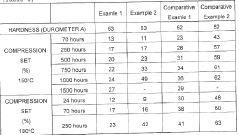
- Incorporating a sulfur-containing compound reacted with a filler or filler surface-treated with a sulfur-containing compound into an addition-curable silicone rubber composition, which includes polyorganopolysiloxane, organohydrogenpolysiloxane, silica, and a catalytic amount of an addition reaction catalyst, to enhance compression set properties without requiring secondary thermal curing.

Addition curable liquid silicone rubber composition for injection molding, method of regulating fluidity of the composition, and method of injection molding silicone rubber composition
PatentActiveEP1785454A1
Innovation
- A composition comprising organopolysiloxane, organohydrogenpolysiloxane, fumed silica, and an addition reaction catalyst, with a fluidity regulator like straight-chain diorganopolysiloxane, maintaining viscosity below 1,000 Pa·s at 0.9 s^-1 and a viscosity ratio of 3.5 or less between 100 s^-1 and 200 s^-1, preventing burr formation.


Environmental Impact of Silicone-AI Products
The integration of silicone rubber and artificial intelligence (AI) technologies has raised significant environmental concerns as these hybrid products become more prevalent. Silicone rubber, known for its durability and versatility, is widely used in various AI-enabled devices and systems. However, the environmental impact of these silicone-AI products throughout their lifecycle requires careful consideration.
During the production phase, the manufacturing of silicone rubber involves energy-intensive processes and the use of potentially harmful chemicals. The extraction of raw materials, such as silicon and carbon, can lead to habitat destruction and soil degradation. Additionally, the synthesis of silicone polymers often requires the use of catalysts and solvents that may contribute to air and water pollution if not properly managed.
The integration of AI components with silicone rubber introduces additional environmental challenges. The production of electronic components, sensors, and microprocessors essential for AI functionality often involves the use of rare earth elements and precious metals. The mining and processing of these materials can have severe environmental consequences, including water pollution, soil contamination, and greenhouse gas emissions.
Throughout the use phase, silicone-AI products generally demonstrate high durability and longevity, which can be seen as an environmental advantage. However, the energy consumption of AI-enabled devices during operation is a growing concern. As these products become more sophisticated and widespread, their cumulative energy demand could contribute significantly to carbon emissions if not powered by renewable energy sources.
End-of-life management presents another set of environmental challenges for silicone-AI products. While silicone rubber is theoretically recyclable, the presence of embedded electronics and AI components complicates the recycling process. The intricate integration of materials makes it difficult to separate and recover valuable resources, potentially leading to increased electronic waste. Improper disposal of these products can result in the release of harmful substances into the environment, including microplastics from degraded silicone and toxic elements from electronic components.
To mitigate these environmental impacts, several strategies are being explored. These include developing more sustainable production methods for silicone rubber, improving the energy efficiency of AI systems, and designing products with easier disassembly and recycling in mind. Additionally, research into biodegradable alternatives to silicone and the use of recycled materials in AI components is ongoing. As the field of silicone-AI integration continues to evolve, addressing these environmental concerns will be crucial for ensuring the sustainable development of this innovative technology.
During the production phase, the manufacturing of silicone rubber involves energy-intensive processes and the use of potentially harmful chemicals. The extraction of raw materials, such as silicon and carbon, can lead to habitat destruction and soil degradation. Additionally, the synthesis of silicone polymers often requires the use of catalysts and solvents that may contribute to air and water pollution if not properly managed.
The integration of AI components with silicone rubber introduces additional environmental challenges. The production of electronic components, sensors, and microprocessors essential for AI functionality often involves the use of rare earth elements and precious metals. The mining and processing of these materials can have severe environmental consequences, including water pollution, soil contamination, and greenhouse gas emissions.
Throughout the use phase, silicone-AI products generally demonstrate high durability and longevity, which can be seen as an environmental advantage. However, the energy consumption of AI-enabled devices during operation is a growing concern. As these products become more sophisticated and widespread, their cumulative energy demand could contribute significantly to carbon emissions if not powered by renewable energy sources.
End-of-life management presents another set of environmental challenges for silicone-AI products. While silicone rubber is theoretically recyclable, the presence of embedded electronics and AI components complicates the recycling process. The intricate integration of materials makes it difficult to separate and recover valuable resources, potentially leading to increased electronic waste. Improper disposal of these products can result in the release of harmful substances into the environment, including microplastics from degraded silicone and toxic elements from electronic components.
To mitigate these environmental impacts, several strategies are being explored. These include developing more sustainable production methods for silicone rubber, improving the energy efficiency of AI systems, and designing products with easier disassembly and recycling in mind. Additionally, research into biodegradable alternatives to silicone and the use of recycled materials in AI components is ongoing. As the field of silicone-AI integration continues to evolve, addressing these environmental concerns will be crucial for ensuring the sustainable development of this innovative technology.
Standardization for Silicone-AI Technologies
The standardization of silicone-AI technologies is crucial for ensuring interoperability, reliability, and safety in the rapidly evolving field of artificial intelligence integration with silicone rubber materials. As these technologies advance, establishing common protocols and specifications becomes increasingly important to facilitate widespread adoption and seamless integration across various industries.
One key aspect of standardization involves the development of uniform testing methods for evaluating the performance and durability of silicone-AI composite materials. This includes standardized procedures for assessing mechanical properties, electrical conductivity, and thermal stability under various environmental conditions. By implementing these standardized tests, manufacturers and researchers can more accurately compare different silicone-AI solutions and ensure consistent quality across applications.
Another critical area for standardization is the establishment of safety guidelines for silicone-AI technologies, particularly in sensitive applications such as healthcare and robotics. These guidelines should address potential risks associated with the integration of AI components into silicone materials, including electrical safety, biocompatibility, and long-term stability. Standardized safety protocols will help build trust in these technologies and accelerate their adoption in regulated industries.
Interoperability standards are also essential for promoting the seamless integration of silicone-AI technologies with existing systems and platforms. This includes defining common communication protocols, data formats, and interfaces that allow different silicone-AI devices to work together effectively. Such standards will enable the creation of more complex and interconnected systems, fostering innovation and expanding the potential applications of these technologies.
Furthermore, standardization efforts should focus on establishing guidelines for the ethical development and use of silicone-AI technologies. This includes addressing concerns related to data privacy, algorithmic bias, and the responsible use of AI-enhanced silicone materials in various contexts. By developing ethical standards, the industry can proactively address potential societal concerns and ensure that these technologies are developed and deployed in a manner that aligns with broader ethical principles.
As the field of silicone-AI technologies continues to evolve, it is crucial to establish a framework for ongoing standardization efforts. This may involve creating industry consortia or working groups dedicated to developing and updating standards as new technologies emerge. By fostering collaboration between researchers, manufacturers, and regulatory bodies, the industry can ensure that standardization efforts remain relevant and effective in supporting the growth and innovation of silicone-AI technologies.
One key aspect of standardization involves the development of uniform testing methods for evaluating the performance and durability of silicone-AI composite materials. This includes standardized procedures for assessing mechanical properties, electrical conductivity, and thermal stability under various environmental conditions. By implementing these standardized tests, manufacturers and researchers can more accurately compare different silicone-AI solutions and ensure consistent quality across applications.
Another critical area for standardization is the establishment of safety guidelines for silicone-AI technologies, particularly in sensitive applications such as healthcare and robotics. These guidelines should address potential risks associated with the integration of AI components into silicone materials, including electrical safety, biocompatibility, and long-term stability. Standardized safety protocols will help build trust in these technologies and accelerate their adoption in regulated industries.
Interoperability standards are also essential for promoting the seamless integration of silicone-AI technologies with existing systems and platforms. This includes defining common communication protocols, data formats, and interfaces that allow different silicone-AI devices to work together effectively. Such standards will enable the creation of more complex and interconnected systems, fostering innovation and expanding the potential applications of these technologies.
Furthermore, standardization efforts should focus on establishing guidelines for the ethical development and use of silicone-AI technologies. This includes addressing concerns related to data privacy, algorithmic bias, and the responsible use of AI-enhanced silicone materials in various contexts. By developing ethical standards, the industry can proactively address potential societal concerns and ensure that these technologies are developed and deployed in a manner that aligns with broader ethical principles.
As the field of silicone-AI technologies continues to evolve, it is crucial to establish a framework for ongoing standardization efforts. This may involve creating industry consortia or working groups dedicated to developing and updating standards as new technologies emerge. By fostering collaboration between researchers, manufacturers, and regulatory bodies, the industry can ensure that standardization efforts remain relevant and effective in supporting the growth and innovation of silicone-AI technologies.
Unlock deeper insights with PatSnap Eureka Quick Research — get a full tech report to explore trends and direct your research. Try now!
Generate Your Research Report Instantly with AI Agent
Supercharge your innovation with PatSnap Eureka AI Agent Platform!