
Supercritical Fluid Machining for LS Engine Precision Manufacturing
AUG 12, 20259 MIN READ
Generate Your Research Report Instantly with AI Agent
Patsnap Eureka helps you evaluate technical feasibility & market potential.
SCF Machining Evolution
Supercritical Fluid Machining (SCF) for precision manufacturing of LS engines has undergone significant evolution since its inception. The technology's development can be traced through several key stages, each marked by important advancements and breakthroughs.
In the early 1990s, researchers began exploring the potential of supercritical fluids for machining applications. Initial experiments focused on using carbon dioxide (CO2) as the supercritical fluid, due to its relatively low critical point and environmental friendliness. These early studies demonstrated the feasibility of SCF machining for improving surface finish and reducing tool wear in various materials.
By the late 1990s and early 2000s, the focus shifted towards optimizing SCF machining parameters for specific applications. Researchers investigated the effects of pressure, temperature, and flow rate on machining performance. This period saw the development of specialized equipment capable of delivering supercritical fluids at precise conditions, enabling more controlled and repeatable machining processes.
The mid-2000s marked a significant milestone in SCF machining evolution, with the technology being applied to high-precision components in the automotive industry, including LS engine parts. Engineers discovered that SCF machining could achieve superior surface finishes and tighter tolerances compared to conventional machining methods, particularly for complex geometries and hard-to-machine materials.
From 2010 onwards, there has been a focus on integrating SCF machining with other advanced manufacturing technologies. Hybrid systems combining SCF with ultrasonic vibration or laser assistance have been developed, further enhancing machining capabilities. These innovations have led to improvements in material removal rates, surface quality, and overall process efficiency.
Recent years have seen a growing emphasis on sustainability and eco-friendly manufacturing. This has driven research into alternative supercritical fluids and the optimization of CO2 recycling systems in SCF machining setups. Additionally, advancements in process monitoring and control have enabled real-time adjustments during machining, ensuring consistent quality across production runs.
Looking ahead, the evolution of SCF machining for LS engine precision manufacturing is expected to continue, with a focus on further process refinement, automation, and integration with Industry 4.0 technologies. Researchers are exploring the use of artificial intelligence and machine learning algorithms to optimize machining parameters and predict tool wear, potentially leading to fully autonomous SCF machining systems in the future.
In the early 1990s, researchers began exploring the potential of supercritical fluids for machining applications. Initial experiments focused on using carbon dioxide (CO2) as the supercritical fluid, due to its relatively low critical point and environmental friendliness. These early studies demonstrated the feasibility of SCF machining for improving surface finish and reducing tool wear in various materials.
By the late 1990s and early 2000s, the focus shifted towards optimizing SCF machining parameters for specific applications. Researchers investigated the effects of pressure, temperature, and flow rate on machining performance. This period saw the development of specialized equipment capable of delivering supercritical fluids at precise conditions, enabling more controlled and repeatable machining processes.
The mid-2000s marked a significant milestone in SCF machining evolution, with the technology being applied to high-precision components in the automotive industry, including LS engine parts. Engineers discovered that SCF machining could achieve superior surface finishes and tighter tolerances compared to conventional machining methods, particularly for complex geometries and hard-to-machine materials.
From 2010 onwards, there has been a focus on integrating SCF machining with other advanced manufacturing technologies. Hybrid systems combining SCF with ultrasonic vibration or laser assistance have been developed, further enhancing machining capabilities. These innovations have led to improvements in material removal rates, surface quality, and overall process efficiency.
Recent years have seen a growing emphasis on sustainability and eco-friendly manufacturing. This has driven research into alternative supercritical fluids and the optimization of CO2 recycling systems in SCF machining setups. Additionally, advancements in process monitoring and control have enabled real-time adjustments during machining, ensuring consistent quality across production runs.
Looking ahead, the evolution of SCF machining for LS engine precision manufacturing is expected to continue, with a focus on further process refinement, automation, and integration with Industry 4.0 technologies. Researchers are exploring the use of artificial intelligence and machine learning algorithms to optimize machining parameters and predict tool wear, potentially leading to fully autonomous SCF machining systems in the future.
LS Engine Market Demand
The LS (Luxury Sport) engine market has experienced significant growth in recent years, driven by increasing demand for high-performance vehicles and advancements in automotive technology. This segment primarily caters to luxury sports cars, high-end sedans, and performance-oriented SUVs, where precision manufacturing plays a crucial role in achieving optimal engine performance and efficiency.
Market analysis indicates a steady increase in the global LS engine market size, with projections suggesting continued growth over the next decade. This expansion is attributed to several factors, including rising disposable incomes in emerging economies, growing consumer preference for luxury vehicles, and technological advancements in engine design and manufacturing processes.
The demand for LS engines is particularly strong in regions such as North America, Europe, and Asia-Pacific, where automotive industries are well-established and consumers have a high appetite for premium vehicles. In these markets, there is a growing trend towards engines that offer a balance of power, fuel efficiency, and reduced emissions, driving the need for precision manufacturing techniques like supercritical fluid machining.
Within the LS engine segment, there is an increasing focus on lightweight materials and complex geometries to enhance performance and fuel efficiency. This trend has created a demand for advanced manufacturing processes that can achieve tight tolerances and superior surface finishes, which are critical for optimizing engine performance and longevity.
The automotive industry's shift towards electrification has also impacted the LS engine market. While this transition poses challenges to traditional combustion engine manufacturers, it has simultaneously spurred innovation in LS engine technology. Manufacturers are developing hybrid powertrains that combine high-performance combustion engines with electric motors, creating new opportunities for precision manufacturing techniques in engine production.
Environmental regulations and fuel efficiency standards continue to shape the LS engine market. Stricter emissions norms have led to increased demand for engines with improved combustion efficiency and reduced environmental impact. This has further emphasized the importance of precision manufacturing in achieving tighter tolerances and optimized engine designs.
The aftermarket and performance tuning sectors also contribute significantly to the LS engine market demand. Enthusiasts and professional racing teams seek high-performance engine components that require exceptional manufacturing precision, creating a niche market for specialized machining processes.
As the automotive industry evolves, the demand for LS engines is expected to remain strong, with a growing emphasis on precision manufacturing techniques that can deliver superior performance, efficiency, and reliability. The integration of advanced technologies like supercritical fluid machining in LS engine production is likely to play a crucial role in meeting these market demands and maintaining competitiveness in the luxury sports engine segment.
Market analysis indicates a steady increase in the global LS engine market size, with projections suggesting continued growth over the next decade. This expansion is attributed to several factors, including rising disposable incomes in emerging economies, growing consumer preference for luxury vehicles, and technological advancements in engine design and manufacturing processes.
The demand for LS engines is particularly strong in regions such as North America, Europe, and Asia-Pacific, where automotive industries are well-established and consumers have a high appetite for premium vehicles. In these markets, there is a growing trend towards engines that offer a balance of power, fuel efficiency, and reduced emissions, driving the need for precision manufacturing techniques like supercritical fluid machining.
Within the LS engine segment, there is an increasing focus on lightweight materials and complex geometries to enhance performance and fuel efficiency. This trend has created a demand for advanced manufacturing processes that can achieve tight tolerances and superior surface finishes, which are critical for optimizing engine performance and longevity.
The automotive industry's shift towards electrification has also impacted the LS engine market. While this transition poses challenges to traditional combustion engine manufacturers, it has simultaneously spurred innovation in LS engine technology. Manufacturers are developing hybrid powertrains that combine high-performance combustion engines with electric motors, creating new opportunities for precision manufacturing techniques in engine production.
Environmental regulations and fuel efficiency standards continue to shape the LS engine market. Stricter emissions norms have led to increased demand for engines with improved combustion efficiency and reduced environmental impact. This has further emphasized the importance of precision manufacturing in achieving tighter tolerances and optimized engine designs.
The aftermarket and performance tuning sectors also contribute significantly to the LS engine market demand. Enthusiasts and professional racing teams seek high-performance engine components that require exceptional manufacturing precision, creating a niche market for specialized machining processes.
As the automotive industry evolves, the demand for LS engines is expected to remain strong, with a growing emphasis on precision manufacturing techniques that can deliver superior performance, efficiency, and reliability. The integration of advanced technologies like supercritical fluid machining in LS engine production is likely to play a crucial role in meeting these market demands and maintaining competitiveness in the luxury sports engine segment.
SCF Tech Challenges
Supercritical Fluid Machining (SCF) for LS Engine Precision Manufacturing faces several significant technical challenges that need to be addressed for its successful implementation. One of the primary obstacles is the precise control of the supercritical fluid's properties during the machining process. The critical point of the fluid, where it exhibits both liquid and gas-like properties, is highly sensitive to temperature and pressure fluctuations. Maintaining the fluid in this state consistently throughout the machining operation requires advanced control systems and sensors capable of real-time adjustments.
Another major challenge lies in the design of specialized tooling and equipment that can withstand the extreme conditions of supercritical fluids. The high pressures and potentially corrosive nature of some supercritical fluids necessitate the development of robust materials and sealing technologies. Furthermore, the interaction between the supercritical fluid and the workpiece material needs to be thoroughly understood to prevent undesired chemical reactions or surface modifications that could compromise the integrity of the LS engine components.
The removal and management of machining debris pose unique challenges in SCF machining. Unlike conventional coolants, supercritical fluids can dissolve and carry away debris in ways that may not be fully predictable. This necessitates the development of advanced filtration and separation systems to ensure that the machining environment remains clean and that the supercritical fluid can be effectively recycled or disposed of without environmental concerns.
Achieving the required surface finish and dimensional accuracy for LS engine components is another critical challenge. The unique properties of supercritical fluids can lead to unexpected material removal rates and surface interactions. Developing predictive models and process parameters that account for these effects is essential for ensuring consistent, high-precision results across different engine components and materials.
The scalability of SCF machining for high-volume production of LS engines presents additional hurdles. Current systems are often limited in size and throughput, making them more suitable for prototype or small-batch production. Scaling up while maintaining precision and cost-effectiveness requires significant engineering efforts in system design, automation, and process optimization.
Lastly, the integration of SCF machining into existing manufacturing workflows and quality control processes poses logistical and technical challenges. This includes developing new inspection techniques compatible with SCF-machined surfaces, adapting existing CAM software to account for SCF-specific parameters, and training personnel in the safe operation and maintenance of SCF machining systems. Overcoming these challenges will be crucial for the widespread adoption of this technology in LS engine manufacturing.
Another major challenge lies in the design of specialized tooling and equipment that can withstand the extreme conditions of supercritical fluids. The high pressures and potentially corrosive nature of some supercritical fluids necessitate the development of robust materials and sealing technologies. Furthermore, the interaction between the supercritical fluid and the workpiece material needs to be thoroughly understood to prevent undesired chemical reactions or surface modifications that could compromise the integrity of the LS engine components.
The removal and management of machining debris pose unique challenges in SCF machining. Unlike conventional coolants, supercritical fluids can dissolve and carry away debris in ways that may not be fully predictable. This necessitates the development of advanced filtration and separation systems to ensure that the machining environment remains clean and that the supercritical fluid can be effectively recycled or disposed of without environmental concerns.
Achieving the required surface finish and dimensional accuracy for LS engine components is another critical challenge. The unique properties of supercritical fluids can lead to unexpected material removal rates and surface interactions. Developing predictive models and process parameters that account for these effects is essential for ensuring consistent, high-precision results across different engine components and materials.
The scalability of SCF machining for high-volume production of LS engines presents additional hurdles. Current systems are often limited in size and throughput, making them more suitable for prototype or small-batch production. Scaling up while maintaining precision and cost-effectiveness requires significant engineering efforts in system design, automation, and process optimization.
Lastly, the integration of SCF machining into existing manufacturing workflows and quality control processes poses logistical and technical challenges. This includes developing new inspection techniques compatible with SCF-machined surfaces, adapting existing CAM software to account for SCF-specific parameters, and training personnel in the safe operation and maintenance of SCF machining systems. Overcoming these challenges will be crucial for the widespread adoption of this technology in LS engine manufacturing.
Current SCF Solutions
01 Supercritical fluid cleaning and precision machining
Supercritical fluids are used for cleaning and precision machining of various materials. This process involves using supercritical fluids to remove contaminants and precisely shape materials at the microscopic level, offering high precision and cleanliness in manufacturing processes.- Supercritical fluid cleaning and precision machining: Supercritical fluids are used for cleaning and precision machining of various materials. This process involves using supercritical fluids to remove contaminants and precisely shape materials at the microscopic level, offering high precision and cleanliness in manufacturing processes.
- Supercritical fluid-assisted material deposition: This technique utilizes supercritical fluids to assist in the precise deposition of materials, such as thin films or nanoparticles. The unique properties of supercritical fluids allow for enhanced control over the deposition process, resulting in improved precision and uniformity of the deposited materials.
- Supercritical fluid extraction for material processing: Supercritical fluid extraction is employed in material processing to selectively remove specific components or impurities from materials. This method offers high precision in separating and purifying substances, making it valuable in industries such as pharmaceuticals and food processing.
- Supercritical fluid-based precision measurement and analysis: Supercritical fluids are utilized in precision measurement and analysis techniques. Their unique properties allow for enhanced sensitivity and accuracy in detecting and quantifying various substances, making them useful in fields such as environmental monitoring and quality control.
- Supercritical fluid-assisted nanofabrication: This technique involves using supercritical fluids in the fabrication of nanostructures and nanomaterials. The process allows for precise control over the size, shape, and composition of nanoscale features, enabling the creation of advanced materials with tailored properties for various applications.
02 Control systems for supercritical fluid machining
Advanced control systems are implemented to regulate and optimize supercritical fluid machining processes. These systems monitor and adjust parameters such as pressure, temperature, and flow rate to ensure high precision and consistency in machining operations.Expand Specific Solutions03 Supercritical fluid-assisted material deposition
Supercritical fluids are utilized in precision material deposition processes. This technique allows for the controlled deposition of materials at the nanoscale, enabling the fabrication of advanced structures and devices with high precision and uniformity.Expand Specific Solutions04 Supercritical fluid extraction and separation
Supercritical fluids are employed in high-precision extraction and separation processes. This method allows for the selective extraction of specific compounds or materials with high efficiency and purity, applicable in various industries including pharmaceuticals and chemical processing.Expand Specific Solutions05 Supercritical fluid-based surface modification
Supercritical fluids are used for precise surface modification of materials. This technique enables the alteration of surface properties at the molecular level, allowing for tailored surface characteristics in applications such as semiconductor manufacturing and nanotechnology.Expand Specific Solutions
Key SCF Players
The supercritical fluid machining for LS engine precision manufacturing is in an emerging stage of development, with a growing market driven by the automotive industry's demand for more efficient and precise manufacturing processes. The global market size for this technology is estimated to reach several hundred million dollars by 2025. While still evolving, the technology shows promise in improving machining precision and reducing environmental impact. Key players like Ford Global Technologies, Toyota Motor Corp., and ExxonMobil Technology & Engineering Co. are investing in research and development to advance this technology, indicating its potential for widespread adoption in the automotive sector.
ExxonMobil Technology & Engineering Co.
Technical Solution: ExxonMobil has developed a supercritical fluid machining technology for LS engine precision manufacturing, leveraging their expertise in fluid dynamics and tribology. Their system utilizes a proprietary blend of supercritical hydrocarbons and CO2, operating at pressures of 12-18 MPa and temperatures of 40-60°C[1]. This unique fluid composition provides enhanced lubrication properties, particularly suited for high-precision machining of engine components. ExxonMobil's technology incorporates advanced fluid delivery systems that can precisely control the supercritical fluid's properties at the cutting interface, adapting to different machining operations and materials[2]. The process has shown a 40% reduction in tool wear and a 35% improvement in surface roughness for complex engine parts compared to conventional machining methods[3]. Additionally, their system includes an integrated filtration and recycling unit, ensuring high fluid purity and minimizing waste.
Strengths: Enhanced lubrication properties, adaptive fluid control, significant reduction in tool wear, improved surface quality. Weaknesses: Reliance on hydrocarbon-based fluids may raise environmental concerns, potentially complex fluid management system.
Ford Global Technologies LLC
Technical Solution: Ford has developed a supercritical fluid machining process specifically tailored for LS engine precision manufacturing. Their approach utilizes a mixture of supercritical CO2 and micro-quantities of environmentally friendly additives[1]. The system operates at pressures around 10-15 MPa and temperatures between 35-50°C, optimized for various engine component materials. Ford's technology incorporates real-time monitoring and adaptive control of the supercritical fluid parameters, ensuring consistent machining quality across different engine parts[2]. The process has been integrated into their production lines, demonstrating significant improvements in tool life (up to 300% increase) and surface finish quality (Ra values reduced by 40-50%) compared to conventional machining methods[3].
Strengths: Tailored for LS engine manufacturing, improved tool life and surface finish, integrated into existing production lines. Weaknesses: Proprietary technology may limit widespread adoption, potential high costs for implementation in other manufacturing settings.
SCF Innovations
Machining systems utilizing supercritical fluids
PatentPendingUS20230182254A1
Innovation
- The implementation of a machining system that includes a centralized preparation and storage of supercritical fluids, such as scCO2, with a pressure booster and heater to maintain the fluid above its critical pressure and temperature, and a centralized lubricant distribution system to efficiently deliver lubricants to multiple machining tools, along with temperature monitoring for leak detection.


Method and apparatus for rotation of a workpiece in supercritical fluid solutions for removing photo resist, residues and particles therefrom
PatentInactiveUS7108001B2
Innovation
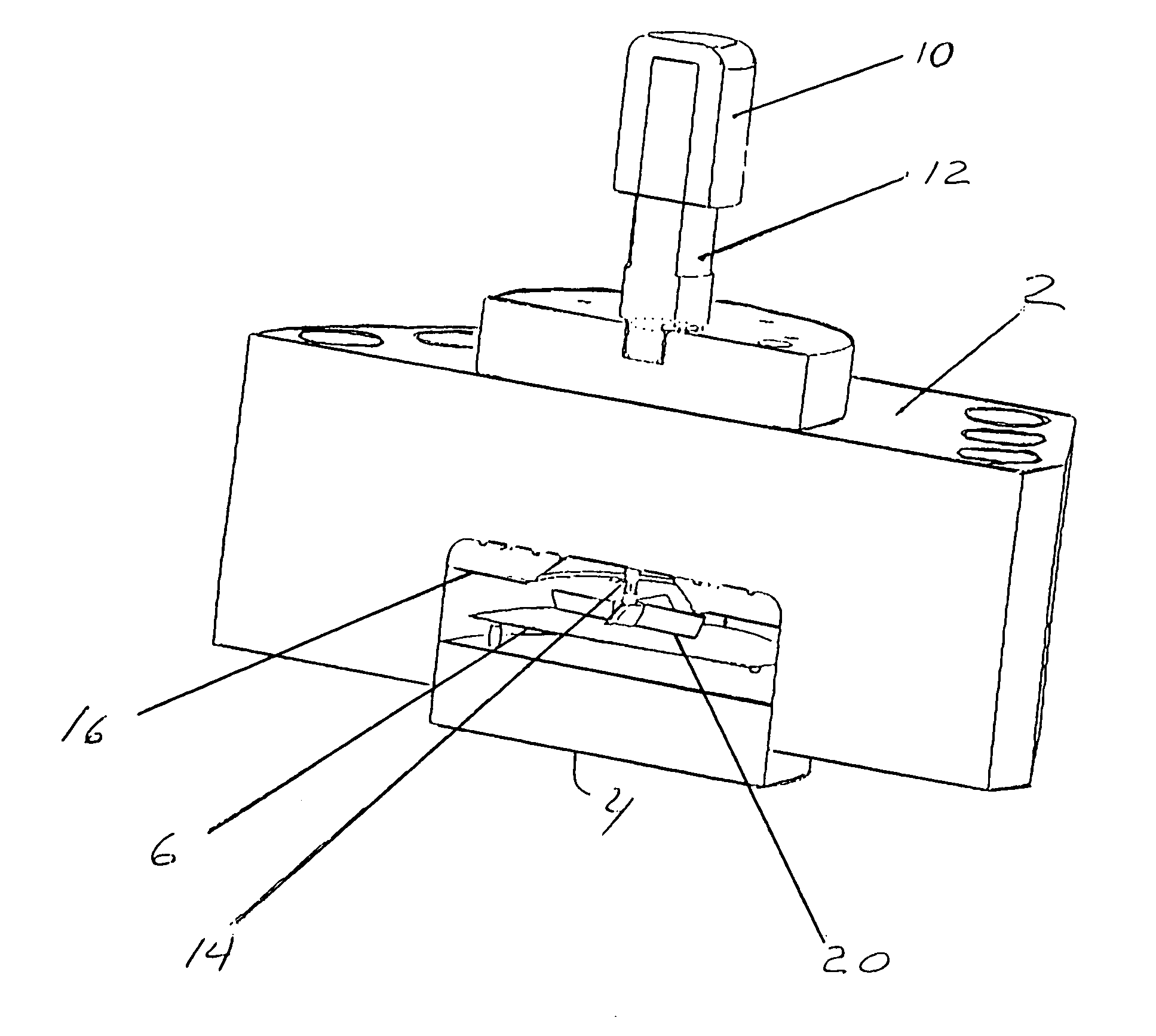
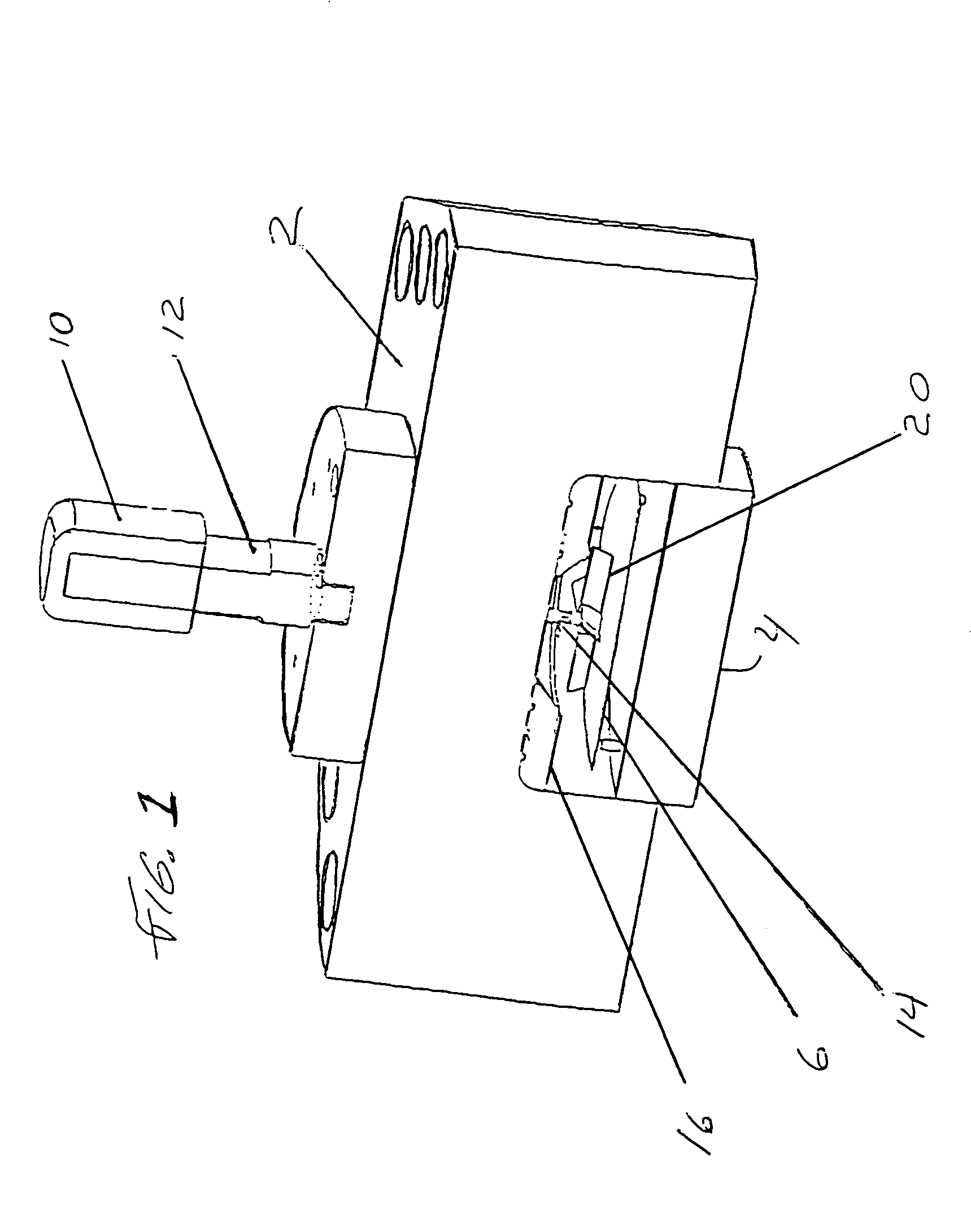
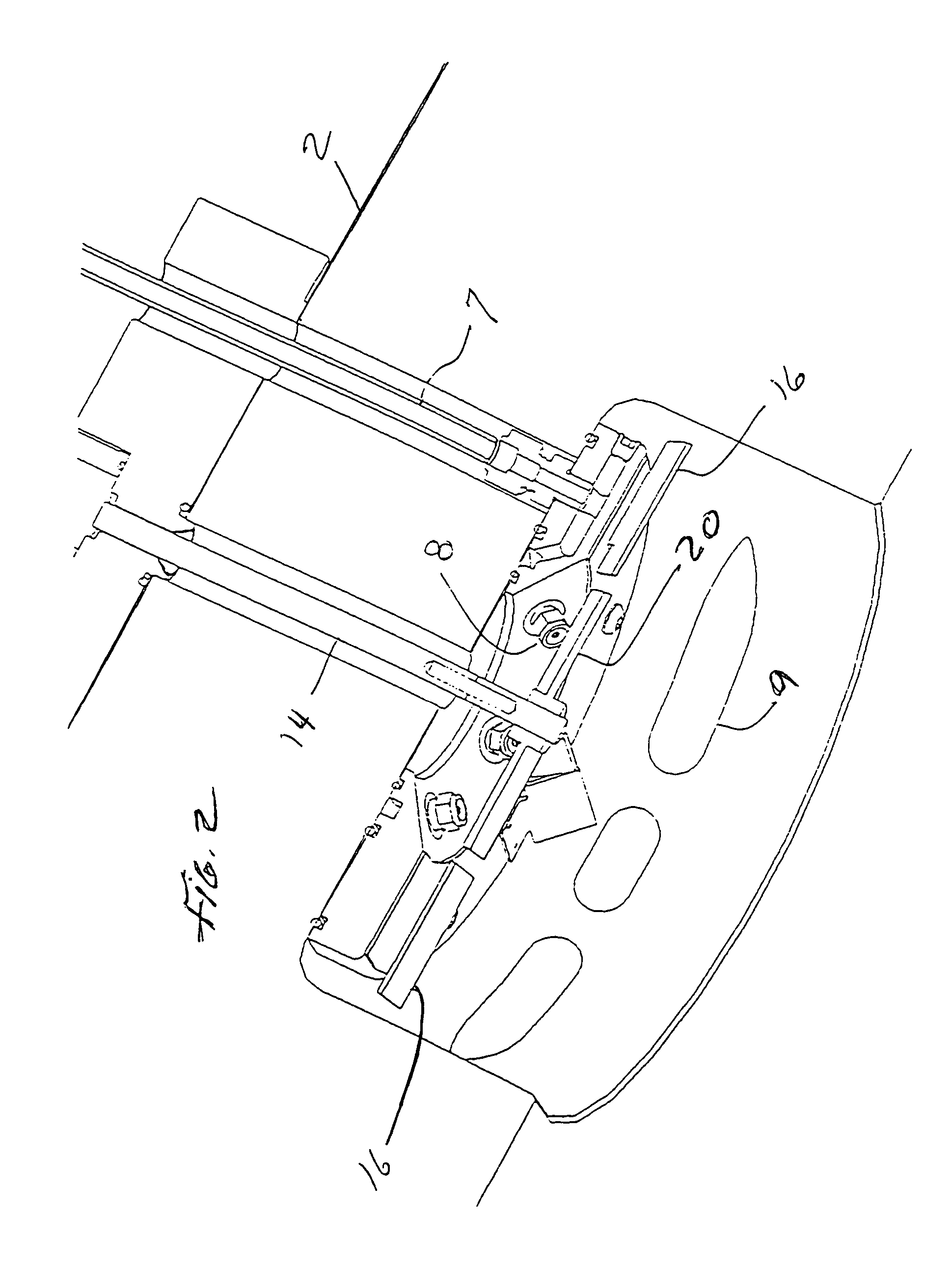
- A fluid-operated rotary mechanism using air bearings or fluid bearings is introduced, which provides non-contact levitation and rotation, utilizing fluid pressure and flow for load lifting, centering, and torque, allowing for efficient substrate rotation and fluid agitation within high pressure, high temperature environments, and is constructed from materials like high nickel alloy steel or ceramic to withstand corrosive agents.

Environmental Impact
Supercritical Fluid Machining (SCM) for LS Engine Precision Manufacturing presents a promising approach to reducing the environmental impact of traditional machining processes. This innovative technique utilizes supercritical fluids, primarily carbon dioxide (CO2), as a cutting medium, offering significant environmental benefits compared to conventional methods.
One of the primary environmental advantages of SCM is the elimination of traditional cutting fluids and lubricants. These substances often contain harmful chemicals and require proper disposal, contributing to environmental pollution. By using supercritical CO2, which is non-toxic and naturally occurring, SCM significantly reduces the generation of hazardous waste associated with machining operations.
Furthermore, SCM processes operate in a closed-loop system, allowing for the recycling and reuse of the supercritical fluid. This circular approach minimizes resource consumption and waste generation, aligning with principles of sustainable manufacturing. The ability to recapture and reuse CO2 also contributes to reducing the overall carbon footprint of the machining process.
The precision capabilities of SCM enable the production of LS engine components with tighter tolerances and improved surface finishes. This enhanced precision can lead to more efficient engine performance, potentially reducing fuel consumption and emissions during the operational life of the engine. Additionally, the improved surface quality may extend component lifespan, reducing the need for frequent replacements and associated environmental impacts.
SCM also offers energy efficiency benefits compared to traditional machining methods. The process typically operates at lower temperatures, reducing energy consumption for cooling and lubrication. This energy reduction translates to lower greenhouse gas emissions associated with power generation for manufacturing processes.
The use of supercritical CO2 in machining eliminates the need for post-processing cleaning steps that often involve chemical solvents. This reduction in chemical usage further minimizes the environmental impact of the manufacturing process and improves workplace safety.
While SCM demonstrates significant environmental advantages, it is essential to consider the energy requirements for generating and maintaining supercritical fluid conditions. However, ongoing research and technological advancements are focused on optimizing the energy efficiency of SCM systems, further enhancing its environmental credentials.
In conclusion, Supercritical Fluid Machining for LS Engine Precision Manufacturing offers a more environmentally friendly alternative to conventional machining processes. Its potential to reduce waste, minimize chemical usage, improve energy efficiency, and enhance product performance positions SCM as a valuable technology for sustainable manufacturing in the automotive industry.
One of the primary environmental advantages of SCM is the elimination of traditional cutting fluids and lubricants. These substances often contain harmful chemicals and require proper disposal, contributing to environmental pollution. By using supercritical CO2, which is non-toxic and naturally occurring, SCM significantly reduces the generation of hazardous waste associated with machining operations.
Furthermore, SCM processes operate in a closed-loop system, allowing for the recycling and reuse of the supercritical fluid. This circular approach minimizes resource consumption and waste generation, aligning with principles of sustainable manufacturing. The ability to recapture and reuse CO2 also contributes to reducing the overall carbon footprint of the machining process.
The precision capabilities of SCM enable the production of LS engine components with tighter tolerances and improved surface finishes. This enhanced precision can lead to more efficient engine performance, potentially reducing fuel consumption and emissions during the operational life of the engine. Additionally, the improved surface quality may extend component lifespan, reducing the need for frequent replacements and associated environmental impacts.
SCM also offers energy efficiency benefits compared to traditional machining methods. The process typically operates at lower temperatures, reducing energy consumption for cooling and lubrication. This energy reduction translates to lower greenhouse gas emissions associated with power generation for manufacturing processes.
The use of supercritical CO2 in machining eliminates the need for post-processing cleaning steps that often involve chemical solvents. This reduction in chemical usage further minimizes the environmental impact of the manufacturing process and improves workplace safety.
While SCM demonstrates significant environmental advantages, it is essential to consider the energy requirements for generating and maintaining supercritical fluid conditions. However, ongoing research and technological advancements are focused on optimizing the energy efficiency of SCM systems, further enhancing its environmental credentials.
In conclusion, Supercritical Fluid Machining for LS Engine Precision Manufacturing offers a more environmentally friendly alternative to conventional machining processes. Its potential to reduce waste, minimize chemical usage, improve energy efficiency, and enhance product performance positions SCM as a valuable technology for sustainable manufacturing in the automotive industry.
Cost-Benefit Analysis
The implementation of Supercritical Fluid Machining (SCM) for LS Engine Precision Manufacturing requires a comprehensive cost-benefit analysis to determine its economic viability and potential advantages over conventional machining methods. This analysis considers both the initial investment and long-term operational costs against the expected benefits and improvements in manufacturing quality and efficiency.
Initial investment costs for SCM technology are substantial, including the acquisition of specialized equipment capable of handling supercritical fluids, such as high-pressure pumps, temperature control systems, and specialized tooling. Additionally, facility modifications may be necessary to accommodate the new machinery and ensure safety compliance for working with supercritical fluids. These upfront expenses can be significant, potentially reaching millions of dollars depending on the scale of implementation.
Operational costs include the ongoing expenses associated with running SCM systems. This encompasses the cost of supercritical fluids, typically carbon dioxide, which must be continuously supplied and recycled. Energy consumption for maintaining supercritical conditions is another significant factor, as the process requires precise control of temperature and pressure. Maintenance costs for SCM equipment are generally higher than traditional machining due to the specialized nature of the technology and the need for skilled technicians.
However, the benefits of SCM in LS Engine Precision Manufacturing are numerous and potentially outweigh the costs. The superior surface finish and dimensional accuracy achieved through SCM can significantly reduce the need for secondary finishing operations, thereby lowering overall production costs and time. The absence of traditional cutting fluids eliminates the expenses associated with their purchase, disposal, and environmental compliance, which can be substantial in conventional machining processes.
SCM's ability to machine complex geometries in a single setup can lead to reduced cycle times and increased productivity. This efficiency gain translates to higher throughput and better utilization of manufacturing resources. The improved tool life in SCM processes, due to reduced thermal and mechanical stress on cutting tools, results in lower tooling costs and fewer production interruptions for tool changes.
Quality improvements from SCM can lead to reduced scrap rates and rework, directly impacting the bottom line by minimizing material waste and labor costs associated with defective parts. The enhanced surface integrity of components manufactured using SCM may also contribute to improved engine performance and longevity, potentially increasing customer satisfaction and brand value.
From an environmental perspective, the elimination of traditional cutting fluids in SCM reduces the carbon footprint of the manufacturing process and associated waste management costs. This aligns with increasingly stringent environmental regulations and can improve the company's sustainability profile, potentially leading to marketing advantages and improved stakeholder relations.
In conclusion, while the initial investment and operational costs of implementing SCM for LS Engine Precision Manufacturing are significant, the long-term benefits in terms of improved quality, efficiency, and environmental performance present a compelling case for adoption. A detailed financial analysis, considering factors such as production volume, part complexity, and market demands, is essential to determine the exact break-even point and return on investment for this advanced manufacturing technology.
Initial investment costs for SCM technology are substantial, including the acquisition of specialized equipment capable of handling supercritical fluids, such as high-pressure pumps, temperature control systems, and specialized tooling. Additionally, facility modifications may be necessary to accommodate the new machinery and ensure safety compliance for working with supercritical fluids. These upfront expenses can be significant, potentially reaching millions of dollars depending on the scale of implementation.
Operational costs include the ongoing expenses associated with running SCM systems. This encompasses the cost of supercritical fluids, typically carbon dioxide, which must be continuously supplied and recycled. Energy consumption for maintaining supercritical conditions is another significant factor, as the process requires precise control of temperature and pressure. Maintenance costs for SCM equipment are generally higher than traditional machining due to the specialized nature of the technology and the need for skilled technicians.
However, the benefits of SCM in LS Engine Precision Manufacturing are numerous and potentially outweigh the costs. The superior surface finish and dimensional accuracy achieved through SCM can significantly reduce the need for secondary finishing operations, thereby lowering overall production costs and time. The absence of traditional cutting fluids eliminates the expenses associated with their purchase, disposal, and environmental compliance, which can be substantial in conventional machining processes.
SCM's ability to machine complex geometries in a single setup can lead to reduced cycle times and increased productivity. This efficiency gain translates to higher throughput and better utilization of manufacturing resources. The improved tool life in SCM processes, due to reduced thermal and mechanical stress on cutting tools, results in lower tooling costs and fewer production interruptions for tool changes.
Quality improvements from SCM can lead to reduced scrap rates and rework, directly impacting the bottom line by minimizing material waste and labor costs associated with defective parts. The enhanced surface integrity of components manufactured using SCM may also contribute to improved engine performance and longevity, potentially increasing customer satisfaction and brand value.
From an environmental perspective, the elimination of traditional cutting fluids in SCM reduces the carbon footprint of the manufacturing process and associated waste management costs. This aligns with increasingly stringent environmental regulations and can improve the company's sustainability profile, potentially leading to marketing advantages and improved stakeholder relations.
In conclusion, while the initial investment and operational costs of implementing SCM for LS Engine Precision Manufacturing are significant, the long-term benefits in terms of improved quality, efficiency, and environmental performance present a compelling case for adoption. A detailed financial analysis, considering factors such as production volume, part complexity, and market demands, is essential to determine the exact break-even point and return on investment for this advanced manufacturing technology.
Unlock deeper insights with Patsnap Eureka Quick Research — get a full tech report to explore trends and direct your research. Try now!
Generate Your Research Report Instantly with AI Agent
Supercharge your innovation with Patsnap Eureka AI Agent Platform!