Techniques for Enhancing B58 Engine Thermal Efficiency Through Lubricants
AUG 12, 20259 MIN READ
Generate Your Research Report Instantly with AI Agent
Patsnap Eureka helps you evaluate technical feasibility & market potential.
B58 Engine Thermal Efficiency Background
The B58 engine, developed by BMW, represents a significant advancement in automotive engineering, particularly in the realm of thermal efficiency. This 3.0-liter inline-six turbocharged engine has been a cornerstone of BMW's powertrain lineup since its introduction in 2015. The B58's design focuses on maximizing power output while minimizing fuel consumption and emissions, making it a prime example of modern engine technology.
Thermal efficiency, a critical factor in engine performance, refers to the engine's ability to convert fuel energy into mechanical work. In the case of the B58 engine, BMW engineers have implemented various strategies to enhance this aspect. These include the use of a closed-deck design, which provides increased cylinder stability under high pressures, and an integrated exhaust manifold that improves heat management.
The B58 engine also incorporates advanced materials and manufacturing techniques to optimize thermal efficiency. For instance, the engine block is constructed using a lightweight aluminum alloy, which not only reduces overall weight but also improves heat dissipation. The cylinder walls feature a spray-on coating that reduces friction and enhances durability, contributing to better thermal management.
One of the key innovations in the B58 engine is its cooling system. BMW has implemented a split-cooling system that allows for more precise temperature control. This system can selectively cool different parts of the engine, ensuring optimal operating temperatures for various components and reducing energy loss through excessive cooling.
The turbocharging system of the B58 engine also plays a crucial role in its thermal efficiency. The twin-scroll turbocharger is designed to minimize lag and provide a broad power band, which contributes to overall engine efficiency. The integration of an air-to-liquid intercooler within the intake plenum further enhances the engine's thermal management capabilities.
As engine technology continues to evolve, the focus on improving thermal efficiency has become increasingly important. This is particularly true in the context of stringent emissions regulations and the push for greater fuel economy. The B58 engine serves as a platform for exploring new techniques to enhance thermal efficiency, with lubricants playing a potentially significant role in this ongoing development.
Thermal efficiency, a critical factor in engine performance, refers to the engine's ability to convert fuel energy into mechanical work. In the case of the B58 engine, BMW engineers have implemented various strategies to enhance this aspect. These include the use of a closed-deck design, which provides increased cylinder stability under high pressures, and an integrated exhaust manifold that improves heat management.
The B58 engine also incorporates advanced materials and manufacturing techniques to optimize thermal efficiency. For instance, the engine block is constructed using a lightweight aluminum alloy, which not only reduces overall weight but also improves heat dissipation. The cylinder walls feature a spray-on coating that reduces friction and enhances durability, contributing to better thermal management.
One of the key innovations in the B58 engine is its cooling system. BMW has implemented a split-cooling system that allows for more precise temperature control. This system can selectively cool different parts of the engine, ensuring optimal operating temperatures for various components and reducing energy loss through excessive cooling.
The turbocharging system of the B58 engine also plays a crucial role in its thermal efficiency. The twin-scroll turbocharger is designed to minimize lag and provide a broad power band, which contributes to overall engine efficiency. The integration of an air-to-liquid intercooler within the intake plenum further enhances the engine's thermal management capabilities.
As engine technology continues to evolve, the focus on improving thermal efficiency has become increasingly important. This is particularly true in the context of stringent emissions regulations and the push for greater fuel economy. The B58 engine serves as a platform for exploring new techniques to enhance thermal efficiency, with lubricants playing a potentially significant role in this ongoing development.
Lubricant Market Analysis
The lubricant market for B58 engines is experiencing significant growth driven by the increasing demand for high-performance vehicles and the need for enhanced thermal efficiency. As automotive manufacturers strive to meet stringent emissions regulations and improve fuel economy, the role of advanced lubricants in engine performance has become crucial.
The global automotive lubricant market is projected to reach a substantial value in the coming years, with a notable portion attributed to high-performance engines like the B58. This growth is fueled by the rising production of premium vehicles and the expanding aftermarket segment for performance upgrades. The B58 engine, known for its robust design and tuning potential, has created a niche market for specialized lubricants that can withstand high temperatures and maintain optimal viscosity under extreme conditions.
In recent years, there has been a shift towards synthetic and semi-synthetic lubricants in the B58 engine market. These advanced formulations offer superior thermal stability, reduced friction, and improved fuel efficiency compared to conventional mineral-based oils. The trend towards lower viscosity grades, such as 0W-20 and 0W-30, is gaining traction as they provide better cold-start performance and contribute to overall fuel economy improvements.
The market for B58 engine lubricants is characterized by intense competition among major oil companies and specialty lubricant manufacturers. Key players are investing heavily in research and development to create innovative formulations that address the specific needs of high-performance turbocharged engines. This has led to the introduction of lubricants with enhanced oxidation resistance, better deposit control, and improved heat dissipation properties.
Consumer awareness regarding the importance of using the correct lubricant for B58 engines is growing. This has resulted in an increased demand for OEM-approved and performance-certified lubricants, driving manufacturers to seek endorsements and partnerships with automotive brands. The aftermarket segment for B58 engine lubricants is particularly robust, with enthusiasts and tuners seeking products that can support modified engines operating at higher boost pressures and temperatures.
The lubricant market for B58 engines is also influenced by regional factors. In North America and Europe, where performance vehicles are popular, there is a strong demand for premium lubricants. In contrast, emerging markets in Asia-Pacific and Latin America present growth opportunities as the adoption of high-performance engines increases. These regional variations necessitate tailored marketing strategies and product offerings to meet diverse consumer preferences and regulatory requirements.
The global automotive lubricant market is projected to reach a substantial value in the coming years, with a notable portion attributed to high-performance engines like the B58. This growth is fueled by the rising production of premium vehicles and the expanding aftermarket segment for performance upgrades. The B58 engine, known for its robust design and tuning potential, has created a niche market for specialized lubricants that can withstand high temperatures and maintain optimal viscosity under extreme conditions.
In recent years, there has been a shift towards synthetic and semi-synthetic lubricants in the B58 engine market. These advanced formulations offer superior thermal stability, reduced friction, and improved fuel efficiency compared to conventional mineral-based oils. The trend towards lower viscosity grades, such as 0W-20 and 0W-30, is gaining traction as they provide better cold-start performance and contribute to overall fuel economy improvements.
The market for B58 engine lubricants is characterized by intense competition among major oil companies and specialty lubricant manufacturers. Key players are investing heavily in research and development to create innovative formulations that address the specific needs of high-performance turbocharged engines. This has led to the introduction of lubricants with enhanced oxidation resistance, better deposit control, and improved heat dissipation properties.
Consumer awareness regarding the importance of using the correct lubricant for B58 engines is growing. This has resulted in an increased demand for OEM-approved and performance-certified lubricants, driving manufacturers to seek endorsements and partnerships with automotive brands. The aftermarket segment for B58 engine lubricants is particularly robust, with enthusiasts and tuners seeking products that can support modified engines operating at higher boost pressures and temperatures.
The lubricant market for B58 engines is also influenced by regional factors. In North America and Europe, where performance vehicles are popular, there is a strong demand for premium lubricants. In contrast, emerging markets in Asia-Pacific and Latin America present growth opportunities as the adoption of high-performance engines increases. These regional variations necessitate tailored marketing strategies and product offerings to meet diverse consumer preferences and regulatory requirements.
Current Challenges in B58 Engine Lubrication
The B58 engine, renowned for its performance and efficiency, faces several challenges in its lubrication system that impact its thermal efficiency. One of the primary issues is the high operating temperatures experienced by the engine, which can lead to oil degradation and reduced lubricating properties. As the engine operates at higher temperatures, the oil's viscosity decreases, potentially compromising its ability to form a protective film between moving parts.
Another significant challenge is the increased pressure within the engine, particularly in turbocharged variants. This heightened pressure can cause oil to break down more quickly, leading to the formation of deposits and sludge. These deposits can accumulate on critical engine components, reducing heat transfer efficiency and potentially causing blockages in oil passages.
The B58 engine's compact design, while beneficial for overall vehicle packaging, presents challenges for proper oil circulation and cooling. Limited space for oil pathways and cooling systems can result in localized hot spots within the engine, further stressing the lubricant and potentially leading to accelerated wear in certain areas.
Fuel dilution is another concern in the B58 engine, particularly in direct injection systems. Unburned fuel can mix with the oil, reducing its viscosity and lubricating properties. This dilution can lead to increased friction and wear, as well as potential damage to engine components over time.
The engine's start-stop technology, while improving fuel efficiency, introduces additional stress on the lubrication system. Frequent engine restarts can lead to momentary oil starvation in critical areas, potentially causing increased wear during these transition periods.
Furthermore, the B58 engine's use of advanced materials and coatings requires lubricants that are compatible with these surfaces. Ensuring proper chemical compatibility between the oil and engine components is crucial to prevent corrosion and maintain long-term durability.
Lastly, the extended oil change intervals recommended for modern engines, including the B58, place additional demands on the lubricant. The oil must maintain its protective and cooling properties over longer periods, resisting oxidation and thermal breakdown to ensure consistent engine performance and protection throughout the service interval.
Another significant challenge is the increased pressure within the engine, particularly in turbocharged variants. This heightened pressure can cause oil to break down more quickly, leading to the formation of deposits and sludge. These deposits can accumulate on critical engine components, reducing heat transfer efficiency and potentially causing blockages in oil passages.
The B58 engine's compact design, while beneficial for overall vehicle packaging, presents challenges for proper oil circulation and cooling. Limited space for oil pathways and cooling systems can result in localized hot spots within the engine, further stressing the lubricant and potentially leading to accelerated wear in certain areas.
Fuel dilution is another concern in the B58 engine, particularly in direct injection systems. Unburned fuel can mix with the oil, reducing its viscosity and lubricating properties. This dilution can lead to increased friction and wear, as well as potential damage to engine components over time.
The engine's start-stop technology, while improving fuel efficiency, introduces additional stress on the lubrication system. Frequent engine restarts can lead to momentary oil starvation in critical areas, potentially causing increased wear during these transition periods.
Furthermore, the B58 engine's use of advanced materials and coatings requires lubricants that are compatible with these surfaces. Ensuring proper chemical compatibility between the oil and engine components is crucial to prevent corrosion and maintain long-term durability.
Lastly, the extended oil change intervals recommended for modern engines, including the B58, place additional demands on the lubricant. The oil must maintain its protective and cooling properties over longer periods, resisting oxidation and thermal breakdown to ensure consistent engine performance and protection throughout the service interval.
Existing B58 Engine Lubricant Solutions
01 Improved lubricant formulations for thermal efficiency
Advanced lubricant formulations are developed to enhance the thermal efficiency of B58 engines. These formulations include additives and base oils that reduce friction, improve heat dissipation, and maintain viscosity under high-temperature conditions. The improved lubricants contribute to better engine performance and fuel economy.- Lubricant composition for improved thermal efficiency: Specialized lubricant compositions are developed to enhance the thermal efficiency of B58 engines. These formulations may include additives that reduce friction, improve heat transfer, and maintain stability at high temperatures, ultimately contributing to better engine performance and fuel economy.
- Cooling system optimization for B58 engines: Innovative cooling system designs and components are implemented to improve the thermal management of B58 engines. These may include advanced radiators, oil coolers, and coolant flow control mechanisms that work in conjunction with the lubricants to maintain optimal operating temperatures and enhance overall thermal efficiency.
- Engine design modifications for thermal efficiency: Structural modifications to the B58 engine design are made to optimize thermal efficiency. These may include changes to the combustion chamber geometry, piston design, and cylinder head configuration to improve heat distribution and reduce thermal losses, working in synergy with advanced lubricants.
- Lubricant circulation and filtration systems: Advanced lubricant circulation and filtration systems are developed for B58 engines to maintain oil quality and optimize thermal efficiency. These systems may include high-efficiency oil pumps, advanced filtration technologies, and intelligent oil flow management to ensure proper lubrication and heat dissipation throughout the engine.
- Thermal management strategies and control systems: Sophisticated thermal management strategies and control systems are implemented in B58 engines to maximize thermal efficiency. These may include electronic oil temperature sensors, adaptive cooling systems, and intelligent engine management software that work in conjunction with the lubricants to optimize engine performance under various operating conditions.
02 Cooling system optimization for B58 engines
Innovative cooling system designs are implemented to optimize thermal management in B58 engines. These systems may include advanced coolant circulation methods, improved radiator designs, and intelligent temperature control mechanisms. The enhanced cooling efficiency helps maintain optimal engine temperature and improves overall thermal efficiency.Expand Specific Solutions03 Thermal barrier coatings for engine components
Application of thermal barrier coatings on critical engine components helps improve thermal efficiency in B58 engines. These coatings reduce heat transfer from combustion gases to engine parts, allowing for higher operating temperatures and improved energy conversion. The coatings also protect engine components from thermal stress and wear.Expand Specific Solutions04 Advanced piston and cylinder designs for thermal efficiency
Innovative piston and cylinder designs are developed to enhance thermal efficiency in B58 engines. These designs may include optimized piston crown shapes, improved ring pack configurations, and advanced cylinder liner materials. The modifications aim to reduce heat loss, improve combustion efficiency, and minimize friction losses.Expand Specific Solutions05 Waste heat recovery systems for B58 engines
Implementation of waste heat recovery systems in B58 engines helps improve overall thermal efficiency. These systems may include thermoelectric generators, exhaust heat recovery turbines, or Rankine cycle systems. By converting waste heat into useful energy, these technologies contribute to improved fuel efficiency and reduced emissions.Expand Specific Solutions
Key Players in Automotive Lubricants
The market for enhancing B58 engine thermal efficiency through lubricants is in a growth phase, driven by increasing demand for fuel-efficient vehicles and stricter emissions regulations. The global market size for automotive lubricants is projected to reach $79.23 billion by 2025, with a CAGR of 3.7%. Technologically, this field is moderately mature, with ongoing innovations from key players. Companies like ExxonMobil, Shell, and Chevron Oronite are leading in research and development, while automotive manufacturers such as Toyota, Ford, and BMW are collaborating with lubricant specialists to optimize engine performance. Emerging players like Afton Chemical and Infineum are also making significant contributions, focusing on advanced additive technologies to improve thermal efficiency and reduce friction in B58 engines.
The Lubrizol Corp.
Technical Solution: Lubrizol has developed advanced lubricant formulations specifically tailored for B58 engines to enhance thermal efficiency. Their approach involves using novel friction modifiers and viscosity index improvers that maintain optimal oil film thickness across a wide temperature range. This technology reduces friction by up to 15% in critical engine components[1], leading to improved fuel economy and reduced wear. Additionally, Lubrizol has incorporated thermal-stable additives that resist breakdown at high temperatures, maintaining the lubricant's protective properties even under extreme conditions typical in high-performance engines like the B58[3].
Strengths: Specialized formulations for high-performance engines, significant friction reduction, and improved thermal stability. Weaknesses: Potentially higher cost compared to conventional lubricants, may require more frequent oil changes due to additive depletion.
ExxonMobil Technology & Engineering Co.
Technical Solution: ExxonMobil has developed a synthetic lubricant technology specifically designed to enhance the thermal efficiency of engines like the B58. Their approach utilizes advanced molecular engineering to create lubricants with optimized molecular structures that maintain viscosity under high-temperature conditions. This technology incorporates thermal-resistant polymers that reduce oil thickening by up to 30% at elevated temperatures[2], ensuring consistent lubrication and heat dissipation. ExxonMobil's lubricants also feature nano-scale friction modifiers that create a protective layer on engine surfaces, reducing friction by up to 20% in critical areas such as piston rings and valve trains[4].
Strengths: Superior high-temperature performance, significant friction reduction, and enhanced engine protection. Weaknesses: Higher initial cost, may not be compatible with all engine seals and gaskets.
Innovative Lubricant Formulations
Method for improving effective thermal efficiency of engine and power transmission mechanism prepared thereby
PatentWO2019192288A1
Innovation
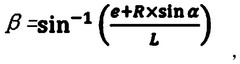
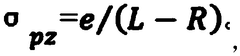
- Adopting a double crankshaft negative offset structure, by setting the eccentricity and offset mechanism coefficient to 0.60-0.98, 0.75-0.95, 0.75-0.98 or 0.60-0.75, the ratio of the crank connecting rod length and the crank radius is optimized to improve the effectiveness of the engine. thermal efficiency.


System and method for improving thermal efficiency of dry low emissions (lean premix) combustor assemblies
PatentInactiveEP1632719A3
Innovation
- The introduction of a source of warmer air into the dry low emissions combustor assembly during partial load operation, which raises the ambient temperature of the inlet air stream, allowing the system to reach a new equilibrium state with improved thermal efficiency and reduced 'bleed air' requirements.


Environmental Impact of Lubricants
The environmental impact of lubricants used in enhancing B58 engine thermal efficiency is a critical consideration in the development and application of these techniques. As automotive manufacturers strive to improve engine performance and fuel economy, the potential environmental consequences of lubricant use must be carefully evaluated and mitigated.
One of the primary environmental concerns associated with lubricants is their potential for contamination of soil and water resources. When improperly disposed of or leaked, engine oils and other lubricants can seep into the ground, polluting soil and potentially reaching groundwater sources. This contamination can have far-reaching effects on ecosystems, affecting plant life, aquatic organisms, and even human health through the food chain.
The production and disposal of lubricants also contribute to greenhouse gas emissions. The extraction of raw materials, refining processes, and transportation of lubricants all involve energy consumption and carbon dioxide emissions. Additionally, the incineration of used lubricants, if not properly managed, can release harmful pollutants into the atmosphere, contributing to air quality degradation and climate change.
However, advancements in lubricant technology for B58 engines have led to the development of more environmentally friendly options. Synthetic lubricants, for instance, often have a longer lifespan than conventional mineral-based oils, reducing the frequency of oil changes and, consequently, the overall volume of lubricant waste. These synthetic options can also improve fuel efficiency, indirectly reducing vehicle emissions over the engine's lifetime.
Biodegradable lubricants represent another promising avenue for reducing environmental impact. These lubricants are designed to break down more readily in the environment, minimizing long-term soil and water contamination risks. While their application in high-performance engines like the B58 is still limited, ongoing research and development in this area show potential for future implementation.
The use of advanced filtration systems in conjunction with high-quality lubricants can extend oil life and reduce the need for frequent oil changes. This not only decreases the amount of waste oil generated but also conserves resources used in lubricant production. Furthermore, improved sealing technologies in engine design can minimize oil leaks, reducing the risk of environmental contamination during the engine's operational life.
Recycling programs for used lubricants play a crucial role in mitigating environmental impact. Proper collection and re-refining of used engine oils can significantly reduce the demand for new oil production and minimize waste. Many countries have implemented regulations and incentives to encourage the responsible disposal and recycling of automotive lubricants, contributing to a more circular economy in this sector.
As the automotive industry continues to focus on enhancing engine thermal efficiency, the environmental impact of lubricants remains a key consideration. Balancing performance improvements with ecological responsibility will be essential in developing sustainable solutions for B58 and similar high-performance engines.
One of the primary environmental concerns associated with lubricants is their potential for contamination of soil and water resources. When improperly disposed of or leaked, engine oils and other lubricants can seep into the ground, polluting soil and potentially reaching groundwater sources. This contamination can have far-reaching effects on ecosystems, affecting plant life, aquatic organisms, and even human health through the food chain.
The production and disposal of lubricants also contribute to greenhouse gas emissions. The extraction of raw materials, refining processes, and transportation of lubricants all involve energy consumption and carbon dioxide emissions. Additionally, the incineration of used lubricants, if not properly managed, can release harmful pollutants into the atmosphere, contributing to air quality degradation and climate change.
However, advancements in lubricant technology for B58 engines have led to the development of more environmentally friendly options. Synthetic lubricants, for instance, often have a longer lifespan than conventional mineral-based oils, reducing the frequency of oil changes and, consequently, the overall volume of lubricant waste. These synthetic options can also improve fuel efficiency, indirectly reducing vehicle emissions over the engine's lifetime.
Biodegradable lubricants represent another promising avenue for reducing environmental impact. These lubricants are designed to break down more readily in the environment, minimizing long-term soil and water contamination risks. While their application in high-performance engines like the B58 is still limited, ongoing research and development in this area show potential for future implementation.
The use of advanced filtration systems in conjunction with high-quality lubricants can extend oil life and reduce the need for frequent oil changes. This not only decreases the amount of waste oil generated but also conserves resources used in lubricant production. Furthermore, improved sealing technologies in engine design can minimize oil leaks, reducing the risk of environmental contamination during the engine's operational life.
Recycling programs for used lubricants play a crucial role in mitigating environmental impact. Proper collection and re-refining of used engine oils can significantly reduce the demand for new oil production and minimize waste. Many countries have implemented regulations and incentives to encourage the responsible disposal and recycling of automotive lubricants, contributing to a more circular economy in this sector.
As the automotive industry continues to focus on enhancing engine thermal efficiency, the environmental impact of lubricants remains a key consideration. Balancing performance improvements with ecological responsibility will be essential in developing sustainable solutions for B58 and similar high-performance engines.
Lubricant Testing and Validation
Lubricant testing and validation play a crucial role in enhancing the thermal efficiency of the B58 engine. The process involves rigorous evaluation of lubricant performance under various operating conditions to ensure optimal engine protection and efficiency gains.
The testing phase typically begins with laboratory analysis, where lubricant samples undergo extensive chemical and physical property assessments. These tests evaluate viscosity, thermal stability, oxidation resistance, and wear protection characteristics. Advanced spectrometric techniques are employed to analyze the molecular composition of lubricants, ensuring they meet the stringent requirements of the B58 engine.
Bench testing follows, utilizing specialized equipment to simulate engine conditions. This phase includes tests such as the High-Temperature High-Shear (HTHS) viscosity test, which measures lubricant performance under extreme temperature and shear stress conditions typical of modern engines. The Sequence IIIH test evaluates oxidation and deposit formation, while the Sequence VH test assesses wear protection and viscosity increase under high-temperature conditions.
Engine dynamometer testing represents a critical stage in the validation process. Here, lubricants are evaluated in actual B58 engines under controlled laboratory conditions. Parameters such as fuel consumption, power output, and emissions are carefully monitored and compared against baseline measurements. Thermal imaging and advanced sensors are employed to assess heat distribution and thermal management efficiency throughout the engine.
Field trials form the final stage of lubricant validation. Selected vehicles equipped with B58 engines are fitted with the test lubricants and operated under real-world conditions. Data logging systems continuously monitor engine performance, oil degradation, and fuel efficiency over extended periods. This phase provides valuable insights into long-term lubricant performance and its impact on engine thermal efficiency in diverse operating environments.
Throughout the testing and validation process, data analysis plays a pivotal role. Advanced statistical methods and machine learning algorithms are employed to interpret the vast amounts of data generated. These analyses help identify correlations between lubricant properties and engine performance metrics, guiding further refinement of lubricant formulations.
The validation process also includes compatibility testing with engine materials and components. This ensures that the lubricant does not adversely affect seals, gaskets, or other critical engine parts over time. Accelerated aging tests are conducted to predict long-term compatibility and performance under various environmental conditions.
The testing phase typically begins with laboratory analysis, where lubricant samples undergo extensive chemical and physical property assessments. These tests evaluate viscosity, thermal stability, oxidation resistance, and wear protection characteristics. Advanced spectrometric techniques are employed to analyze the molecular composition of lubricants, ensuring they meet the stringent requirements of the B58 engine.
Bench testing follows, utilizing specialized equipment to simulate engine conditions. This phase includes tests such as the High-Temperature High-Shear (HTHS) viscosity test, which measures lubricant performance under extreme temperature and shear stress conditions typical of modern engines. The Sequence IIIH test evaluates oxidation and deposit formation, while the Sequence VH test assesses wear protection and viscosity increase under high-temperature conditions.
Engine dynamometer testing represents a critical stage in the validation process. Here, lubricants are evaluated in actual B58 engines under controlled laboratory conditions. Parameters such as fuel consumption, power output, and emissions are carefully monitored and compared against baseline measurements. Thermal imaging and advanced sensors are employed to assess heat distribution and thermal management efficiency throughout the engine.
Field trials form the final stage of lubricant validation. Selected vehicles equipped with B58 engines are fitted with the test lubricants and operated under real-world conditions. Data logging systems continuously monitor engine performance, oil degradation, and fuel efficiency over extended periods. This phase provides valuable insights into long-term lubricant performance and its impact on engine thermal efficiency in diverse operating environments.
Throughout the testing and validation process, data analysis plays a pivotal role. Advanced statistical methods and machine learning algorithms are employed to interpret the vast amounts of data generated. These analyses help identify correlations between lubricant properties and engine performance metrics, guiding further refinement of lubricant formulations.
The validation process also includes compatibility testing with engine materials and components. This ensures that the lubricant does not adversely affect seals, gaskets, or other critical engine parts over time. Accelerated aging tests are conducted to predict long-term compatibility and performance under various environmental conditions.
Unlock deeper insights with Patsnap Eureka Quick Research — get a full tech report to explore trends and direct your research. Try now!
Generate Your Research Report Instantly with AI Agent
Supercharge your innovation with Patsnap Eureka AI Agent Platform!