
Resource allocation signaling generating method based on OFDM system
A technology of resource allocation and orthogonal frequency division, which is applied in the direction of orthogonal multiplexing system, multi-frequency code system, multiplexing communication, etc., can solve the problem that the system throughput has a great impact, reduce signaling overhead, reduce Resource scheduling flexibility and other issues
Patent Information
- Authority / Receiving Office
- CN · China
- Patent Type
- Applications(China)
- Current Assignee / Owner
- Publication Date
- 2009-03-18
- Estimated Expiration
- Not applicable · inactive patent
Smart Images
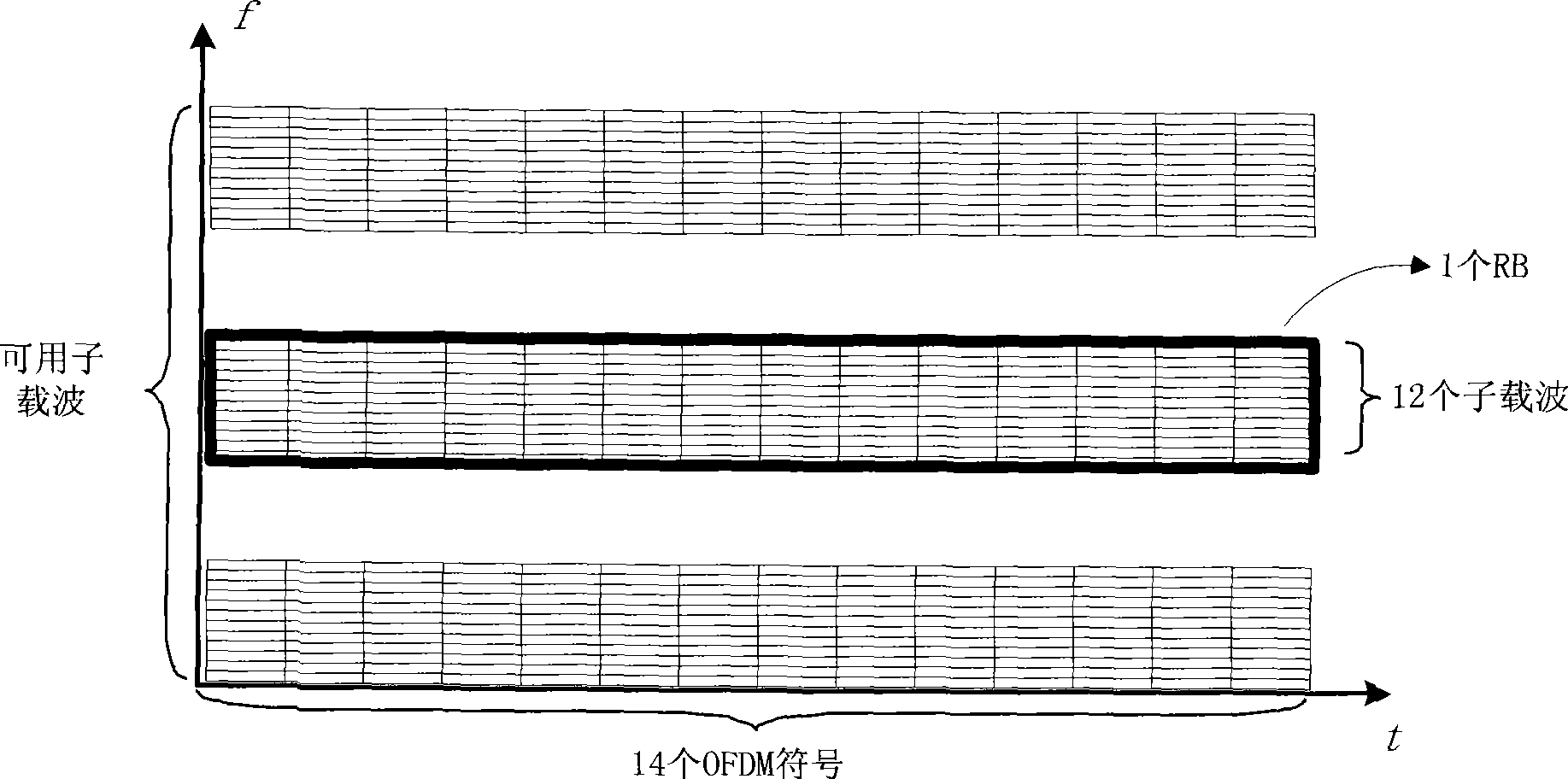
Figure 1 
Figure 2 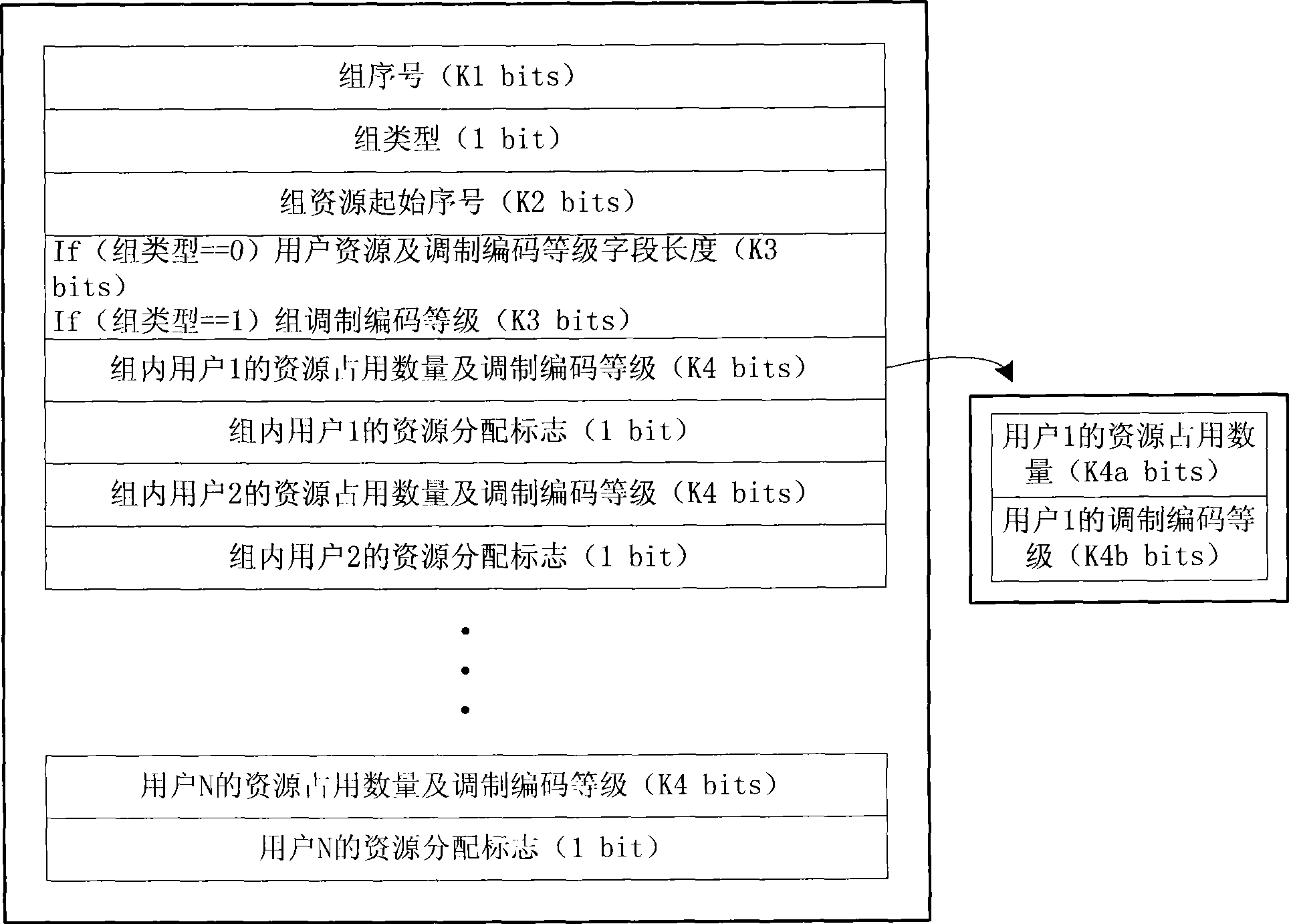
Figure 3
Abstract
Description
technical field
[0001] The invention relates to a broadband wireless communication system, in particular to a method for generating resource allocation signaling based on an orthogonal frequency division multiplexing system. Background technique
[0002] Orthogonal Frequency Division Multiplexing (OFDM) technology is one of the main candidates for future wireless communication technologies. In the frequency domain, a given channel is divided into many orthogonal subcarriers, signals are modulated on each subcarrier, and each subcarrier is transmitted in parallel. In this way, although the frequency response curve of the wireless channel is non-flat and has frequency selectivity, each sub-carrier is relatively flat, and a narrow-band transmission is performed on each sub-carrier, and the signal bandwidth is smaller than the channel bandwidth, so the signal can be greatly eliminated. Interference between waveforms. Since each sub-carrier is orthogonal to each other in the OF...
Examples
Embodiment
[0054] Taking the 3GPP (Third Generation Partnership Project) LTE (Long Term Evolution, Long Term Evolution) FDD (Frequency Division Duplex, Frequency Division Duplex) system as an example, a subframe contains 14 consecutive OFDM symbols, and the time length is 1ms . In this embodiment, 12 consecutive subcarriers and 14 consecutive OFDM symbols represent a resource block RB, such as figure 1 shown.
[0055] For the structure of the group resource allocation signaling set in this embodiment, see image 3 , starting high:
[0056] The first field is the group sequence number, and the length is K1bits (bits), and K1 is determined according to the maximum possible number of groups in the OFDM system. For example, assume that the number of retransmissions in the LTE system is 3 times, that is, there are 4 HARQ (Hybrid Automatic Repeat reQuest, automatic repeat request) processes, and each HARQ process is separated by 5 subframes, that is to say, it can be performed in 5 time pro...