
Fireproof pipeline made from new composite material
A composite material and pipeline technology, applied in the direction of pipeline protection, pipeline protection through thermal insulation, pipeline damage/wear prevention, etc., can solve problems such as failure of the tube body, poor fire resistance, damage, etc., to improve performance parameters and improve the flame retardant effect. Effect
Patent Information
- Authority / Receiving Office
- CN · China
- Current Assignee / Owner
- Publication Date
- 2015-05-27
- Estimated Expiration
- Not applicable · inactive patent
Smart Images
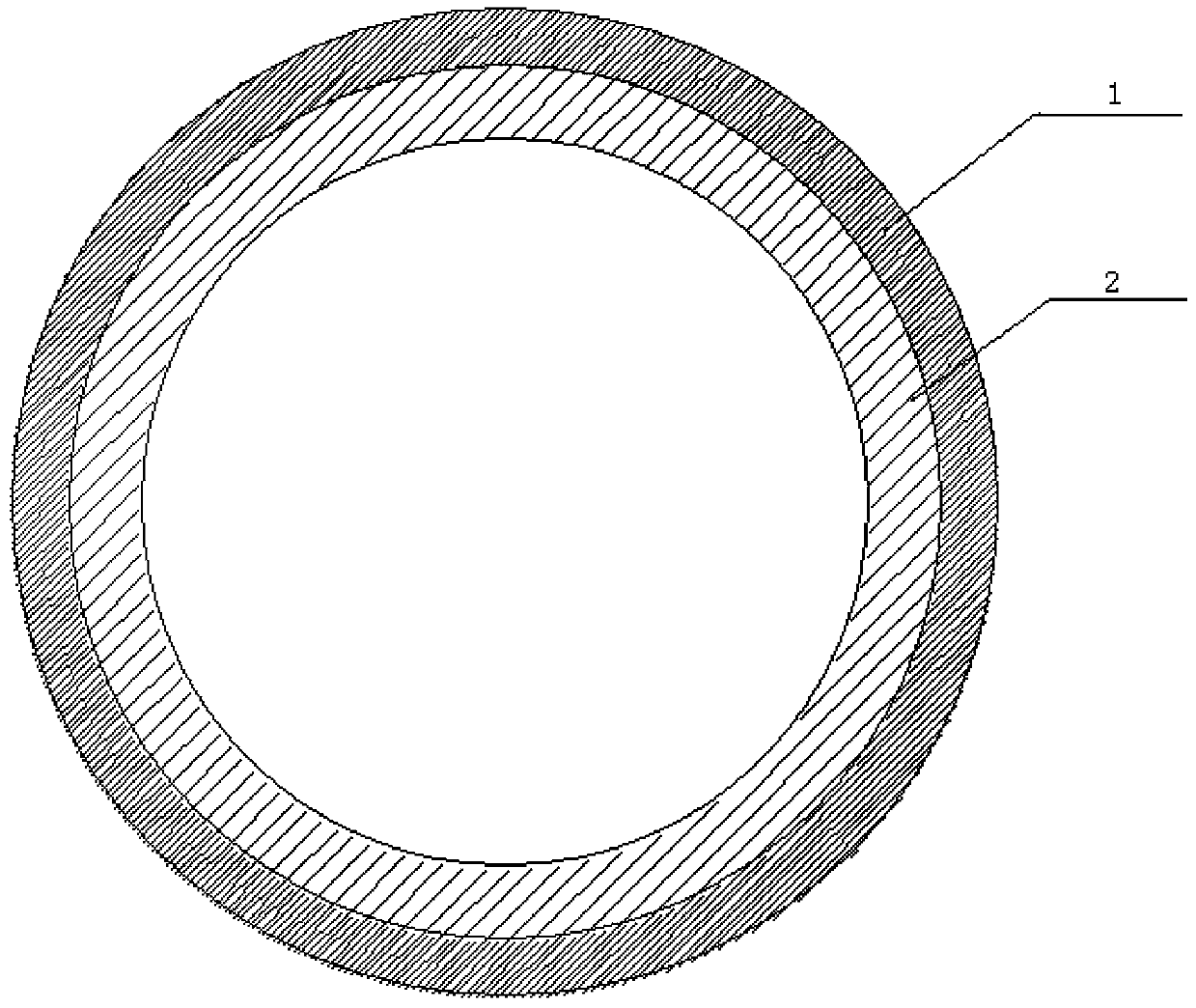
Figure 1 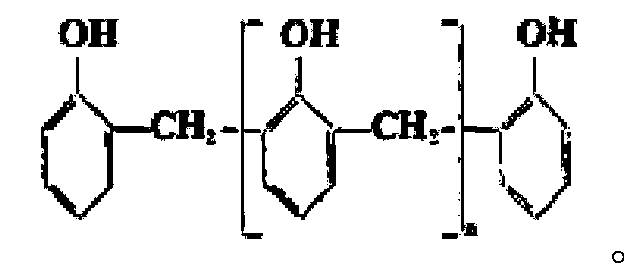
Figure 2 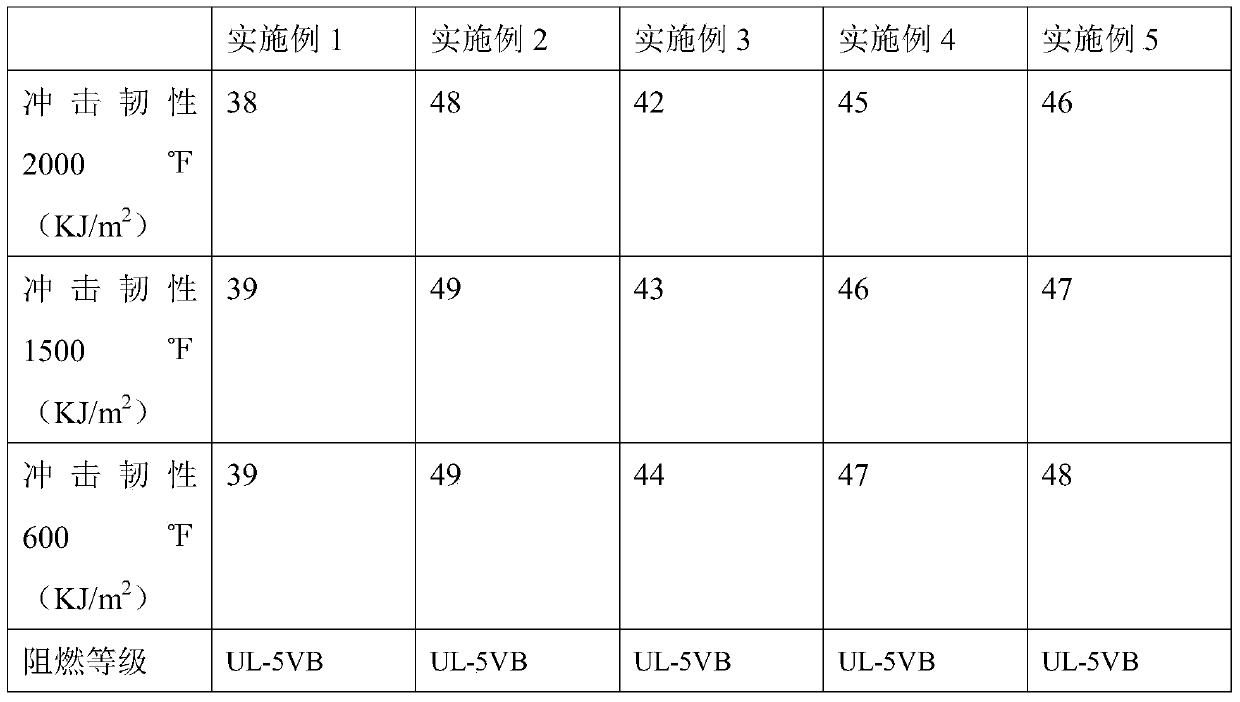
Figure 3
Abstract
Description
technical field
[0001] The invention discloses a fireproof pipeline, and in particular relates to a novel composite material fireproof pipeline. Background technique
[0002] At present, most of the FRP pipes on the market are non-flame retardant. Some manufacturers add appropriate inorganic fillers as flame retardants to the base material, which can achieve a certain degree of flame retardancy, but the fire resistance is poor and the effect is not ideal. The existing FRP pipes can achieve a certain degree of flame retardancy after adding fillers to the base material. However, due to the increased brittleness of the material itself after the addition of fillers, the fire resistance is poor. After the surface is burned, the inner FRP structure layer is damaged, and the pipe body is severely Ineffective, let alone meet the fire-resistant and flame-retardant requirements of marine engineering. Contents of the invention
[0003] Purpose of the invention: In order to overcome ...
Examples
Embodiment 1
[0015] A new type of fire-resistant composite material pipe, including a glass fiber reinforced plastic pipe layer and a fire-resistant insulation layer arranged outside the fiberglass pipe layer. Methylenetetramine C6H12N4; after stirring evenly, then impregnate the fiber and wind it to the surface of the formed FRP pipe to solidify and form.
Embodiment 2
[0017] A new type of fire-resistant composite material pipe, including a fiberglass pipe layer and a fire-resistant insulation layer arranged outside the fiberglass pipe layer. The fire-resistant insulation layer is made of GP-486G34 phenolic resin as a matrix material, and 15% of six Methylenetetramine C6H12N4; after stirring evenly, then impregnate the fiber and wind it to the surface of the formed FRP pipe to solidify and form.
Embodiment 3
[0019] A new type of fire-resistant composite material pipe, including a fiberglass pipe layer and a fire-resistant insulation layer arranged outside the fiberglass pipe layer. The fire-resistant insulation layer is made of GP-486G34 phenolic resin as a matrix material, and 10% of six Methylenetetramine C6H12N4; after stirring evenly, then impregnate the fiber and wind it to the surface of the formed FRP pipe to solidify and form.