
Method for identifying peanut producing area
A peanut production area and peanut technology, which is applied in the field of identifying the peanut production area, can solve the problems of complex sources of peanuts, uneven quality, etc., and achieve the effect of ensuring food safety, simple indicators, and realizing the protection of the origin
Patent Information
- Authority / Receiving Office
- CN · China
- Patent Type
- Applications(China)
- Current Assignee / Owner
- Publication Date
- 2015-11-25
- Estimated Expiration
- Not applicable · inactive patent
Smart Images
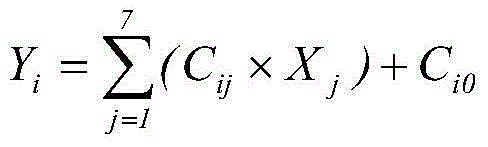
Figure 1 
Figure 2 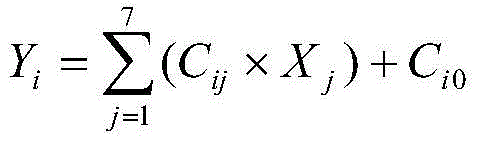
Figure 3
Abstract
Description
technical field
[0001] The invention relates to a method for identifying the origin of agricultural products, in particular to a method for identifying the origin of peanuts. Background technique
[0002] As an oil crop and multi-purpose economical plant, peanut is widely distributed in more than 20 provinces and autonomous regions in my country. Due to the impact of environmental factors such as climate, soil, water quality, and atmosphere, and the difference in planting patterns, the quality of peanuts in different regions varies significantly. At present, the quality control of peanut production in different origins in my country is different, resulting in complex sources of peanuts on the market and uneven quality. Therefore, it is urgent to establish a set of stable and reliable quality monitoring methods to ensure the traceability of the origin of peanuts. Origin traceability research can protect local specialty products and brands by identifying the origin of food, ...
Examples
Embodiment
[0042] (1) Hubei (7 batches), Fujian (3 batches), Jiangxi (28 batches), Shandong (2 batches), Heilongjiang (2 batches), Liaoning (7 batches of samples), a total of 49 batches The second peanut sample was analyzed and studied. After the sample was collected, it was washed, dried, and ground for later use.
[0043] (2) GC-MS was used to determine hexadecenoic acid (C 16:1 ), hexadecanoic acid (C 16:0 ), linoleic acid (C 18:2 ), arachidonic acid (C 20:1 ), docosenoic acid (C 22:1 ), tricosanoic acid (C 23:0 ), pentacosanoic acid (C 25:0 ) and other fatty acid content.
[0044] (3) 49 batches of samples were used as blind samples, and the measured independent variable values were substituted into the established model formula, and the corresponding discrimination results were obtained. The comparison of the discriminant results with the actual source is shown in Table 2. It can be seen from Table 2 that the discrimination accuracy rate of peanuts in 6 provinces is 69.2-1...