
A high compression ratio two-stroke gasoline compression ignition device and control method
A high compression ratio, two-stroke technology, applied in engine control, charging system, combustion engine, etc., can solve uninvolved problems, reduce mixing, reduce scavenging dead zone, and improve air exchange quality.
Patent Information
- Authority / Receiving Office
- CN · China
- Patent Type
- Patents(China)
- Current Assignee / Owner
- Publication Date
- 2018-12-21
Smart Images
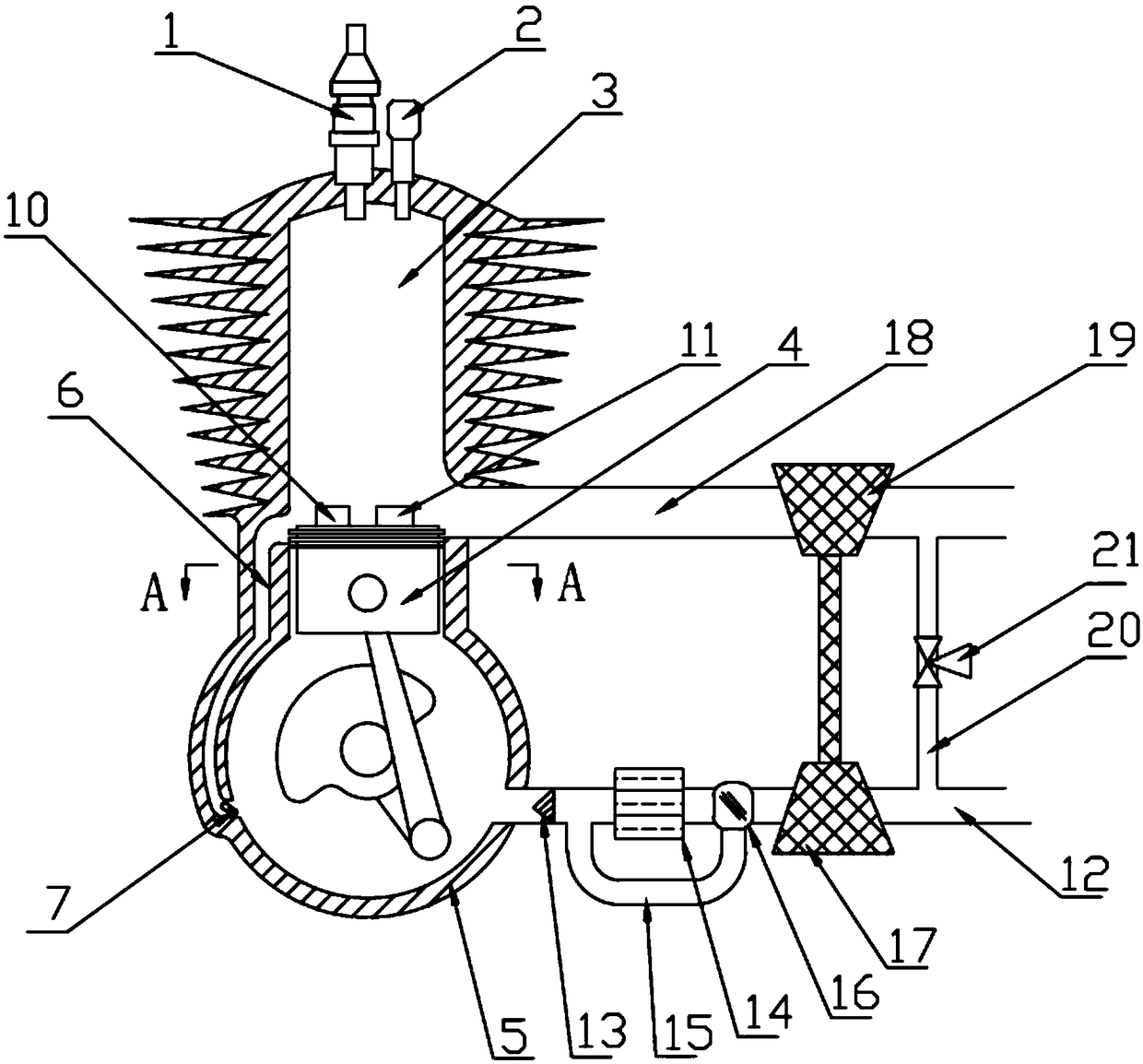
Figure 1 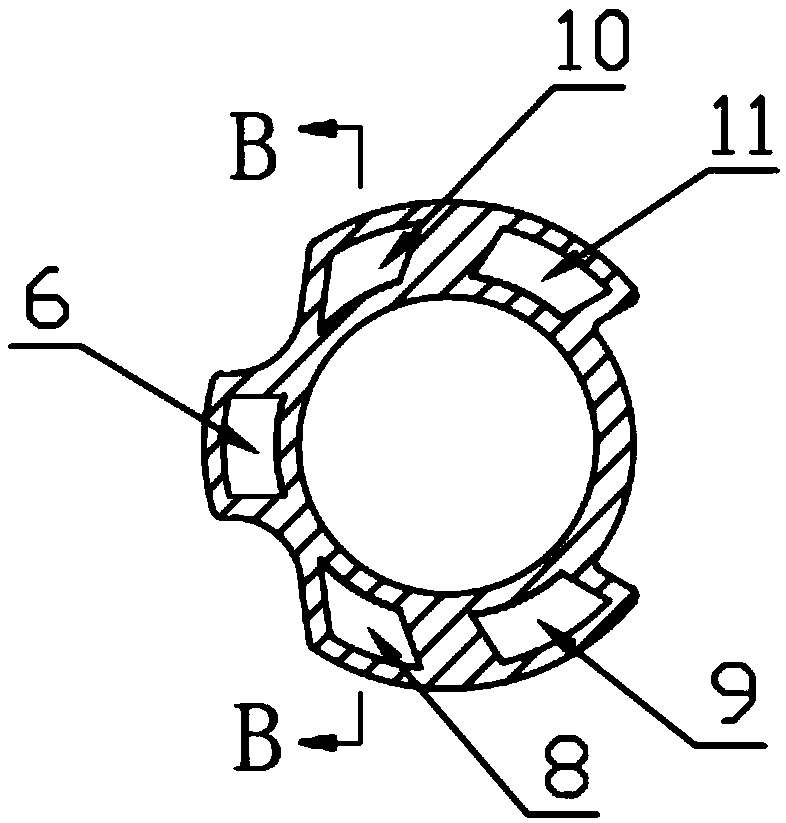
Figure 2 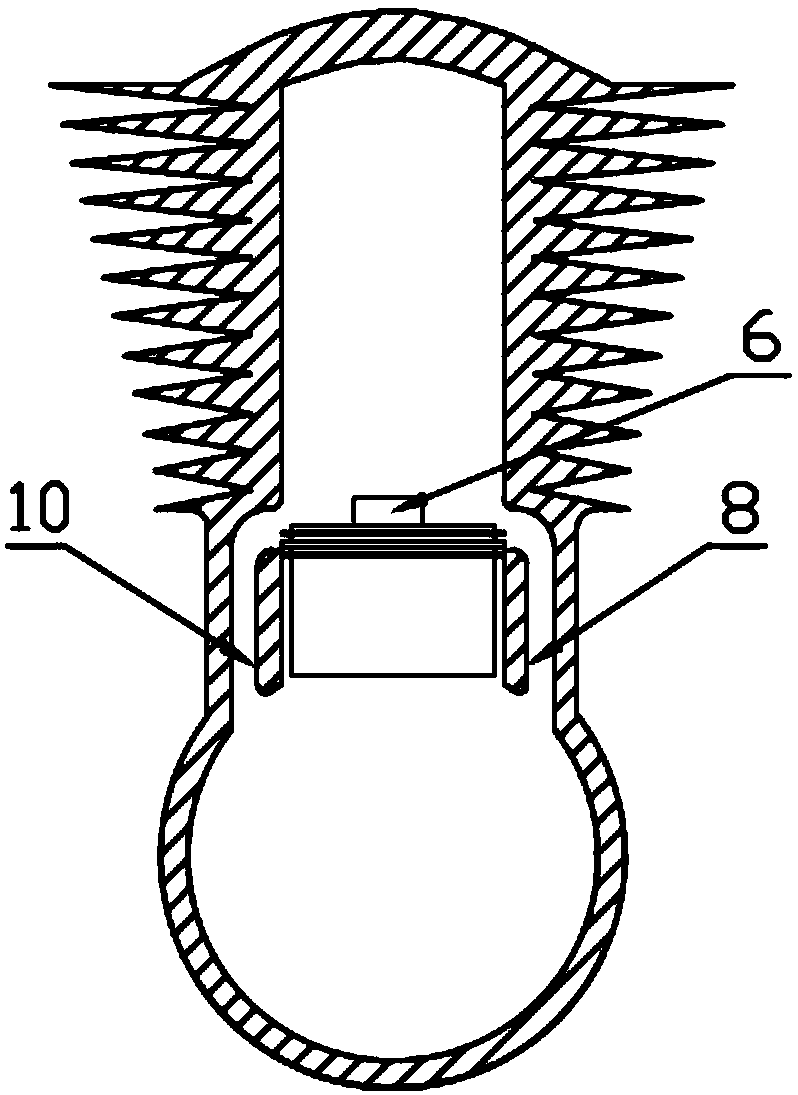
Figure 3
Abstract
Description
technical field
[0001] The invention relates to a two-stroke gasoline engine, in particular to a high compression ratio two-stroke gasoline compression ignition device and a control method. Background technique
[0002] The main difference between the working process of a two-stroke gasoline engine and a four-stroke gasoline engine is the ventilation process. The air intake, compression, work and exhaust of a four-stroke gasoline engine are completed in four strokes, while that of a two-stroke gasoline engine is completed in two strokes. Because the crankshaft has a working stroke every revolution, therefore, when the working volume and speed of the two-stroke gasoline engine are the same as those of the four-stroke gasoline engine, its power should be twice that of the four-stroke gasoline engine in theory. Moreover, due to the large number of working cycles at the same speed, the output torque is uniform and the operation is relatively stable. In addition, most two-strok...
Examples
Embodiment 1
[0033] (1) When starting cold, the electronic control unit ECU controls the glow plug 2 to heat the mixture in the cylinder, and the glow plug 2 does not work under non-cold start conditions. The ECU controls the intake control valve 16 to open to the intake bypass pipe 15, controls the long scavenging channel valve 7 to close, and controls the external exhaust gas recirculation valve 21 to close. When the piston is near the top dead center, the volume of the crankcase 5 increases, the pressure in the crankcase 5 decreases, the reed valve 13 opens, fresh air flows in from the inlet of the intake pipe 12, and is pressurized by the compressor 17. Then through the intake control valve 16, the intake bypass pipe 15 and the reed valve 13, the crankcase 5 is charged for the first time; When the upper opening of the fourth scavenging passage 11 is opened, the fresh air of the crankcase enters the cylinder scavenging air from the first scavenging passage 8, the second scavenging passa...