
General hydrodynamic calculation method for ultra-supercritical boiler
A technology of ultra-supercritical boiler and calculation method, which is applied in the direction of calculation, special data processing application, instrument, etc., can solve the problems of hydrodynamic calculation difficulty of ultra-supercritical boiler, limiting the scope of application of the model, affecting the accuracy of the model, etc.
Patent Information
- Authority / Receiving Office
- CN · China
- Current Assignee / Owner
- Publication Date
- 2017-06-27
Smart Images
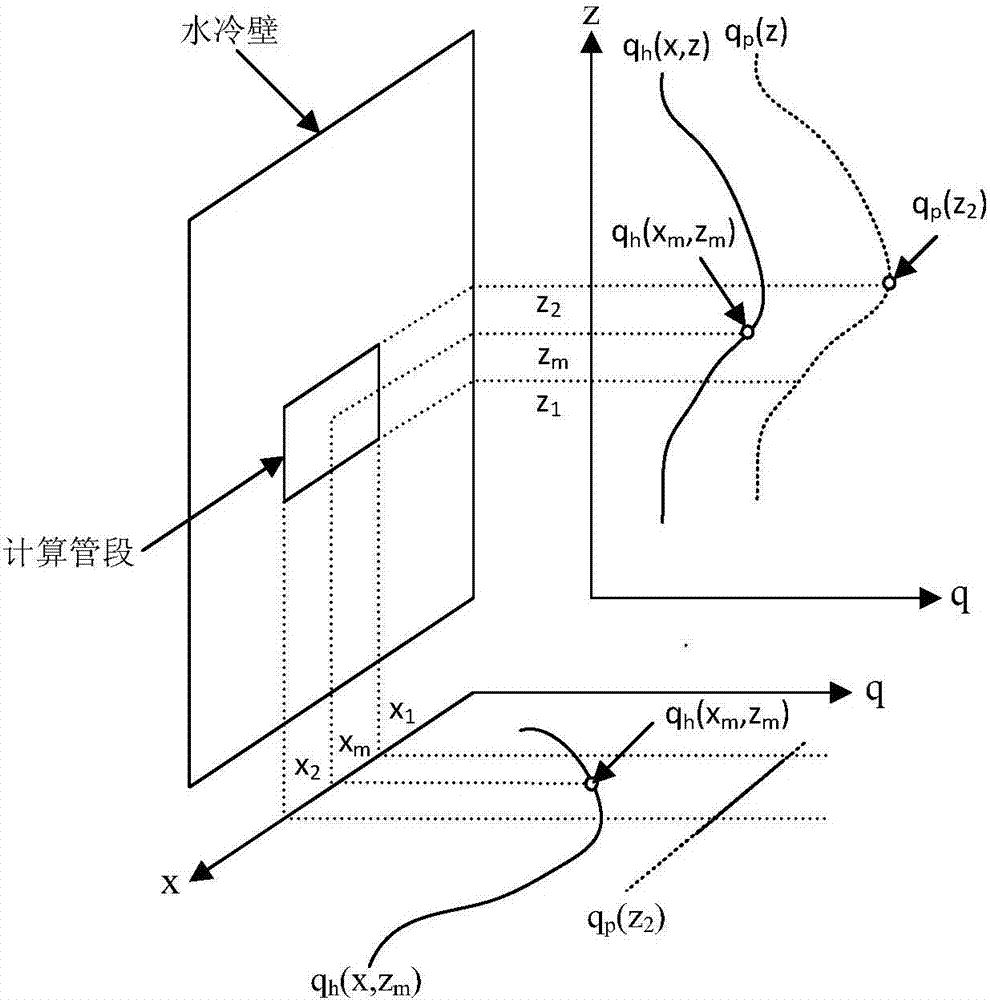
Figure 1 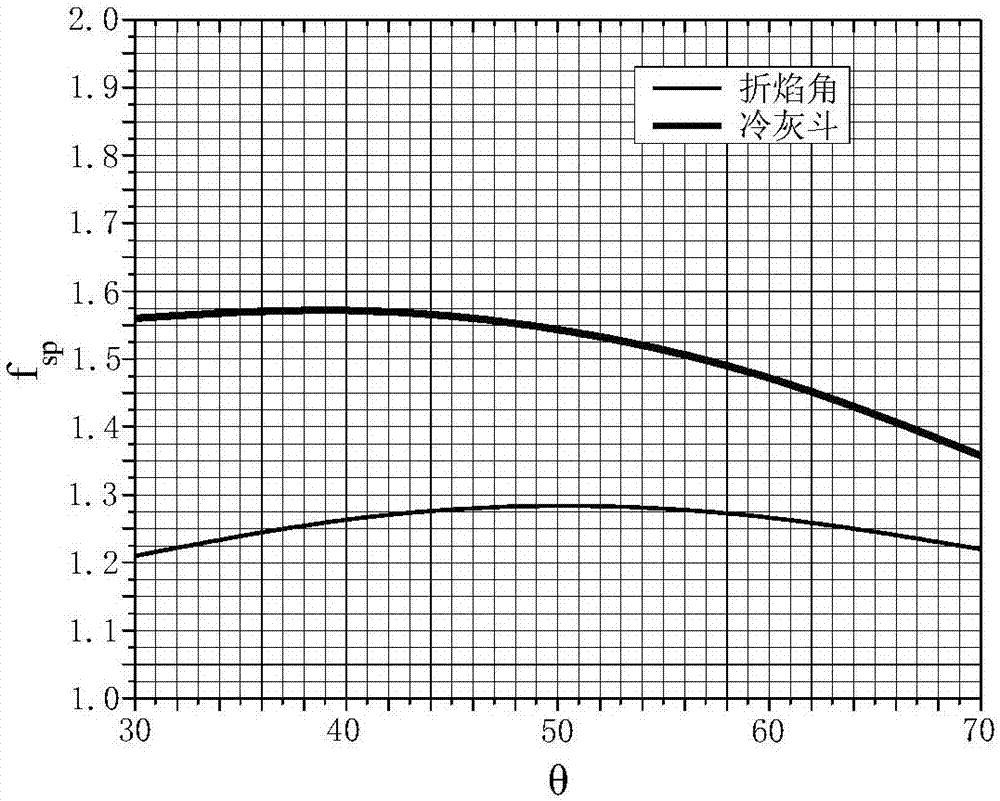
Figure 2 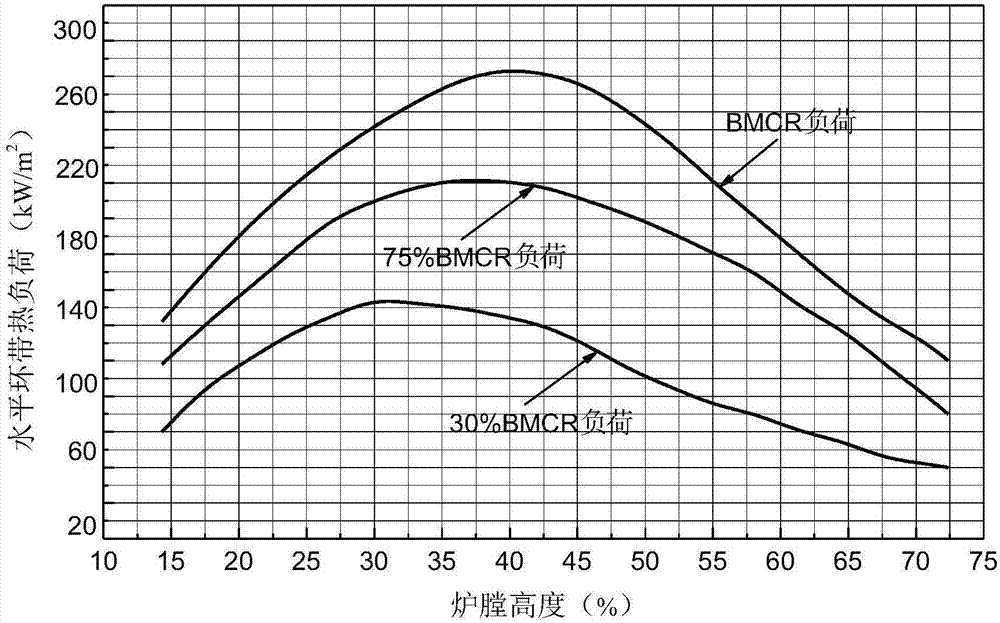
Figure 3
Abstract
Description
technical field
[0001] The invention belongs to the field of thermal energy engineering and relates to the design and safety check of an ultra-supercritical boiler water wall system. In particular, it relates to a general design and safety check method that can be used in various forms of ultra-supercritical boiler water wall systems. Background technique
[0002] The research on the hydrodynamic characteristics of ultra-supercritical boiler water wall is one of the key technologies of ultra-supercritical boiler, which is of great significance to the optimal design of water wall and the safe and reliable operation of the boiler. At present, the hydrodynamic calculation methods mainly include the chord-intersection calculation model and the polynomial fitting model. The chord-intercept method uses the chord-intercept method to solve the nonlinear momentum conservation equation, which is second-order convergent. From the mathematical point of view, because of the need to sol...
Examples
Embodiment Construction
[0071] 1. Divide circuits and pipe sections:
[0072] Circuit division: The geometric structure and heat absorption of the tubes that make up the water wall of the boiler are different, and there are structural deviations and thermal deviations. Adjacent tubes with basically the same geometric structure and heat absorption deviation are divided into the same circuit, and the thermal parameters and geometric structures of each single tube are considered to be exactly the same. At the same time, in the part where the heat absorption deviation changes significantly in the horizontal direction of the furnace or the geometric structure changes greatly, the circuit division should be dense, and the number of distribution pipes corresponding to each circuit is small, while in the area where the heat absorption deviation or geometric structure changes gently, the circuit division should be It can be relatively sparse, and the number of pipes corresponding to each circuit is relatively...