
A Calligraphy Gesture Automatic Recognition Method Based on Wi-Fi Signal
An automatic recognition and signal technology, applied in character and pattern recognition, instruments, computing, etc., can solve problems such as leakage of user privacy, failure of fine-grained gesture recognition, and expensive professional equipment.
Patent Information
- Authority / Receiving Office
- CN · China
- Patent Type
- Patents(China)
- Current Assignee / Owner
- Publication Date
- 2020-10-23
Smart Images
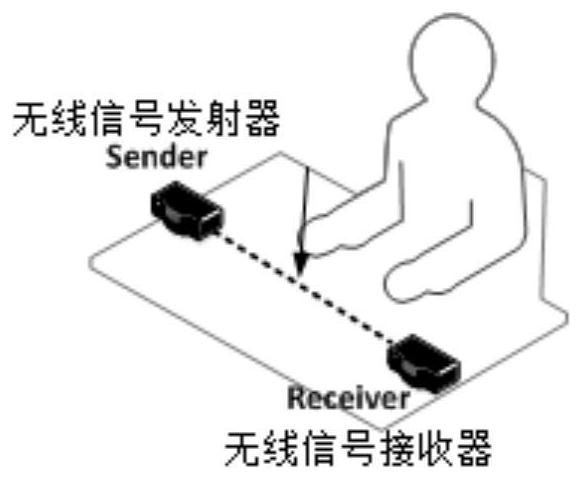
Figure 1 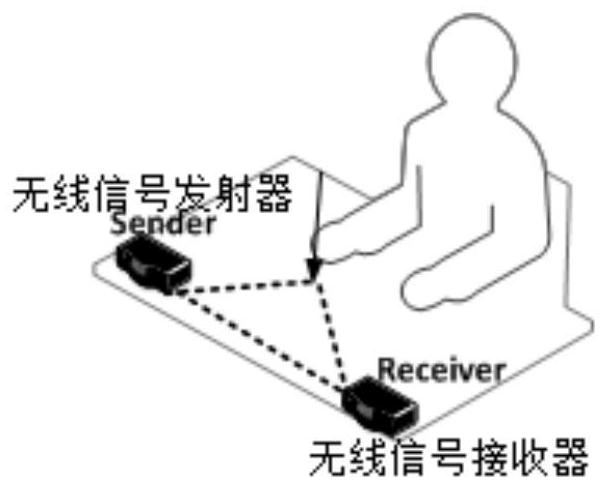
Figure 2 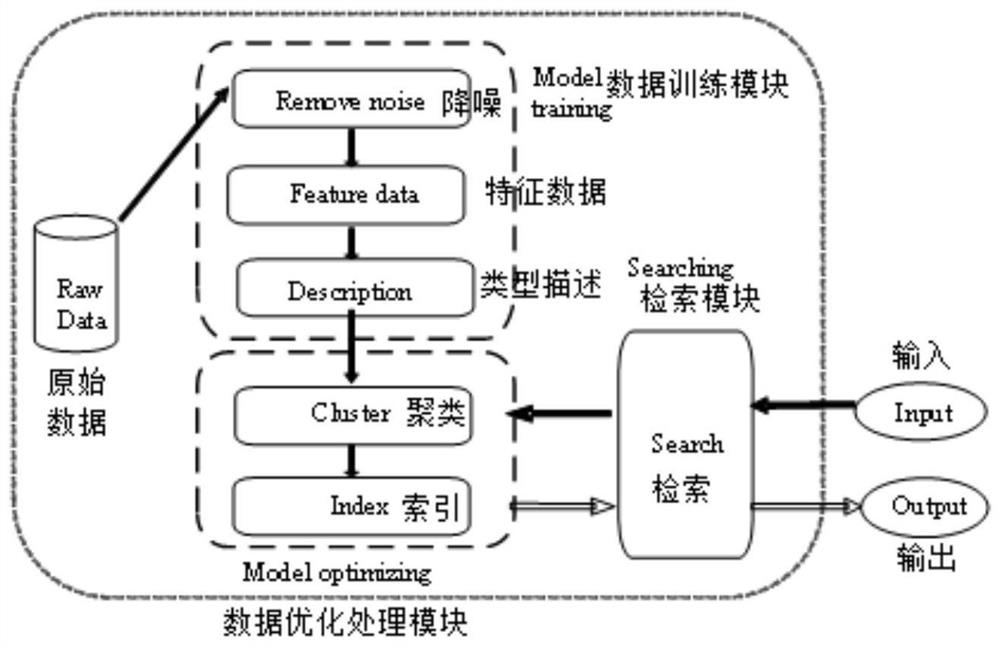
Figure 3
Abstract
Description
technical field
[0001] The invention relates to the technical field of wireless signal tracking perception and human-computer interaction, in particular to a method for automatic recognition of calligraphy gestures based on Wi-Fi signals. Background technique
[0002] Chinese calligraphy is the art of writing Chinese characters with a special Chinese conical brush, and is an important carrier of Chinese culture. In 2015, the Ministry of Education issued the "Guidelines for Improving the Education of Excellent Chinese Traditional Culture", which further clearly requires students to be able to write Chinese characters in a standardized way, to copy the calligraphy of famous masters, and to experience the beauty and artistic conception of calligraphy. For a long time, the traditional on-the-spot observation-style calligraphy teaching method requires teachers to guide students to make posts, demonstrate and correct calligraphy strokes one by one. In the process of practice, the...
Examples
Embodiment Construction
[0048] The main problems faced by the inventor team in the process of researching calligraphy gesture recognition based on WiFi signals are as follows: First, it is difficult to predict and define the gestures involved in the process of calligraphy movement, the frame structure of writing fonts, the thickness of ink and ink, and the strength of strokes. and quantify. Second, solve the problem of automatic separation of continuous strokes. For the posture tracking process, the collected data is a continuous posture change, but Chinese characters are composed of multiple strokes rather than continuous strokes. The distinction between the two action points of raising the pen and falling the pen is very important. If it is impossible to distinguish between the gestures after the pen is lifted and the pen is put down, and the result is a graffiti-like gesture, then the recognition will be meaningless. Third, there is the problem of different writing scales, that is, the problem of...