
A serum/plasma exosomal miRNA marker associated with atrial septal congenital heart disease and its application
A congenital heart disease, exosome technology, applied in the field of biotechnology and diagnosis, can solve the problem of atrial septal congenital heart disease specific miRNA research that cannot be used as a marker for specific diagnosis of atrial septal congenital heart disease Few, can not be used as a wide range of screening and other issues, to achieve the effect of high reverse transcription efficiency, high sensitivity, strong accuracy
Patent Information
- Authority / Receiving Office
- CN · China
- Patent Type
- Patents(China)
- Current Assignee / Owner
- Publication Date
- 2021-10-08
Smart Images
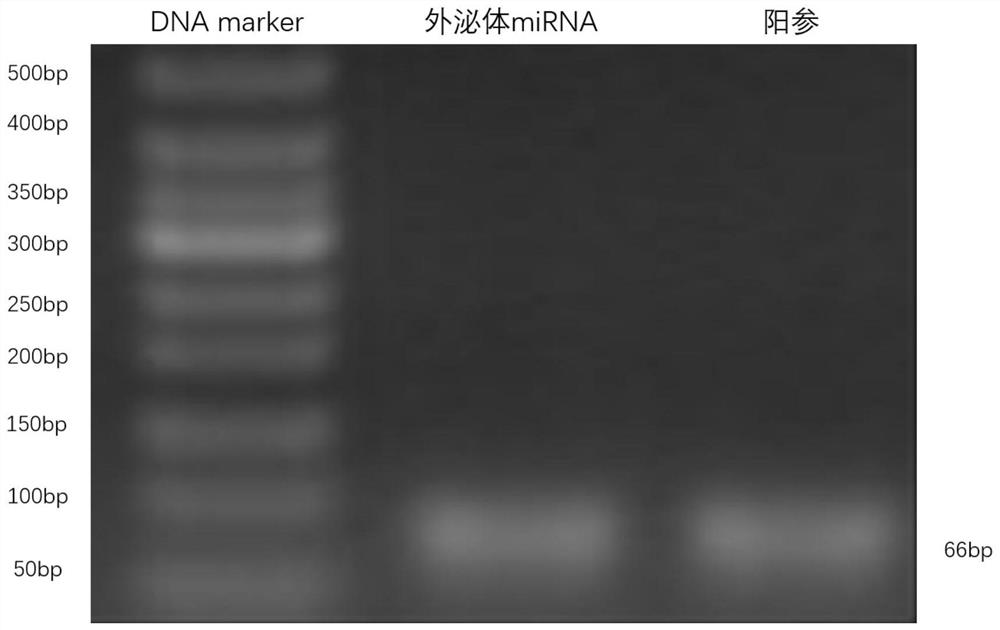
Figure 1 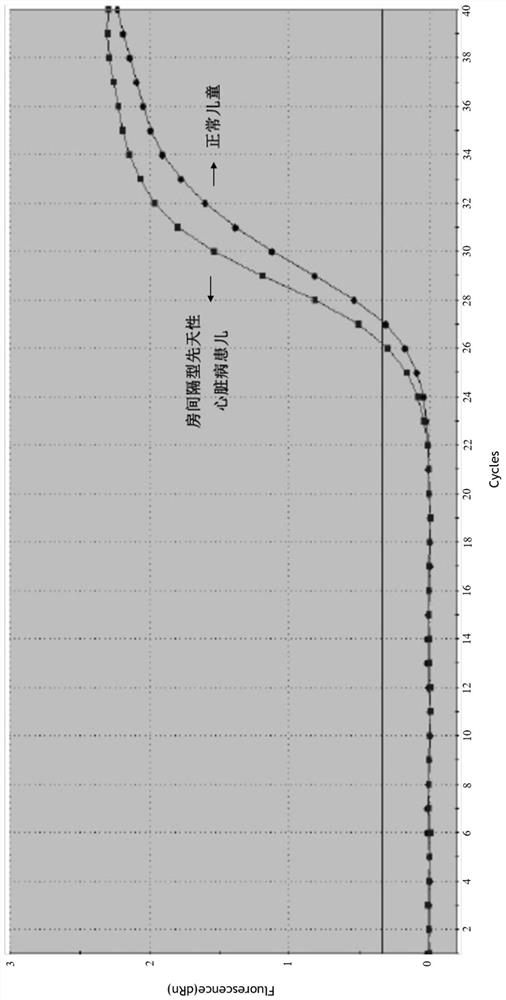
Figure 2 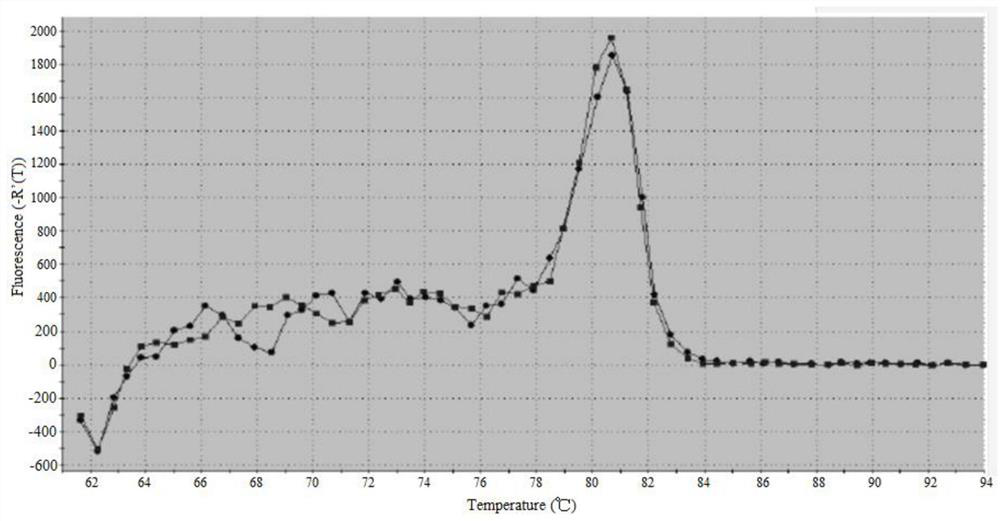
Figure 3
Abstract
Description
technical field
[0001] The present invention relates to the fields of biotechnology and diagnosis, more specifically, to a serum / plasma exosome miRNA marker related to atrial septal congenital heart disease and its application. Background technique
[0002] Atrial septal congenital heart disease is one of the common congenital heart malformations, which is caused by the abnormality of the original atrial septum during embryonic development, resulting in a gap left between the left and right atrium. ASD can occur alone or coexist with other types of cardiovascular malformations. Congenital heart disease accounts for approximately 0.8-1.2% of birth defects. At present, there are about 2 million congenital heart disease patients in my country, and the overall incidence rate is about 8‰, and about 120,000 to 200,000 children with congenital heart disease are born every year. In the United States, there are about 8-10 children with congenital heart disease per 1000 live births,...
Examples
Embodiment 1
[0041] 1. Experimental materials and methods
[0042] 1.1 Case selection
[0043] 1.1.1 Diagnostic criteria
[0044] Diagnosis of atrial septal congenital heart disease Children with simple atrial septal congenital heart disease diagnosed by echocardiography in the hospital.
[0045] 1.2 Case information
[0046] From December 2015 to December 2017, a total of 30 patients with atrial septal congenital heart disease who met the inclusion criteria were collected in this study. All cases came from the Department of Cardiothoracic Surgery of Nanjing Children's Hospital and were confirmed by pathological examination. The age of the patients ranged from 1 to 13 years, with a median age of 2.5 years. The normal control group ("normal" in this study refers to non-cardiac developmental malformations) 29 cases, aged 1-11 years, with a median age of 4 years, were healthy volunteers from the Department of Pediatrics, Nanjing Children's Hospital Affiliated to Nanjing Medical University....