
Special nematode-resistant growth-promoting biological fertilizer for wheat
A biological fertilizer and anti-nematode technology, applied in the direction of microorganisms, fertilizer mixtures, ammonium orthophosphate fertilizers, etc., to achieve the effects of convenient operation, increased thousand-grain weight, and simple cultivation conditions
Patent Information
- Authority / Receiving Office
- CN · China
- Patent Type
- Applications(China)
- Current Assignee / Owner
- Publication Date
- 2020-07-17
- Estimated Expiration
- Not applicable · inactive patent
Smart Images

Figure 1 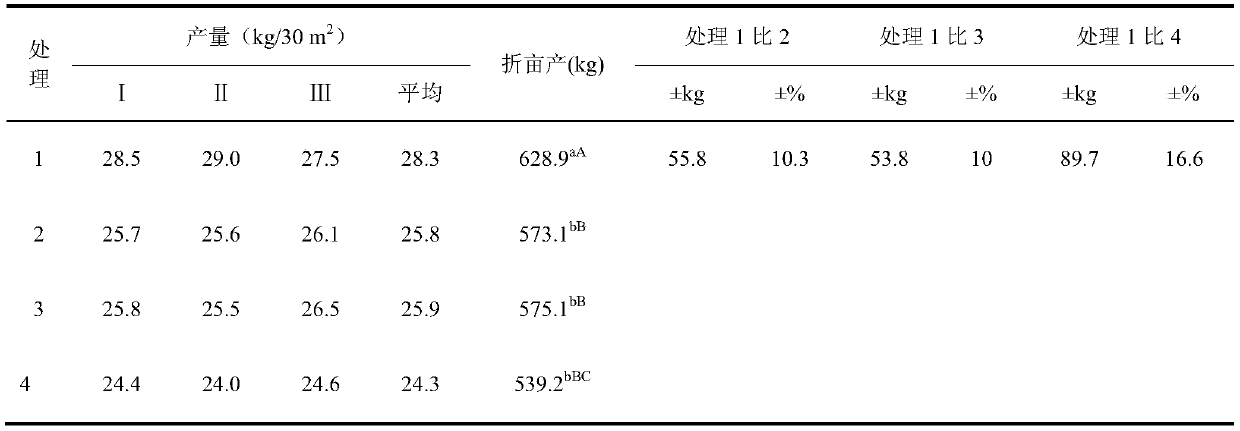
Figure 2 
Figure 3
Abstract
Description
technical field
[0001] The invention relates to the field of microbial fertilizers, in particular to a special biological fertilizer for nematode resistance and growth promotion for wheat. Background technique
[0002] Wheat cyst nematode, also known as wheat cereal cyst nematode (CCN), is an important soil-borne disease that harms wheat and other cereal crops. It has a wide range of incidence in my country and is difficult to control. Therefore, the prevention and treatment of this disease should adopt the policy of "prevention first, comprehensive prevention and control". In plots where wheat cyst nematode occurs seriously, soil fumigants such as chloropicrin, D-D mixture and dazomet or nematicides with contact or systemic effects are usually used, such as aldicarb, which can Effectively control wheat cyst nematodes. Although the control effect of chemical drugs is relatively good, it causes great harm to human and animal health, high cost, and pollutes the environment. ...
Examples
Embodiment 1
[0017] The present invention is a special nematode-resistant and growth-promoting biological fertilizer for wheat, which is prepared by mixing uniformly by weight: 40% of compound microbial bacterial agent, 13% of urea, 33% of monoammonium phosphate, 7% of potassium chloride and 7% of potassium humate become.
Embodiment 2
[0019] The present invention is a special nematode-resistant and growth-promoting biological fertilizer for wheat, which is prepared by mixing uniformly by weight: 35% of compound microbial bacterial agent, 15% of urea, 30% of monoammonium phosphate, 10% of potassium chloride and 10% of potassium humate become.
Embodiment 3
[0021] The present invention is a special nematode-resistant and growth-promoting biological fertilizer for wheat, which is prepared by mixing uniformly by weight: 45% of compound microbial bacterial agent, 10% of urea, 35% of monoammonium phosphate, 5% of potassium chloride and 5% of potassium humate become.