
Self-adaptive deep learning optimization energy-saving control algorithm for central air-conditioning cold supply system
A centralized air-conditioning and deep learning technology, applied in the field of air-conditioning, can solve problems such as unfavorable applications, achieve the effects of saving operation and maintenance costs, improving management efficiency, and optimizing energy-saving effects
Patent Information
- Authority / Receiving Office
- CN · China
- Patent Type
- Applications(China)
- Current Assignee / Owner
- Publication Date
- 2022-05-27
Smart Images
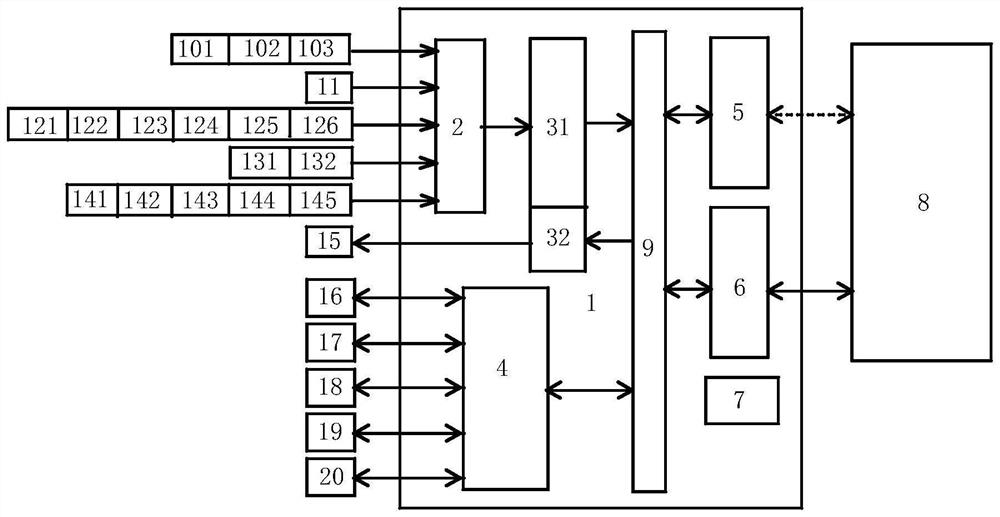
Figure 1 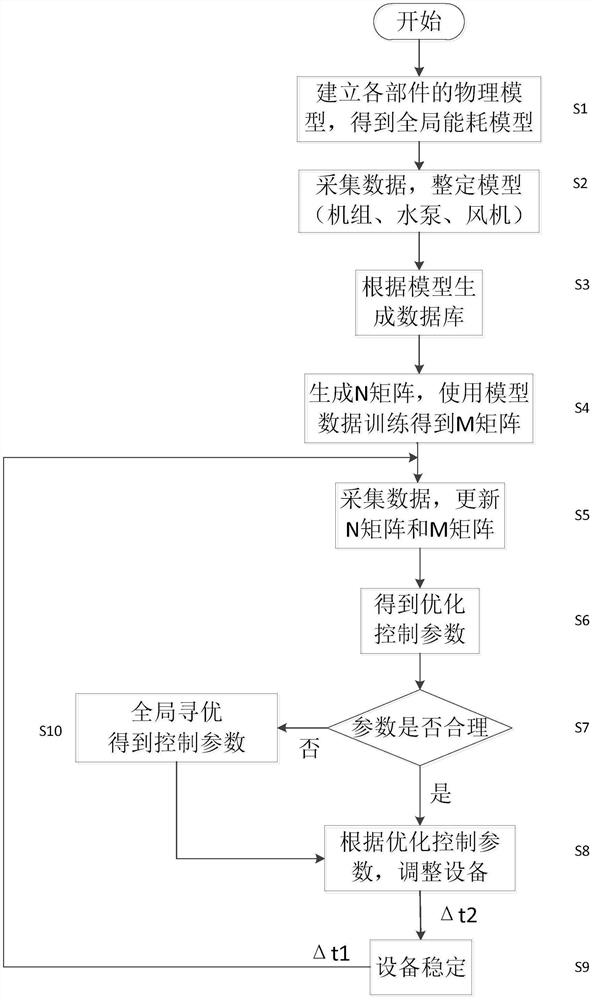
Figure 2 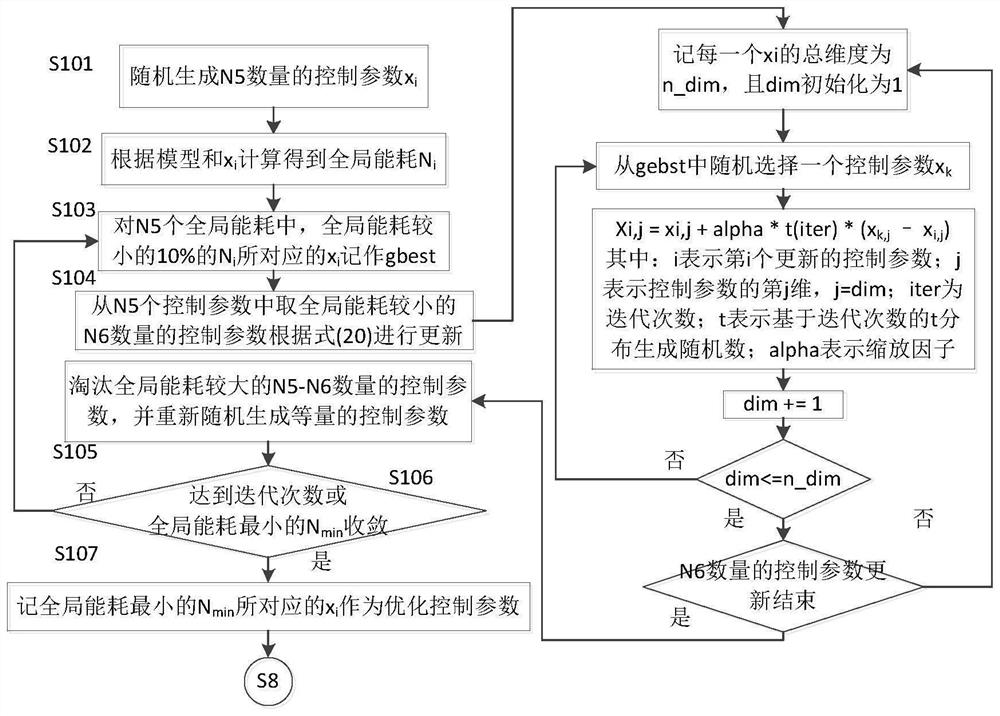
Figure 3
Abstract
Description
technical field
[0001] The invention relates to the field of air conditioning, in particular to an adaptive deep learning optimization energy-saving control algorithm for a central air conditioning cooling system. Background technique
[0002] The cooling system has been widely used and paid attention to in the field of building air conditioning due to its significant effect on saving the total energy consumption of the building due to excessive energy consumption. The control of cooling system currently mainly adopts two control methods: (1) fixed control parameters, including chilled water supply temperature or return water temperature, chilled water pump frequency, cooling water pump frequency and cooling tower fan frequency; (2) based on expert strategies, More energy-saving control parameters are given by professionals according to the outdoor environmental conditions. The modeling method of cooling system mainly adopts two methods: physical model and data-driven mathe...
Examples
Embodiment
[0062] Example: as figure 1 As shown, the embodiment of the present invention includes an adaptive deep learning optimized energy-saving control algorithm for a central air conditioner cooling system, and the algorithm is implemented by a control device of the central air conditioner. The control device used in the algorithm of this embodiment includes: a server data platform for implementing the adaptive deep learning optimization energy-saving control method of the central air conditioning and cooling system of the present invention; a plurality of temperature sensors, water flow sensors and electric power sensors, respectively, through data The connection port is connected in communication with the server data platform. The device specifically includes:
[0063] Data transfer module (DTU: Data Transfer Unit) 1, data filter module 2, data I / O interface input end 31, data I / O interface output end 32, RS485 communication interface 4, 4G / 5G communication interface 5, WAN commu...