
Fingerprint based smart phone user verification
a smart phone and fingerprint technology, applied in the field of fingerprint based smart phone user verification, can solve the problems of inability to achieve optimum value, inability to provide background voice authentication, and inability to provide security in mobile electronic devices. to achieve the effect of effective and transparen
Patent Information
- Authority / Receiving Office
- US · United States
- Patent Type
- Patents(United States)
- Current Assignee / Owner
- Publication Date
- 2018-11-06
- Estimated Expiration
- Not applicable · inactive patent
Smart Images
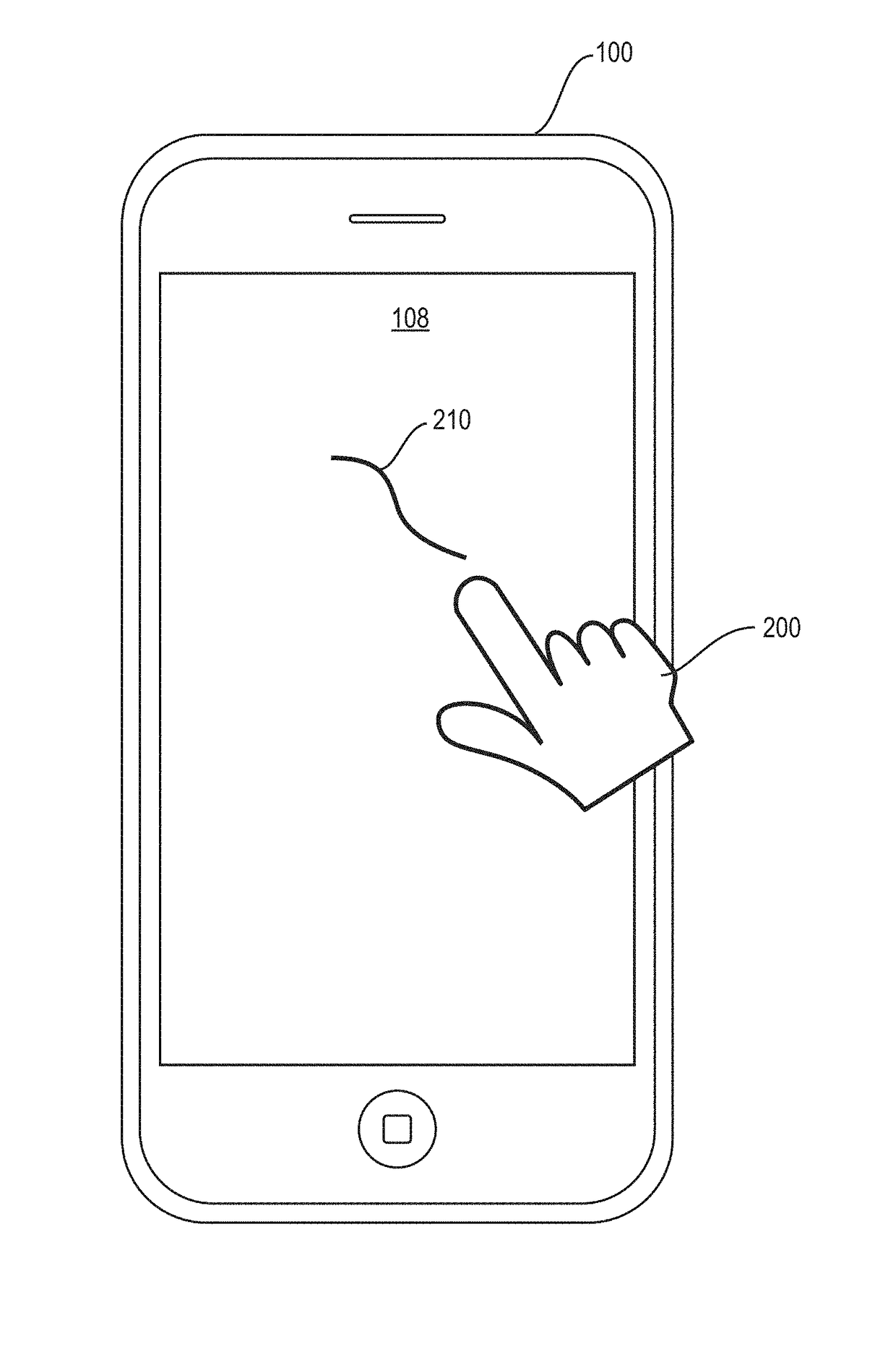
Figure 1 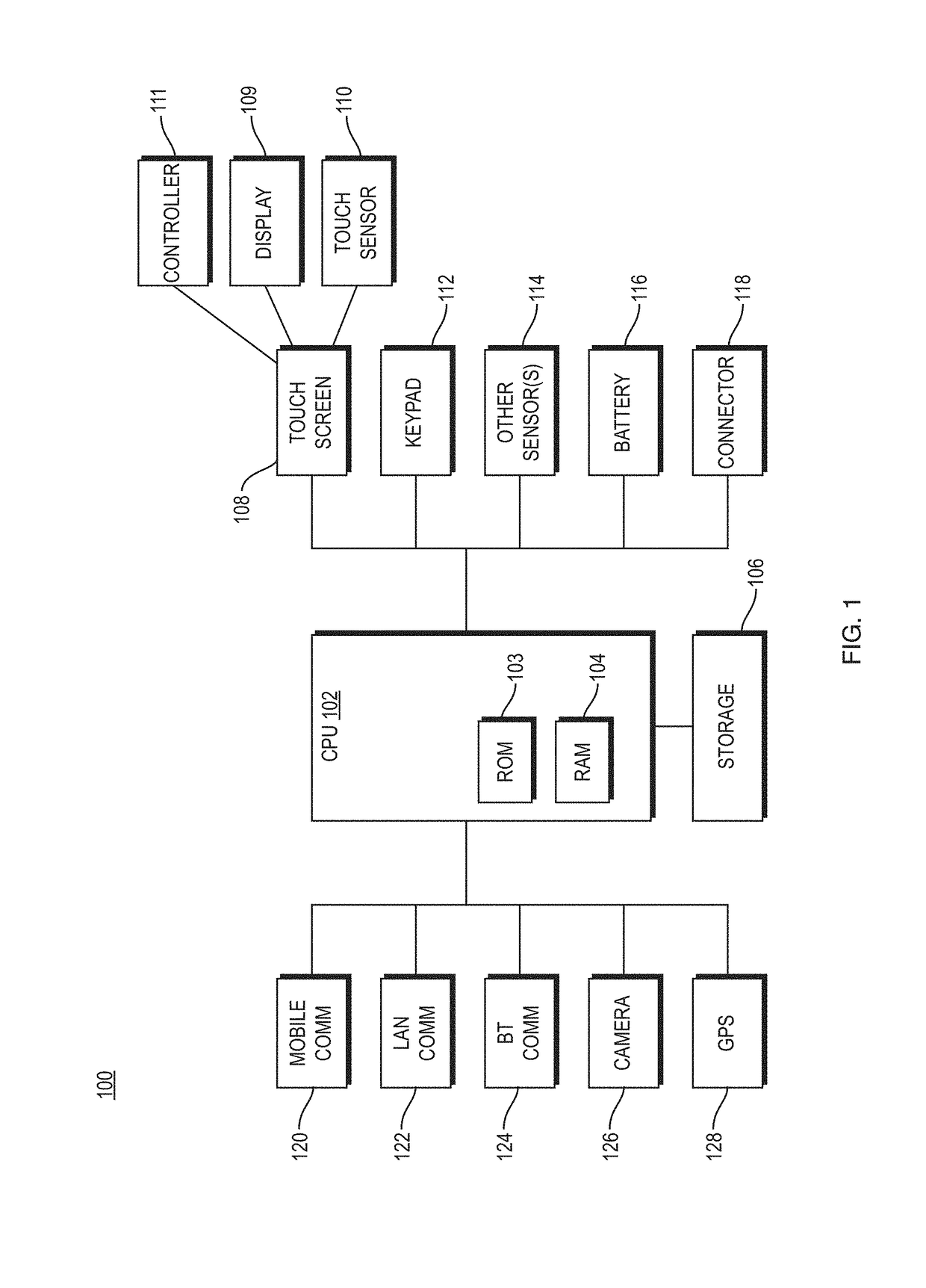
Figure 2 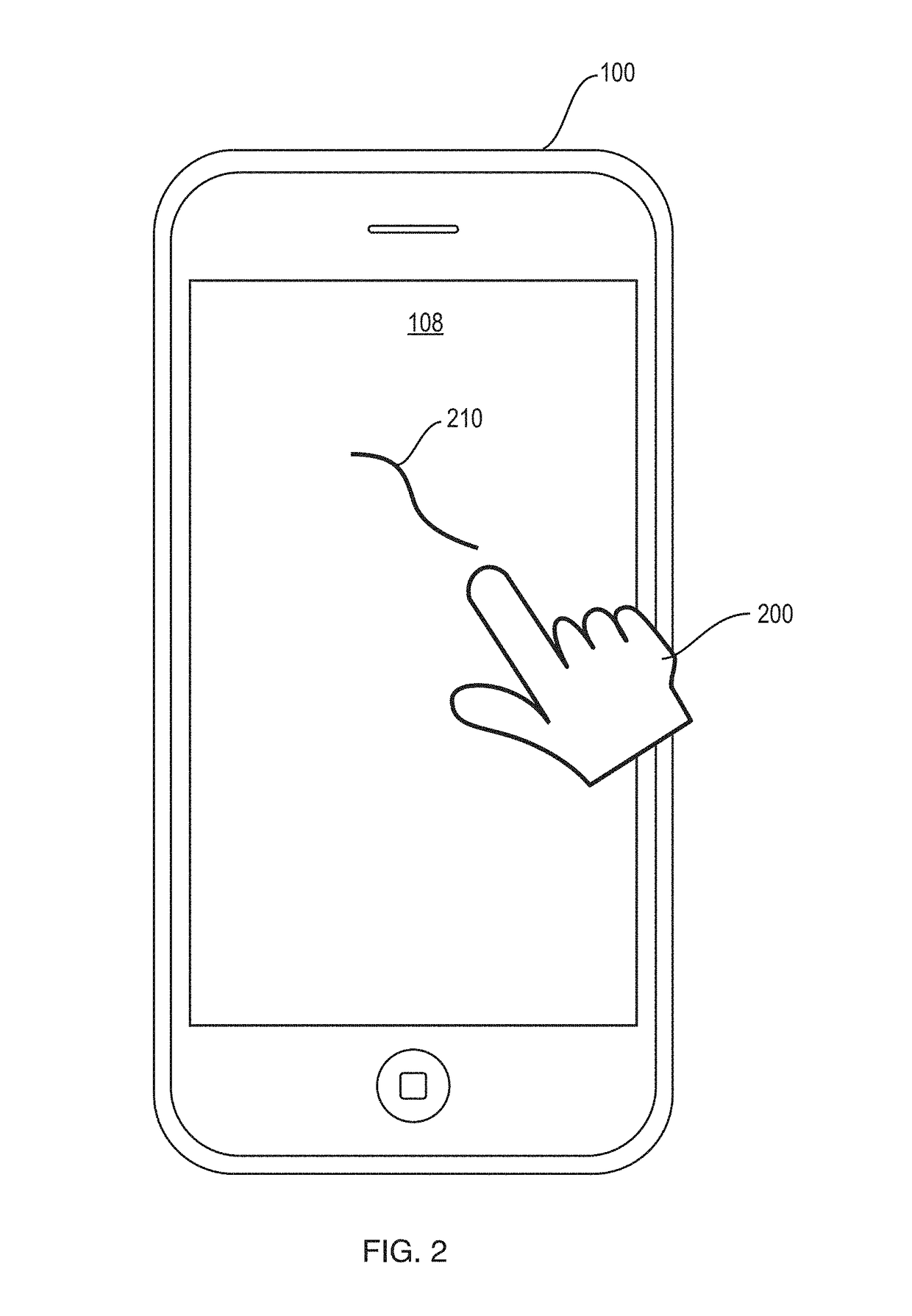
Figure 3
Abstract
Description
CROSS REFERENCE TO RELATED APPLICATIONS
[0001] This application claims the benefit of a U.S. Provisional Patent Application Ser. No. 62 / 293,924 filed Feb. 11, 2016 entitled “Fingerprint Based User Verification Using Self Registration of the Valid User” and is a continuation in part of co-pending U.S. patent application Ser. No. 15 / 226,153 filed Aug. 2, 2016 entitled “Fingerprint Based Smart Phone User Verification” which is a continuation in part of co-pending U.S. patent application Ser. No. 14 / 231,935 filed Apr. 1, 2014 entitled “Fingerprint Based Smartphone User Verification”, which in turn claims the benefit of U.S. Provisional Patent Application Ser. No. 61 / 807,113 filed Apr. 1, 2013 entitled “Fingerprint Based Smart Phone User Verification”. The entire contents of each of the above-referenced patent applications are hereby incorporated by reference.BACKGROUNDTechnical Field
[0002] This application relates in general to providing security in mobile electronic devices and in particu...
Examples
Embodiment Construction
A. Introduction
[0035]Described below are a system and method for using a touch screen, already present in most mobile devices, to provide active, continuous user authentication. The touch screen inputs provided as a user goes about normal interaction with the device provide sufficient interaction to verify that a valid user has possession of the device. The same physiological data can be combined with habitual gestures detected using the same touchscreen sensors to further authenticate the user.
B. Typical Device Architecture
[0036]FIG. 1 is a high-level block diagram of a typical device in which the methods and systems described herein may be implemented in whole or in part. Those of skill in the art will recognize the block diagram as illustrating example components of a typical smartphone, tablet, laptop computer device 100, or the like. The device 100 includes a central processing unit (CPU) 102 which may be a integrated circuit microprocessor or microcontroller. CPU 102 includes ...