
Identifying digital attributes from multiple attribute groups within target digital images utilizing a deep cognitive attribution neural network
a neural network and attribute technology, applied in still image data clustering/classification, biological models, instruments, etc., can solve the problems of inability to target or compare particular identified attributes within digital images, inability to target or compare particular identified attributes, and inability to operate flexible and efficient, so as to achieve efficient localization and prediction of higher-order attributes, efficient and flexible operation, and powerful
Patent Information
- Authority / Receiving Office
- US · United States
- Patent Type
- Patents(United States)
- Current Assignee / Owner
- Publication Date
- 2022-07-12
Smart Images
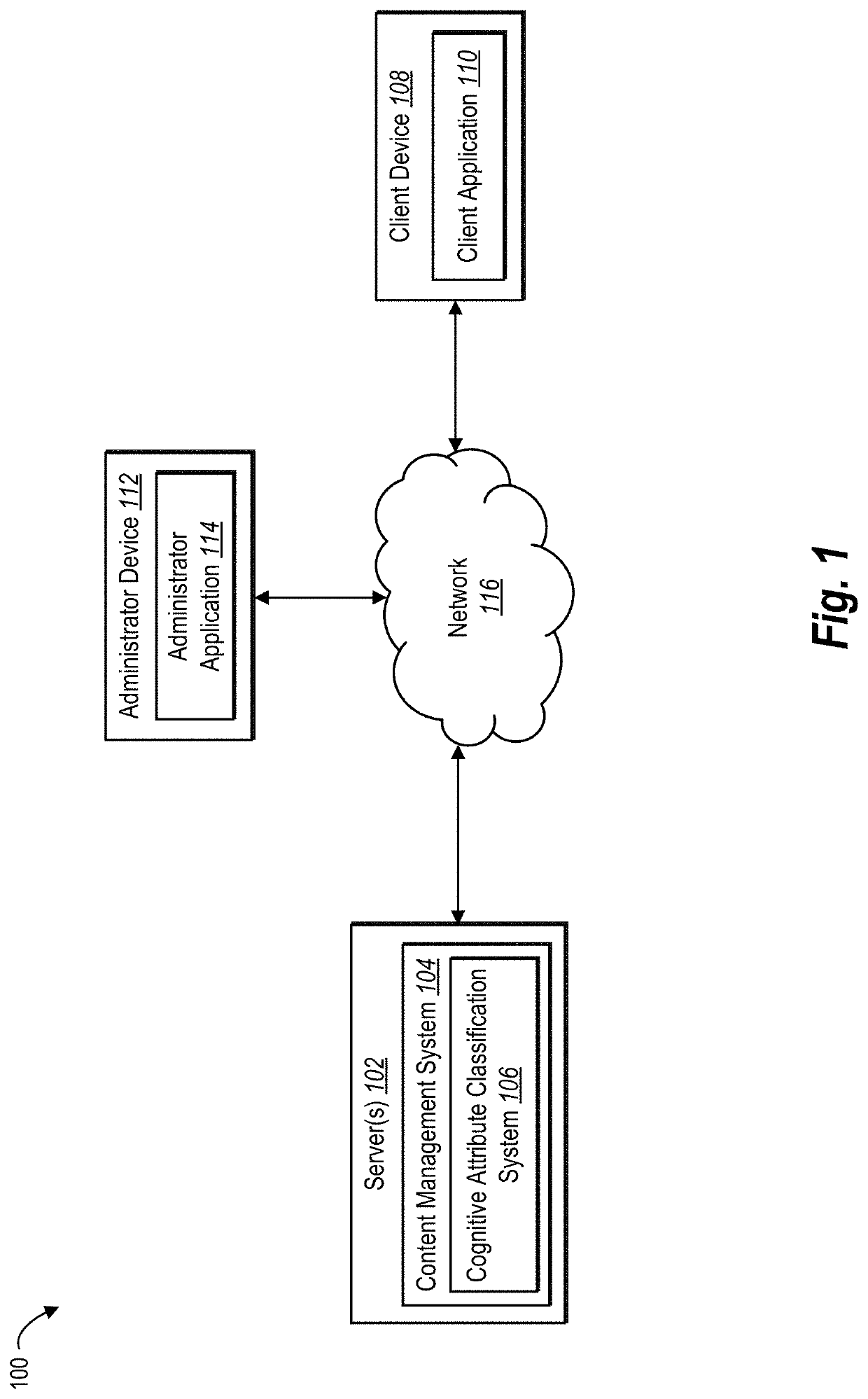
Figure 1 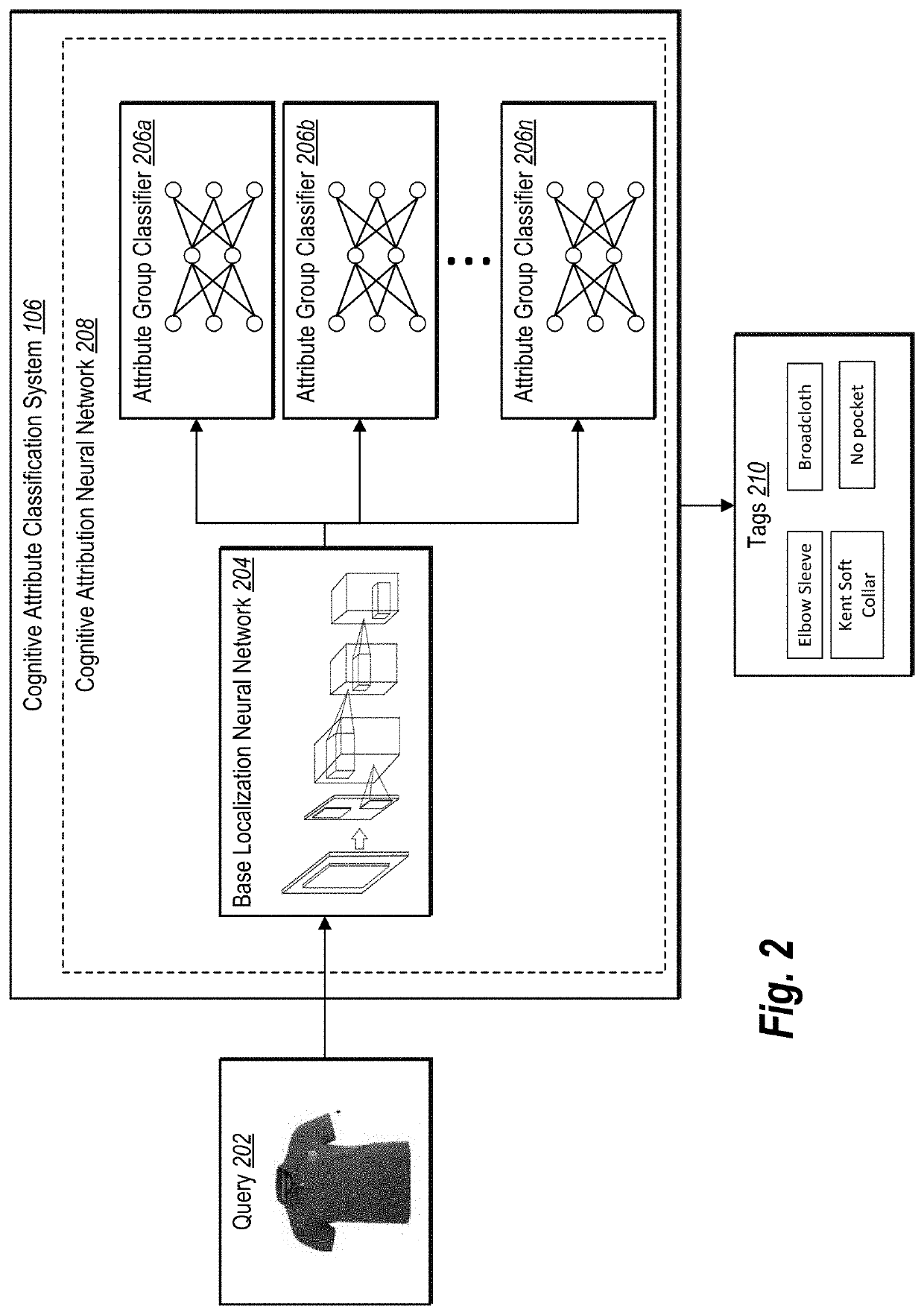
Figure 2 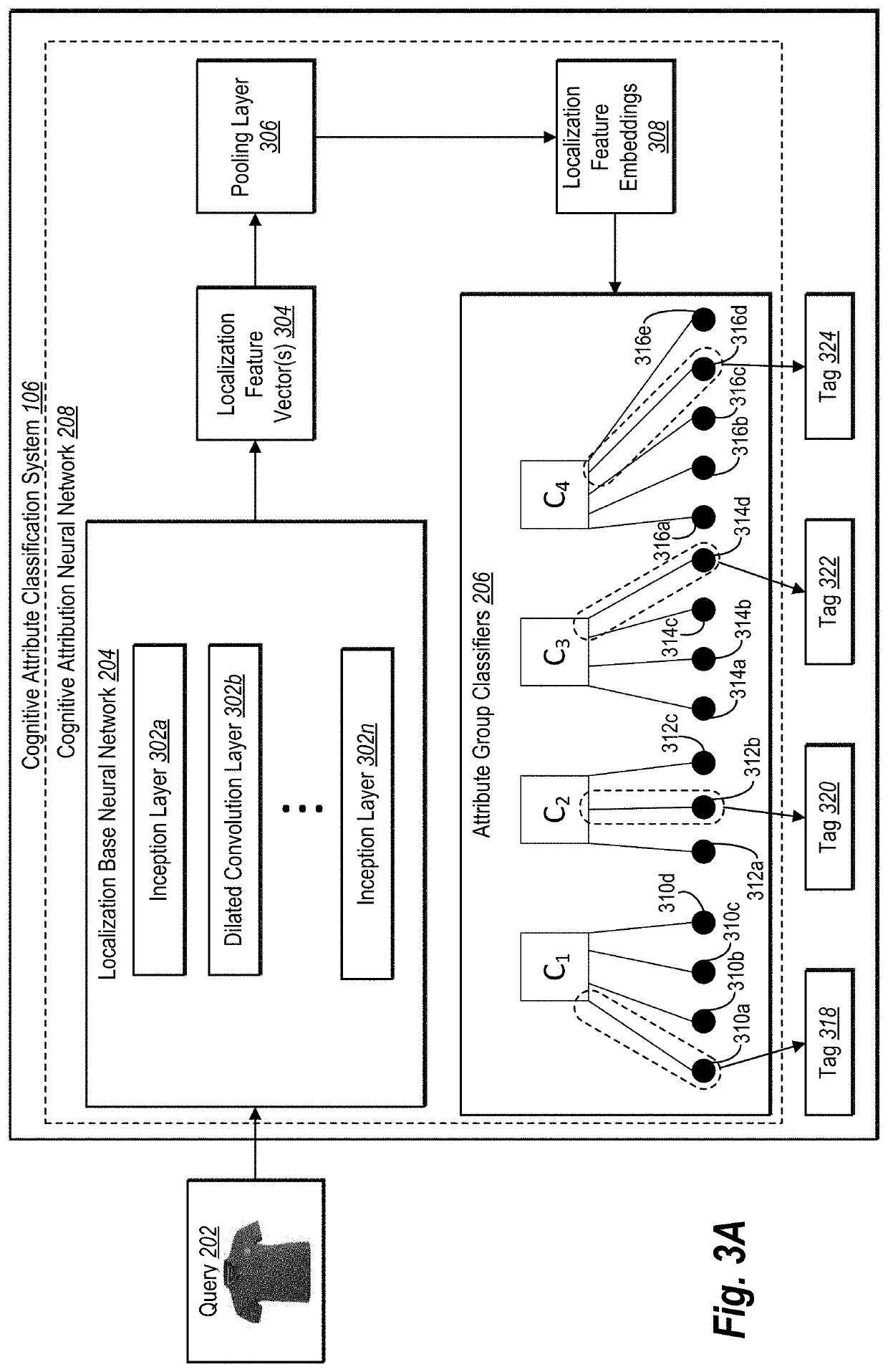
Figure 3
Abstract
Description
BACKGROUND
[0001] Recent years have seen significant improvements in computer systems that provide digital content to client devices across computer networks. For example, conventional systems are now able to generate digital recommendations or query responses through recommendation models that focus on modeling global co-occurrence counts. To illustrate, conventional systems can apply collaborative filtering to generate and provide digital recommendations to client devices based on identified digital features of the client devices.
[0002] In addition to such recommendations models, some conventional systems model dynamic content of instantaneous query images to improve recommendations or search results. For example, some conventional systems utilize similarity frameworks that compare multiple digital images and provide digital search results based on determined similarity metrics between the digital images. Thus, conventional systems can receive a query based on a digital image and ide...
Examples
Embodiment Construction
[0023]This disclosure describes one or more embodiments of a cognitive attribute classification system that intelligently trains and applies a cognitive attribution neural network to identify digital attributes from multiple attribute groups within target digital images. In particular, the cognitive attribute classification system can utilize a cognitive attribution neural network that includes a base neural network and one or more attribute group classifiers to determine tags for objects portrayed in query images. For instance, the cognitive attribute classification system can use a base neural network that includes an architecture of interleaved layers to efficiently localize attributes of a query image. The cognitive attribute classification system can also utilize attribute group classifiers to identify multiple attributes of the query image within a single network. The cognitive attribute classification system can then utilize these attributes to generate tags and / or generate d...