
Systems and methods for continuous data replication
Patent Information
- Authority / Receiving Office
- US · United States
- Current Assignee / Owner
- Publication Date
- 2008-01-31
Smart Images
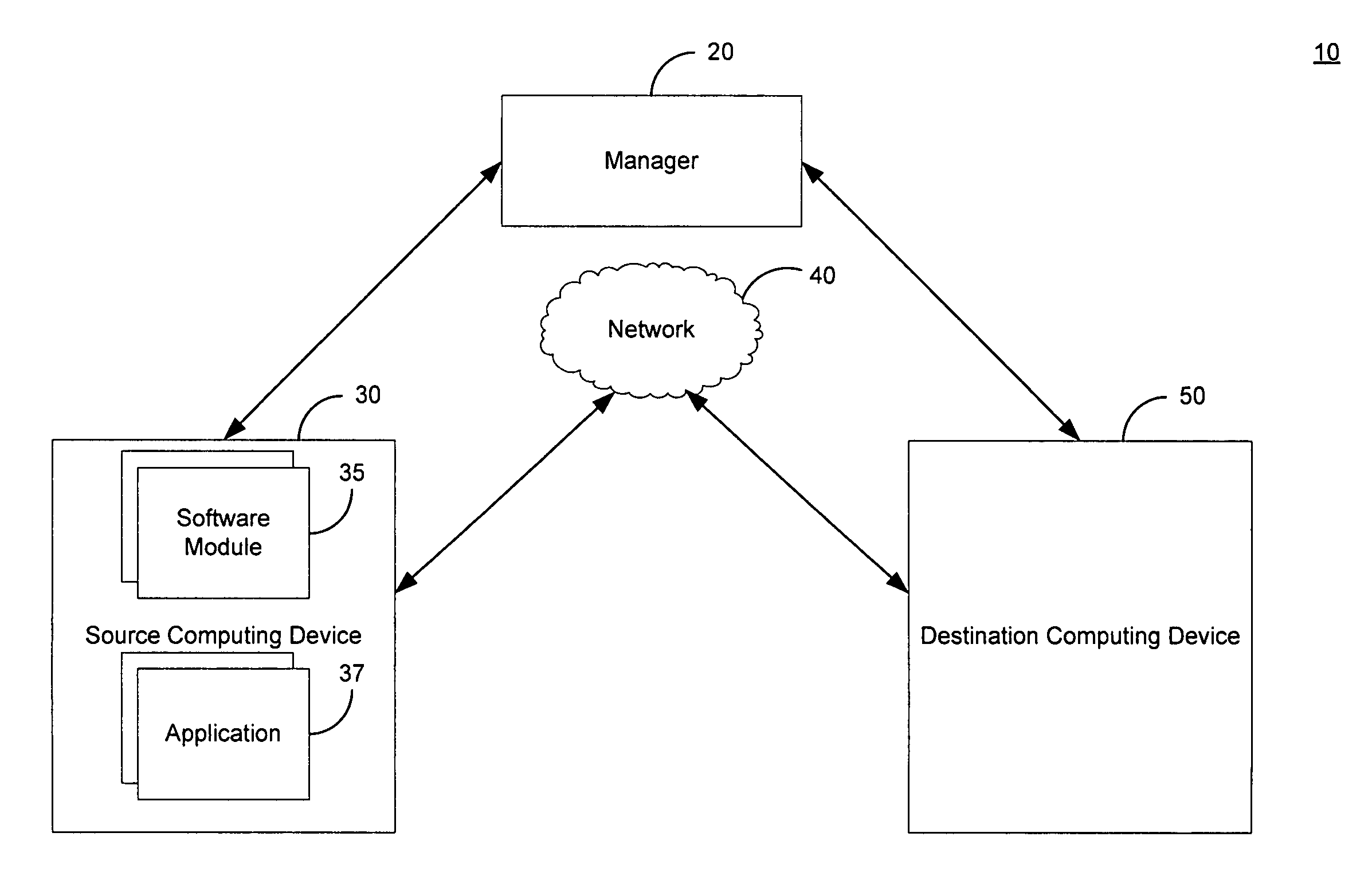
Figure 1 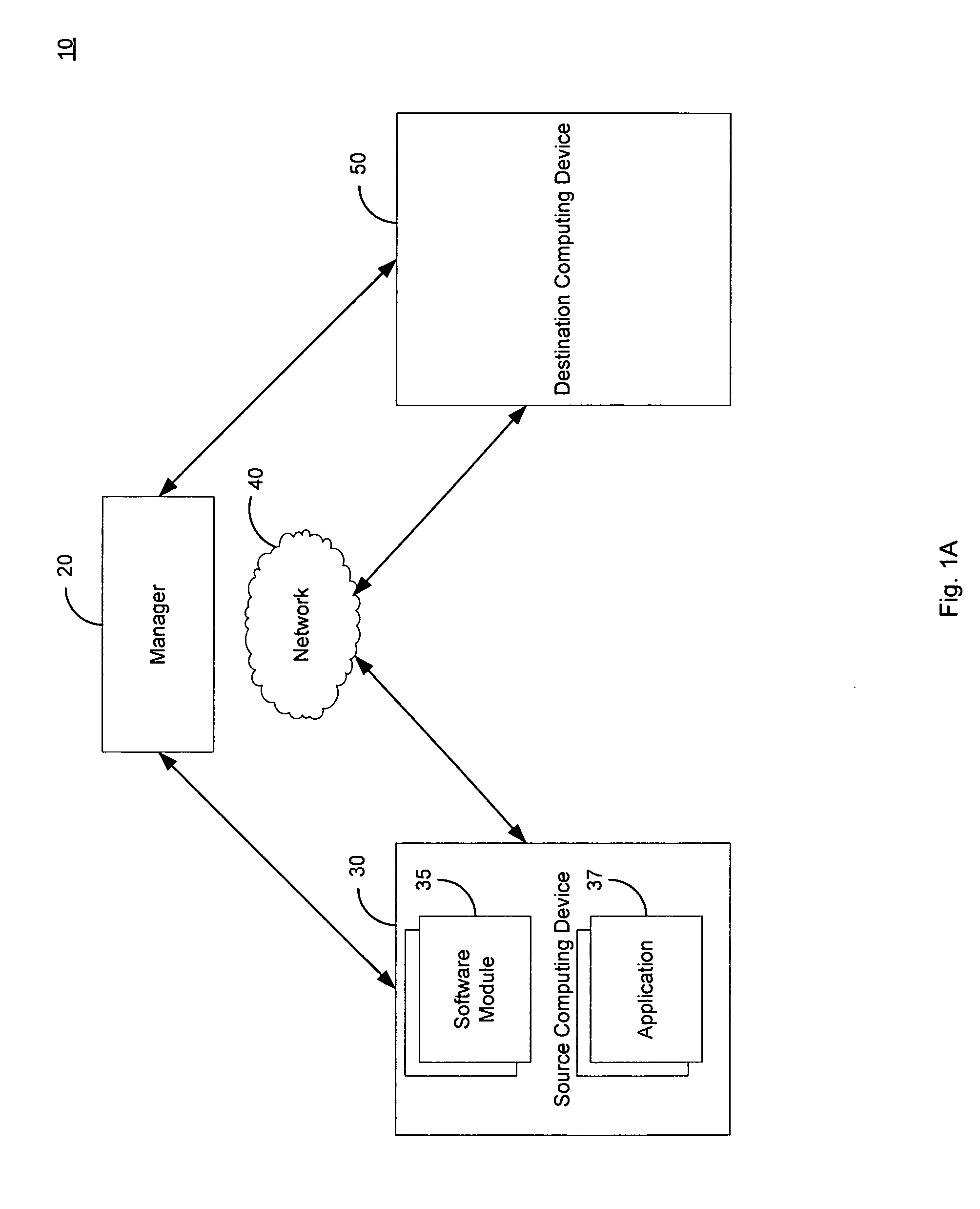
Figure 2 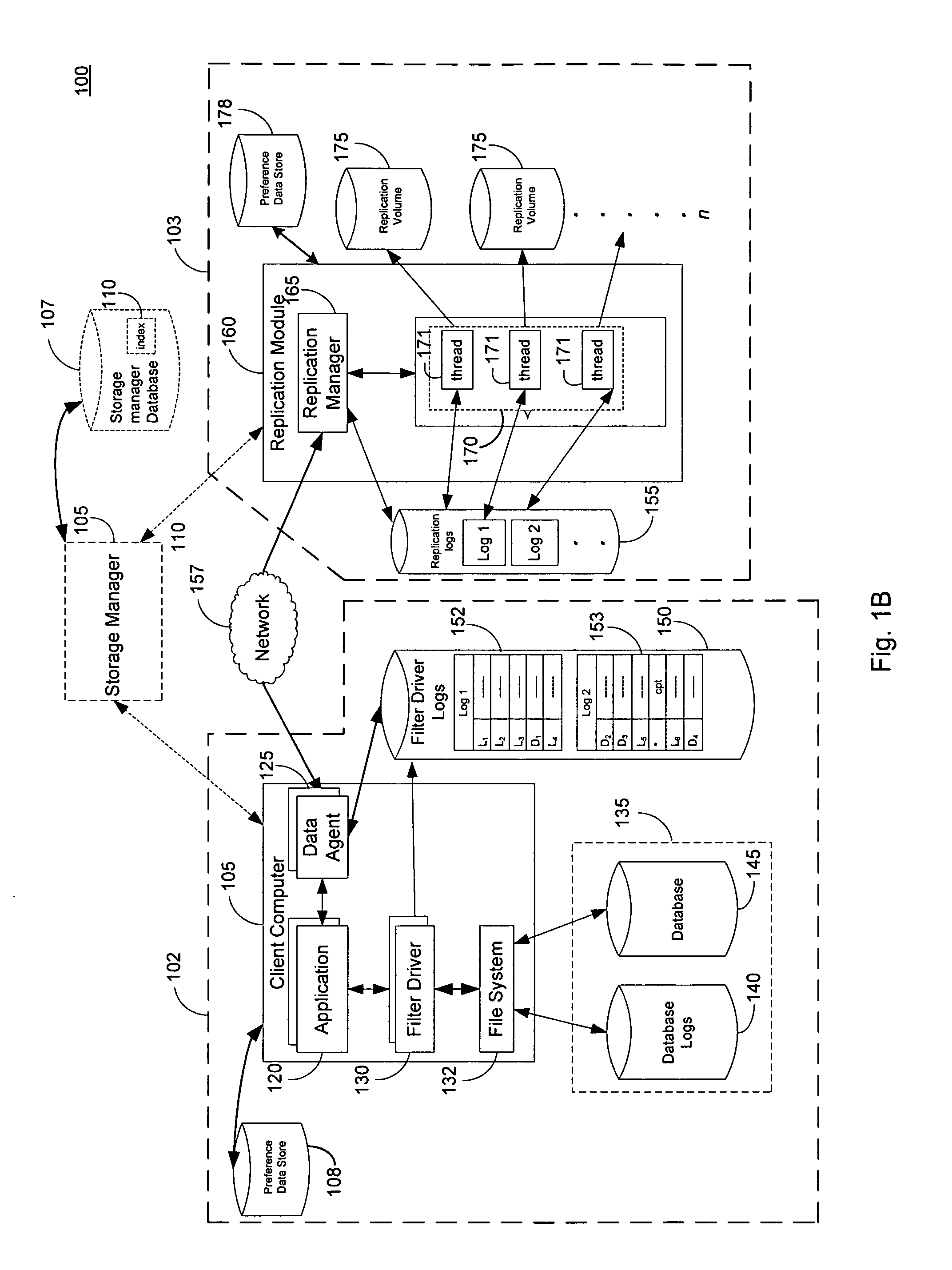
Figure 3
Abstract
Description
PRIORITY CLAIM
[0001] This application claims the benefit under 35 U.S.C. §120 from Provisional Application No. 60 / ______, filed July ______, which is hereby incorporated by reference in its entirety.BACKGROUND OF THE INVENTION
[0002] The inventions disclosed herein generally relate to performing copy operations in a computer system. More particularly, aspects of the present inventions relate to systems and methods associated with continuous data replication in computing systems.
[0003] Storage management systems have evolved over time into complex entities with many components including hardware and software modules designed to perform a variety of different storage operations on electronic data. Current storage management systems employ a number of different methods to perform storage operations on electronic data. For example, data can be stored in primary storage as a primary copy or in secondary storage as various types of secondary copies including, as a backup copy, a snapshot co...
Examples
Embodiment Construction
[0032]According to one or more embodiments of the present invention, systems and methods are provided for intelligent data replication, which may include the use of consistency points in various data logs, such that one or more copies may be created by providing an “application aware” replication process that allows the system to intelligently identify and replicate certain information relating to a particular process or application. This may include identifying the folders, directories, files and / or other data associated with a particular application or process which may be used to recreate, recover or restore the application to a known “good” or “recoverable” state as is known in the art.
[0033]For example, an application or process may be quiesced or suspended by allowing currently executing data operations to fully complete (and not allow others to begin, or, are buffered for subsequent execution) such that substantially no operations are in progress and the data involved in the ...