
Flash detection
Patent Information
- Authority / Receiving Office
- US · United States
- Current Assignee / Owner
- Publication Date
- 2009-06-11
Smart Images
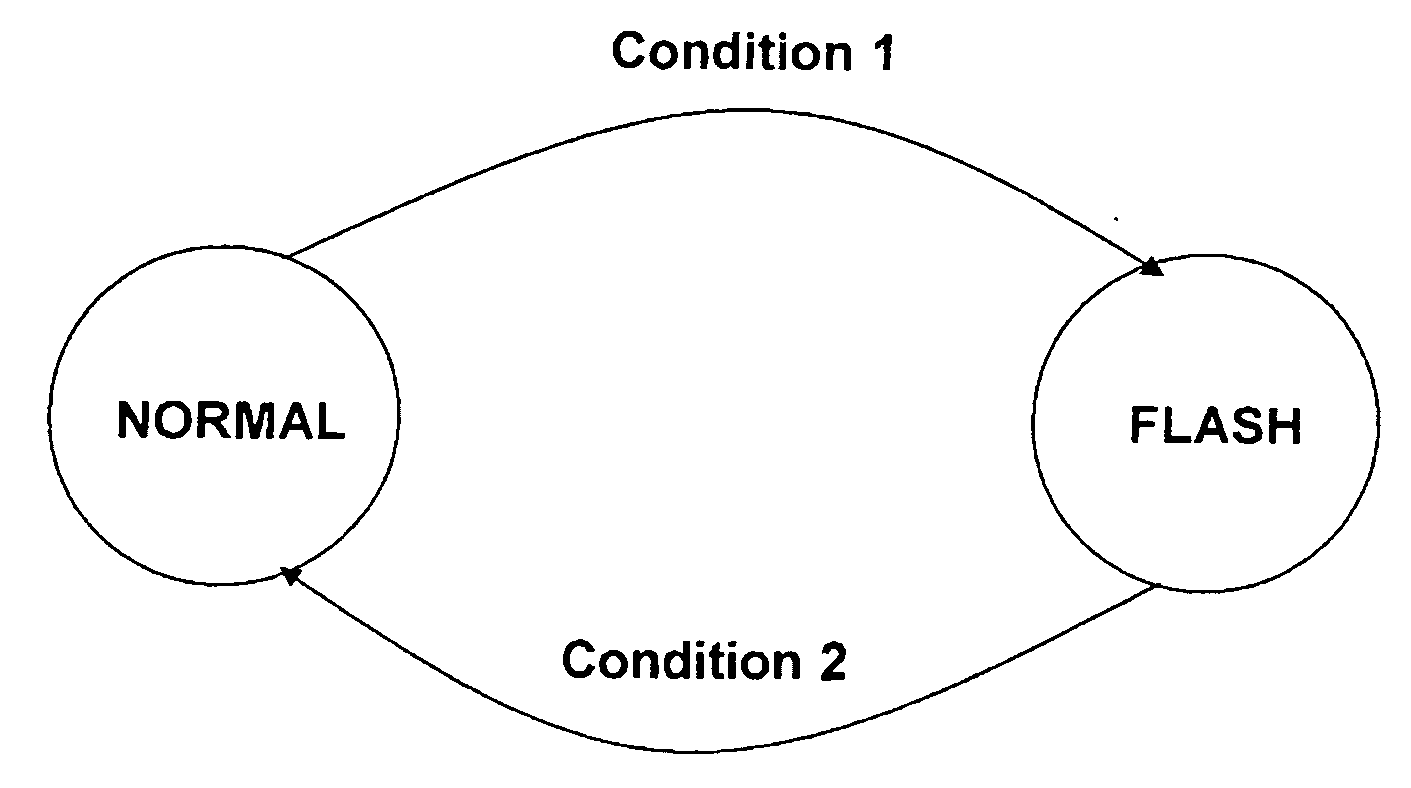
Figure 1 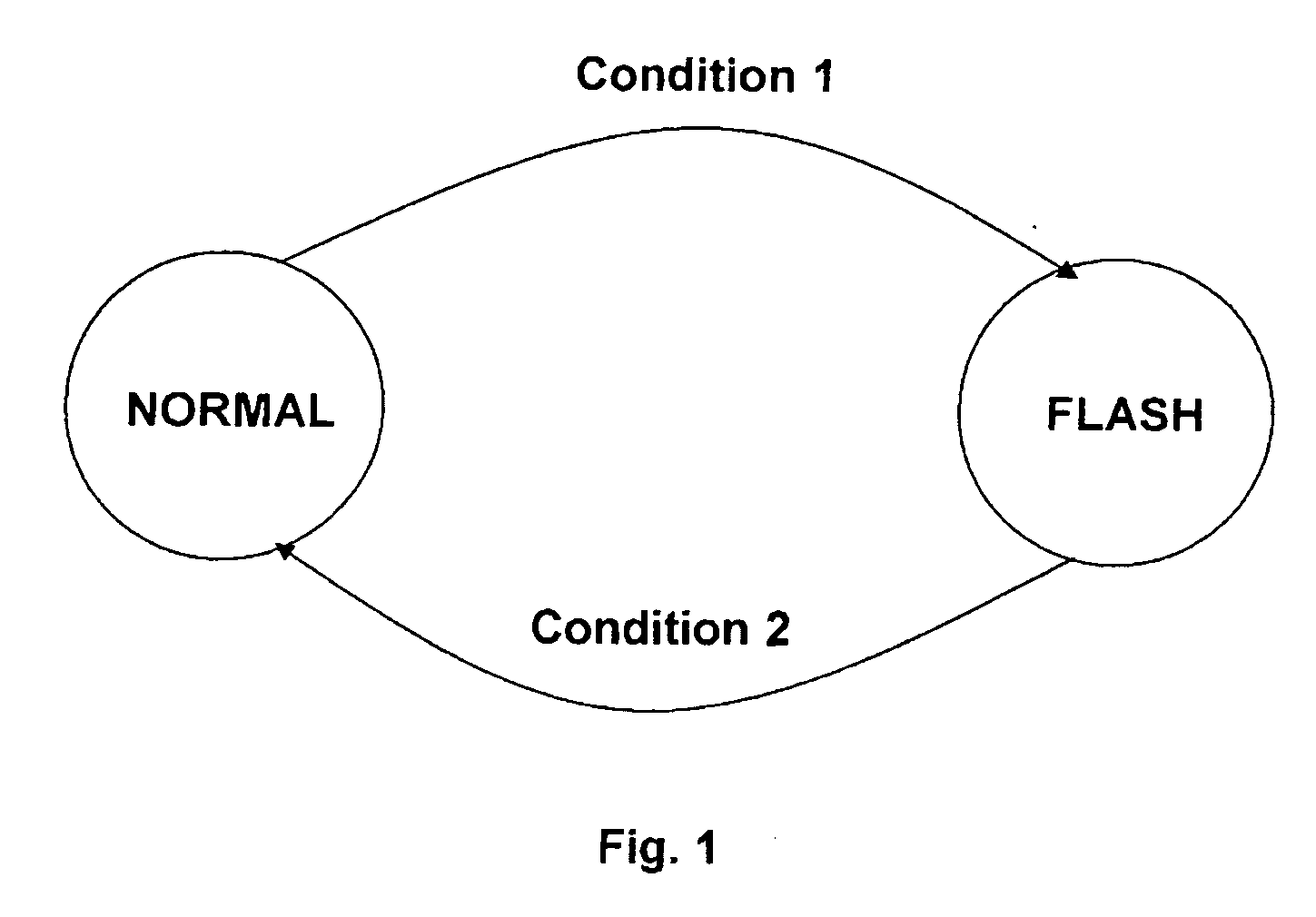
Figure 2 
Figure 3
Abstract
Description
FIELD OF THE INVENTION
[0001] The invention relates to video coding in general, and in particular to a method of pre-processing video data to detect flashes.BACKGROUND
[0002] Motion-compensated predictive video compression exploits the similarity of successive pictures by making predictions from previously coded pictures. The pictures from which the predictions are taken can come from the past (forward prediction) or the future (backward prediction) or a combination of the two (bi-directional prediction), thus enabling the prediction of uncovered areas. Therefore, state-of-the-art video compression engines can cope with most types of motion and critical picture material, but the coding of each image in the sequence is clearly dependent on that of its neighbours.
[0003] However, there are effects which can cause severe picture degradation and are worthy of special mitigating treatment. One such effect arises during coding of video sequences that contain short, bright flashes, such as those...
Examples
Embodiment Construction
[0036]The following describes an efficient and effective flash detection method that is based on new picture discrete histograms and luminance mean gradient criteria and measures.
[0037]The terms “picture” and “image” are synonymous in the below described method, therefore the terms may be used interchangeably.
Discrete Histograms
[0038]A histogram depicts the statistical distribution of pixel values in an image. Image pixel histograms have long been used in image processing as a basis for all kinds of applications, especially those that can be satisfactorily completed over a long sequence of contiguous images, and they are very good as a means of indicating a difference measure between two pictures. For example, a sudden change in such a measure might be taken as a reliable indication of a scene change. However, a light flashing or certain special lighting effects also change the full histogram of a picture dramatically, which makes it almost impossible to distinguish a light flash fr...