
Method and arrangement relating to radio signal transmissions
Patent Information
- Authority / Receiving Office
- US · United States
- Current Assignee / Owner
- Publication Date
- 2010-11-25
Smart Images
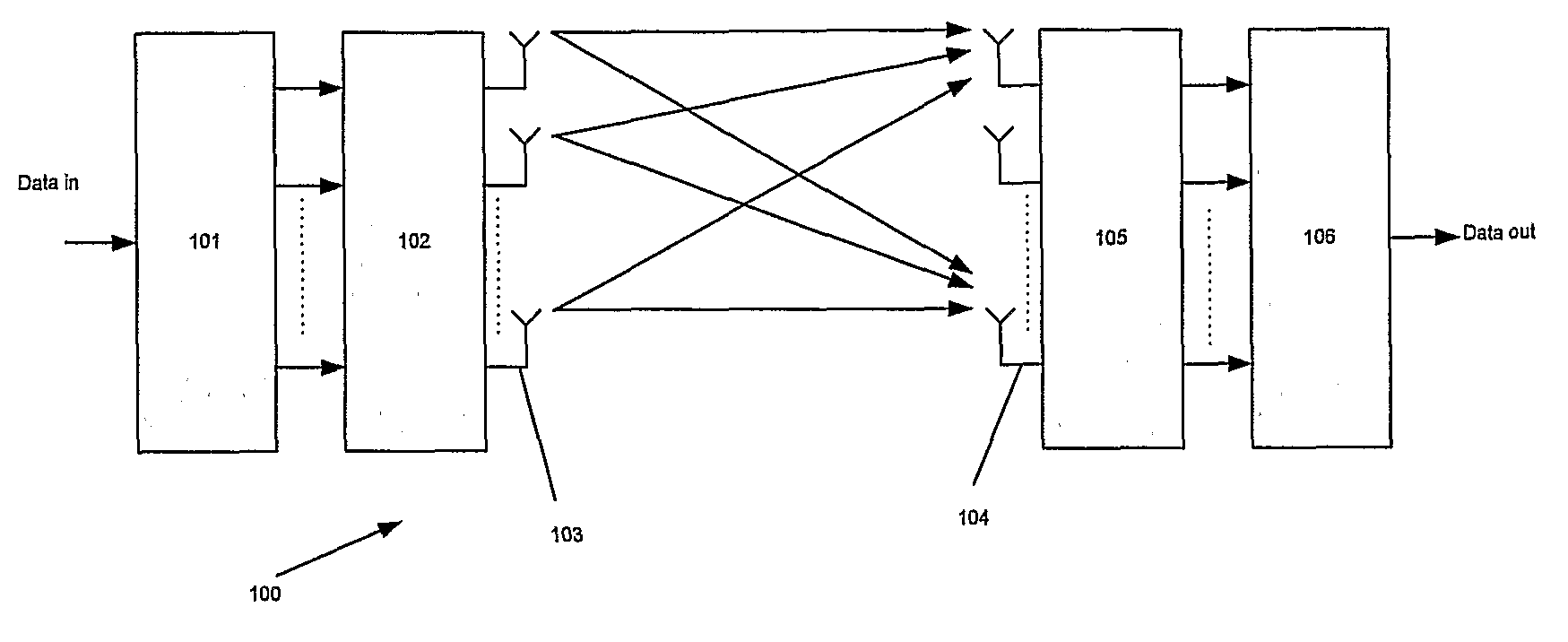
Figure 1 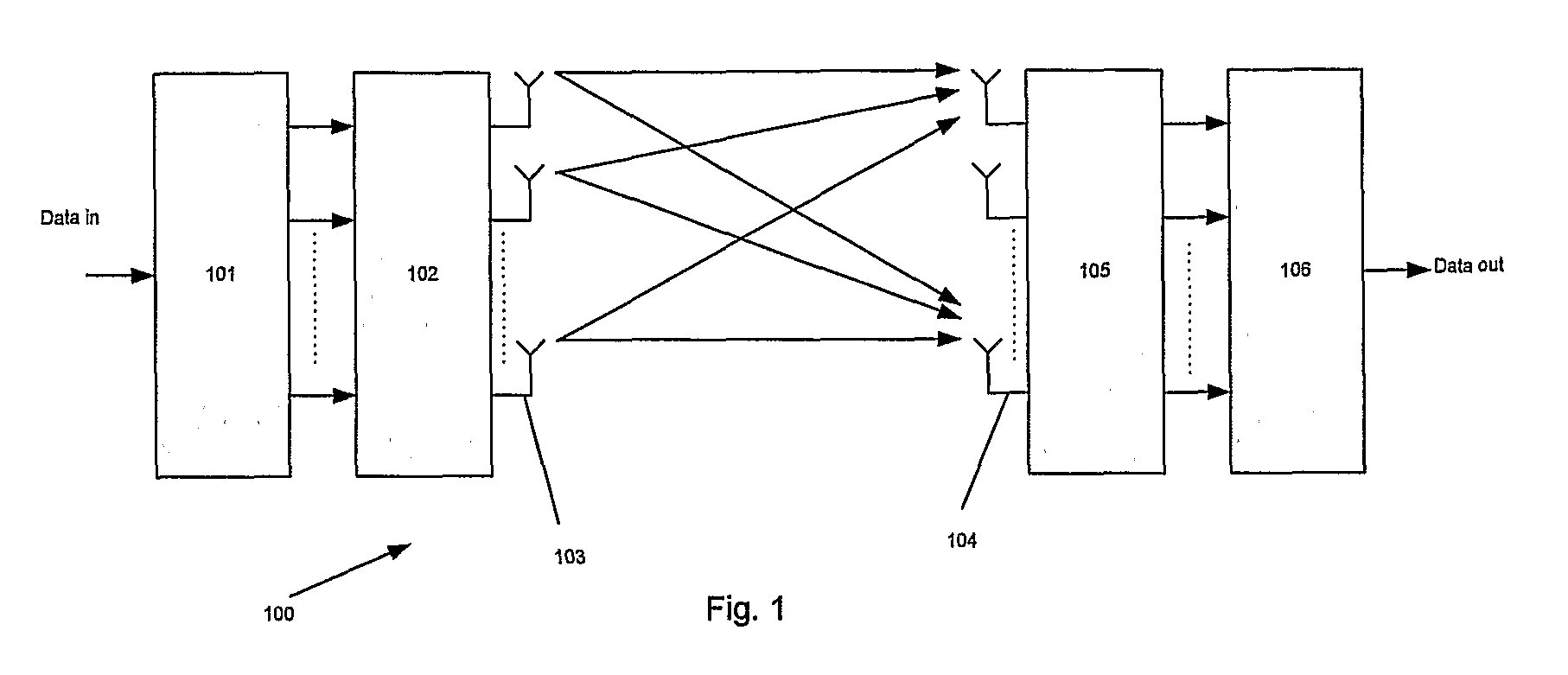
Figure 2 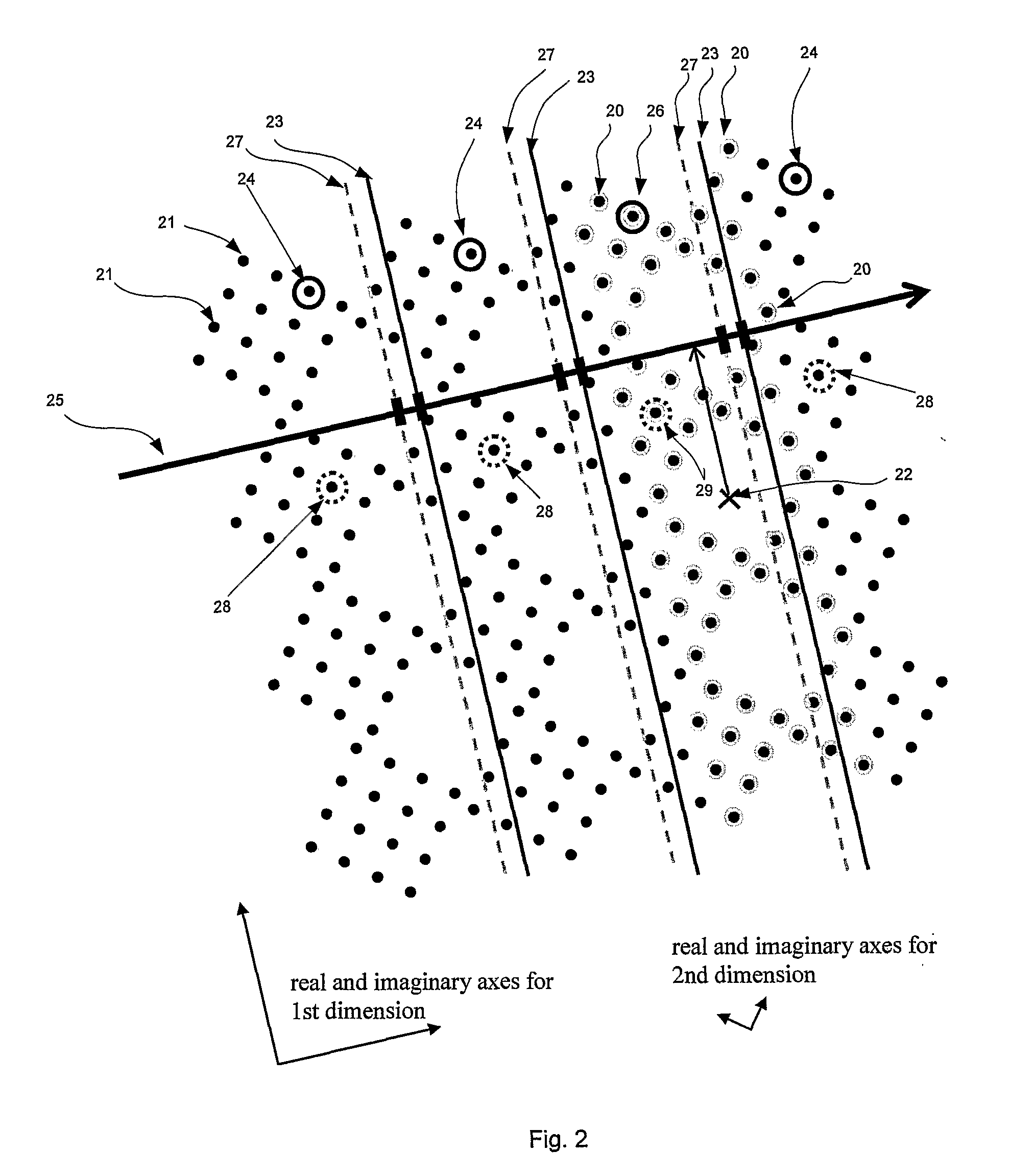
Figure 3
Abstract
Description
TECHNICAL FIELD
[0001] The present invention relates to a method and arrangement for processing signals, especially a Maximum Likelihood (ML) demodulation of Quadrature Amplitude Modulation (QAM) signals, in a digital communications system.BACKGROUND OF THE INVENTION
[0002] The existing wireless mobile communication systems provide several types of services and mostly depend on channel coding to overcome any inferiority of channels. However, due to the increasing demands, for example for a high-quality multimedia services, in which users can communicate with anyone regardless of time and place, the existing services have evolved data-oriented services. Accordingly, there is a high demand for next generation wireless transmission technology for transmitting the larger amount of data at a lower error rate. In particular, it is very important to transmit data at a high rate in a link in which the amount of required data is large.
[0003] For the next generation wireless communication, various...
Examples
Embodiment Construction
[0026]The invention relates to a method for exact ML low-complexity in systems comprising a number of transmit antennas and a number of receive antennas for parallel spatially (independent) transmission and reception, and preferably MIMO systems for demodulation of Quadrature Amplitude Modulation (QAM) signals, with exact LOGMAX soft-value generation, at comparatively low computational complexity.
[0027]The method of the invention may in principle be used for any number of antenna branches; however, it is particularly suited for 4×4 MIMO because of good balance between relative complexity reduction and memory requirements. Thus, the invention is described with reference to an example comprising four transmitter and receiver antennas. Other dimensions will also be discussed.
[0028]In brief, the method is as follows: Let x1, x2, x3, and x4 denote the transmitted symbols on the four respective transmit antennas, and let the symbol alphabet contain L symbols. Given a channel, it is shown ...