
Sticky cleaner for removing organic dirt
a cleaner and organic technology, applied in the field of sticky cleaners, can solve the problems of easy attraction of dust and organic dirt, degradation of the exterior of the detergent, and inconvenient use of wiping off dirt with a wipe, so as to improve the workability of cleaning, remove organic dirt, and reduce the chance of getting peeled off
Patent Information
- Authority / Receiving Office
- US · United States
- Patent Type
- Applications(United States)
- Current Assignee / Owner
- Publication Date
- 2016-07-28
- Estimated Expiration
- Not applicable · inactive patent
Smart Images
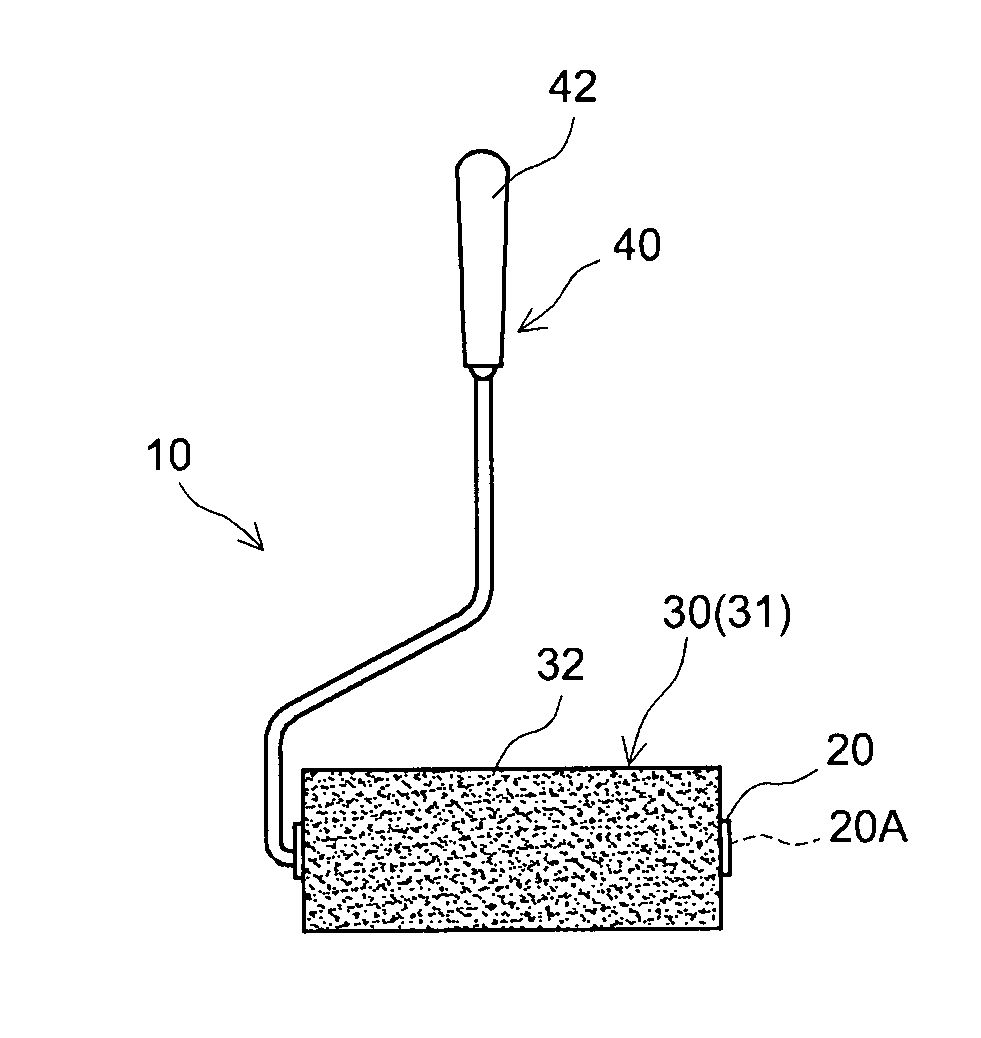
Figure 1 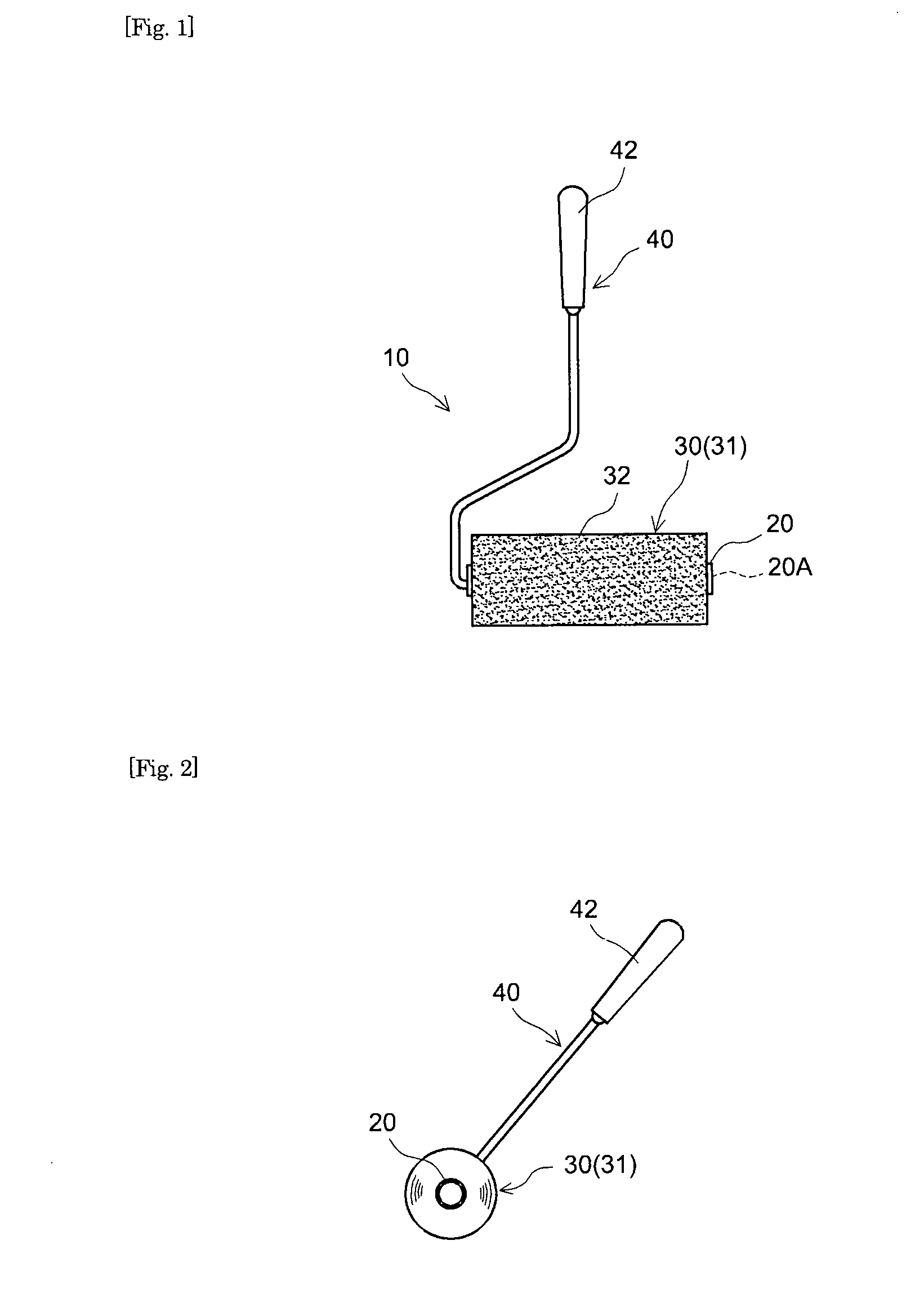
Figure 2 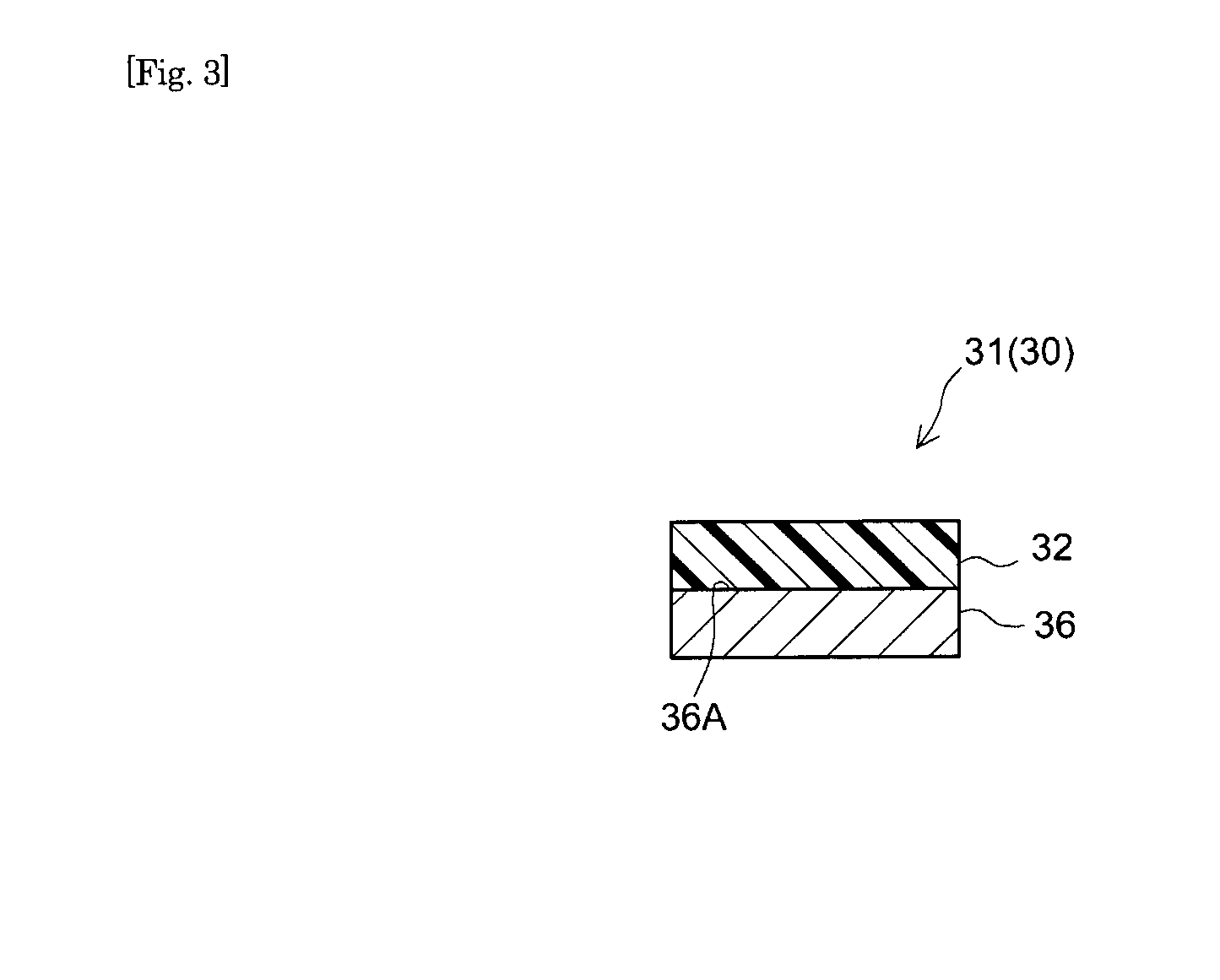
Figure 3
Abstract
Description
TECHNICAL FIELD
[0001] The present invention relates to a sticky cleaner used for removing organic dirt. In particular, it relates to a sticky cleaner used for removing sebum and other organic dirt from a surface (e.g. a surface of a touch panel display / input screen) in a portable device such as a tablet terminal, smartphone and the like.
[0002] The present application claims priority based on Japanese Patent Application No. 2013-133202 filed on Jun. 25, 2013 and the entire contents thereof are incorporated herein by reference.BACKGROUND ART
[0003] Displays typically formed of liquid crystal panels or an organic EL panels are placed on surfaces of portable devices, for instance, portable PCs such as notebook PCs; tablet terminal such as electronic books; mobile phones such as smartphones; mobile gaming devices; various types of PDA (personal digital assistant); and the like. These portable devices are carried and used on a daily basis, and thus easily attract dust and organic dirt such as...
Examples
example 1
[0128]The acrylic polymer A heated into a molten state was applied to a surface of a 38 μm thick PET support substrate sheet (width: approximately 8 cm) to fabricate a single-faced PSA sheet having a PSA layer of about 50 μm in thickness (adhesive thickness) formed on one face of the support substrate. The resulting single-faced PSA sheet was wound around the surface of a drum-shaped holding member (20 mm diameter) to form a PSA sheet roll. The holding member was installed on an end of a grip member in a freely rotatable (rolling) manner to construct a cleaner as schematically shown in FIGS. 1 and 2.
example 2
[0129]Using the acrylic polymer B in place of the acrylic polymer A, but otherwise in the same manner as Example 1, a cleaner according to this example was constructed.
example 3
[0130]100 parts of the acrylic polymer A and 30 parts of a plasticizer “MONOCIZER W-242” (diisononyl adipate) available from DIC Corporation were mixed to prepare a hot melt acrylic PSA. The acrylic PSA in a molten state was applied to a surface of a 38 μm thick PET support substrate sheet (width: approximately 8 cm) to fabricate a single-faced PSA sheet in which a PSA layer of about 50 μm thickness is formed on one face of the support substrate. Using this single-faced PSA sheet, but otherwise in the same manner as Example 1, a cleaner according to this example was constructed.