
Air-fuel ratio control system for internal combustion engine and control method therof
a technology of air-fuel ratio and control system, which is applied in the direction of electrical control, process and machine control, instruments, etc., can solve the problems of air-fuel ratio control becoming inaccurate, and affecting the accuracy of air-fuel ratio control
Patent Information
- Authority / Receiving Office
- US · United States
- Patent Type
- Patents(United States)
- Current Assignee / Owner
- Publication Date
- 2003-01-07
- Estimated Expiration
- Not applicable · inactive patent
Smart Images
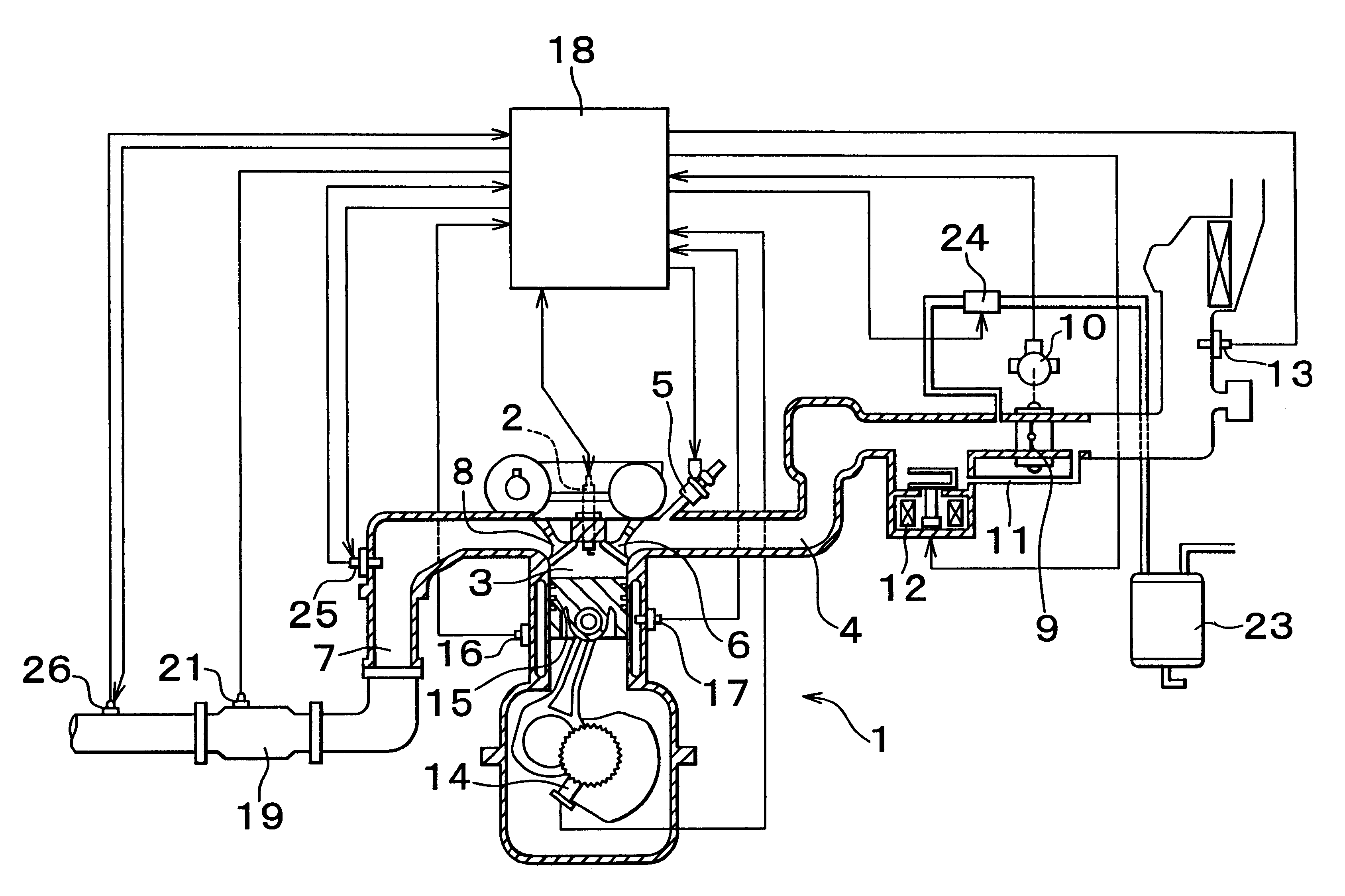
Figure 1 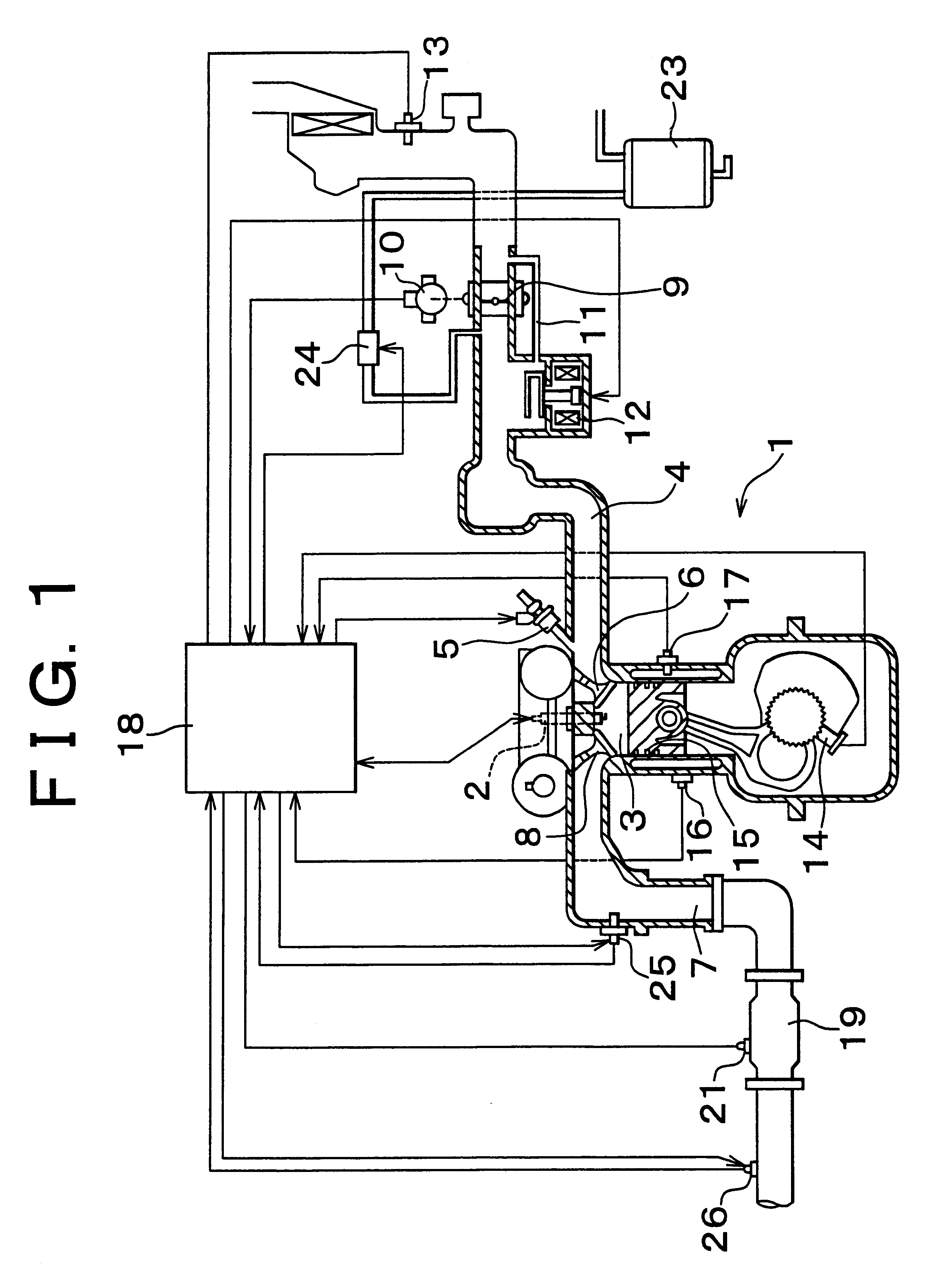
Figure 2 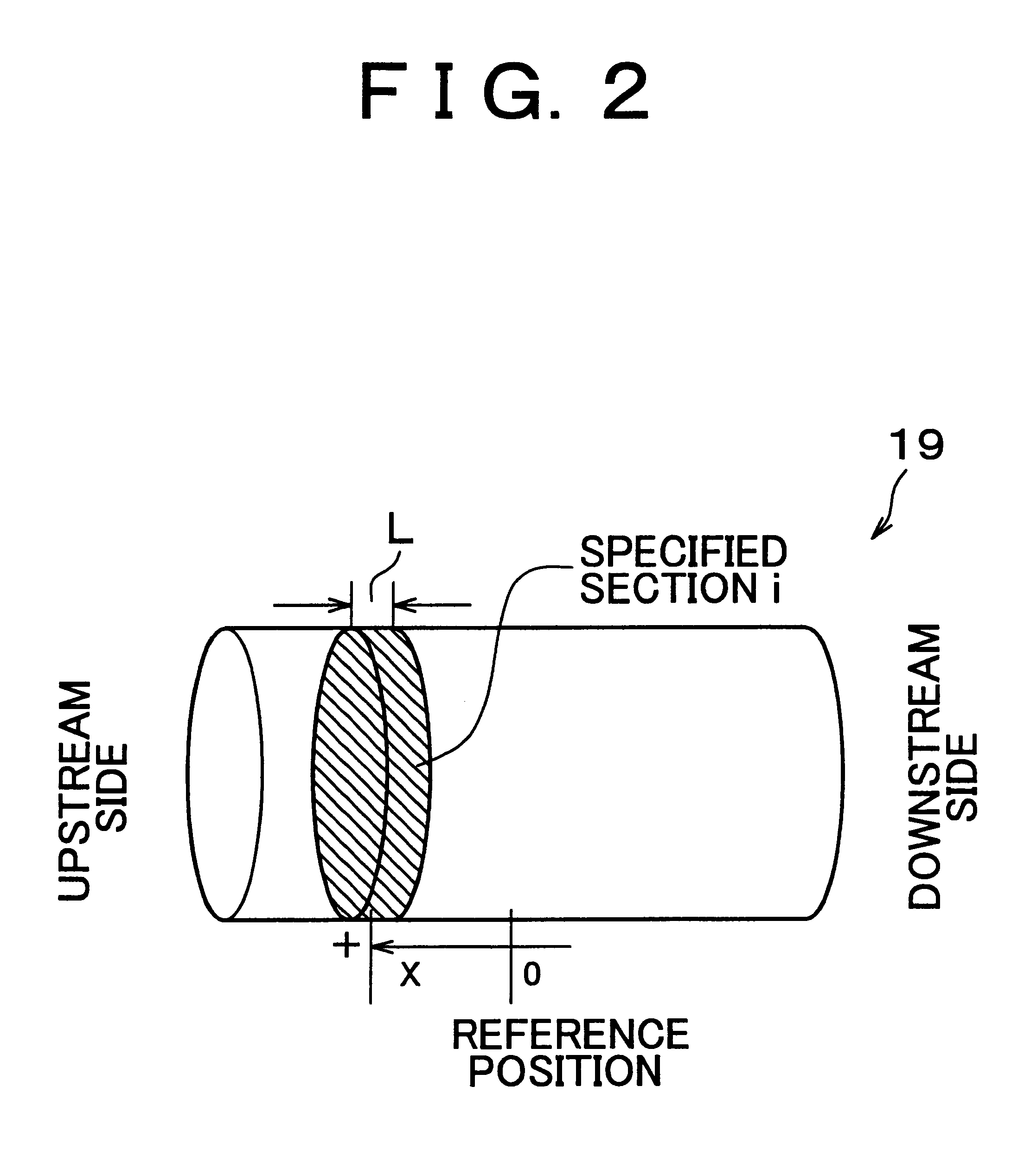
Figure 3
Abstract
Description
INCORPORATION BY REFERENCEThe disclosure of Japanese Patent Application No. 2000-395477 filed on Dec. 2, 2000 including the specification, drawings and abstract is incorporated herein by reference in its entirety.1. Field of InventionThe invention relates to an air-fuel ratio control system for an internal combustion engine and a control method thereof.2. Description of Related ArtIn internal combustion engines, an exhaust emission purification catalyst (three-way catalyst) for purifying an exhaust gas and an air-fuel ratio sensor for detecting an air-fuel ratio are arranged in an exhaust passage. A feedback control is performed on the basis of the air-fuel ratio detected by the air-fuel ratio sensor such that the air-fuel ratio of an air-fuel mixture becomes a stoichiometric air-fuel ratio, thereby reducing emissions of nitrogen oxides (NOx), carbon monoxides (CO), and hydrocarbons (HC) at the same time.Performing the above-mentioned feedback control with a sufficient accuracy effe...
Examples
Embodiment Construction
Prior to a description of the exemplary embodiments, an oxygen adsorption function of an exhaust emission purification catalyst will be described.
FIG. 1 illustrates an exhaust emission purification catalyst 19 provided in an exhaust passage 7. Multiple exhaust emission purification catalysts can be provided in at least one exhaust passage. The exhaustive emission purification catalyst can be provided in series or in parallel at branching points. For example, in a four-cylinder engine, one exhaust emission purification catalyst can be provided at a point where a pair of exhaust passages extending from a pair of cylinders converge while another catalyst can be provided at a point where another pair of exhaust passages converge. However, in the exemplary embodiment of FIG. 1, one exhaust emission purification catalyst 19 is provided in the exhaust passage 7 downstream of a point where exhaust passages extending from the respective cylinders 3 converge.
In the embodiment described below,...