
Device and method for irradiation
Patent Information
- Authority / Receiving Office
- US · United States
- Current Assignee / Owner
- Publication Date
- 2005-06-14
- Estimated Expiration
- Not applicable · inactive patent
Smart Images
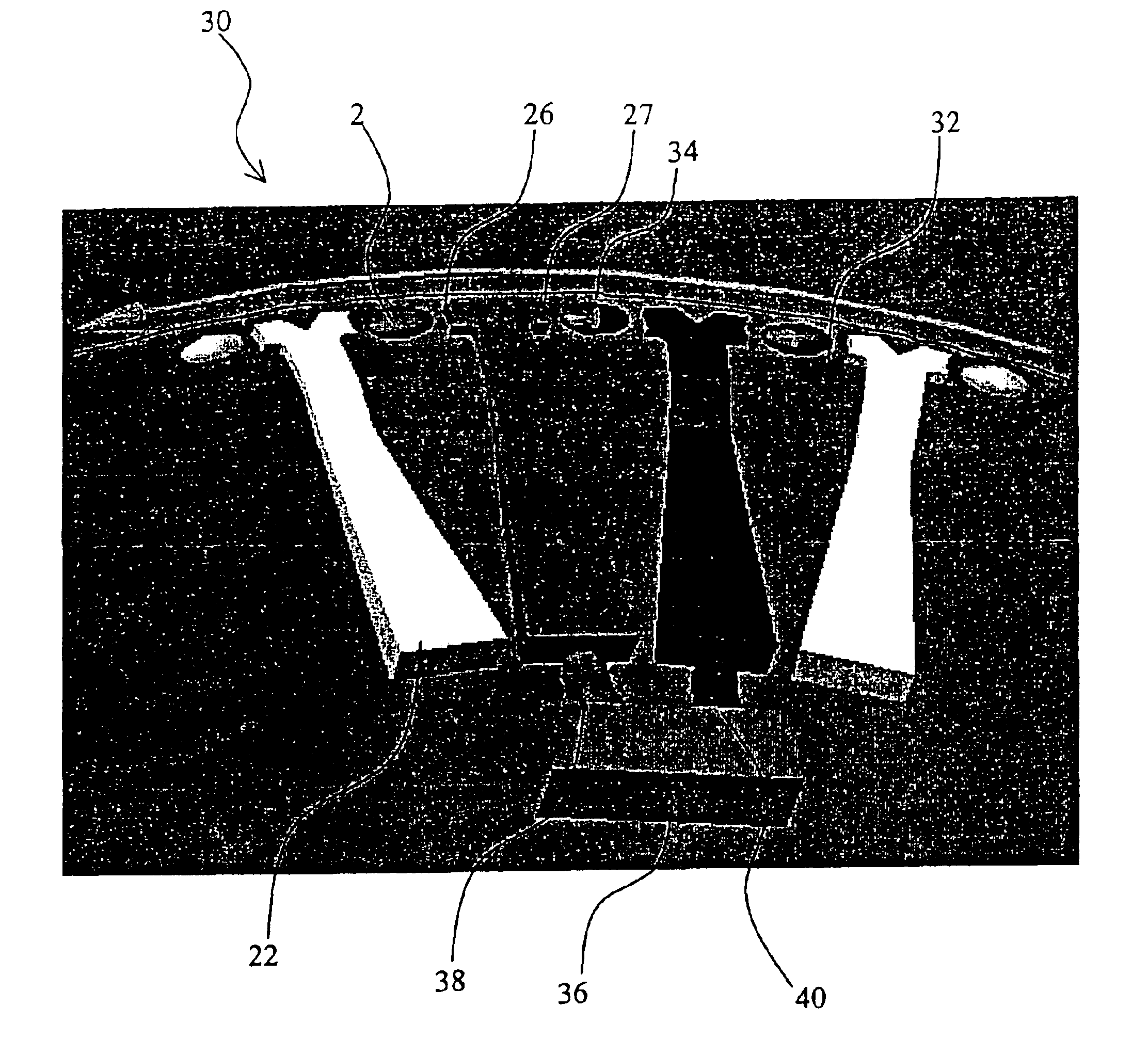
Figure 1 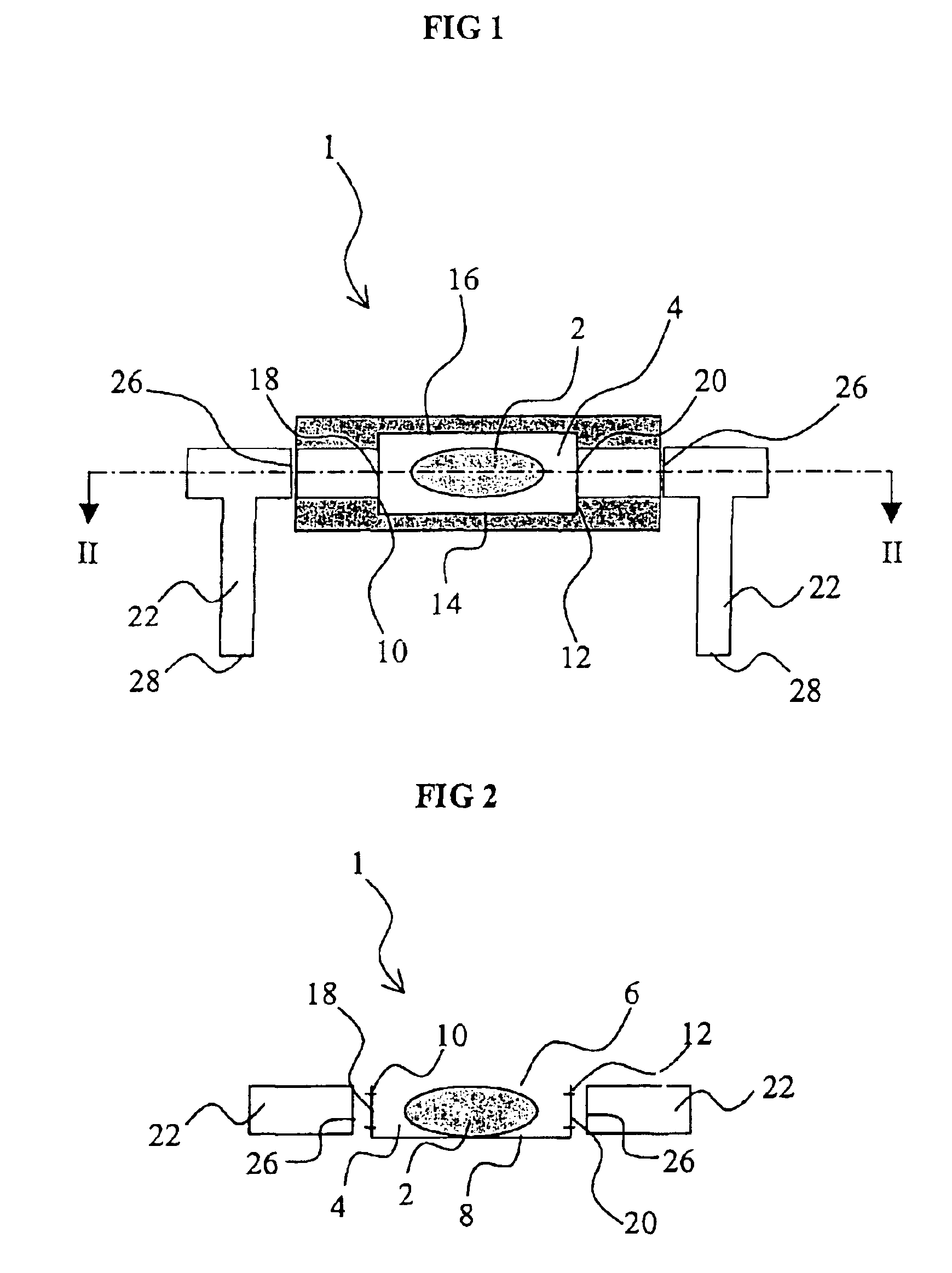
Figure 2 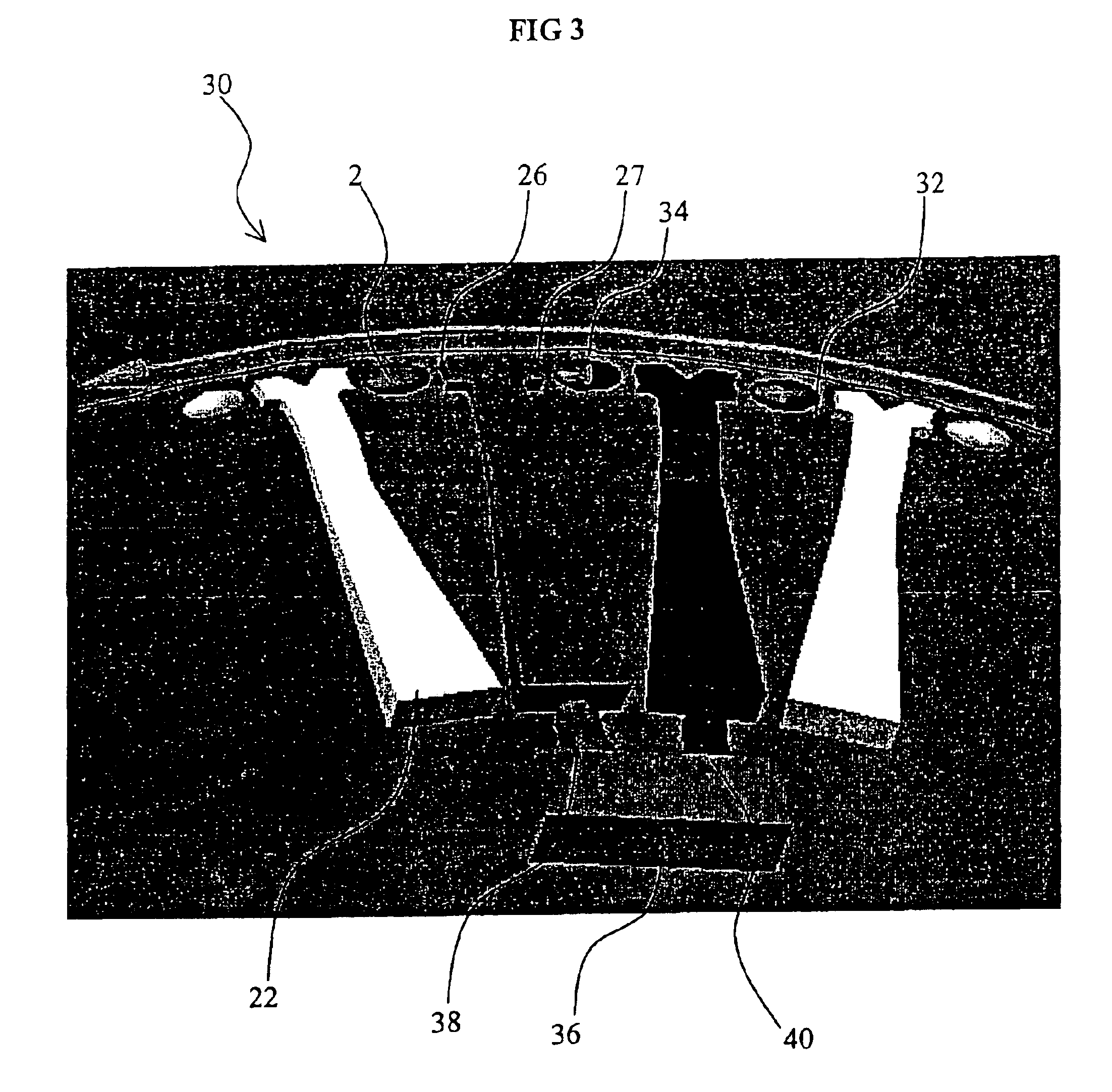
Figure 3
Abstract
Description
FIELD OF THE INVENTION
[0001] The present invention relates to a device and a method for irradiation of small particles, such as grains from cereals and like crops, for analysis of the quality of the particles.BACKGROUND ART
[0002] Inspection of different kinds of cereals and other crops is today made all over the world to determine the quality of the cereals in commercial transactions and handling. The inspection aims at examining a selected representative sample from a large consignment and determining the presence of non-desirable grains and particles. The non-approved grains and particles are classified and the quantity of each class is determined. Owing to the distribution of the various grains, the sample and, thus, the consignment will be given a grading, which is a decisive factor in connection with payment and handling of the consignment.
[0003] It is desirable that the classification be made by means of some kind of automated process. The analyses performed on these samples are ...
Examples
Embodiment Construction
[0029]In FIGS. 1 and 2 a sample holder 1 for transporting a particle sample 2 is shown. The particle sample 2 comprises one kernel of an agricultural product that is to be analyzed. The sample holder 1 forms a cavity 4, into which a particle sample 2 falls. The cavity 4 is essentially formed like a particle for controlling the orientation of the particle. Thus, a particle that falls into the cavity 4 of the sample holder 1 is oriented in a specified way. This could be used in the analysis of the particle for easily obtaining information about the quality of the particle.
[0030]The cavity 4 of the sample holder 1 has an upper opening 6 through which the particles can fall into the cavity 4. The cavity 4 further has a bottom 8 for carrying the particle sample 2 and side walls 10, 12, 14, 16 restricting the movements and the orientation of the sample 2 in the cavity 4. In order to control the orientation of an elongate particle, the cavity 4 has two short side walls 10, 12 and two long ...