

Binder compositions and methods of use
The use of microbial biosurfactants in binder compositions addresses the inefficiencies in mining operations by enhancing binding efficiency and reducing environmental impact, improving ore handling and leaching processes.
Patent Information
- Application Number
- PCT/US2024/029262
- Authority / Receiving Office
- WO · WO
- Patent Type
- Applications
- Current Assignee / Owner
- Priority Date
- 2023-05-19
- Filing Date
- 2024-05-14
- Publication Date
- 2024-11-28
AI Technical Summary
Current mining operations face inefficiencies due to poor permeability of unbound ore, leading to low leaching rates and environmental challenges, particularly in acidic environments, and the use of inorganic binders causes issues like slag buildup in blast furnaces.
Development of environmentally-friendly binder compositions derived from microorganisms, specifically using microbial biosurfactants like sophorolipids, which enhance binding efficiency and reduce chemical usage, applied to solid particles to form stable aggregates.
The biosurfactant-based compositions significantly increase binding rates and durability of aggregates, reducing greenhouse gas emissions and operational costs, while allowing for efficient leaching and transportation of ores without complex equipment or high energy consumption.
Smart Images
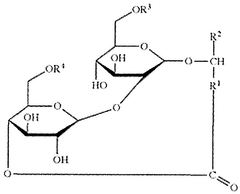
Figure IMGF000008_0001 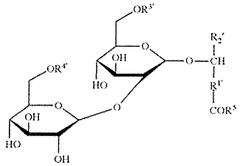
Figure IMGF000008_0002
Abstract
Description
[0001] DESCRIPTION
[0002] BINDER COMPOSITIONS AND METHODS OF USE
[0003] CROSS-REFERENCE TO RELATED APPLICATION
[0004] This application claims priority to U.S. Provisional Application No. 63 / 503,221, filed May 19, 2023, which is incorporated herein by reference in its entirety.
[0005] BACKGROUND OF THE INVENTION
[0006] Binders are widely used in mining operations, including, for example, in briquetting and pelletization to assure that the mined material possesses desired properties for handling, transportation, and processing. Binders are often used to treat ore. The addition of a binder ore can control the moisture in an ore concentrate and improve physical properties.
[0007] Ore agglomeration or binding can improve the handling characteristics, allow for better permeability of gases and liquids, and permit easier separation of solids from liquids. Currently, unbound ore has poor permeability to leaching solutions, leading to low leaching rates and poor recoveries of substances of interest, including copper and gold. The binding or agglomeration of ore into coarse, porous masses prevents fine particles from migrating and clogging the spaces and channels between the larger ore particles.
[0008] Currently, few mining operations bind particles before leaching. One option currently used in an attempt to bind ore particles is moistening the ore with a leach solution, but the structure of the bound ore is still subject to breakdown. Also, there are no known binders that will work satisfactorily in the acidic environment of a heap, at a reasonable cost. As a result, the process is inefficient due to the inability to take advantage of agglomeration.
[0009] Additionally, the agglomeration of finely ground iron ore is used to increase the particle size before the iron ore is fed into blast furnaces. Finely ground iron ore can be both lost as dust when entering a blast furnace due to high gas flow rates and also pack the feeder containing the iron one, reducing the ability for the gas of the blast furnace to penetrate the iron ore uniformly. Additionally, the use of inorganic binders can cause a buildup of slag in the blast furnace.
[0010] Therefore, novel, improved binder compositions and methods are needed.
[0011] BRIEF SUMMARY OF THE INVENTION
[0012] The subject invention relates generally to binder compositions and methods of using these compositions. More specifically, the subject invention provides environmentally-friendly binder compositions and methods for binding, such as, for example, in methods of mining and industrial production. In certain embodiments, existing methods can incorporate the subject compositions and methods.
[0013] Advantageously, the compositions and methods of the subject invention increase the efficiency of binding and can decrease the chemical usage, including inorganic or conventional binder usage. Accordingly, the subject invention can be useful for increasing the efficiency and reducing the time needed for mining, mineral refining, or production of various products, including, for example, cement, asphalt, explosives, and paints. In certain embodiments, the subject compositions and methods can decrease greenhouse gas emissions in mining or industrial processes by, for example, reducing the amount of fuel used in a blast furnace or reducing the amount of energy used to transport bound particles.
[0014] In certain embodiments, the subject invention provides compositions comprising components that are derived from microorganisms. In certain embodiments, the composition comprises a microbial biosurfactant. In certain embodiments, the composition comprises one or more biosurfactants, and, optionally, other compounds, such as, for example, water, chemical surfactants, resins, clays, calcium compounds, cellulose-based substances, polymers, or any combination thereof.
[0015] In certain embodiments, the biosurfactant of the composition is utilized in crude form. The crude form can comprise, in addition to the biosurfactant, fermentation broth in which a biosurfactant-producing microorganism was cultivated, residual microbial cell matter or live or inactive microbial cells, residual nutrients, and / or other microbial growth by-products.
[0016] In some embodiments, the biosurfactant is utilized after being extracted from a fermentation broth and, optionally, purified.
[0017] The biosurfactant according to the subject invention can be, for example, a glycolipid (e.g., sophorolipids, rhamnolipids, cellobiose lipids, mannosylerythritol lipids and trehalose lipids), lipopeptide (e.g., surfactin, iturin, fengycin, arthrofactin, and lichenysin), flavolipid, phospholipid (e.g., cardiolipins), fatty acid ester compound, fatty acid ether compound, and / or high molecular weight polymers such as lipoproteins, lipopolysaccharide-protein complexes, and polysaccharide- protein-fatty acid complexes.
[0018] In certain specific embodiments, the biosurfactant is a sophorolipid (SLP), including linear SLP, lactonic SLP, acetylated SLP, de-acetylated SLP, salt-form SLP, esterified SLP derivatives, amino acid-SLP conjugates, and other SLP derivatives or isomers that exist in nature and / or are produced synthetically. In preferred embodiments, the SLP is a linear SLP or a derivatized linear SLP. In certain embodiments, the subject invention provides a method for binding, wherein the method comprises the following step: contacting a binding composition according to the subject invention to a solid particle or at least two solid particles.
[0019] In some embodiments, the method enhances or increases the rate of binding and / or the amount of bound particles that can be less than about 100 cm, about 10 cm, about 1 cm, about 1 mm, about 500 pm, about 100 pm, about 10 pm, about 1 pm, about 100 nm, about 10 nm, or about 1 nm in diameter.
[0020] In some embodiments, the method comprises contacting a binding composition comprising a biosurfactant and, optionally, other components, such as, for example, water, chemical surfactants, resins, clays, calcium compounds, cellulose-based substances, and / or polymers to solid particles. In certain embodiments, the binding composition can be applied to the solid particles for a period of time and / or until a distinct volume or weight of the composition has been applied. The step can be repeated as many times as necessary to achieve a desired amount of bound particles or rate of binding of particles.
[0021] In some embodiments, the sophorolipid or other biosurfactant serves as a vehicle for facilitating binding of particulate matter and / or adhesion of particulate matter to a surface and / or object by altering the adhesive force between particles. For example, in some embodiments, a sophorolipid will form a micelle containing or linking the particles, wherein the micelle is less than 500 pm, less than 100 pm, less than 10 pm, less than 1 pm, less than 100 nm, less than 50 nm, less than 25 nm, less than 15 nm or less than 10 nm in size.
[0022] In certain embodiments, the methods of the subject invention result in at least a 25% increase in the rate of binding of particles and / or the total amount of bound particles, preferably at least a 50% increase, after one treatment when compared to particles that are not treated with the subject binding compositions. In certain embodiments, the particles can be treated multiple times to further increase the amount of bound particles.
[0023] Advantageously, in certain embodiments, the binding composition according to the subject invention can be effective at agglomerating or binding crushed or ground ores, particularly before transport and / or leaching. Furthermore, the methods of the subject invention do not require complicated equipment or high energy consumption, can reduce carbon emissions, and production of the binding composition can be performed on site, for example, at a mine or refinery.
[0024] DETAILED DESCRIPTION
[0025] The subject invention relates generally to the binding of particles. More specifically, the subject invention provides environmentally-friendly compositions and methods for binding, such as, for example, ores that are produced at mining sites. Accordingly, the subject invention is useful for improving the efficiency and efficacy of methods of binding. Advantageously, the compositions and methods of the subject invention increase the binding rate of particles using safe, environmentally- friendly compositions.
[0026] Selected Deflnitions
[0027] As used herein, “applying” a composition or product refers to contacting it with a target or site such that the composition or product can have an effect on that target or site. The effect can be due to, for example, microbial growth and / or the action of a biosurfactant or other microbial growth by-product.
[0028] As used herein, a “biofilm” is a complex aggregate of microorganisms, such as bacteria, yeast, or fungi, wherein the cells adhere to each other and / or to a surface using an extracellular matrix. The cells in biofilms are physiologically distinct from planktonic cells of the same organism, which are single cells that can float or swim in liquid medium.
[0029] As used herein, an “isolated” or “purified” nucleic acid molecule, polynucleotide, polypeptide, protein or organic compound such as a small molecule (e.g., those described below), is substantially free of other compounds, such as cellular material, with which it is associated in nature. A purified or isolated polynucleotide (ribonucleic acid (RNA) or deoxyribonucleic acid (DNA)) is free of the genes or sequences that flank it in its naturally-occurring state. A purified or isolated polypeptide is free of the amino acids or sequences that flank it in its naturally-occurring state. An isolated microbial strain means that the strain is removed from the environment in which it exists in nature. Thus, the isolated strain may exist as, for example, a biologically pure culture, or as spores (or other forms of the strain) in association with a carrier.
[0030] In certain embodiments, purified compounds are at least 60% by weight the compound of interest. Preferably, the preparation is at least 75%, more preferably at least 90%, and most preferably at least 98%, by weight the compound of interest. For example, a purified compound is one that is at least 80%, 85%, 90%, 91%, 92%, 93%, 94%, 95%, 98%, 99%, or 100% (w / w) of the desired compound by weight. Purity is measured by any appropriate standard method, for example, by column chromatography, thin layer chromatography, or high-performance liquid chromatography (HPLC) analysis.
[0031] A “metabolite” refers to any substance produced by metabolism or a substance necessary for taking part in a particular metabolic process. A metabolite can be an organic compound that is a starting material, an intermediate in, or an end product of metabolism. Examples of metabolites include, but are not limited to, enzymes, acids, solvents, alcohols, proteins, vitamins, minerals, microelements, amino acids, biopolymers and biosurfactants. Ranges provided herein are understood to be shorthand for all of the values within the range. For example, a range of 1 to 20 is understood to include any number, combination of numbers, or sub-range from the group consisting 1, 2, 3, 4, 5, 6, 7, 8, 9, 10, 1 1, 12, 13, 14, 15, 16, 17, 18, 19 and 20, as well as all intervening decimal values between the aforementioned integers such as, for example, 1.1, 1.2, 1.3, 1.4, 1.5, 1.6, 1.7, 1.8, and 1.9. With respect to sub-ranges, “nested subranges” that extend from either end point of the range are specifically contemplated. For example, a nested sub-range of an exemplary range of 1 to 50 may comprise 1 to 10, 1 to 20, 1 to 30, and 1 to 40 in one direction, or 50 to 40, 50 to 30, 50 to 20, and 50 to 10 in the other direction.
[0032] As used herein a “reduction” means a negative alteration, and an “increase” means a positive alteration, wherein the negative or positive alteration is at least 0.001%, 0.01%, 0.1%, 0.5%, 1%, 5%, 10%, 15%, 20%, 25%, 30%, 35%, 40%, 45%, 50%, 55%, 60%, 65%, 70%, 75%, 80%, 85%, 90%, 95% or 100%.
[0033] As used herein, “surfactant” means a compound that lowers the surface tension (or interfacial tension) between two liquids or between a liquid and a solid. Surfactants act as, e.g., detergents, wetting agents, emulsifiers, foaming agents, and / or dispersants. A “biosurfactant” is a surface-active substance produced by a living cell and / or using naturally-derived substrates.
[0034] Biosurfactants are a structurally diverse group of surface-active substances consisting of two parts: a polar (hydrophilic) moiety and non-polar (hydrophobic) group. Due to their amphiphilic structure, biosurfactants can, for example, increase the surface area of hydrophobic water-insoluble substances, increase the water bioavailability of such substances, and change the properties of bacterial cell surfaces. Biosurfactants can also reduce the interfacial tension between water and oil and, therefore, lower the hydrostatic pressure required to move entrapped liquid to overcome the capillary effect. Biosurfactants accumulate at interfaces, thus reducing interfacial tension and leading to the formation of aggregated micellar structures in solution. The formation of micelles provides a physical mechanism to mobilize, for example, oil in a moving aqueous phase.
[0035] The ability of biosurfactants to reduce the surface tension also permits their use as antibacterial, antifungal, and hemolytic agents to, for example, control pests and / or microbial growth.
[0036] Typically, the hydrophilic group of a biosurfactant is a sugar (e.g., a mono-, di-, or polysaccharide) or a peptide, while the hydrophobic group is typically a fatty acid. Thus, there are countless potential variations of biosurfactant molecules based on, for example, type of sugar, number of sugars, size of peptides, which amino acids are present in the peptides, fatty acid length, saturation of fatty acids, additional acetylation, additional functional groups, esterification, polarity and charge of the molecule. These variations lead to a group of molecules comprising a wide variety of classes, including, for example, glycolipids (e.g., sophorolipids, rhamnolipids, cellobiose lipids, mannosylerythritol lipids and trehalose lipids), lipopeptides (e.g., surfactin, iturin, fengycin, arthrofactin and lichenysin), flavolipids, phospholipids (e.g., cardiolipins), fatty acid ester compounds, and high molecular weight polymers such as lipoproteins, lipopolysaccharide-protein complexes, and polysaccharide-protein-fatty acid complexes. Each type of biosurfactant within each class can further comprise subtypes having further modified structures.
[0037] Like chemical surfactants, each biosurfactant molecule has its own HLB value depending on its structure; however, unlike production of chemical surfactants, which results in a single molecule with a single HLB value or range, one cycle of biosurfactant production typically results in a mixture of biosurfactant molecules (e.g., subtypes and isomers thereof).
[0038] The phrases “biosurfactant” and “biosurfactant molecule” include all forms, analogs, orthologs, isomers, and natural and / or anthropogenic modifications of any biosurfactant class (e.g., glycolipid) and / or subtype thereof (e.g., sophorolipid).
[0039] As used herein, the term “sophorolipid,” “sophorolipid molecule,” “SLP” or “SLP molecule” includes all forms, and isomers thereof, of SLP molecules, including, for example, acidic (linear) SLP (ASL) and lactonic SLP (LSL). Further included are mono-acetylated SLP, diacetylated SLP, esterified SLP, SLP with varying hydrophobic chain lengths, cationic and / or anionic SLP with fatty acid-amino acid complexes attached, esterified SLP, SLP-metal complexes, SLP-salt derivatives (e.g., a sodium salt of a linear SLP), and other, including those that are and / or are not described within in this disclosure.
[0040] In some embodiments, the SLP molecules according to the subject invention are represented by General Formula (1) and / or General Formula (2) and are obtained as a collection of multiple types of structural homologues:
[0041] (1)
[0042] (2) where R1and R1independently represent saturated hydrocarbon chains or single or multiple, in particular single, unsaturated hydrocarbon chains having 8 to 20 carbon atoms, which can be linear or branched and can comprise one or more hydroxy groups, R2and R2independently represent a hydrogen atom or a saturated alkyl functional group or a single or multiple, in particular single, unsaturated alkyl functional group having 1 to 9 carbon atoms, more preferably 1 to 4 carbon atoms, which can be linear or branched and can comprise one or more hydroxy groups, and R3, R3, R4and R4independently represent a hydrogen atom or -COCH3. R5is typically, but not limited to, -OH.
[0043] SLP are typically produced by yeasts, such as Starmerella spp. yeasts and / or Candida spp. yeasts, e.g., Starmerella (Candida) bombicola, Candida apicola, Candida batistae, Candida floricola, Candida riodocensis, Candida stellate and / or Candida kuoi. SLP have environmental compatibility, high biodegradability, low toxicity, high selectivity and specific activity in a broad range of temperature, pH and salinity conditions. Additionally, in some embodiments, SLP can be advantageous due to their small micelle size, which can help facilitate the movement of the micelle, and compounds enclosed therein, through nanoscale pores and spaces. In certain embodiments, the micelle size of a SLP is less than 100 nm, less than 50 nm, less than 20 nm, less than 15 nm, less than 10 nm, or less than 5 nm. As used herein, “binding” refers to the process by which small, discrete particles are combined into larger aggregates, using, for example, surface tension and capillary forces. In certain embodiments, the small particles remain discernible when they are in the larger aggregate.
[0044] As used herein, “beneficiation” refers to the process by which gangue materials are removed from the product of interest (e.g., element, compound, mineral).
[0045] As used herein, “ore” refers to a naturally occurring solid material from which a valuable substance, mineral and / or metal can be profitably extracted. Ores are often mined from ore deposits, which comprise ore minerals containing the valuable substance. “Gangue” minerals are minerals that occur in the deposit but do not contain the valuable substance. Examples of ore deposits include hydrothermal deposits, magmatic deposits, laterite deposits, volcanogenic deposits, metamorphically reworked deposits, carbonatite-alkaline igneous related deposits, placer ore deposits, residual ore deposits, sedimentary deposits, sedimentary hydrothermal deposits and astrobleme-related deposits. Ores, as defined herein, however, can also include ore concentrates or tailings.
[0046] As used herein, “leaching” refers to the process by which metal is extracted from ore by aqueous solutions including by, for example, ammonia leaching, alkali leaching, acid leaching, cyanidation (i.e., cyanide leaching), or thiosulfate leaching. As used herein “cyanidation” refers to the process of converting gold in ore to a water-soluble coordination complex using aqueous cyanide, including, for example, sodium cyanide, potassium cyanide, or calcium cyanide.
[0047] The transitional term “comprising,” which is synonymous with “including,” or “containing,” is inclusive or open-ended and does not exclude additional, unrecited elements or method steps. By contrast, the transitional phrase “consisting of’ excludes any element, step, or ingredient not specified in the claim. The transitional phrase “consisting essentially of’ limits the scope of a claim to the specified materials or steps “and those that do not materially affect the basic and novel characteristic(s)” of the claimed invention. Use of the term “comprising” contemplates other embodiments that “consist” or “consist essentially of’ the recited component(s).
[0048] Unless specifically stated or obvious from context, as used herein, the term "or" is understood to be inclusive. Unless specifically stated or obvious from context, as used herein, the terms “a,” “and” and “the” are understood to be singular or plural.
[0049] Unless specifically stated or obvious from context, as used herein, the term “about” is understood as within a range of normal tolerance in the art, for example within 2 standard deviations of the mean. About can be understood as within 10%, 9%, 8%, 7%, 6%, 5%, 4%, 3%, 2%, 1%, 0.5%, 0.1 %, 0.05%, or 0.01 % of the stated value. Unless otherwise clear from context, all numerical values provided herein are modified by the term about. The recitation of a listing of chemical groups in any definition of a variable herein includes definitions of that variable as any single group or combination of listed groups. The recitation of an embodiment for a variable or aspect herein includes that embodiment as any single embodiment or in combination with any other embodiments or portions thereof.
[0050] All references cited herein are hereby incorporated by reference in their entirety.
[0051] Binding Compositions
[0052] In certain embodiments, the subject invention provides compositions comprising components that are derived from microorganisms. In certain embodiments, the composition comprises a microbial biosurfactant. In certain embodiments, the composition comprises one or more biosurfactants, and, optionally, other compounds, such as, for example, water, chemical surfactants, polymers, conventional binders, or any combination thereof.
[0053] In certain embodiments, the chemical surfactant of the binding composition is a detergent, wetting agent, emulsifier, foaming agent, and / or dispersant.
[0054] In certain embodiments, the polymer can include natural or synthetic polymers, water soluble polymers, cationic polymers, anionic polymers, or non-ionic polymers. In certain embodiments, the polymer is a synthetic acrylamide-sodium acrylate copolymer.
[0055] In certain embodiments, the conventional binders can be a organic binder or inorganic binders. In certain embodiments, the conventional binder can be, for example, a water-soluble resin, a calcium compound, a cellulose-containing substance, a clay, or any combination thereof.
[0056] In certain embodiments, the organic binder can be dextrin, molasses, cereal binders, linseed oil, cellulose-containing substances, cellulose derivatives, dairy wastes, natural gums, wood products, starch-acrylic copolymers, starches, or coal products.
[0057] In certain embodiments, the cellulose-containing substance can be, for example, sodium carboxymethylcellulose, carboxyl methyl, com starch, or cellulose.
[0058] In certain embodiments, the resin can be, for example, formaldehyde, urea formaldehyde, or phenol formaldehyde. In certain embodiments, the resin can be a polymer, such as, for example, nonionic poly ethylene oxide polymer.
[0059] In certain embodiments, the clay can be, for example, bentonite, limonite, clay sodium silicate, kaolinite, dehydrated halloysite, hydrated halloysite, illite, vermiculite, smectite, chlorite, or any combination thereof.
[0060] In certain embodiments, the calcium compound can be, for example, colemanite, calcine colemanite, calcium hydroxide, calcium aluminates (for example, tricalcium aluminate, dodecacalcium hepta-aluminate, Monocalcium aluminate, monocalcium dialuminate, monocalcium hexa-aluminate), limestone, or dolomite. In certain embodiments, the binding composition comprises a microbe-based product comprising a biosurfactant utilized in crude form. The crude form can comprise, in addition to the biosurfactant, fermentation broth in which a biosurfactant-producing microorganism was cultivated, residual microbial cell matter or live or inactive microbial cells, residual nutrients, and / or other microbial growth by-products. The product may be, for example, at least, by weight, 1%, 5%, 10%, 25%, 50%, 75%, or 100% broth. The amount of biomass in the product, by weight, may be, for example, anywhere from 0% to 100% inclusive of all percentages therebetween.
[0061] In some embodiments, the biosurfactant is utilized after being extracted from a fermentation broth and, optionally, purified.
[0062] The biosurfactant according to the subject invention can be a glycolipid (e.g., sophorolipids, rhamnolipids, cellobiose lipids, mannosyleiythritol lipids and trehalose lipids), lipopeptide (e.g., surfactin, iturin, fengycin, arthrofactin and lichenysin), flavolipid, phospholipid (e.g., cardiolipins), fatty acid ester compound, fatty acid ether compound, and / or high molecular weight polymers such as lipoproteins, lipopolysaccharide-protein complexes, and polysaccharide-protein-fatty acid complexes.
[0063] In certain specific embodiments, the biosurfactant is a sophorolipid (SLP), including linear SLP, lactonic SLP, acetylated SLP, de-acetylated SLP, salt-form SLP derivatives, esterified SLP derivatives, amino acid-SLP conjugates, and other SLP derivatives or isomers that exist in nature and / or are produced synthetically. In preferred embodiments, the SLP is a linear SLP or a derivatized linear SLP. In certain embodiments, the subject compositions can comprise lactonic and linear SLP, with at least about 50%, about 55%, about 60%, about 65%, about 70%, about 75%, about 80%, about 85%, about 90%, or about 95% of the SLP comprising linear forms, and the remainder comprising lactonic forms.
[0064] In some embodiments, the biosurfactant can be included in the composition at 0.01 to 99.9%, 0.1 to 90%, 0.5 to 80%, 0.75 to 70%, 1 .0 to 50%, 1.5 to 25%, or 2.0 to 15% by weight, with respect to the total binding composition.
[0065] In another embodiment, a purified biosurfactant may be added in combination with an acceptable carrier, in that the biosurfactant may be presented at concentrations of 0.001 to 50% (v / v), preferably, 0.01 to 20% (v / v), more preferably, 0.02 to 5% (v / v).
[0066] In some embodiments, the biosurfactant can be included in the composition at, for example, 0.01 to 100,000 ppm, 0.05 to 10,000 ppm, 0.1 to 1,000 ppm, 0.5 to 750 ppm, 1.0 to 500 ppm, 2.0 to 250 ppm, or 3.0 to 100 ppm, with respect to the amount of solid particles being treated.
[0067] In certain embodiments, the chemical surfactant of the binding composition is a detergent, wetting agent, emulsifier, foaming agent, and / or dispersant. In some embodiments, the chemical surfactant can be included in the composition at 0.01 to 99.9%, 0.1 to 90%, 0.5 to 80%, 0.75 to 70%, 1 .0 to 50%, 1 .5 to 25%, or 2.0 to 15% by weight, with respect to the total binding composition.
[0068] In some embodiments, the polymers or conventional binders can be included in the composition at 0.01 to 99.9%, 0.1 to 90%, 0.5 to 80%, 0.75 to 70%, 1.0 to 50%, 1.5 to 25%, or 2.0 to 15% by weight, with respect to the total binding composition.
[0069] The binding composition can further comprise other additives such as, for example, carriers, other microbe-based compositions, additional biosurfactants, biocides, enzymes, catalysts, pH adjusting agents, solvents, salts (including inorganic salts), buffers, filtering aids, clarifying agents, flocculants, chelating agents, acids, emulsifying agents, lubricants, solubility controlling agents, preservatives, stabilizers, ultra-violet light resistant agents, viscosity modifiers, preservatives, tracking agents, and other microbes and other ingredients specific for an intended use.
[0070] In certain embodiments, chelating agents can be, but are not limited to, ethylenediaminetetraacetic acid (EDTA), nitrilotriacetic acid (NTA), a phosphonate, succimer (DMSA), diethylenetriaminepentaacetate (DTPA), A'- acetylcysteine, n- hydroxyethylethylenediaminetriacetic acid (HEDTA), organic acids with more than one coordination group (e.g., rubeanic acid), STPP (sodiumtripolyphosphate, Na5P3O10), trisodium phosphate (TSP), water, carbohydrates, organic acids with more than one coordination group (e.g., citric acid), lipids, steroids, amino acids or related compounds (e.g., glutathione), peptides, phosphates, nucleotides, tetrapyrrols, ferrioxamines, ionophores, orphenolics, sodium citrate, sodium gluconate, ethylenediamine disuccinic acid (EDDS), iminodisuccinic acid (IDS), L-glutamic acid diacetic Acid (GLDA), GLDA-Nai, methyl glycindiacetic acid (MGDA), polyaspartic acid (PAS A), hemoglobin, chlorophyll, lipophilic P-diketone, and ( 14, 16)-hentriacontanedione, ethylenediamine-N,N’-diglutaric acid (EDDG), ethylenediamine-N,N'-dimalonic acid (EDDM), 3- hydroxy-2,2-iminodisuccinic acid (HIDS), 2-hydroxyethyliminodiacetic acid (HEIDA), pyridine- 2,6-dicarboxylic acid (PDA), trimethyl glycine (TMG), Tiron, or any combination thereof.
[0071] In certain embodiments, the binding composition can be a liquid, a solid or a semi-solid, such as, for example, a powder or a paste.
[0072] Methods of Binding
[0073] In certain embodiments, the subject invention provides a method for binding particles from various sources, including, for example, mining sites, quarrying sites, agricultural sites, roadways, and industrial sites.
[0074] In certain embodiments, the subject invention provides a method for binding ores, metals, minerals, compounds, elements or other substances from mines. The method can also comprise adding the subject compositions to the mined tailings. In preferred embodiments, the tailings are low-grade tailings, in which the tailings comprise less than about 50%, about 40%, about 35%, about 30%, or about 25% of the product of interest (e.g., metal, mineral, compound or element being mined), with the remainder comprising gangue.
[0075] In certain embodiments, the particles can be derived from a mining or quarrying site that produces, for example, cobalt (e.g., erythrite, skytterudite, cobaltite, carrollite, linnaeite, and asbolite (asbolane)); copper (e.g., chalcopyrite, chalcocite, bornite, djurleite, malachite, azurite, chrysocolla, cuprite, tenorite, native copper and brochantite); gold (e.g., native gold, electrum, tellurides, calaverite, sylvanite and petzite); silver (e.g., sulfide argentite, sulfide acanthite, native silver, sulfosalts, pyrargyrite, proustite, cerargyrite, tetrahedrites); aluminum (e.g, bauxite, gibbsite, bohmeite, diaspore); antimony (e.g., stibnite); barium (e.g., barite, witherite); cesium (e.g., pollucite); chromium (e.g., chromite); iron (e.g., hematite, magnetite, pyrite, pyrrhotite, goethite, siderite); lead (e.g., galena, cerussite, anglesite); lithium (e.g., pegmatite, spodumene, lepidolite, petalite, amblygonite, lithium carbonate); magnesium (e.g., dolomite, magnesite, brucite, carnallite, olivine); manganese (e.g., hausmannite, pyrolusite, barunite, manganite, rhodochrosite); mercuiy (e.g., cinnabar); molybdenum (e.g., molybdenite); nickel (e.g., pentlandite, pyrrhotite, garnierite); phosphorus (e.g., hydroxylapatite, fluorapatite, chlorapatite); platinum group (platinum, osmium, rhodium, ruthenium, palladium) (e.g., native elements or alloys of platinum group members, sperrylite); potassium (e.g., sylvite, langbeinite); rare earth elements (cerium, dysprosium, erbium, europium, gadolinium, holmium, lanthanium, lutetium, neodymium, praseodymium, samarium, scandium, terbium, thulium, ytterbium, yttrium) (e.g., bastnasite, monazite, loparite); sodium (e.g., halite, soda ash); strontium (e.g., celestite, strontianite); sulfur (e.g., native sulfur, pyrite); tin (e.g., cassiterite); titanium (e.g., scheelite, huebnerite-ferberite); uranium (e.g., uraninite, pitchblende, coffinite, carnotite, autunite); vanadium; zinc (e.g., sphalerite, zinc sulfide, smithsonite, hemimorphite); and zirconium (e.g., zircon).
[0076] In preferred embodiments, the mining site can be a coal mine, iron ore mine, copper mine, copper-nickel mine, tin mine, nickel mine, gold mine, silver mine, molybdenum mine, aluminum mine (e.g., bauxite mine, kyanite mine), lead-zine mine, tungsten mine, or zinc mine. The mine can be an underground mine, surface mine, placer mine or in situ mine.
[0077] Additional elements and / or minerals that the particle may include are, for example, arsenic, bertrandite, bismuthinite, borax, colemanite, kernite, ulexite, sphalerite, halite, gallium, germanium, hafnium, indium, iodine, columbite, tantalite-columbite, rubidium, quartz, diamonds, garnets (almandine, pyrope and andradite), corundum, barite, calcite, clays, feldspars (e.g., orthoclase, microcline, albite); gemstones (e.g., diamonds, rubies, sapphires, emeralds, aquamarine, kunzite); gypsum; perlite; sodium carbonate; zeolites; chabazite; clinoptilolite; mordenite; wollastonite; vermiculite; talc; pyrophyllite; graphite; kyanite; andalusite; muscovite; phlogopite; menatite; magnetite; dolomite; ilmenite; wolframite; beryllium; tellurium; bismuth; technetium; potash; rock salt; sodium chloride; sodium sulfate; nahcolite; niobium; tantalum and any combination of such substances or compounds containing such substances.
[0078] In certain embodiments, the microbe-containing and / or biosurfactant-containing composition can improve binding between particles or particles and a surface, such as, for example, binding copper ore or iron ore particles to each other.
[0079] The binding composition can be applied to a solid particle and, optionally, mixed by adding, pouring, or combining.
[0080] In certain embodiments, the time period in which the binding composition can be contacted to a particle is for about 1 second to about 1 year, about 1 minute to about 1 year, about 1 minute to about 6 months, about 1 minute to about 1 month, about 1 minute to about 1 week, about 1 minute to about 48 hours, about 30 minutes to 40 hours, or preferably about 12 hours to 24 hours. In certain embodiments, the methods comprise applying a liquid form of the binding composition to the particle for the period of time in which the particle is being produced or until the bound particles have been increased to a specific size or range of sizes that is determined to be satisfactory, which can be readily determined by one skilled in the art. The size of bound particles may be considered acceptable depending on the context. For example, the size of bound particles may be acceptable in a smaller diameter for use in heap leaching, such as, for example, less than about 3 inches, about 1 inch, about 0.5 inches, about 0.25 inches, about 0.1 inches, or less in diameter, while a larger bound particle size may be preferable for transportation.
[0081] In certain embodiments, the amount of the binding composition applied is about 0.00001 to 15%, about 0.00001 to 10%, about O.OOOl to 5%, about O.001 to 3%, about 0.01%, or about 1 weight % based on an amount of particles that are treated.
[0082] In certain embodiments, the methods of the subject invention result in at least a 25% increase in the rate of binding of particles and / or the total amount of bound particles, preferably at least a 50% increase, after one treatment when compared to particles that are not treated with the subject binding compositions. In certain embodiments, the particles can be treated multiple times to further increase the amount of bound particles.
[0083] In certain embodiments, the microbe-containing and / or biosurfactant-containing composition can increase or enhance the adhesive force between particles and / or between a particle and a surface, which is the sum of the van der Wall’s, electrostatic, magnetic, hydrogen bonding, chemical bonding, viscous forces, and capillary forces between the binder and the particle. In certain embodiments, the binder can enhance the adhesive force between the binder and the particle in the absence of water (i.e., dry strength), in which capillary forces are not present and van der Wall’s forces, electrostatic forces, and magnetic forces can be significantly decreased (i.e., negligible). In some embodiments, a sophorolipid will form a micelle containing and / or contacting a particle, wherein the micelle is less than 1 mm, 100 pm, 50 pm, 20 pm, 10 pm, 1 pm, 100 nm, less than 50 nm, less than 25 nm, less than 15 nm or less than 10 nm in size.
[0084] In certain embodiments, the binding compositions can be used in methods of processing ores, ore slurries, or other products obtained via mining. In certain embodiments, the binding compositions can be used for binding particles after grinding.
[0085] In certain embodiments, the binding compositions can be used in beneficiation processes, particularly in low-grade ores containing low concentrations of the element or other product of interest, such as, for example, gold, copper, or silver. In order to extract the element or compound of interest, it can be necessary to crush and grind the ore. In certain embodiments, the binding compositions can be added to the crushed or ground ore to form homogenously-sized, bound particles. In certain embodiments, the homogenously-sized particle can be transported more efficiently, as the size can be manipulated to fit the method of transportation, including for example, a conveyor, rail car, truck, excavator, dump truck, pipe, tube, or belt feeder. In certain embodiments, the homogenously-sized, bound particle can limit the amount of ore that is lost during transport via wind or water.
[0086] In certain embodiments, the binding compositions can be used in methods of leaching, such as, for example, heap leaching. The bound particles that result from the subject methods can be durable enough to be handled, which allows the particles to be efficiently processed to extract the valuable minerals at lower costs. Binding is important in the heap leaching of metals, such as, for example, gold and copper, as it increases the availability of the leach solutions throughout the heap by entrapping the fine particles stop the fine particles from filling the spaces between the larger particles and causing build-up of the leach solution. In certain embodiments, after ore is crushed it can then be sent to an agglomeration drum, where it can be agglomerated or bound with a leach solution and a binder composition of the subject invention.
[0087] In certain embodiments, the binding composition can be used in various industrial methods, including in the manufacturing or processing of concrete. In certain embodiments, the subject composition can be used with an existing cement binder, including, for example, Portland cement, ground granulated blast furnace slag, fly ash, or any combination thereof.
[0088] In certain embodiments, the binding composition can agglomerate or bind particles in combination with the compaction of the particles, in which the weight of the particles themselves facilitate binding of particles. In certain embodiments, compaction may occur due to the weight of the heap during heap leaching, provided the heap is at least about 1, about 2, about 3, about 4, about 5, about 6, about 7, about 8, about 9, about 10, about 11, about 12, about 13, about 14, about 15, about 16, about 17, about 18, about 19, about 20, about 21, about 22, about 23, about 24, about 25 or more feet high.
[0089] In certain embodiments, the method reduces emissions of atmospheric carbon dioxide, methane, nitrous oxide, or other greenhouse gases. In certain embodiments, the subject compositions and methods can decrease greenhouse gas emissions in mining or industrial processes by, for example, reducing the use of fossil fuels, including, for example, gasoline, diesel, coal, coke, natural gas, or kerosene. In certain embodiments, the fuel is used for transportation or in a blast furnace or electric generator. Advantageously, in certain embodiments, the subject invention provides solutions that improve the environmental sustainability of producing and refining mined materials, for example, iron, copper, or silver; reducing dependence on fossil fuels for mining, transportation, or refining; improving blast furnace efficiency; and others. Specifically, the bound particles that result from the use of the subject compositions and / or methods can enhance or increase the ability for the gas of the blast furnace to penetrate, for example, iron ore, uniformly. Additionally, the bound particles that result from the use of the subject compositions and / or methods can be homogenous and the size of said particles can be adjusted to fit the mode of transportation, including, for example, rail cars, conveyors, truck beds, or tubing.
[0090] Advantageously, in certain embodiments, the binding composition according to the subject invention provides enhanced or increased efficiency of binding particles and enhance or increased longevity of the bound particles with limited negative environmental impacts. Additionally, the methods of the subject invention do not require complicated equipment or high energy consumption, and the production of the binding composition can be performed on site, including, for example, at a mine or at an industrial site. In certain embodiments, the subject binding composition can result in a decreased use of chemical surfactants, synthetic binders, inorganic binders, or other potentially harmful chemicals used for binding.
[0091] Reducing the carbon footprint and / or carbon intensity
[0092] In certain embodiment, a unit of weight, such as a kilogram or any other unit, is monitored to evaluate the attainment of the goal(s). Preferably, the monitoring is quantitative. In one embodiment, carbon credits are earned as well as other current or future environmental benefits market in which individuals or companies are compensated for engaging regenerative and / or environmentally sustainable practices that reduce the use of fossil fuels that generate carbon dioxide, methane, and nitrous oxide but also conserve water in which the carbon intensity (such as described by the Argonne GREET model) is reduced, neutral, or even negative.
[0093] A “carbon footprint” may be defined herein as a measure of the total amount of carbon dioxide (CO2) and other GHGs emitted directly or indirectly by a human activity or accumulated over the full life cycle of a product or service. As just one example, a product that requires transportation over many miles by truck (e.g., mined ores transported to a refinery) may have a larger carbon footprint than an alternative product that does not require transportation (e.g., ores that are processed at the mining site).
[0094] Carbon footprints can be calculated using a Life Cycle Assessment (LCA) method, the Argonne GREET model, or can be restricted to the immediately attributable emissions from energy use of fossil fuels. An LCA, also known as life cycle analysis, ecobalance, and cradle-to-grave analysis) is the investigation and valuation of the environmental impacts of a given product or service caused or necessitated by its existence. The life cycle concept of the carbon footprint means that it is all-encompassing and includes all possible causes that give rise to carbon emissions. In other words, all direct (on-site, internal) and indirect emissions (off-site, external, embodied, upstream, downstream) need to be taken into account.
[0095] Normally, a carbon footprint is expressed as a CO2 equivalent or in some markets as a carbon intensity (CI) score. Carbon dioxide equivalency is a quantity that describes, for a given mixture and amount of GHG, the amount of CO2 that would have the same global warming potential (GWP), when measured over a specified timescale (generally, 100 years). Carbon dioxide equivalency thus reflects time-integrated radiative forcing. The carbon dioxide equivalency for a gas is obtained by multiplying the mass and the GWP of the gas. The following units are commonly used: a) By the UN climate change panel IPCC: billion metric tonnes of CO2 equivalent (GtCC eq); b) In industry: million metric tonnes of carbon dioxide equivalents (MMTCDE); c) For vehicles: g of carbon dioxide equivalents / km (gCDE / km).
[0096] For example, the GWP for methane is 21 and for nitrous oxide 310. This means that emissions of 1 million metric tonnes of methane and nitrous oxide respectively is equivalent to emissions of 21 and 310 million metric tonnes of carbon dioxide.
[0097] Various methods exist in the art for calculating or estimating carbon footprints and may be employed in the subject invention.
[0098] Advantageously, in preferred embodiments, the subject invention can be useful for reducing the carbon footprint of mining, beneficiation of ores, leaching, transportation of mined substances, and refining of mined substances.
[0099] A “reduced carbon footprint” means a negative alteration in the amount of carbon dioxide and / or other GHGs emitted per unit time over the full life cycle of producing a product, through and until a product is ultimately consumed by consumers or performing a task (e.g., refining of mined materials). The negative alteration in CO2 and / or other GHG emissions can be, for example, at least 0.25%, 0.5%, 1%, 5%, 10%, 15%, 20%, 25%, 30%, 35%, 40%, 45%, 50%, 55%, 60%, 65%, 70%, 75%, 80%, 85%, 90%, 95% or 100%.
[0100] In some embodiments, the term “carbon footprint” is interchangeable herein with the terms “carbon intensity” and “emission intensity.” Emission intensity is the measure of the emission rate of a given GHG relative to the “intensity” of a specific activity or industrial process (e.g., burning of fuel or the processing of gold ore). The emissions intensity can include emission amount relative to, for example, amount of fuel combusted, yield of refined material, amount of a commercial product produced, total distance traveled, and / or number of economic units generated.
[0101] Emissions intensity is measured across the entire life cycle of a product. For example, the emissions intensity of fuels is calculated by compiling all of the GHG emissions emitted along the supply chain for a fuel, including all the emissions emitted in exploration, mining, collecting, producing, transporting, distributing, dispensing and burning the fuel.
[0102] In addition to reducing the carbon footprint and / or carbon intensity of mining, in some embodiments, the subject invention can be used for reducing the number of carbon credits used by an operator involved in, e.g., mining and refining.
[0103] Advantageously, the systems of the subject invention can increase the efficiency and reduce the financial and environmental costs of mining practices. In particular, the compositions and methods utilized according to the subject invention can help in preserving valuable natural resources, such as soil and water, while improving production of commodities.
[0104] In one embodiment, the methods and compositions according to the subject invention lead to a decrease in emissions of GHG, such as, for example, CO>, NjO and / or CH4, or atmospheric particulates by at least about 1%, about 5%, about 10%, about 20%, about 30%, about 40%, about 50%, about 60%, about 70%, about 80%, about 90%, about 100%, about 150%, about 200%, or more, compared to similar untreated particle.
[0105] Monitoring of GHG
[0106] In some embodiments, the systems of the subject invention further involve the monitoring of various inputs and outputs of binding. For example, following application of a binding composition to a particle, factors such as generation of GHG emissions or other atmospheric particulates and fossil fuel usage can be monitored. Accordingly, the system can be adjusted throughout implementation to account for changes in these factors and make appropriate adjustments to the inputs.
[0107] In some embodiments, monitoring comprises performing one or more measurements to assess the effect of the methods of the subject invention on the generation and / or reduction in generation of GHGs or other atmospheric particulates. In certain embodiments, the measurements assess the effect of the methods of the subject invention on the generation and / or reduction in generation of GHGs or other atmospheric particulates.
[0108] Measurements and / or monitoring can be conducted at a certain time point after application of the binding composition to the particle. In some embodiments, the measurements are conducted after about 1 week or less, 2 weeks or less, 3 weeks or less, 4 weeks or less, 30 days or less, 60 days or less, 90 days or less, 120 days or less, 180 days or less, 1 year or less and / or 2 years or less. In preferred embodiments, the measurements are conducted after the refining or beneficiation process of a mined material.
[0109] Furthermore, the measurements and / or monitoring can be repeated over time. In some embodiments, the measurements are repeated daily, weekly, monthly, bi-monthly, semi-monthly, semi-annually, and / or annually.
[0110] In certain embodiments, assessing GHG generation can take the form of measuring GHG emissions from a site. Gas chromatography with electron capture detection is commonly used for testing samples in a lab setting. In certain embodiments, GHG emissions can also be conducted at a site, using, for example, flux measurements and / or other developing analytical tools, including, for example, a spectrometric system.
[0111] Measuring GHG emissions can also comprise other forms of direct emissions measurement, gas chromatography-mass spectrometry (GC-MS) and / or analysis of fuel input. Direct emissions measurements can comprise, for example, identifying polluting operational activities (e.g., fuelburning automobiles or trains) and measuring the emissions of those activities directly through Continuous Emissions Monitoring Systems (CEMS). Fuel input analysis can comprise calculating the quantity of energy resources used (e.g., amount of electricity, coal, fuel, wood, biomass, etc., consumed) determining the content of, for example, carbon, in the fuel source, and applying that carbon content to the quantify of the fuel consumed to determine the amount of emissions.
[0112] In some embodiments, the aspects of the system can be centralized such that they are managed, facilitated and / or performed by a single entity. The entity can be a company or a person who manages, facilitates and / or performs all aspects of producing the binding compositions, formulation and / or customization of the compositions, transportation and application of the compositions, and monitoring of inputs and outputs throughout the course of the treatment. The central entity can also utilize input and output data collected from a single customer and / or multiple customers to predict and formulate future adjustments to the prescribed binding program.
[0113] In some embodiments, the central entity can serve as a general contractor, with subcontractors performing one or more of the production, formulation / customization, transportation and application of the binding compositions, as well as monitoring. Production of Microbe-Based Products
[0114] In certain embodiments, the subject invention provides methods for cultivation of microorganisms and production of microbial metabolites and / or other by-products of microbial growth. The subject invention further utilizes cultivation processes that are suitable for cultivation of microorganisms and production of microbial metabolites on a desired scale. These cultivation processes include, but are not limited to, submerged cultivation / fermentation, solid state fermentation (SSF), and modifications, hybrids and / or combinations thereof.
[0115] The microorganisms can be, for example, bacteria, yeast and / or fungi. These microorganisms may be natural, or genetically modified microorganisms. For example, the microorganisms may be transformed with specific genes to exhibit specific characteristics. The microorganisms may also be mutants of a desired strain. As used herein, “mutant” means a strain, genetic variant or subtype of a reference microorganism, wherein the mutant has one or more genetic variations (e.g., a point mutation, missense mutation, nonsense mutation, deletion, duplication, frameshift mutation or repeat expansion) as compared to the reference microorganism. Procedures for making mutants are well known in the microbiological art. For example, UV mutagenesis and nitrosoguanidine are used extensively toward this end.
[0116] In certain embodiments, the microbes are capable of producing amphiphilic molecules, enzymes, proteins and / or biopolymers. Microbial biosurfactants, in particular, are produced by a variety of microorganisms such as bacteria, fungi, and yeasts, including, for example, Agrobacterium spp. (e.g., A. radiobacter).' Arthrobacter spp.; Aspergillus spp.; Aureobasidium spp. (e.g., A. pullulans)', Azotobacter (e.g., A. vinelandii, A. chroococcumy. Azospirillum spp. (e.g., A. brasiliensis),- Bacillus spp. (e.g., B. subtilis, B. amyloliquefaciens, B. pumillus, B. cereus, B. licheniformis, B.firmus, B. laterosporus, B. megateriuniy, Blakeslea'. Candida spp. (e.g., C. albicans, C. rugosa, C. tropicalis, C. lipolytica, C. torulopsis); Clostridium (e.g., C. butyricum, C. tyrobutyricum, C. acetobutyricum, and C. beijerinckii); Campylobacter spp.; Cornybacterium spp.; Cryptococcus spp.; Debaryomyces spp. (e.g., D. hansenii Entomophthora spp.; Flavobacterium spp.; Gordonia spp.; Hansenula spp.; Hanseniaspora spp. (e.g., H. uvarum); Issatchenkia spp; Kluyveromyces spp.; Meyerozyma spp. (e.g., M. guilliermondii) Mortierella spp.; Mycorrhiza spp.; Mycobacterium spp.; Nocardia spp.; Pichia spp. (e.g., P. anomala, P. guilliermondii, P. occidentalis, P. kudriavzevii); Phycomyces spp.; Phythium spp.; Pseudomonas spp. (e.g., P. aeruginosa, P. chlororaphis, P. putida, P. florescens, P.fragi, P. syringae); Pseudozyma spp. (e.g., P. aphidis); Ralslonia spp. (e.g., R. eulrophay. Rhodococcus spp. (e.g., R. erythropolis); Rhodospirillum spp. (e.g., R. rubrum) Rhizobium spp.; Rhizopus spp.; Saccharomyces spp. (e.g., S. cerevisiae, S. boulardii sequela, S. torula); Sphingomonas spp. (e.g., 5. paucimobilis); Starmerella spp. (e.g., 5. bombicoldy, Thraustochytrium spp.; Torulopsis spp.; Ustilago spp. (e.g., U. maydis); Wickerhamomyces spp. (e.g., W. anomalusy, Williopsis spp.; and / or Zygosaccharomyces spp. (e.g., Z. bail a
[0117] In preferred embodiments, microorganism is a Starmerella spp. yeast and / or Candida spp. yeast, e.g., Starmerella (Candida) bombicola, Candida apicola, Candida batistae, Candida floricola, Candida riodocensis, Candida stellate and / or Candida kuoi. In a specific embodiment, the microorganism is Starmerella bombicola, e.g., strain ATCC 22214.
[0118] As used herein “fermentation” refers to cultivation or growth of cells under controlled conditions. The growth could be aerobic or anaerobic. In preferred embodiments, the microorganisms are grown using SSF and / or modified versions thereof.
[0119] In one embodiment, the subject invention provides materials and methods for the production of biomass (e.g., viable cellular material), extracellular metabolites (e.g., small molecules and excreted proteins), residual nutrients and / or intracellular components (e.g., enzymes and other proteins).
[0120] The microbe growth vessel used according to the subject invention can be any fermenter or cultivation reactor for industrial use. In one embodiment, the vessel may have functional controls / sensors or may be connected to functional controls / sensors to measure important factors in the cultivation process, such as pH, oxygen, pressure, temperature, humidity, microbial density and / or metabolite concentration.
[0121] In a further embodiment, the vessel may also be able to monitor the growth of microorganisms inside the vessel (e.g., measurement of cell number and growth phases). Alternatively, a daily sample may be taken from the vessel and subjected to enumeration by techniques known in the art, such as dilution plating technique. Dilution plating is a simple technique used to estimate the number of organisms in a sample. The technique can also provide an index by which different environments or treatments can be compared.
[0122] In one embodiment, the method includes supplementing the cultivation with a nitrogen source. The nitrogen source can be, for example, potassium nitrate, ammonium nitrate ammonium sulfate, ammonium phosphate, ammonia, urea, and / or ammonium chloride. These nitrogen sources may be used independently or in a combination of two or more.
[0123] The method can provide oxygenation to the growing culture. One embodiment utilizes slow motion of air to remove low-oxygen containing air and introduce oxygenated air. In the case of submerged fermentation, the oxygenated air may be ambient air supplemented daily through mechanisms including impellers for mechanical agitation of liquid, and air spargers for supplying bubbles of gas to liquid for dissolution of oxygen into the liquid.
[0124] The method can further comprise supplementing the cultivation with a carbon source. The carbon source is typically a carbohydrate, such as glucose, sucrose, lactose, fructose, trehalose, mannose, mannitol, and / or maltose; organic acids such as acetic acid, fumaric acid, citric acid, propionic acid, malic acid, malonic acid, and / or pyruvic acid; alcohols such as ethanol, propanol, butanol, pentanol, hexanol, isobutanol, and / or glycerol; fats and oils such as soybean oil, canola oil, rice bran oil, olive oil, com oil, sesame oil, and / or linseed oil; etc. These carbon sources may be used independently or in a combination of two or more.
[0125] In one embodiment, growth factors and trace nutrients for microorganisms are included in the medium. This is particularly preferred when growing microbes that are incapable of producing all of the vitamins they require. Inorganic nutrients, including trace elements such as iron, zinc, copper, manganese, molybdenum and / or cobalt may also be included in the medium. Furthermore, sources of vitamins, essential amino acids, and microelements can be included, for example, in the form of flours or meals, such as com flour, or in the form of extracts, such as yeast extract, potato extract, beef extract, soybean extract, banana peel extract, and the like, or in purified forms. Amino acids such as, for example, those useful for biosynthesis of proteins, can also be included.
[0126] In one embodiment, inorganic salts may also be included. Usable inorganic salts can be potassium dihydrogen phosphate, dipotassium hydrogen phosphate, disodium hydrogen phosphate, magnesium sulfate, magnesium chloride, iron sulfate, iron chloride, manganese sulfate, manganese chloride, zinc sulfate, lead chloride, copper sulfate, calcium chloride, sodium chloride, calcium carbonate, and / or sodium carbonate. These inorganic salts may be used independently or in a combination of two or more.
[0127] In some embodiments, the method for cultivation may further comprise adding additional acids and / or antimicrobials in the medium before, and / or during the cultivation process. Antimicrobial agents or antibiotics are used for protecting the culture against contamination.
[0128] Additionally, antifoaming agents may also be added to prevent the formation and / or accumulation of foam during submerged cultivation.
[0129] The pH of the mixture should be suitable for the microorganism of interest. Buffers, and pH regulators, such as carbonates and phosphates, may be used to stabilize pH near a preferred value. When metal ions are present in high concentrations, use of a chelating agent in the medium may be necessary.
[0130] The microbes can be grown in planktonic form or as biofilm. In the case of biofilm, the vessel may have within it a substrate upon which the microbes can be grown in a biofilm state. The system may also have, for example, the capacity to apply stimuli (such as shear stress) that encourages and / or improves the biofilm growth characteristics.
[0131] In one embodiment, the method for cultivation of microorganisms is carried out at about 5° to about 100° C, preferably, 15 to 60° C, more preferably, 25 to 50° C. In a further embodiment, the cultivation may be carried out continuously at a constant temperature. In another embodiment, the cultivation may be subject to changing temperatures.
[0132] In one embodiment, the equipment used in the method and cultivation process is sterile. The cultivation equipment such as the reactor / vessel may be separated from, but connected to, a sterilizing unit, e.g., an autoclave. The cultivation equipment may also have a sterilizing unit that sterilizes in situ before starting the inoculation. Air can be sterilized by methods know in the art. For example, the ambient air can pass through at least one filter before being introduced into the vessel. In other embodiments, the medium may be pasteurized or, optionally, no heat at all added, where the use of low water activity and low pH may be exploited to control undesirable bacterial growth.
[0133] In one embodiment, the subject invention further provides a method for producing microbial metabolites such as, for example, biosurfactants, enzymes, proteins, ethanol, lactic acid, beta-glucan, peptides, metabolic intermediates, polyunsaturated fatty acid, and lipids, by cultivating a microbe strain of the subject invention under conditions appropriate for growth and metabolite production; and, optionally, purifying the metabolite. The metabolite content produced by the method can be, for example, at least 20%, 30%, 40%, 50%, 60%, 70 %, 80 %, or 90%.
[0134] The microbial growth by-product produced by microorganisms of interest may be retained in the microorganisms or secreted into the growth medium. The medium may contain compounds that stabilize the activity of microbial growth by-product.
[0135] The biomass content of the fermentation medium may be, for example, from 5 g / 1 to 180 g / 1 or more, or from 10 g / 1 to 150 g / 1.
[0136] The cell concentration may be, for example, at least 1 x 10⁶to 1 x 10¹², 1 x 10⁷to 1 x 10”, 1 x 10⁸to 1 x 10¹⁰, or 1 x 10⁹CFU / ml.
[0137] The method and equipment for cultivation of microorganisms and production of the microbial by-products can be performed in a batch, a quasi-continuous process, or a continuous process.
[0138] In one embodiment, all of the microbial cultivation composition is removed upon the completion of the cultivation (e.g., upon, for example, achieving a desired cell density, or density of a specified metabolite). In this batch procedure, an entirely new batch is initiated upon harvesting of the first batch.
[0139] In another embodiment, only a portion of the fermentation product is removed at any one time. In this embodiment, biomass with viable cells, spores, conidia, hyphae and / or mycelia remains in the vessel as an inoculant for a new cultivation batch. The composition that is removed can be a cell-free medium or contain cells, spores, or other reproductive propagules, and / or a combination of thereof. In this manner, a quasi-continuous system is created. Advantageously, the method does not require complicated equipment or high energy consumption. The microorganisms of interest can be cultivated at small or large scale on site and utilized, even being still-mixed with their media.
[0140] In certain embodiments, the subject invention provides a “microbe-based composition,” meaning a composition that comprises components that were produced as the result of the growth of microorganisms or other cell cultures. Thus, the microbe-based composition may comprise the microbes themselves and / or by-products of microbial growth. The microbes may be in a vegetative state, in spore form, in mycelial form, in any other form of propagule, or a mixture of these. The microbes may be planktonic or in a biofilm form, or a mixture of both. The by-products of growth may be, for example, metabolites, cell membrane components, expressed proteins, and / or other cellular components. The microbes may be intact or lysed. The microbes may be present in or removed from the composition. The microbes can be present, with broth in which they were grown, in the microbe-based composition. The cells may be present at, for example, a concentration of at least 1 x 10³, 1 x 10⁴, 1 x 10⁵, 1 x 10⁶, 1 x 10⁷, 1 x 10⁸, 1 x 10⁹, 1 x IO10, 1 x 10¹¹, 1 x 10¹², 1 x 10'3or more CFU per milliliter of the composition.
[0141] The subject invention further provides “microbe-based products,” which are products that are to be applied in practice to achieve a desired result. The microbe-based product can be simply a microbe-based composition harvested from the microbe cultivation process. Alternatively, the microbe-based product may comprise further ingredients that have been added. These additional ingredients can include, for example, stabilizers, acids, buffers, carriers, such as water, salt solutions, or any other appropriate carrier, added nutrients to support further microbial growth, non-nutrient growth enhancers, and / or agents that facilitate tracking of the microbes and / or the composition in the environment to which it is applied. The microbe-based product may also comprise mixtures of microbe-based compositions. The microbe-based product may also comprise one or more components of a microbe-based composition that have been processed in some way such as, but not limited to, filtering, centrifugation, lysing, drying, purification and the like.
[0142] One microbe-based product of the subject invention is simply the fermentation medium containing the microorganisms and / or the microbial metabolites produced by the microorganisms and / or any residual nutrients. The product of fermentation may be used directly without extraction or purification. If desired, extraction and purification can be easily achieved using standard extraction and / or purification methods or techniques described in the literature.
[0143] The microorganisms in the microbe-based products may be in an active or inactive form, or in the form of vegetative cells, reproductive spores, conidia, mycelia, hyphae, or any other form of microbial propagule. The microbe-based products may also contain a combination of any of these forms of a microorganism. In one embodiment, different strains of microbe are grown separately and then mixed together to produce the microbe-based product. The microbes can, optionally, be blended with the medium in which they are grown and dried prior to mixing.
[0144] The microbe-based products may be used without further stabilization, preservation, and storage. Advantageously, direct usage of these microbe-based products preserves a high viability of the microorganisms, reduces the possibility of contamination from foreign agents and undesirable microorganisms, and maintains the activity of the by-products of microbial growth.
[0145] Upon harvesting the microbe-based composition from the growth vessels, further components can be added as the harvested product is placed into containers or otherwise transported for use. The additives can be, for example, buffers, carriers, other microbe-based compositions produced at the same or different facility, viscosity modifiers, preservatives, nutrients for microbe growth, surfactants, emulsifying agents, lubricants, solubility controlling agents, tracking agents, solvents, biocides, antibiotics, pH adjusting agents, chelators, stabilizers, ultra-violet light resistant agents, other microbes and other suitable additives that are customarily used for such preparations.
[0146] Optionally, the product can be stored prior to use. The storage time is preferably short. Thus, the storage time may be less than 60 days, 45 days, 30 days, 20 days, 15 days, 10 days, 7 days, 5 days, 3 days, 2 days, 1 day, or 12 hours. In a preferred embodiment, if live cells are present in the product, the product is stored at a cool temperature such as, for example, less than 20° C, 15° C, 10° C, or 5° C. On the other hand, a biosurfactant composition can typically be stored at ambient temperatures.
Claims
CLAIMSWe claim:
1. A method of binding, the method comprising contacting a binding composition comprising a biosurfactant with solid particles to yield a bound particle.
2. The method of claim 1, wherein the bound particle comprises a mineral, an element, or a compound.
3. The method of claim 2, wherein the mineral is chalcopyrite, chalcocite, bornite, djurleite, malachite, azurite, chrysocolla, cuprite, tenorite, brochantite, electrum, tellurides, calaverite, sylvanite, petzite, hematite, magnetite, pyrite, pyrrhotite, goethite, siderite, or any combination thereof.
4. Th method of claim 2, wherein the element is copper, gold, silver, molybdenum, lithium, aluminum, tungsten, zinc, iron or nickel.
5. The method of claim 1, wherein the solid particles are ore.
6. The method of claim 5, wherein the ore is from a coal mine, iron ore mine, copper mine, copper-nickel mine, tin mine, nickel mine, gold mine, silver mine, molybdenum mine, aluminum mine, lead-zinc mine, tungsten mine, or zinc mine.
7. The method of claim 1, wherein the binding composition further comprises a chemical surfactant, polymer, resin, clay, calcium compound, cellulose, or any combination thereof.
8. The method of claim 7, wherein the clay is bentonite, limonite, clay sodium silicate, kaolinite, dehydrated halloysite, hydrated halloysite, illite, vermiculite, smectite, chlorite, or any combination thereof.
9. The method of claim 7, wherein the calcium compound is colemanite, calcine colemanite, calcium hydroxide, tricalcium aluminate, dodecacalcium hepta-aluminate, monocalcium aluminate, monocalcium dialuminate, monocalcium hexa-aluminate limestone, dolomite, or any combination thereof.
10. The method of claim 7, wherein the cellulose is carboxymethyl cellulose.11 . The method of claim 1 , further comprising compacting the solid particles.
12. The method of claim 1, wherein the binding composition is in liquid form, and wherein the contacting step comprises mixing the binding composition with the solids particles for a time period of about 1 second to about 1 year.
13. The method of claim 1, wherein the biosurfactant is a glycolipid and / or a yeast culture comprising a glycolipid.
14. The method of claim 13, wherein the yeast culture is a Slarmerella sp. and / or a Candida sp. yeast.
15. The method of claim 13, wherein the glycolipid is a sophorolipid, mannosylerythritol lipid, trehalose lipid, rhamnolipid, or any combination thereof.
16. The method of claim 15, wherein the sophorolipid is a linear sophorolipid or a lactonic sophorolipid.
17. The method of claim 1 , wherein the binding comprises binding of the solid particles by increasing or enhancing an adhesive force between the solid particles.
18. The method of claim 17, wherein the adhesive force between solid particles is the sum of the van der Wall’s, electrostatic, magnetic, hydrogen bonding, chemical bonding, and viscous forces.
19. The method of claim 18, where the adhesive force between solid particles further comprises the capillary force between particles when a liquid is present with the solid particles.
20. A method of binding solid particles, the method comprising: a) contacting a binding composition comprising a biosurfactant with solid particles to yield a bound particle; and b) beneficiating or transporting the bound particle, wherein the beneficiating or transporting of the bound particle results in reduced greenhouse gas emissions compared with a particlethat is not contacted to the biosurfactant, thereby reducing the carbon footprint of beneficiating or transporting the bound particle.21 . The method of claim 20, wherein the bound particle comprises a mineral, an element, or a compound.
22. The method of claim 21, wherein the mineral is chalcopyrite, chalcocite, bornite, djurleite, malachite, azurite, chrysocolla, cuprite, tenorite, brochantite, electrum, tellurides, calaverite, sylvanite, petzite, hematite, magnetite, pyrite, pyrrhotite, goethite, siderite, or any combination thereof.
23. Th method of claim 21, wherein the element is copper, gold, silver, molybdenum, lithium, aluminum, tungsten, zinc, iron or nickel.
24. The method of claim 20, wherein the solid particles are ore.
25. The method of claim 20, wherein the ore is from a coal mine, iron ore mine, copper mine, copper-nickel mine, tin mine, nickel mine, gold mine, silver mine, molybdenum mine, aluminum mine, lead-zinc mine, tungsten mine, or zinc mine.
26. The method of claim 20, wherein the binding composition further comprises a chemical surfactant, polymer, resin, clay, calcium compound, cellulose, or any combination thereof.
27. The method of claim 26, wherein the clay is bentonite, limonite, clay sodium silicate, kaolinite, dehydrated halloysite, hydrated halloysite, illite, vermiculite, smectite, chlorite, or any combination thereof.
28. The method of claim 26, wherein the calcium compound is colemanite, calcine colemanite, calcium hydroxide, tricalcium aluminate, dodecacalcium hepta-aluminate, monocalcium aluminate, monocalcium dialuminate, monocalcium hexa-aluminate limestone, dolomite, or any combination thereof.
29. The method of claim 26, wherein the cellulose is carboxymethyl cellulose.
30. The method of claim 20, further comprising compacting the solid particles.31 . The method of claim 20, wherein the binding composition is in liquid form, and wherein the contacting step comprises mixing the binding composition with the solids particles for a time period of about 1 second to about 1 year.
32. The method of claim 20, wherein the biosurfactant is a glycolipid and / or a yeast culture comprising a glycolipid.
33. The method of claim 32, wherein the yeast culture is a Starmerella sp. and / or a Candida sp. yeast.
34. The method of claim 32, wherein the glycolipid is a sophorolipid, mannosylerythritol lipid, trehalose lipid, rhamnolipid, or any combination thereof.
35. The method of claim 34, wherein the sophorolipid is a linear sophorolipid or a lactonic sophorolipid.
36. The method of claim 20, wherein the binding comprises binding of the solid particles by increasing or enhancing an adhesive force between the solid particles.
37. The method of claim 36, wherein the adhesive force between solid particles is the sum of the van der Wall’s, electrostatic, magnetic, hydrogen bonding, chemical bonding, and viscous forces.
38. The method of claim 37, where the adhesive force between solid particles further comprises the capillary force between particles when a liquid is present with the solid particles.
39. The method of claim 36, wherein the enhanced or increased adhesive force between particles reduces the use of a fossil fuel to transport the bound particle or to beneficiate the bound particle.
40. The method of claim 39, wherein the fossil fuels used to beneficiate the bound particle are blast furnace fuels.41 . The method of claim 39, further comprising measuring the amount of the fossil fuel used to beneficiate or transport the bound particle, wherein the amount of the fossil fuel used to beneficiateor transport the bound particle is reduced when compared to particle that has not been treated with the biosurfactant.
42. A binding composition comprising a glycolipid and / or a yeast culture comprising a glycolipid and at least one traditional binding component.
43. The composition of claim 42, wherein the yeast culture is a Starmerella sp. and / or a Candida sp. yeast.
44. The composition of claim 42, wherein the glycolipid is a sophorolipid, mannosylerythritol lipid, trehalose lipid, rhamnolipid, or any combination thereof.
45. The composition of claim 44, wherein the sophorolipid is a linear sophorolipid or a lactonic sophorolipid.
46. The composition of claim 42, wherein the traditional binding components are selected from one or a combination of the following: a) chemical surfactant; b) polymer; c) resin; d) clay; e) a calcium compound; or f) cellulose.
Citation Information
Patent Citations
Solvent asphalt mixture, preparation method and applications thereof
CN110845180A
Non-woven fabric manufacturing equipment
KR102505451B1
Concrete compositions and methods for producing same
US20210261459A1
Environmentally-friendly compositions and methods for extracting minerals and metals from ore
US20220055042A1
Compositions for improving the environmental impact of printing and dyeing
WO2023034310A1