

Acoustic Engineering in V12 Engine Sound Design
AUG 5, 20258 MIN READ
Generate Your Research Report Instantly with AI Agent
PatSnap Eureka helps you evaluate technical feasibility & market potential.
V12 Engine Acoustics Evolution and Objectives
The evolution of acoustic engineering in V12 engine sound design has been a fascinating journey, driven by the pursuit of automotive excellence and the desire to create a distinctive auditory experience. V12 engines, known for their smooth power delivery and unique sound signature, have been at the forefront of this acoustic evolution.
In the early days of V12 engines, the focus was primarily on performance and reliability. However, as automotive technology advanced, engineers began to recognize the importance of engine sound in enhancing the overall driving experience. This shift in perspective marked the beginning of a new era in V12 engine acoustics.
The objectives of acoustic engineering in V12 engine sound design have evolved significantly over time. Initially, the goal was simply to reduce noise and vibration for passenger comfort. As consumer preferences changed and environmental regulations became stricter, the objectives expanded to include creating a balanced sound profile that combines power, refinement, and compliance with noise regulations.
One of the key milestones in this evolution was the introduction of active sound design technologies. These systems allowed engineers to amplify desirable engine sounds while suppressing unwanted noise, providing a more controlled and customizable acoustic experience. This breakthrough opened up new possibilities for creating distinctive brand identities through engine sound.
The advent of electric and hybrid powertrains has further complicated the landscape of V12 engine acoustics. With the increasing emphasis on sustainability, engineers now face the challenge of preserving the iconic V12 sound while adapting to electrification trends. This has led to innovative approaches such as synthesized engine sounds and advanced acoustic tuning techniques.
Current objectives in V12 engine sound design focus on creating a multi-dimensional auditory experience that resonates with the brand's heritage while embracing future technologies. Engineers strive to develop sound profiles that are not only emotionally engaging but also adaptable to different driving modes and regulatory requirements.
Looking ahead, the future of V12 engine acoustics is likely to involve a blend of traditional mechanical engineering and cutting-edge digital technologies. The goal is to create an immersive soundscape that enhances the driving experience while meeting increasingly stringent environmental standards. This may involve the integration of artificial intelligence to dynamically adjust engine sounds based on driving conditions and user preferences.
In the early days of V12 engines, the focus was primarily on performance and reliability. However, as automotive technology advanced, engineers began to recognize the importance of engine sound in enhancing the overall driving experience. This shift in perspective marked the beginning of a new era in V12 engine acoustics.
The objectives of acoustic engineering in V12 engine sound design have evolved significantly over time. Initially, the goal was simply to reduce noise and vibration for passenger comfort. As consumer preferences changed and environmental regulations became stricter, the objectives expanded to include creating a balanced sound profile that combines power, refinement, and compliance with noise regulations.
One of the key milestones in this evolution was the introduction of active sound design technologies. These systems allowed engineers to amplify desirable engine sounds while suppressing unwanted noise, providing a more controlled and customizable acoustic experience. This breakthrough opened up new possibilities for creating distinctive brand identities through engine sound.
The advent of electric and hybrid powertrains has further complicated the landscape of V12 engine acoustics. With the increasing emphasis on sustainability, engineers now face the challenge of preserving the iconic V12 sound while adapting to electrification trends. This has led to innovative approaches such as synthesized engine sounds and advanced acoustic tuning techniques.
Current objectives in V12 engine sound design focus on creating a multi-dimensional auditory experience that resonates with the brand's heritage while embracing future technologies. Engineers strive to develop sound profiles that are not only emotionally engaging but also adaptable to different driving modes and regulatory requirements.
Looking ahead, the future of V12 engine acoustics is likely to involve a blend of traditional mechanical engineering and cutting-edge digital technologies. The goal is to create an immersive soundscape that enhances the driving experience while meeting increasingly stringent environmental standards. This may involve the integration of artificial intelligence to dynamically adjust engine sounds based on driving conditions and user preferences.
Market Analysis for Premium Engine Sound
The market for premium engine sound, particularly in the context of V12 engines, has shown significant growth and evolution in recent years. Luxury automotive manufacturers have recognized the importance of engine sound as a key differentiator in the high-end market segment. The demand for sophisticated acoustic engineering in V12 engines is driven by discerning customers who seek not only performance but also an emotional connection with their vehicles.
Market research indicates that the global luxury car market, where V12 engines are predominantly found, is expected to continue its upward trajectory. This growth is fueled by increasing disposable incomes in emerging markets and a growing preference for premium experiences among affluent consumers. The sound of a V12 engine is often cited as a crucial factor in purchase decisions for high-end sports cars and luxury sedans.
Consumer surveys reveal that engine sound ranks among the top five features considered by luxury car buyers. Specifically for V12 engines, the distinctive sound profile is often described as a "signature" of the brand, contributing significantly to brand loyalty and perceived value. This has led to increased investment in acoustic engineering by major players in the automotive industry.
The market demand for premium engine sound extends beyond the traditional automotive sector. There is a growing interest in replicating the V12 engine sound in virtual environments, such as racing simulators and video games. This has opened up new market opportunities for acoustic engineering firms specializing in digital sound reproduction.
Environmental regulations and the shift towards electrification present both challenges and opportunities in this market. While there is pressure to reduce noise pollution, especially in urban areas, there is also a demand for innovative solutions that can maintain the emotional appeal of V12 engine sounds in hybrid and electric vehicles. This has led to the development of active sound design technologies, which are gaining traction in the market.
Geographically, the demand for premium V12 engine sounds is strongest in mature markets such as North America, Western Europe, and Japan. However, emerging markets in Asia and the Middle East are showing rapid growth, driven by increasing wealth and a rising appetite for luxury vehicles.
The aftermarket sector for engine sound enhancement systems is also experiencing growth, catering to enthusiasts who seek to upgrade or customize their vehicle's acoustic profile. This includes both hardware solutions, such as exhaust systems, and software-based sound modulators.
Market research indicates that the global luxury car market, where V12 engines are predominantly found, is expected to continue its upward trajectory. This growth is fueled by increasing disposable incomes in emerging markets and a growing preference for premium experiences among affluent consumers. The sound of a V12 engine is often cited as a crucial factor in purchase decisions for high-end sports cars and luxury sedans.
Consumer surveys reveal that engine sound ranks among the top five features considered by luxury car buyers. Specifically for V12 engines, the distinctive sound profile is often described as a "signature" of the brand, contributing significantly to brand loyalty and perceived value. This has led to increased investment in acoustic engineering by major players in the automotive industry.
The market demand for premium engine sound extends beyond the traditional automotive sector. There is a growing interest in replicating the V12 engine sound in virtual environments, such as racing simulators and video games. This has opened up new market opportunities for acoustic engineering firms specializing in digital sound reproduction.
Environmental regulations and the shift towards electrification present both challenges and opportunities in this market. While there is pressure to reduce noise pollution, especially in urban areas, there is also a demand for innovative solutions that can maintain the emotional appeal of V12 engine sounds in hybrid and electric vehicles. This has led to the development of active sound design technologies, which are gaining traction in the market.
Geographically, the demand for premium V12 engine sounds is strongest in mature markets such as North America, Western Europe, and Japan. However, emerging markets in Asia and the Middle East are showing rapid growth, driven by increasing wealth and a rising appetite for luxury vehicles.
The aftermarket sector for engine sound enhancement systems is also experiencing growth, catering to enthusiasts who seek to upgrade or customize their vehicle's acoustic profile. This includes both hardware solutions, such as exhaust systems, and software-based sound modulators.
Current Challenges in V12 Sound Engineering
The acoustic engineering of V12 engines presents several significant challenges in the current landscape of automotive sound design. One of the primary difficulties lies in balancing the desire for a powerful, emotive engine note with increasingly stringent noise regulations. As environmental concerns grow, manufacturers face pressure to reduce overall noise levels, potentially compromising the distinctive V12 sound that enthusiasts cherish.
Another challenge is the complexity of harmonizing multiple sound sources within the V12 engine. With twelve cylinders firing in a specific sequence, engineers must carefully tune exhaust systems, intake resonators, and engine bay acoustics to create a cohesive and pleasing sound profile. This task is further complicated by the need to manage different sound characteristics across various engine speeds and load conditions.
The integration of active sound design technologies presents both opportunities and challenges. While these systems can enhance the engine's natural sound, there's a fine line between augmentation and artificiality. Engineers must carefully calibrate these systems to complement the V12's inherent acoustics without overpowering or distorting the authentic engine note.
Consistency in sound quality across different production units is another significant hurdle. Manufacturing tolerances and variations in components can lead to subtle differences in sound between individual engines. Ensuring that each V12 engine produces the same high-quality acoustic signature requires precise engineering and quality control measures throughout the production process.
The advent of electric and hybrid powertrains introduces new challenges in V12 sound engineering. As many high-performance and luxury vehicles transition to electrification, maintaining the iconic V12 sound becomes increasingly difficult. Engineers must innovate ways to preserve the essence of the V12 acoustic experience in vehicles that may operate partially or fully on electric power.
Lastly, the subjective nature of sound appreciation adds another layer of complexity. What sounds appealing to one market or demographic may not resonate with another. Engineers must navigate cultural preferences, brand identities, and evolving consumer expectations while staying true to the V12's heritage. This balancing act requires not only technical expertise but also a deep understanding of psychoacoustics and market trends.
Another challenge is the complexity of harmonizing multiple sound sources within the V12 engine. With twelve cylinders firing in a specific sequence, engineers must carefully tune exhaust systems, intake resonators, and engine bay acoustics to create a cohesive and pleasing sound profile. This task is further complicated by the need to manage different sound characteristics across various engine speeds and load conditions.
The integration of active sound design technologies presents both opportunities and challenges. While these systems can enhance the engine's natural sound, there's a fine line between augmentation and artificiality. Engineers must carefully calibrate these systems to complement the V12's inherent acoustics without overpowering or distorting the authentic engine note.
Consistency in sound quality across different production units is another significant hurdle. Manufacturing tolerances and variations in components can lead to subtle differences in sound between individual engines. Ensuring that each V12 engine produces the same high-quality acoustic signature requires precise engineering and quality control measures throughout the production process.
The advent of electric and hybrid powertrains introduces new challenges in V12 sound engineering. As many high-performance and luxury vehicles transition to electrification, maintaining the iconic V12 sound becomes increasingly difficult. Engineers must innovate ways to preserve the essence of the V12 acoustic experience in vehicles that may operate partially or fully on electric power.
Lastly, the subjective nature of sound appreciation adds another layer of complexity. What sounds appealing to one market or demographic may not resonate with another. Engineers must navigate cultural preferences, brand identities, and evolving consumer expectations while staying true to the V12's heritage. This balancing act requires not only technical expertise but also a deep understanding of psychoacoustics and market trends.
Current V12 Sound Enhancement Techniques
01 Engine sound enhancement systems
Systems designed to enhance or modify the sound of V12 engines, often using electronic components to amplify or alter the natural engine noise. These systems can be used to improve the perceived quality of the engine sound or to meet specific acoustic requirements.- Engine sound enhancement systems: These systems are designed to amplify or modify the natural sound of a V12 engine, enhancing the auditory experience for drivers and passengers. They may include electronic sound generators, acoustic tubes, or resonators to produce a more pronounced or refined engine note.
- Active noise control for V12 engines: Active noise control technologies are used to reduce unwanted noise from V12 engines while preserving or enhancing desirable sound characteristics. These systems may employ microphones, speakers, and advanced algorithms to cancel out specific frequencies or shape the overall sound profile.
- Exhaust system design for optimal sound: Specialized exhaust system designs for V12 engines focus on optimizing the sound output. This may include tuned pipe lengths, resonator chambers, and variable valve systems to create a distinctive and appealing exhaust note across different engine speeds and loads.
- Virtual engine sound synthesis: Advanced audio systems that generate synthetic V12 engine sounds, particularly for electric or hybrid vehicles. These systems use digital signal processing and high-quality audio equipment to recreate the characteristic sound of a V12 engine, enhancing the driving experience and providing auditory feedback to the driver.
- Acoustic design of engine components: Engineered design of V12 engine components such as intake manifolds, cylinder heads, and engine covers to optimize acoustic properties. This approach focuses on the physical characteristics of engine parts to naturally produce a desirable engine sound without relying solely on electronic enhancements.
02 Active noise control for V12 engines
Technologies that use active noise control techniques to manage and optimize the sound produced by V12 engines. These systems can reduce unwanted noise while enhancing desirable engine sounds, improving overall acoustic performance.Expand Specific Solutions03 Exhaust system design for V12 engines
Specialized exhaust system designs tailored for V12 engines to optimize sound output. These designs may include specific muffler configurations, resonators, or valve systems to enhance the characteristic V12 engine sound while meeting noise regulations.Expand Specific Solutions04 Virtual engine sound generation
Systems that generate and reproduce virtual V12 engine sounds, often used in simulators, entertainment systems, or electric vehicles to emulate the acoustic characteristics of a V12 engine. These systems may use advanced audio processing and playback technologies.Expand Specific Solutions05 Acoustic tuning of V12 engine components
Methods and devices for tuning various engine components, such as intake systems, engine blocks, or accessories, to optimize the overall acoustic signature of V12 engines. This may involve materials selection, structural design, or the use of acoustic damping technologies.Expand Specific Solutions
Key Players in Automotive Acoustics
The acoustic engineering landscape for V12 engine sound design is in a mature phase, with established players and sophisticated technologies. The market size is significant, driven by luxury and high-performance vehicle segments. Technologically, companies like GM Global Technology Operations, Toyota, BMW, and Mercedes-Benz are at the forefront, leveraging advanced simulation tools and acoustic expertise. Other key players include Ford, Renault, and Honda, who are investing in refining V12 engine acoustics to meet evolving consumer preferences and regulatory standards. The competition is intense, with companies focusing on creating distinctive sound signatures while balancing performance and environmental considerations.
Bayerische Motoren Werke AG
Technical Solution: BMW's approach to V12 engine sound design focuses on creating a harmonious blend of power and refinement. They employ advanced acoustic engineering techniques, including active sound design and exhaust system tuning. BMW utilizes a combination of physical and digital sound shaping methods to achieve the desired auditory experience. Their V12 engines feature precisely engineered intake and exhaust systems with variable valve timing and lift to optimize sound characteristics across different RPM ranges[1]. Additionally, BMW implements active noise control technology to cancel out unwanted frequencies and enhance desirable engine notes, resulting in a more refined cabin experience[2]. The company also utilizes advanced materials and insulation techniques to manage sound transmission and reflection within the engine bay and vehicle interior[3].
Strengths: Luxurious and refined sound profile, advanced active sound design technology, expertise in balancing performance and comfort. Weaknesses: High cost of implementation, complexity in tuning for different markets and regulations.
Ford Global Technologies LLC
Technical Solution: Ford's approach to V12 engine sound design, although not currently producing V12 engines, has historically focused on creating a distinctive and powerful auditory signature. Their acoustic engineering strategy involves a combination of mechanical design and electronic sound enhancement. Ford utilizes advanced computer modeling and simulation techniques to predict and optimize engine sound characteristics during the design phase[4]. They implement precision-engineered intake and exhaust systems with carefully tuned resonators and baffles to shape the engine's natural sound. Ford also employs active noise control systems to reduce unwanted frequencies and enhance desirable engine notes within the vehicle cabin[5]. Additionally, they use specialized sound-absorbing materials and structural designs to manage noise transmission and vibration throughout the vehicle[6].
Strengths: Extensive experience in engine sound tuning, advanced simulation capabilities, integration of active and passive sound management techniques. Weaknesses: Limited recent experience with V12 engines specifically, potential reliance on electronic enhancement.
Innovative Acoustic Technologies for V12 Engines
Shaft noise damper
PatentInactiveUS7011072B2
Innovation
- The implementation of energy-absorbing elastomeric dampers made of silicone rubber, which contact saddles in the intake manifold body to suppress harmonic frequency responses of the valve shaft, with the plastic butterfly elements also being overcoated with elastomer to damp harmonic flexure and wave propagation, effectively raising the resonance frequency above 660 Hz.


Vehicular active noise/vibration/sound control system, and vehicle incorporating such system
PatentActiveUS20060269078A1
Innovation
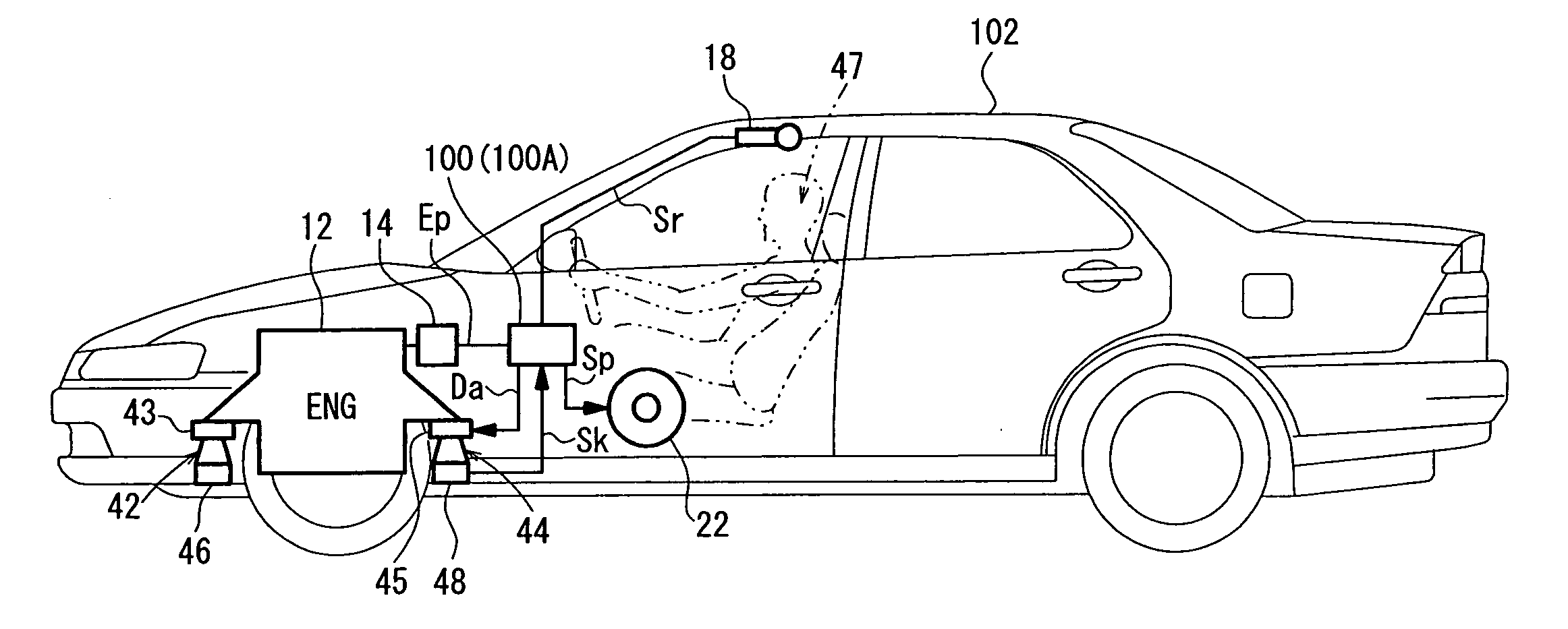
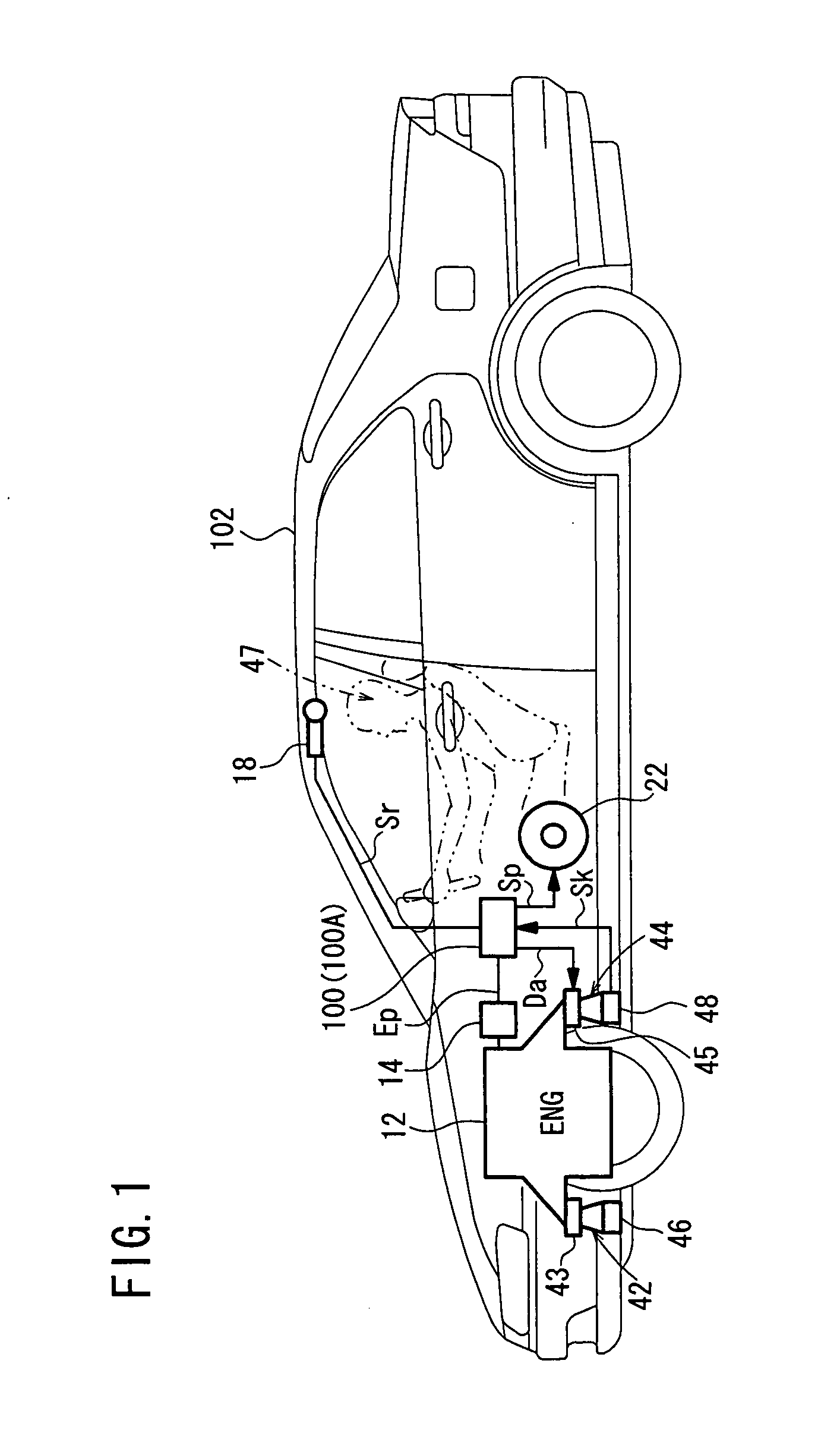
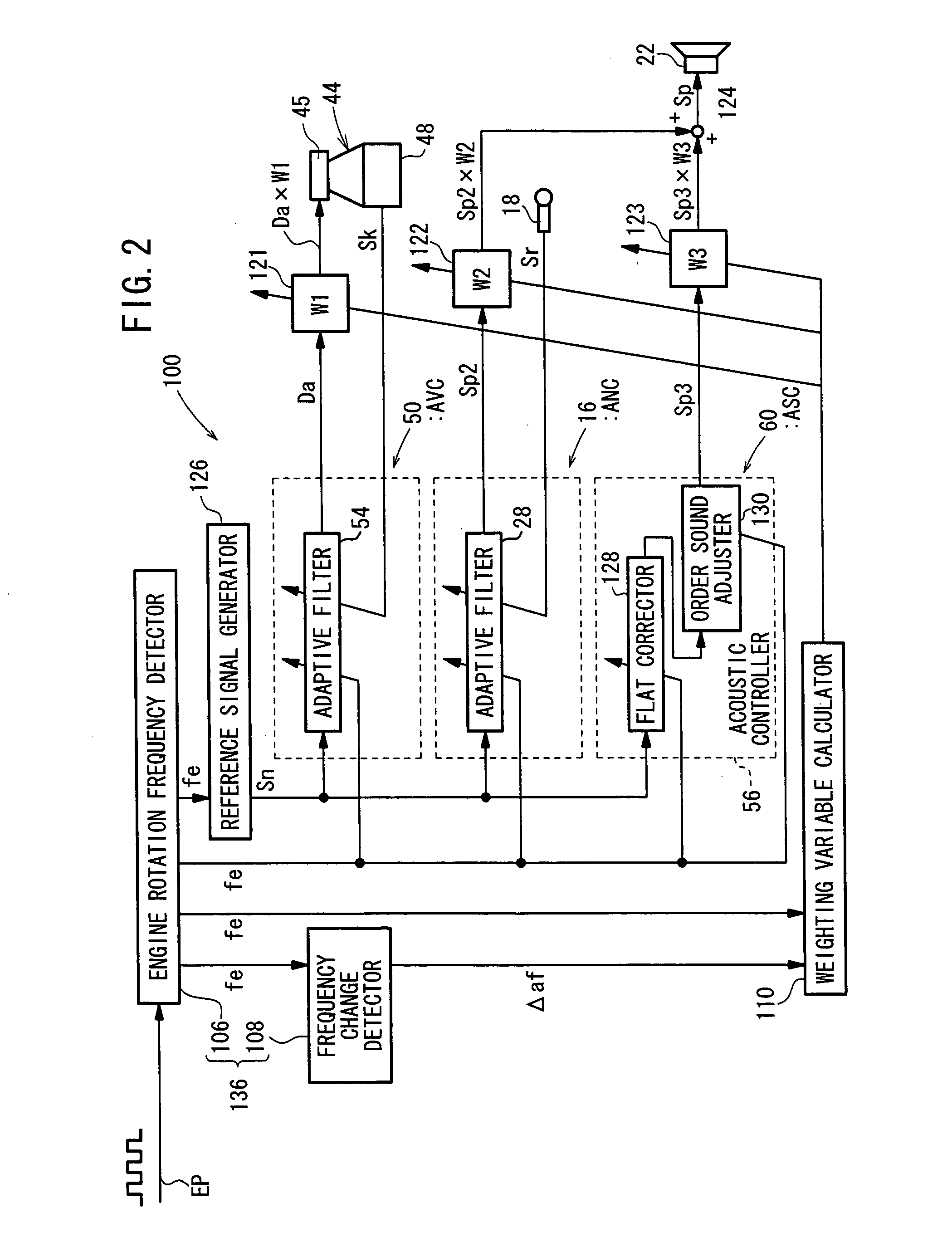
- A vehicular active noise/vibration/sound control system that includes running state detection and coordination control to manage the activation and inactivation of ANC, AVC, and ASC components based on the vehicle's running state, using an engine rotation frequency detector and frequency change detector to adjust control signals through weighting variables.

Environmental Regulations Impact on Engine Sound
Environmental regulations have significantly impacted the landscape of engine sound design, particularly for high-performance V12 engines. These regulations, primarily aimed at reducing noise pollution and improving urban soundscapes, have forced automotive manufacturers to rethink their approach to acoustic engineering.
The European Union's vehicle noise regulations, for instance, have set increasingly stringent limits on external vehicle noise. This has led to a paradigm shift in how V12 engines are designed and tuned. Manufacturers now must balance the desire for a powerful, emotive engine sound with the need to meet legal noise limits. This has resulted in the widespread adoption of active sound design technologies and sophisticated exhaust systems with variable valve control.
In the United States, the National Highway Traffic Safety Administration (NHTSA) has implemented regulations requiring electric and hybrid vehicles to emit artificial sounds at low speeds for pedestrian safety. While not directly affecting V12 engines, these regulations have influenced the broader field of automotive acoustic engineering, pushing the boundaries of what's possible in sound design.
The impact of these regulations extends beyond mere compliance. They have spurred innovation in materials science and acoustic engineering. For example, the development of advanced sound-absorbing materials and active noise control systems has been accelerated. These technologies are now being adapted for use in high-performance engines to manage sound without compromising power output.
Moreover, the regulations have led to a shift in consumer expectations. As quieter vehicles become the norm, the distinctive sound of a V12 engine has become even more prized among enthusiasts. This has created a challenging balancing act for manufacturers, who must create engines that are both compliant with regulations and appealing to their target market.
The future of V12 engine sound design under these regulations is likely to involve even more sophisticated acoustic engineering. We may see increased use of digital sound synthesis, adaptive exhaust systems, and even personalized sound profiles that can be adjusted based on driving conditions or driver preferences. The challenge will be to maintain the emotional connection and brand identity associated with V12 engines while operating within an increasingly restrictive regulatory framework.
The European Union's vehicle noise regulations, for instance, have set increasingly stringent limits on external vehicle noise. This has led to a paradigm shift in how V12 engines are designed and tuned. Manufacturers now must balance the desire for a powerful, emotive engine sound with the need to meet legal noise limits. This has resulted in the widespread adoption of active sound design technologies and sophisticated exhaust systems with variable valve control.
In the United States, the National Highway Traffic Safety Administration (NHTSA) has implemented regulations requiring electric and hybrid vehicles to emit artificial sounds at low speeds for pedestrian safety. While not directly affecting V12 engines, these regulations have influenced the broader field of automotive acoustic engineering, pushing the boundaries of what's possible in sound design.
The impact of these regulations extends beyond mere compliance. They have spurred innovation in materials science and acoustic engineering. For example, the development of advanced sound-absorbing materials and active noise control systems has been accelerated. These technologies are now being adapted for use in high-performance engines to manage sound without compromising power output.
Moreover, the regulations have led to a shift in consumer expectations. As quieter vehicles become the norm, the distinctive sound of a V12 engine has become even more prized among enthusiasts. This has created a challenging balancing act for manufacturers, who must create engines that are both compliant with regulations and appealing to their target market.
The future of V12 engine sound design under these regulations is likely to involve even more sophisticated acoustic engineering. We may see increased use of digital sound synthesis, adaptive exhaust systems, and even personalized sound profiles that can be adjusted based on driving conditions or driver preferences. The challenge will be to maintain the emotional connection and brand identity associated with V12 engines while operating within an increasingly restrictive regulatory framework.
Psychoacoustics in V12 Engine Sound Perception
Psychoacoustics plays a crucial role in the perception of V12 engine sounds, influencing how listeners interpret and respond to these complex acoustic stimuli. The human auditory system processes engine sounds through various psychoacoustic phenomena, including loudness perception, pitch discrimination, and tonal quality assessment.
Loudness perception of V12 engine sounds is not solely dependent on physical sound pressure levels but is also influenced by factors such as frequency content and temporal patterns. The unique firing order of V12 engines creates a distinctive rhythmic pattern that can be perceived as more or less loud depending on its spectral composition and temporal characteristics.
Pitch perception in V12 engine sounds is multifaceted, involving both fundamental frequencies and harmonic structures. The fundamental frequency of the engine's rotation combines with higher harmonics to create a rich tonal palette. Listeners can often discern changes in engine speed through subtle shifts in pitch, even when the overall sound level remains constant.
Tonal quality assessment of V12 engine sounds involves complex interactions between various frequency components. The balance of low, mid, and high-frequency content contributes to the perceived "smoothness" or "roughness" of the engine sound. Psychoacoustic research has shown that certain harmonic relationships are perceived as more pleasing or powerful, influencing the overall emotional response to the engine sound.
Masking effects play a significant role in V12 engine sound perception. Lower frequency components can mask higher frequencies, potentially obscuring important acoustic cues. Sound designers must carefully consider these masking effects to ensure that all desired elements of the engine sound are perceptible across various operating conditions.
Temporal aspects of V12 engine sounds, such as attack and decay characteristics, significantly impact the perceived quality and character of the sound. The rapid onset of sound during acceleration and the gradual decay during deceleration contribute to the dynamic perception of the engine's performance.
Binaural hearing effects also influence the perception of V12 engine sounds, particularly in the context of vehicle interiors. The spatial distribution of sound sources within the engine compartment and the acoustic properties of the vehicle cabin interact with the listener's binaural processing capabilities, affecting the perceived directionality and immersion of the engine sound.
Understanding these psychoacoustic principles is essential for acoustic engineers and sound designers working on V12 engine sound design. By leveraging knowledge of how the human auditory system processes and interprets these complex sounds, designers can create more engaging, emotionally resonant, and brand-appropriate engine soundscapes.
Loudness perception of V12 engine sounds is not solely dependent on physical sound pressure levels but is also influenced by factors such as frequency content and temporal patterns. The unique firing order of V12 engines creates a distinctive rhythmic pattern that can be perceived as more or less loud depending on its spectral composition and temporal characteristics.
Pitch perception in V12 engine sounds is multifaceted, involving both fundamental frequencies and harmonic structures. The fundamental frequency of the engine's rotation combines with higher harmonics to create a rich tonal palette. Listeners can often discern changes in engine speed through subtle shifts in pitch, even when the overall sound level remains constant.
Tonal quality assessment of V12 engine sounds involves complex interactions between various frequency components. The balance of low, mid, and high-frequency content contributes to the perceived "smoothness" or "roughness" of the engine sound. Psychoacoustic research has shown that certain harmonic relationships are perceived as more pleasing or powerful, influencing the overall emotional response to the engine sound.
Masking effects play a significant role in V12 engine sound perception. Lower frequency components can mask higher frequencies, potentially obscuring important acoustic cues. Sound designers must carefully consider these masking effects to ensure that all desired elements of the engine sound are perceptible across various operating conditions.
Temporal aspects of V12 engine sounds, such as attack and decay characteristics, significantly impact the perceived quality and character of the sound. The rapid onset of sound during acceleration and the gradual decay during deceleration contribute to the dynamic perception of the engine's performance.
Binaural hearing effects also influence the perception of V12 engine sounds, particularly in the context of vehicle interiors. The spatial distribution of sound sources within the engine compartment and the acoustic properties of the vehicle cabin interact with the listener's binaural processing capabilities, affecting the perceived directionality and immersion of the engine sound.
Understanding these psychoacoustic principles is essential for acoustic engineers and sound designers working on V12 engine sound design. By leveraging knowledge of how the human auditory system processes and interprets these complex sounds, designers can create more engaging, emotionally resonant, and brand-appropriate engine soundscapes.
Unlock deeper insights with PatSnap Eureka Quick Research — get a full tech report to explore trends and direct your research. Try now!
Generate Your Research Report Instantly with AI Agent
Supercharge your innovation with PatSnap Eureka AI Agent Platform!