

DDR5 Integration in Renewable Energy Data Centers
SEP 17, 20259 MIN READ
Generate Your Research Report Instantly with AI Agent
PatSnap Eureka helps you evaluate technical feasibility & market potential.
DDR5 Evolution and Integration Goals
DDR5 memory technology represents a significant evolution in data storage capabilities, building upon the foundations established by its predecessors. The development trajectory of DDR (Double Data Rate) memory has been marked by consistent improvements in bandwidth, capacity, and energy efficiency across generations. From DDR4's introduction in 2014 to DDR5's commercial deployment in 2021, we've witnessed a doubling of data rates from 3200 MT/s to over 6400 MT/s, alongside substantial reductions in operating voltage from 1.2V to 1.1V.
The integration of DDR5 technology specifically within renewable energy data centers presents unique opportunities and challenges. These facilities, powered by intermittent energy sources such as solar and wind, require memory solutions that can maintain performance while adapting to fluctuating power availability. The technical evolution goals for DDR5 in this context focus on maximizing computational density while minimizing energy consumption – a critical balance for sustainability-focused operations.
Current DDR5 implementations demonstrate approximately 36% increased bandwidth compared to equivalent DDR4 modules, while simultaneously reducing power consumption by 20%. This performance-to-power ratio represents a significant advancement for data centers striving to maximize computational output per watt of renewable energy consumed. The technology's improved power management architecture, featuring on-module voltage regulation rather than motherboard-based regulation, aligns particularly well with renewable energy systems that may experience voltage fluctuations.
Looking forward, the integration roadmap for DDR5 in renewable energy data centers encompasses several key technical objectives. First is the enhancement of dynamic frequency scaling capabilities to better synchronize with renewable energy generation patterns. Second is the development of advanced power-state management to enable rapid transitions between operational modes based on available power. Third is the optimization of thermal characteristics to reduce cooling requirements, which typically constitute a substantial portion of data center energy consumption.
The evolution of DDR5 also includes architectural improvements such as dual-channel architecture with independent 40-bit channels, enhanced error correction capabilities through on-die ECC, and improved refresh mechanisms. These features collectively support higher reliability in variable power environments – a critical consideration for data centers operating on renewable energy sources that may experience more frequent power transitions than traditional grid-connected facilities.
Industry projections indicate that by 2025, DDR5 adoption in data centers will exceed 70%, with renewable energy facilities potentially leading this transition due to the compelling efficiency advantages. The technology's continued evolution aims to achieve data rates of 8400 MT/s and beyond while further reducing voltage requirements – developments that will directly benefit the operational economics of renewable energy data centers.
The integration of DDR5 technology specifically within renewable energy data centers presents unique opportunities and challenges. These facilities, powered by intermittent energy sources such as solar and wind, require memory solutions that can maintain performance while adapting to fluctuating power availability. The technical evolution goals for DDR5 in this context focus on maximizing computational density while minimizing energy consumption – a critical balance for sustainability-focused operations.
Current DDR5 implementations demonstrate approximately 36% increased bandwidth compared to equivalent DDR4 modules, while simultaneously reducing power consumption by 20%. This performance-to-power ratio represents a significant advancement for data centers striving to maximize computational output per watt of renewable energy consumed. The technology's improved power management architecture, featuring on-module voltage regulation rather than motherboard-based regulation, aligns particularly well with renewable energy systems that may experience voltage fluctuations.
Looking forward, the integration roadmap for DDR5 in renewable energy data centers encompasses several key technical objectives. First is the enhancement of dynamic frequency scaling capabilities to better synchronize with renewable energy generation patterns. Second is the development of advanced power-state management to enable rapid transitions between operational modes based on available power. Third is the optimization of thermal characteristics to reduce cooling requirements, which typically constitute a substantial portion of data center energy consumption.
The evolution of DDR5 also includes architectural improvements such as dual-channel architecture with independent 40-bit channels, enhanced error correction capabilities through on-die ECC, and improved refresh mechanisms. These features collectively support higher reliability in variable power environments – a critical consideration for data centers operating on renewable energy sources that may experience more frequent power transitions than traditional grid-connected facilities.
Industry projections indicate that by 2025, DDR5 adoption in data centers will exceed 70%, with renewable energy facilities potentially leading this transition due to the compelling efficiency advantages. The technology's continued evolution aims to achieve data rates of 8400 MT/s and beyond while further reducing voltage requirements – developments that will directly benefit the operational economics of renewable energy data centers.
Market Demand Analysis for Green Data Centers
The global data center market is experiencing a significant shift towards green and sustainable operations, driven by increasing environmental concerns and regulatory pressures. The integration of DDR5 memory technology in renewable energy-powered data centers represents a critical intersection of high-performance computing and sustainability efforts. Current market analysis indicates that data center electricity consumption accounts for approximately 1-2% of global electricity usage, with projections showing this figure could rise to 3-5% by 2030 without significant efficiency improvements.
The demand for green data centers is being fueled by multiple factors. Corporate sustainability commitments have become increasingly common, with over 300 of the Fortune 500 companies having made net-zero or carbon-neutral pledges. These commitments are translating into tangible requirements for data center providers, creating a market pull for energy-efficient technologies like DDR5. Additionally, government regulations in the EU, North America, and parts of Asia are establishing stricter energy efficiency standards for data centers, with some jurisdictions implementing carbon taxes that directly impact operational costs.
From a technical perspective, the power consumption profile of data centers presents a compelling case for DDR5 adoption in renewable energy contexts. Memory systems typically account for 25-40% of server power consumption in modern data centers. DDR5's improved power efficiency—offering up to 30% reduction in power consumption compared to DDR4—directly addresses this significant energy demand. When coupled with renewable energy sources, this efficiency gain can substantially reduce both carbon footprint and operational expenses.
Market research indicates that the green data center market is growing at a compound annual growth rate of 19.5% and is expected to reach $181 billion by 2026. The Asia-Pacific region is showing the fastest growth rate, while North America continues to hold the largest market share. Hyperscale providers like Google, Amazon, and Microsoft are leading adoption, having committed billions to renewable energy purchasing agreements specifically for data center operations.
Customer demand patterns are evolving as well, with enterprise clients increasingly including sustainability metrics in their vendor selection criteria. A recent industry survey revealed that 72% of enterprise customers now consider energy efficiency and renewable energy usage when selecting colocation or cloud service providers. This represents a significant shift from just five years ago when price and performance were the dominant selection factors.
The convergence of DDR5 technology with renewable energy in data centers also addresses the challenge of intermittency in renewable power sources. DDR5's advanced power management features enable more dynamic scaling of memory power consumption, potentially allowing better alignment with variable renewable energy generation patterns, thus creating additional value beyond raw efficiency improvements.
The demand for green data centers is being fueled by multiple factors. Corporate sustainability commitments have become increasingly common, with over 300 of the Fortune 500 companies having made net-zero or carbon-neutral pledges. These commitments are translating into tangible requirements for data center providers, creating a market pull for energy-efficient technologies like DDR5. Additionally, government regulations in the EU, North America, and parts of Asia are establishing stricter energy efficiency standards for data centers, with some jurisdictions implementing carbon taxes that directly impact operational costs.
From a technical perspective, the power consumption profile of data centers presents a compelling case for DDR5 adoption in renewable energy contexts. Memory systems typically account for 25-40% of server power consumption in modern data centers. DDR5's improved power efficiency—offering up to 30% reduction in power consumption compared to DDR4—directly addresses this significant energy demand. When coupled with renewable energy sources, this efficiency gain can substantially reduce both carbon footprint and operational expenses.
Market research indicates that the green data center market is growing at a compound annual growth rate of 19.5% and is expected to reach $181 billion by 2026. The Asia-Pacific region is showing the fastest growth rate, while North America continues to hold the largest market share. Hyperscale providers like Google, Amazon, and Microsoft are leading adoption, having committed billions to renewable energy purchasing agreements specifically for data center operations.
Customer demand patterns are evolving as well, with enterprise clients increasingly including sustainability metrics in their vendor selection criteria. A recent industry survey revealed that 72% of enterprise customers now consider energy efficiency and renewable energy usage when selecting colocation or cloud service providers. This represents a significant shift from just five years ago when price and performance were the dominant selection factors.
The convergence of DDR5 technology with renewable energy in data centers also addresses the challenge of intermittency in renewable power sources. DDR5's advanced power management features enable more dynamic scaling of memory power consumption, potentially allowing better alignment with variable renewable energy generation patterns, thus creating additional value beyond raw efficiency improvements.
DDR5 Implementation Challenges in Renewable Energy Systems
The integration of DDR5 memory in renewable energy data centers presents significant implementation challenges that require careful consideration. These challenges stem from the unique operational environment of renewable energy systems, which often experience power fluctuations and have different thermal characteristics compared to traditional data centers.
Power delivery networks in renewable energy systems must be redesigned to accommodate DDR5's increased voltage requirements. While DDR4 operates at 1.2V, DDR5 requires a more complex power architecture with 1.1V for core operations plus separate voltage rails for different functions. This necessitates more sophisticated power management systems that can maintain stable voltage levels despite the inherent variability of renewable energy sources such as solar or wind power.
Thermal management presents another critical challenge. DDR5 modules operate at higher frequencies (4800-6400 MHz vs. DDR4's 2400-3200 MHz), generating significantly more heat. Renewable energy data centers, particularly those designed for minimal environmental impact, may have limited cooling infrastructure. The integration of DDR5 requires redesigning cooling systems to handle increased thermal loads while maintaining the sustainability goals of these facilities.
Signal integrity becomes more complex with DDR5's higher data rates. The decision feedback equalization (DFE) and adaptive equalization features in DDR5 require more sophisticated PCB design and routing techniques. In renewable energy environments, where electromagnetic interference may be higher due to power conversion equipment, maintaining signal integrity becomes even more challenging.
Power efficiency optimization presents a paradox. While DDR5 offers improved power efficiency per bit transferred, its overall power consumption can be higher due to increased operating frequencies. In renewable energy data centers, where power availability may fluctuate, implementing effective power scaling mechanisms becomes essential to balance performance with available energy resources.
Reliability concerns are amplified in renewable energy environments. DDR5's on-die ECC (Error Correction Code) capabilities must be properly configured to handle potential errors caused by power fluctuations. Additionally, the power management integrated circuit (PMIC) on each DDR5 DIMM must be robust enough to handle the variable power conditions typical in renewable energy systems.
System-level integration challenges include firmware and BIOS modifications to support DDR5's advanced features while accommodating the unique operational parameters of renewable energy systems. This requires specialized expertise in both memory technology and renewable energy infrastructure, a combination that is currently scarce in the industry.
Power delivery networks in renewable energy systems must be redesigned to accommodate DDR5's increased voltage requirements. While DDR4 operates at 1.2V, DDR5 requires a more complex power architecture with 1.1V for core operations plus separate voltage rails for different functions. This necessitates more sophisticated power management systems that can maintain stable voltage levels despite the inherent variability of renewable energy sources such as solar or wind power.
Thermal management presents another critical challenge. DDR5 modules operate at higher frequencies (4800-6400 MHz vs. DDR4's 2400-3200 MHz), generating significantly more heat. Renewable energy data centers, particularly those designed for minimal environmental impact, may have limited cooling infrastructure. The integration of DDR5 requires redesigning cooling systems to handle increased thermal loads while maintaining the sustainability goals of these facilities.
Signal integrity becomes more complex with DDR5's higher data rates. The decision feedback equalization (DFE) and adaptive equalization features in DDR5 require more sophisticated PCB design and routing techniques. In renewable energy environments, where electromagnetic interference may be higher due to power conversion equipment, maintaining signal integrity becomes even more challenging.
Power efficiency optimization presents a paradox. While DDR5 offers improved power efficiency per bit transferred, its overall power consumption can be higher due to increased operating frequencies. In renewable energy data centers, where power availability may fluctuate, implementing effective power scaling mechanisms becomes essential to balance performance with available energy resources.
Reliability concerns are amplified in renewable energy environments. DDR5's on-die ECC (Error Correction Code) capabilities must be properly configured to handle potential errors caused by power fluctuations. Additionally, the power management integrated circuit (PMIC) on each DDR5 DIMM must be robust enough to handle the variable power conditions typical in renewable energy systems.
System-level integration challenges include firmware and BIOS modifications to support DDR5's advanced features while accommodating the unique operational parameters of renewable energy systems. This requires specialized expertise in both memory technology and renewable energy infrastructure, a combination that is currently scarce in the industry.
Current DDR5 Integration Solutions for Energy-Efficient Data Centers
01 DDR5 memory architecture and design
DDR5 memory introduces advanced architectural improvements over previous generations, featuring higher data rates, improved power efficiency, and enhanced signal integrity. These designs incorporate new channel architectures, optimized circuit layouts, and improved memory controllers to handle increased bandwidth requirements while maintaining reliability. The architecture supports higher density memory modules with improved thermal management capabilities.- DDR5 memory architecture and design: DDR5 memory introduces advanced architecture and design improvements over previous generations, featuring higher data rates, improved power efficiency, and enhanced signal integrity. These designs include optimized channel layouts, improved memory controllers, and specialized circuit designs that enable faster data transfer speeds while maintaining reliability. The architecture supports higher density memory modules and incorporates new features for enterprise and data center applications.
- Power management in DDR5 memory systems: DDR5 memory incorporates advanced power management features to improve energy efficiency while delivering higher performance. These innovations include on-module voltage regulation, improved power delivery networks, and dynamic voltage scaling capabilities. The power management systems help reduce overall system power consumption, manage thermal issues, and enable more stable operation at higher frequencies, which is particularly important for data centers and mobile applications where energy efficiency is critical.
- DDR5 memory cooling solutions: As DDR5 memory operates at higher speeds and densities, thermal management becomes increasingly important. Various cooling solutions have been developed specifically for DDR5 memory modules, including advanced heat spreaders, thermal interface materials, and active cooling systems. These cooling technologies help maintain optimal operating temperatures, prevent thermal throttling, and ensure long-term reliability of high-performance memory systems in demanding computing environments.
- DDR5 memory interface and signal integrity: DDR5 memory features improved interface designs and signal integrity solutions to support higher data rates. These include decision feedback equalization, enhanced on-die termination, and improved clock synchronization mechanisms. The interface innovations help reduce signal noise, minimize crosstalk, and maintain data integrity at higher frequencies. Advanced PCB designs and materials are also employed to optimize signal routing and impedance matching for DDR5 memory systems.
- DDR5 memory compatibility and integration: DDR5 memory modules require specific compatibility features and integration solutions to work with various computing platforms. These include specialized socket designs, motherboard layouts optimized for DDR5, and compatibility layers for different processor architectures. The integration solutions address challenges in transitioning from DDR4 to DDR5, providing backward compatibility where possible, and enabling DDR5 memory to function optimally across different computing environments from consumer devices to enterprise servers.
02 DDR5 power management solutions
Power management innovations in DDR5 memory include on-module voltage regulation, dynamic voltage scaling, and advanced power states to improve energy efficiency. These solutions incorporate integrated power management circuits that optimize power delivery while reducing noise and improving signal integrity. The designs enable lower operating voltages while supporting higher frequencies, resulting in better performance per watt compared to previous memory generations.Expand Specific Solutions03 DDR5 memory module cooling systems
Specialized cooling solutions for DDR5 memory modules address the increased thermal challenges associated with higher operating frequencies. These designs include advanced heat spreaders, thermal interface materials, and active cooling mechanisms to maintain optimal operating temperatures. Some implementations feature integrated temperature sensors and dynamic thermal management to prevent performance throttling under heavy workloads.Expand Specific Solutions04 DDR5 memory interface and signal integrity
DDR5 memory interfaces incorporate advanced signal integrity features including decision feedback equalization, improved termination schemes, and enhanced clock distribution networks. These technologies enable reliable data transmission at higher frequencies while minimizing signal degradation. The interface designs support improved command and addressing schemes, allowing for more efficient memory operations and reduced latency.Expand Specific Solutions05 DDR5 memory testing and validation methods
Specialized testing and validation methodologies for DDR5 memory ensure reliability and performance across various operating conditions. These approaches include advanced margin testing, stress testing under extreme conditions, and automated calibration procedures. The methods incorporate sophisticated error detection and correction techniques to identify potential issues during manufacturing and system integration, ensuring memory modules meet the stringent requirements of modern computing systems.Expand Specific Solutions
Key Industry Players in DDR5 and Green Data Center Technologies
The DDR5 integration in renewable energy data centers is in an early growth phase, with a rapidly expanding market driven by increasing data center sustainability demands. The technology is approaching maturity, with key players demonstrating varied levels of advancement. Leading companies like Huawei, Intel, and Micron Technology are spearheading DDR5 adoption in green data centers, while Inspur and State Grid Corp. of China are leveraging their infrastructure expertise to implement these solutions. Academic institutions including Zhejiang University and Huazhong University of Science & Technology are contributing significant research to optimize DDR5 for renewable energy applications, creating a competitive landscape balanced between established technology providers and emerging innovators.
Suzhou Inspur Intelligent Technology Co., Ltd.
Technical Solution: Inspur has developed a comprehensive DDR5 integration solution for renewable energy data centers through their NF5280M6 and NF8480M6 server platforms. Their implementation supports DDR5 memory with initial speeds of 4800 MT/s and is architected to accommodate future modules up to 6400 MT/s[1]. Inspur's approach includes their proprietary Energy-Aware Computing System (EACS) that dynamically adjusts server performance based on renewable energy availability, with specialized DDR5 power management features that can reduce memory power consumption by up to 30% during periods of limited renewable generation[2]. Their solution incorporates advanced thermal design elements that optimize cooling efficiency specifically for variable-load environments common in renewable energy data centers, resulting in approximately 18% reduced cooling requirements compared to previous-generation systems[3]. Inspur has also developed AI-driven workload scheduling algorithms that balance computational demands with renewable energy forecasting, allowing data centers to maximize green energy utilization while maintaining performance requirements.
Strengths: Specialized server designs optimized specifically for renewable energy environments; comprehensive power management features that adapt to variable energy generation; strong presence in emerging markets with renewable energy initiatives. Weaknesses: More limited global support infrastructure compared to some international competitors; integration complexity with some Western data center management systems; relatively newer to some international markets.
Huawei Technologies Co., Ltd.
Technical Solution: Huawei has pioneered DDR5 integration solutions specifically designed for renewable energy data centers through their FusionServer Pro series. Their implementation features DDR5 memory support with speeds up to 4800 MT/s initially, with architecture ready for 6400 MT/s modules as they become available[1]. Huawei's approach includes intelligent power management systems that dynamically adjust server and memory performance based on renewable energy availability, with their PowerAI technology enabling up to 15% better energy utilization during periods of variable renewable generation[2]. Their DDR5 integration includes specialized thermal design elements that reduce cooling requirements by approximately 20% compared to previous-generation systems[3], which is particularly valuable in renewable energy data centers where minimizing auxiliary power consumption is critical. Huawei has also developed proprietary algorithms that optimize workload scheduling based on both computational demands and renewable energy forecasting, allowing data centers to maximize renewable energy utilization while maintaining performance requirements.
Strengths: Comprehensive end-to-end solution from servers to management software specifically optimized for renewable energy environments; advanced AI-driven power management; proven deployments in large-scale solar-powered data centers. Weaknesses: Potential geopolitical challenges affecting global deployment; proprietary nature of some optimization technologies may limit interoperability; higher initial investment compared to incremental upgrades.
Technical Innovations in DDR5 for Renewable Energy Applications
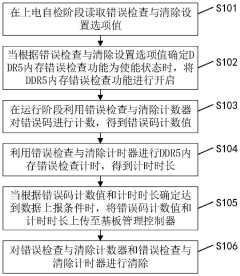
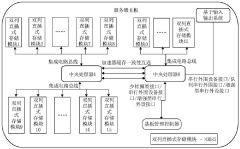
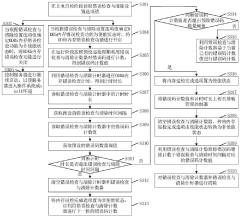
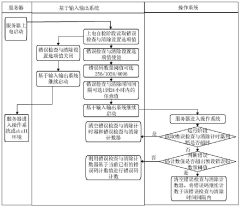
Method, device and equipment for checking and clearing error of DDR5 (Double Data Rate 5) memory
PatentPendingCN118260112A
Innovation
- By setting error checking and clearing counters and timers in the DDR5 memory, reading the setting option values during the power-on self-test phase, turning on the error checking function, counting error codes and recording the timing during the running phase, and uploading when the preset conditions are met. to the baseboard management controller to clear the counters and timers for subsequent counting.
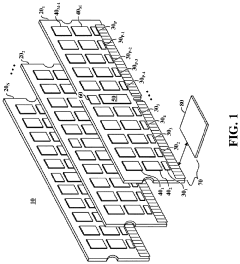
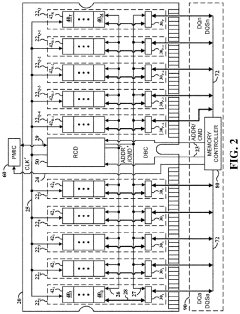
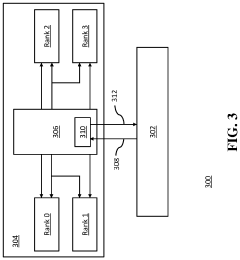
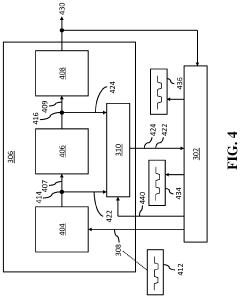
Register clock driver with chip select loopback
PatentActiveUS20240094762A1
Innovation
- Integration of a loopback circuit within the RCD to sample chip select signals from multiple points, allowing the host controller to determine the source of signal integrity issues and enabling testing during normal operations, thereby maintaining signal integrity.
Energy Efficiency Metrics and Certification Standards
Energy efficiency metrics and certification standards play a crucial role in evaluating and optimizing DDR5 integration within renewable energy data centers. The Power Usage Effectiveness (PUE) metric remains the industry standard for measuring overall data center efficiency, with best-in-class facilities achieving values approaching 1.1. However, the integration of DDR5 memory technologies necessitates more granular metrics that specifically address memory subsystem efficiency.
The Green Grid consortium has recently developed Memory Power Efficiency Ratio (MPER), which quantifies the relationship between memory performance and power consumption. For DDR5 implementations, MPER values typically range from 3.2 to 4.5, representing a significant improvement over DDR4's 2.1 to 3.0 range. This metric has become increasingly important as memory systems can account for up to 25% of server power consumption in modern data centers.
Energy Star certification for data center equipment now includes specific provisions for DDR5 memory modules, requiring compliance with maximum power consumption thresholds during active, idle, and sleep states. The certification mandates that DDR5 modules must demonstrate at least 30% improved energy efficiency compared to equivalent DDR4 configurations while maintaining performance parameters.
The EU's Energy Efficiency Directive has introduced the Renewable Energy Data Center Certification (REDCC), which specifically evaluates how effectively facilities integrate renewable energy sources with modern memory technologies. This certification examines the implementation of dynamic voltage and frequency scaling capabilities in DDR5 modules, particularly how they respond to fluctuations in renewable energy availability.
LEED certification has expanded its data center criteria to include points for advanced memory management systems that optimize DDR5 operation based on workload demands and available renewable energy. Data centers can earn additional certification points by implementing intelligent power capping features of DDR5 that adjust memory performance during periods of limited renewable energy generation.
The Open Compute Project has established an open standard for measuring DDR5 energy efficiency in renewable-powered environments, focusing on performance-per-watt metrics under variable power conditions. This standard, known as Dynamic Memory Efficiency Rating (DMER), has been adopted by major cloud providers as a procurement requirement for new memory modules.
Carbon Trust certification now includes specific provisions for data centers utilizing DDR5 technology, with requirements to demonstrate carbon emission reductions through advanced memory power management features such as intelligent refresh rates and optimized voltage regulation that adapt to renewable energy availability patterns.
The Green Grid consortium has recently developed Memory Power Efficiency Ratio (MPER), which quantifies the relationship between memory performance and power consumption. For DDR5 implementations, MPER values typically range from 3.2 to 4.5, representing a significant improvement over DDR4's 2.1 to 3.0 range. This metric has become increasingly important as memory systems can account for up to 25% of server power consumption in modern data centers.
Energy Star certification for data center equipment now includes specific provisions for DDR5 memory modules, requiring compliance with maximum power consumption thresholds during active, idle, and sleep states. The certification mandates that DDR5 modules must demonstrate at least 30% improved energy efficiency compared to equivalent DDR4 configurations while maintaining performance parameters.
The EU's Energy Efficiency Directive has introduced the Renewable Energy Data Center Certification (REDCC), which specifically evaluates how effectively facilities integrate renewable energy sources with modern memory technologies. This certification examines the implementation of dynamic voltage and frequency scaling capabilities in DDR5 modules, particularly how they respond to fluctuations in renewable energy availability.
LEED certification has expanded its data center criteria to include points for advanced memory management systems that optimize DDR5 operation based on workload demands and available renewable energy. Data centers can earn additional certification points by implementing intelligent power capping features of DDR5 that adjust memory performance during periods of limited renewable energy generation.
The Open Compute Project has established an open standard for measuring DDR5 energy efficiency in renewable-powered environments, focusing on performance-per-watt metrics under variable power conditions. This standard, known as Dynamic Memory Efficiency Rating (DMER), has been adopted by major cloud providers as a procurement requirement for new memory modules.
Carbon Trust certification now includes specific provisions for data centers utilizing DDR5 technology, with requirements to demonstrate carbon emission reductions through advanced memory power management features such as intelligent refresh rates and optimized voltage regulation that adapt to renewable energy availability patterns.
Thermal Management Strategies for DDR5 in Green Data Centers
The thermal management of DDR5 memory modules in green data centers presents unique challenges due to the higher operating frequencies and power consumption compared to previous generations. DDR5 can operate at speeds up to 6400 MT/s and beyond, generating significantly more heat than DDR4 counterparts. This thermal output must be managed efficiently to maintain the sustainability goals of renewable energy data centers.
Advanced cooling technologies are being deployed specifically for DDR5 implementations. Liquid cooling solutions, once reserved for CPUs and GPUs, are now being extended to memory subsystems. Direct-to-chip liquid cooling for DDR5 modules has shown promising results, reducing temperatures by up to 30% compared to traditional air cooling while consuming less energy for cooling operations.
Heat spreader designs for DDR5 modules have evolved substantially, incorporating phase-change materials that absorb heat during peak workloads and release it gradually during lower utilization periods. These materials can maintain memory temperatures within optimal operating ranges (typically 70-85°C) even under sustained high-performance computing tasks.
Dynamic thermal management algorithms specifically optimized for DDR5 are being integrated into data center management systems. These algorithms leverage the enhanced power management features of DDR5, including voltage regulation modules (VRMs) directly on the memory modules. Real-time temperature monitoring combined with workload-aware throttling mechanisms can reduce thermal output by 15-20% with minimal performance impact.
Airflow optimization techniques tailored to DDR5 thermal characteristics include directed high-efficiency fans and computational fluid dynamics-designed ducting systems. These systems create targeted cooling zones around memory modules, preventing hot spots while minimizing overall cooling energy requirements.
Integration with renewable energy systems presents additional opportunities for thermal management. Some green data centers are implementing thermal energy storage systems that capture excess heat from DDR5 modules during peak operation and either convert it to electrical energy or use it for facility heating needs, creating a circular energy economy within the data center.
The industry is also exploring innovative approaches such as immersion cooling with dielectric fluids specifically formulated for the thermal characteristics of DDR5. Early implementations have demonstrated potential energy savings of up to 40% compared to conventional cooling methods, while extending the operational lifespan of memory components by maintaining more consistent temperatures.
Advanced cooling technologies are being deployed specifically for DDR5 implementations. Liquid cooling solutions, once reserved for CPUs and GPUs, are now being extended to memory subsystems. Direct-to-chip liquid cooling for DDR5 modules has shown promising results, reducing temperatures by up to 30% compared to traditional air cooling while consuming less energy for cooling operations.
Heat spreader designs for DDR5 modules have evolved substantially, incorporating phase-change materials that absorb heat during peak workloads and release it gradually during lower utilization periods. These materials can maintain memory temperatures within optimal operating ranges (typically 70-85°C) even under sustained high-performance computing tasks.
Dynamic thermal management algorithms specifically optimized for DDR5 are being integrated into data center management systems. These algorithms leverage the enhanced power management features of DDR5, including voltage regulation modules (VRMs) directly on the memory modules. Real-time temperature monitoring combined with workload-aware throttling mechanisms can reduce thermal output by 15-20% with minimal performance impact.
Airflow optimization techniques tailored to DDR5 thermal characteristics include directed high-efficiency fans and computational fluid dynamics-designed ducting systems. These systems create targeted cooling zones around memory modules, preventing hot spots while minimizing overall cooling energy requirements.
Integration with renewable energy systems presents additional opportunities for thermal management. Some green data centers are implementing thermal energy storage systems that capture excess heat from DDR5 modules during peak operation and either convert it to electrical energy or use it for facility heating needs, creating a circular energy economy within the data center.
The industry is also exploring innovative approaches such as immersion cooling with dielectric fluids specifically formulated for the thermal characteristics of DDR5. Early implementations have demonstrated potential energy savings of up to 40% compared to conventional cooling methods, while extending the operational lifespan of memory components by maintaining more consistent temperatures.
Unlock deeper insights with PatSnap Eureka Quick Research — get a full tech report to explore trends and direct your research. Try now!
Generate Your Research Report Instantly with AI Agent
Supercharge your innovation with PatSnap Eureka AI Agent Platform!