EREV technology education and workforce development needs
AUG 14, 20259 MIN READ
Generate Your Research Report Instantly with AI Agent
PatSnap Eureka helps you evaluate technical feasibility & market potential.
EREV Tech Background
Extended Range Electric Vehicles (EREVs) represent a significant advancement in automotive technology, combining the benefits of electric vehicles with the range capabilities of traditional combustion engines. The development of EREV technology can be traced back to the early 2000s, with major automakers exploring ways to address the limitations of pure electric vehicles while reducing emissions and fuel consumption.
EREVs utilize a small internal combustion engine as a generator to charge the battery pack, allowing for extended driving range beyond what is typically achievable with battery-only electric vehicles. This technology bridges the gap between conventional hybrid vehicles and fully electric vehicles, offering a transitional solution that addresses range anxiety while promoting the adoption of electric propulsion systems.
The evolution of EREV technology has been driven by advancements in battery technology, power electronics, and energy management systems. Early EREV models faced challenges related to battery capacity, charging efficiency, and overall system integration. However, continuous research and development efforts have led to significant improvements in these areas, resulting in more efficient and practical EREV designs.
As the automotive industry shifts towards electrification, EREV technology has gained prominence as a viable option for reducing greenhouse gas emissions and dependence on fossil fuels. This transition has created a growing demand for skilled professionals who can design, develop, and maintain EREV systems, highlighting the need for specialized education and workforce development programs.
The complexity of EREV technology requires a multidisciplinary approach, combining expertise in electrical engineering, mechanical engineering, software development, and energy management. This convergence of disciplines presents both challenges and opportunities for educational institutions and workforce development initiatives.
To meet the evolving needs of the EREV industry, educational programs must adapt to provide comprehensive training in areas such as power electronics, battery management systems, electric motor design, and advanced control algorithms. Additionally, hands-on experience with EREV components and systems is crucial for developing practical skills that are directly applicable to industry needs.
The rapid pace of technological advancement in the EREV sector necessitates continuous learning and upskilling for existing professionals. This creates a demand for specialized training programs, workshops, and certifications that can keep the workforce up-to-date with the latest developments and best practices in EREV technology.
As EREV technology continues to mature and gain market acceptance, the need for a skilled workforce will only increase. This presents an opportunity for collaboration between industry, academia, and government to develop targeted educational programs and workforce development initiatives that can support the growth of the EREV sector and drive innovation in sustainable transportation solutions.
EREVs utilize a small internal combustion engine as a generator to charge the battery pack, allowing for extended driving range beyond what is typically achievable with battery-only electric vehicles. This technology bridges the gap between conventional hybrid vehicles and fully electric vehicles, offering a transitional solution that addresses range anxiety while promoting the adoption of electric propulsion systems.
The evolution of EREV technology has been driven by advancements in battery technology, power electronics, and energy management systems. Early EREV models faced challenges related to battery capacity, charging efficiency, and overall system integration. However, continuous research and development efforts have led to significant improvements in these areas, resulting in more efficient and practical EREV designs.
As the automotive industry shifts towards electrification, EREV technology has gained prominence as a viable option for reducing greenhouse gas emissions and dependence on fossil fuels. This transition has created a growing demand for skilled professionals who can design, develop, and maintain EREV systems, highlighting the need for specialized education and workforce development programs.
The complexity of EREV technology requires a multidisciplinary approach, combining expertise in electrical engineering, mechanical engineering, software development, and energy management. This convergence of disciplines presents both challenges and opportunities for educational institutions and workforce development initiatives.
To meet the evolving needs of the EREV industry, educational programs must adapt to provide comprehensive training in areas such as power electronics, battery management systems, electric motor design, and advanced control algorithms. Additionally, hands-on experience with EREV components and systems is crucial for developing practical skills that are directly applicable to industry needs.
The rapid pace of technological advancement in the EREV sector necessitates continuous learning and upskilling for existing professionals. This creates a demand for specialized training programs, workshops, and certifications that can keep the workforce up-to-date with the latest developments and best practices in EREV technology.
As EREV technology continues to mature and gain market acceptance, the need for a skilled workforce will only increase. This presents an opportunity for collaboration between industry, academia, and government to develop targeted educational programs and workforce development initiatives that can support the growth of the EREV sector and drive innovation in sustainable transportation solutions.
EREV Market Analysis
The EREV (Extended Range Electric Vehicle) market has been experiencing significant growth in recent years, driven by increasing environmental concerns and the push for sustainable transportation solutions. As governments worldwide implement stricter emissions regulations and offer incentives for electric vehicle adoption, the demand for EREVs has surged. This technology bridges the gap between traditional internal combustion engine vehicles and fully electric vehicles, offering consumers the benefits of both.
Market analysis indicates that the EREV segment is poised for substantial expansion in the coming years. The global EREV market size was valued at approximately $20 billion in 2020 and is projected to reach $40 billion by 2025, with a compound annual growth rate (CAGR) of 15%. This growth is attributed to factors such as improved battery technology, enhanced charging infrastructure, and increasing consumer awareness of the environmental benefits of electric vehicles.
The automotive industry has recognized the potential of EREV technology, with major manufacturers investing heavily in research and development. Companies like General Motors, BMW, and Toyota have already introduced EREV models to their product lines, with plans for further expansion. This trend is expected to continue as more automakers enter the market to meet growing consumer demand and comply with stringent emissions standards.
Regional analysis shows that North America and Europe are currently the largest markets for EREVs, accounting for over 60% of global sales. However, the Asia-Pacific region, particularly China, is emerging as a rapidly growing market due to government support and increasing urbanization. China's EREV market is expected to grow at a CAGR of 20% between 2020 and 2025, outpacing the global average.
Consumer preferences are shifting towards EREVs as they offer a practical solution to range anxiety, a common concern associated with fully electric vehicles. EREVs provide the flexibility of long-distance travel while still allowing for zero-emission operation in urban areas. This dual functionality has made EREVs particularly attractive to consumers who require both daily commuting and occasional long-distance travel capabilities.
The market analysis also reveals a growing need for skilled workers in the EREV sector. As the technology becomes more prevalent, there is an increasing demand for engineers, technicians, and other professionals with expertise in electric powertrains, battery systems, and advanced vehicle electronics. This workforce development need presents both a challenge and an opportunity for the automotive industry and educational institutions to collaborate in creating specialized training programs and curricula.
Market analysis indicates that the EREV segment is poised for substantial expansion in the coming years. The global EREV market size was valued at approximately $20 billion in 2020 and is projected to reach $40 billion by 2025, with a compound annual growth rate (CAGR) of 15%. This growth is attributed to factors such as improved battery technology, enhanced charging infrastructure, and increasing consumer awareness of the environmental benefits of electric vehicles.
The automotive industry has recognized the potential of EREV technology, with major manufacturers investing heavily in research and development. Companies like General Motors, BMW, and Toyota have already introduced EREV models to their product lines, with plans for further expansion. This trend is expected to continue as more automakers enter the market to meet growing consumer demand and comply with stringent emissions standards.
Regional analysis shows that North America and Europe are currently the largest markets for EREVs, accounting for over 60% of global sales. However, the Asia-Pacific region, particularly China, is emerging as a rapidly growing market due to government support and increasing urbanization. China's EREV market is expected to grow at a CAGR of 20% between 2020 and 2025, outpacing the global average.
Consumer preferences are shifting towards EREVs as they offer a practical solution to range anxiety, a common concern associated with fully electric vehicles. EREVs provide the flexibility of long-distance travel while still allowing for zero-emission operation in urban areas. This dual functionality has made EREVs particularly attractive to consumers who require both daily commuting and occasional long-distance travel capabilities.
The market analysis also reveals a growing need for skilled workers in the EREV sector. As the technology becomes more prevalent, there is an increasing demand for engineers, technicians, and other professionals with expertise in electric powertrains, battery systems, and advanced vehicle electronics. This workforce development need presents both a challenge and an opportunity for the automotive industry and educational institutions to collaborate in creating specialized training programs and curricula.
EREV Tech Challenges
Extended Range Electric Vehicles (EREVs) represent a significant advancement in automotive technology, blending the benefits of electric and conventional powertrains. However, the widespread adoption and development of EREV technology face several challenges that need to be addressed through education and workforce development initiatives.
One of the primary challenges is the complexity of EREV systems. These vehicles incorporate both electric and internal combustion engine components, requiring a workforce with a diverse skill set. Technicians and engineers need to be proficient in both traditional automotive systems and advanced electric vehicle technologies. This dual expertise is not commonly found in the current workforce, creating a skills gap that needs to be bridged through specialized training programs and educational curricula.
The rapid pace of technological advancement in the EREV sector poses another significant challenge. As battery technologies, power electronics, and control systems continue to evolve, there is a constant need for workforce upskilling. Educational institutions and training centers must continuously update their programs to keep pace with these advancements, ensuring that the workforce remains competent and up-to-date with the latest EREV technologies.
Another challenge lies in the interdisciplinary nature of EREV technology. It requires expertise from various fields, including electrical engineering, mechanical engineering, computer science, and materials science. Developing educational programs that effectively integrate these diverse disciplines is crucial for producing well-rounded professionals capable of innovating and problem-solving in the EREV domain.
The shortage of qualified instructors and trainers with hands-on experience in EREV technology is also a significant hurdle. As the technology is relatively new, there is a limited pool of experts who can effectively teach and train the next generation of EREV professionals. This shortage can lead to a bottleneck in workforce development, potentially slowing down the growth and adoption of EREV technology.
Furthermore, the high cost of equipment and facilities needed for practical EREV education and training presents a challenge for many educational institutions. Providing students with hands-on experience on actual EREV systems and components is essential for effective learning, but the financial investment required can be prohibitive for some schools and training centers.
Lastly, there is a need for standardization in EREV education and certification. As the technology is still evolving, there is a lack of universally accepted standards for EREV-related skills and knowledge. This absence of standardization can lead to inconsistencies in workforce quality and make it difficult for employers to assess the competencies of potential hires.
Addressing these challenges requires a concerted effort from industry, academia, and government. Collaborative initiatives to develop comprehensive curricula, invest in training facilities, and establish industry-recognized certifications are crucial steps towards meeting the education and workforce development needs of the EREV sector.
One of the primary challenges is the complexity of EREV systems. These vehicles incorporate both electric and internal combustion engine components, requiring a workforce with a diverse skill set. Technicians and engineers need to be proficient in both traditional automotive systems and advanced electric vehicle technologies. This dual expertise is not commonly found in the current workforce, creating a skills gap that needs to be bridged through specialized training programs and educational curricula.
The rapid pace of technological advancement in the EREV sector poses another significant challenge. As battery technologies, power electronics, and control systems continue to evolve, there is a constant need for workforce upskilling. Educational institutions and training centers must continuously update their programs to keep pace with these advancements, ensuring that the workforce remains competent and up-to-date with the latest EREV technologies.
Another challenge lies in the interdisciplinary nature of EREV technology. It requires expertise from various fields, including electrical engineering, mechanical engineering, computer science, and materials science. Developing educational programs that effectively integrate these diverse disciplines is crucial for producing well-rounded professionals capable of innovating and problem-solving in the EREV domain.
The shortage of qualified instructors and trainers with hands-on experience in EREV technology is also a significant hurdle. As the technology is relatively new, there is a limited pool of experts who can effectively teach and train the next generation of EREV professionals. This shortage can lead to a bottleneck in workforce development, potentially slowing down the growth and adoption of EREV technology.
Furthermore, the high cost of equipment and facilities needed for practical EREV education and training presents a challenge for many educational institutions. Providing students with hands-on experience on actual EREV systems and components is essential for effective learning, but the financial investment required can be prohibitive for some schools and training centers.
Lastly, there is a need for standardization in EREV education and certification. As the technology is still evolving, there is a lack of universally accepted standards for EREV-related skills and knowledge. This absence of standardization can lead to inconsistencies in workforce quality and make it difficult for employers to assess the competencies of potential hires.
Addressing these challenges requires a concerted effort from industry, academia, and government. Collaborative initiatives to develop comprehensive curricula, invest in training facilities, and establish industry-recognized certifications are crucial steps towards meeting the education and workforce development needs of the EREV sector.
Current EREV Solutions
01 EREV powertrain and control systems
Extended Range Electric Vehicles (EREVs) utilize advanced powertrain and control systems to optimize the use of electric and combustion engines. These systems manage power distribution, battery charging, and overall vehicle efficiency, allowing for extended driving range and improved performance.- EREV powertrain and control systems: Extended Range Electric Vehicles (EREVs) utilize advanced powertrain and control systems to optimize the use of electric and combustion engines. These systems manage power distribution, battery charging, and overall vehicle efficiency, allowing for extended driving range and improved performance.
- Battery management and charging technologies: EREV technology incorporates sophisticated battery management systems and charging technologies. These systems monitor battery health, optimize charging cycles, and ensure efficient energy storage and utilization, contributing to improved vehicle range and longevity.
- Energy recovery and regenerative braking: EREVs employ advanced energy recovery systems, including regenerative braking technologies. These systems capture and convert kinetic energy during deceleration into electrical energy, which is then stored in the battery for later use, enhancing overall energy efficiency.
- Intelligent power management and distribution: EREV technology incorporates intelligent power management and distribution systems. These systems optimize the use of electric and combustion power sources based on driving conditions, battery state, and user preferences, maximizing efficiency and performance.
- Integration with smart grid and V2G technologies: EREVs are designed to integrate with smart grid and vehicle-to-grid (V2G) technologies. This allows for bi-directional energy flow between the vehicle and the power grid, enabling features such as grid stabilization, demand response, and optimized charging based on grid conditions and energy prices.
02 Battery management and charging technologies
EREV technology incorporates sophisticated battery management systems and charging technologies. These systems monitor battery health, optimize charging cycles, and ensure efficient energy storage and utilization, contributing to improved vehicle range and longevity.Expand Specific Solutions03 Energy recovery and regenerative braking
EREVs employ energy recovery systems, including regenerative braking, to capture and store energy typically lost during deceleration. This technology enhances overall efficiency by converting kinetic energy into electrical energy, which can be stored in the battery for later use.Expand Specific Solutions04 Intelligent power management and predictive systems
Advanced EREV technology incorporates intelligent power management and predictive systems. These systems use data analytics, machine learning, and real-time information to optimize power distribution, predict energy needs, and enhance overall vehicle performance and efficiency.Expand Specific Solutions05 Integration with smart grid and V2G technologies
EREV technology is being developed to integrate with smart grid systems and vehicle-to-grid (V2G) technologies. This integration allows for bidirectional energy flow, enabling EREVs to not only charge from the grid but also potentially supply energy back to the grid, contributing to grid stability and energy management.Expand Specific Solutions
Key EREV Players
The EREV technology education and workforce development landscape is in an early growth stage, with increasing market demand driven by the automotive industry's shift towards electrification. The market size is expanding as more companies invest in EREV technology, but it remains relatively small compared to traditional automotive education. Technical maturity varies among key players. GM Global Technology Operations LLC and Cummins, Inc. are leading in EREV technology development, while companies like Tata Consultancy Services Ltd. and Accenture Global Services Ltd. are focusing on related IT and consulting services. Universities such as North China Electric Power University and Chongqing University are emerging as important players in EREV education and research.
GM Global Technology Operations LLC
Technical Solution: GM's approach to EREV technology education and workforce development focuses on a comprehensive strategy that combines in-house training programs, partnerships with educational institutions, and industry collaborations. The company has developed specialized curricula for engineers and technicians, covering topics such as high-voltage systems, battery management, and powertrain integration specific to EREVs. GM has also implemented virtual reality (VR) and augmented reality (AR) training modules to provide hands-on experience with EREV components and systems[1]. Additionally, GM has established partnerships with universities and community colleges to create tailored degree programs and certifications in EREV technology, ensuring a steady pipeline of skilled professionals[2].
Strengths: Comprehensive approach combining internal and external resources; use of cutting-edge training technologies; established industry partnerships. Weaknesses: Potential high costs associated with developing and maintaining specialized training programs; reliance on external partnerships for certain aspects of workforce development.
Cummins, Inc.
Technical Solution: Cummins has developed a multi-faceted approach to EREV technology education and workforce development. The company has created a dedicated EREV Training Center that offers hands-on experience with actual EREV powertrains and components. Cummins' program includes a mix of online learning modules, in-person workshops, and on-the-job training opportunities. The curriculum covers topics such as power electronics, energy management systems, and hybrid powertrain integration. Cummins has also implemented a mentorship program, pairing experienced EREV engineers with new hires and students to facilitate knowledge transfer[3]. Furthermore, the company has established partnerships with technical schools and universities to develop specialized EREV courses and research programs, contributing to the broader ecosystem of EREV education[4].
Strengths: Dedicated training facilities; blend of theoretical and practical learning; strong mentorship program. Weaknesses: Potential limitations in scaling the hands-on training to meet growing demand; may require significant ongoing investment to keep pace with rapidly evolving EREV technologies.
EREV Core Innovations
Electric driving range calculator
PatentActiveCN102622794A
Innovation
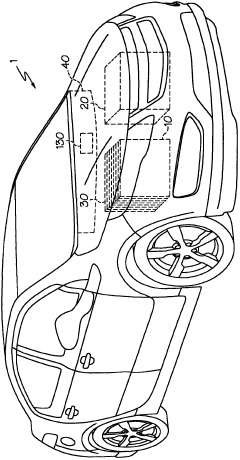
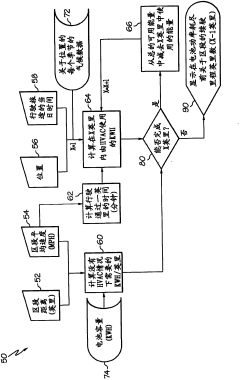
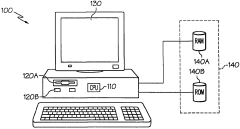
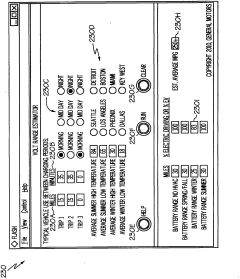
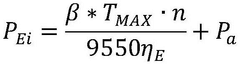
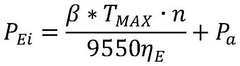
- Using simplified empirical methods, based on section distance, average speed, location and time of day, through Design for Six Sigma (DFSS) and Analysis of Variance (ANOVA) methods, a simplified prediction algorithm is developed to generate a graphical user interface (GUI), Allows users to easily calculate electric driving range.
Extended-range automobile energy management method combining working condition recognition and driving style
PatentPendingCN119408525A
Innovation
- Using an energy management method combining working condition recognition and driving style, the working condition and driving style are identified and classified through the LSTM neural network and deep learning neural network model, dynamically adjust the start and output power of the range extender to achieve the optimal energy Management strategy.


EREV Education Needs
The development of Extended Range Electric Vehicle (EREV) technology necessitates a comprehensive approach to education and workforce development. As EREVs gain prominence in the automotive industry, there is a growing need for specialized knowledge and skills across various disciplines. Engineering programs must adapt their curricula to include courses on advanced powertrain systems, battery technology, and energy management strategies specific to EREVs. This requires collaboration between academic institutions and industry partners to ensure that educational content remains relevant and up-to-date with rapidly evolving technologies.
Vocational training programs play a crucial role in preparing technicians for the maintenance and repair of EREVs. These programs should focus on developing hands-on skills in diagnosing and servicing complex hybrid systems, high-voltage components, and advanced electronic control units. Safety protocols for working with high-voltage systems must be emphasized to ensure worker protection and compliance with industry standards.
The integration of EREV technology into existing automotive manufacturing processes demands a workforce capable of adapting to new production methods. Training programs for manufacturing personnel should cover topics such as battery assembly, electric motor production, and quality control procedures specific to EREV components. Additionally, supply chain management professionals require education on the unique logistics and sourcing challenges associated with EREV production.
Research and development in EREV technology call for interdisciplinary expertise. Graduate-level programs should foster collaboration between electrical engineering, mechanical engineering, and computer science departments to drive innovation in areas such as power electronics, thermal management, and vehicle control algorithms. Encouraging research partnerships between universities and automotive companies can accelerate the development of cutting-edge EREV technologies.
The transition to EREVs also impacts non-technical roles within the automotive industry. Sales and marketing professionals need education on the benefits and features of EREV technology to effectively communicate with consumers. Fleet managers and transportation planners require training on the operational characteristics and infrastructure requirements of EREVs to make informed decisions about vehicle adoption and charging network deployment.
Continuous professional development is essential to keep pace with the rapid advancements in EREV technology. Industry associations and professional organizations should offer certification programs and workshops to help existing automotive professionals update their skills and knowledge. Online learning platforms can provide accessible and flexible options for workers to acquire new competencies related to EREV technology throughout their careers.
Vocational training programs play a crucial role in preparing technicians for the maintenance and repair of EREVs. These programs should focus on developing hands-on skills in diagnosing and servicing complex hybrid systems, high-voltage components, and advanced electronic control units. Safety protocols for working with high-voltage systems must be emphasized to ensure worker protection and compliance with industry standards.
The integration of EREV technology into existing automotive manufacturing processes demands a workforce capable of adapting to new production methods. Training programs for manufacturing personnel should cover topics such as battery assembly, electric motor production, and quality control procedures specific to EREV components. Additionally, supply chain management professionals require education on the unique logistics and sourcing challenges associated with EREV production.
Research and development in EREV technology call for interdisciplinary expertise. Graduate-level programs should foster collaboration between electrical engineering, mechanical engineering, and computer science departments to drive innovation in areas such as power electronics, thermal management, and vehicle control algorithms. Encouraging research partnerships between universities and automotive companies can accelerate the development of cutting-edge EREV technologies.
The transition to EREVs also impacts non-technical roles within the automotive industry. Sales and marketing professionals need education on the benefits and features of EREV technology to effectively communicate with consumers. Fleet managers and transportation planners require training on the operational characteristics and infrastructure requirements of EREVs to make informed decisions about vehicle adoption and charging network deployment.
Continuous professional development is essential to keep pace with the rapid advancements in EREV technology. Industry associations and professional organizations should offer certification programs and workshops to help existing automotive professionals update their skills and knowledge. Online learning platforms can provide accessible and flexible options for workers to acquire new competencies related to EREV technology throughout their careers.
EREV Workforce Trends
The EREV (Extended Range Electric Vehicle) workforce is experiencing significant shifts as the automotive industry transitions towards electrification. The demand for skilled workers in EREV technology is rapidly increasing, driven by the growing adoption of hybrid and electric vehicles. This trend is reshaping the automotive labor market, creating new job roles and requiring updated skill sets.
One of the primary workforce trends in EREV technology is the increasing need for electrical and software engineers. As EREVs rely heavily on advanced electrical systems and software integration, professionals with expertise in these areas are in high demand. Companies are actively recruiting engineers with backgrounds in power electronics, battery management systems, and vehicle control software.
Another notable trend is the growing importance of interdisciplinary skills. EREV development requires a combination of mechanical, electrical, and software engineering knowledge. As a result, there is a rising demand for professionals who can bridge these disciplines and understand the complex interactions between different vehicle systems.
The EREV workforce is also seeing a shift towards data analytics and connectivity expertise. With the increasing integration of connected car technologies and the need for real-time vehicle data analysis, professionals with skills in data science, cloud computing, and IoT (Internet of Things) are becoming essential to EREV development teams.
Manufacturing processes for EREVs are evolving, leading to changes in production workforce requirements. There is a growing need for workers skilled in advanced manufacturing techniques, such as automated assembly, robotics, and additive manufacturing. This shift is driving demand for technicians and operators with specialized training in these areas.
The service and maintenance sector of the EREV workforce is also undergoing significant changes. As EREVs become more prevalent, there is an increasing need for technicians trained in diagnosing and repairing high-voltage electrical systems, battery packs, and complex powertrain components. This trend is driving the development of new training programs and certifications for automotive service professionals.
Lastly, the EREV workforce trend includes a growing emphasis on sustainability and environmental awareness. Companies are seeking professionals who understand the environmental impact of vehicle production and use, as well as those who can contribute to the development of more sustainable manufacturing processes and materials.
One of the primary workforce trends in EREV technology is the increasing need for electrical and software engineers. As EREVs rely heavily on advanced electrical systems and software integration, professionals with expertise in these areas are in high demand. Companies are actively recruiting engineers with backgrounds in power electronics, battery management systems, and vehicle control software.
Another notable trend is the growing importance of interdisciplinary skills. EREV development requires a combination of mechanical, electrical, and software engineering knowledge. As a result, there is a rising demand for professionals who can bridge these disciplines and understand the complex interactions between different vehicle systems.
The EREV workforce is also seeing a shift towards data analytics and connectivity expertise. With the increasing integration of connected car technologies and the need for real-time vehicle data analysis, professionals with skills in data science, cloud computing, and IoT (Internet of Things) are becoming essential to EREV development teams.
Manufacturing processes for EREVs are evolving, leading to changes in production workforce requirements. There is a growing need for workers skilled in advanced manufacturing techniques, such as automated assembly, robotics, and additive manufacturing. This shift is driving demand for technicians and operators with specialized training in these areas.
The service and maintenance sector of the EREV workforce is also undergoing significant changes. As EREVs become more prevalent, there is an increasing need for technicians trained in diagnosing and repairing high-voltage electrical systems, battery packs, and complex powertrain components. This trend is driving the development of new training programs and certifications for automotive service professionals.
Lastly, the EREV workforce trend includes a growing emphasis on sustainability and environmental awareness. Companies are seeking professionals who understand the environmental impact of vehicle production and use, as well as those who can contribute to the development of more sustainable manufacturing processes and materials.
Unlock deeper insights with PatSnap Eureka Quick Research — get a full tech report to explore trends and direct your research. Try now!
Generate Your Research Report Instantly with AI Agent
Supercharge your innovation with PatSnap Eureka AI Agent Platform!