Evolution of EREV drivetrain architectures
AUG 14, 20258 MIN READ
Generate Your Research Report Instantly with AI Agent
PatSnap Eureka helps you evaluate technical feasibility & market potential.
EREV Drivetrain Background
Extended Range Electric Vehicles (EREVs) represent a significant evolution in automotive drivetrain technology, bridging the gap between conventional hybrid vehicles and fully electric vehicles. The concept of EREV emerged as a response to the limitations of pure electric vehicles, particularly their limited range and long charging times. This innovative approach combines the benefits of electric propulsion with the extended range capabilities of internal combustion engines.
The development of EREV drivetrains can be traced back to the early 2000s when automotive manufacturers began exploring ways to overcome the challenges associated with battery electric vehicles. The primary goal was to create a vehicle that could operate primarily on electric power for daily commutes while providing the flexibility of longer trips without the need for frequent charging stops.
EREV drivetrains typically consist of an electric motor, a battery pack, and a small internal combustion engine. The electric motor serves as the primary source of propulsion, drawing power from the battery pack for a certain range of all-electric operation. When the battery charge is depleted, the internal combustion engine acts as a generator to produce electricity, extending the vehicle's range significantly.
One of the key advantages of EREV architecture is its ability to reduce range anxiety, a common concern among potential electric vehicle buyers. By incorporating a backup power source, EREVs offer drivers the confidence to undertake longer journeys without worrying about finding charging stations along the way. This feature has been crucial in increasing consumer acceptance of electrified vehicles.
The evolution of EREV drivetrain architectures has been marked by continuous improvements in battery technology, electric motor efficiency, and power management systems. Early EREV models faced challenges related to battery capacity, weight, and cost. However, advancements in lithium-ion battery technology have led to increased energy density, longer electric-only ranges, and reduced overall vehicle weight.
As the automotive industry continues to push towards electrification, EREV technology has played a vital role in the transition. It has served as a stepping stone for both manufacturers and consumers, allowing for a gradual shift from conventional internal combustion engines to fully electric powertrains. The experience gained from developing and refining EREV drivetrains has contributed significantly to the broader field of electric vehicle technology.
The development of EREV drivetrains can be traced back to the early 2000s when automotive manufacturers began exploring ways to overcome the challenges associated with battery electric vehicles. The primary goal was to create a vehicle that could operate primarily on electric power for daily commutes while providing the flexibility of longer trips without the need for frequent charging stops.
EREV drivetrains typically consist of an electric motor, a battery pack, and a small internal combustion engine. The electric motor serves as the primary source of propulsion, drawing power from the battery pack for a certain range of all-electric operation. When the battery charge is depleted, the internal combustion engine acts as a generator to produce electricity, extending the vehicle's range significantly.
One of the key advantages of EREV architecture is its ability to reduce range anxiety, a common concern among potential electric vehicle buyers. By incorporating a backup power source, EREVs offer drivers the confidence to undertake longer journeys without worrying about finding charging stations along the way. This feature has been crucial in increasing consumer acceptance of electrified vehicles.
The evolution of EREV drivetrain architectures has been marked by continuous improvements in battery technology, electric motor efficiency, and power management systems. Early EREV models faced challenges related to battery capacity, weight, and cost. However, advancements in lithium-ion battery technology have led to increased energy density, longer electric-only ranges, and reduced overall vehicle weight.
As the automotive industry continues to push towards electrification, EREV technology has played a vital role in the transition. It has served as a stepping stone for both manufacturers and consumers, allowing for a gradual shift from conventional internal combustion engines to fully electric powertrains. The experience gained from developing and refining EREV drivetrains has contributed significantly to the broader field of electric vehicle technology.
EREV Market Analysis
The Extended Range Electric Vehicle (EREV) market has experienced significant growth and evolution over the past decade, driven by increasing environmental concerns and stringent emissions regulations worldwide. As a hybrid technology that bridges the gap between conventional hybrid vehicles and fully electric vehicles, EREVs have carved out a unique position in the automotive industry.
Market demand for EREVs has been steadily increasing, particularly in regions with well-developed charging infrastructure and supportive government policies. North America and Europe have emerged as key markets, with China rapidly catching up due to its aggressive push towards electrification. The global EREV market size was valued at several billion dollars in recent years, with projections indicating continued growth at a compound annual growth rate (CAGR) in the high single digits through 2030.
Consumer preferences have played a crucial role in shaping the EREV market. The primary appeal of EREVs lies in their ability to alleviate range anxiety while offering the benefits of electric driving for daily commutes. This has made them particularly attractive to urban and suburban consumers who desire the flexibility of long-range travel without compromising on environmental impact.
The EREV market has also been influenced by regulatory frameworks and incentives. Many countries have implemented policies favoring low-emission vehicles, including tax credits, rebates, and preferential lane access for EREVs. These incentives have significantly boosted adoption rates and market penetration in key regions.
From an industry perspective, the EREV market has seen increased competition and innovation. Traditional automakers have been investing heavily in EREV technology to diversify their product portfolios and meet emissions targets. Simultaneously, new entrants and technology companies have been disrupting the market with novel drivetrain architectures and energy management systems.
The future outlook for the EREV market remains positive, albeit with some challenges. As battery technology continues to improve and costs decrease, the distinction between EREVs and pure electric vehicles may blur. However, EREVs are expected to maintain their relevance in markets where charging infrastructure is still developing or for consumers with specific long-range requirements.
In conclusion, the EREV market analysis reveals a dynamic and growing segment within the automotive industry. The evolution of EREV drivetrain architectures has been a key factor in this growth, enabling manufacturers to offer increasingly efficient and attractive vehicles to consumers. As the automotive landscape continues to shift towards electrification, EREVs are likely to play a significant role in the transition, offering a compelling compromise between conventional and fully electric powertrains.
Market demand for EREVs has been steadily increasing, particularly in regions with well-developed charging infrastructure and supportive government policies. North America and Europe have emerged as key markets, with China rapidly catching up due to its aggressive push towards electrification. The global EREV market size was valued at several billion dollars in recent years, with projections indicating continued growth at a compound annual growth rate (CAGR) in the high single digits through 2030.
Consumer preferences have played a crucial role in shaping the EREV market. The primary appeal of EREVs lies in their ability to alleviate range anxiety while offering the benefits of electric driving for daily commutes. This has made them particularly attractive to urban and suburban consumers who desire the flexibility of long-range travel without compromising on environmental impact.
The EREV market has also been influenced by regulatory frameworks and incentives. Many countries have implemented policies favoring low-emission vehicles, including tax credits, rebates, and preferential lane access for EREVs. These incentives have significantly boosted adoption rates and market penetration in key regions.
From an industry perspective, the EREV market has seen increased competition and innovation. Traditional automakers have been investing heavily in EREV technology to diversify their product portfolios and meet emissions targets. Simultaneously, new entrants and technology companies have been disrupting the market with novel drivetrain architectures and energy management systems.
The future outlook for the EREV market remains positive, albeit with some challenges. As battery technology continues to improve and costs decrease, the distinction between EREVs and pure electric vehicles may blur. However, EREVs are expected to maintain their relevance in markets where charging infrastructure is still developing or for consumers with specific long-range requirements.
In conclusion, the EREV market analysis reveals a dynamic and growing segment within the automotive industry. The evolution of EREV drivetrain architectures has been a key factor in this growth, enabling manufacturers to offer increasingly efficient and attractive vehicles to consumers. As the automotive landscape continues to shift towards electrification, EREVs are likely to play a significant role in the transition, offering a compelling compromise between conventional and fully electric powertrains.
EREV Technical Challenges
Extended Range Electric Vehicles (EREVs) face several technical challenges that need to be addressed for their widespread adoption and optimal performance. One of the primary challenges is the integration and management of multiple power sources within the drivetrain architecture. EREVs typically combine an electric motor with a small internal combustion engine, requiring sophisticated control systems to seamlessly switch between power sources and optimize energy efficiency.
Battery technology remains a critical challenge for EREVs. While advancements have been made in energy density and charging speeds, there is still a need for further improvements to extend the all-electric range and reduce charging times. The trade-off between battery capacity and vehicle weight also presents a significant engineering challenge, as larger batteries increase range but also add weight, potentially reducing overall efficiency.
Thermal management is another crucial aspect of EREV design. The complex drivetrain architecture, including the battery pack, electric motor, and internal combustion engine, generates significant heat during operation. Developing effective cooling systems that can maintain optimal operating temperatures for all components while minimizing energy consumption is a persistent challenge for engineers.
The integration of regenerative braking systems in EREVs presents both opportunities and challenges. While these systems can recover energy during deceleration, optimizing their performance across various driving conditions and ensuring smooth transitions between regenerative and friction braking requires advanced control algorithms and hardware integration.
Drivetrain efficiency is a constant focus for EREV development. Minimizing energy losses in power transmission, improving the efficiency of electric motors and generators, and optimizing the performance of the internal combustion engine when it is in use are all areas that require ongoing research and innovation.
Cost reduction remains a significant challenge for EREV manufacturers. The complex drivetrain architecture and advanced battery systems contribute to higher production costs compared to conventional vehicles. Finding ways to streamline manufacturing processes, reduce component costs, and improve economies of scale is crucial for making EREVs more accessible to a broader market.
Lastly, the development of standardized charging infrastructure compatible with EREV technology is an ongoing challenge. While EREVs have the advantage of not relying solely on electric charging, the availability of convenient and fast-charging options can significantly enhance their appeal and usability for consumers.
Battery technology remains a critical challenge for EREVs. While advancements have been made in energy density and charging speeds, there is still a need for further improvements to extend the all-electric range and reduce charging times. The trade-off between battery capacity and vehicle weight also presents a significant engineering challenge, as larger batteries increase range but also add weight, potentially reducing overall efficiency.
Thermal management is another crucial aspect of EREV design. The complex drivetrain architecture, including the battery pack, electric motor, and internal combustion engine, generates significant heat during operation. Developing effective cooling systems that can maintain optimal operating temperatures for all components while minimizing energy consumption is a persistent challenge for engineers.
The integration of regenerative braking systems in EREVs presents both opportunities and challenges. While these systems can recover energy during deceleration, optimizing their performance across various driving conditions and ensuring smooth transitions between regenerative and friction braking requires advanced control algorithms and hardware integration.
Drivetrain efficiency is a constant focus for EREV development. Minimizing energy losses in power transmission, improving the efficiency of electric motors and generators, and optimizing the performance of the internal combustion engine when it is in use are all areas that require ongoing research and innovation.
Cost reduction remains a significant challenge for EREV manufacturers. The complex drivetrain architecture and advanced battery systems contribute to higher production costs compared to conventional vehicles. Finding ways to streamline manufacturing processes, reduce component costs, and improve economies of scale is crucial for making EREVs more accessible to a broader market.
Lastly, the development of standardized charging infrastructure compatible with EREV technology is an ongoing challenge. While EREVs have the advantage of not relying solely on electric charging, the availability of convenient and fast-charging options can significantly enhance their appeal and usability for consumers.
Current EREV Configurations
01 Series-Parallel EREV Architecture
This architecture combines elements of both series and parallel hybrid systems. It allows for multiple operating modes, including pure electric, series hybrid, and parallel hybrid. The system can optimize power flow between the engine, electric motor, and battery for improved efficiency and performance.- Series-parallel hybrid drivetrain architecture: This architecture combines elements of both series and parallel hybrid systems. It allows for multiple power flow paths, enabling the engine and electric motor to work together or independently. This configuration offers flexibility in power distribution, improving overall efficiency and performance of the EREV.
- Power split device integration: Incorporation of a power split device in the EREV drivetrain allows for efficient distribution of power between the engine, electric motor, and wheels. This component enables seamless transitions between different operating modes, optimizing energy usage and enhancing vehicle performance.
- Multi-mode operation capability: EREV drivetrain architectures designed with multi-mode operation capabilities can switch between different driving modes such as electric-only, series hybrid, and parallel hybrid. This flexibility allows for optimal energy management and improved fuel efficiency across various driving conditions.
- Integration of advanced power electronics: Incorporation of sophisticated power electronics in EREV drivetrain architectures enables precise control of power flow between components. This includes advanced inverters, converters, and control systems that optimize energy management, improve efficiency, and enhance overall system performance.
- Modular and scalable drivetrain design: Development of modular and scalable EREV drivetrain architectures allows for flexibility in vehicle design and manufacturing. These designs can be easily adapted to different vehicle sizes and power requirements, reducing development costs and improving production efficiency.
02 Power Split Device in EREV
A power split device, such as a planetary gear set, is used to distribute power between the engine, generator, and electric motor. This allows for seamless transitions between different operating modes and enables the engine to operate at its most efficient point while the electric motor provides additional power as needed.Expand Specific Solutions03 Battery Management and Charging Strategies
Advanced battery management systems are employed to optimize the use of electric power in EREVs. This includes strategies for charging the battery using regenerative braking, engine power, and plug-in charging. The system aims to maintain an optimal state of charge for the battery to maximize electric range and overall efficiency.Expand Specific Solutions04 Engine Start-Stop Technology
EREV architectures often incorporate advanced engine start-stop systems to reduce fuel consumption and emissions. The engine can be automatically shut off when not needed, such as during low-speed or stationary operation, and quickly restarted when additional power is required or the battery charge is low.Expand Specific Solutions05 Transmission Integration in EREV
The integration of specialized transmissions in EREV architectures allows for optimal power distribution between the engine and electric motor. These transmissions may include continuously variable transmissions (CVTs) or multi-speed gearboxes designed to work seamlessly with the hybrid powertrain, improving overall system efficiency and drivability.Expand Specific Solutions
Key EREV Manufacturers
The evolution of EREV drivetrain architectures is in a dynamic phase, with the market showing significant growth potential. The technology is maturing rapidly, driven by increasing demand for fuel-efficient and environmentally friendly vehicles. Major players like GM Global Technology Operations LLC, Cummins, Inc., and BYD Co., Ltd. are investing heavily in research and development, pushing the boundaries of EREV technology. The competitive landscape is diverse, with traditional automotive manufacturers, specialized powertrain companies, and emerging electric vehicle startups all vying for market share. As the technology advances, we're seeing a convergence of expertise from various sectors, including automotive, electronics, and energy storage, leading to innovative solutions and improved performance in EREV systems.
GM Global Technology Operations LLC
Technical Solution: GM has developed a sophisticated EREV drivetrain architecture called Voltec, used in the Chevrolet Volt. This system combines a lithium-ion battery pack with a gasoline-powered range extender. The Voltec powertrain allows for pure electric driving for short trips and seamless transition to extended-range mode for longer journeys. GM has continuously evolved this architecture, improving efficiency and performance. In the second-generation Volt, the electric range was increased to 53 miles, and the gasoline engine efficiency was improved by 12% [1][3]. The system uses a planetary gear set to optimize power flow between the two electric motors and the gasoline engine, allowing for multiple operating modes to maximize efficiency across different driving conditions [2].
Strengths: Proven technology with real-world experience, good balance of electric and gasoline range, seamless transition between modes. Weaknesses: Complexity of the system may lead to higher production costs, potential reliability concerns due to multiple powertrain components.
Anhui Jianghuai Automobile Group Corp. Ltd.
Technical Solution: JAC Motors has been actively developing EREV technology as part of its new energy vehicle strategy. Their EREV architecture, implemented in models like the JAC iEVS4, combines a small-displacement gasoline engine with electric motors and a lithium-ion battery pack. The system prioritizes electric driving for urban use while utilizing the range extender for longer journeys. JAC's EREV powertrain typically achieves an electric-only range of 50-80 km and a total range of over 500 km [10]. The company has focused on optimizing the integration between the electric drivetrain and the range extender, employing intelligent control strategies to balance performance and efficiency. JAC has also worked on improving the energy density of their battery systems and the efficiency of their electric motors, achieving motor efficiency rates of up to 95% [11].
Strengths: Cost-effective EREV solution, good integration of electric and ICE components. Weaknesses: Electric-only range is shorter compared to some competitors, less advanced battery technology compared to industry leaders.
EREV Powertrain Innovations
Electric driving range calculator
PatentActiveCN102622794A
Innovation
- Using simplified empirical methods, based on section distance, average speed, location and time of day, through Design for Six Sigma (DFSS) and Analysis of Variance (ANOVA) methods, a simplified prediction algorithm is developed to generate a graphical user interface (GUI), Allows users to easily calculate electric driving range.
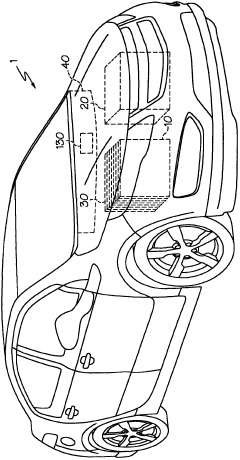
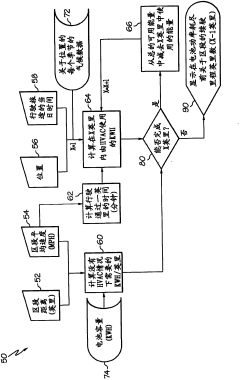
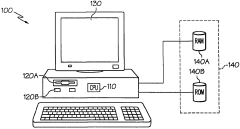
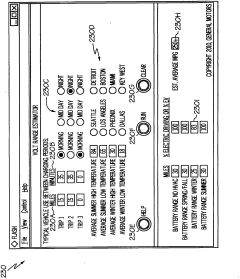
Low Fuel Consumption Extended Range Electric Vehicle Powertrain
PatentInactiveCN102275518A
Innovation
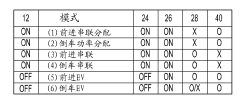
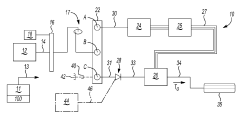
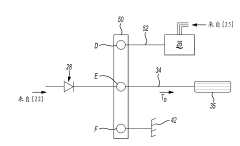
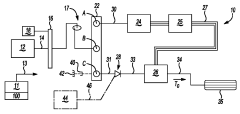
- An extended-range electric vehicle is designed, which uses an engine with direct mechanical lines to connect to the driving wheels. It realizes forward and reverse pure electric modes and series modes through two motors and one-way clutches, and uses a passive rectifier bypass device and an auxiliary starting motor. Optimize power delivery, reduce motor size and improve fuel efficiency.
EREV Efficiency Metrics
Efficiency metrics play a crucial role in evaluating the performance and effectiveness of Extended Range Electric Vehicle (EREV) drivetrain architectures. These metrics provide quantitative measures to assess the energy consumption, fuel economy, and overall efficiency of EREV systems. One of the primary efficiency metrics for EREVs is the electric-only range, which indicates the distance the vehicle can travel solely on electric power before engaging the internal combustion engine (ICE).
Another key metric is the overall fuel economy, typically measured in miles per gallon equivalent (MPGe) for EREVs. This metric combines the efficiency of both electric and gasoline operation modes, providing a comprehensive view of the vehicle's energy consumption. The charge-depleting efficiency, which measures the energy efficiency during electric-only operation, is also a critical metric for evaluating EREV performance.
The charge-sustaining efficiency is equally important, as it reflects the vehicle's efficiency when operating in hybrid mode after the battery has been depleted. This metric is particularly relevant for longer trips where the ICE is engaged. Additionally, the energy conversion efficiency of the powertrain components, including the electric motor, generator, and ICE, are essential metrics for assessing the overall system performance.
Emissions reduction is another crucial aspect of EREV efficiency. Metrics such as CO2 emissions per mile driven and the percentage of electric-only miles in typical usage patterns provide insights into the environmental impact of these vehicles. The battery-to-wheel efficiency, which measures the effectiveness of energy transfer from the battery to the wheels, is also a key indicator of EREV drivetrain performance.
As EREV architectures continue to evolve, new efficiency metrics are being developed to capture the nuances of advanced powertrain designs. These may include metrics related to regenerative braking efficiency, power split optimization between electric and ICE modes, and the effectiveness of energy management strategies. The integration of these metrics allows for a comprehensive evaluation of EREV drivetrain architectures, guiding future developments and improvements in this rapidly advancing field.
Another key metric is the overall fuel economy, typically measured in miles per gallon equivalent (MPGe) for EREVs. This metric combines the efficiency of both electric and gasoline operation modes, providing a comprehensive view of the vehicle's energy consumption. The charge-depleting efficiency, which measures the energy efficiency during electric-only operation, is also a critical metric for evaluating EREV performance.
The charge-sustaining efficiency is equally important, as it reflects the vehicle's efficiency when operating in hybrid mode after the battery has been depleted. This metric is particularly relevant for longer trips where the ICE is engaged. Additionally, the energy conversion efficiency of the powertrain components, including the electric motor, generator, and ICE, are essential metrics for assessing the overall system performance.
Emissions reduction is another crucial aspect of EREV efficiency. Metrics such as CO2 emissions per mile driven and the percentage of electric-only miles in typical usage patterns provide insights into the environmental impact of these vehicles. The battery-to-wheel efficiency, which measures the effectiveness of energy transfer from the battery to the wheels, is also a key indicator of EREV drivetrain performance.
As EREV architectures continue to evolve, new efficiency metrics are being developed to capture the nuances of advanced powertrain designs. These may include metrics related to regenerative braking efficiency, power split optimization between electric and ICE modes, and the effectiveness of energy management strategies. The integration of these metrics allows for a comprehensive evaluation of EREV drivetrain architectures, guiding future developments and improvements in this rapidly advancing field.
EREV Environmental Impact
The environmental impact of Extended Range Electric Vehicles (EREVs) is a critical consideration in the evolution of drivetrain architectures. EREVs offer a promising solution to reduce greenhouse gas emissions and improve air quality in urban areas. These vehicles combine the benefits of electric propulsion with the extended range capabilities of internal combustion engines, potentially reducing overall emissions compared to conventional vehicles.
One of the primary environmental advantages of EREVs is their ability to operate in all-electric mode for short to medium-range trips. This feature significantly reduces local air pollution, particularly in densely populated urban areas where air quality is a major concern. The reduction in tailpipe emissions contributes to improved public health outcomes and helps cities meet increasingly stringent air quality standards.
However, the environmental impact of EREVs extends beyond local emissions. The overall carbon footprint of these vehicles depends on various factors, including the source of electricity used for charging and the efficiency of the drivetrain architecture. As power grids transition towards cleaner energy sources, the environmental benefits of EREVs are expected to increase over time.
The evolution of EREV drivetrain architectures has led to improvements in energy efficiency and performance. Advanced power electronics, more efficient electric motors, and optimized engine management systems have contributed to reduced energy consumption and lower emissions. Additionally, the integration of regenerative braking systems helps recover energy that would otherwise be lost during deceleration, further enhancing overall efficiency.
The production and disposal of batteries used in EREVs also have environmental implications. While battery manufacturing processes can be energy-intensive and involve the use of rare earth materials, ongoing research and development efforts are focused on improving battery technology to reduce environmental impacts. Advancements in battery recycling and second-life applications are also contributing to a more sustainable lifecycle for EREV components.
As EREV drivetrain architectures continue to evolve, there is a growing emphasis on lightweight materials and aerodynamic designs to further improve efficiency and reduce environmental impact. The use of advanced composites and high-strength materials helps reduce vehicle weight, leading to lower energy consumption and extended electric range capabilities.
In conclusion, the environmental impact of EREVs is generally positive, with the potential for significant reductions in greenhouse gas emissions and improvements in air quality. However, ongoing efforts to optimize drivetrain architectures, improve battery technology, and transition to cleaner energy sources are crucial for maximizing the environmental benefits of these vehicles in the long term.
One of the primary environmental advantages of EREVs is their ability to operate in all-electric mode for short to medium-range trips. This feature significantly reduces local air pollution, particularly in densely populated urban areas where air quality is a major concern. The reduction in tailpipe emissions contributes to improved public health outcomes and helps cities meet increasingly stringent air quality standards.
However, the environmental impact of EREVs extends beyond local emissions. The overall carbon footprint of these vehicles depends on various factors, including the source of electricity used for charging and the efficiency of the drivetrain architecture. As power grids transition towards cleaner energy sources, the environmental benefits of EREVs are expected to increase over time.
The evolution of EREV drivetrain architectures has led to improvements in energy efficiency and performance. Advanced power electronics, more efficient electric motors, and optimized engine management systems have contributed to reduced energy consumption and lower emissions. Additionally, the integration of regenerative braking systems helps recover energy that would otherwise be lost during deceleration, further enhancing overall efficiency.
The production and disposal of batteries used in EREVs also have environmental implications. While battery manufacturing processes can be energy-intensive and involve the use of rare earth materials, ongoing research and development efforts are focused on improving battery technology to reduce environmental impacts. Advancements in battery recycling and second-life applications are also contributing to a more sustainable lifecycle for EREV components.
As EREV drivetrain architectures continue to evolve, there is a growing emphasis on lightweight materials and aerodynamic designs to further improve efficiency and reduce environmental impact. The use of advanced composites and high-strength materials helps reduce vehicle weight, leading to lower energy consumption and extended electric range capabilities.
In conclusion, the environmental impact of EREVs is generally positive, with the potential for significant reductions in greenhouse gas emissions and improvements in air quality. However, ongoing efforts to optimize drivetrain architectures, improve battery technology, and transition to cleaner energy sources are crucial for maximizing the environmental benefits of these vehicles in the long term.
Unlock deeper insights with PatSnap Eureka Quick Research — get a full tech report to explore trends and direct your research. Try now!
Generate Your Research Report Instantly with AI Agent
Supercharge your innovation with PatSnap Eureka AI Agent Platform!