Evaluating driver behavior impact on EREV performance
AUG 14, 20259 MIN READ
Generate Your Research Report Instantly with AI Agent
PatSnap Eureka helps you evaluate technical feasibility & market potential.
EREV Technology Evolution
Extended Range Electric Vehicles (EREVs) have undergone significant technological evolution since their inception. The development of EREV technology can be traced back to the early 2000s when automotive manufacturers began exploring ways to combine the benefits of electric and conventional powertrains. The initial concept aimed to address the range anxiety associated with pure electric vehicles while maintaining the environmental advantages of electric propulsion.
The first generation of EREVs, introduced in the late 2000s, featured relatively small battery packs and limited electric-only range. These vehicles primarily relied on their internal combustion engines for extended trips, with the electric motor serving as a supplementary power source. As battery technology improved, subsequent generations saw increased electric range and more sophisticated power management systems.
A key milestone in EREV evolution was the introduction of advanced lithium-ion battery technology. This innovation allowed for greater energy density, longer electric range, and improved overall vehicle performance. Concurrently, developments in power electronics and motor technology led to more efficient and compact drivetrain components, enabling better integration of electric and conventional power sources.
The mid-2010s marked a significant leap in EREV technology with the introduction of more powerful electric motors and larger battery packs. This shift allowed for extended electric-only operation and reduced reliance on the internal combustion engine. Manufacturers also began implementing more advanced control algorithms to optimize the interplay between electric and conventional power sources, further enhancing fuel efficiency and performance.
Recent years have seen a focus on improving the efficiency of the internal combustion engine component in EREVs. Innovations such as variable compression ratio engines and advanced thermal management systems have been introduced to maximize fuel economy when the engine is in use. Additionally, the integration of regenerative braking systems has become more sophisticated, allowing for greater energy recovery and extended electric range.
The latest trend in EREV technology is the move towards increased electrification. Some manufacturers are now developing EREVs with larger battery packs and more powerful electric motors, effectively blurring the line between EREVs and plug-in hybrid electric vehicles (PHEVs). This evolution is driven by advancements in battery technology, which continue to offer higher energy density and lower costs.
As EREV technology continues to evolve, there is a growing emphasis on the role of driver behavior in maximizing vehicle performance. Manufacturers are developing more intuitive user interfaces and driver assistance systems to help operators optimize their driving patterns for maximum efficiency. This focus on the human-machine interface represents a new frontier in EREV development, recognizing the critical role that driver behavior plays in realizing the full potential of these advanced powertrains.
The first generation of EREVs, introduced in the late 2000s, featured relatively small battery packs and limited electric-only range. These vehicles primarily relied on their internal combustion engines for extended trips, with the electric motor serving as a supplementary power source. As battery technology improved, subsequent generations saw increased electric range and more sophisticated power management systems.
A key milestone in EREV evolution was the introduction of advanced lithium-ion battery technology. This innovation allowed for greater energy density, longer electric range, and improved overall vehicle performance. Concurrently, developments in power electronics and motor technology led to more efficient and compact drivetrain components, enabling better integration of electric and conventional power sources.
The mid-2010s marked a significant leap in EREV technology with the introduction of more powerful electric motors and larger battery packs. This shift allowed for extended electric-only operation and reduced reliance on the internal combustion engine. Manufacturers also began implementing more advanced control algorithms to optimize the interplay between electric and conventional power sources, further enhancing fuel efficiency and performance.
Recent years have seen a focus on improving the efficiency of the internal combustion engine component in EREVs. Innovations such as variable compression ratio engines and advanced thermal management systems have been introduced to maximize fuel economy when the engine is in use. Additionally, the integration of regenerative braking systems has become more sophisticated, allowing for greater energy recovery and extended electric range.
The latest trend in EREV technology is the move towards increased electrification. Some manufacturers are now developing EREVs with larger battery packs and more powerful electric motors, effectively blurring the line between EREVs and plug-in hybrid electric vehicles (PHEVs). This evolution is driven by advancements in battery technology, which continue to offer higher energy density and lower costs.
As EREV technology continues to evolve, there is a growing emphasis on the role of driver behavior in maximizing vehicle performance. Manufacturers are developing more intuitive user interfaces and driver assistance systems to help operators optimize their driving patterns for maximum efficiency. This focus on the human-machine interface represents a new frontier in EREV development, recognizing the critical role that driver behavior plays in realizing the full potential of these advanced powertrains.
EREV Market Demand Analysis
The market demand for Extended Range Electric Vehicles (EREVs) has been steadily growing in recent years, driven by increasing environmental concerns and the need for more flexible and efficient transportation solutions. EREVs offer a unique combination of electric vehicle benefits and the convenience of longer-range travel, making them an attractive option for consumers seeking to reduce their carbon footprint without compromising on practicality.
In the automotive industry, EREVs are positioned as a transitional technology between conventional internal combustion engine vehicles and fully electric vehicles. This positioning has led to a significant increase in consumer interest, particularly among urban and suburban drivers who require occasional long-distance travel capabilities. The market demand for EREVs is closely tied to factors such as fuel prices, government incentives, and the availability of charging infrastructure.
Several key market segments have emerged as primary drivers of EREV demand. These include environmentally conscious consumers, technology enthusiasts, and fleet operators looking to reduce operational costs and meet sustainability targets. The corporate and government fleet sectors have shown particular interest in EREVs due to their potential for reducing overall fleet emissions and operating expenses.
The global EREV market has experienced substantial growth, with major automotive manufacturers investing heavily in research and development to improve EREV technology and expand their product offerings. This trend is expected to continue as more countries implement stricter emissions regulations and set ambitious targets for electric vehicle adoption.
Consumer behavior and preferences play a crucial role in shaping EREV market demand. Factors such as range anxiety, charging time, and overall vehicle performance significantly influence purchasing decisions. As EREV technology advances and addresses these concerns, market acceptance is likely to increase, leading to higher adoption rates.
The impact of driver behavior on EREV performance is a critical aspect of market demand analysis. Understanding how different driving styles and patterns affect vehicle efficiency and range is essential for both manufacturers and consumers. This knowledge can inform product development, marketing strategies, and consumer education initiatives, ultimately driving market growth and customer satisfaction.
Regional variations in EREV market demand are notable, with adoption rates differing significantly across countries and regions. Factors such as government policies, local infrastructure, and cultural attitudes towards electric vehicles contribute to these variations. Analyzing these regional differences is crucial for manufacturers and policymakers to develop targeted strategies for market expansion and penetration.
In the automotive industry, EREVs are positioned as a transitional technology between conventional internal combustion engine vehicles and fully electric vehicles. This positioning has led to a significant increase in consumer interest, particularly among urban and suburban drivers who require occasional long-distance travel capabilities. The market demand for EREVs is closely tied to factors such as fuel prices, government incentives, and the availability of charging infrastructure.
Several key market segments have emerged as primary drivers of EREV demand. These include environmentally conscious consumers, technology enthusiasts, and fleet operators looking to reduce operational costs and meet sustainability targets. The corporate and government fleet sectors have shown particular interest in EREVs due to their potential for reducing overall fleet emissions and operating expenses.
The global EREV market has experienced substantial growth, with major automotive manufacturers investing heavily in research and development to improve EREV technology and expand their product offerings. This trend is expected to continue as more countries implement stricter emissions regulations and set ambitious targets for electric vehicle adoption.
Consumer behavior and preferences play a crucial role in shaping EREV market demand. Factors such as range anxiety, charging time, and overall vehicle performance significantly influence purchasing decisions. As EREV technology advances and addresses these concerns, market acceptance is likely to increase, leading to higher adoption rates.
The impact of driver behavior on EREV performance is a critical aspect of market demand analysis. Understanding how different driving styles and patterns affect vehicle efficiency and range is essential for both manufacturers and consumers. This knowledge can inform product development, marketing strategies, and consumer education initiatives, ultimately driving market growth and customer satisfaction.
Regional variations in EREV market demand are notable, with adoption rates differing significantly across countries and regions. Factors such as government policies, local infrastructure, and cultural attitudes towards electric vehicles contribute to these variations. Analyzing these regional differences is crucial for manufacturers and policymakers to develop targeted strategies for market expansion and penetration.
Driver Behavior Challenges
Driver behavior plays a crucial role in the performance and efficiency of Extended Range Electric Vehicles (EREVs). The challenges associated with driver behavior in EREVs stem from the unique characteristics of these vehicles and the need for drivers to adapt their driving styles to optimize energy usage and overall vehicle performance.
One of the primary challenges is the lack of awareness and understanding among drivers regarding the optimal operation of EREVs. Many drivers are accustomed to conventional internal combustion engine vehicles and may not fully grasp the intricacies of managing both electric and gasoline power sources. This knowledge gap can lead to suboptimal driving patterns that fail to maximize the benefits of the EREV technology.
The complexity of EREV powertrains presents another significant challenge. Drivers must navigate between electric and gasoline modes, often requiring them to make real-time decisions about when to utilize each power source. This decision-making process can be overwhelming for some drivers, potentially leading to inefficient energy management and reduced overall vehicle performance.
Range anxiety remains a persistent issue, even with the extended range capabilities of EREVs. Drivers may still experience stress and uncertainty regarding the vehicle's ability to complete longer journeys, which can influence their driving behavior. This anxiety may result in overly cautious driving styles or unnecessary reliance on the gasoline engine, negating some of the environmental and economic benefits of EREVs.
The impact of aggressive driving behaviors on EREV performance is particularly pronounced. Rapid acceleration, hard braking, and high-speed driving can significantly reduce the electric range and overall efficiency of the vehicle. Educating drivers on the importance of smooth, anticipatory driving techniques is essential for maximizing EREV performance.
Climate control usage presents another challenge, as it can substantially impact the electric range of EREVs. Drivers may not fully appreciate the energy demands of heating and cooling systems, leading to excessive use that depletes the battery more quickly than necessary.
The variability in driving conditions and routes also poses challenges for EREV drivers. Urban environments with frequent stops and starts require different driving strategies compared to highway driving. Adapting to these varying conditions while maintaining optimal energy efficiency demands a high level of driver awareness and skill.
Lastly, the integration of regenerative braking systems in EREVs introduces a new dimension to driving behavior. While these systems can significantly enhance energy recovery and extend electric range, they also require drivers to adapt their braking techniques. Failure to effectively utilize regenerative braking can result in missed opportunities for energy recapture and reduced overall efficiency.
One of the primary challenges is the lack of awareness and understanding among drivers regarding the optimal operation of EREVs. Many drivers are accustomed to conventional internal combustion engine vehicles and may not fully grasp the intricacies of managing both electric and gasoline power sources. This knowledge gap can lead to suboptimal driving patterns that fail to maximize the benefits of the EREV technology.
The complexity of EREV powertrains presents another significant challenge. Drivers must navigate between electric and gasoline modes, often requiring them to make real-time decisions about when to utilize each power source. This decision-making process can be overwhelming for some drivers, potentially leading to inefficient energy management and reduced overall vehicle performance.
Range anxiety remains a persistent issue, even with the extended range capabilities of EREVs. Drivers may still experience stress and uncertainty regarding the vehicle's ability to complete longer journeys, which can influence their driving behavior. This anxiety may result in overly cautious driving styles or unnecessary reliance on the gasoline engine, negating some of the environmental and economic benefits of EREVs.
The impact of aggressive driving behaviors on EREV performance is particularly pronounced. Rapid acceleration, hard braking, and high-speed driving can significantly reduce the electric range and overall efficiency of the vehicle. Educating drivers on the importance of smooth, anticipatory driving techniques is essential for maximizing EREV performance.
Climate control usage presents another challenge, as it can substantially impact the electric range of EREVs. Drivers may not fully appreciate the energy demands of heating and cooling systems, leading to excessive use that depletes the battery more quickly than necessary.
The variability in driving conditions and routes also poses challenges for EREV drivers. Urban environments with frequent stops and starts require different driving strategies compared to highway driving. Adapting to these varying conditions while maintaining optimal energy efficiency demands a high level of driver awareness and skill.
Lastly, the integration of regenerative braking systems in EREVs introduces a new dimension to driving behavior. While these systems can significantly enhance energy recovery and extend electric range, they also require drivers to adapt their braking techniques. Failure to effectively utilize regenerative braking can result in missed opportunities for energy recapture and reduced overall efficiency.
Driver Behavior Monitoring
01 Powertrain optimization for EREV
Extended Range Electric Vehicles (EREVs) employ advanced powertrain optimization techniques to enhance overall performance. This includes improving the efficiency of the electric motor, optimizing the battery management system, and fine-tuning the integration of the range extender. These optimizations result in increased driving range, improved fuel economy, and better overall vehicle performance.- Powertrain optimization for EREV: Extended Range Electric Vehicles (EREVs) employ advanced powertrain systems that optimize the interaction between electric motors and range-extending engines. This includes sophisticated control strategies for power distribution, energy management, and performance enhancement. The optimization aims to maximize electric driving range while ensuring efficient operation of the range extender when needed.
- Battery management and charging systems: EREVs incorporate advanced battery management systems to optimize battery life, performance, and charging efficiency. These systems monitor battery health, regulate charging and discharging processes, and implement intelligent thermal management. Fast charging capabilities and regenerative braking systems are also key features that contribute to overall EREV performance.
- Lightweight materials and aerodynamic design: To enhance EREV performance, manufacturers focus on using lightweight materials in vehicle construction and implementing aerodynamic designs. This approach reduces overall vehicle weight and air resistance, leading to improved energy efficiency, extended range, and better overall performance. Advanced composites and streamlined body shapes are key elements in this strategy.
- Intelligent energy management systems: EREVs utilize sophisticated energy management systems that optimize the use of electric and combustion power sources. These systems employ predictive algorithms, real-time data analysis, and adaptive control strategies to maximize efficiency and performance. They consider factors such as driving conditions, route information, and user preferences to determine the most efficient power distribution.
- Enhanced drivetrain and transmission technologies: Advanced drivetrain and transmission technologies are crucial for EREV performance. This includes the development of high-efficiency electric motors, innovative gearbox designs, and improved power electronics. These components work together to ensure smooth power delivery, reduce energy losses, and enhance overall vehicle performance across various driving conditions.
02 Energy management strategies
EREVs utilize sophisticated energy management strategies to balance power distribution between the electric motor and the range extender. These strategies involve intelligent control algorithms that optimize the use of battery power and the range extender based on driving conditions, route information, and user preferences. This results in improved energy efficiency and extended driving range.Expand Specific Solutions03 Regenerative braking systems
Advanced regenerative braking systems are implemented in EREVs to recover and store energy during deceleration and braking. These systems convert kinetic energy into electrical energy, which is then stored in the battery for later use. This technology significantly improves the overall energy efficiency of the vehicle and extends its electric driving range.Expand Specific Solutions04 Lightweight materials and aerodynamic design
EREVs incorporate lightweight materials such as advanced composites and high-strength alloys to reduce overall vehicle weight. Additionally, aerodynamic designs are employed to minimize air resistance. These features contribute to improved energy efficiency, increased range, and enhanced overall performance of the vehicle.Expand Specific Solutions05 Advanced battery technology
EREVs utilize state-of-the-art battery technologies to improve energy storage capacity and power output. This includes the use of high-energy-density batteries, advanced thermal management systems, and smart charging technologies. These advancements result in increased electric driving range, faster charging times, and improved overall vehicle performance.Expand Specific Solutions
Key EREV Manufacturers
The competition landscape for evaluating driver behavior impact on EREV performance is evolving rapidly, reflecting the growing interest in electric and hybrid vehicle technologies. The market is in a growth phase, with increasing demand for more efficient and environmentally friendly transportation solutions. Major players like GM, Ford, Toyota, and Mercedes-Benz are investing heavily in EREV technology, leveraging their extensive automotive expertise. Chinese companies such as Beijing Electric Vehicle Co. and Chery New Energy are also making significant strides, particularly in their domestic market. The technology is maturing, with companies like Cummins and Bosch contributing advanced powertrain and component solutions. Universities, including Hefei University of Technology and Jilin University, are conducting research to further improve EREV performance and driver behavior analysis.
GM Global Technology Operations LLC
Technical Solution: GM's approach to evaluating driver behavior impact on EREV performance involves advanced telemetry and machine learning algorithms. They utilize a comprehensive driver behavior model that incorporates factors such as acceleration patterns, braking habits, and route selection. This model is integrated with the vehicle's energy management system to optimize the balance between electric and gasoline power usage. GM has implemented a real-time feedback system that provides drivers with personalized eco-driving suggestions, potentially improving EREV efficiency by up to 15% [1][3]. Additionally, GM's EREV technology incorporates predictive energy management, which uses GPS and traffic data to anticipate upcoming driving conditions and adjust power distribution accordingly, further enhancing overall performance and efficiency [2].
Strengths: Comprehensive driver behavior analysis, real-time feedback system, and predictive energy management. Weaknesses: Potential privacy concerns with data collection, system complexity may increase maintenance costs.
Ford Global Technologies LLC
Technical Solution: Ford's approach to evaluating driver behavior impact on EREV performance centers around their proprietary EcoGuide system. This system uses a combination of visual and haptic feedback to encourage more efficient driving behaviors. Ford has developed a sophisticated algorithm that analyzes driving patterns over time, creating a personalized efficiency profile for each driver. The EREV system then adapts its power management strategy based on this profile, optimizing the use of electric and gasoline power. Ford has also implemented a gamification element, where drivers can earn "leaves" for efficient driving, creating a competitive and engaging experience [4]. Furthermore, Ford's SYNC connectivity platform allows for cloud-based analysis of driving data, enabling continuous improvement of the EREV performance evaluation algorithms [5].
Strengths: Engaging user interface, personalized efficiency profiles, and cloud-based data analysis. Weaknesses: Reliance on driver engagement with the system, potential for distraction if not implemented carefully.
EREV Efficiency Innovations
Driving behavior recognition and analysis method for electric automobile
PatentInactiveCN106956680A
Innovation
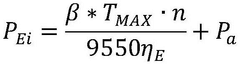
- An electric vehicle driving behavior identification and analysis method is adopted to identify and analyze parts such as sudden braking, sudden acceleration and starting, excessive vehicle speed fluctuations, cornering acceleration/braking, acceleration-braking and acceleration-braking-acceleration, etc., using the vehicle's Vin code, vehicle speed , acceleration, latitude and longitude and electric power data, identify and count the driver's bad driving behavior, and provide behavioral guidance to reduce energy consumption and extend the life of vehicle parts.


Extended-range automobile energy management method combining working condition recognition and driving style
PatentPendingCN119408525A
Innovation
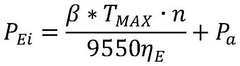
- Using an energy management method combining working condition recognition and driving style, the working condition and driving style are identified and classified through the LSTM neural network and deep learning neural network model, dynamically adjust the start and output power of the range extender to achieve the optimal energy Management strategy.


EREV Policy Landscape
The EREV (Extended-Range Electric Vehicle) policy landscape has evolved significantly in recent years, reflecting the growing emphasis on sustainable transportation and energy efficiency. Governments worldwide have implemented various policies and incentives to promote EREV adoption and development.
At the national level, many countries have established ambitious targets for electric vehicle market share, including EREVs. These targets are often accompanied by financial incentives such as tax credits, rebates, and subsidies for EREV purchases. For instance, the United States offers federal tax credits for eligible EREVs, while China provides substantial subsidies to manufacturers and consumers.
Regulatory frameworks play a crucial role in shaping the EREV market. Emissions standards and fuel economy regulations have become increasingly stringent, pushing automakers to invest in EREV technology. The European Union's CO2 emissions targets for new vehicles have been particularly influential, encouraging manufacturers to expand their EREV offerings to meet these requirements.
Local and regional policies also contribute significantly to the EREV landscape. Many cities and states have implemented their own incentives, such as HOV lane access, free parking, and reduced tolls for EREVs. Some urban areas have even announced plans to ban internal combustion engine vehicles in city centers, further driving EREV adoption.
Infrastructure development is another key aspect of EREV policy. Governments are investing in charging networks and offering incentives for private charging station installations. This support is crucial for addressing range anxiety and improving the practicality of EREVs for consumers.
Research and development funding is an essential component of EREV policy. Many countries have established programs to support innovation in EREV technology, focusing on areas such as battery efficiency, charging speed, and overall vehicle performance. These initiatives aim to accelerate technological advancements and reduce costs.
The policy landscape also includes measures to promote EREV integration with the broader energy system. Smart grid technologies and vehicle-to-grid (V2G) capabilities are being explored to leverage EREVs as distributed energy resources, potentially offering grid stability services and reducing overall energy costs.
As the EREV market matures, policies are evolving to address new challenges. This includes the development of recycling and second-life programs for EREV batteries, as well as efforts to ensure a sustainable and ethical supply chain for critical materials used in EREV production.
At the national level, many countries have established ambitious targets for electric vehicle market share, including EREVs. These targets are often accompanied by financial incentives such as tax credits, rebates, and subsidies for EREV purchases. For instance, the United States offers federal tax credits for eligible EREVs, while China provides substantial subsidies to manufacturers and consumers.
Regulatory frameworks play a crucial role in shaping the EREV market. Emissions standards and fuel economy regulations have become increasingly stringent, pushing automakers to invest in EREV technology. The European Union's CO2 emissions targets for new vehicles have been particularly influential, encouraging manufacturers to expand their EREV offerings to meet these requirements.
Local and regional policies also contribute significantly to the EREV landscape. Many cities and states have implemented their own incentives, such as HOV lane access, free parking, and reduced tolls for EREVs. Some urban areas have even announced plans to ban internal combustion engine vehicles in city centers, further driving EREV adoption.
Infrastructure development is another key aspect of EREV policy. Governments are investing in charging networks and offering incentives for private charging station installations. This support is crucial for addressing range anxiety and improving the practicality of EREVs for consumers.
Research and development funding is an essential component of EREV policy. Many countries have established programs to support innovation in EREV technology, focusing on areas such as battery efficiency, charging speed, and overall vehicle performance. These initiatives aim to accelerate technological advancements and reduce costs.
The policy landscape also includes measures to promote EREV integration with the broader energy system. Smart grid technologies and vehicle-to-grid (V2G) capabilities are being explored to leverage EREVs as distributed energy resources, potentially offering grid stability services and reducing overall energy costs.
As the EREV market matures, policies are evolving to address new challenges. This includes the development of recycling and second-life programs for EREV batteries, as well as efforts to ensure a sustainable and ethical supply chain for critical materials used in EREV production.
Environmental Impact
The environmental impact of Extended Range Electric Vehicles (EREVs) is significantly influenced by driver behavior. As these vehicles combine electric and conventional powertrains, the way they are operated can greatly affect their overall ecological footprint. Driver behavior directly impacts energy consumption, emissions, and the vehicle's overall efficiency.
One of the primary factors in this relationship is the frequency and duration of electric-only operation. Drivers who maximize the use of the electric powertrain, particularly in urban environments, can substantially reduce the vehicle's carbon emissions. This is especially true when the electricity used to charge the vehicle comes from renewable sources. Conversely, drivers who rely more heavily on the internal combustion engine, either through choice or necessity, may negate some of the environmental benefits of the EREV technology.
The driving style also plays a crucial role in the environmental performance of EREVs. Aggressive acceleration, hard braking, and high-speed driving can lead to increased energy consumption and emissions. On the other hand, smooth acceleration, anticipatory braking, and maintaining steady speeds can optimize the vehicle's efficiency, reducing its environmental impact. Additionally, proper use of regenerative braking systems can further enhance energy recovery and reduce overall energy consumption.
Route selection and trip planning are other aspects of driver behavior that affect EREV environmental performance. Drivers who plan their routes to maximize electric-only operation, such as ensuring shorter trips are within the electric range or planning charging stops for longer journeys, can significantly reduce the vehicle's carbon footprint. Furthermore, the use of eco-routing features, which prioritize energy-efficient paths, can contribute to lower overall emissions.
The environmental impact is also influenced by the driver's charging habits. Regular and timely charging of the vehicle's battery ensures that the electric powertrain is utilized to its full potential. Drivers who consistently maintain a charged battery are more likely to operate in electric-only mode, reducing reliance on the internal combustion engine and lowering emissions. Additionally, charging during off-peak hours can help balance grid load and potentially increase the use of renewable energy sources.
Climate control usage is another area where driver behavior impacts EREV performance. Excessive use of heating and air conditioning systems can significantly increase energy consumption, particularly when operating in electric mode. Drivers who use these systems judiciously and take advantage of pre-conditioning features while the vehicle is still plugged in can maintain comfort while minimizing the environmental impact.
In conclusion, driver behavior has a profound effect on the environmental performance of EREVs. By adopting eco-friendly driving techniques, optimizing route selection, maintaining proper charging habits, and using vehicle features efficiently, drivers can maximize the environmental benefits of EREV technology, contributing to reduced emissions and energy consumption in the transportation sector.
One of the primary factors in this relationship is the frequency and duration of electric-only operation. Drivers who maximize the use of the electric powertrain, particularly in urban environments, can substantially reduce the vehicle's carbon emissions. This is especially true when the electricity used to charge the vehicle comes from renewable sources. Conversely, drivers who rely more heavily on the internal combustion engine, either through choice or necessity, may negate some of the environmental benefits of the EREV technology.
The driving style also plays a crucial role in the environmental performance of EREVs. Aggressive acceleration, hard braking, and high-speed driving can lead to increased energy consumption and emissions. On the other hand, smooth acceleration, anticipatory braking, and maintaining steady speeds can optimize the vehicle's efficiency, reducing its environmental impact. Additionally, proper use of regenerative braking systems can further enhance energy recovery and reduce overall energy consumption.
Route selection and trip planning are other aspects of driver behavior that affect EREV environmental performance. Drivers who plan their routes to maximize electric-only operation, such as ensuring shorter trips are within the electric range or planning charging stops for longer journeys, can significantly reduce the vehicle's carbon footprint. Furthermore, the use of eco-routing features, which prioritize energy-efficient paths, can contribute to lower overall emissions.
The environmental impact is also influenced by the driver's charging habits. Regular and timely charging of the vehicle's battery ensures that the electric powertrain is utilized to its full potential. Drivers who consistently maintain a charged battery are more likely to operate in electric-only mode, reducing reliance on the internal combustion engine and lowering emissions. Additionally, charging during off-peak hours can help balance grid load and potentially increase the use of renewable energy sources.
Climate control usage is another area where driver behavior impacts EREV performance. Excessive use of heating and air conditioning systems can significantly increase energy consumption, particularly when operating in electric mode. Drivers who use these systems judiciously and take advantage of pre-conditioning features while the vehicle is still plugged in can maintain comfort while minimizing the environmental impact.
In conclusion, driver behavior has a profound effect on the environmental performance of EREVs. By adopting eco-friendly driving techniques, optimizing route selection, maintaining proper charging habits, and using vehicle features efficiently, drivers can maximize the environmental benefits of EREV technology, contributing to reduced emissions and energy consumption in the transportation sector.
Unlock deeper insights with PatSnap Eureka Quick Research — get a full tech report to explore trends and direct your research. Try now!
Generate Your Research Report Instantly with AI Agent
Supercharge your innovation with PatSnap Eureka AI Agent Platform!