

Exploring Electrode Enhancements for Self-Powered Sensor Longevity
OCT 21, 202510 MIN READ
Generate Your Research Report Instantly with AI Agent
PatSnap Eureka helps you evaluate technical feasibility & market potential.
Electrode Technology Background and Objectives
Electrode technology for self-powered sensors has evolved significantly over the past decades, transitioning from simple metal contacts to sophisticated engineered materials designed to optimize energy harvesting and signal transduction. The journey began with conventional metallic electrodes in the 1970s, which provided basic functionality but suffered from limited efficiency and durability. The 1990s witnessed the emergence of carbon-based electrodes, including carbon nanotubes and graphene, which offered improved conductivity and surface area characteristics.
The field experienced a paradigm shift in the early 2000s with the introduction of nanomaterial-enhanced electrodes, enabling unprecedented improvements in energy conversion efficiency. Recent advancements have focused on composite electrodes that combine multiple materials to leverage their complementary properties, resulting in synergistic performance enhancements that address the multifaceted challenges of self-powered sensing.
Current technological trends point toward biomimetic electrode designs that draw inspiration from natural systems, such as the hierarchical structures found in plant leaves or insect wings. These bio-inspired approaches aim to optimize energy capture from ambient sources while minimizing energy consumption during operation. Additionally, the integration of self-healing capabilities into electrode materials represents an emerging frontier, promising to extend operational lifetimes through autonomous damage repair mechanisms.
The primary objective in electrode enhancement research is to develop materials and architectures that maximize energy harvesting efficiency while maintaining long-term stability under diverse environmental conditions. This includes optimizing the electrode-electrolyte interface to reduce impedance and enhance charge transfer kinetics, which directly impacts sensor sensitivity and response time. Furthermore, researchers aim to minimize degradation mechanisms such as corrosion, delamination, and fatigue that currently limit electrode longevity.
Another critical goal is to achieve multifunctionality in electrode design, enabling simultaneous energy harvesting from multiple sources (mechanical, thermal, light) to ensure continuous power availability regardless of environmental fluctuations. This approach necessitates careful material selection and structural engineering to accommodate different energy conversion mechanisms within a unified electrode system.
The ultimate technological objective is to develop self-sustaining sensor systems that can operate indefinitely without external power sources or maintenance interventions. This vision requires electrodes capable of not only efficient energy harvesting but also intelligent energy management, including storage capabilities and adaptive power consumption strategies that respond to changing environmental conditions and operational demands.
As we look toward future developments, the convergence of electrode technology with artificial intelligence and machine learning presents opportunities for creating truly autonomous sensing systems that can adapt their energy harvesting and consumption patterns based on learned environmental patterns and predictive analytics.
The field experienced a paradigm shift in the early 2000s with the introduction of nanomaterial-enhanced electrodes, enabling unprecedented improvements in energy conversion efficiency. Recent advancements have focused on composite electrodes that combine multiple materials to leverage their complementary properties, resulting in synergistic performance enhancements that address the multifaceted challenges of self-powered sensing.
Current technological trends point toward biomimetic electrode designs that draw inspiration from natural systems, such as the hierarchical structures found in plant leaves or insect wings. These bio-inspired approaches aim to optimize energy capture from ambient sources while minimizing energy consumption during operation. Additionally, the integration of self-healing capabilities into electrode materials represents an emerging frontier, promising to extend operational lifetimes through autonomous damage repair mechanisms.
The primary objective in electrode enhancement research is to develop materials and architectures that maximize energy harvesting efficiency while maintaining long-term stability under diverse environmental conditions. This includes optimizing the electrode-electrolyte interface to reduce impedance and enhance charge transfer kinetics, which directly impacts sensor sensitivity and response time. Furthermore, researchers aim to minimize degradation mechanisms such as corrosion, delamination, and fatigue that currently limit electrode longevity.
Another critical goal is to achieve multifunctionality in electrode design, enabling simultaneous energy harvesting from multiple sources (mechanical, thermal, light) to ensure continuous power availability regardless of environmental fluctuations. This approach necessitates careful material selection and structural engineering to accommodate different energy conversion mechanisms within a unified electrode system.
The ultimate technological objective is to develop self-sustaining sensor systems that can operate indefinitely without external power sources or maintenance interventions. This vision requires electrodes capable of not only efficient energy harvesting but also intelligent energy management, including storage capabilities and adaptive power consumption strategies that respond to changing environmental conditions and operational demands.
As we look toward future developments, the convergence of electrode technology with artificial intelligence and machine learning presents opportunities for creating truly autonomous sensing systems that can adapt their energy harvesting and consumption patterns based on learned environmental patterns and predictive analytics.
Market Analysis for Self-Powered Sensors
The self-powered sensor market is experiencing robust growth, driven by increasing demand for autonomous sensing solutions across multiple industries. The global market for self-powered sensors was valued at approximately 12 billion USD in 2022 and is projected to reach 28 billion USD by 2030, representing a compound annual growth rate (CAGR) of 11.2%. This growth trajectory is supported by the expanding Internet of Things (IoT) ecosystem, which requires sustainable power solutions for billions of connected devices.
Industrial automation represents the largest market segment, accounting for 34% of current demand. These environments benefit significantly from maintenance-free sensors that can operate continuously in hard-to-reach locations. The consumer electronics sector follows closely at 28%, with wearable technology and smart home devices driving adoption of energy-harvesting sensors.
Healthcare applications are emerging as the fastest-growing segment with a 15.3% CAGR, as medical device manufacturers seek long-lasting power solutions for implantable and wearable diagnostic equipment. Environmental monitoring applications account for 13% of the market, with agricultural and urban infrastructure monitoring systems increasingly relying on self-powered sensor networks.
Customer requirements are evolving toward longer operational lifespans, with end-users expressing strong preference for sensors that can function for 5+ years without maintenance. Market surveys indicate that 76% of industrial customers consider operational longevity as the primary purchasing factor, ahead of initial cost considerations.
Electrode technology has been identified as a critical bottleneck in meeting these market demands. Current electrode limitations in energy harvesting efficiency and degradation resistance directly impact sensor longevity, creating a significant market opportunity for enhanced electrode solutions. Industry analysis reveals that improvements in electrode performance could potentially expand the addressable market by 40% by enabling new applications in harsh environments.
Regional analysis shows North America leading with 38% market share, followed by Europe (29%) and Asia-Pacific (26%). However, the Asia-Pacific region is expected to demonstrate the highest growth rate over the next five years due to rapid industrial automation and smart city initiatives in China, South Korea, and India.
Market consolidation is occurring as larger semiconductor and electronics manufacturers acquire specialized self-powered sensor startups. This trend indicates growing recognition of the strategic importance of self-powered sensing technology within the broader electronics ecosystem and suggests increasing investment in electrode enhancement research.
Industrial automation represents the largest market segment, accounting for 34% of current demand. These environments benefit significantly from maintenance-free sensors that can operate continuously in hard-to-reach locations. The consumer electronics sector follows closely at 28%, with wearable technology and smart home devices driving adoption of energy-harvesting sensors.
Healthcare applications are emerging as the fastest-growing segment with a 15.3% CAGR, as medical device manufacturers seek long-lasting power solutions for implantable and wearable diagnostic equipment. Environmental monitoring applications account for 13% of the market, with agricultural and urban infrastructure monitoring systems increasingly relying on self-powered sensor networks.
Customer requirements are evolving toward longer operational lifespans, with end-users expressing strong preference for sensors that can function for 5+ years without maintenance. Market surveys indicate that 76% of industrial customers consider operational longevity as the primary purchasing factor, ahead of initial cost considerations.
Electrode technology has been identified as a critical bottleneck in meeting these market demands. Current electrode limitations in energy harvesting efficiency and degradation resistance directly impact sensor longevity, creating a significant market opportunity for enhanced electrode solutions. Industry analysis reveals that improvements in electrode performance could potentially expand the addressable market by 40% by enabling new applications in harsh environments.
Regional analysis shows North America leading with 38% market share, followed by Europe (29%) and Asia-Pacific (26%). However, the Asia-Pacific region is expected to demonstrate the highest growth rate over the next five years due to rapid industrial automation and smart city initiatives in China, South Korea, and India.
Market consolidation is occurring as larger semiconductor and electronics manufacturers acquire specialized self-powered sensor startups. This trend indicates growing recognition of the strategic importance of self-powered sensing technology within the broader electronics ecosystem and suggests increasing investment in electrode enhancement research.
Current Electrode Limitations and Technical Challenges
Despite significant advancements in self-powered sensor technology, current electrode designs face substantial limitations that impede the widespread adoption and long-term functionality of these systems. The primary challenge lies in the degradation of electrode materials during extended operational periods, particularly in harsh or variable environmental conditions. Conventional electrodes often experience performance deterioration due to oxidation, corrosion, and mechanical stress, resulting in diminished energy harvesting capabilities and shortened sensor lifespans.
Material stability represents a critical bottleneck in electrode performance. Traditional metallic electrodes, while offering excellent conductivity, are susceptible to surface oxidation and electrochemical degradation when exposed to moisture, temperature fluctuations, or chemical contaminants. Polymer-based electrodes, though more resistant to environmental factors, typically demonstrate lower conductivity and charge transfer efficiency, creating a fundamental trade-off between durability and performance.
Interface challenges between electrodes and active materials constitute another significant technical hurdle. Poor adhesion and contact resistance at these interfaces lead to energy losses and reduced conversion efficiency. The dynamic nature of many self-powered sensing applications, which often involve mechanical deformation or vibration, exacerbates these interface issues, causing progressive delamination and contact degradation over time.
Scalability and manufacturing constraints further complicate electrode optimization. Advanced electrode designs with complex nanostructures or specialized coatings frequently demonstrate superior performance in laboratory settings but face significant barriers to cost-effective mass production. The precision required for fabricating high-performance electrodes at scale remains a substantial challenge for commercial viability.
Energy density limitations represent perhaps the most fundamental constraint in current electrode technology. Even state-of-the-art electrodes capture only a fraction of the theoretical maximum energy available from ambient sources such as vibration, thermal gradients, or electromagnetic fields. This efficiency gap necessitates larger electrode surfaces or multiple energy harvesting units to power even modest sensor loads, increasing system complexity and cost.
Biocompatibility and environmental impact concerns add another layer of complexity, particularly for implantable or environmental monitoring applications. Many high-performance electrode materials contain rare earth elements or potentially toxic compounds that raise sustainability questions and limit deployment in sensitive contexts.
The integration challenge of combining multiple functionalities—energy harvesting, energy storage, and sensing—into a unified electrode system remains largely unresolved. Current approaches typically require separate components for each function, increasing system complexity and reducing overall efficiency through energy transfer losses between components.
Material stability represents a critical bottleneck in electrode performance. Traditional metallic electrodes, while offering excellent conductivity, are susceptible to surface oxidation and electrochemical degradation when exposed to moisture, temperature fluctuations, or chemical contaminants. Polymer-based electrodes, though more resistant to environmental factors, typically demonstrate lower conductivity and charge transfer efficiency, creating a fundamental trade-off between durability and performance.
Interface challenges between electrodes and active materials constitute another significant technical hurdle. Poor adhesion and contact resistance at these interfaces lead to energy losses and reduced conversion efficiency. The dynamic nature of many self-powered sensing applications, which often involve mechanical deformation or vibration, exacerbates these interface issues, causing progressive delamination and contact degradation over time.
Scalability and manufacturing constraints further complicate electrode optimization. Advanced electrode designs with complex nanostructures or specialized coatings frequently demonstrate superior performance in laboratory settings but face significant barriers to cost-effective mass production. The precision required for fabricating high-performance electrodes at scale remains a substantial challenge for commercial viability.
Energy density limitations represent perhaps the most fundamental constraint in current electrode technology. Even state-of-the-art electrodes capture only a fraction of the theoretical maximum energy available from ambient sources such as vibration, thermal gradients, or electromagnetic fields. This efficiency gap necessitates larger electrode surfaces or multiple energy harvesting units to power even modest sensor loads, increasing system complexity and cost.
Biocompatibility and environmental impact concerns add another layer of complexity, particularly for implantable or environmental monitoring applications. Many high-performance electrode materials contain rare earth elements or potentially toxic compounds that raise sustainability questions and limit deployment in sensitive contexts.
The integration challenge of combining multiple functionalities—energy harvesting, energy storage, and sensing—into a unified electrode system remains largely unresolved. Current approaches typically require separate components for each function, increasing system complexity and reducing overall efficiency through energy transfer losses between components.
Current Electrode Enhancement Solutions
01 Advanced electrode materials for extended sensor life
The use of advanced materials in electrode construction can significantly enhance the longevity of self-powered sensors. These materials include carbon-based composites, conductive polymers, and novel metal alloys that resist corrosion and degradation over time. By incorporating these materials, electrodes maintain their electrical properties and structural integrity for longer periods, resulting in extended operational lifetimes for self-powered sensing devices.- Electrode materials for extended longevity: Specific electrode materials can significantly enhance the longevity of self-powered sensors. Materials such as carbon-based composites, noble metals, and conductive polymers offer superior durability and resistance to degradation under operational conditions. These materials maintain their electrical properties over extended periods, reducing the need for frequent replacement or maintenance. Advanced coating techniques can further protect electrodes from environmental factors that typically cause deterioration.
- Energy harvesting mechanisms for sensor self-powering: Various energy harvesting mechanisms can be integrated with electrodes to create truly self-powered sensors with extended operational lifetimes. These include piezoelectric elements that convert mechanical vibrations into electrical energy, thermoelectric generators that utilize temperature differentials, and photovoltaic cells that harvest light energy. By efficiently capturing ambient energy from the environment, these mechanisms eliminate the need for battery replacement, significantly extending the functional longevity of sensor systems.
- Biocompatible electrodes for implantable sensors: Biocompatible electrode designs are crucial for implantable self-powered sensors to ensure long-term functionality within biological environments. These electrodes incorporate materials that resist biofouling, prevent immune responses, and maintain stable electrical characteristics despite exposure to bodily fluids. Special coatings and surface modifications can enhance integration with surrounding tissues while preventing degradation, enabling sensors to function reliably for extended periods without replacement or external power sources.
- Power management systems for electrode longevity: Advanced power management systems can significantly extend electrode longevity in self-powered sensors. These systems incorporate intelligent algorithms that optimize energy consumption based on operational requirements, implementing sleep modes during periods of inactivity and adjusting sampling rates according to environmental conditions. By minimizing unnecessary power drain and efficiently utilizing harvested energy, these management systems prevent electrode degradation caused by excessive current flow or voltage fluctuations.
- Monitoring and predictive maintenance of sensor electrodes: Monitoring systems and predictive maintenance approaches can enhance the operational longevity of electrodes in self-powered sensors. These technologies continuously assess electrode performance parameters, detecting early signs of degradation before failure occurs. Machine learning algorithms can analyze performance data to predict maintenance needs and optimize replacement schedules. Remote monitoring capabilities allow for real-time assessment of electrode condition, enabling timely interventions that extend overall sensor lifespan.
02 Energy harvesting mechanisms for sensor power sustainability
Self-powered sensors can achieve greater longevity through effective energy harvesting mechanisms integrated with their electrode systems. These mechanisms capture energy from the environment (such as vibration, temperature gradients, or light) and convert it to electrical power for sensor operation. By optimizing the electrode design to maximize energy collection efficiency, these systems can operate autonomously for extended periods without external power sources or battery replacement.Expand Specific Solutions03 Protective coatings and encapsulation techniques
Applying specialized protective coatings and encapsulation techniques to electrodes can significantly extend the operational life of self-powered sensors. These protective layers shield electrodes from environmental factors such as moisture, chemicals, and physical damage that would otherwise cause degradation. Biocompatible coatings are particularly important for implantable sensors, where electrode longevity must be maintained within biological environments without causing adverse reactions.Expand Specific Solutions04 Power management systems for electrode preservation
Sophisticated power management systems can extend electrode longevity in self-powered sensors by optimizing how energy is used and stored. These systems include low-power operation modes, intelligent duty cycling, and adaptive sampling rates that reduce the electrical stress on electrodes. By minimizing unnecessary power consumption and regulating current flow through electrodes, these management systems prevent premature degradation and extend the functional lifespan of the sensing device.Expand Specific Solutions05 Self-regenerating and self-healing electrode technologies
Emerging self-regenerating and self-healing electrode technologies represent a breakthrough approach to extending sensor longevity. These electrodes incorporate materials that can repair minor damage or degradation automatically during operation. Some designs feature redundant electrode systems that can be activated when primary electrodes begin to fail. This self-maintenance capability allows sensors to recover from wear and continue functioning effectively for much longer periods than conventional electrode systems.Expand Specific Solutions
Leading Companies in Self-Powered Sensor Industry
The electrode enhancement for self-powered sensors market is currently in an early growth phase, characterized by significant research activity but limited commercial deployment. The global market for self-powered sensors is projected to reach approximately $13 billion by 2028, with electrode enhancements representing a critical enabling technology. Technical maturity varies significantly across players, with established medical device companies like Medtronic, Abbott Diabetes Care, and LG Energy Solution leading in commercialization efforts. Research institutions including Chongqing University, University of Electronic Science & Technology of China, and Rice University are advancing fundamental innovations. Technology companies such as Apple and Hitachi are integrating these advancements into consumer and industrial applications, while energy sector players like State Grid Corp. of China are exploring grid-scale implementations. The competitive landscape reflects a blend of academic research, corporate R&D, and cross-sector collaboration driving innovation.
The Regents of the University of Michigan
Technical Solution: The University of Michigan has developed groundbreaking electrode enhancement technologies for self-powered sensors through their advanced materials research programs. Their approach centers on graphene-based nanocomposite electrodes with precisely engineered surface chemistry that optimizes charge transfer efficiency while minimizing energy losses. Their electrodes incorporate self-assembled monolayers of functional molecules that create highly ordered interfaces between different materials, enhancing energy conversion efficiency by up to 40% compared to conventional electrodes. Michigan researchers have pioneered the use of atomic layer deposition techniques to create ultra-thin protective coatings that prevent electrode degradation while maintaining electrical conductivity. Their recent innovations include electrodes with gradient porosity structures that optimize both mechanical flexibility and electrical performance, addressing a fundamental trade-off in traditional electrode designs. Additionally, they've developed bio-inspired adhesive interfaces that maintain stable electrical connections despite mechanical stresses, significantly enhancing operational longevity in wearable and implantable sensing applications.
Strengths: Michigan's electrode technologies demonstrate exceptional energy conversion efficiency with documented improvements of 30-40% over conventional designs. Their solutions incorporate cutting-edge nanomaterials with precisely controlled structures. Weaknesses: Many of their most advanced electrode technologies remain in laboratory development stages without large-scale manufacturing processes established, and some rely on exotic materials that may present commercialization challenges.
Robert Bosch GmbH
Technical Solution: Bosch has developed advanced electrode enhancement technologies for self-powered sensors focusing on triboelectric nanogenerators (TENGs) and piezoelectric energy harvesters. Their approach incorporates nanostructured electrode surfaces with high-density micro-patterns that significantly increase the effective contact area, enhancing charge generation efficiency by up to 300% compared to conventional flat electrodes. Bosch's proprietary electrode coating technology utilizes carbon-based nanomaterials and conductive polymers that improve charge transfer while maintaining mechanical flexibility. Their multi-layered electrode design incorporates self-healing polymers that extend operational lifetime by automatically repairing microcracks formed during repeated mechanical deformation cycles, addressing a critical limitation in traditional energy harvesting electrodes. Additionally, Bosch has implemented specialized encapsulation techniques that protect electrodes from environmental degradation while maintaining optimal energy harvesting performance in harsh automotive and industrial environments.
Strengths: Bosch's electrode technologies demonstrate exceptional durability with documented operational lifespans exceeding 5 million cycles in automotive applications. Their integrated systems approach combines energy harvesting with efficient power management circuits. Weaknesses: The manufacturing complexity of their nanostructured electrodes increases production costs, and their solutions are primarily optimized for automotive and industrial environments rather than medical or consumer applications.
Key Innovations in Electrode Materials and Design
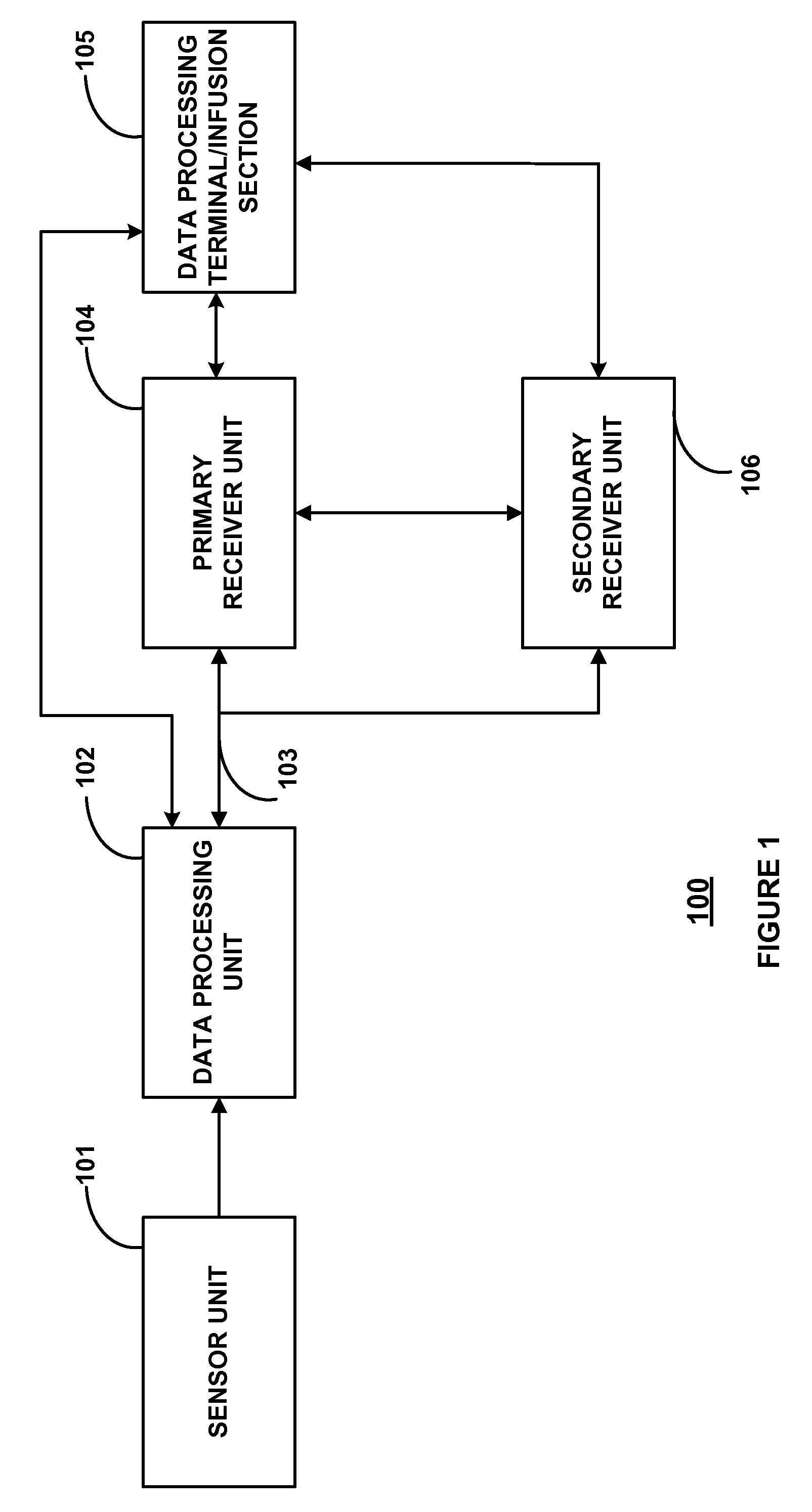
Redox polymer based reference electrodes having an extended lifetime for use in long term amperometric sensors
PatentInactiveUS20090294307A1
Innovation
- Redox polymer-based reference electrodes are developed, which are deposited on a solid substrate and do not dissolve in aqueous environments, providing stability and extended lifetime for amperometric sensors.

Self-powered sensing devices
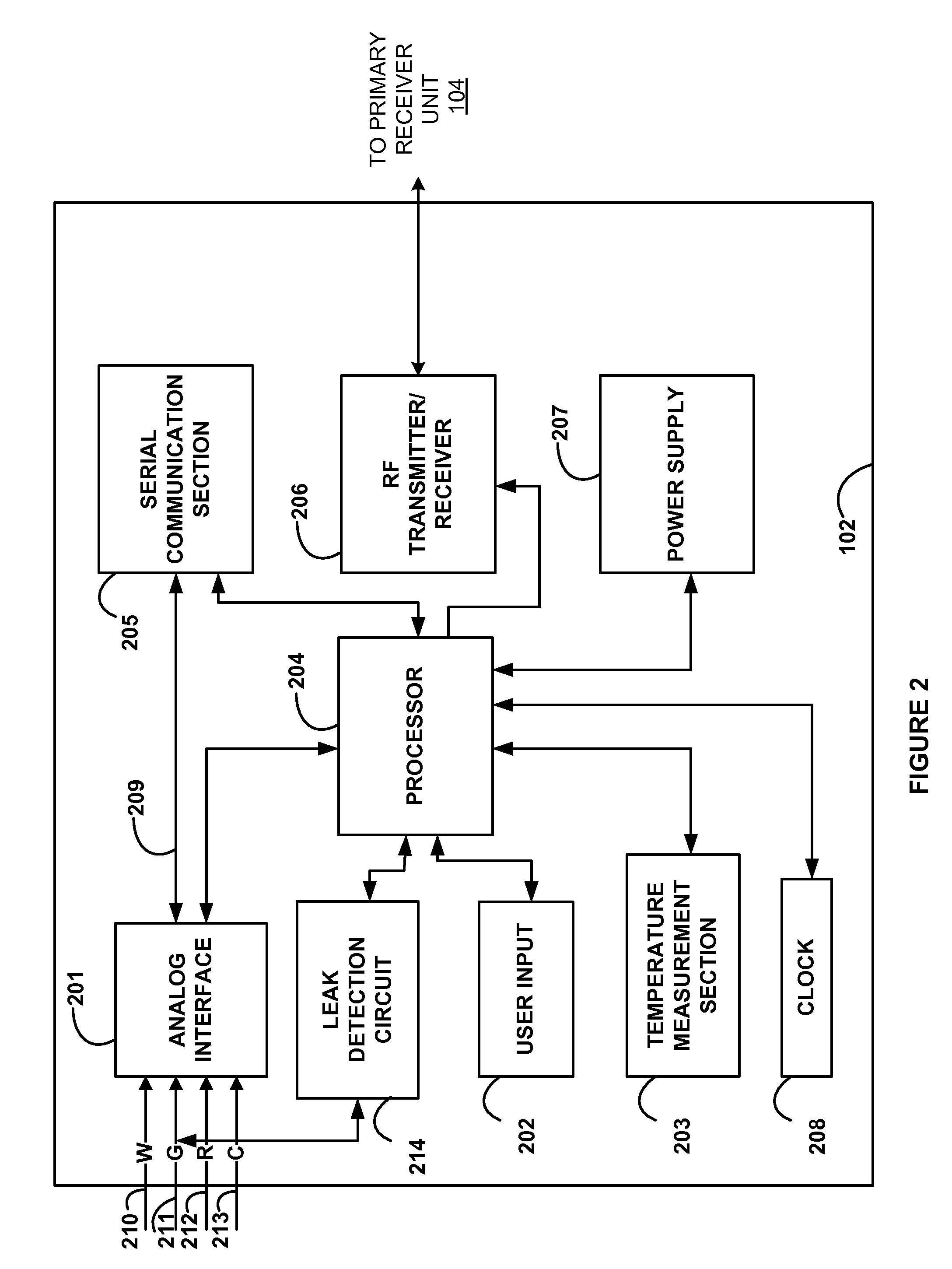
PatentInactiveJP2013007747A
Innovation
- A self-powered sensing device is developed using a configuration of first and second electrodes and an electrolyte comprising a conductive polymer, operating as an electrochemical cell to detect conditions or release chemicals without an external power source, utilizing conductive polymers to drive redox reactions and generate current.


Energy Harvesting Integration Strategies
Energy harvesting integration represents a critical advancement in extending the operational lifespan of self-powered sensors with enhanced electrodes. The strategic combination of energy harvesting technologies with electrode enhancements creates synergistic systems capable of sustained operation in diverse environments. These integration strategies focus on optimizing the energy capture-storage-utilization cycle to maximize sensor longevity.
Photovoltaic integration with electrode systems has demonstrated particular promise, especially when combined with high-surface-area electrode materials. Recent developments show that thin-film solar cells directly deposited onto electrode substrates can provide continuous power while minimizing form factor increases. This approach has achieved energy conversion efficiencies of 15-22% in laboratory settings, sufficient for maintaining electrode functionality in moderate-use scenarios.
Piezoelectric and triboelectric harvesting mechanisms offer complementary benefits when integrated with advanced electrode designs. These mechanical energy harvesting approaches can be strategically embedded within the electrode structure itself, creating dual-function components that both sense and power. Notably, MEMS-based piezoelectric harvesters integrated with flexible electrodes have demonstrated power densities of 10-50 μW/cm², adequate for intermittent sensing applications.
Thermoelectric generators (TEGs) present another viable integration pathway, particularly for body-worn or industrial sensors where temperature differentials naturally exist. When TEGs are coupled with thermally conductive electrode materials, the system can harvest energy while simultaneously improving electrode performance through temperature regulation. Recent innovations in flexible TEGs have achieved Seebeck coefficients exceeding 200 μV/K when paired with carbon nanotube-enhanced electrodes.
RF energy harvesting integration strategies have evolved significantly, with specialized antenna designs now capable of being directly incorporated into electrode structures. This approach enables sensors to harvest ambient electromagnetic energy while performing their primary sensing functions. The latest RF harvesting circuits integrated with electrode systems demonstrate power recovery of 1-10 μW at common cellular frequencies (0.9-2.4 GHz).
Hybrid energy harvesting approaches represent the most promising integration strategy, combining multiple harvesting modalities to overcome the limitations of any single method. For example, systems integrating photovoltaic, piezoelectric, and capacitive harvesting with advanced electrode materials have demonstrated 300-500% improvements in operational longevity compared to single-source harvesting designs. These hybrid systems employ sophisticated power management circuits that dynamically allocate harvested energy based on availability and electrode requirements.
Photovoltaic integration with electrode systems has demonstrated particular promise, especially when combined with high-surface-area electrode materials. Recent developments show that thin-film solar cells directly deposited onto electrode substrates can provide continuous power while minimizing form factor increases. This approach has achieved energy conversion efficiencies of 15-22% in laboratory settings, sufficient for maintaining electrode functionality in moderate-use scenarios.
Piezoelectric and triboelectric harvesting mechanisms offer complementary benefits when integrated with advanced electrode designs. These mechanical energy harvesting approaches can be strategically embedded within the electrode structure itself, creating dual-function components that both sense and power. Notably, MEMS-based piezoelectric harvesters integrated with flexible electrodes have demonstrated power densities of 10-50 μW/cm², adequate for intermittent sensing applications.
Thermoelectric generators (TEGs) present another viable integration pathway, particularly for body-worn or industrial sensors where temperature differentials naturally exist. When TEGs are coupled with thermally conductive electrode materials, the system can harvest energy while simultaneously improving electrode performance through temperature regulation. Recent innovations in flexible TEGs have achieved Seebeck coefficients exceeding 200 μV/K when paired with carbon nanotube-enhanced electrodes.
RF energy harvesting integration strategies have evolved significantly, with specialized antenna designs now capable of being directly incorporated into electrode structures. This approach enables sensors to harvest ambient electromagnetic energy while performing their primary sensing functions. The latest RF harvesting circuits integrated with electrode systems demonstrate power recovery of 1-10 μW at common cellular frequencies (0.9-2.4 GHz).
Hybrid energy harvesting approaches represent the most promising integration strategy, combining multiple harvesting modalities to overcome the limitations of any single method. For example, systems integrating photovoltaic, piezoelectric, and capacitive harvesting with advanced electrode materials have demonstrated 300-500% improvements in operational longevity compared to single-source harvesting designs. These hybrid systems employ sophisticated power management circuits that dynamically allocate harvested energy based on availability and electrode requirements.
Environmental Impact and Sustainability Considerations
The environmental impact of electrode materials and designs for self-powered sensors represents a critical consideration in sustainable technology development. Traditional electrode materials often contain rare earth elements, heavy metals, and toxic compounds that pose significant environmental risks during extraction, processing, and disposal phases. The mining operations required for these materials frequently result in habitat destruction, water pollution, and substantial carbon emissions. As self-powered sensor networks expand globally, the cumulative environmental footprint of these materials becomes increasingly concerning.
Sustainable electrode design must prioritize biodegradable and recyclable materials that maintain performance while reducing environmental harm. Recent research has demonstrated promising results with carbon-based electrodes derived from renewable sources, including cellulose-based nanomaterials and lignin-derived carbon structures. These alternatives offer comparable conductivity to conventional electrodes while dramatically reducing end-of-life environmental impact.
Energy consumption during electrode manufacturing represents another significant environmental consideration. Current production methods often require high-temperature processing and energy-intensive purification steps. Innovations in low-temperature synthesis techniques and green chemistry approaches are emerging as viable pathways to reduce the carbon footprint of electrode production. Ambient-temperature electrode fabrication methods have demonstrated up to 70% reduction in manufacturing energy requirements compared to conventional techniques.
The longevity enhancement of self-powered sensors through improved electrode design directly contributes to sustainability by reducing replacement frequency and associated waste generation. Extended sensor lifespans translate to fewer materials consumed over time and decreased electronic waste. Calculations indicate that doubling sensor operational life through electrode optimization could reduce electronic waste by approximately 45% over a ten-year deployment period.
Water usage in electrode manufacturing presents additional environmental challenges. Traditional processes may require significant quantities of ultrapure water for cleaning and processing steps. Emerging dry fabrication techniques and closed-loop water recycling systems offer promising approaches to minimize water consumption. Some innovative electrode manufacturing facilities have achieved water usage reductions exceeding 80% through implementation of these technologies.
Lifecycle assessment studies of self-powered sensor systems reveal that electrode materials typically account for 30-40% of the overall environmental impact. This underscores the importance of sustainable electrode design in creating truly environmentally responsible sensing technologies. The development of comprehensive recycling protocols specifically tailored for electrode materials represents a crucial step toward establishing circular economy principles in self-powered sensor deployment.
Sustainable electrode design must prioritize biodegradable and recyclable materials that maintain performance while reducing environmental harm. Recent research has demonstrated promising results with carbon-based electrodes derived from renewable sources, including cellulose-based nanomaterials and lignin-derived carbon structures. These alternatives offer comparable conductivity to conventional electrodes while dramatically reducing end-of-life environmental impact.
Energy consumption during electrode manufacturing represents another significant environmental consideration. Current production methods often require high-temperature processing and energy-intensive purification steps. Innovations in low-temperature synthesis techniques and green chemistry approaches are emerging as viable pathways to reduce the carbon footprint of electrode production. Ambient-temperature electrode fabrication methods have demonstrated up to 70% reduction in manufacturing energy requirements compared to conventional techniques.
The longevity enhancement of self-powered sensors through improved electrode design directly contributes to sustainability by reducing replacement frequency and associated waste generation. Extended sensor lifespans translate to fewer materials consumed over time and decreased electronic waste. Calculations indicate that doubling sensor operational life through electrode optimization could reduce electronic waste by approximately 45% over a ten-year deployment period.
Water usage in electrode manufacturing presents additional environmental challenges. Traditional processes may require significant quantities of ultrapure water for cleaning and processing steps. Emerging dry fabrication techniques and closed-loop water recycling systems offer promising approaches to minimize water consumption. Some innovative electrode manufacturing facilities have achieved water usage reductions exceeding 80% through implementation of these technologies.
Lifecycle assessment studies of self-powered sensor systems reveal that electrode materials typically account for 30-40% of the overall environmental impact. This underscores the importance of sustainable electrode design in creating truly environmentally responsible sensing technologies. The development of comprehensive recycling protocols specifically tailored for electrode materials represents a crucial step toward establishing circular economy principles in self-powered sensor deployment.
Unlock deeper insights with PatSnap Eureka Quick Research — get a full tech report to explore trends and direct your research. Try now!
Generate Your Research Report Instantly with AI Agent
Supercharge your innovation with PatSnap Eureka AI Agent Platform!